
Rococo Derived from the French word rocaille or


- Slides: 27
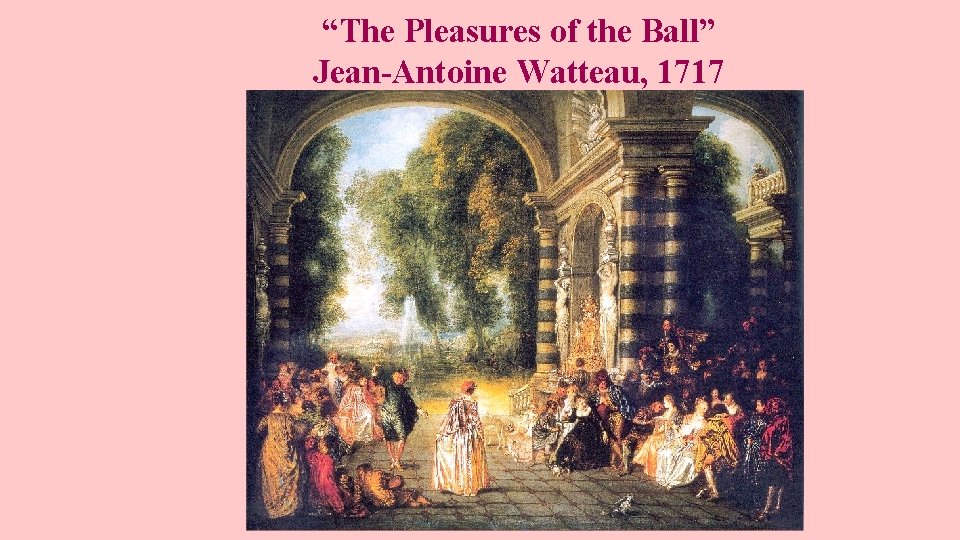
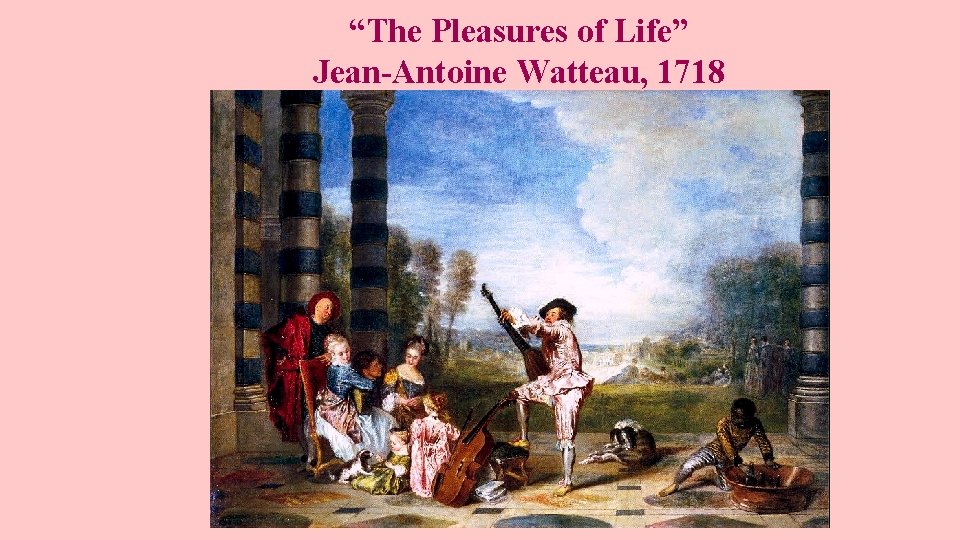
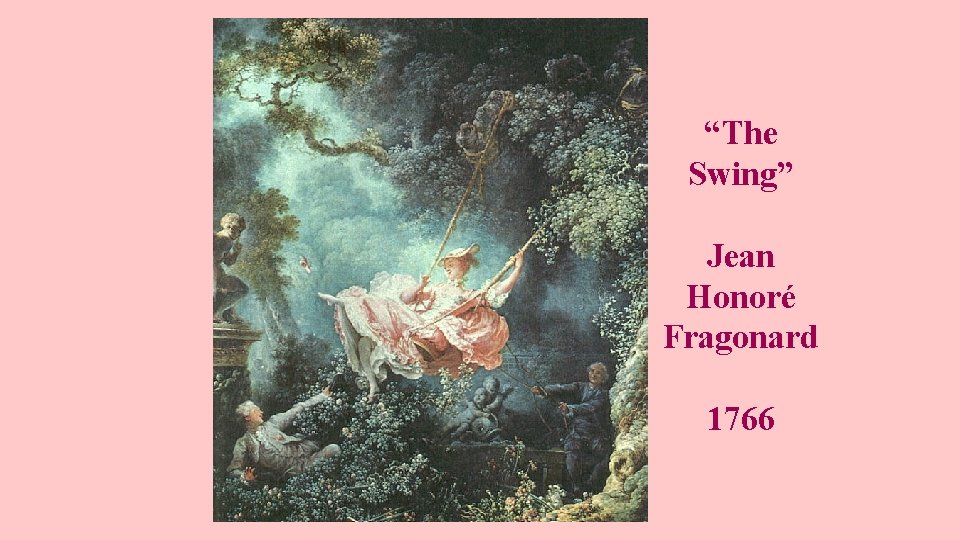
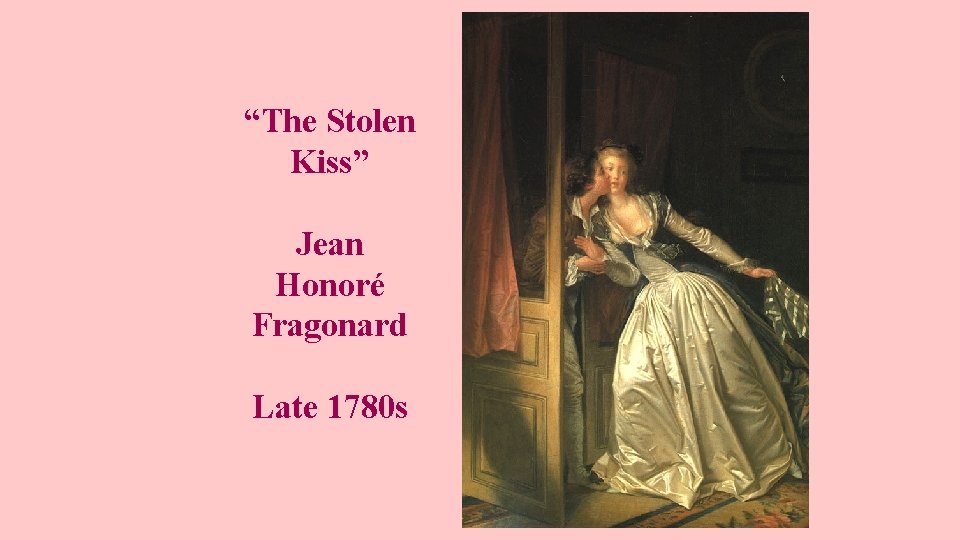
Rococo ► Derived from the French word, rocaille or pebbles, referring to the stones & shells used to decorate the interior of caves. ► Complex compositions. ► Ornateness and fussy details. ► Gaiety, lightness, and airyness --> the Rococo style “dances. ” ► Portrays the carefree life of the aristocracy -- landscapes like fairy tales.
Rococo ► 1715 – 1774. ► Centered in France --> associated with Louis XV. [also Germany and Italy] ► Light, elaborate, decorative style. ► Pastels. ► A backlash to the darkness of the Baroque --> less formal & grandiose. ► Eventually replaced by Neo-Classicism, the artistic style of the American & French Revolutions.
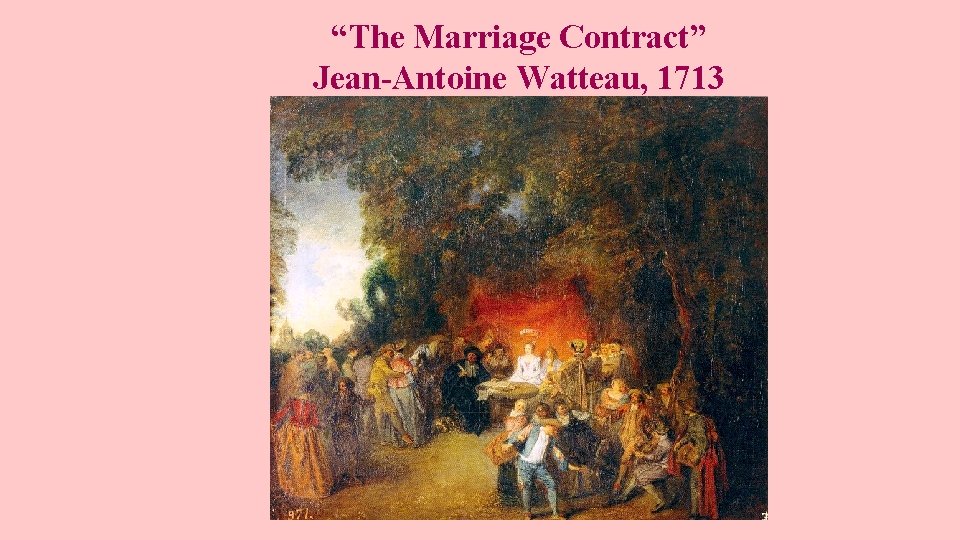
“The Marriage Contract” Jean-Antoine Watteau, 1713
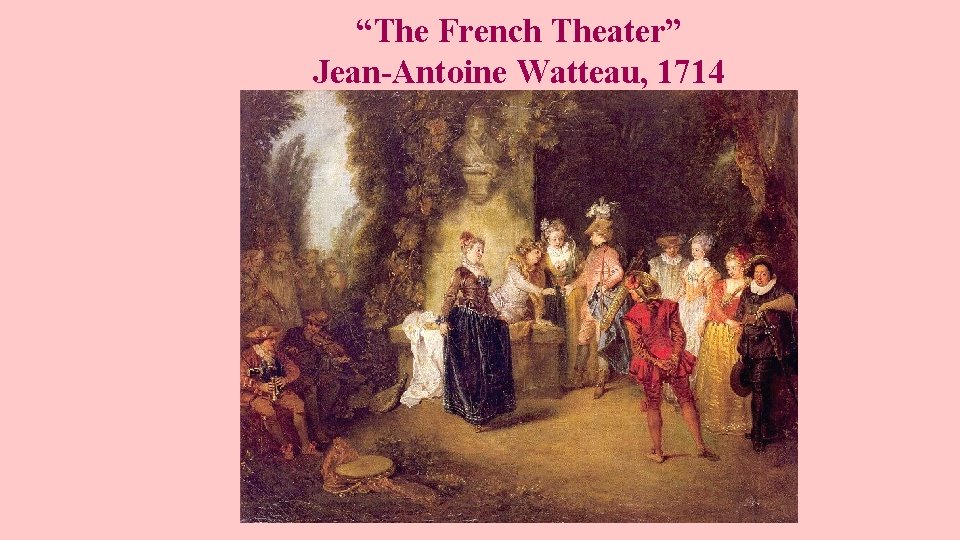
“The French Theater” Jean-Antoine Watteau, 1714
“The Pleasures of the Ball” Jean-Antoine Watteau, 1717
“The Pleasures of Life” Jean-Antoine Watteau, 1718
“The Swing” Jean Honoré Fragonard 1766
“The Stolen Kiss” Jean Honoré Fragonard Late 1780 s
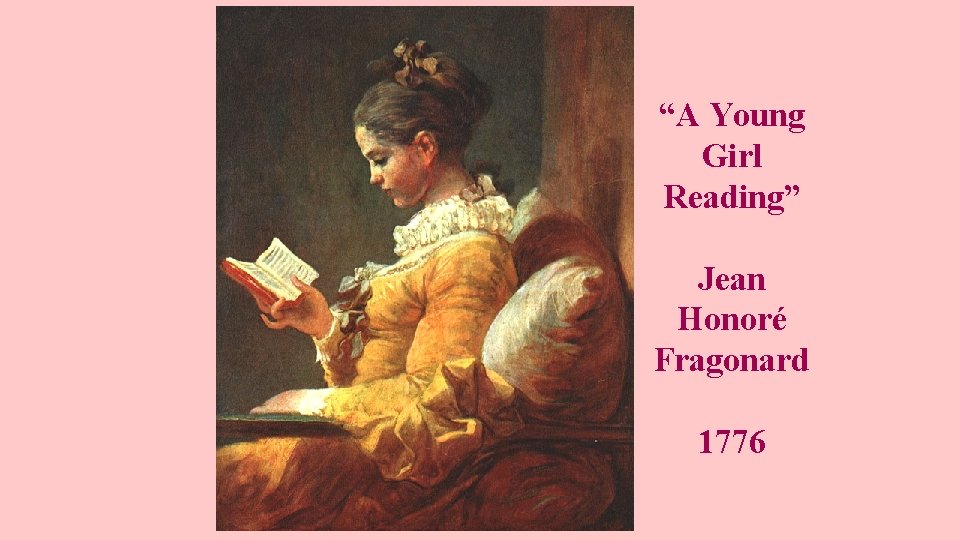
“A Young Girl Reading” Jean Honoré Fragonard 1776
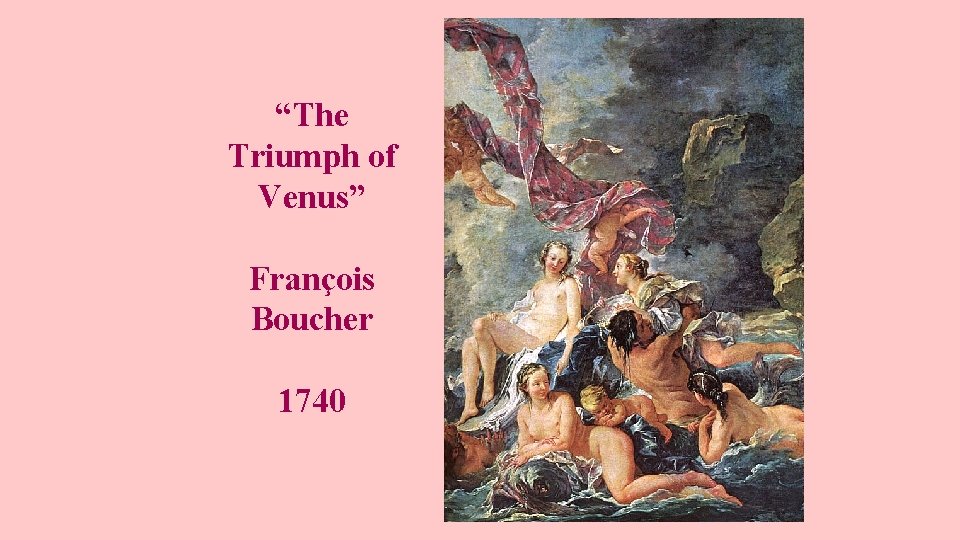
“The Triumph of Venus” François Boucher 1740
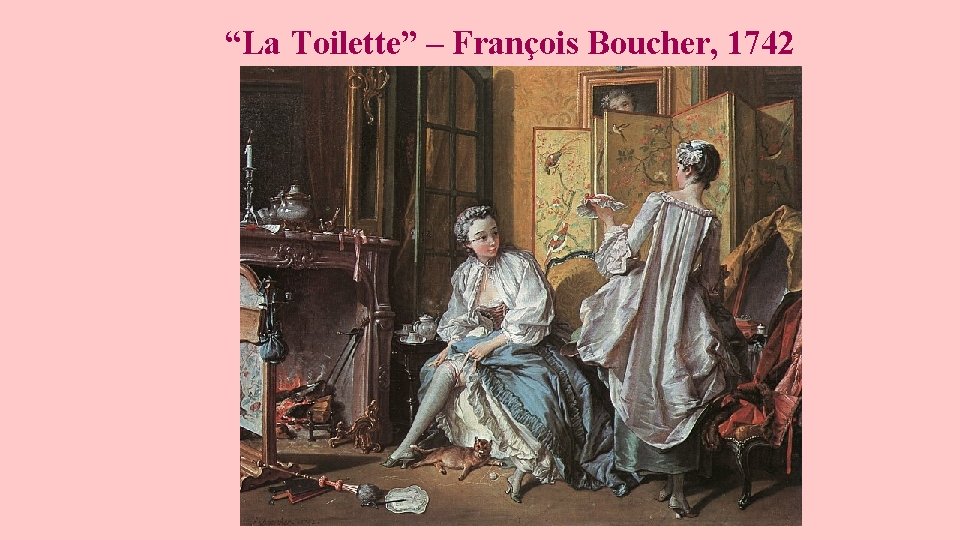
“La Toilette” – François Boucher, 1742
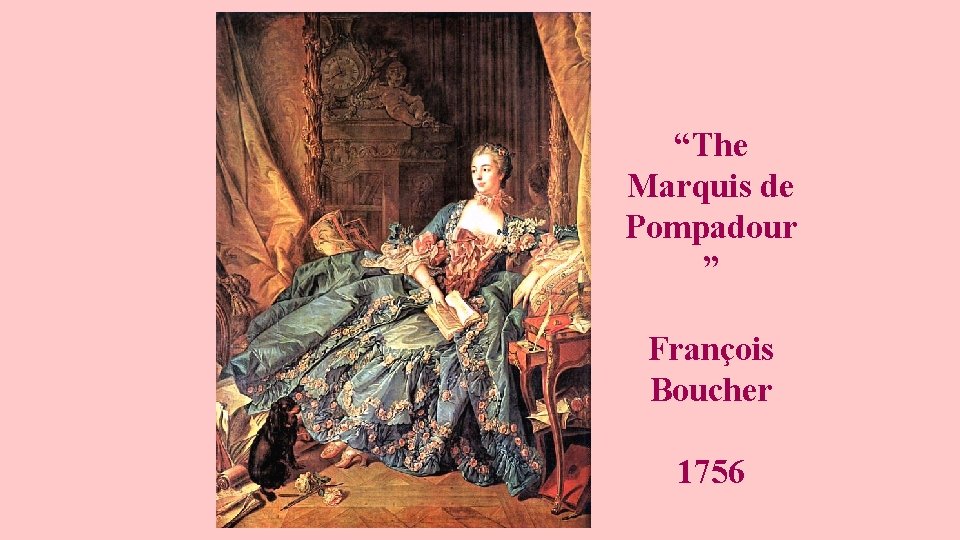
“The Marquis de Pompadour ” François Boucher 1756
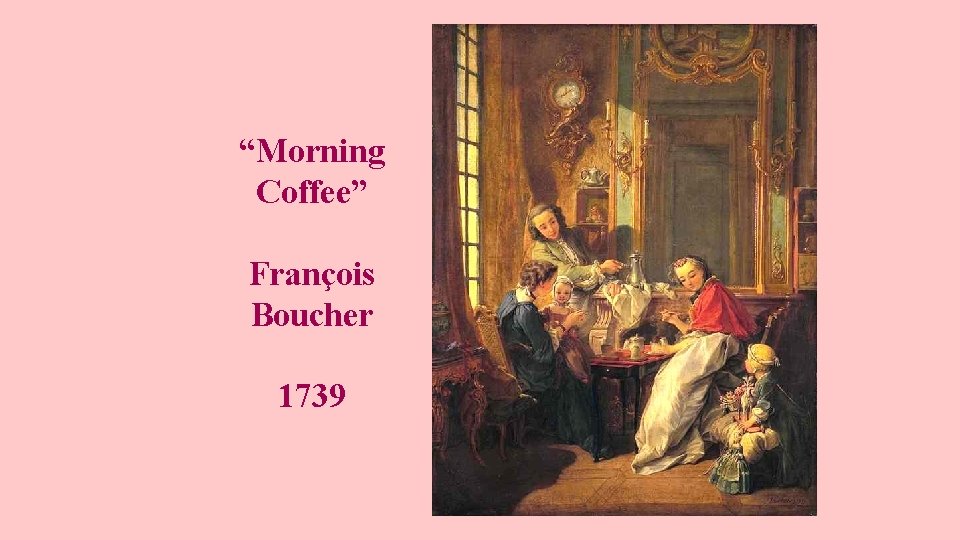
“Morning Coffee” François Boucher 1739
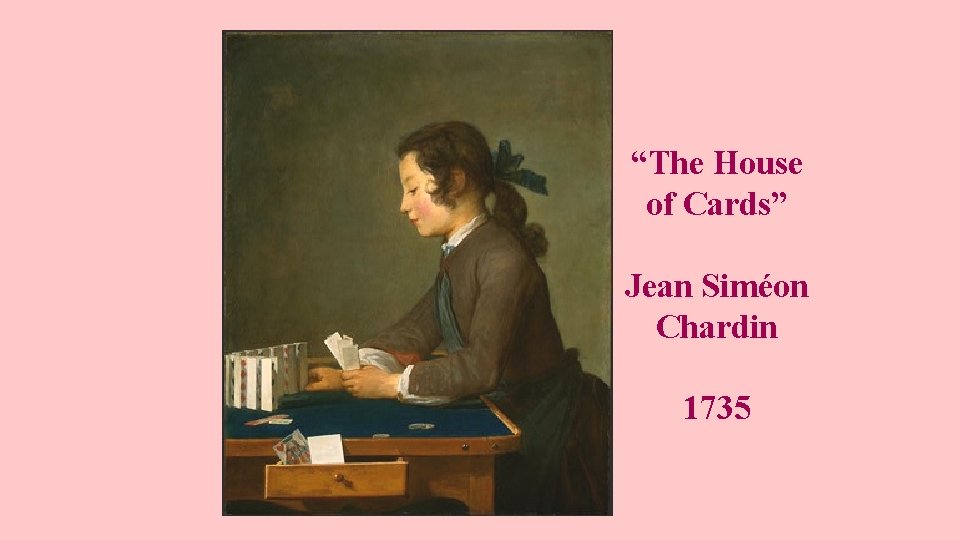
“The House of Cards” Jean Siméon Chardin 1735
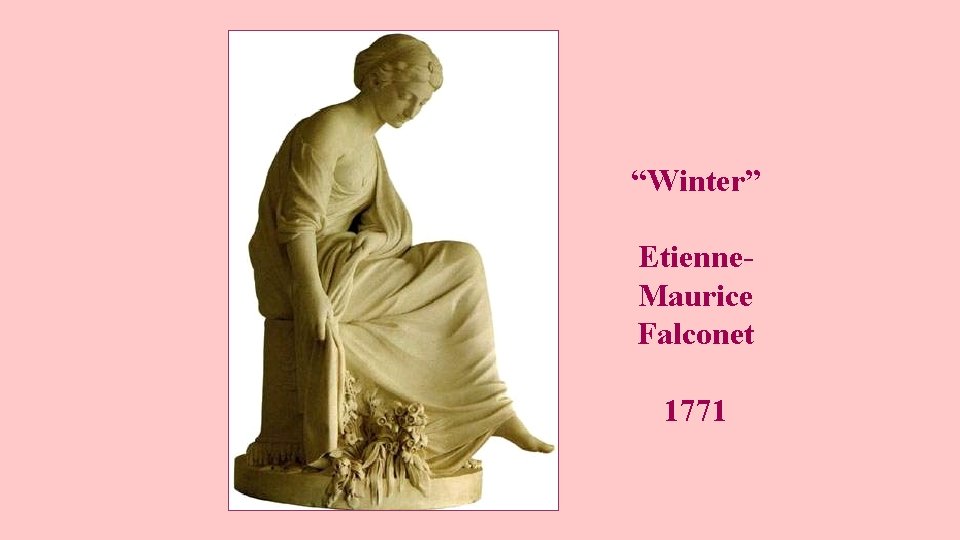
“Winter” Etienne. Maurice Falconet 1771
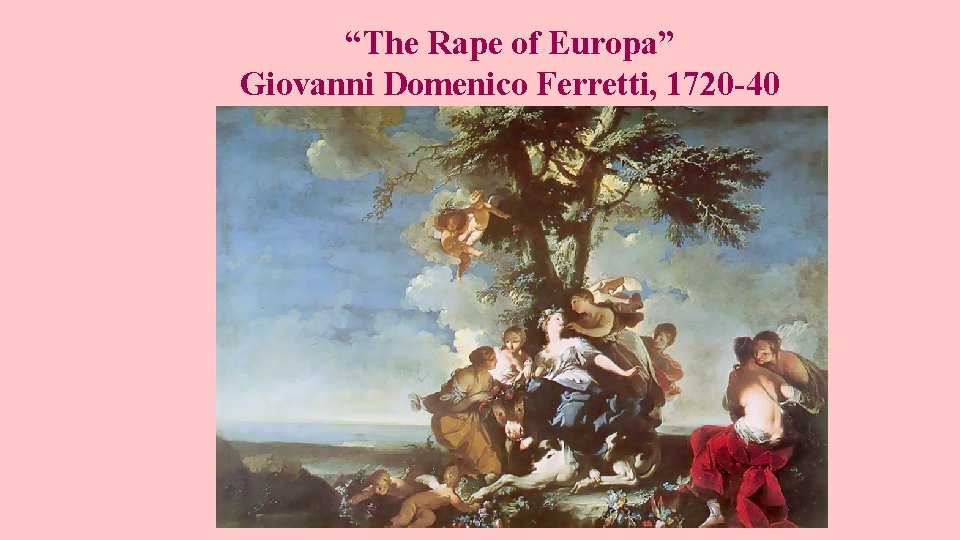
“The Rape of Europa” Giovanni Domenico Ferretti, 1720 -40
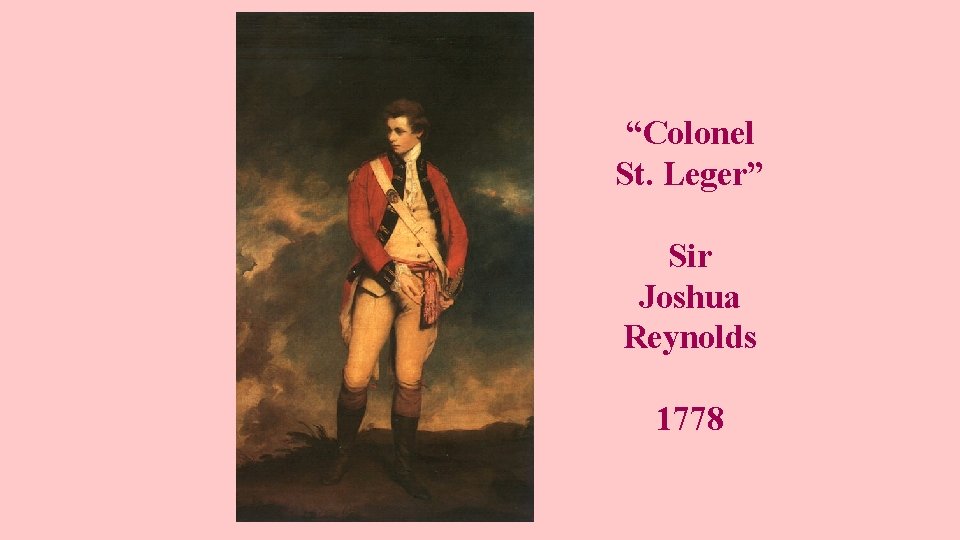
“Colonel St. Leger” Sir Joshua Reynolds 1778
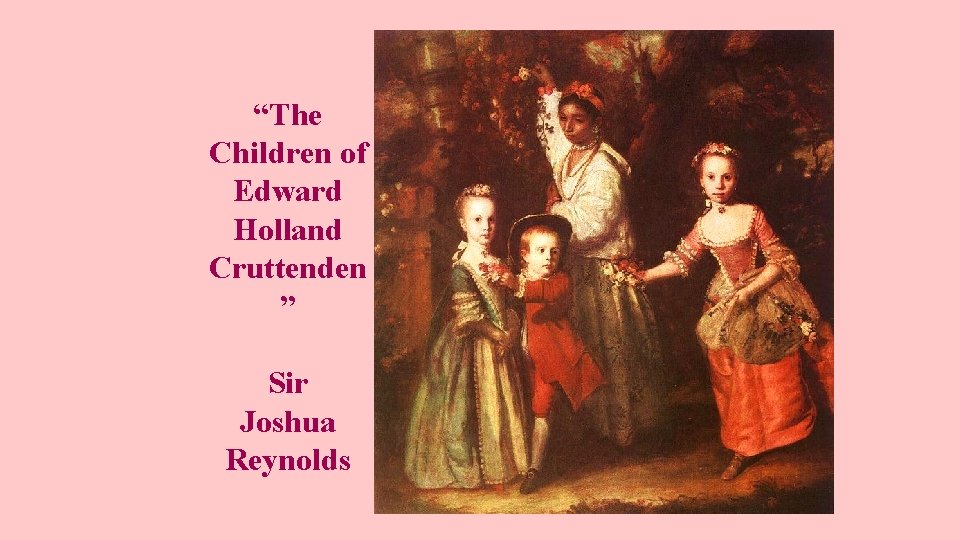
“The Children of Edward Holland Cruttenden ” Sir Joshua Reynolds
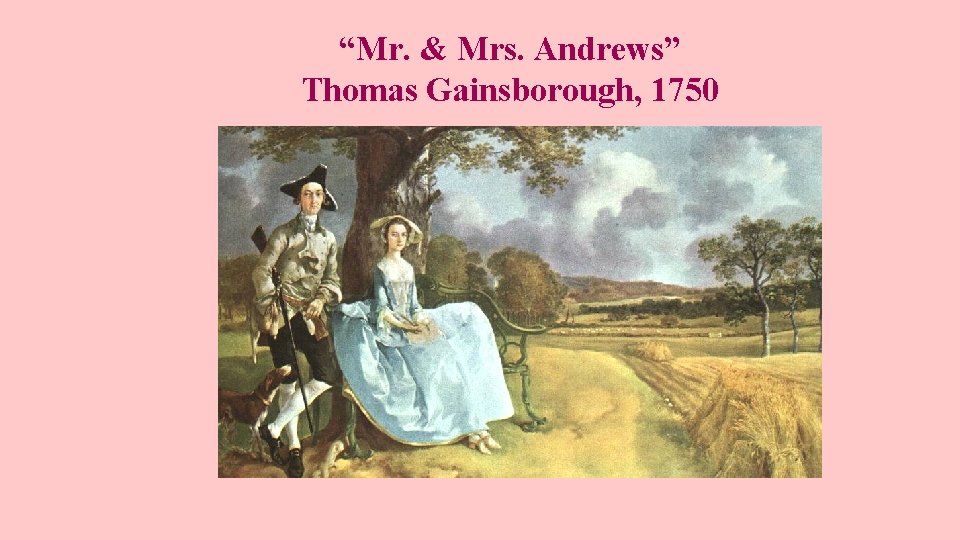
“Mr. & Mrs. Andrews” Thomas Gainsborough, 1750
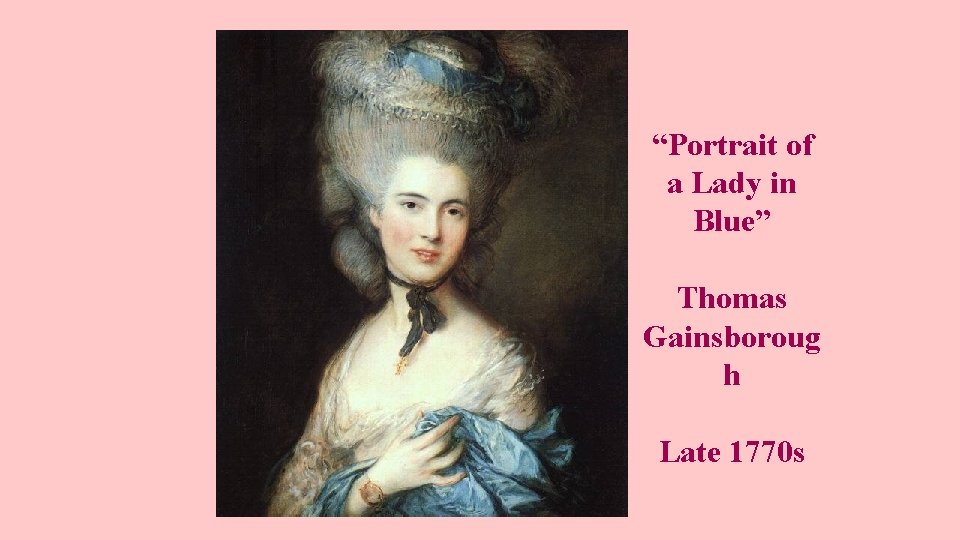
“Portrait of a Lady in Blue” Thomas Gainsboroug h Late 1770 s
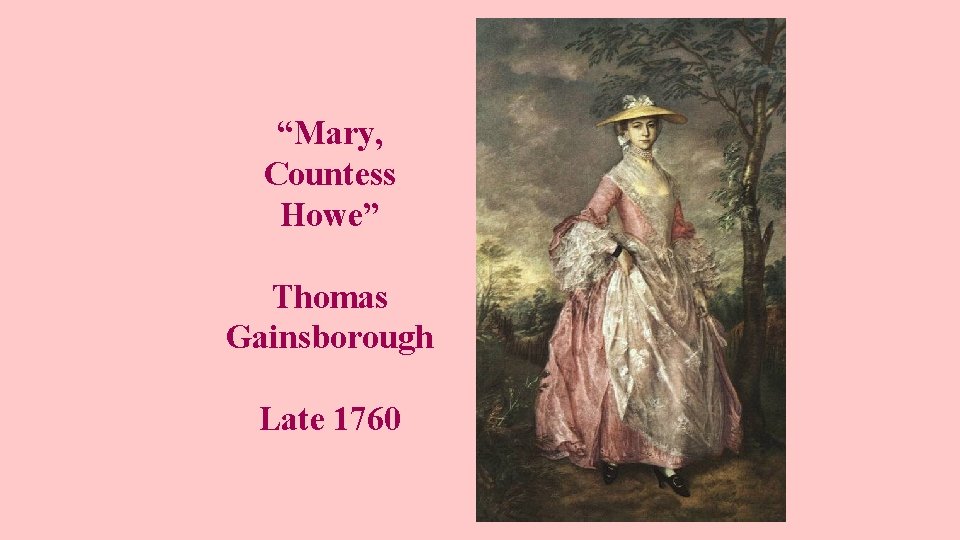
“Mary, Countess Howe” Thomas Gainsborough Late 1760
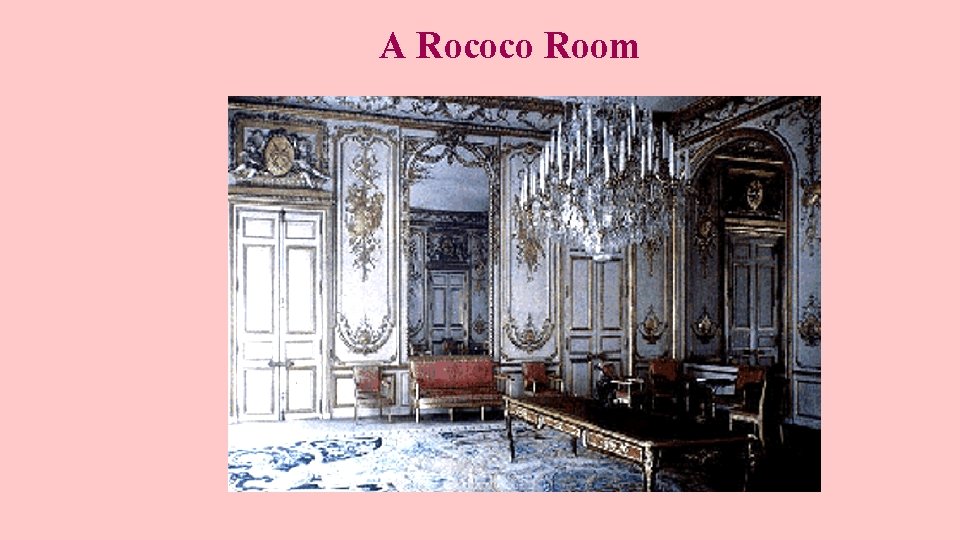
A Rococo Room
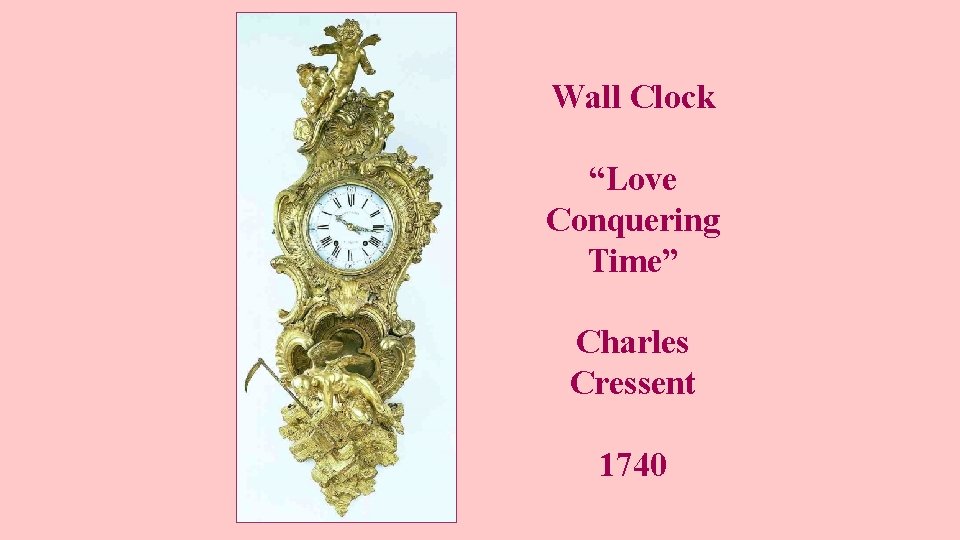
Wall Clock “Love Conquering Time” Charles Cressent 1740
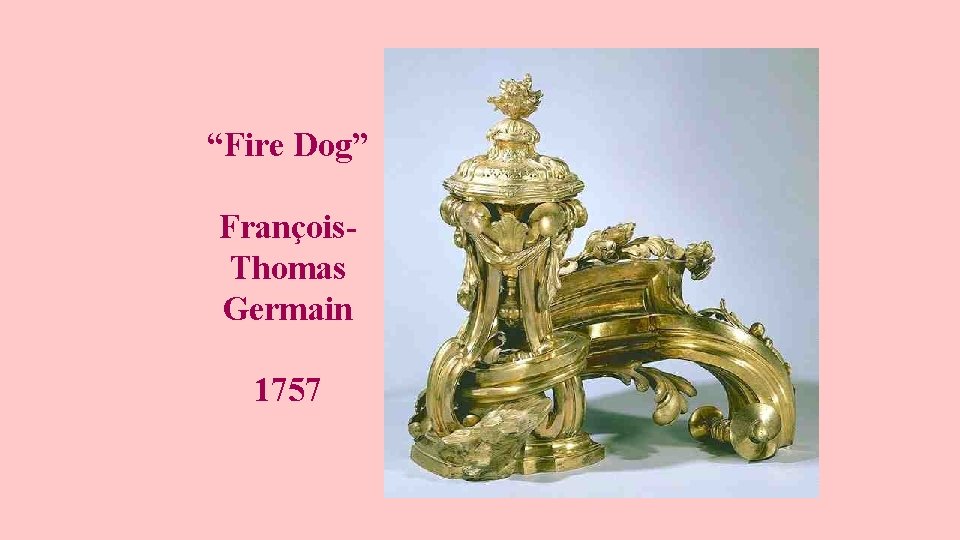
“Fire Dog” François. Thomas Germain 1757