
Rocky Shore Ecology breda moriartyucc ie Upper Shore
Rocky Shore Ecology breda. moriarty@ucc. ie
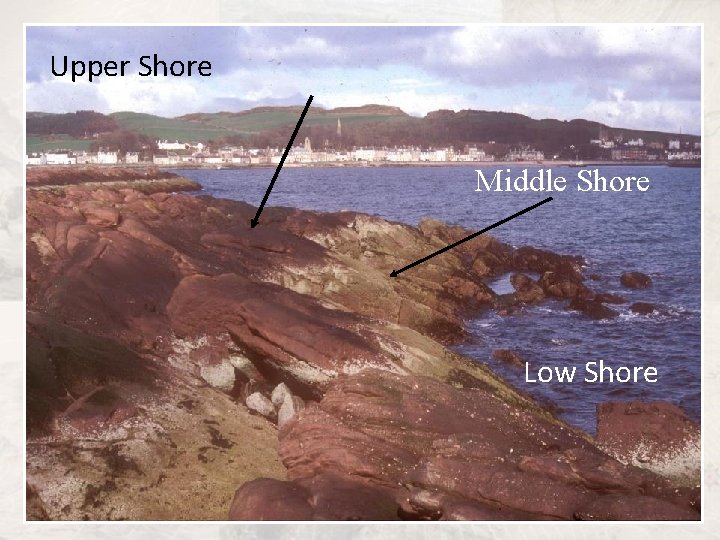
Upper Shore Middle Shore Low Shore
Ecosystems on rocky shores have bands of different species across the intertidal zone. The distribution of different species across the rocky shore is influenced by biotic and abiotic factors from above high tide to the sub-tidal zone.
Problems of living on a rocky shore Abiotic Factors • • Biotic Factors Wave action • Predation and competition Water loss and desiccation • Reproduction Temperature fluctuations Salinity fluctuations O 2, CO 2, p. H fluctuations Range of illumination Immersion / emersion cycle Pollution
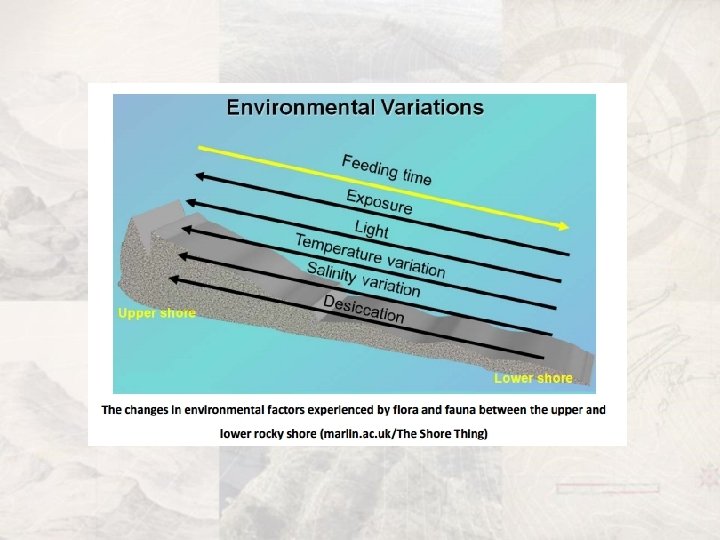

Wave Action Tidal Cycles

Entrance to Baltimore Harbour January 2014
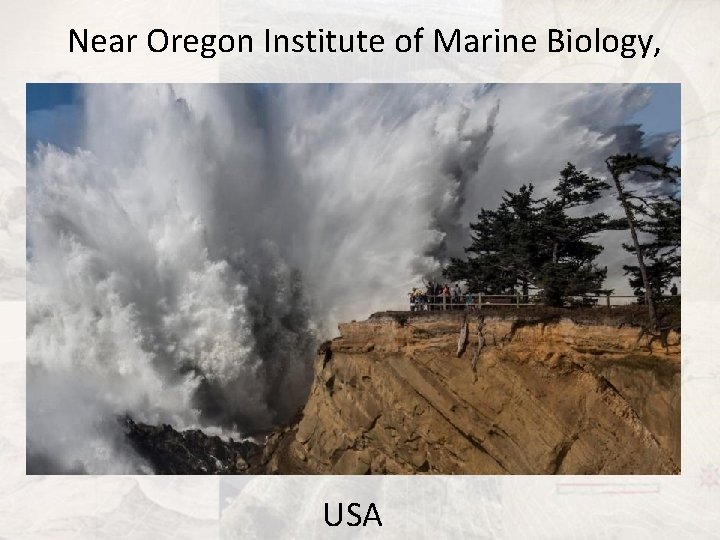
Near Oregon Institute of Marine Biology, USA
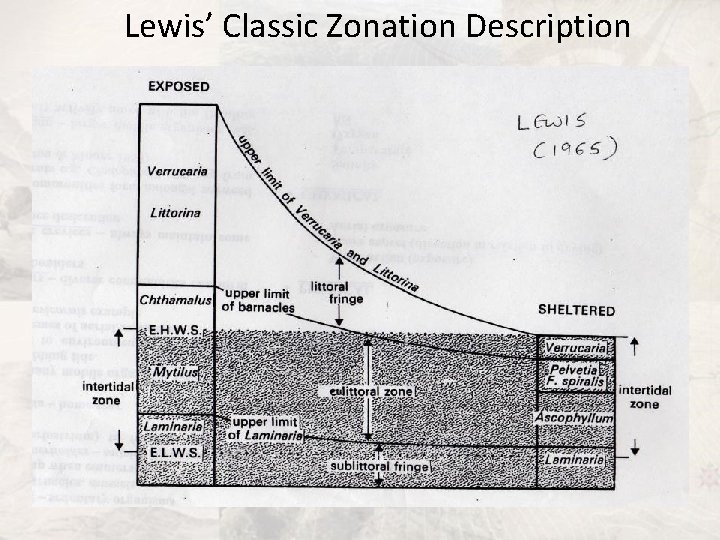
Lewis’ Classic Zonation Description
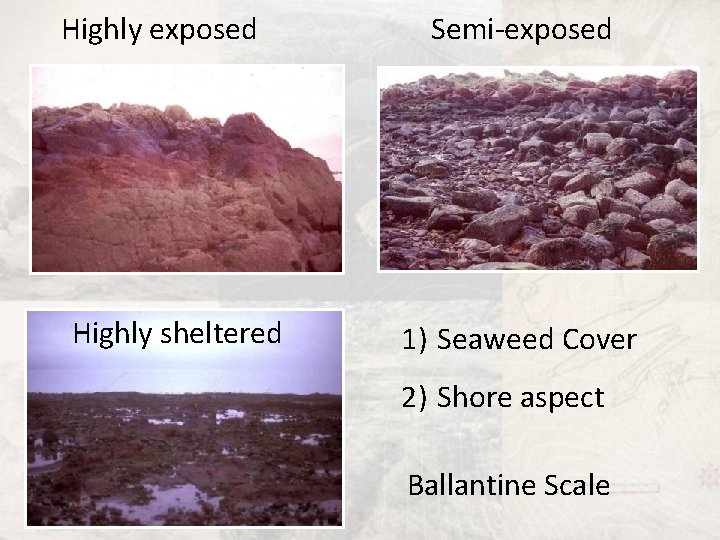
Highly exposed Highly sheltered Semi-exposed 1) Seaweed Cover 2) Shore aspect Ballantine Scale

Against desiccation, wave and salinity • • Retreat to sheltered areas Protective cover Internal gill Strong adhesive power (byssus threads, muscular foot) • Flattened body • Red pigment in algae for deep water illumination
Some common seaweeds on rocky shores
Predation Primary Producers/Autrophs - algae, phytoplankton and seaweeds Primary Consumers - grazers and filter-feeders Secondary Consumers-carnivores e. g. dogwhelks Tertiary Consumers e. g. birds
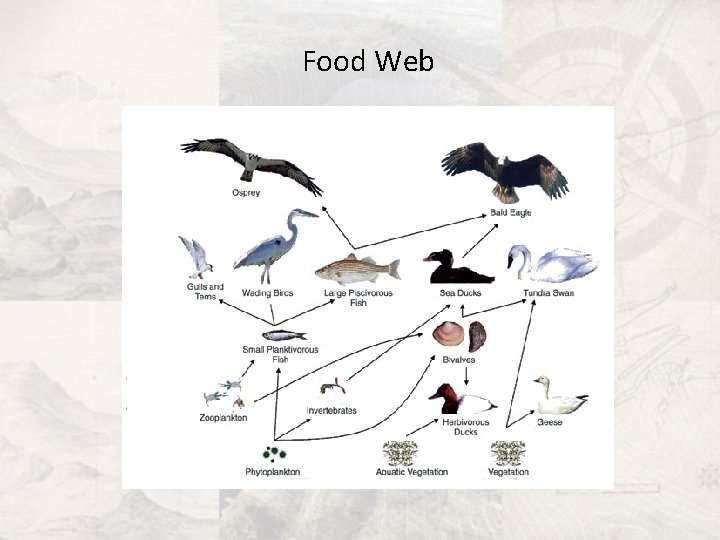
Food Web
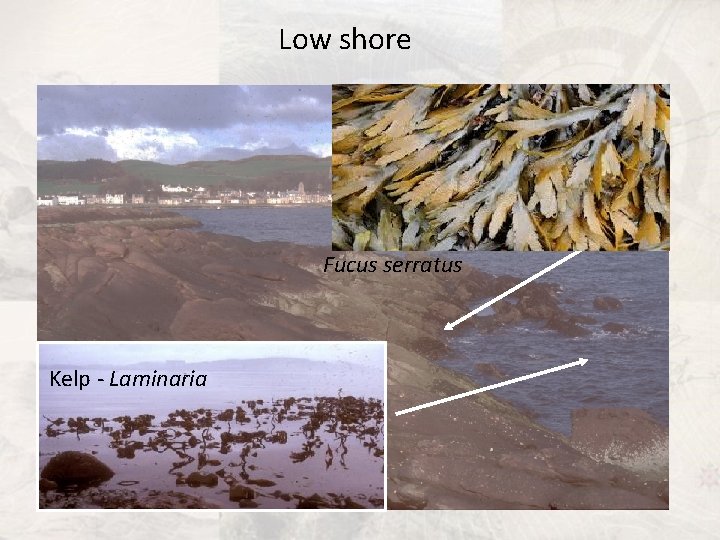
Low shore Fucus serratus Kelp - Laminaria
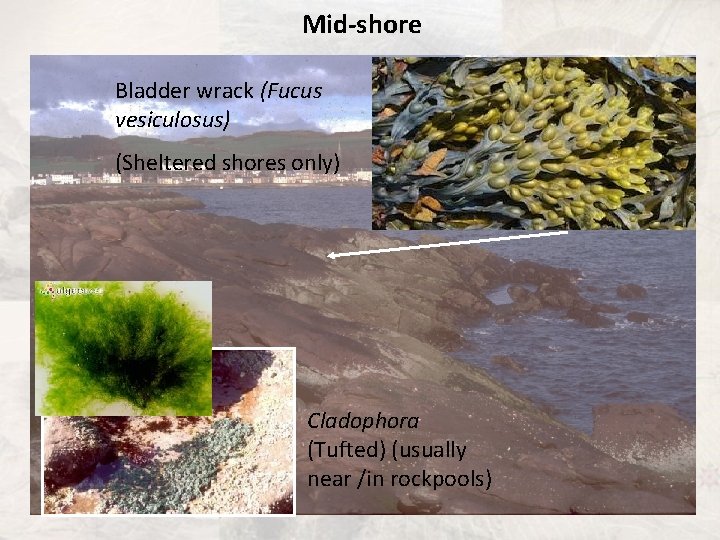
Mid-shore Bladder wrack (Fucus vesiculosus) (Sheltered shores only) Cladophora (Tufted) (usually near /in rockpools)
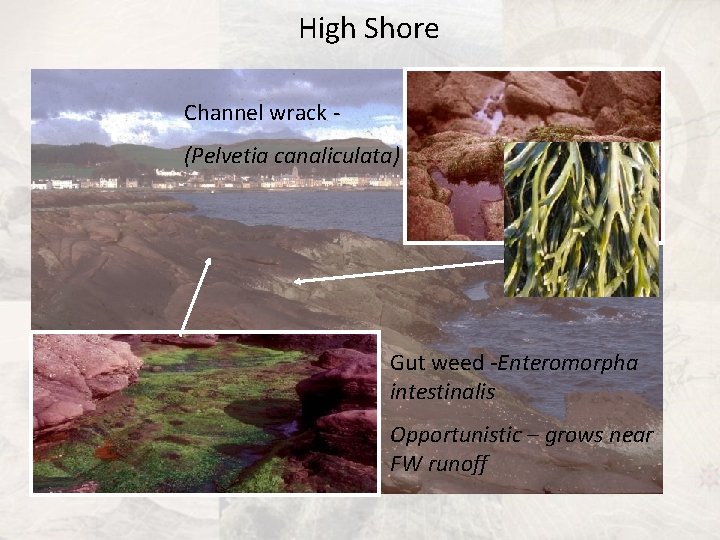
High Shore Channel wrack (Pelvetia canaliculata) Gut weed -Enteromorpha intestinalis Opportunistic – grows near FW runoff
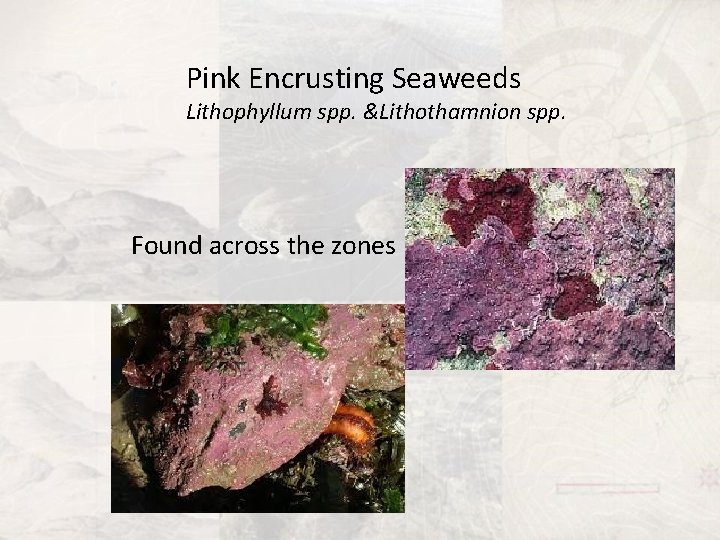
Pink Encrusting Seaweeds Lithophyllum spp. &Lithothamnion spp. Found across the zones
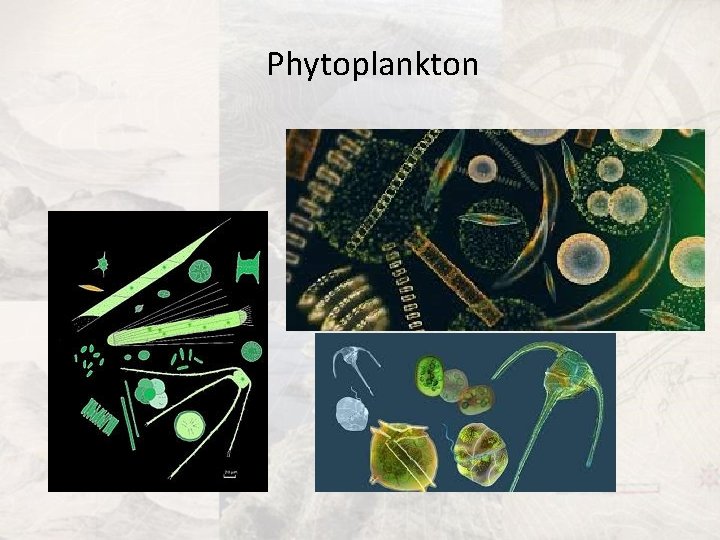
Phytoplankton
Common animals on rocky shores
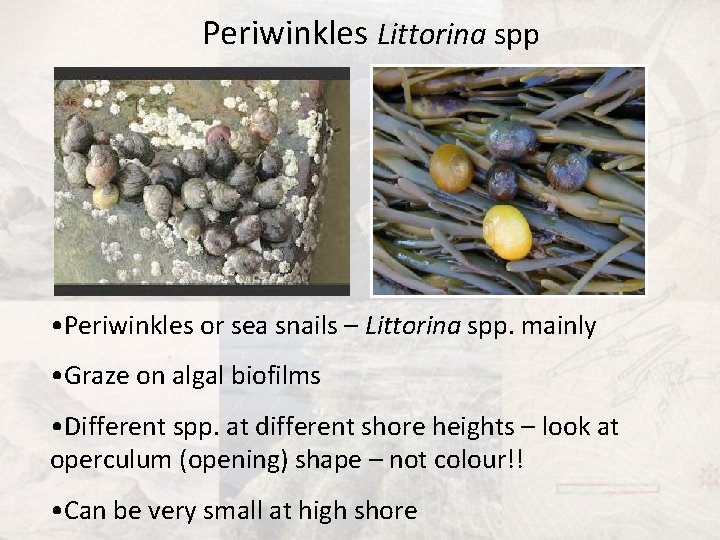
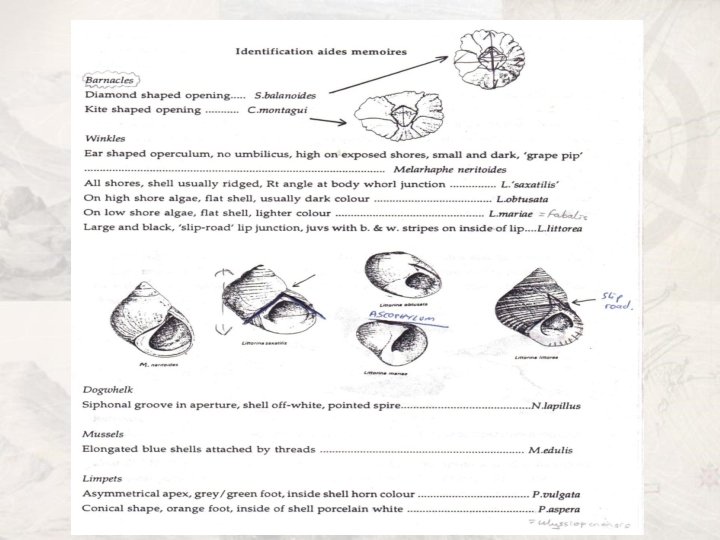
Periwinkles Littorina spp • Periwinkles or sea snails – Littorina spp. mainly • Graze on algal biofilms • Different spp. at different shore heights – look at operculum (opening) shape – not colour!! • Can be very small at high shore
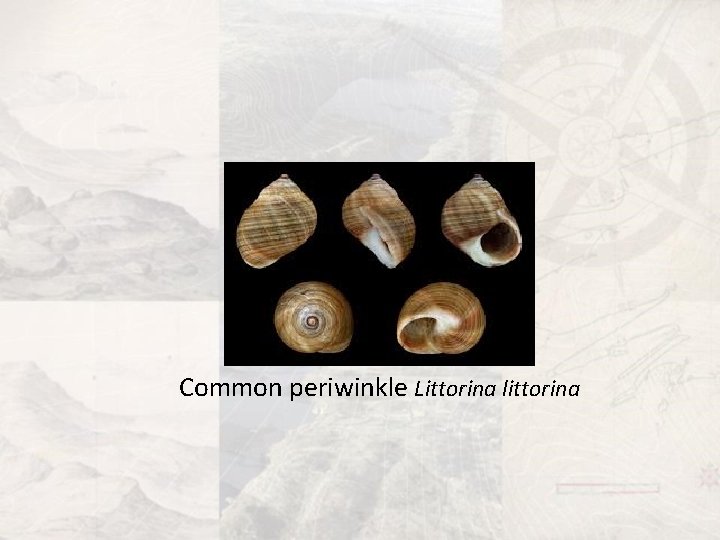
Common periwinkle Littorina littorina
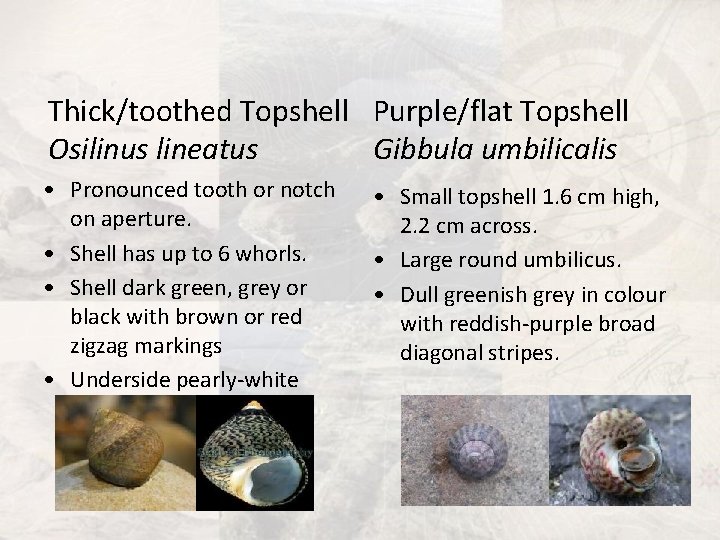
Thick/toothed Topshell Purple/flat Topshell Osilinus lineatus Gibbula umbilicalis • Pronounced tooth or notch on aperture. • Shell has up to 6 whorls. • Shell dark green, grey or black with brown or red zigzag markings • Underside pearly-white • Small topshell 1. 6 cm high, 2. 2 cm across. • Large round umbilicus. • Dull greenish grey in colour with reddish-purple broad diagonal stripes.
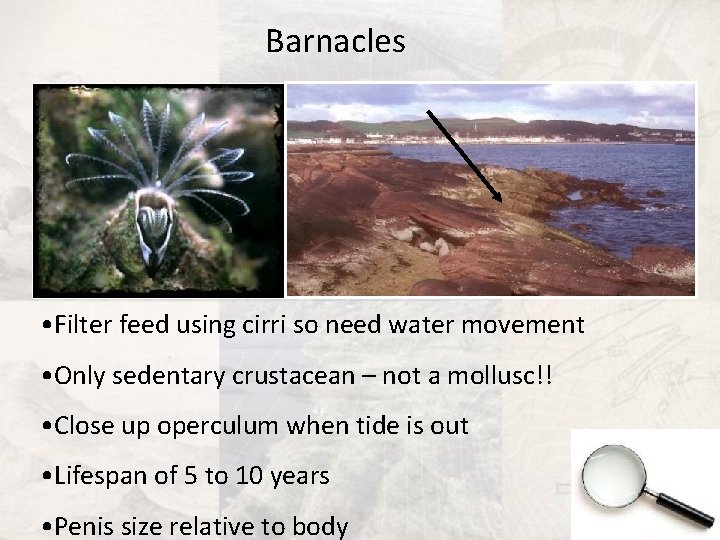
Barnacles • Filter feed using cirri so need water movement • Only sedentary crustacean – not a mollusc!! • Close up operculum when tide is out • Lifespan of 5 to 10 years • Penis size relative to body
Barnacles living in gentle waters have long, thin penises best equipped for maximum reach. But those animals living in rough waters have shorter, stouter penises that are better able to withstand strong waves. Barnacles exhibit phenotypic plasticity, meaning that they can change their penis size depending on competition and environment. https: //www. youtube. com/watch? v=DT fk. Sr 4 GAXo
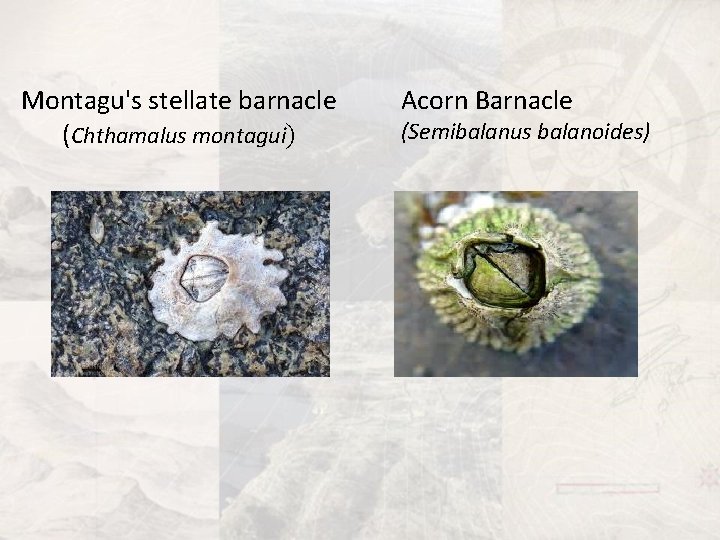
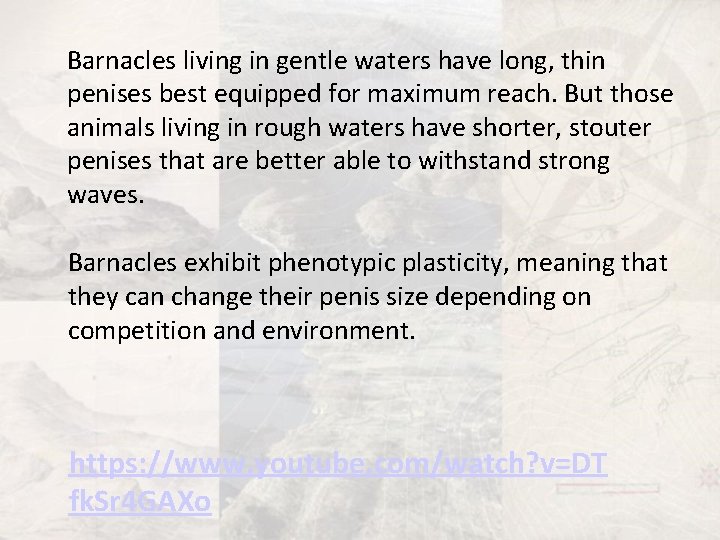
Montagu's stellate barnacle (Chthamalus montagui) Acorn Barnacle (Semibalanus balanoides)
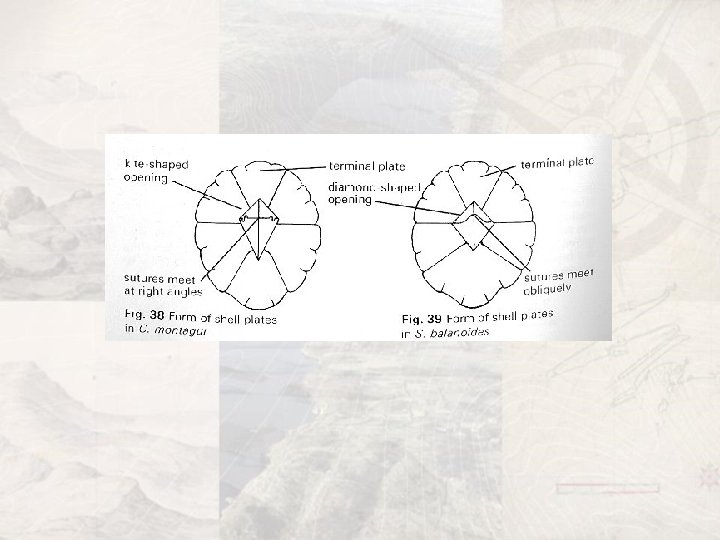
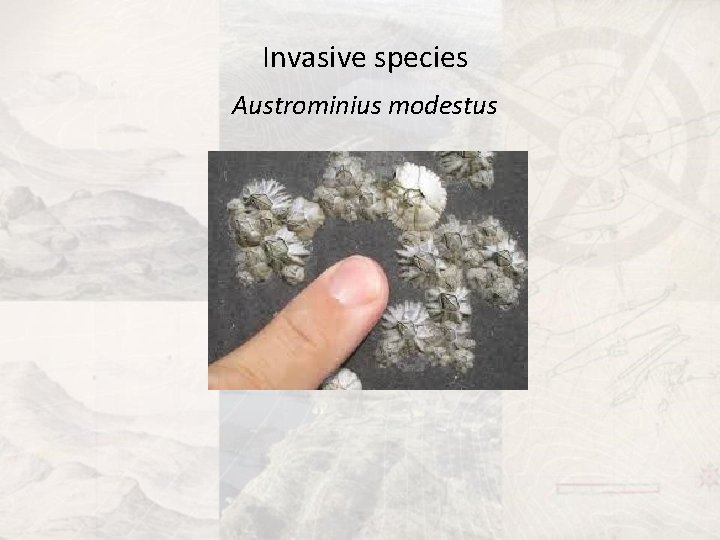
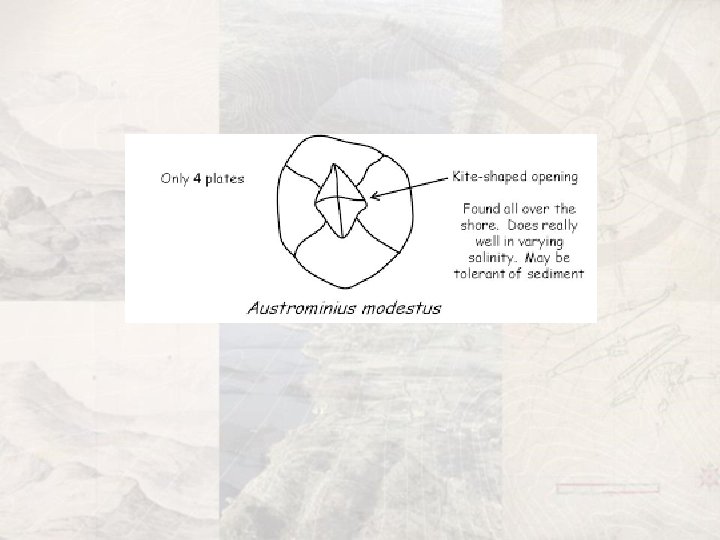
Invasive species Austrominius modestus
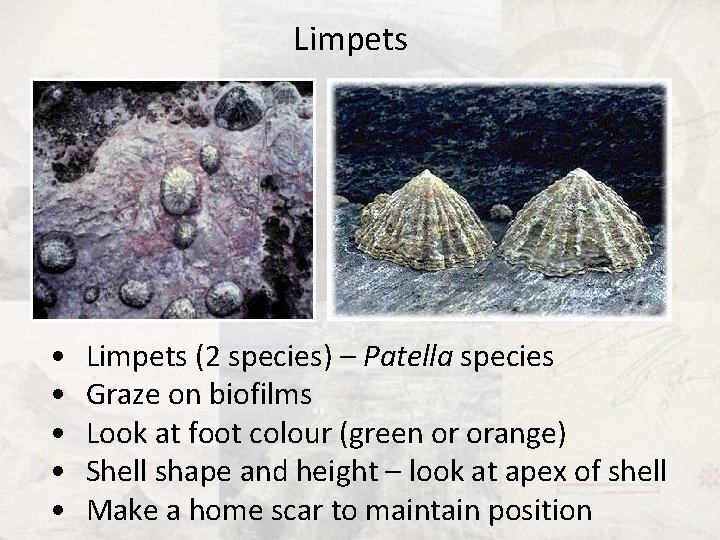
Limpets • • • Limpets (2 species) – Patella species Graze on biofilms Look at foot colour (green or orange) Shell shape and height – look at apex of shell Make a home scar to maintain position
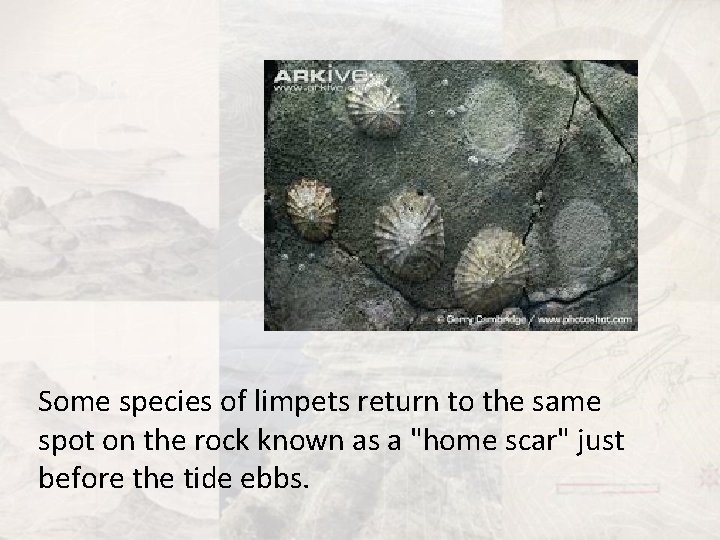
Some species of limpets return to the same spot on the rock known as a "home scar" just before the tide ebbs.
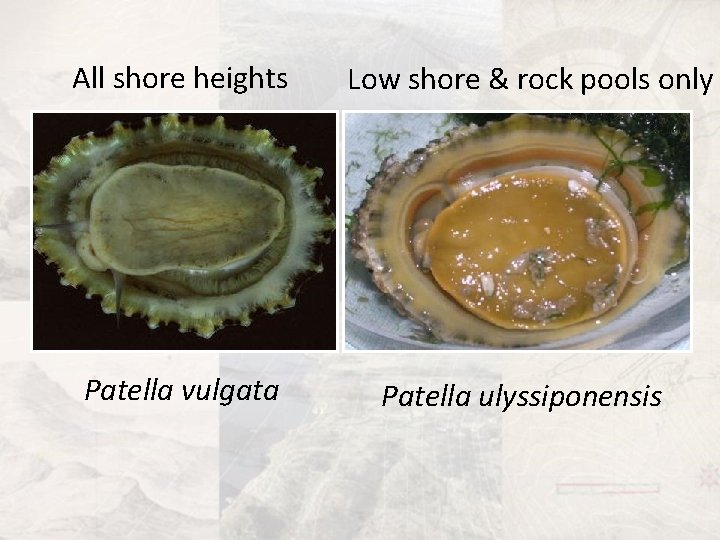
All shore heights Low shore & rock pools only Patella vulgata Patella ulyssiponensis
A keystone species is a plant or animal that plays a unique and crucial role in the way an ecosystem functions. A keystone species is a species that has a disproportionately large effect on its environment relative to its abundance. Without keystone species, the ecosystem would be dramatically different or cease to exist altogether.
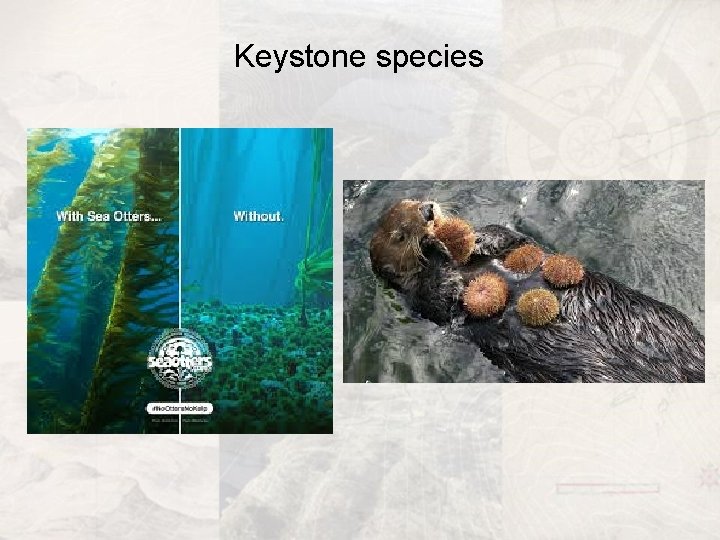
Keystone species
• commensalism: occurs when an individual obtains a benefit from a different species without damaging it. • mutualism: occurs when an individual obtains a benefit from another species and, at the same time, the second species obtains a benefit from the first one. Mutualism is not obligated, which makes it different from symbiosis. • symbiosis: species benefiting one another but also depending on one another. If one of the symbiotic individuals dies, the other also dies by losing the source from which it was obtaining a benefit.
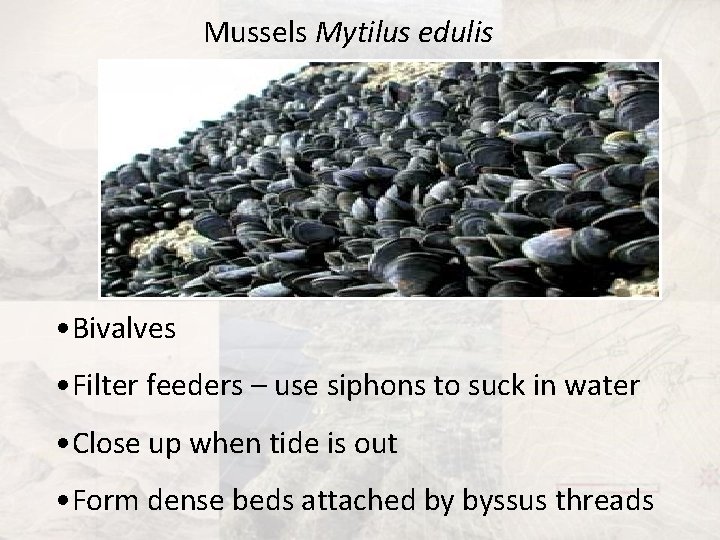
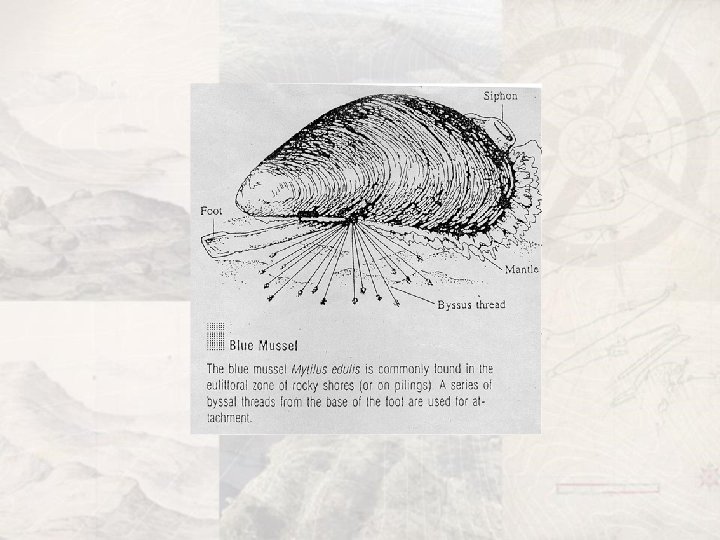
Mussels Mytilus edulis • Bivalves • Filter feeders – use siphons to suck in water • Close up when tide is out • Form dense beds attached by byssus threads
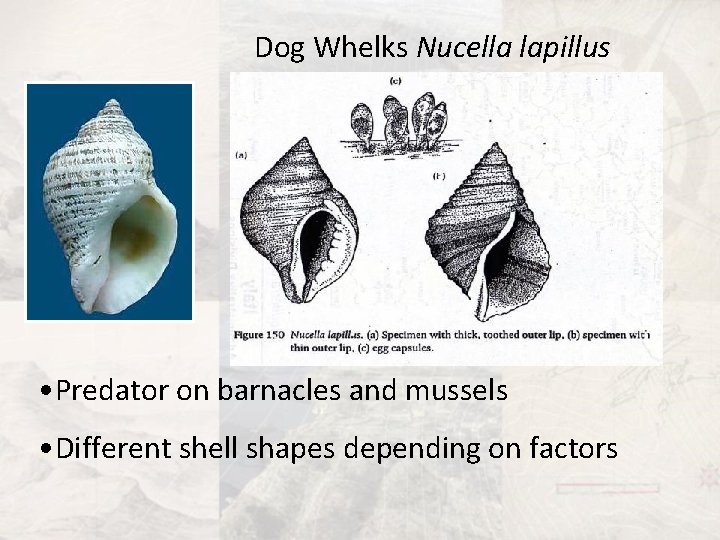
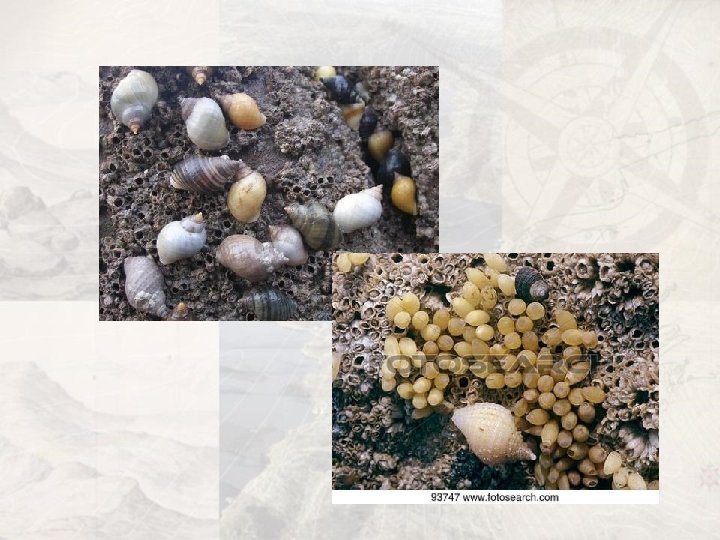
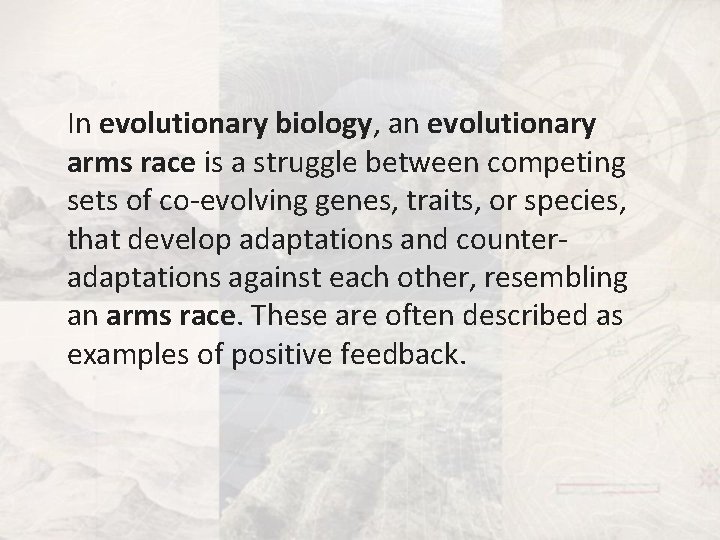
Dog Whelks Nucella lapillus • Predator on barnacles and mussels • Different shell shapes depending on factors
In evolutionary biology, an evolutionary arms race is a struggle between competing sets of co-evolving genes, traits, or species, that develop adaptations and counteradaptations against each other, resembling an arms race. These are often described as examples of positive feedback.
Guild, in ecology, a group of species that exploits the same kinds of resources in comparable ways.
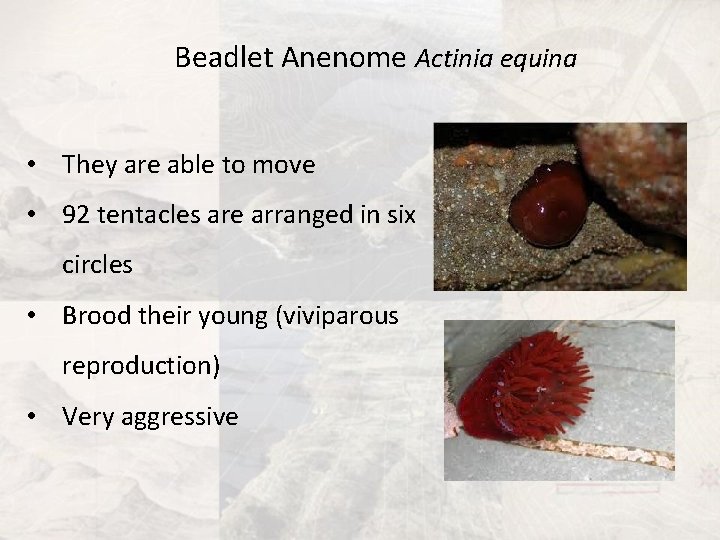
Beadlet Anenome Actinia equina • They are able to move • 92 tentacles are arranged in six circles • Brood their young (viviparous reproduction) • Very aggressive
Bits and Bobs
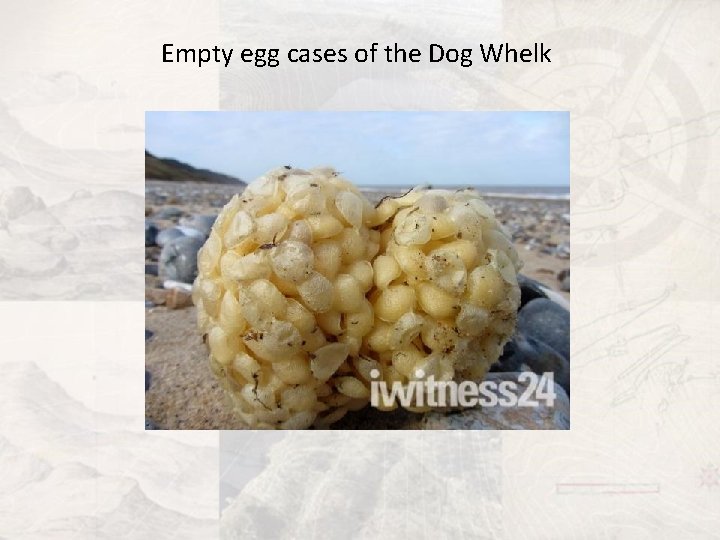
Empty egg cases of the Dog Whelk
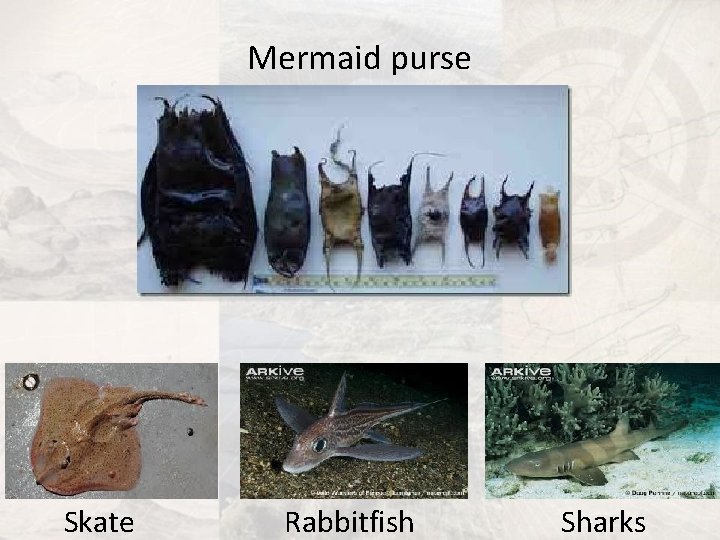
Mermaid purse Skate Rabbitfish Sharks
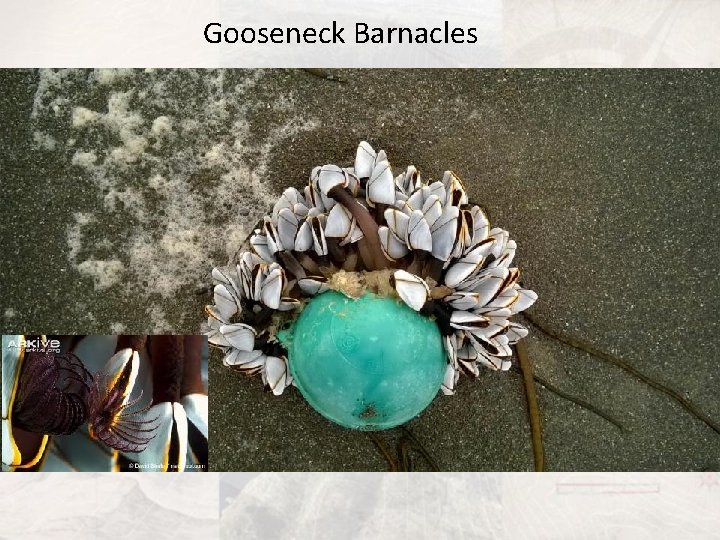
Gooseneck Barnacles
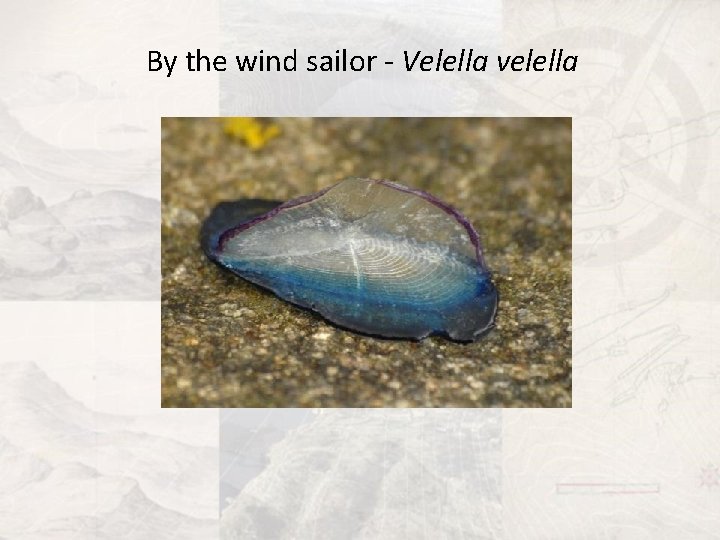
By the wind sailor - Velella velella
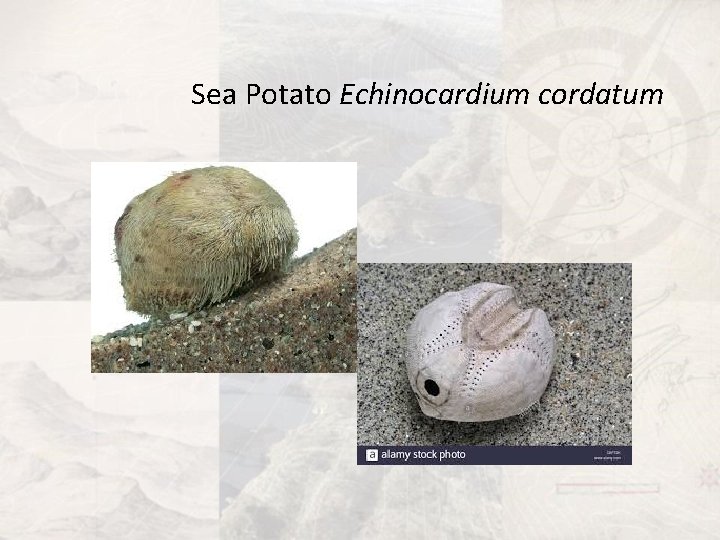
Sea Potato Echinocardium cordatum
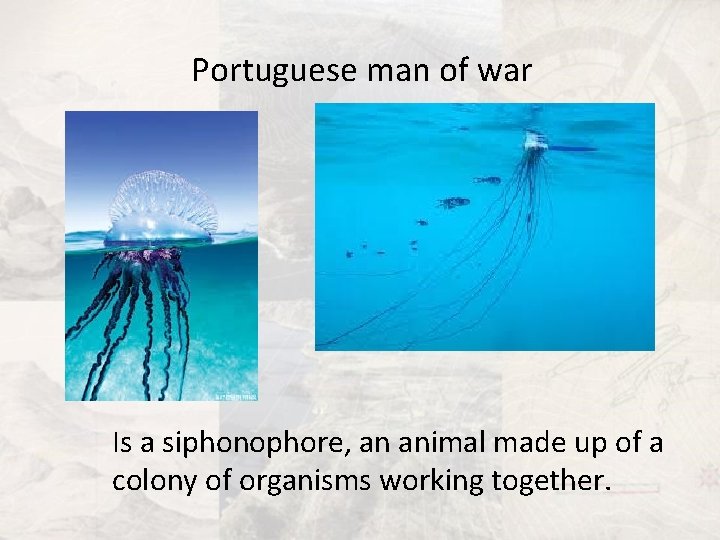
Portuguese man of war Is a siphonophore, an animal made up of a colony of organisms working together.
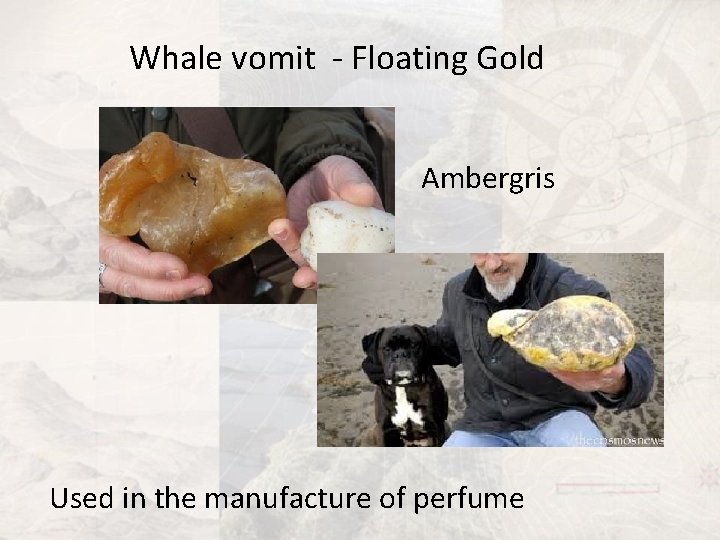
Whale vomit - Floating Gold Ambergris Used in the manufacture of perfume
- Slides: 52