
Rocky Intertidal Zone Community Intertidal Zone Area of



- Slides: 83
Rocky Intertidal Zone Community
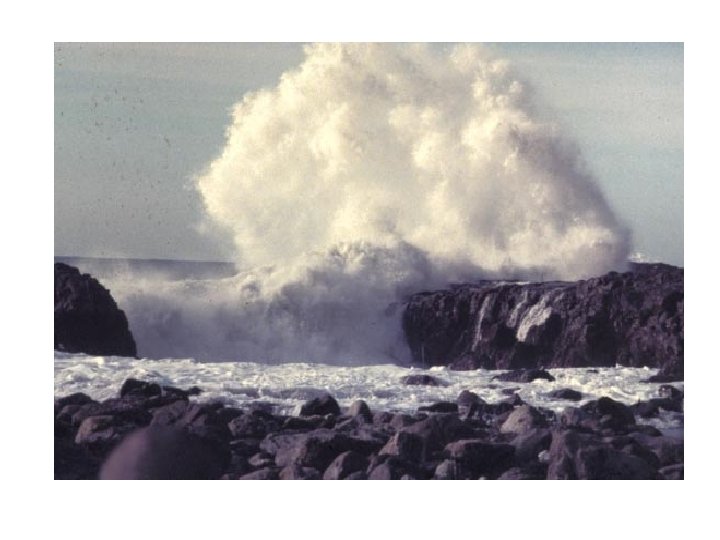
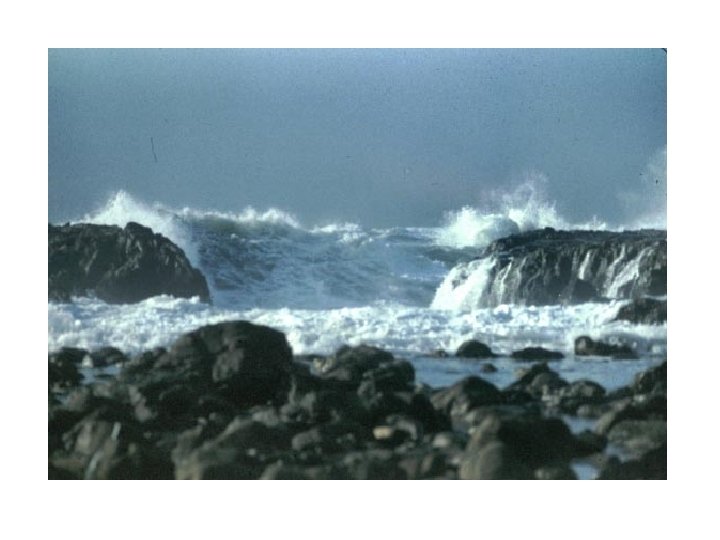
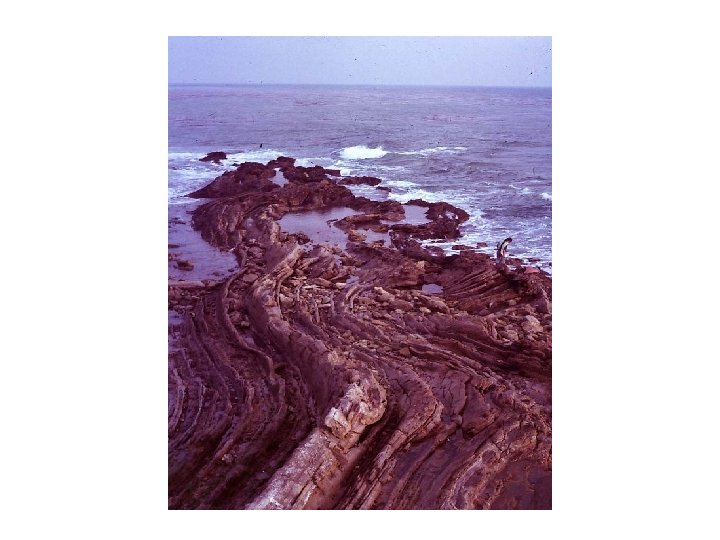
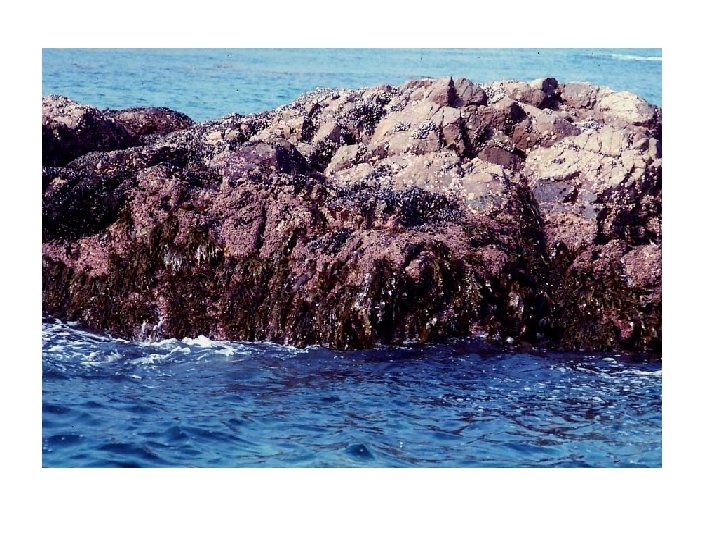
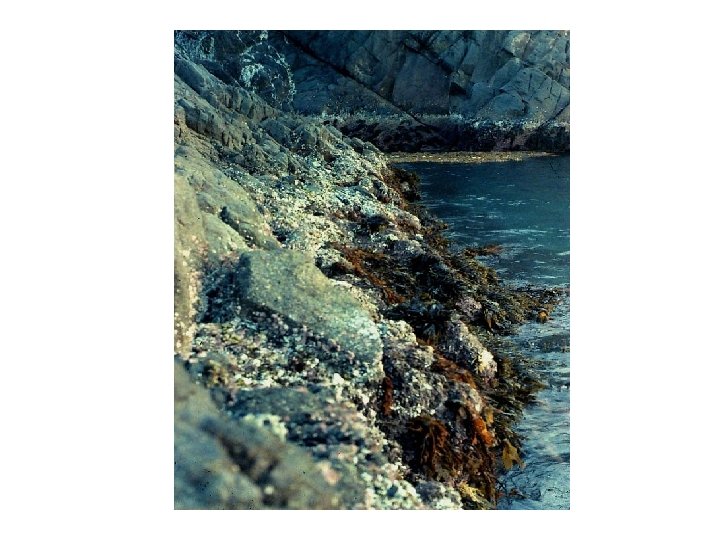
Intertidal Zone Area of the shore between the highest high tide and lowest low tide
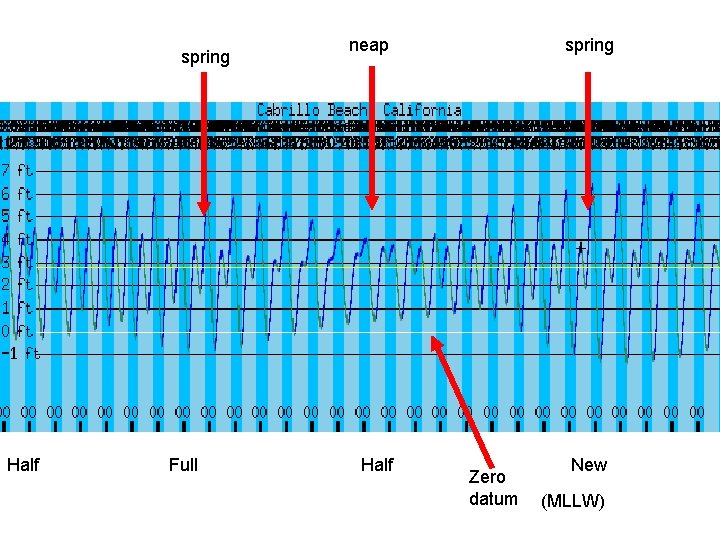
Mixed Semi-diurnal Tidal Regime Two tides per day Tidal heights not equal
spring Half Full neap Half spring Zero datum New (MLLW)
A Position on Shore B C
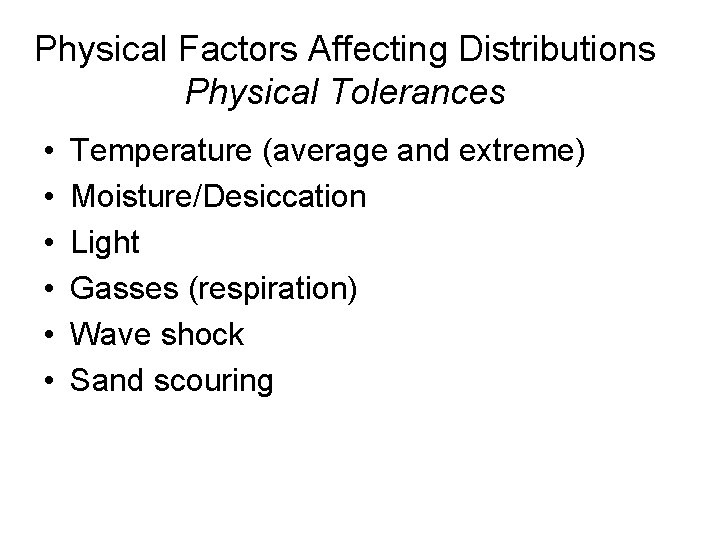
Physical Factors Affecting Distributions Physical Tolerances • • • Temperature (average and extreme) Moisture/Desiccation Light Gasses (respiration) Wave shock Sand scouring
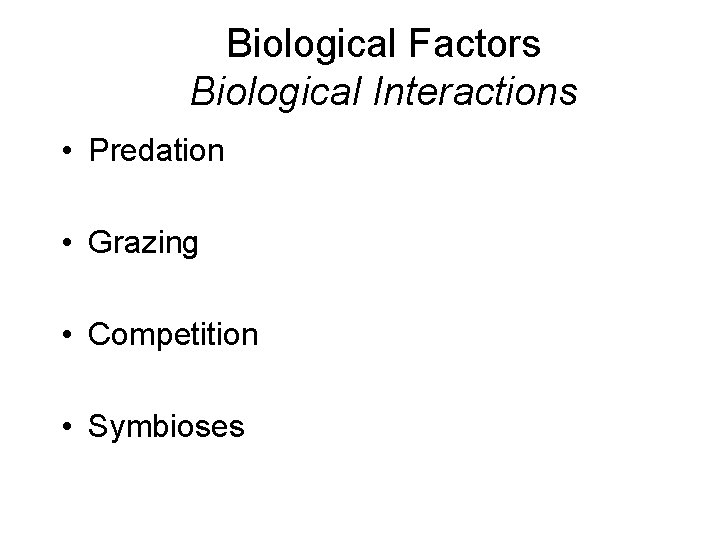
Biological Factors Biological Interactions • Predation • Grazing • Competition • Symbioses
Summary • Upper distributions of intertidal organisms tend to be determined by physical factors – tolerances • Lower distributions of intertidal organisms tend to be determined by biological interactions
Intertidal Zonation
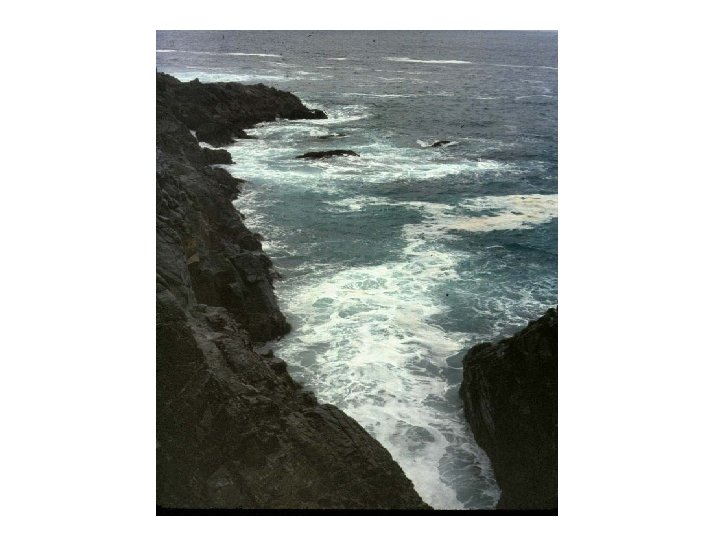
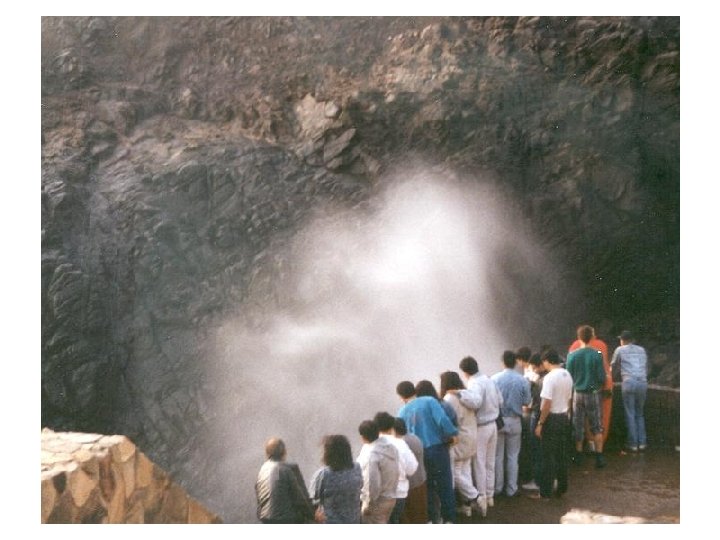
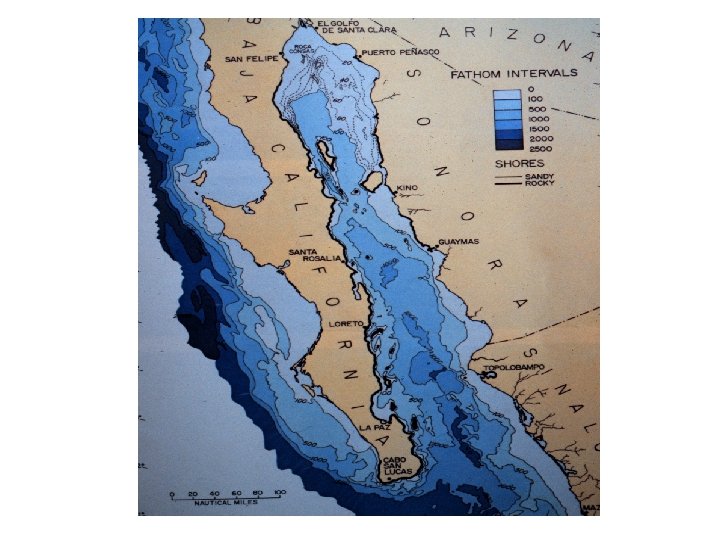
Factors Affecting Height of the Intertidal Zone • Slope of the shore • Wave exposure • Local geomorphology • Tidal flux
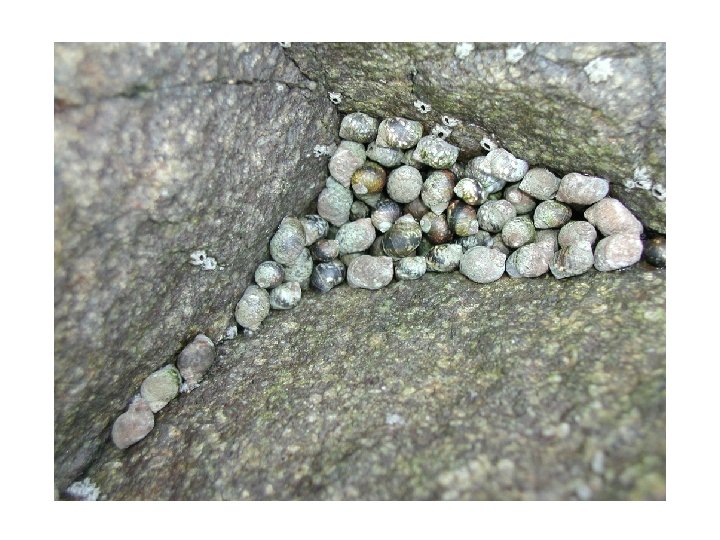
Behavioral Adaptations
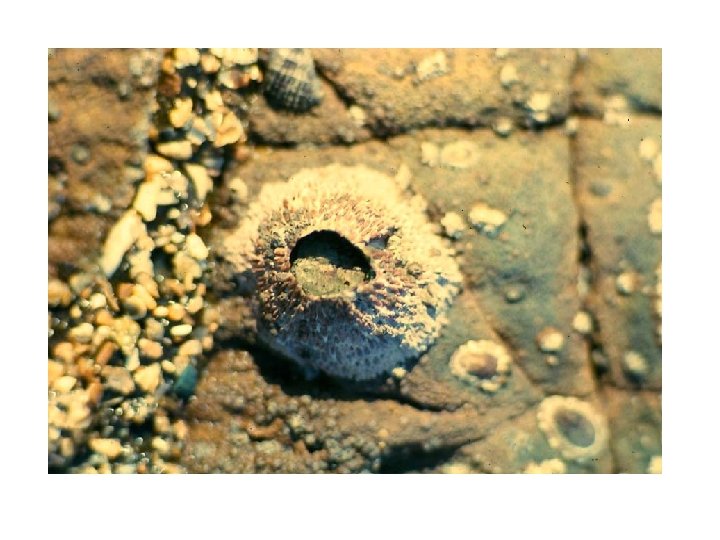
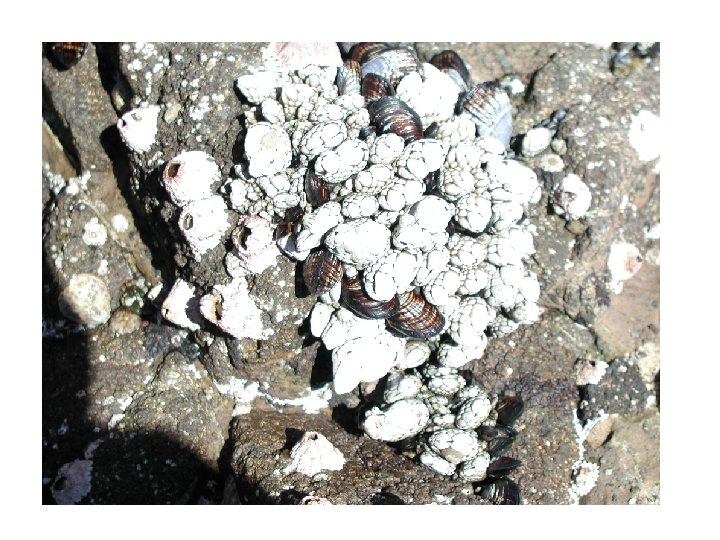
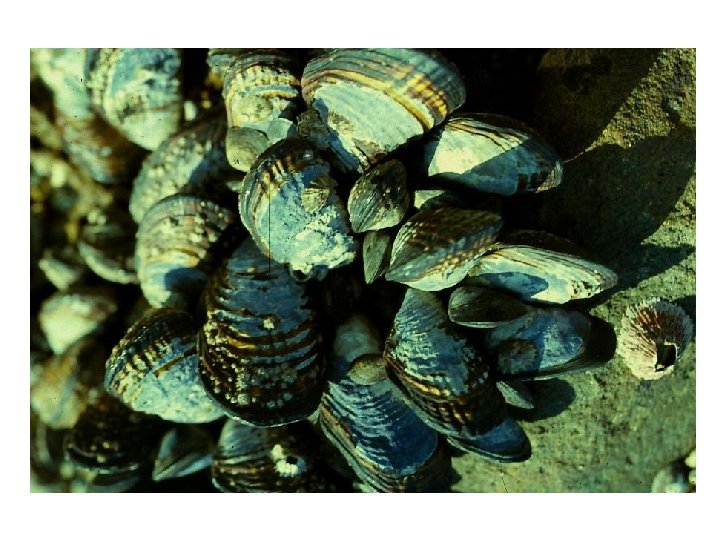
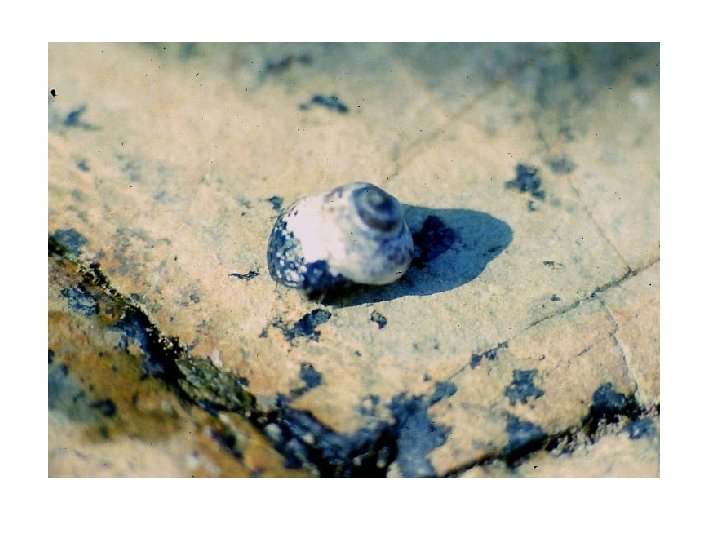
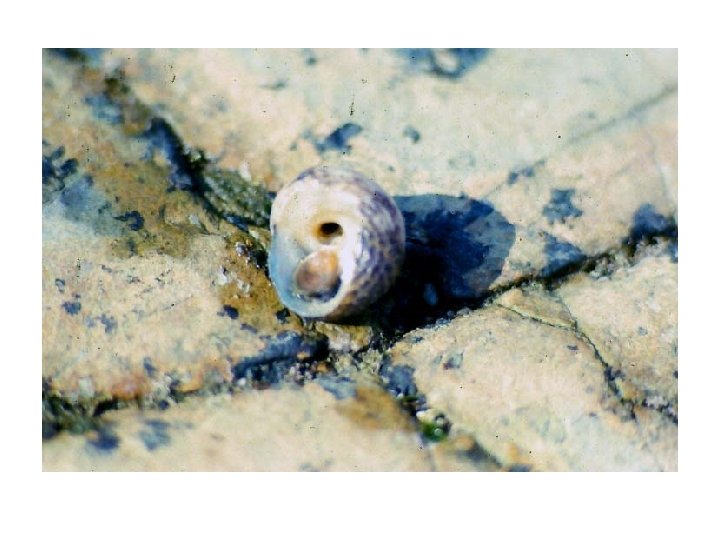
Morphological Adaptations • Color • Shells
Physiological Adaptations • • Quiescence Acclimation Anaerobic Respiration/O 2 Debt Aerial Respiration
Latitudinal Submergence
Biological Factors • Competition • Predation • Symbioses
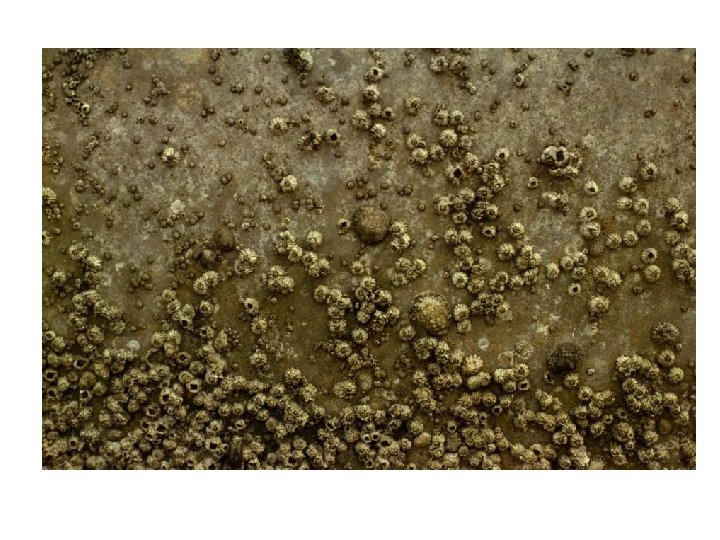
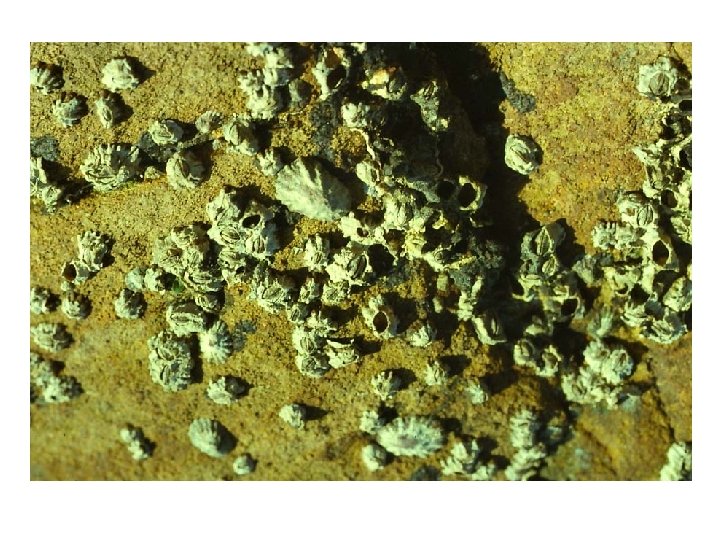
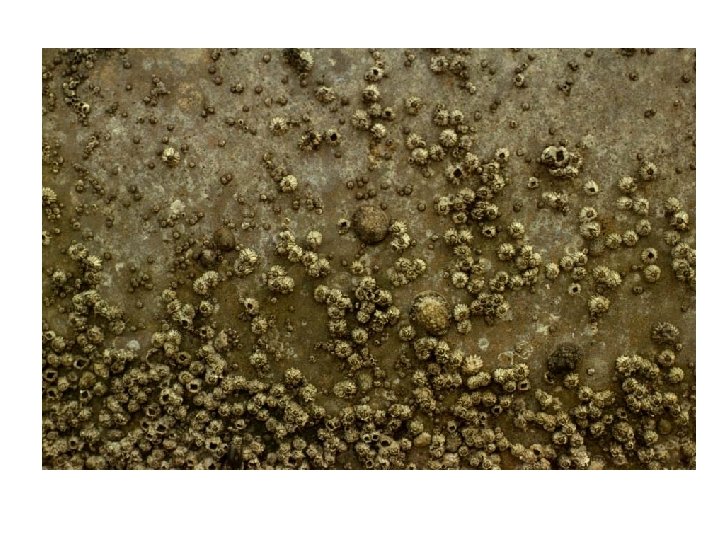
J. Connell Competition between Balanus balanoides and Chthamalus stellatus
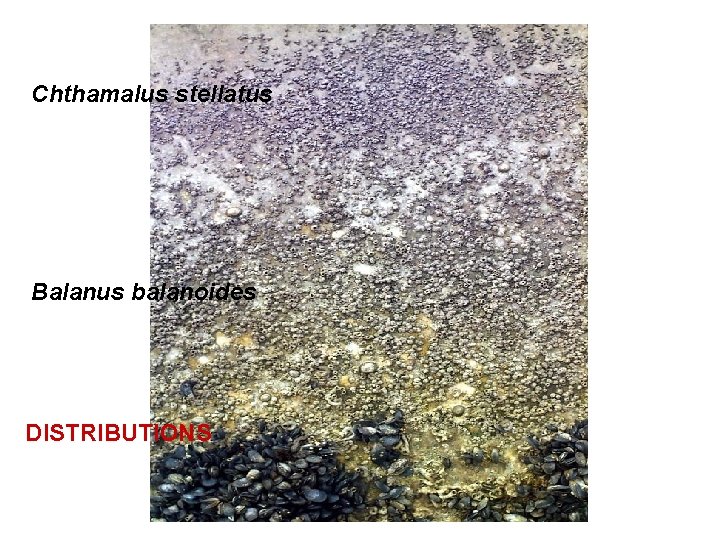
Chthamalus stellatus Balanus balanoides DISTRIBUTIONS
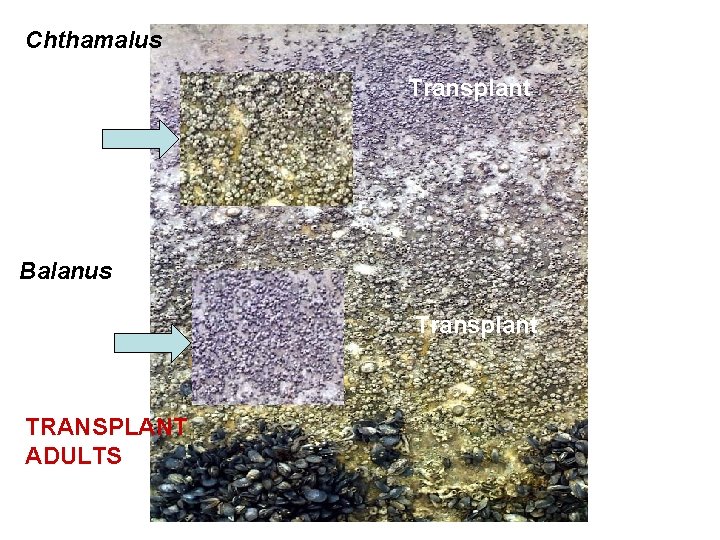
Chthamalus Transplant Balanus Transplant TRANSPLANT ADULTS
Transplant adults Both Chthalamus and Balanus survive
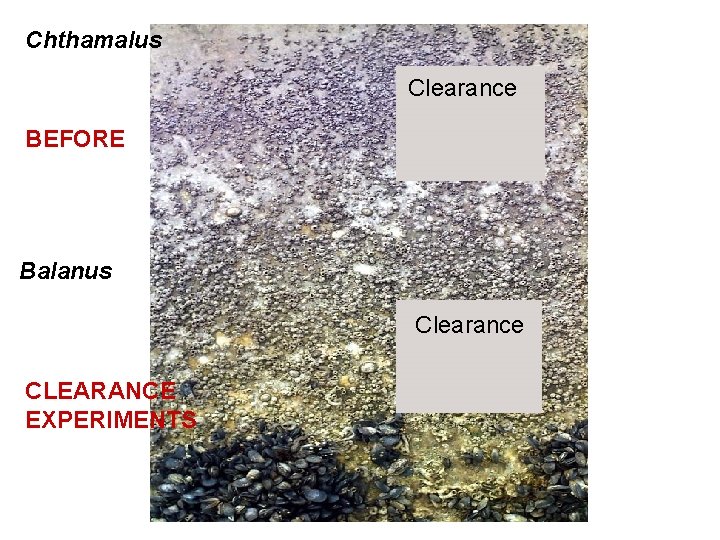
Chthamalus Clearance BEFORE Balanus Clearance CLEARANCE EXPERIMENTS
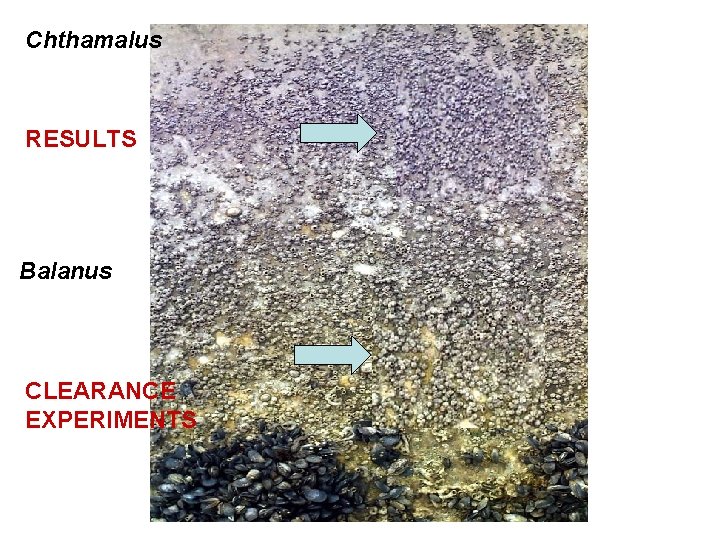
Chthamalus Clearance RESULTS Balanus Clearance CLEARANCE EXPERIMENTS
Clear both Balanus and Chthalamus Both Chthalamus and Balanus recolonize
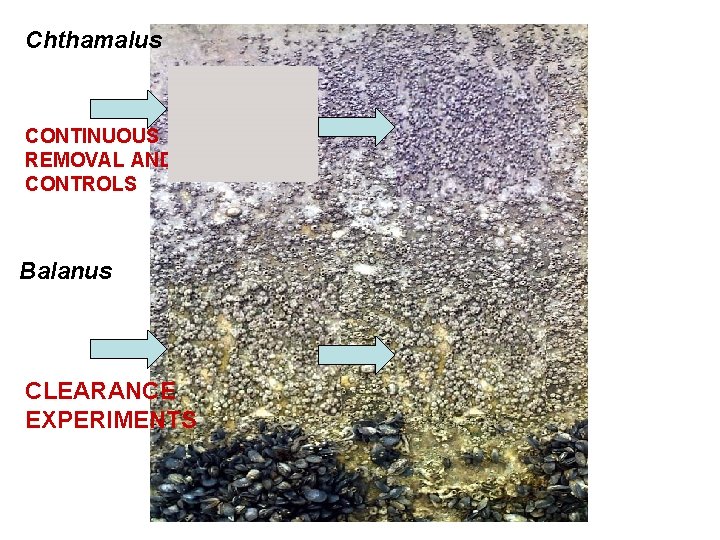
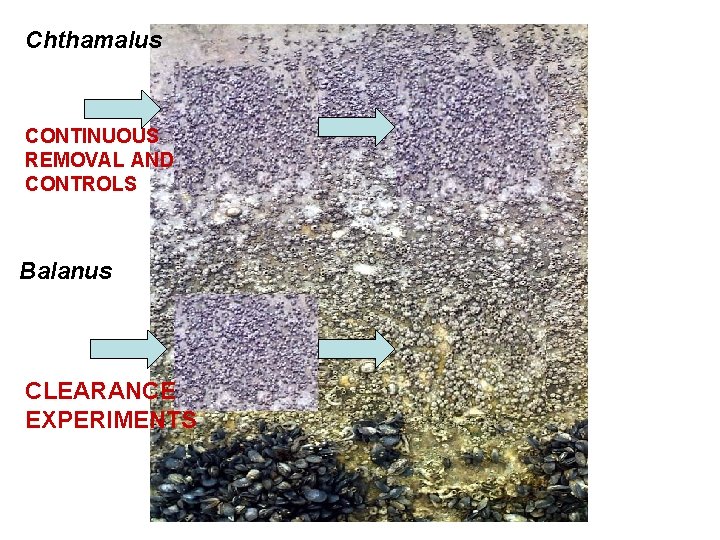
Chthamalus CONTINUOUS REMOVAL AND CONTROLS Chthamalus removed Clearance Balanus Chthamalus removed CLEARANCE EXPERIMENTS Clearance
Continuous removal of Chthalamus from both heights Ex. Balanus recolonizes and Chthalamus does not C. Both species recolonize Chthamalus has no effect on Balanus in lower zone
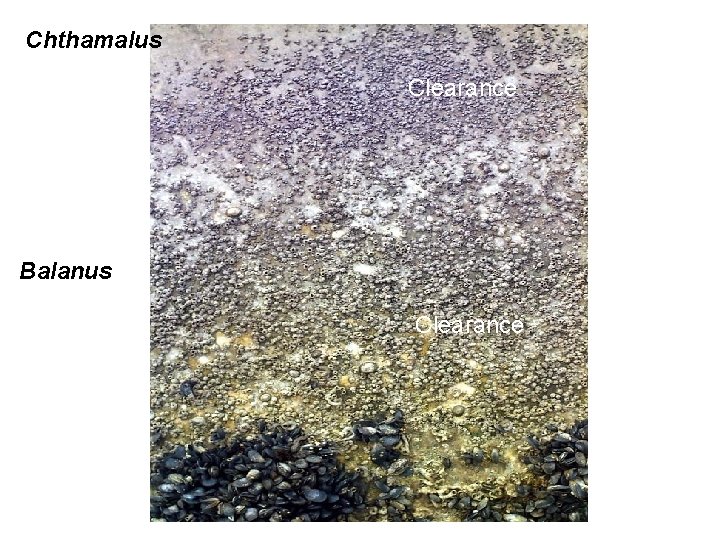
Chthamalus CONTINUOUS REMOVAL AND CONTROLS Balanus removed Clearance Balanus removed CLEARANCE EXPERIMENTS Clearance
Continuous removal of Balanus from both heights Ex. Chthalamus colonizes in Balanus zone C. Both species recolonize zones Balanus cannot survive in upper zone Chthamalus can survive in lower zone in the absence of Balanus
Chthamalus stellatus Balanus balanoides
Chthamalus Clearance Balanus Clearance
Conclusions • Balanus exclusion determines lower distribution bound for Chthamalus • Competitive interaction responsible • Exclusion mechanism is crushing • Upper distribution of Balanus determined by physical tolerance
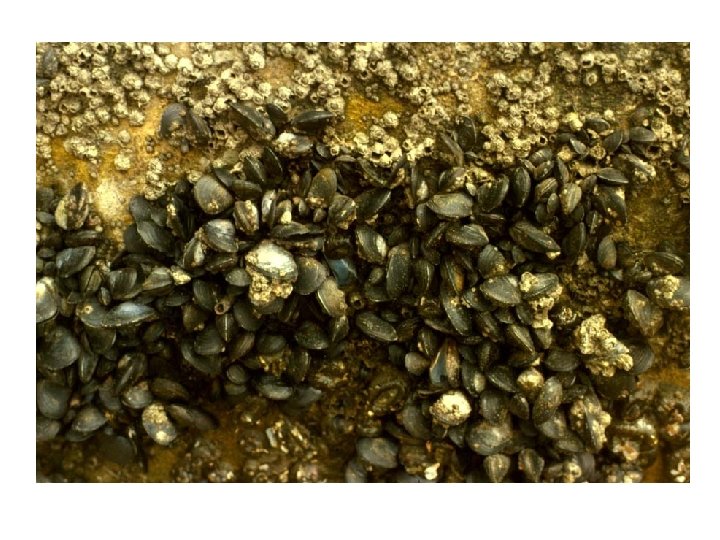
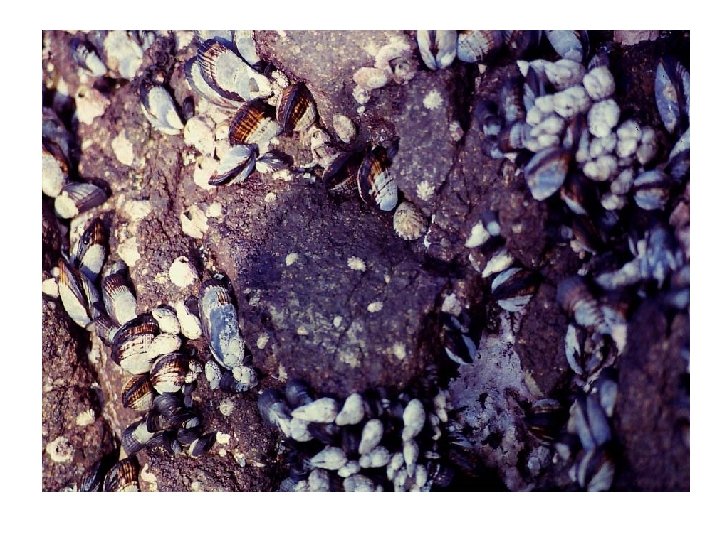
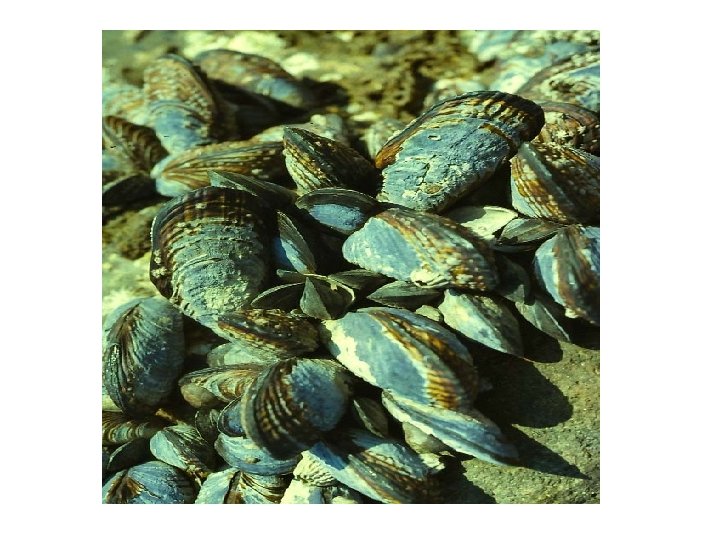
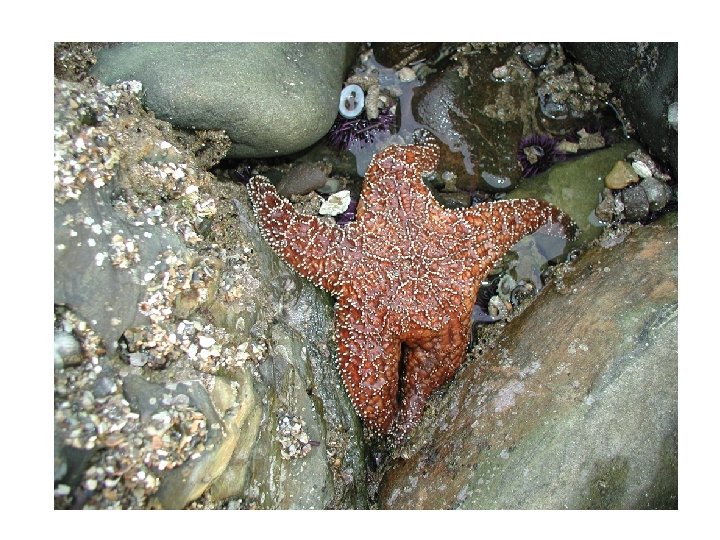
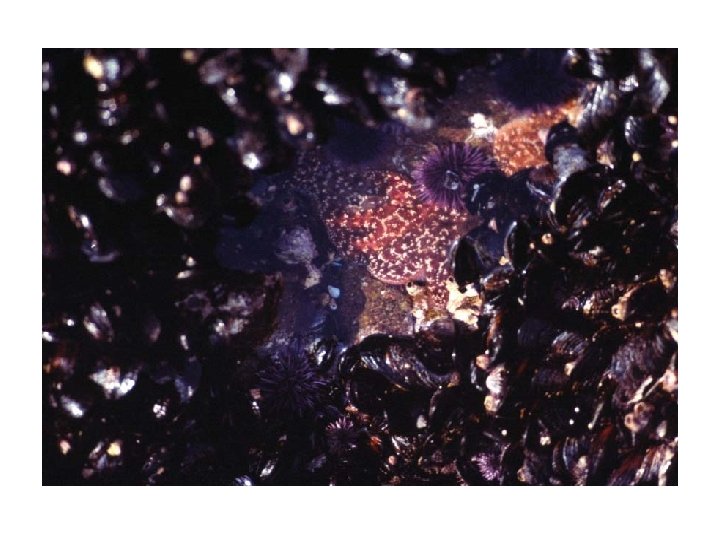
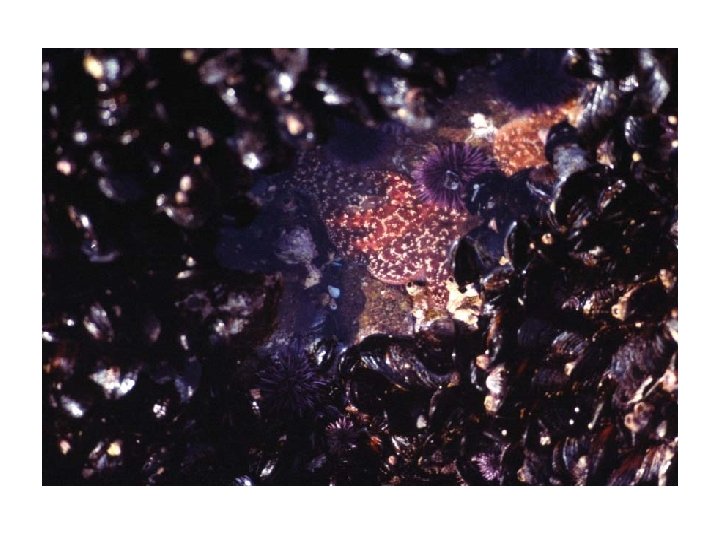
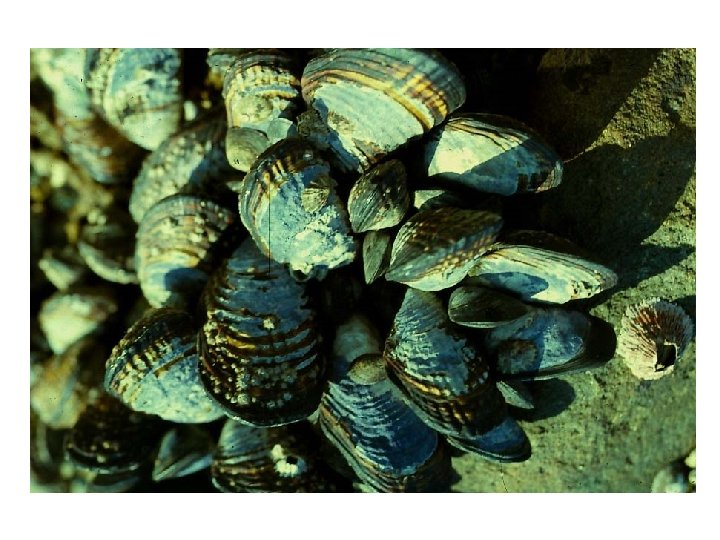
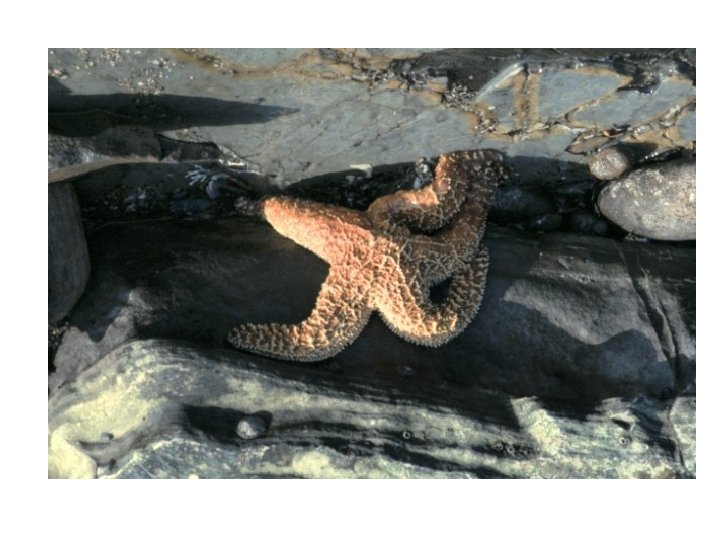
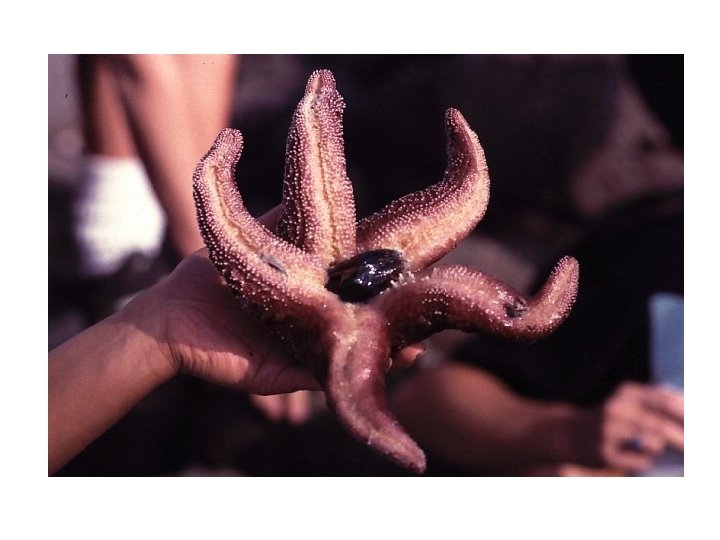
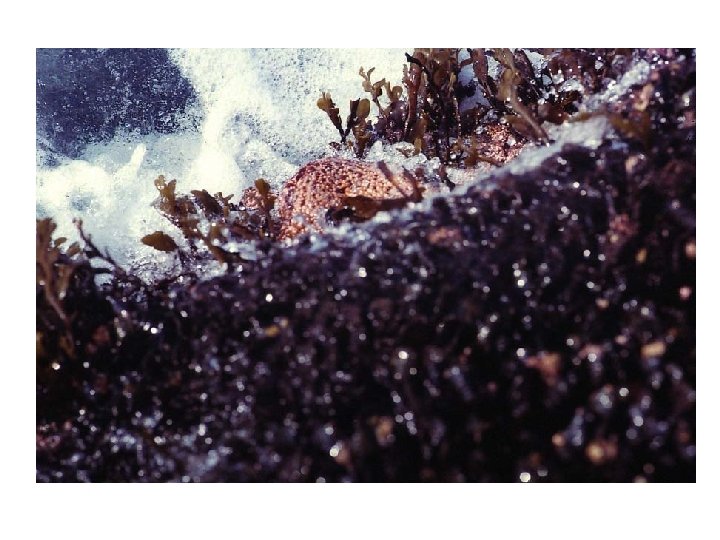
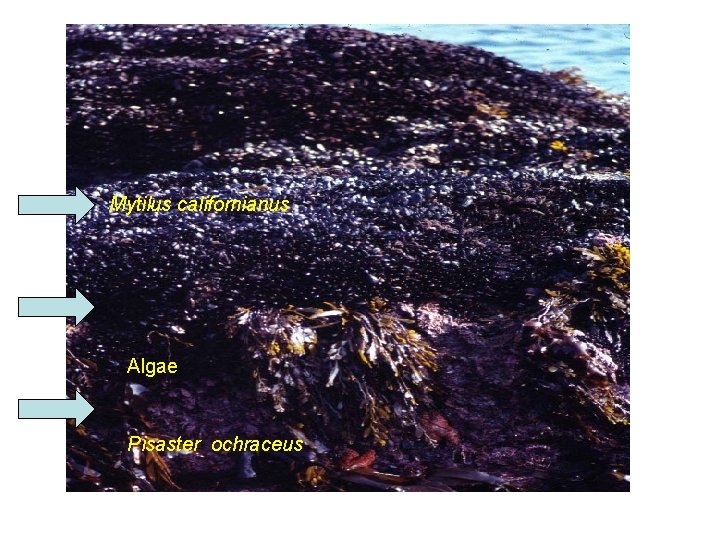
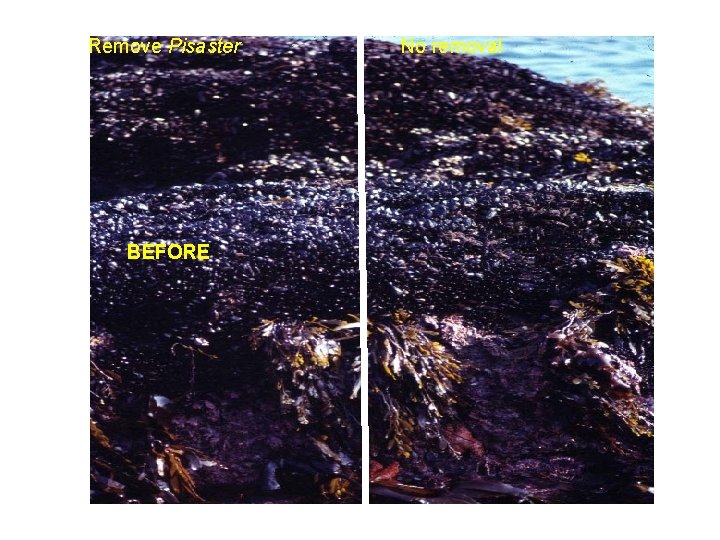
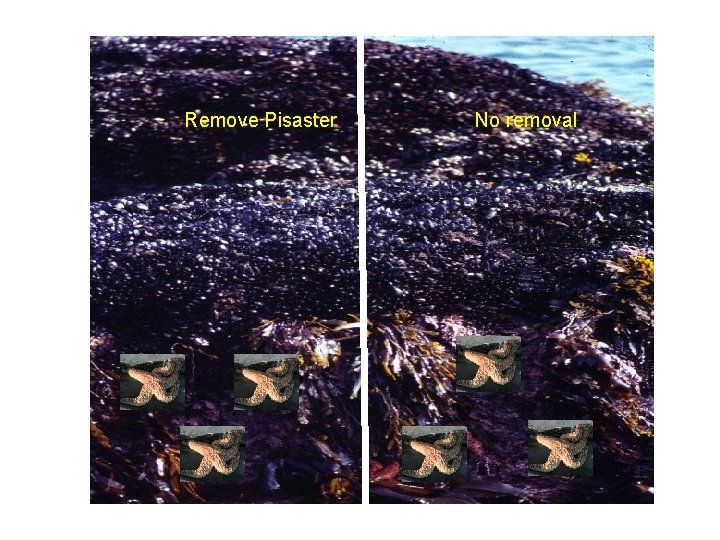
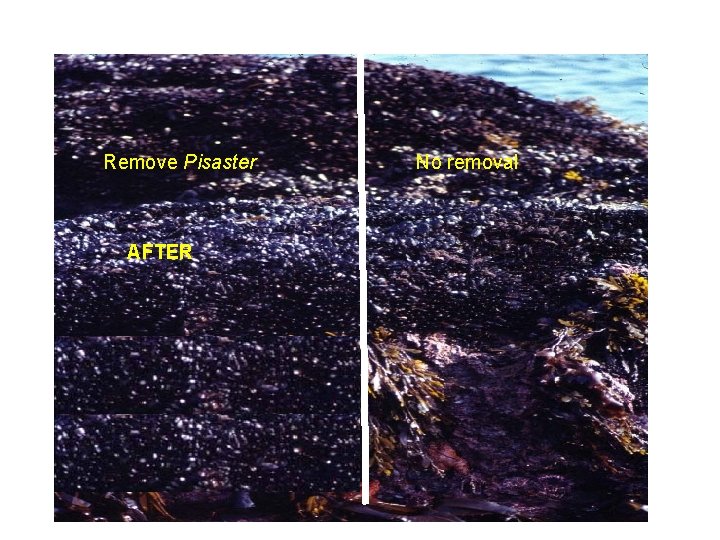
R. Paine Predation by Pisaster ochraceus on Mytilus californianus
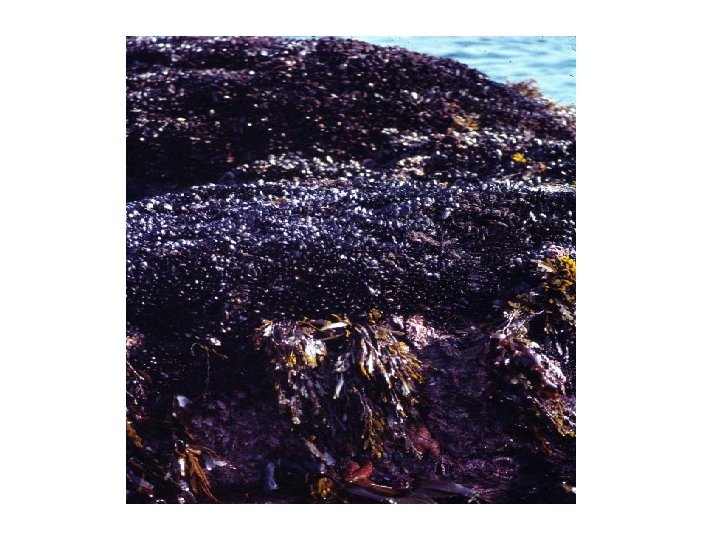
Mytilus californianus Algae Pisaster ochraceus
Remove Pisaster BEFORE No removal
Remove Pisaster No removal
Remove Pisaster AFTER No removal
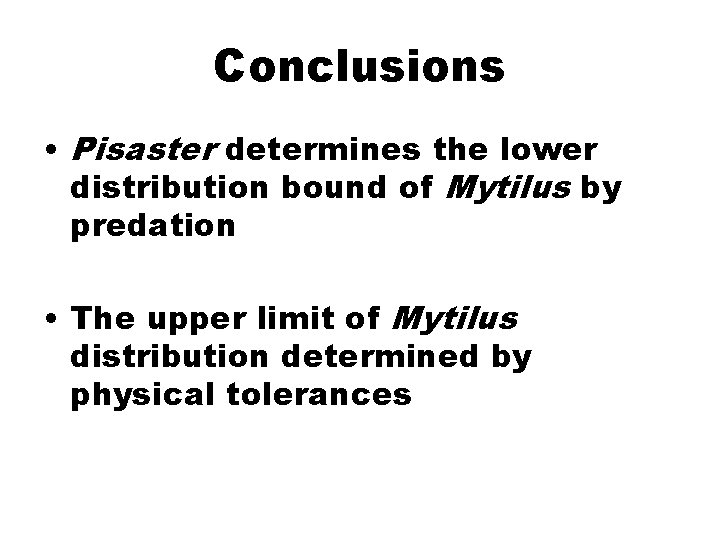
Conclusions • Pisaster determines the lower distribution bound of Mytilus by predation • The upper limit of Mytilus distribution determined by physical tolerances