
ROCK DEFORMATION FAULTING FOLDING WHATS THE DIF WHAT

- Slides: 60
ROCK DEFORMATION FAULTING & FOLDING
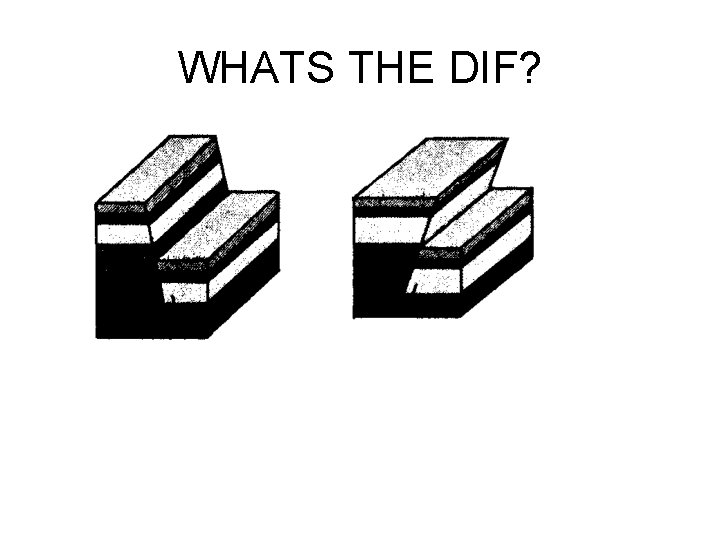
WHATS THE DIF?
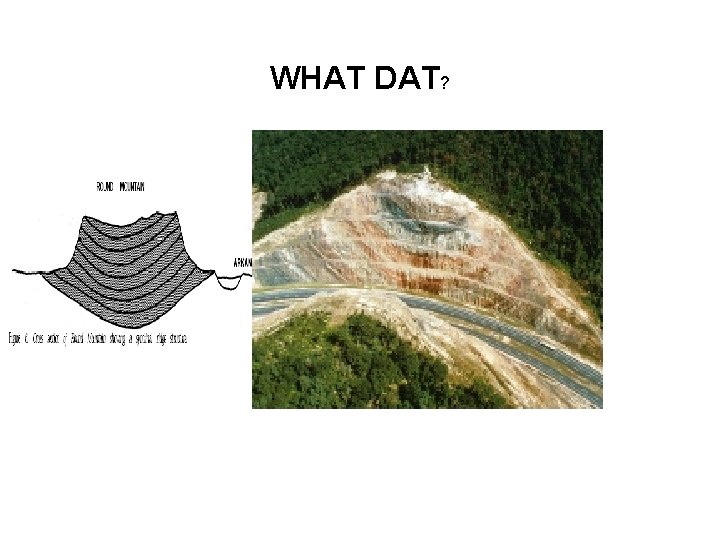
WHAT DAT?
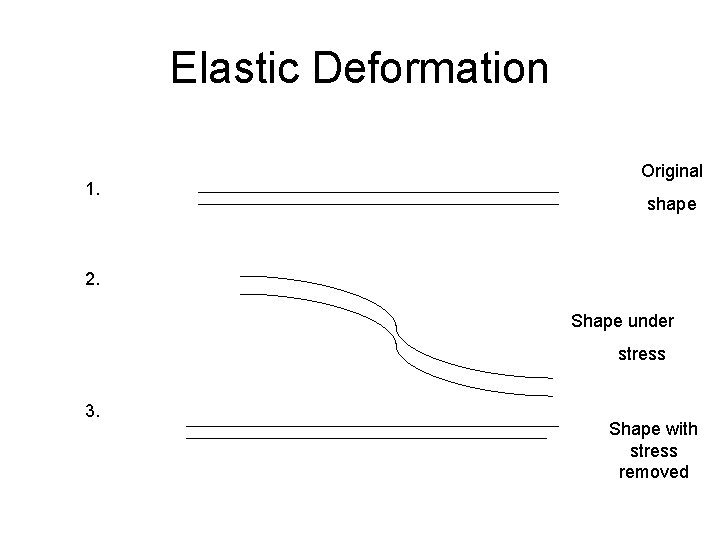
Elastic Deformation 1. Original shape 2. Shape under stress 3. Shape with stress removed
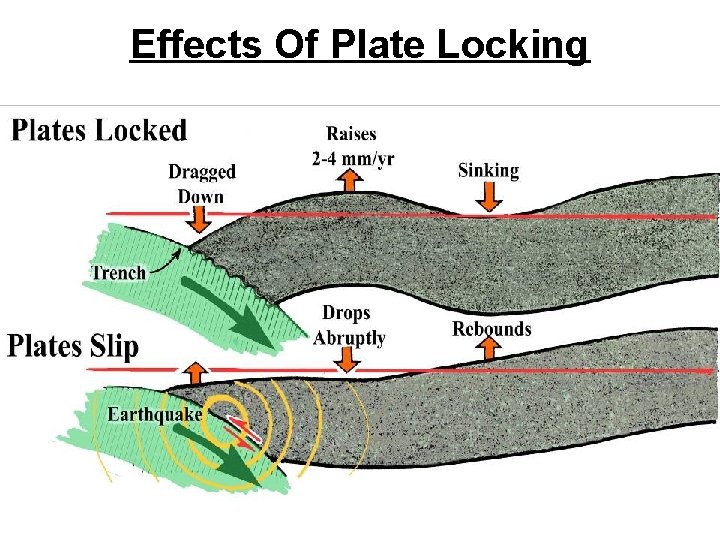
Effects Of Plate Locking
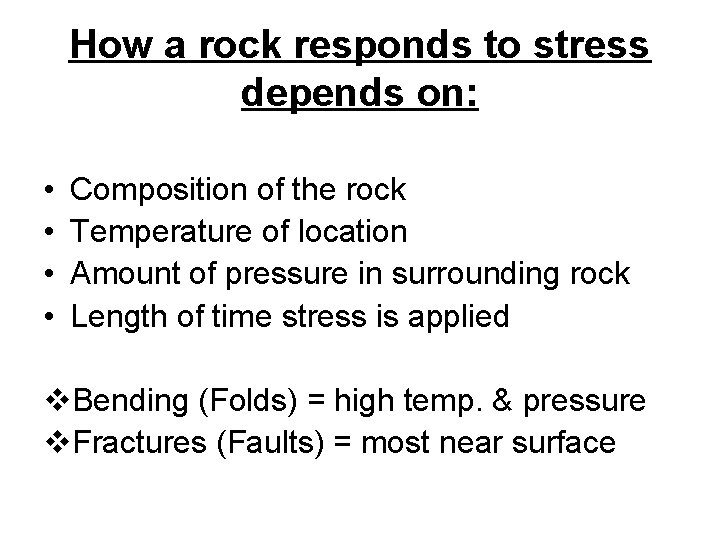
How a rock responds to stress depends on: • • Composition of the rock Temperature of location Amount of pressure in surrounding rock Length of time stress is applied v. Bending (Folds) = high temp. & pressure v. Fractures (Faults) = most near surface
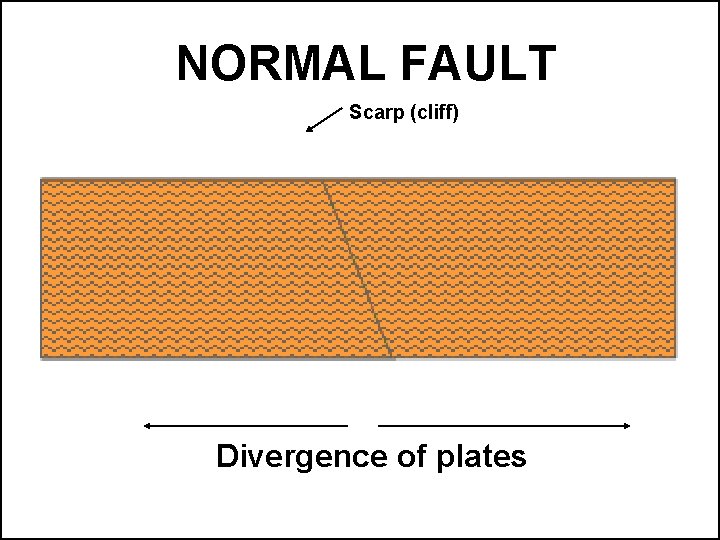
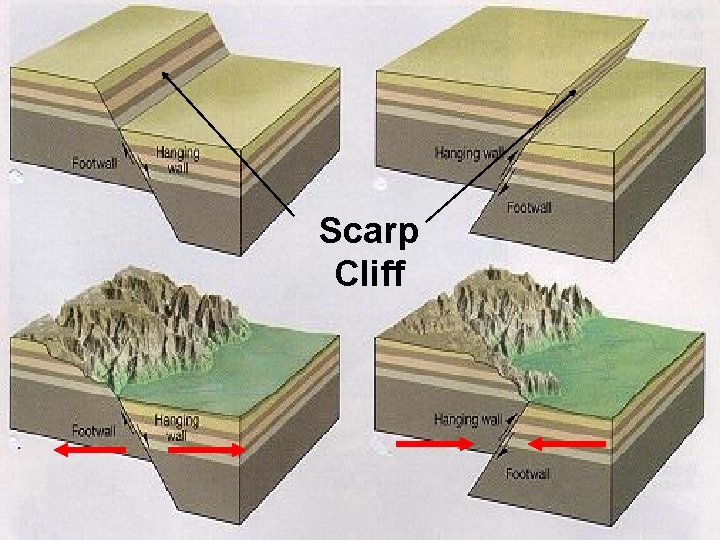
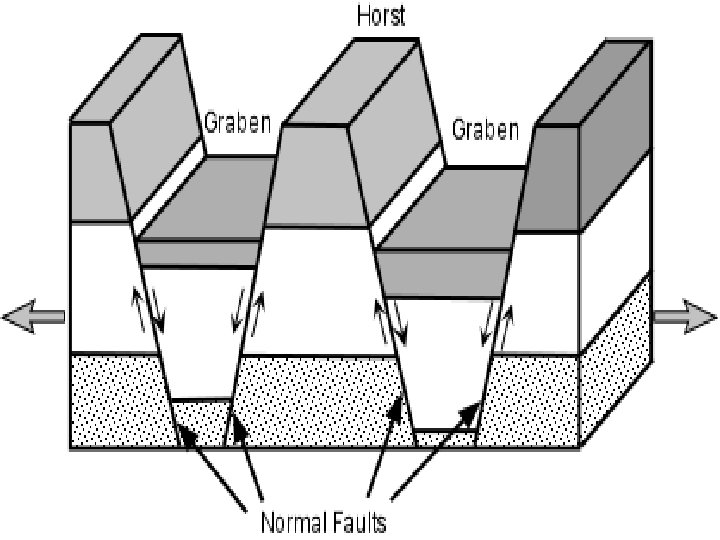
NORMAL FAULT Scarp (cliff) Divergence of plates
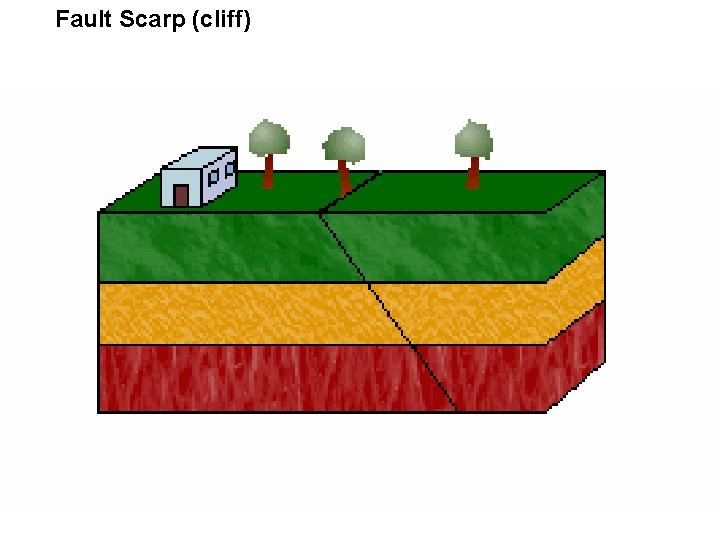
Fault Scarp (cliff)
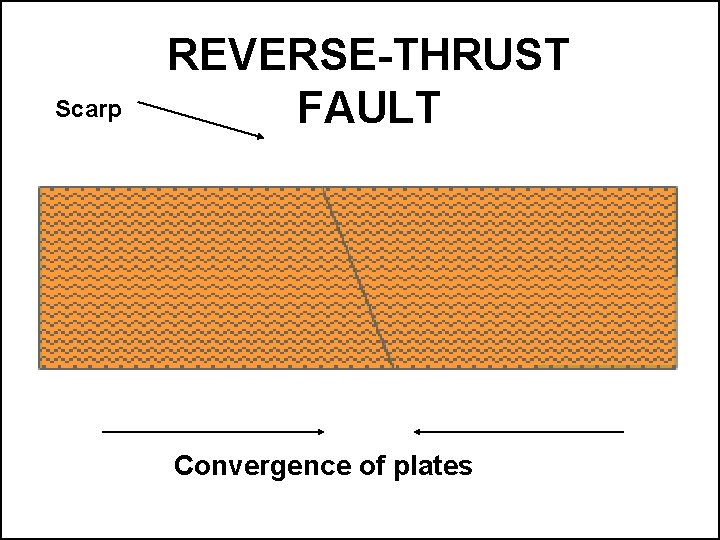
Scarp REVERSE-THRUST FAULT Convergence of plates
Scarp Cliff
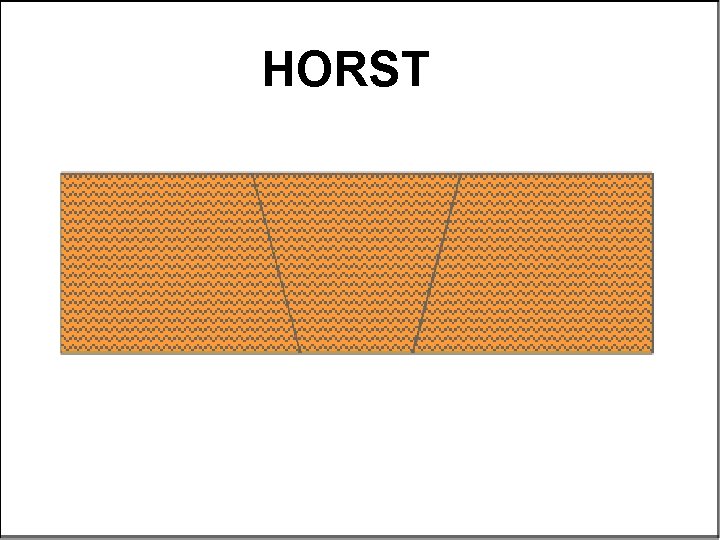
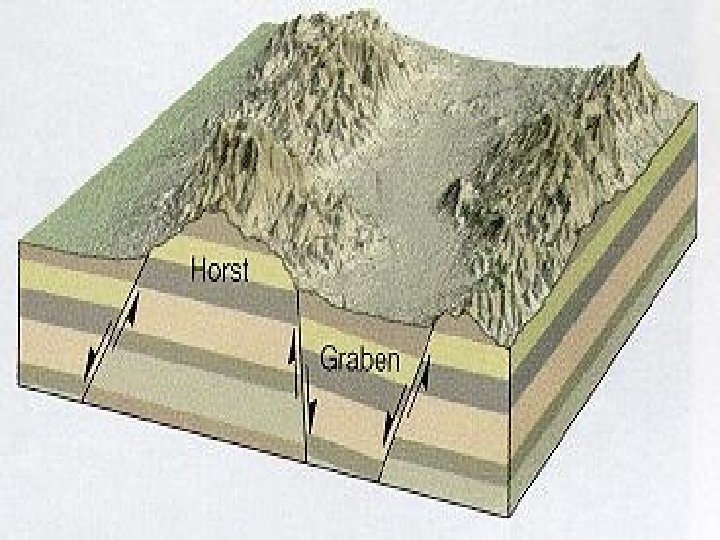
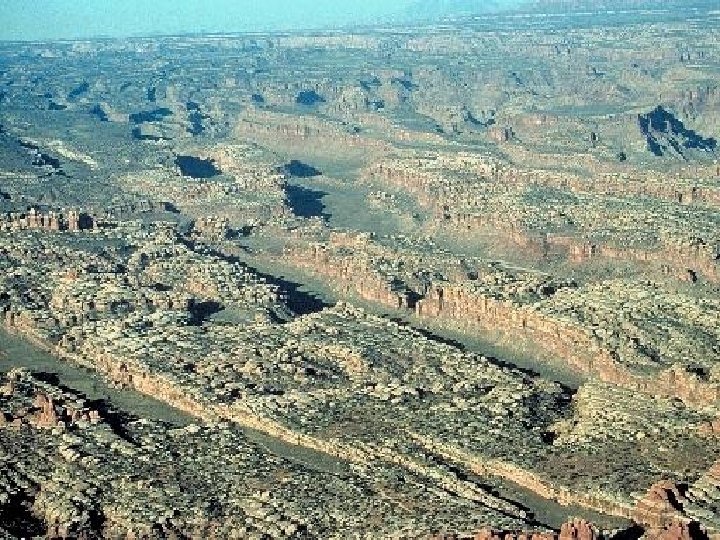
HORST
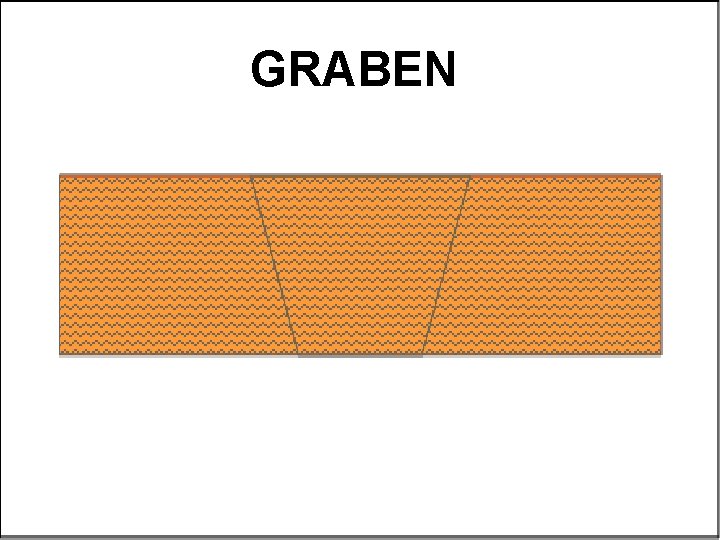
GRABEN
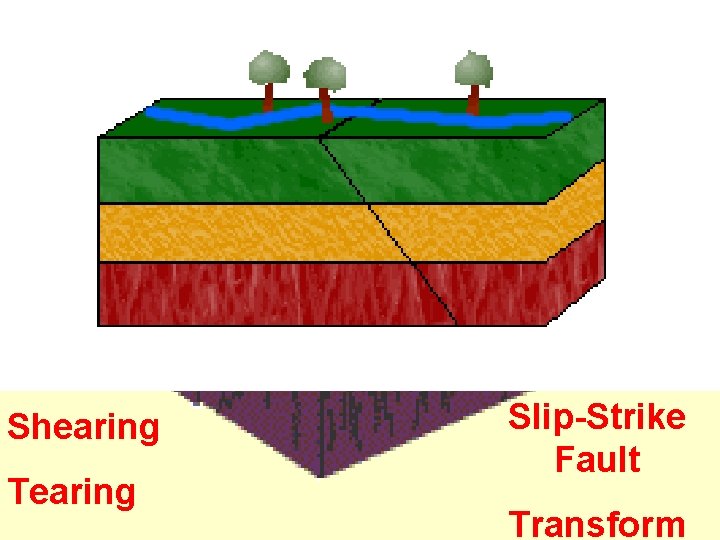
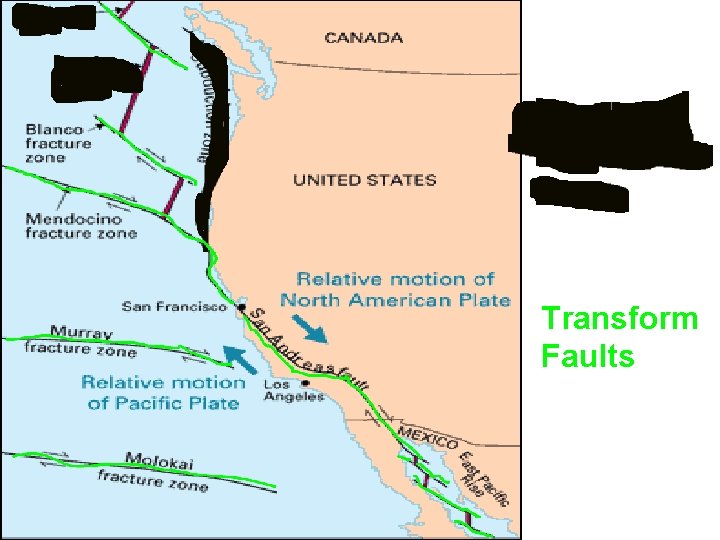
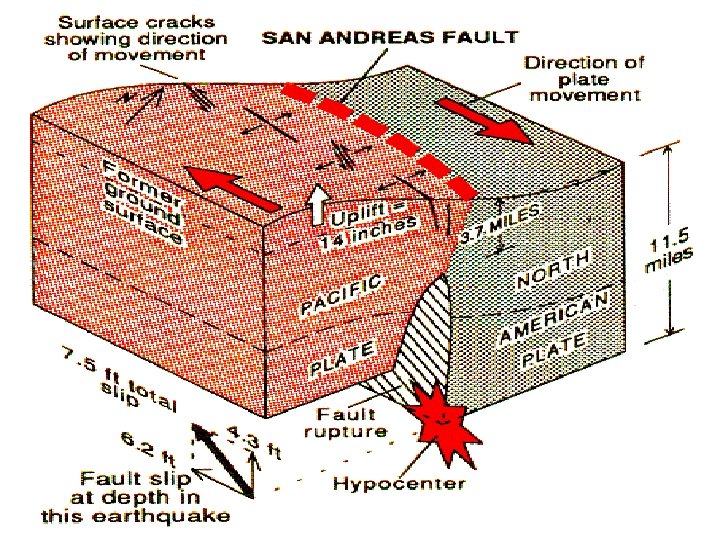
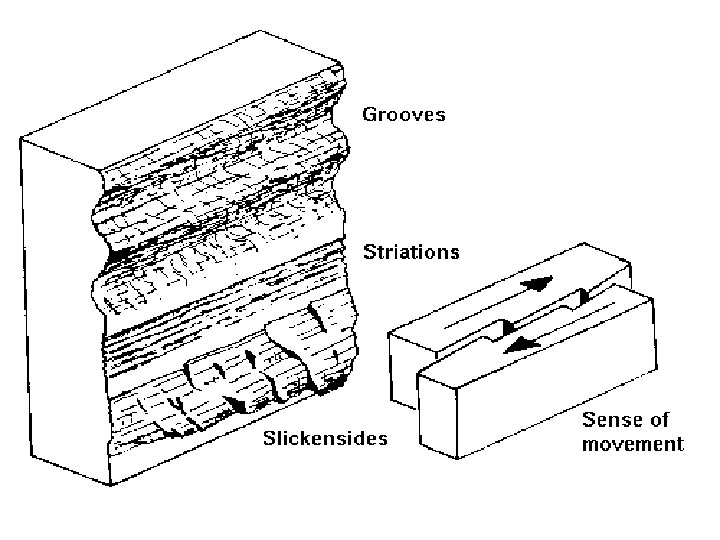
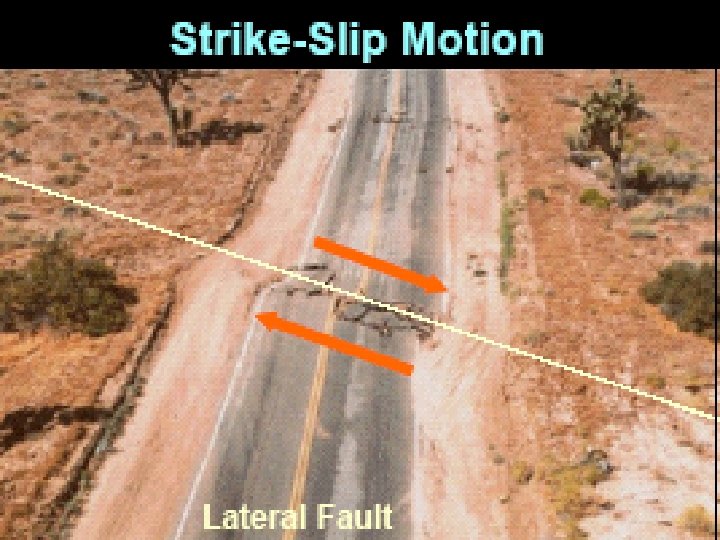
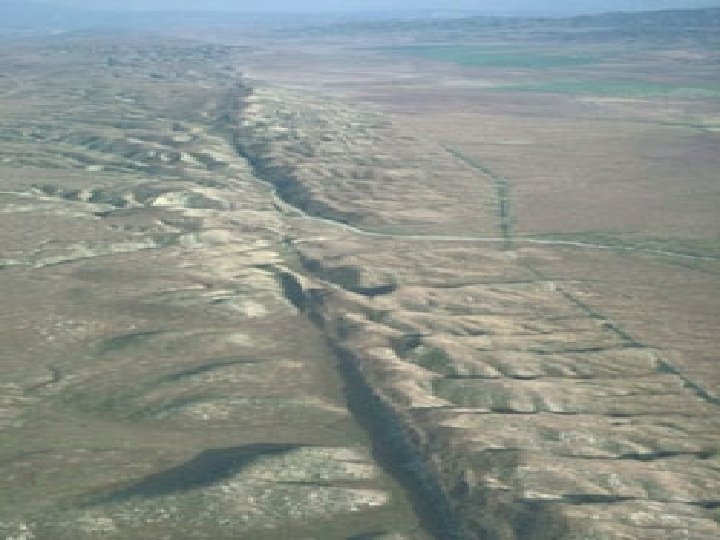
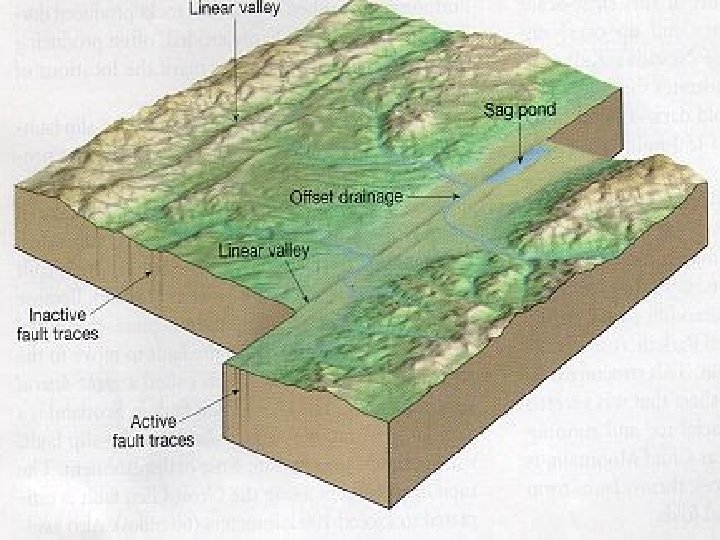
Shearing Tearing Slip-Strike Fault Transform
Cascadia Subduction Zone Transform Faults
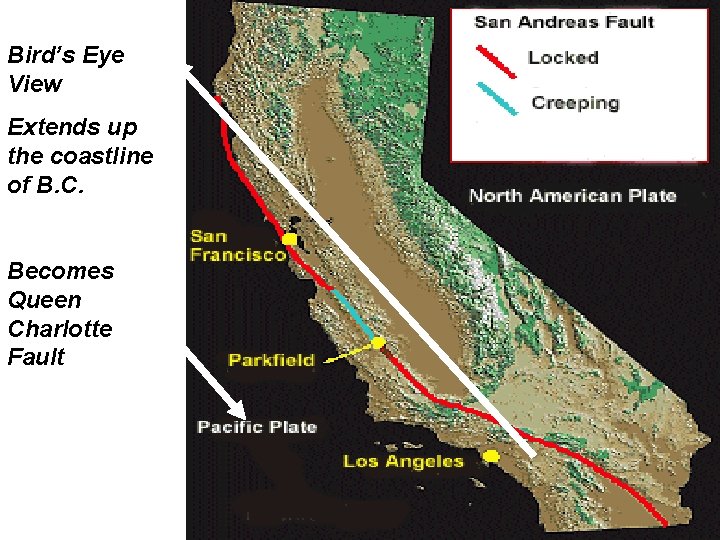
Bird’s Eye View Extends up the coastline of B. C. Becomes Queen Charlotte Fault
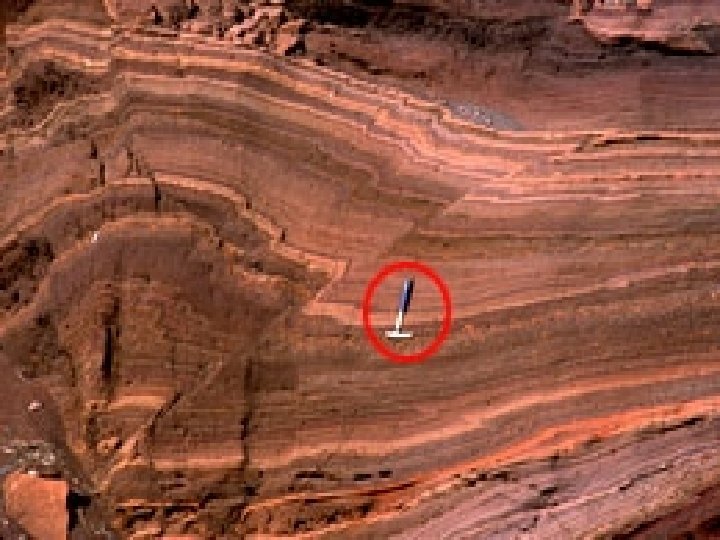
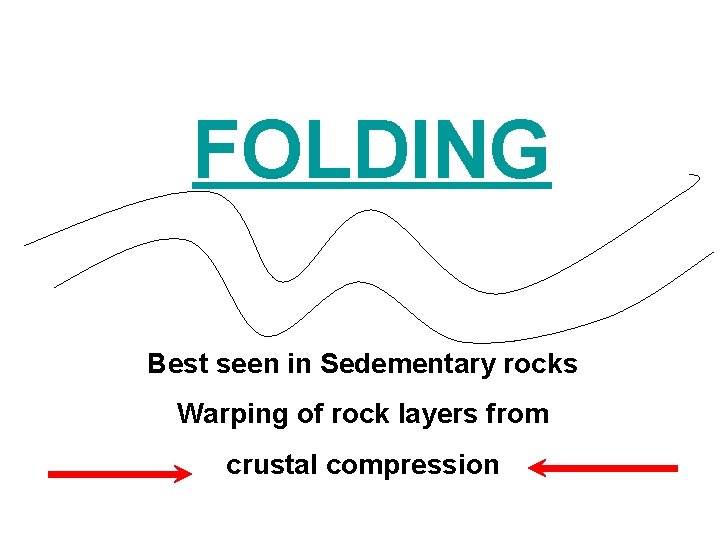
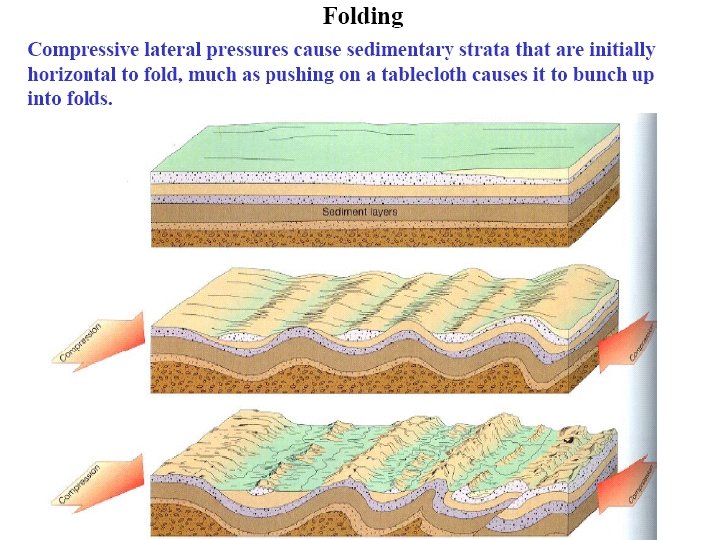
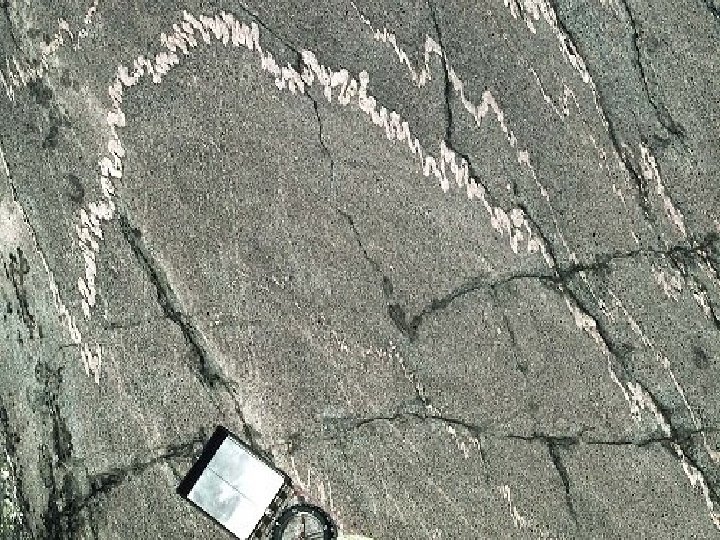
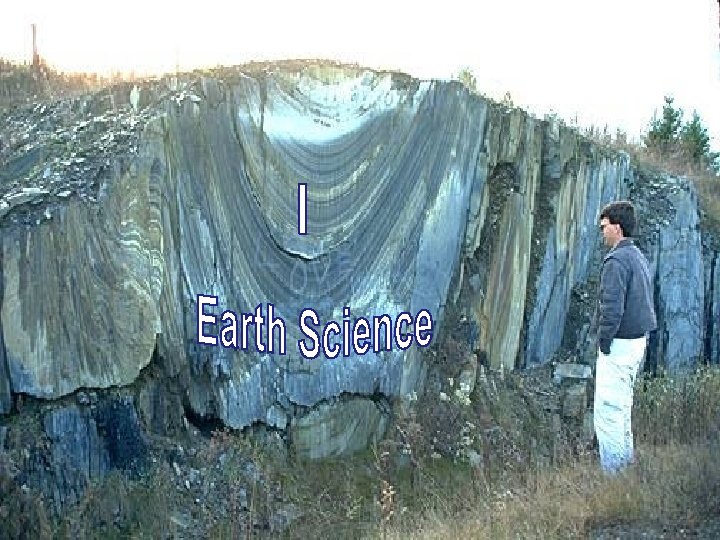
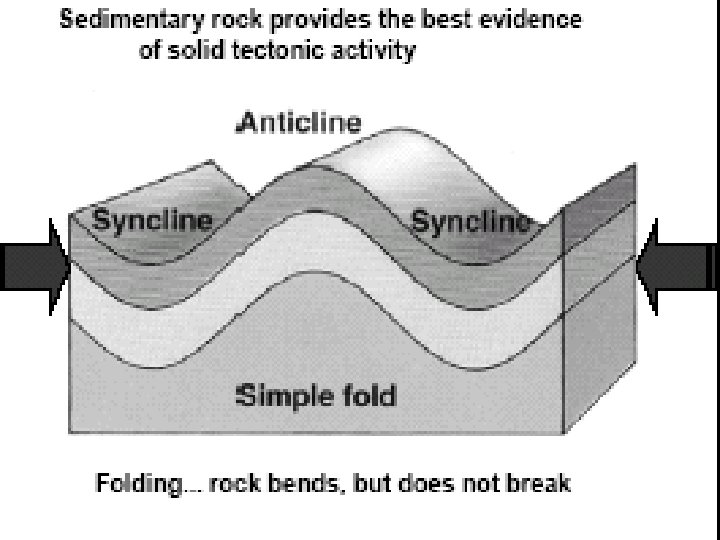
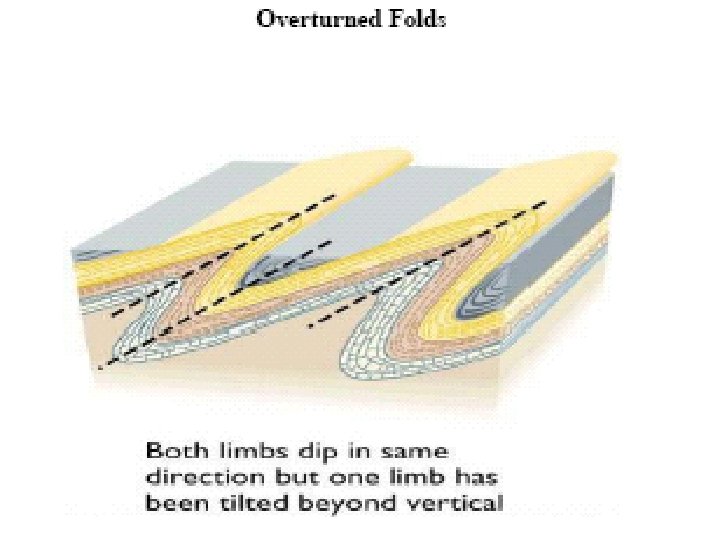
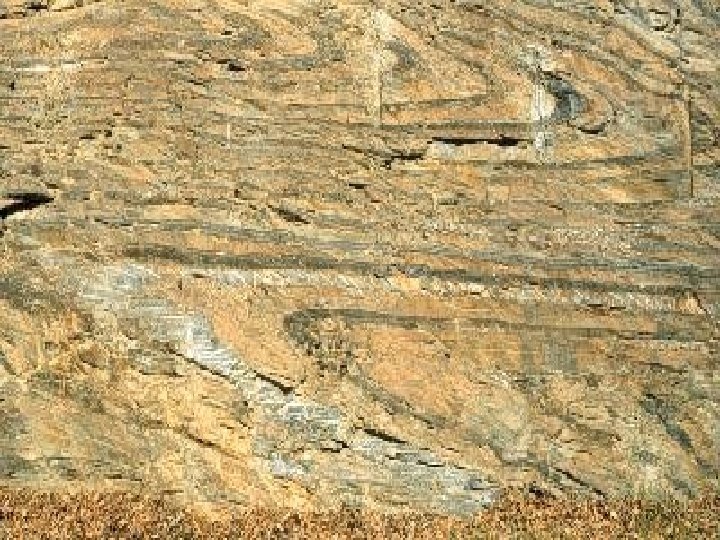
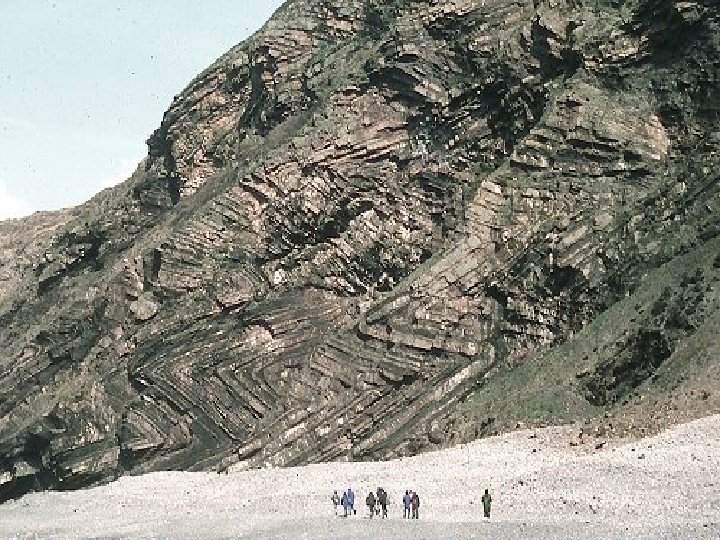
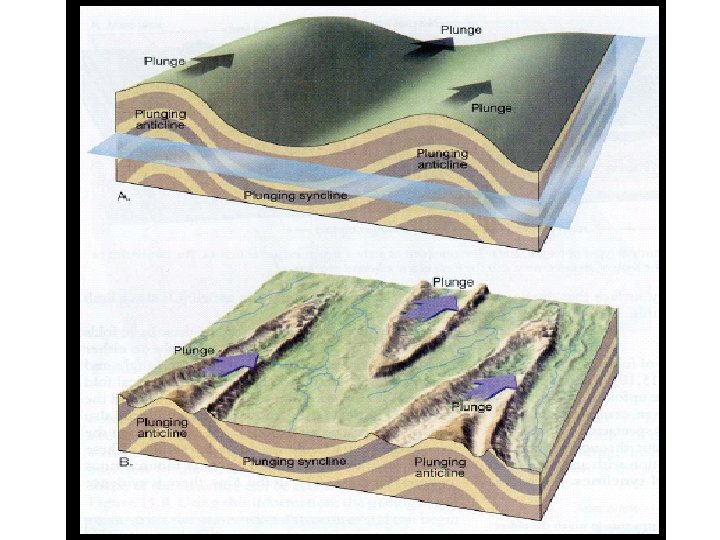
FOLDING Best seen in Sedementary rocks Warping of rock layers from crustal compression
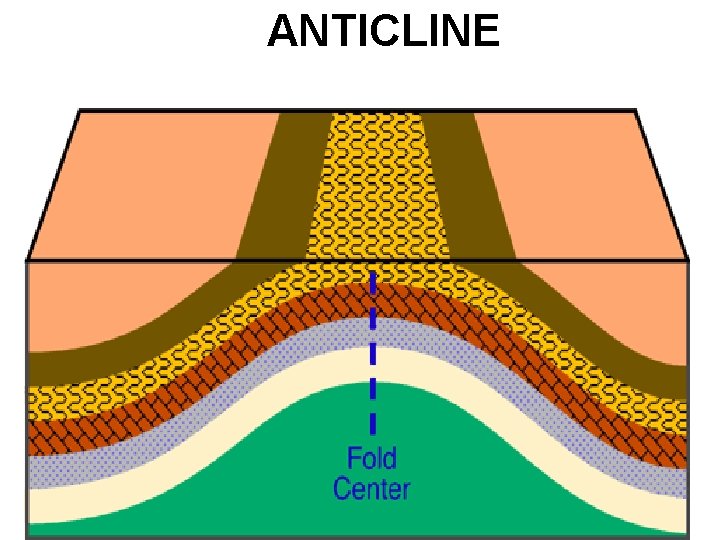
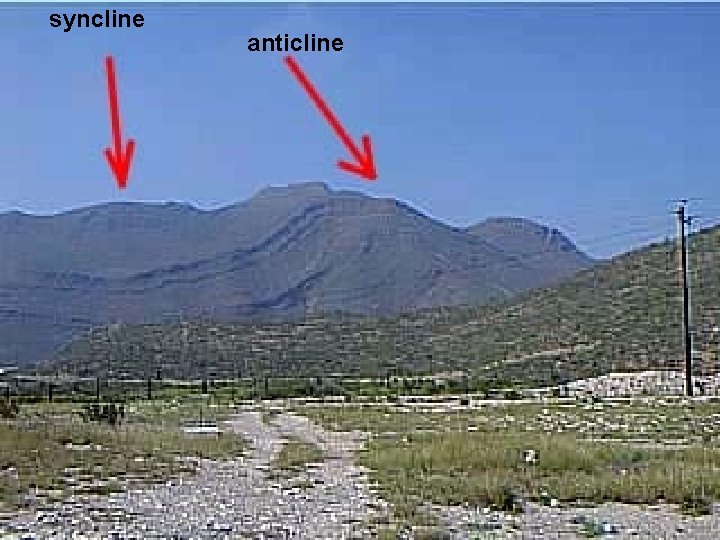
ANTICLINE
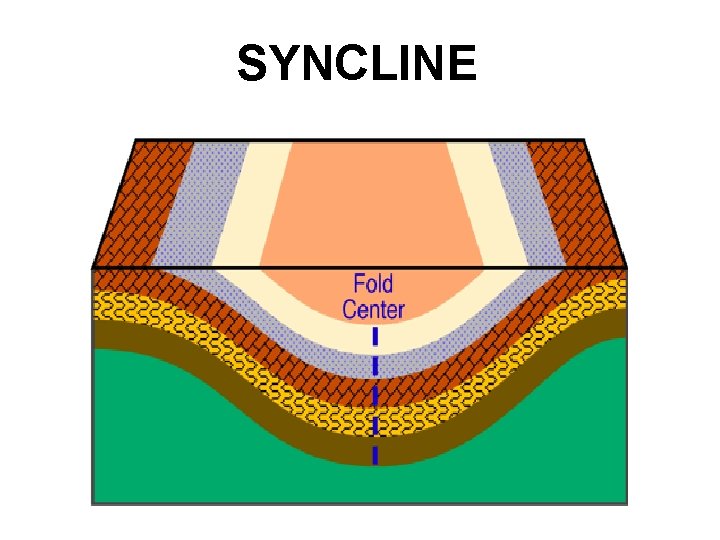
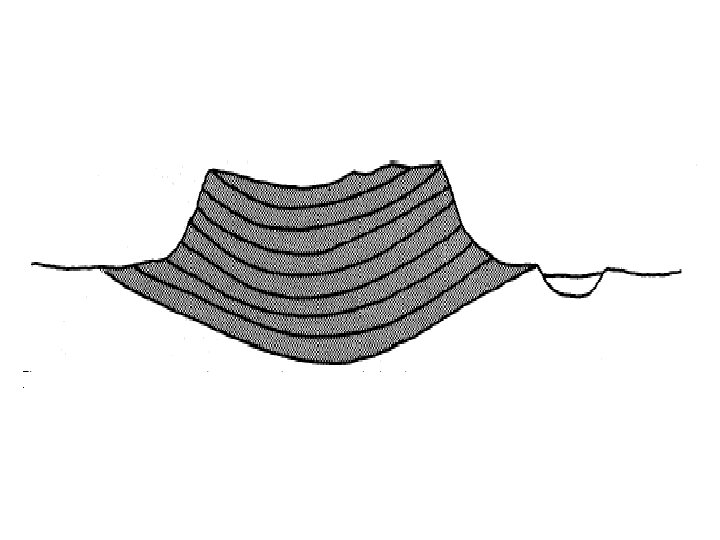
SYNCLINE
syncline anticline
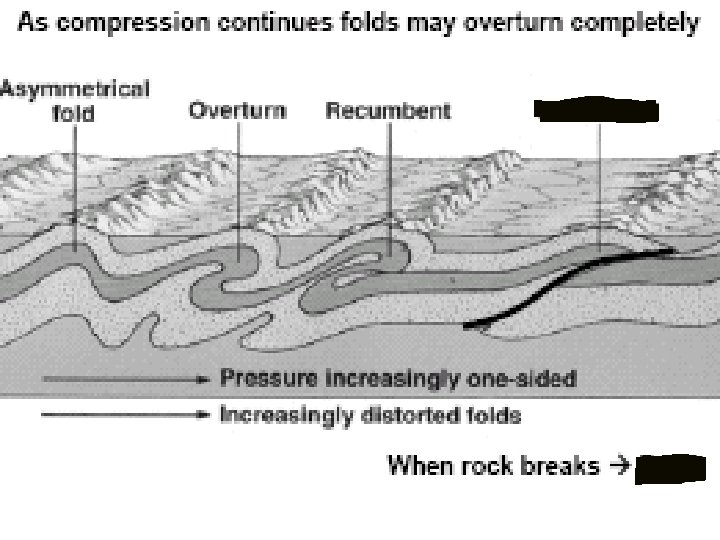
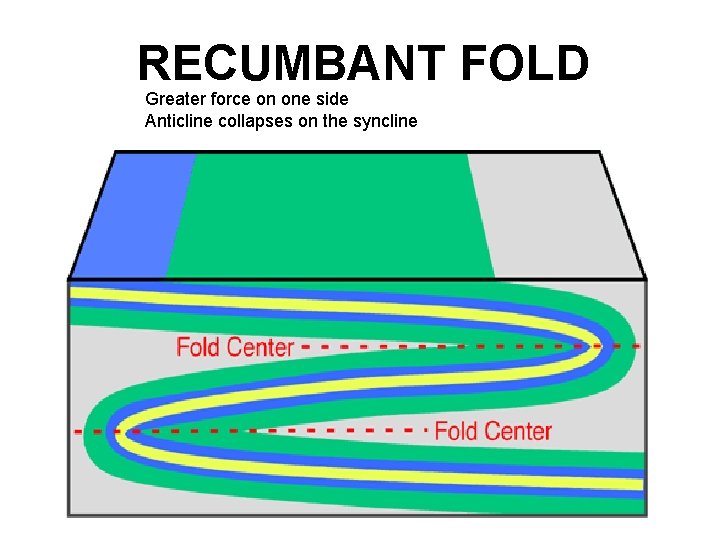
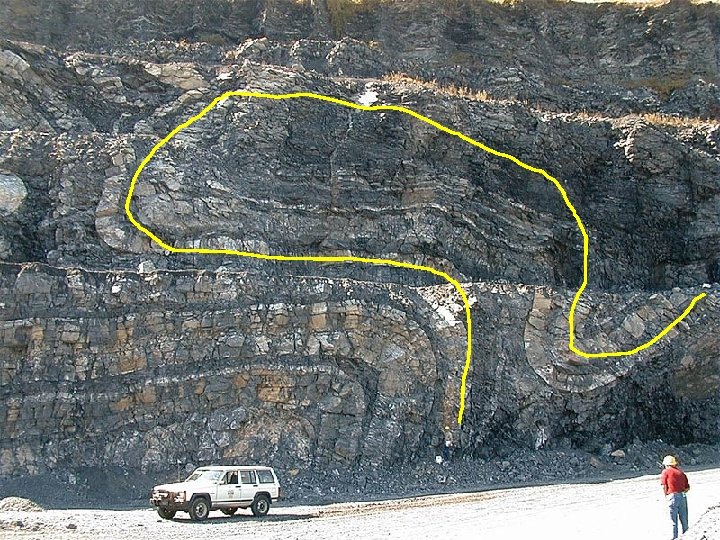
RECUMBANT FOLD Greater force on one side Anticline collapses on the syncline
Nappe
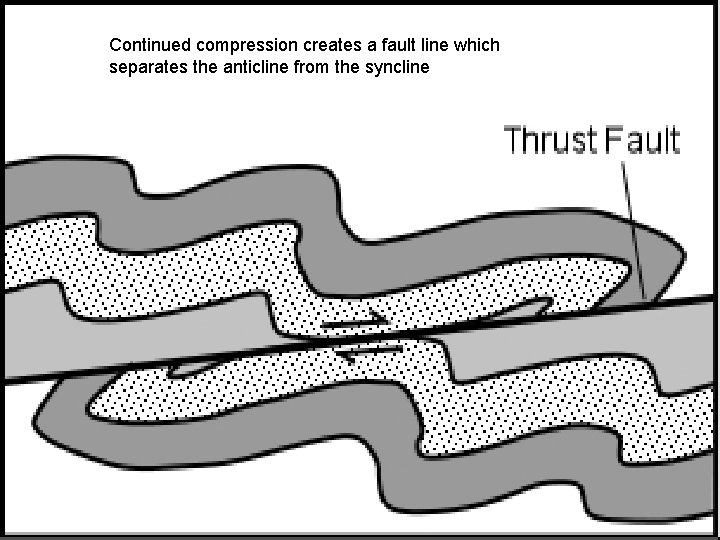
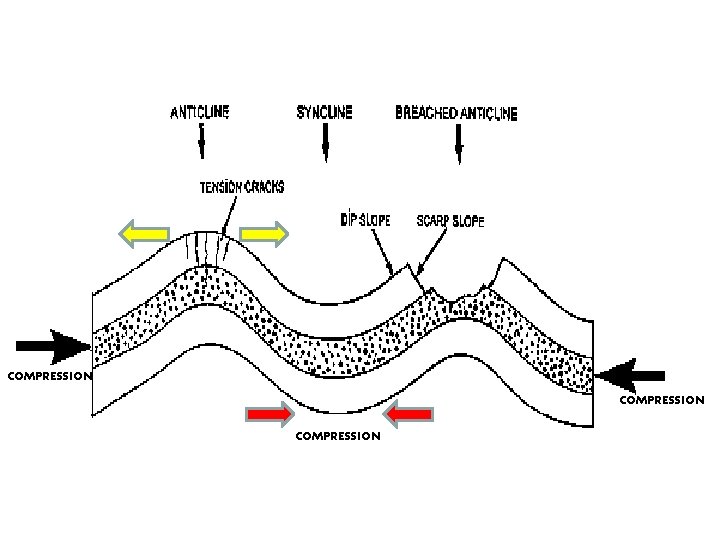
Continued compression creates a fault line which separates the anticline from the syncline
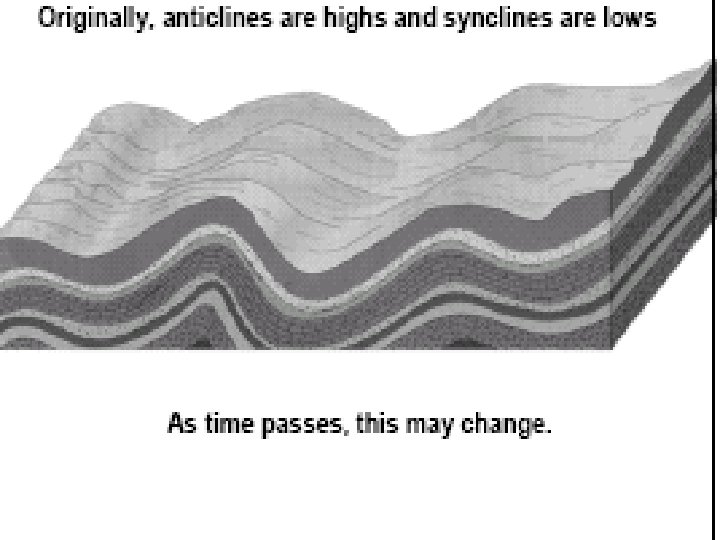
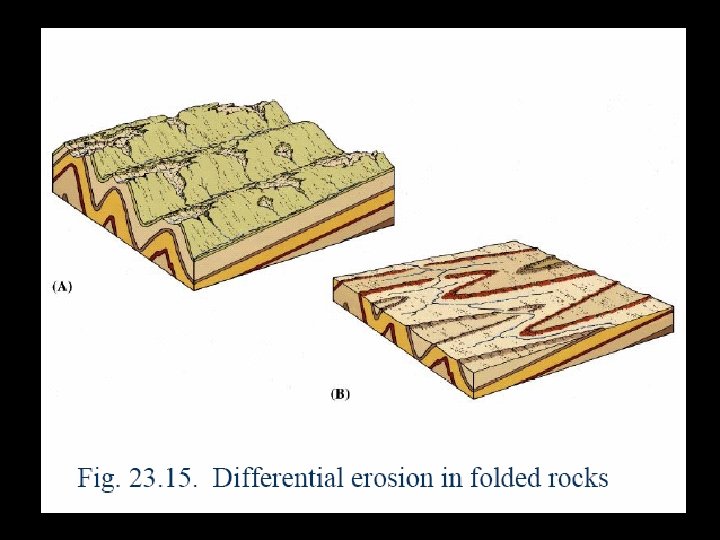
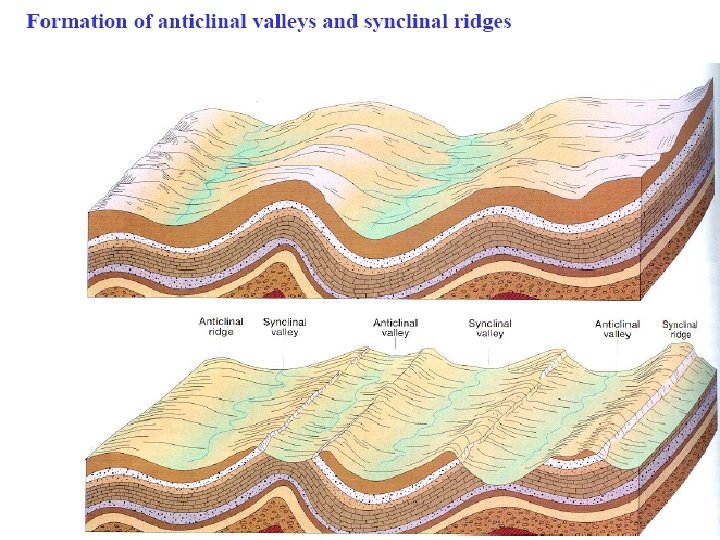
Erosion of Folds
COMPRESSION
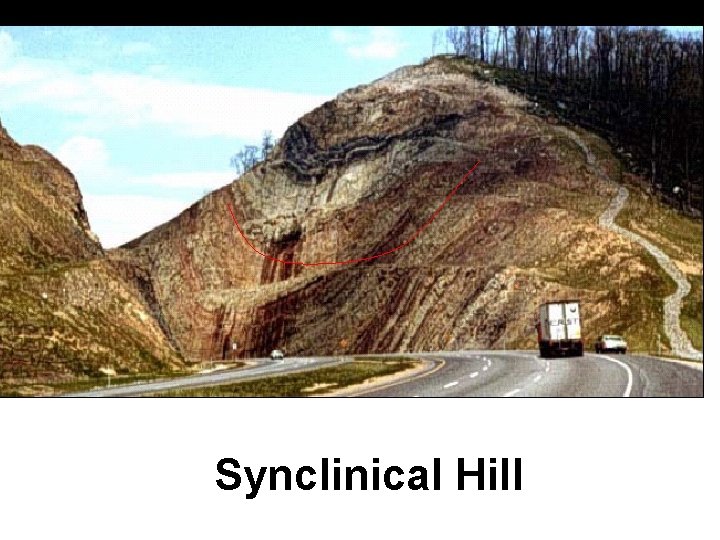
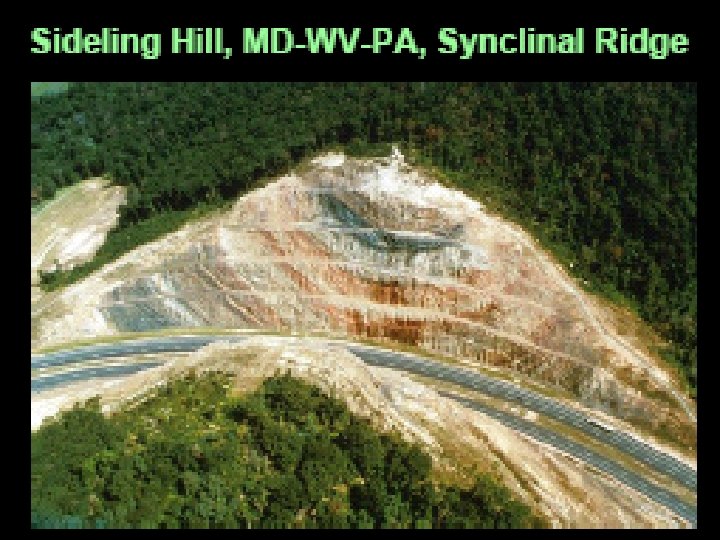
Synclinical Hill
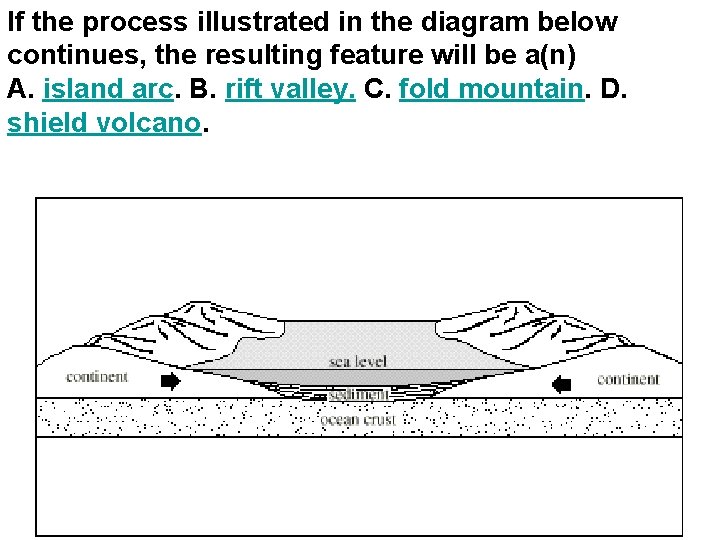
If the process illustrated in the diagram below continues, the resulting feature will be a(n) A. island arc. B. rift valley. C. fold mountain. D. shield volcano.
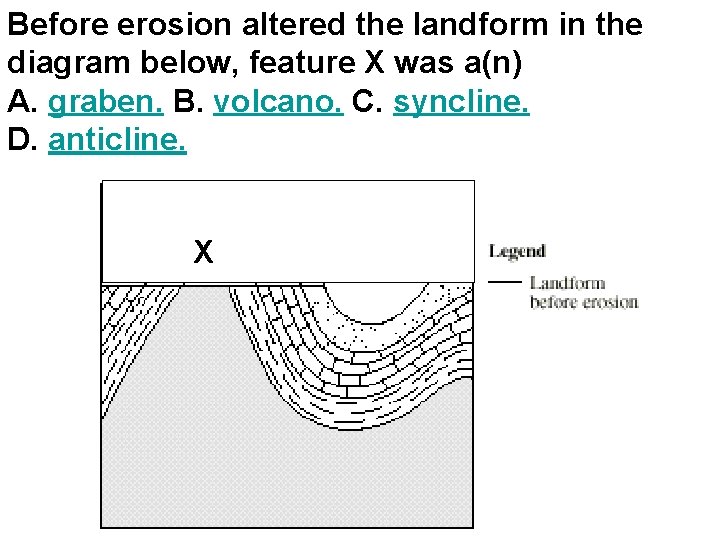
Before erosion altered the landform in the diagram below, feature X was a(n) A. graben. B. volcano. C. syncline. D. anticline. X
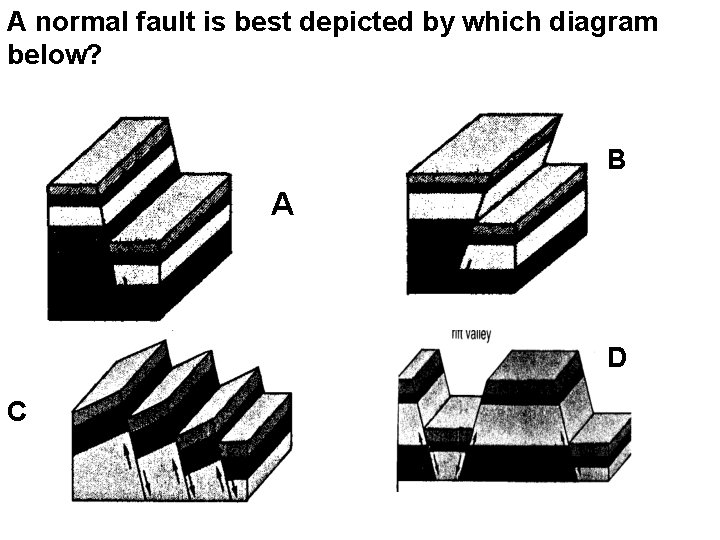
A normal fault is best depicted by which diagram below? B A D C
Video: Born of Fire