
ROCK CYCLE SEPT 26 Falcon Focus Explain how



- Slides: 68
ROCK CYCLE SEPT. 26
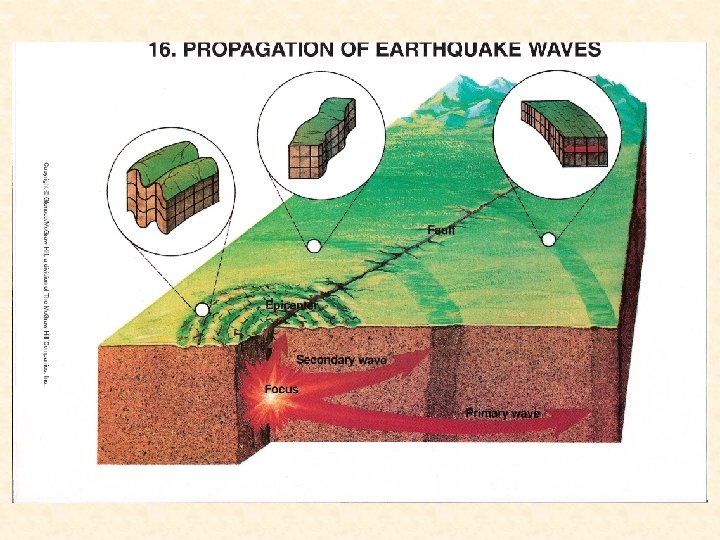
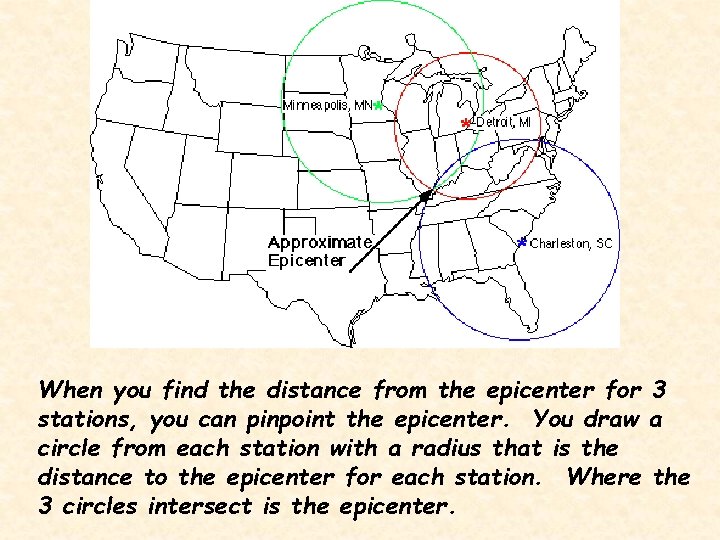
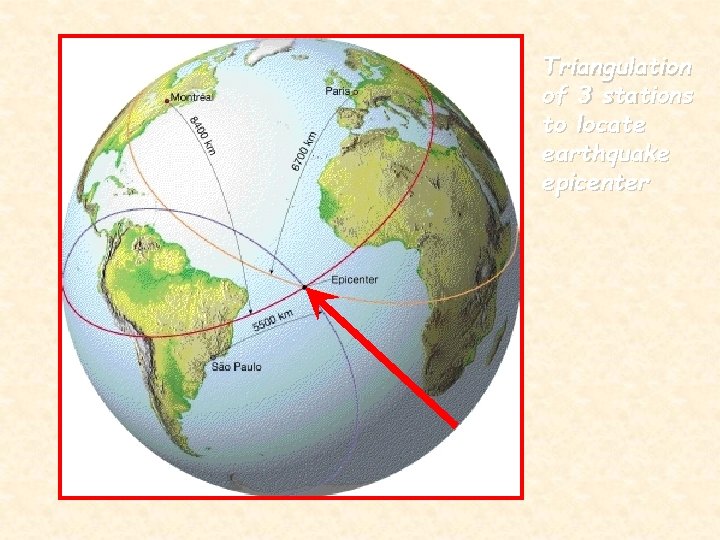
Falcon Focus Explain how Triangulation works
Essential Question • How are rocks formed?
Review • Let’s See What You Know!!!!!
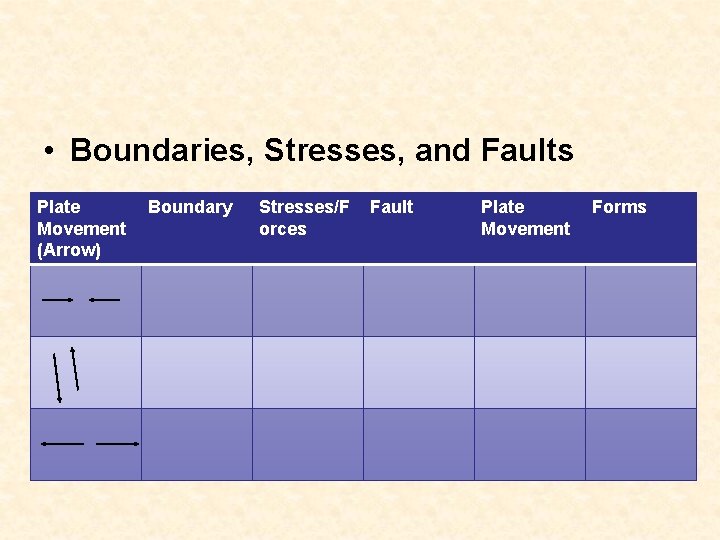
• Boundaries, Stresses, and Faults Plate Movement (Arrow) Boundary Stresses/F orces Fault Plate Movement Forms
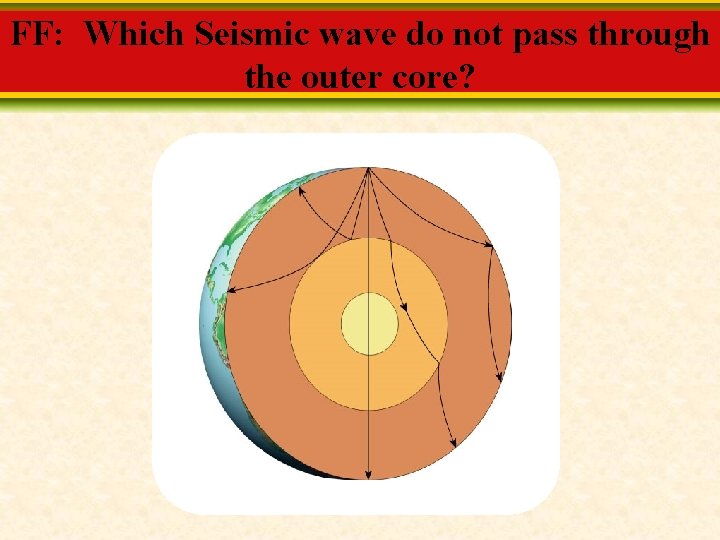
FF: Which Seismic wave do not pass through the outer core?
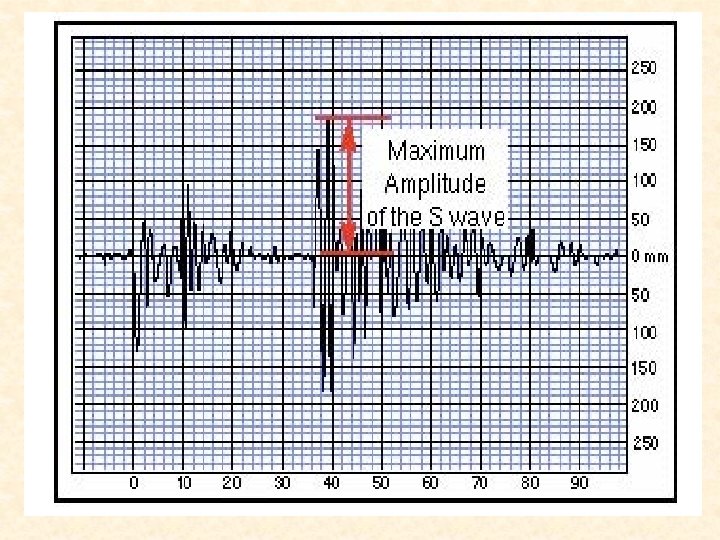
When you find the distance from the epicenter for 3 stations, you can pinpoint the epicenter. You draw a circle from each station with a radius that is the distance to the epicenter for each station. Where the 3 circles intersect is the epicenter.
Triangulation of 3 stations to locate earthquake epicenter
Magnitude
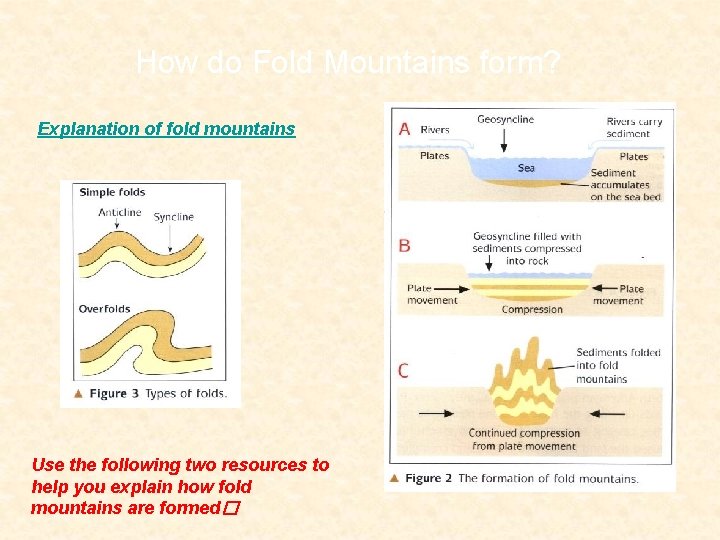
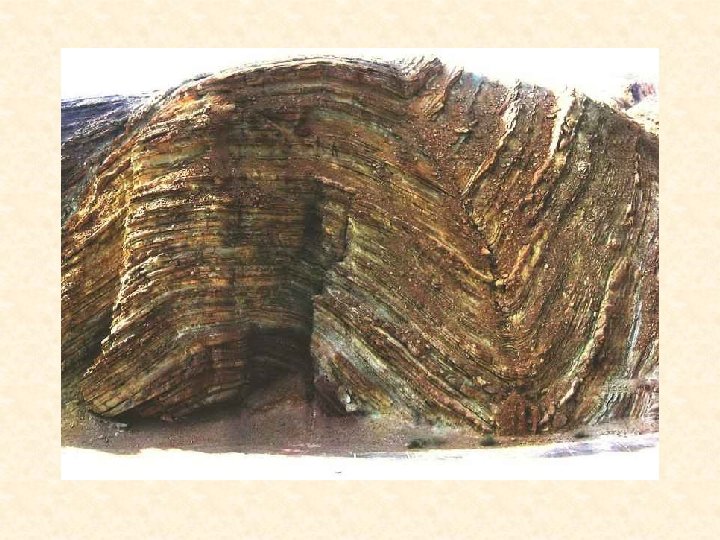
How do Fold Mountains form? Explanation of fold mountains Use the following two resources to help you explain how fold mountains are formed�
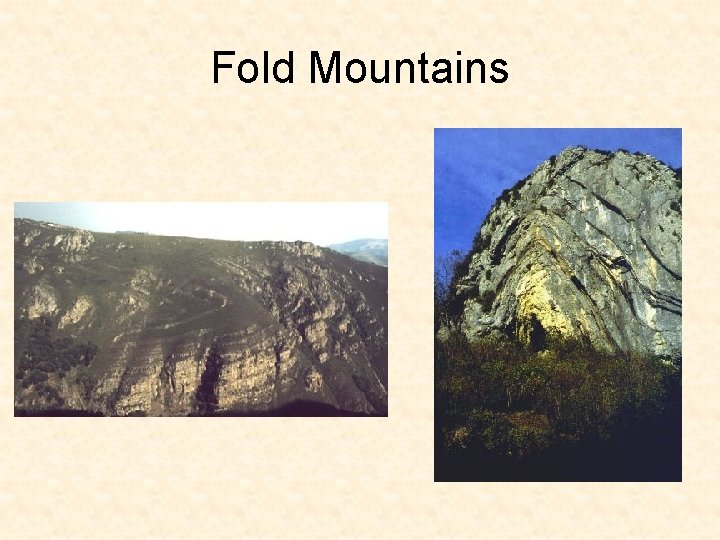
Fold Mountains
FALCON FOCUS- SEPT. 27 Define the following: • Weathering • Erosion • Deposition
ESSENTIAL QUESTION- SEPT. 27 What processes form igneous, sedimentary, and metamorphic rock?
FALCON FOCUS-SEPT. 28 Name the 3 rock types and how they form.
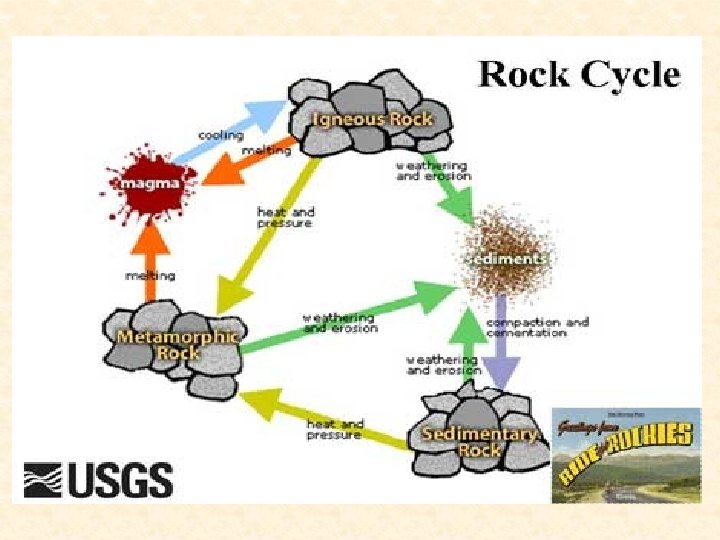
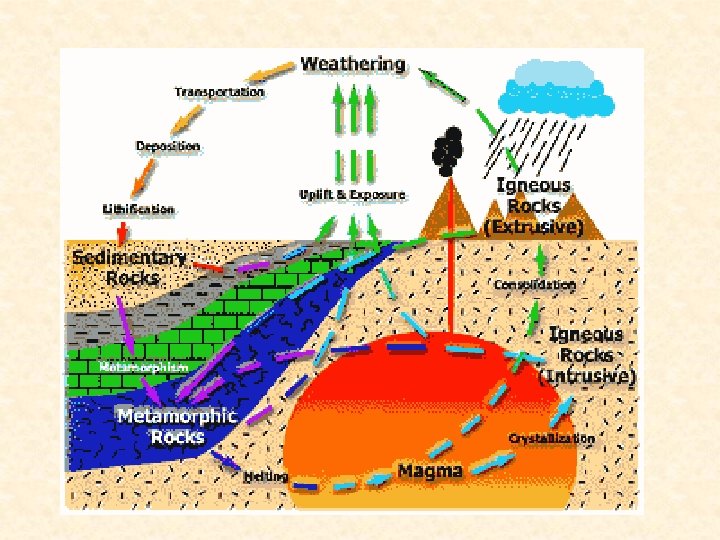
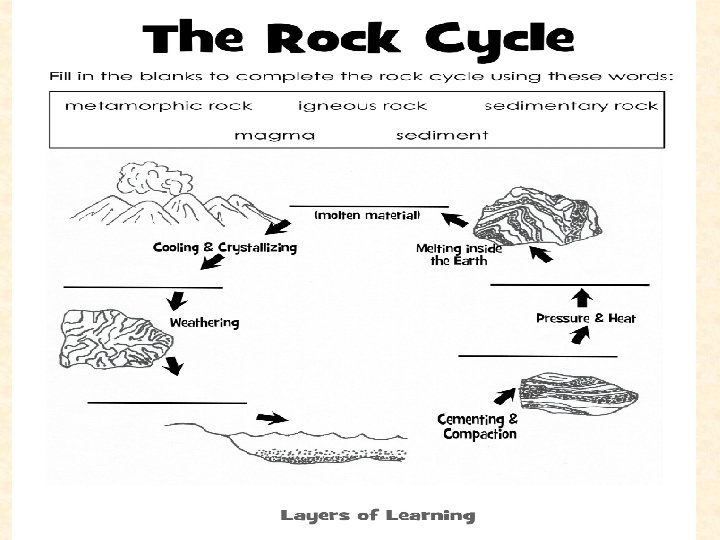
ESSENTIAL QUESTION- SEPT. 28 Explain how an igneous rock can be turned into a metamorphic rock, then a sedimentary rock and back to an igneous rock over time.
Rock Cycle animation • Go to http: //dms. dcsdschools. org/home • Click on “Departments” in the top purple tab • On the dropdown menu, go to Science • Click on Nicole Grant -8 th Grade Science • Click on “Grant’s Lessons” on the right hand side • Click on “Rock Cycle” for an animation
Performance Indicator: 8. E. 5 A. 2 Use the rock cycle model to describe the relationship between the processes and forces that create igneous, sedimentary, and metamorphic rocks.
Standard/Objective: Standard 8. E. 5 STUDENTS SHOULD BE ABLE TO: use the rock cycle model to describe how different processes create different rock types.
Rocks • Rocks are naturally occurring combinations of minerals. • Most consist of two or more different minerals. • Rocks are classified according to how they were formed.
Physical Properties of Rocks 1. Color (may have a distinctive color for identification) 2. Streak (is the color of the mineral in powdered form- shows the true color of the mineral) 3. Hardness (is a measure of the mineral’s resistance to scratching) 4. Luster (property of minerals that indicates how much the surface of a mineral reflects light or if it is SHINY. )
How do Rocks form? • How much time does it take to form a rock? – If you squeeze and heat a rock for a few million years, it can turn into a new kind of rock.
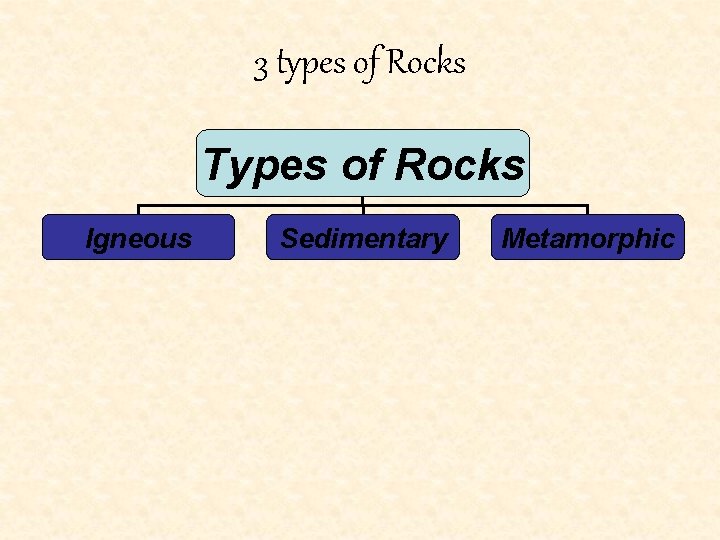
ROCKS • There are three large classifications of rocks – igneous, metamorphic, and sedimentary. Each type of rock is formed differently and can change from one type to another over time. The way rocks are formed determines how we classify them.
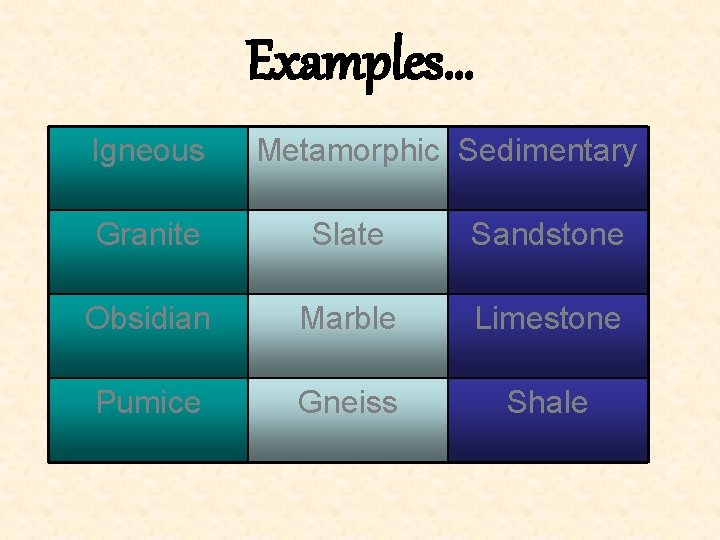
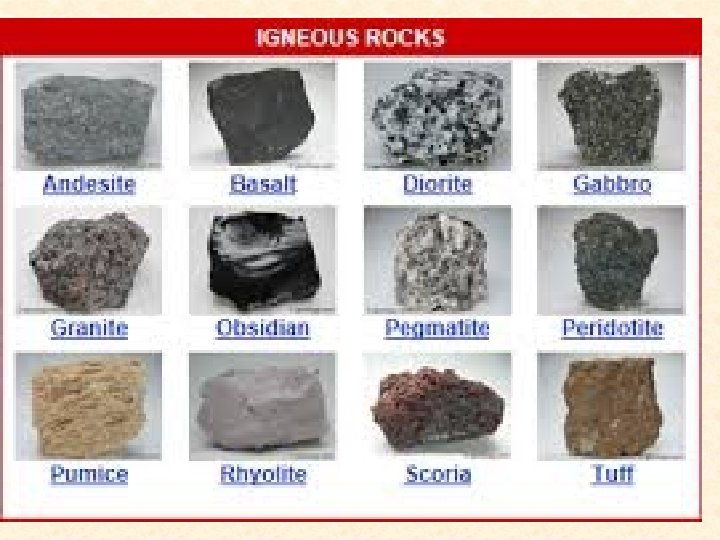
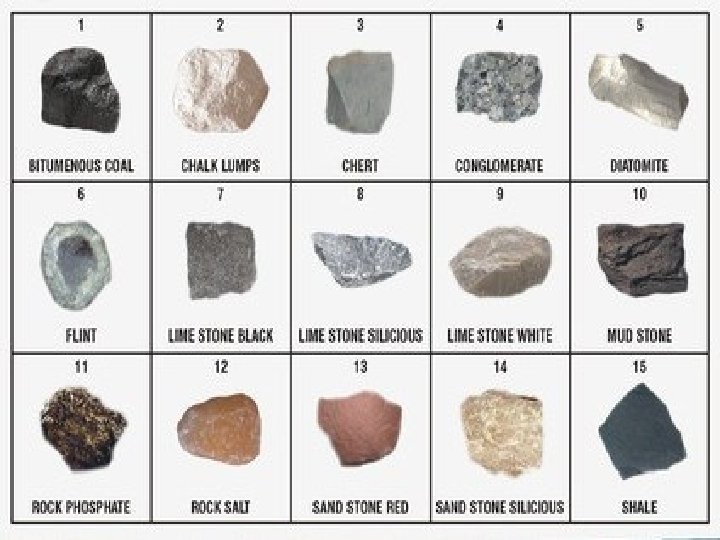
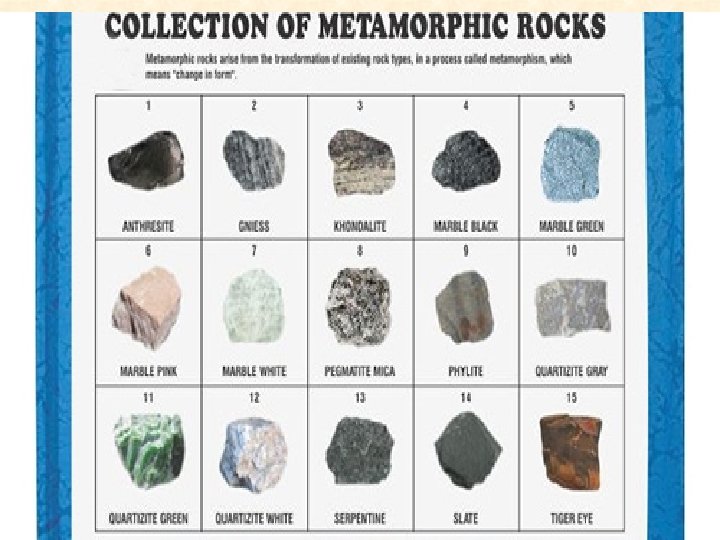
3 TYPES OF ROCKS • IGNEOUS EXAMPLES: Granite, Obsidian, Pumice • SEDIMENTARY EXAMPLES: Sandstone, Limestone, Shale • METAMORPHIC EXAMPLES: Slate, Marble, Gneiss
3 types of Rocks Types of Rocks Igneous Sedimentary Metamorphic
Examples… Igneous Metamorphic Sedimentary Granite Slate Sandstone Obsidian Marble Limestone Pumice Gneiss Shale
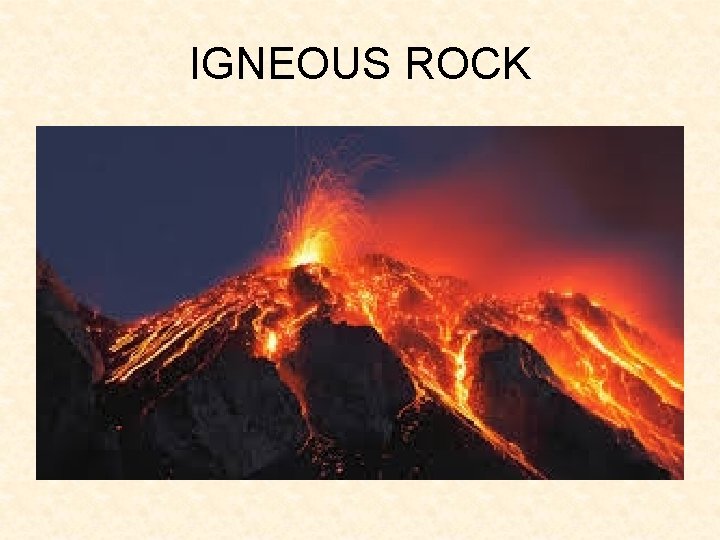
IGNEOUS ROCK
Igneous Rocks (Volcanoes) • Igneous – means “fire formed. ” • IGNEOUS ROCKS: Forms when molten rock (magma or lava) cools and hardens. (MOLTEN ROCK) – Think of candle wax cooling – Igneous Rocks forms NEAR OR around VOLCANOES…
2 types of Igneous Rocks • When lava is cooled it forms a rock. • When magma cools within the Earth, it also forms rocks. • What’s the difference between lava and magma?
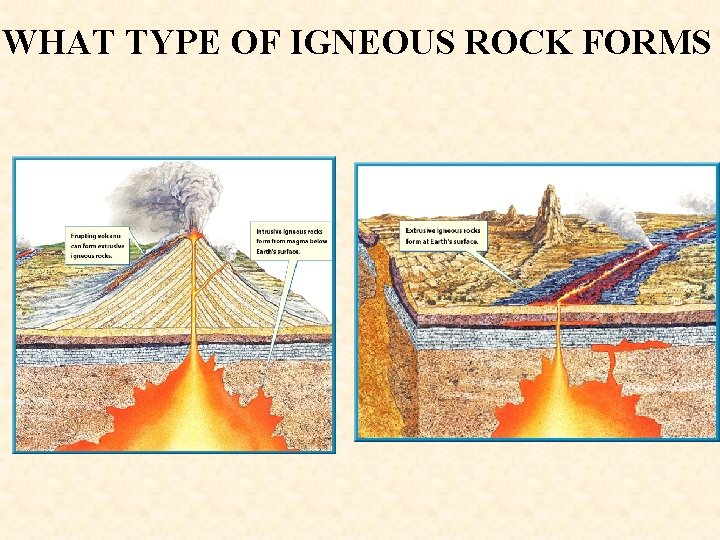
Igneous Rocks (Volcanoes) • Extrusive rock – Igneous rock formed from lava that erupted from a volcano. (exterior – exit) – Examples: Basalt, Obsidian • Extrusive: Small crystals – Cools Quickly
Igneous Rocks (Volcanoes) • Intrusive rock – Igneous rock that formed when magma hardened beneath or inside a volcano. (interior – inside) • Rocks cool slowly – Example: Granite Intrusive: Large crystals – Cools Slowly
WHAT TYPE OF IGNEOUS ROCK FORMS
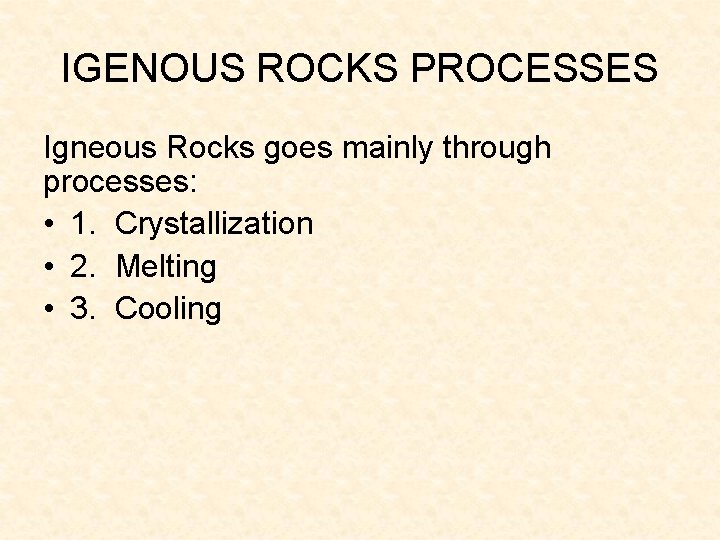
IGENOUS ROCKS PROCESSES Igneous Rocks goes mainly through processes: • 1. Crystallization • 2. Melting • 3. Cooling
Review 1. From where do igneous rocks form? 2. The only way igneous rocks can form is from the cooling of what? 3. What are the two types of igneous rocks? Explain the difference between them. 4. What are the 3 processes igneous rocks go through? 5. Explain how large and small crystals form in igneous rocks.
SEDIMENTARY ROCK
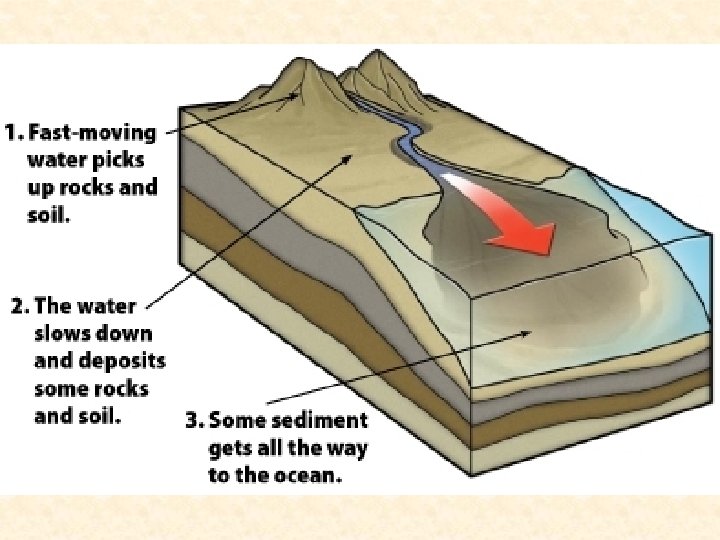
Sedimentary Rocks • Forms near bodies of water or where bodies of water use to be • Sedimentary rocks are made up of sediments.
What are Sediments? • Sediment are small, solid pieces of rock, mineral grains, or shell fragments • Sediments are formed through the processes of weathering and erosion of rocks exposed at Earth’s surface.
• Sedimentary rocks can also form from the chemical depositing of materials that were once dissolved in water. (DEPOSITION) • THEREFORE, SEDIMENTARY ROCKS Forms from the compaction and/or cementation of rock pieces, mineral grains, or shell fragments called sediments.
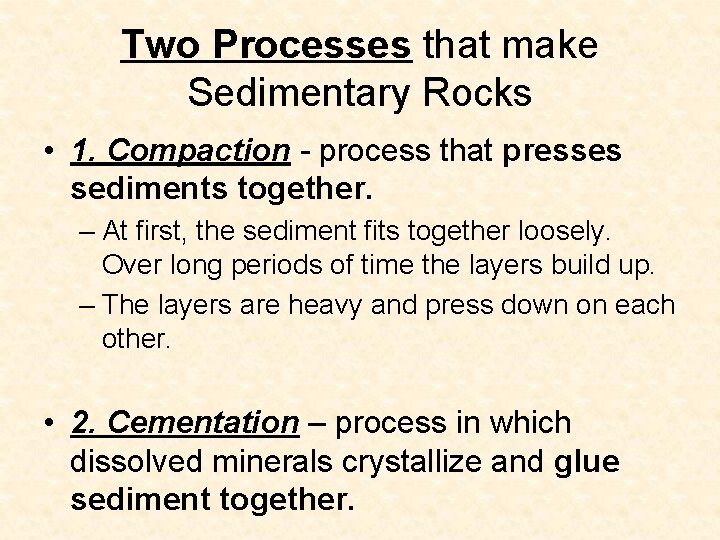
Two Processes that make Sedimentary Rocks • 1. Compaction - process that presses sediments together. – At first, the sediment fits together loosely. Over long periods of time the layers build up. – The layers are heavy and press down on each other. • 2. Cementation – process in which dissolved minerals crystallize and glue sediment together.
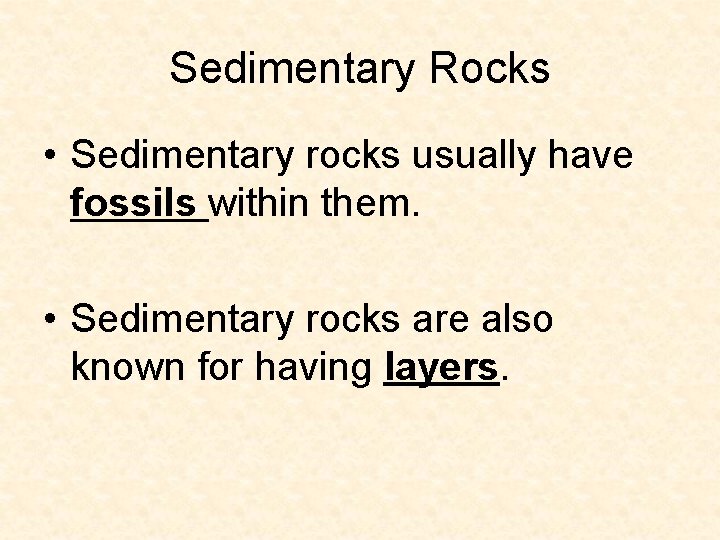
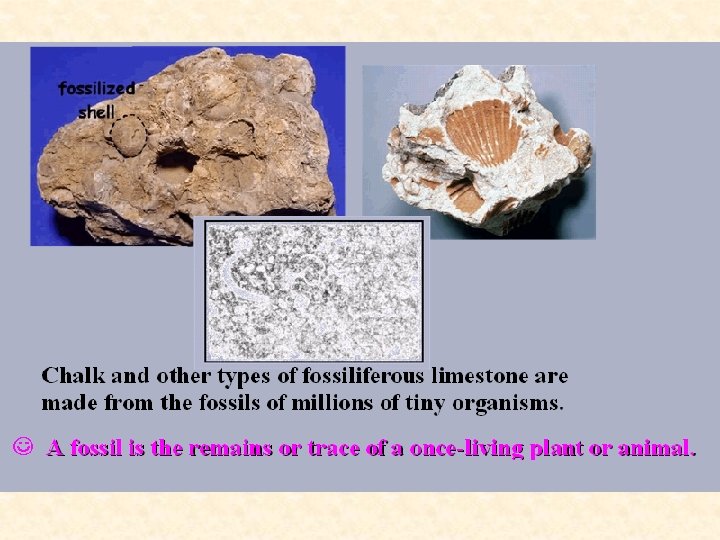
Sedimentary Rocks • Sedimentary rocks usually have fossils within them. • Sedimentary rocks are also known for having layers.
Review Questions • What does sedimentary rocks from? • What are the two processes that sedimentary rocks go through? • How do sedimentary rocks form? • What are sediments? • How do sediments form?
METAMORPHIC ROCKS
Metamorphic Rocks • Metamorphic rocks form underneath the Earth’s Surface. • Forms when rocks are changed into different kinds of rocks by great heat and/or pressure • Metamorphic rocks are heated, squeezed, folded, or chemically changed by contact with hot fluids. (THIS ROCK GOES THROUGH CHEMICAL CHANGES)
• When heat and pressure reach the rock’s melting point, it melts into magma.
Metamorphic Rocks Processes • Metamorphic goes through 2 processes: • 1. Heat • 2. Pressure
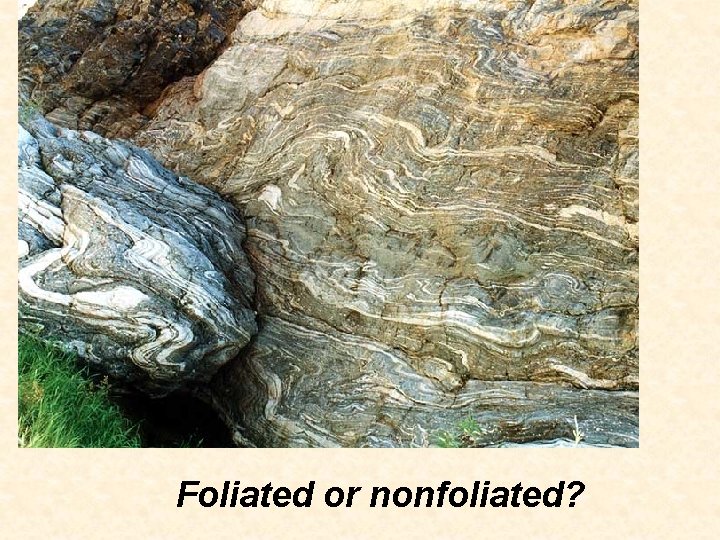
Metamorphic Rocks Classification Classified by the arrangement of the grains that make up the rocks. • Foliated Rocks – Have obvious layers. • Non-Foliated Rocks – Have no visible layers.
Foliated or nonfoliated?
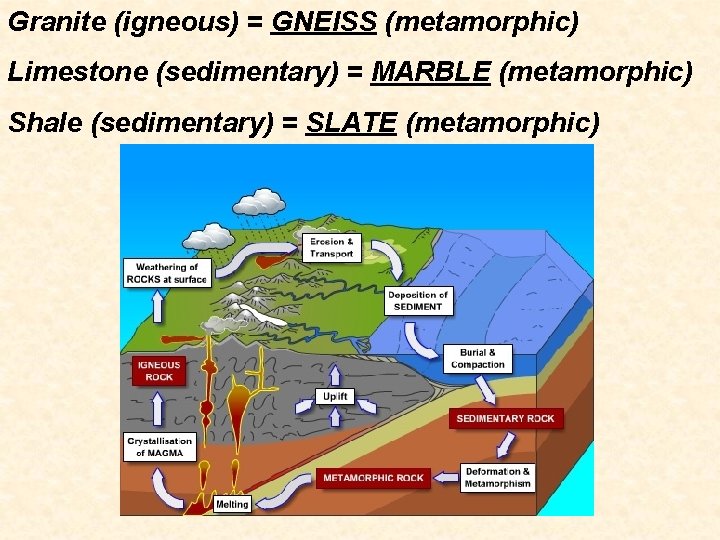
Granite (igneous) = GNEISS (metamorphic) Limestone (sedimentary) = MARBLE (metamorphic) Shale (sedimentary) = SLATE (metamorphic)
ALL ROCKS • What Process Do All Rocks Go Through? ?
• Weathering, Erosion, & DEPOSITON
RC (Review Check) • Types of Rocks
RC (Types of Rocks Questions) • • • 1. Forms underneath the Earth’s surface 2. Forms around volcanoes 3. Forms near bodies of water or where bodies of water use to be 4. Have fossils within them 5. Goes through the process of cooling, melting, and crystallization 6. Goes through the process of heat and pressure 7. Goes through the process of compaction and cementation 8. Consist of Intrusive and extrusive rocks 9. Can change into other rocks, can be foliated and go through chemical changes • 10. Can go through the process weathering and erosion
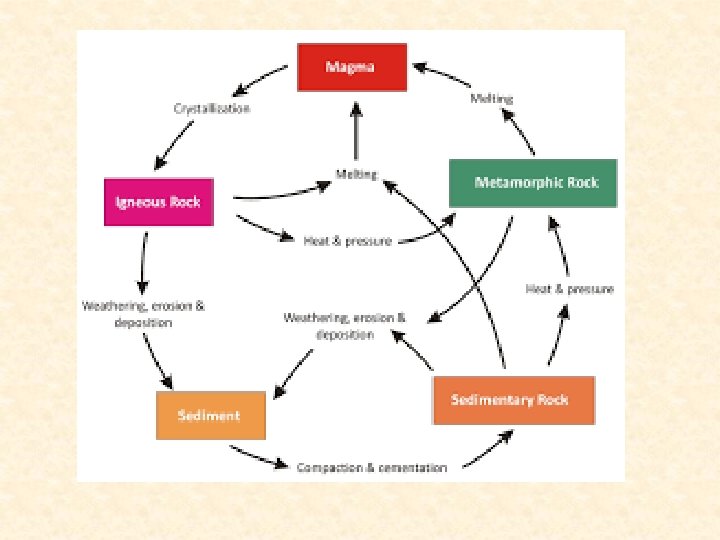
THE ROCK CYCLE • The rock cycle is an ongoing process. The sample diagram illustrates the series of natural processes that can change rocks from one kind to another: • The rock cycle is an example of how Earth recycles itself.
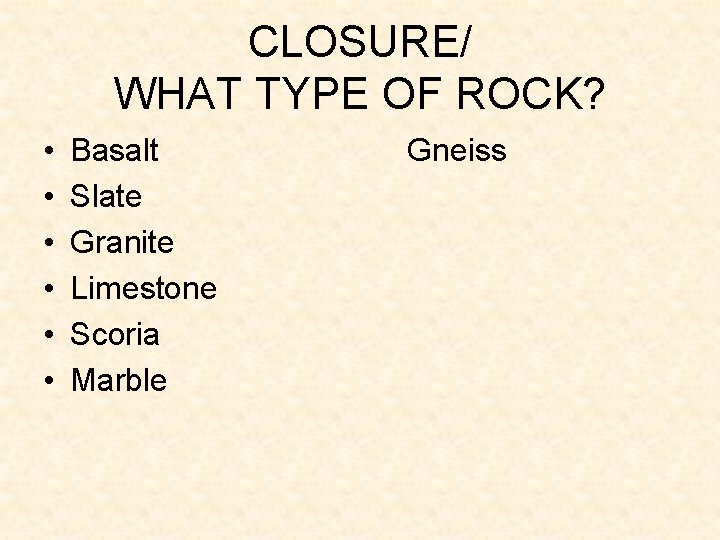
CLOSURE/ WHAT TYPE OF ROCK? • • • Basalt Gneiss Slate Granite Limestone Scoria Marble
Falcon Focus • What are the processes that each rock goes through? What process do all rocks go through?
Essential Questions • How would you explain how the three types of rocks form and where do they form?