
Robert Anda MD Vincent Felitti MD The ACE
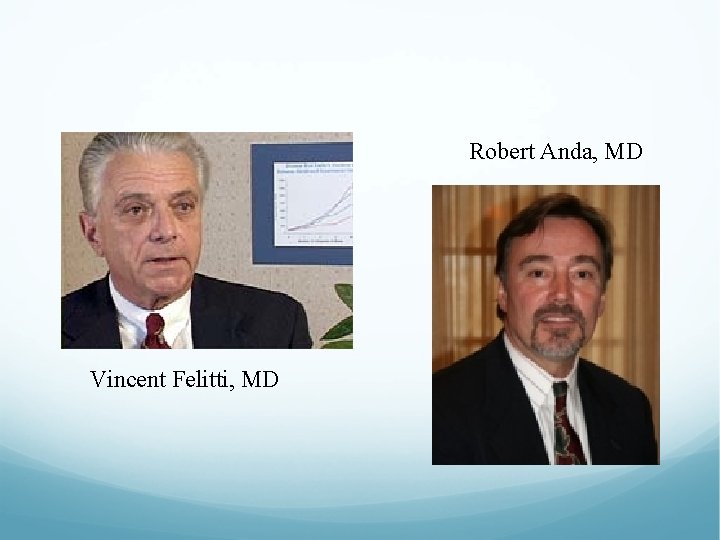
Robert Anda, MD Vincent Felitti, MD
The ACE Study: The Effect of Adverse Childhood Experiences on Adult Health and Behavior Arlene Nock, M. D. Assistant Professor Albany Medical College Staff Psychiatrist Stratton VA Medical Center Albany, NY
History of the Adverse Childhood Experiences Study Vincent Felitti, an endocrinologist, ran a successful weight loss clinic at Kaiser Permanente in San Diego, CA Many of his most successful patients dropped out of the study or gained their weight back He interviewed them and found a high percentage of these patients had abuse, household dysfunction or neglect during childhood In 1991, he presented his findings at the CDC, and Robert Anda was very interested
History, continued Together, they set up the largest study ever done to examine the link between adverse childhoods and health over the course of a lifetime. It was a retrospective and a prospective study of 17, 421 patients who presented for their annual health exam and agreed to fill out a long questionnaire about their childhood to age 18. Average was 57. 80% white, 10% AA, 10% Asian. 51% F, 49% M. 74% some college, 46% graduated college
The Relationship of Adverse Childhood Experiences to Adult Health Status A collaborative effort of Kaiser Permanente and The Centers for Disease Control Vincent J. Felitti, M. D. Robert F. Anda, M. D.
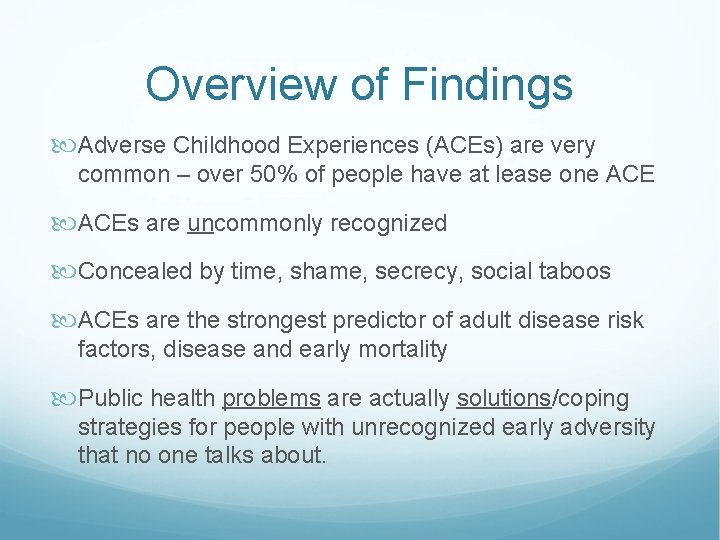
Overview of Findings Adverse Childhood Experiences (ACEs) are very common – over 50% of people have at lease one ACEs are uncommonly recognized Concealed by time, shame, secrecy, social taboos ACEs are the strongest predictor of adult disease risk factors, disease and early mortality Public health problems are actually solutions/coping strategies for people with unrecognized early adversity that no one talks about.
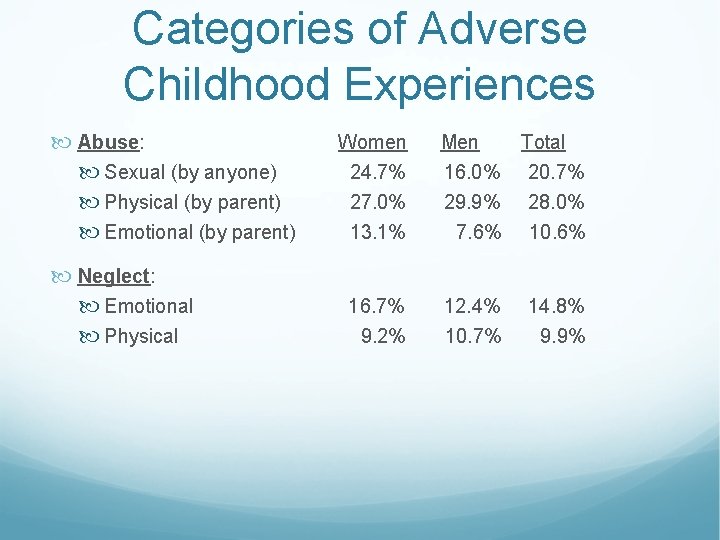
Categories of Adverse Childhood Experiences Abuse: Sexual (by anyone) Physical (by parent) Emotional (by parent) Neglect: Emotional Physical Women 24. 7% Men 16. 0% Total 20. 7% 27. 0% 13. 1% 29. 9% 7. 6% 28. 0% 10. 6% 16. 7% 9. 2% 12. 4% 10. 7% 14. 8% 9. 9%
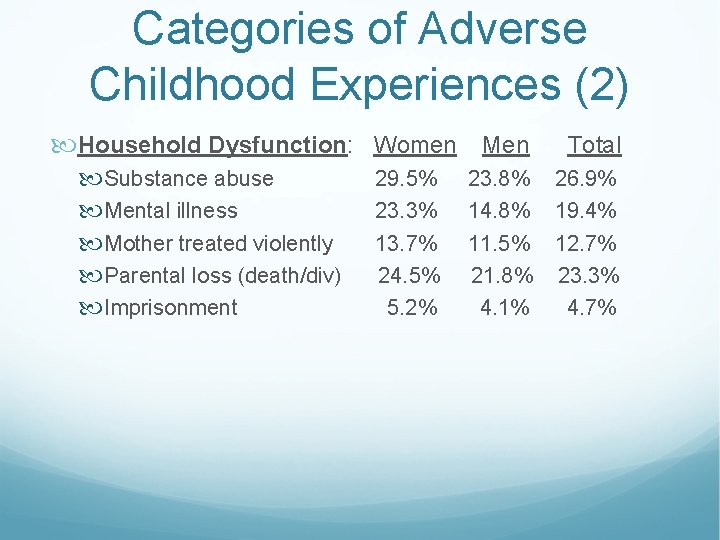
Categories of Adverse Childhood Experiences (2) Household Dysfunction: Women Men Substance abuse Mental illness Mother treated violently Parental loss (death/div) Imprisonment 29. 5% 23. 3% 13. 7% 24. 5% 5. 2% Total 23. 8% 26. 9% 14. 8% 19. 4% 11. 5% 12. 7% 21. 8% 23. 3% 4. 1% 4. 7%
ACE Study slides are from: �Robert F. Anda MD at the Center for Disease Control and Prevention (CDC) �September 2003 Presentation by Vincent Felitti MD “Snowbird Conference” of the Child Trauma Treatment Network of the Intermountain West �“The Relationship of Adverse Childhood Experiences to Adult Medical Disease, Psychiatric Disorders, and Sexual Behavior: Implications for Healthcare” Book Chapter for “The Hidden Epidemic: The Impact of Early Life Trauma on Health and Disease” Lanius & Vermetten, Ed)
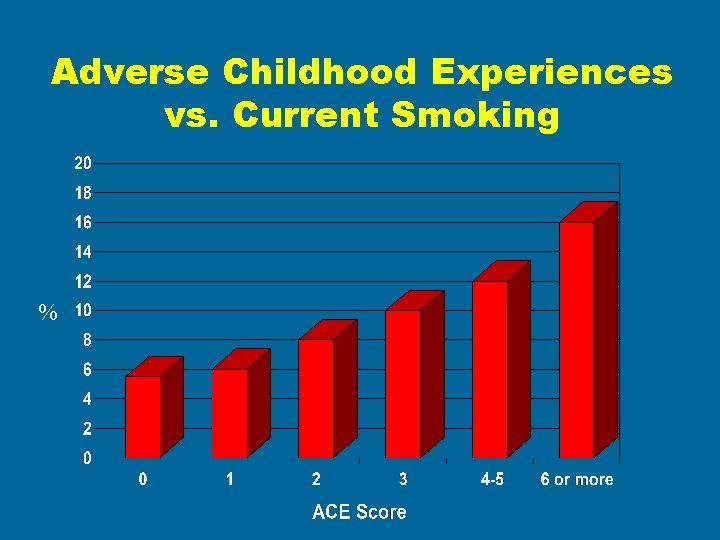
Adverse Childhood Experiences vs. Current Smoking %
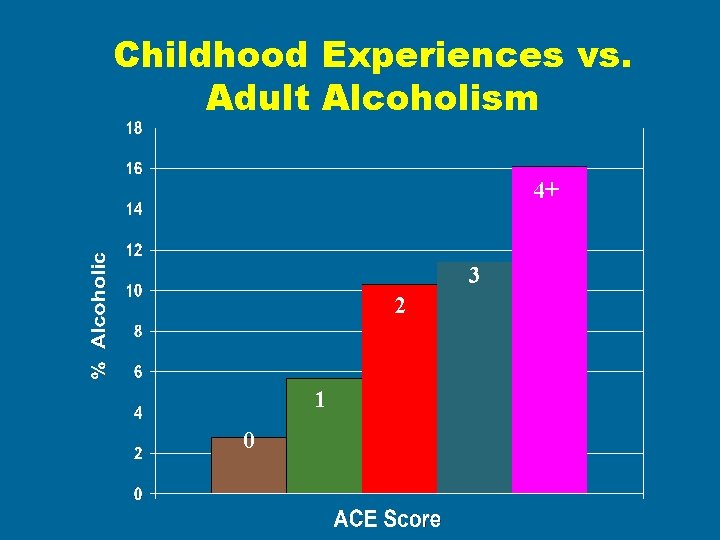
Childhood Experiences vs. Adult Alcoholism 4+ 3 2 1 0
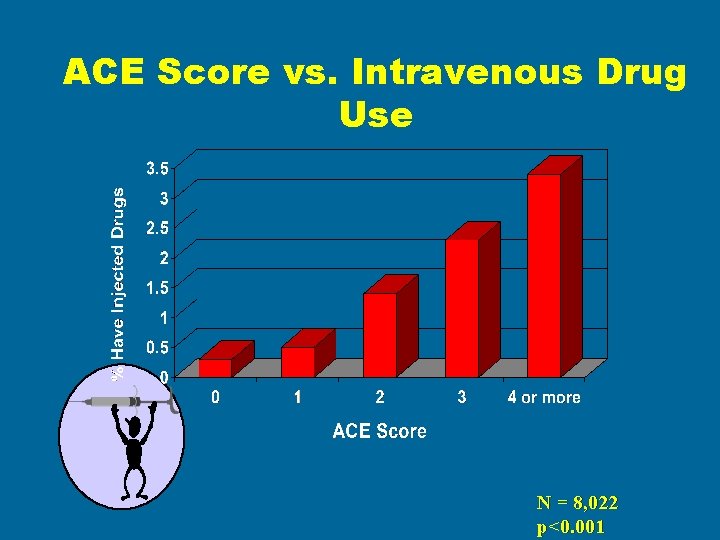
ACE Score vs. Intravenous Drug Use N = 8, 022 p<0. 001
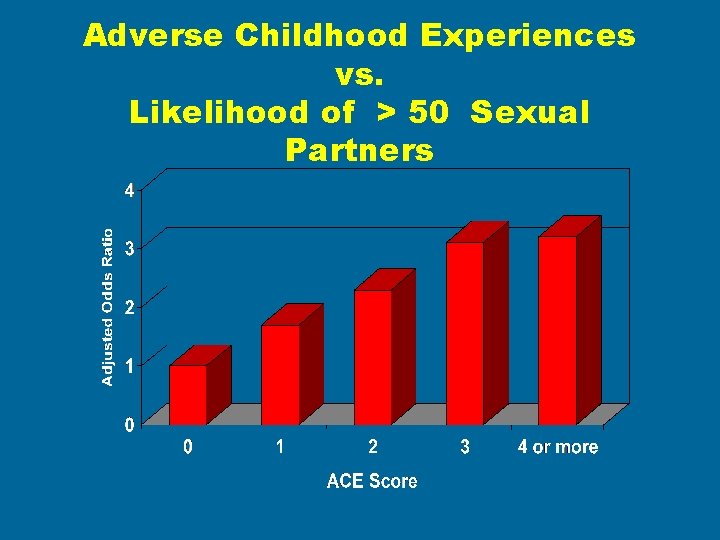
Adverse Childhood Experiences vs. Likelihood of > 50 Sexual Partners
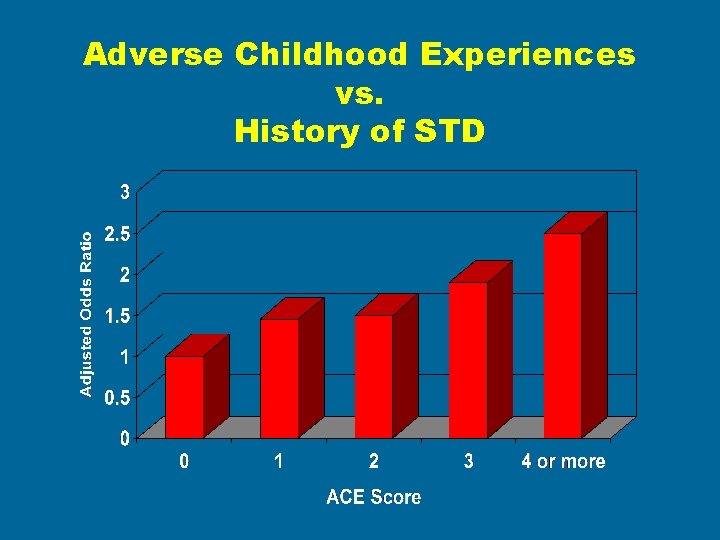
Adverse Childhood Experiences vs. History of STD
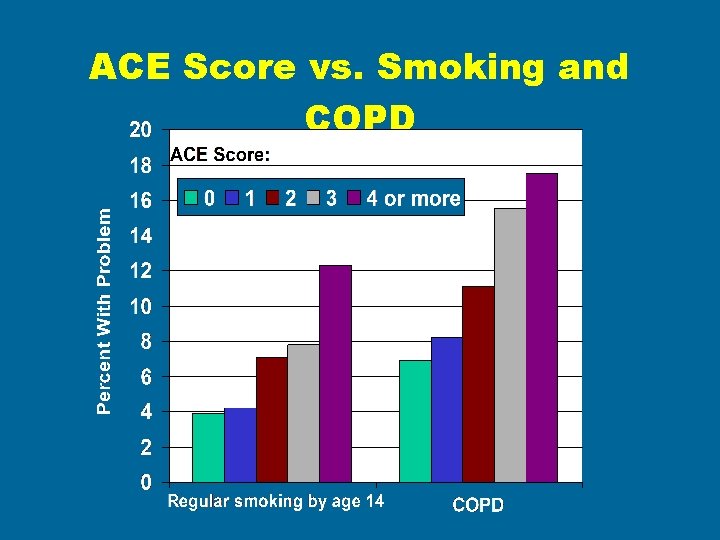
ACE Score vs. Smoking and COPD
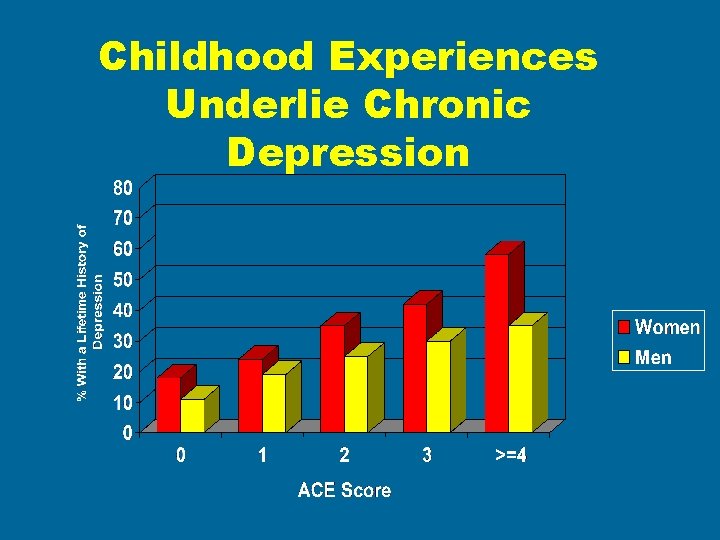
Childhood Experiences Underlie Chronic Depression
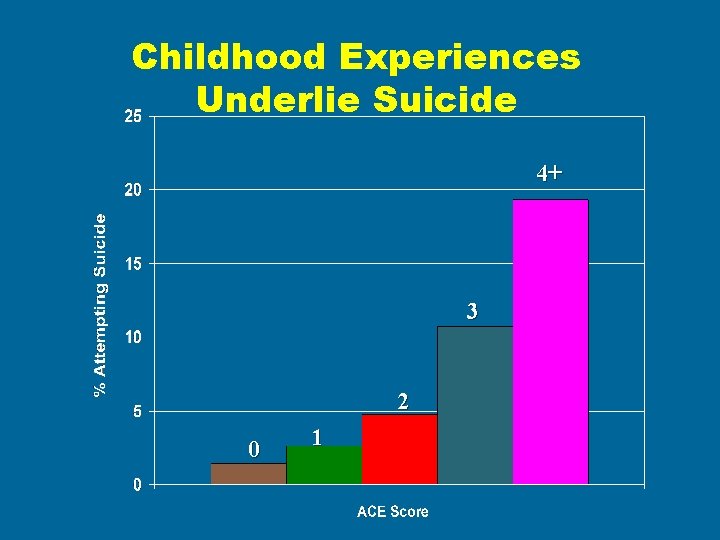
Childhood Experiences Underlie Suicide 4+ 3 2 0 1
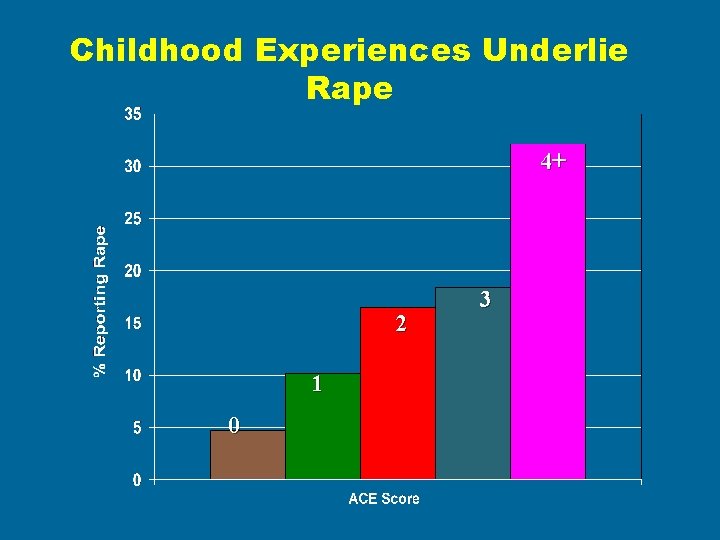
Childhood Experiences Underlie Rape 4+ 2 1 0 3
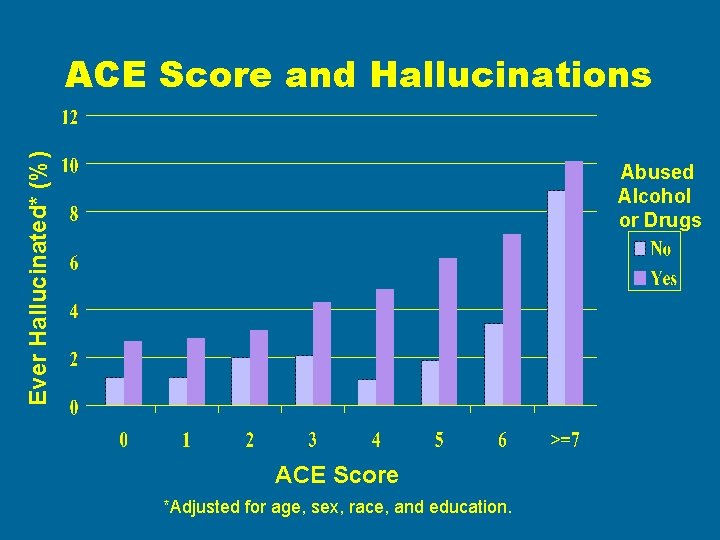
Ever Hallucinated* (%) ACE Score and Hallucinations Abused Alcohol or Drugs ACE Score *Adjusted for age, sex, race, and education.
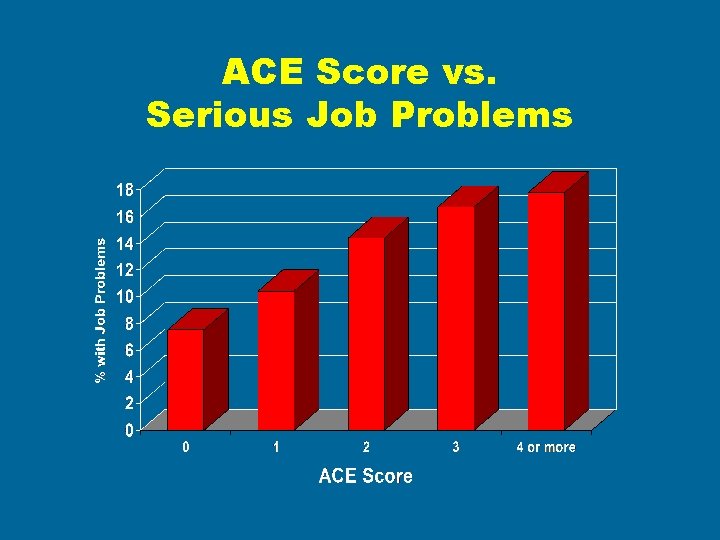
ACE Score vs. Serious Job Problems
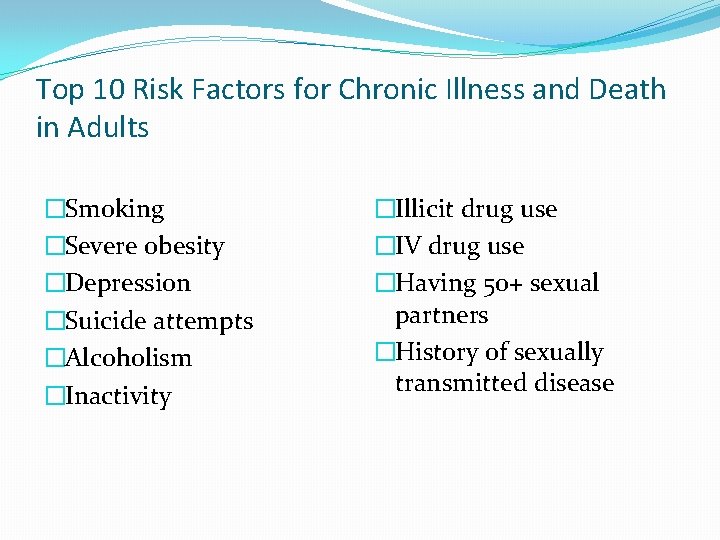
Top 10 Risk Factors for Chronic Illness and Death in Adults �Smoking �Severe obesity �Depression �Suicide attempts �Alcoholism �Inactivity �Illicit drug use �IV drug use �Having 50+ sexual partners �History of sexually transmitted disease
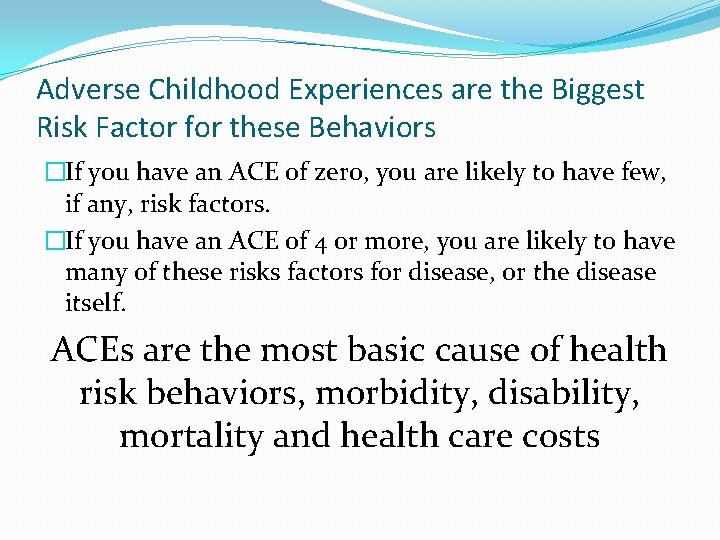
Adverse Childhood Experiences are the Biggest Risk Factor for these Behaviors �If you have an ACE of zero, you are likely to have few, if any, risk factors. �If you have an ACE of 4 or more, you are likely to have many of these risks factors for disease, or the disease itself. ACEs are the most basic cause of health risk behaviors, morbidity, disability, mortality and health care costs
A Tour through the Neurophysiological Foundations of the Long Term Effects of ACEs Arlene Nock, MD Psychiatrist at Stratton VAMC Assistant Professor, Albany Medical College
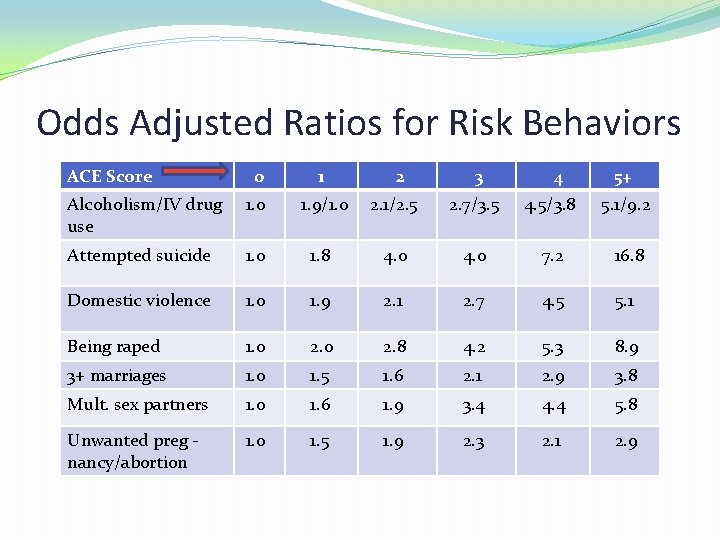
Odds Adjusted Ratios for Risk Behaviors ACE Score 0 1 2 3 4 5+ Alcoholism/IV drug use 1. 0 1. 9/1. 0 2. 1/2. 5 2. 7/3. 5 4. 5/3. 8 5. 1/9. 2 Attempted suicide 1. 0 1. 8 4. 0 7. 2 16. 8 Domestic violence 1. 0 1. 9 2. 1 2. 7 4. 5 5. 1 Being raped 1. 0 2. 8 4. 2 5. 3 8. 9 3+ marriages 1. 0 1. 5 1. 6 2. 1 2. 9 3. 8 Mult. sex partners 1. 0 1. 6 1. 9 3. 4 4. 4 5. 8 Unwanted preg nancy/abortion 1. 0 1. 5 1. 9 2. 3 2. 1 2. 9
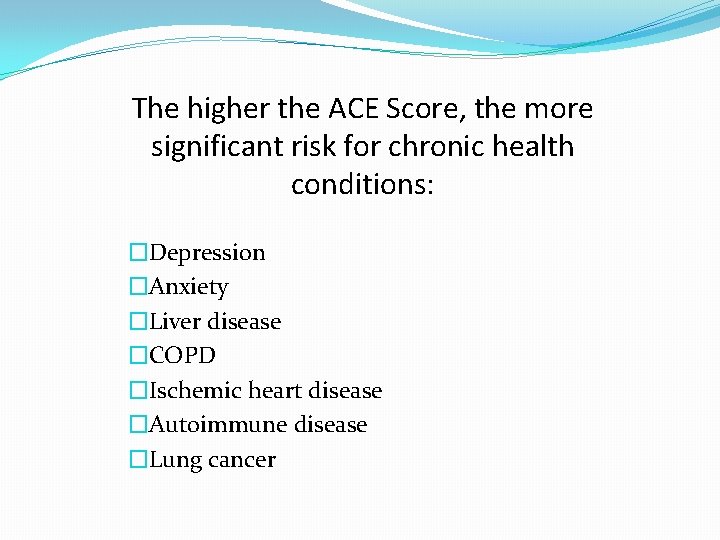
The higher the ACE Score, the more significant risk for chronic health conditions: �Depression �Anxiety �Liver disease �COPD �Ischemic heart disease �Autoimmune disease �Lung cancer
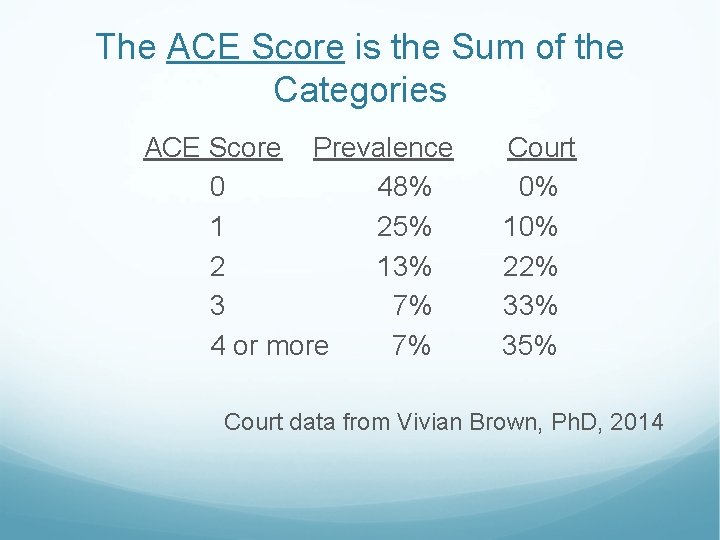
The ACE Score is the Sum of the Categories ACE Score Prevalence 0 48% 1 25% 2 13% 3 7% 4 or more 7% Court 0% 10% 22% 33% 35% Court data from Vivian Brown, Ph. D, 2014
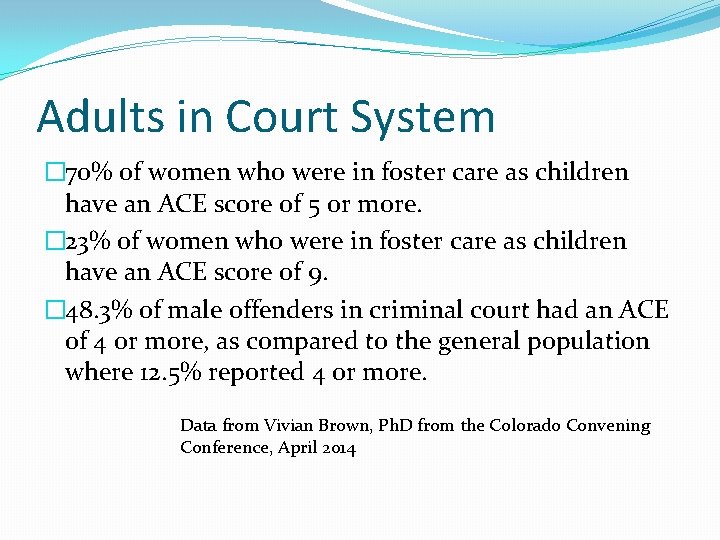
Adults in Court System � 70% of women who were in foster care as children have an ACE score of 5 or more. � 23% of women who were in foster care as children have an ACE score of 9. � 48. 3% of male offenders in criminal court had an ACE of 4 or more, as compared to the general population where 12. 5% reported 4 or more. Data from Vivian Brown, Ph. D from the Colorado Convening Conference, April 2014
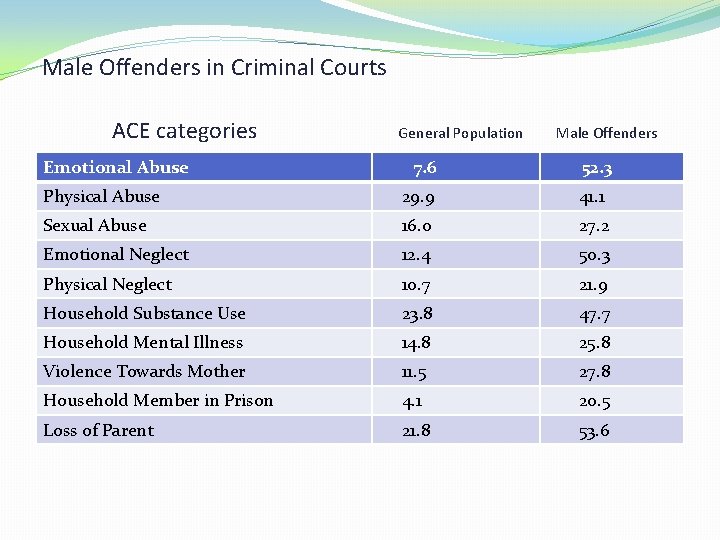
Male Offenders in Criminal Courts ACE categories Emotional Abuse General Population 7. 6 Male Offenders 52. 3 Physical Abuse 29. 9 41. 1 Sexual Abuse 16. 0 27. 2 Emotional Neglect 12. 4 50. 3 Physical Neglect 10. 7 21. 9 Household Substance Use 23. 8 47. 7 Household Mental Illness 14. 8 25. 8 Violence Towards Mother 11. 5 27. 8 Household Member in Prison 4. 1 20. 5 Loss of Parent 21. 8 53. 6
So, we made it through everything, we’re 18, we can leave the abuse and dysfunction….
Why don’t we just sigh with relief at being out of the terrible environment of childhood?
Places to find clues Infant brain development Types of memory Epigenetics Stress response: healthy and chronic The reward system Hints from sleep physiology Polyvagal Theory developed by Dr. Porges
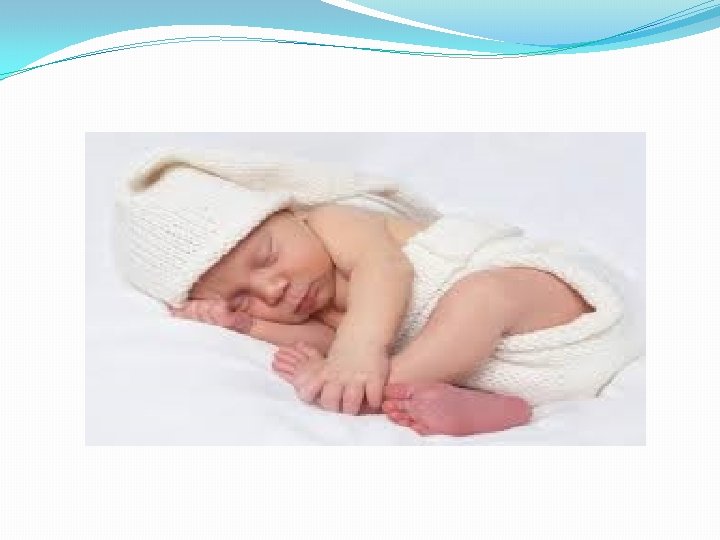
The Newborn! �All 100 billion neurons are already there �DNA: the script is in place �The environment will determine how we read that script �We will grow the brain we need for the environment we are in �That growth takes place in the context of a nurturing interpersonal relationship
Parental Interactions in Infancy �How the brain learns about the environment �How the brain develops neurologically during the first 2 years �How the brain learns to make transitions �How the brain learns to soothe, play, self regulate We grow the brain we need for the environment we find ourselves in
How do you hold a baby?
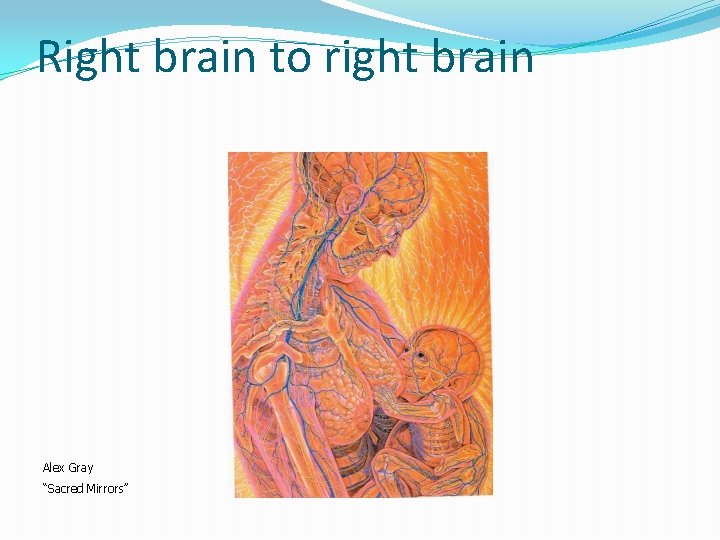
Right brain to right brain Alex Gray “Sacred Mirrors”
The Relationship is Interactive �The parent figure attunes to the infant and helps the infant maintain a sense of safety �The parent figure soothes the infant when the infant is experiencing negative emotions or is transitioning from one state to another �The parent figure expands the emotional repertoire through play �The parent figure instills a sense of safety during sleep, eating, defecating
The parent and child are one unit �The infant senses distress �It puts out a signal �The signal changes something in the receiver �The receiver behaves in a way that is consistent with the signal of the infant �The infant is soothed �Each part is separate but linked, and each is changed by the other. �This is secure attachment
Newborns can differentiate between mother’s voice and another female voice
Early Brain Development �No awareness of “other” �Right hemisphere develops during the first 18 months of life before the left hemisphere comes “online” �It develops a non-verbal understanding of the environment �It cannot develop without interaction with another person: Attachment �The right parietal lobe develops a sense of “self”
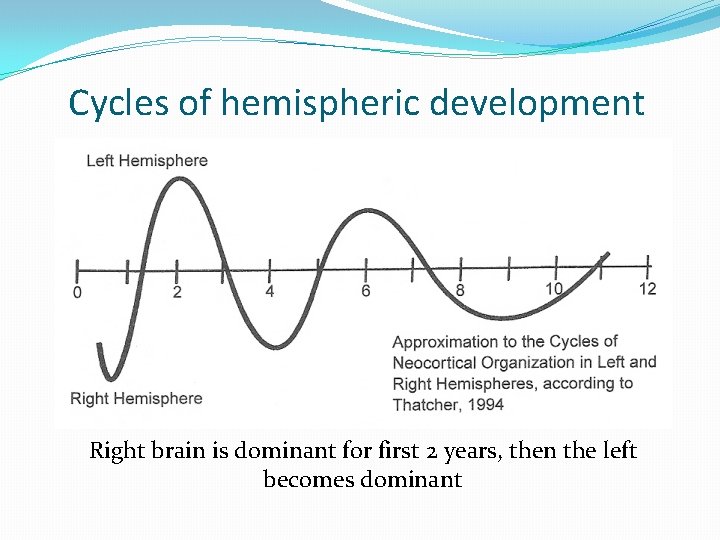
Cycles of hemispheric development Right brain is dominant for first 2 years, then the left becomes dominant
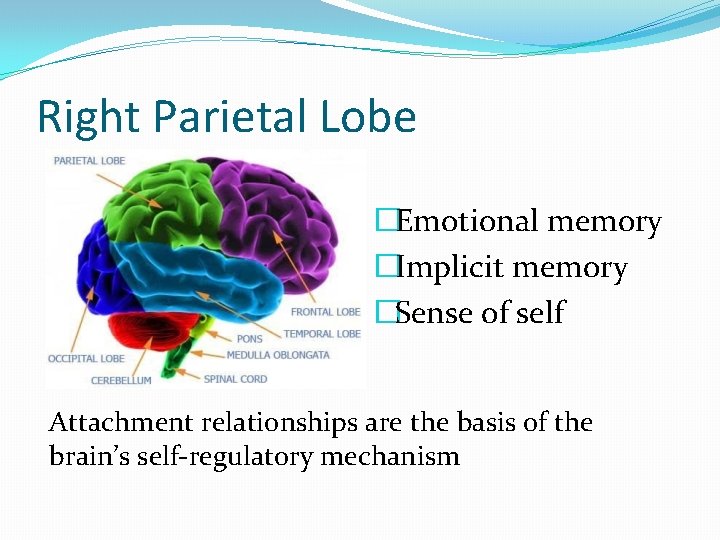
Right Parietal Lobe �Emotional memory �Implicit memory �Sense of self Attachment relationships are the basis of the brain’s self-regulatory mechanism
Importance of Right Parietal Lobe �Where we feel grounded �Sense of comfort: “I think I can make it through this” �Skill area – how we do things, including how to make connections to someone else, how to interact with the world �Has no sense of time – everything is in the present tense
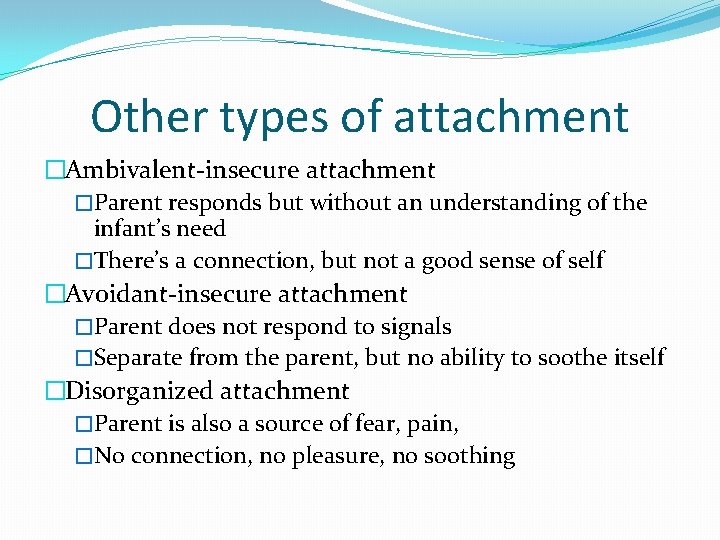
Other types of attachment �Ambivalent-insecure attachment �Parent responds but without an understanding of the infant’s need �There’s a connection, but not a good sense of self �Avoidant-insecure attachment �Parent does not respond to signals �Separate from the parent, but no ability to soothe itself �Disorganized attachment �Parent is also a source of fear, pain, �No connection, no pleasure, no soothing
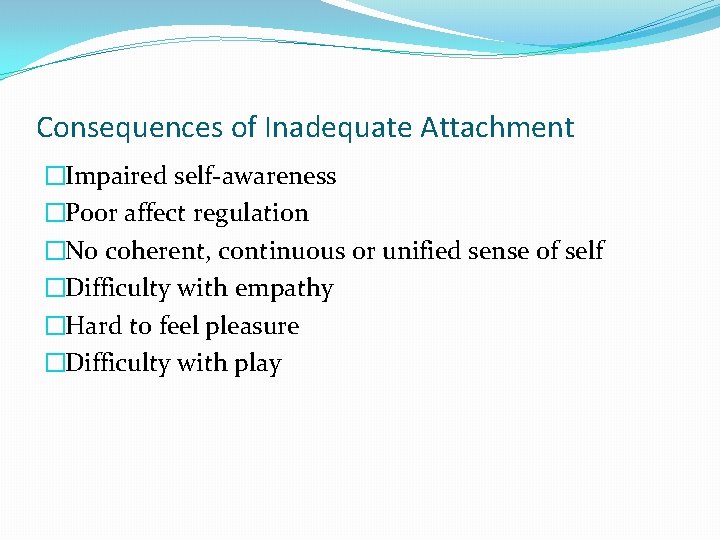
Consequences of Inadequate Attachment �Impaired self-awareness �Poor affect regulation �No coherent, continuous or unified sense of self �Difficulty with empathy �Hard to feel pleasure �Difficulty with play
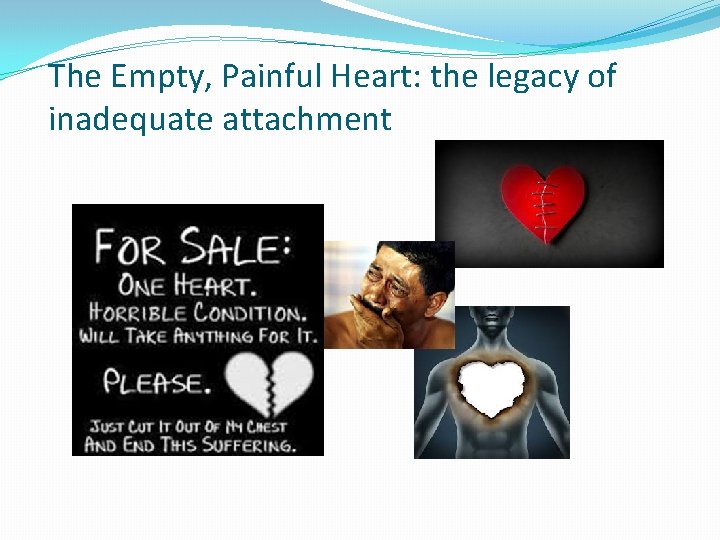
The Empty, Painful Heart: the legacy of inadequate attachment
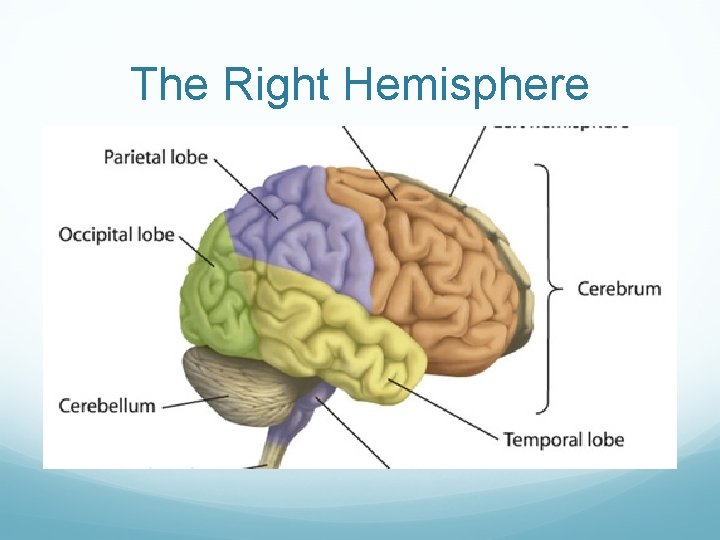
The Right Hemisphere
Implicit Memory of the right hemisphere Only type of memory during our first 2 years of life No time stamp placed on implicit memories because the hippocampus is not involved Involves perceptions, emotions, behaviors, bodily sensations Repeated experiences are organized into schema that can be triggered to prepare us for the future
Implicit Memory Uses past experiences to remember things without thinking about them Unconscious memory: This is the only type of memory we have before the left hemisphere is online. Procedural memory: muscle memory for movements to master a physical routine The basis for habits, opinions, choices
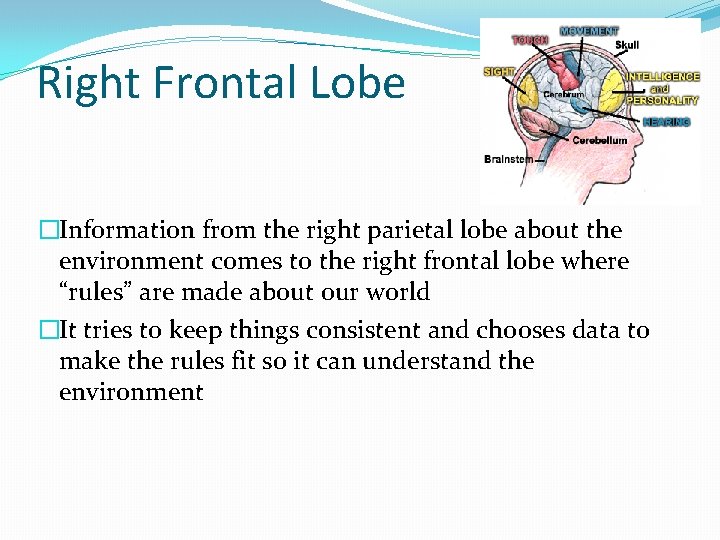
Right Frontal Lobe �Information from the right parietal lobe about the environment comes to the right frontal lobe where “rules” are made about our world �It tries to keep things consistent and chooses data to make the rules fit so it can understand the environment
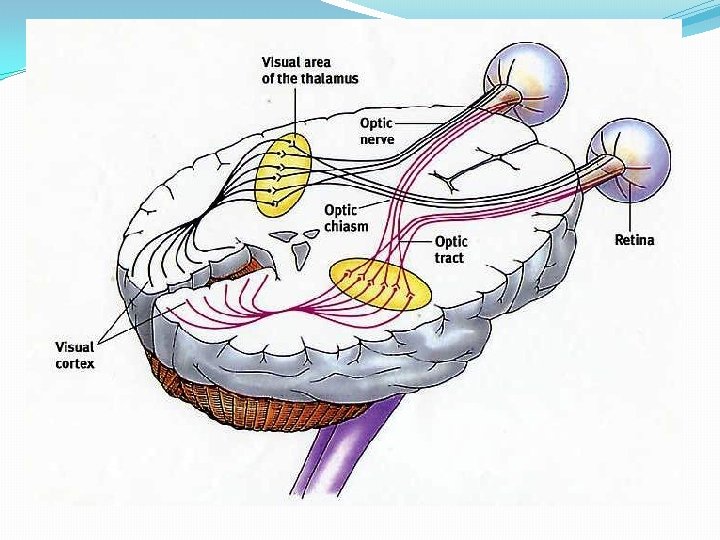
Our brain organizes sensory input to understand our environment �Light waves enter the eyes and hit the retina �Sound waves enter the ears and move the tympanic membrane �Touch sensors register pressure �Temperature and pain receptors �Taste and smell receptors �Internal sensations from the body
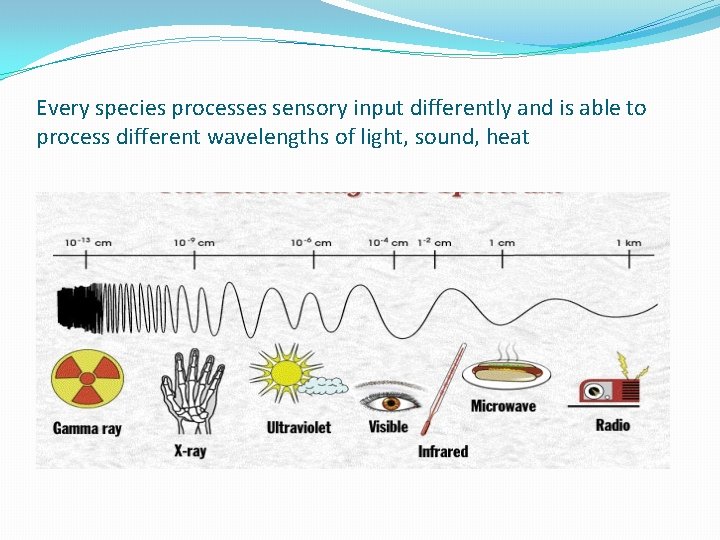
Every species processes sensory input differently and is able to process different wavelengths of light, sound, heat
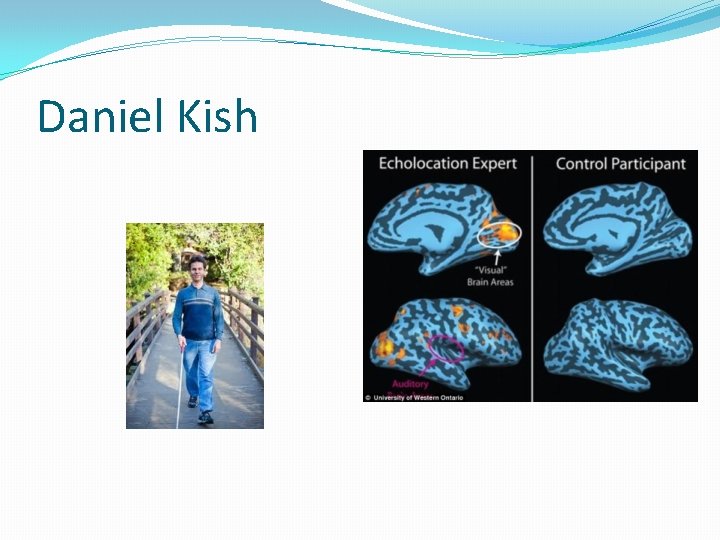
Daniel Kish
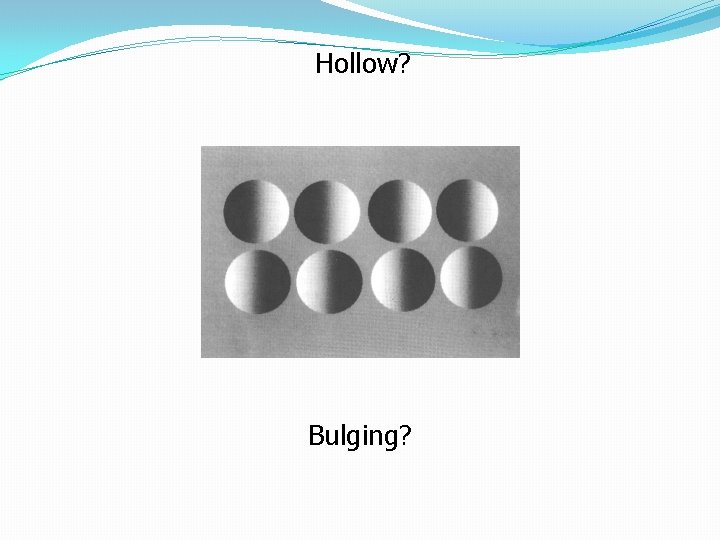
Hollow? Bulging?

Vertical or Horizontal Rows?
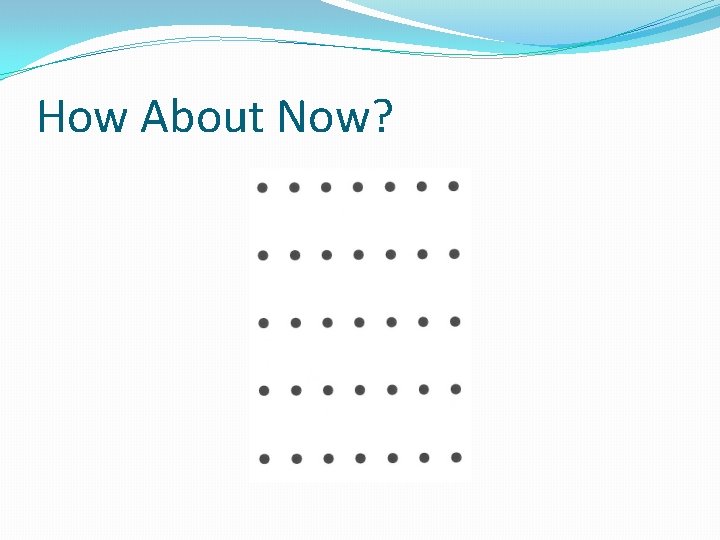
How About Now?
Explicit Memory A function of the left hemisphere Episodic Memory: memory of events that are personal like a birthday party, where you lived as a child Semantic Memory: general knowledge of the world learned through repeated exposure to information which is no longer connected to context Hippocampus is necessary for explicit memory
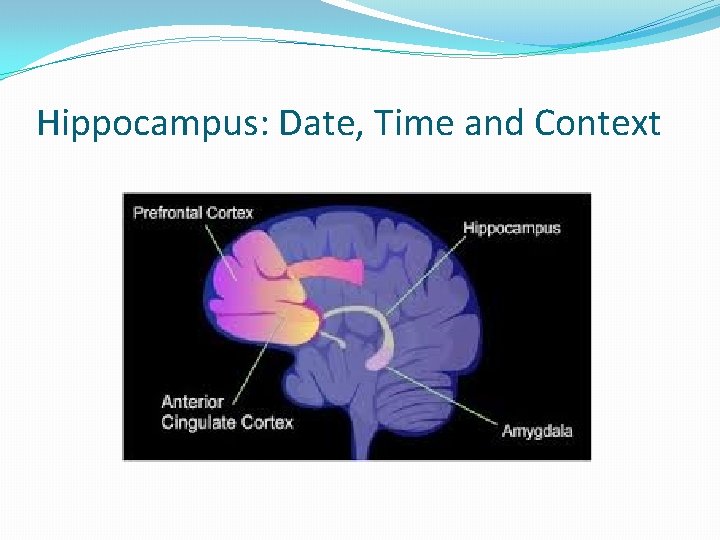
Hippocampus: Date, Time and Context
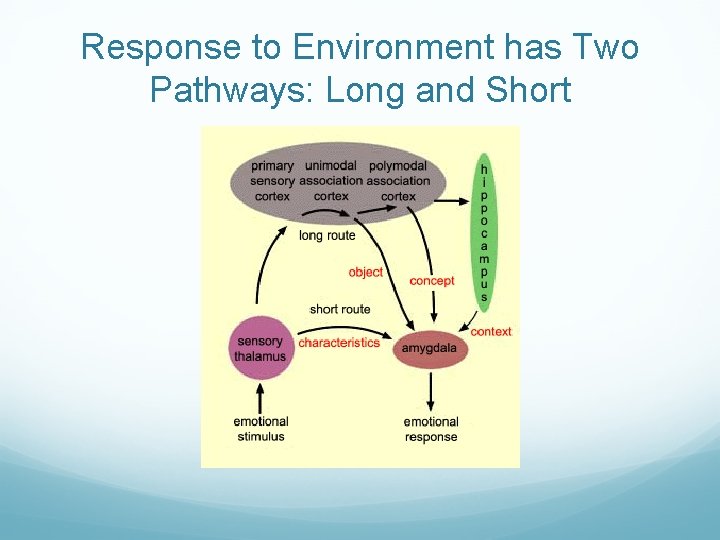
Response to Environment has Two Pathways: Long and Short
Hippocampus Necessary for the laying down of explicit memory Is not developed until about 2 years of age Involved in memory integration by assembling pieces of implicit memory into framed pictures of episodic memory with sense of self and time These pictures become integrated into autobiographical memory This may occur during rapid eye movement
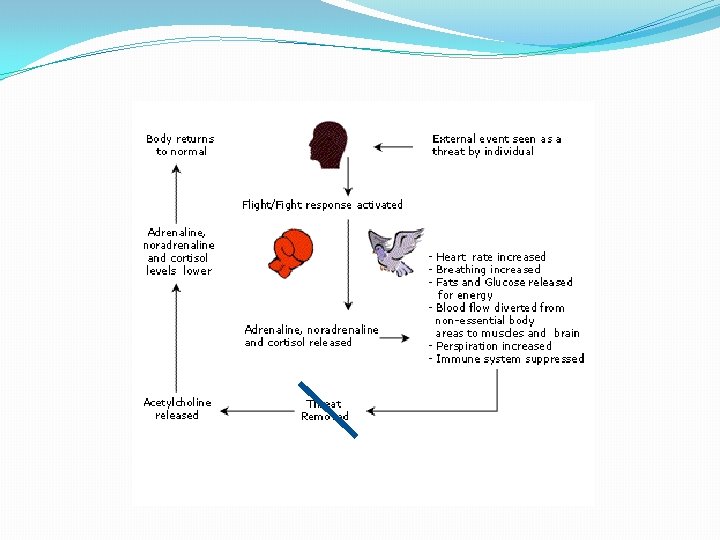
Sleep Physiology Awake: Brain is bathed in serotonin and norepinephrine Stage I – III: The “REM off” cells start firing more slowly; serotonin and norepinephrine slowly drain away Stage IV: The “REM off” cells stop firing and release the inhibition of the “REM on” cells REM sleep: Acetylcholine released. Paralyzed at the brain stem; no sensory input, no motor output
Our assumptions about our environment are based on sensory input from the present that is interpreted through the emotional memory of our past experience.
So why do we all perceive the same physical sensory input differently? Epigenetic changes Early attachment patterns establish the ability of the brain to integrate experience from both hemispheres Long term memory is laid down differently in the right and left hemispheres and depends on environment Sensory input in the present is processed through memory of past experience Perceived level of safety or threat depends on the past and determines how we respond
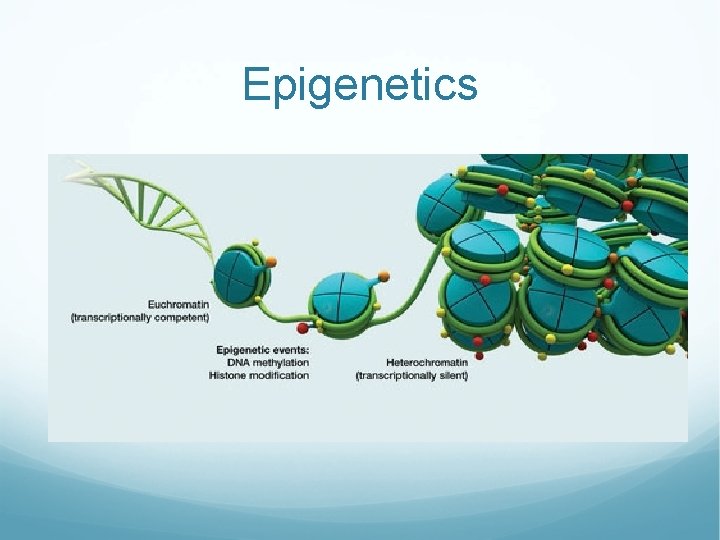
Epigenetics
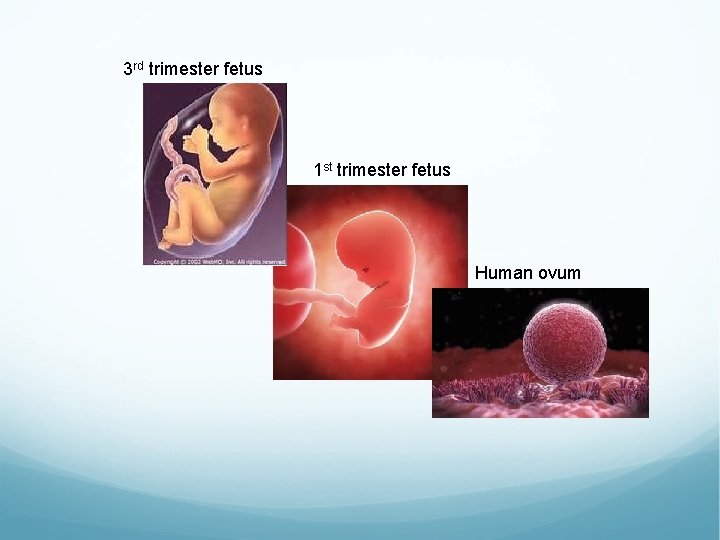
3 rd trimester fetus 1 st trimester fetus Human ovum
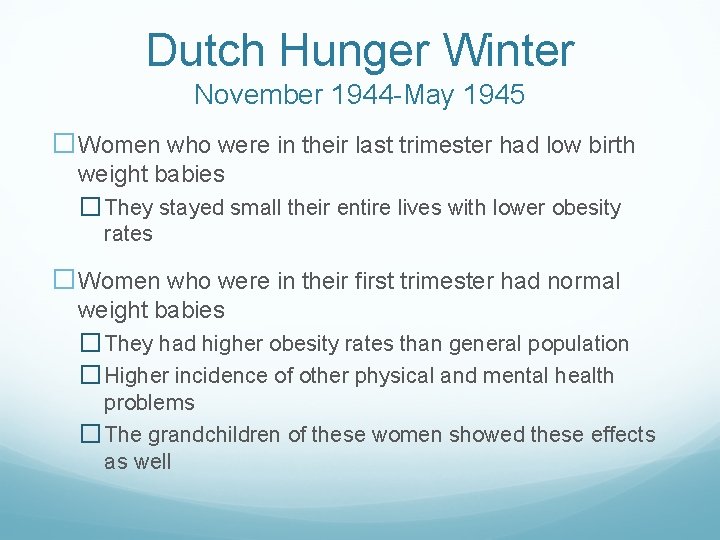
Dutch Hunger Winter November 1944 -May 1945 �Women who were in their last trimester had low birth weight babies � They stayed small their entire lives with lower obesity rates �Women who were in their first trimester had normal weight babies � They had higher obesity rates than general population � Higher incidence of other physical and mental health problems � The grandchildren of these women showed these effects as well
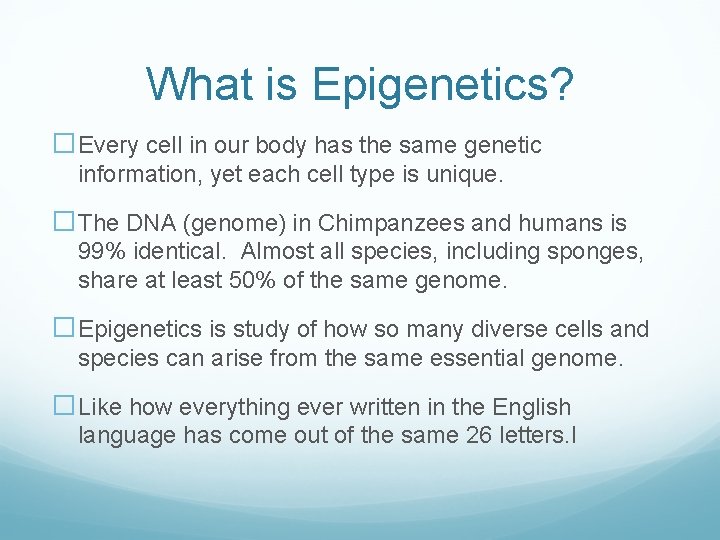
What is Epigenetics? �Every cell in our body has the same genetic information, yet each cell type is unique. �The DNA (genome) in Chimpanzees and humans is 99% identical. Almost all species, including sponges, share at least 50% of the same genome. �Epigenetics is study of how so many diverse cells and species can arise from the same essential genome. �Like how everything ever written in the English language has come out of the same 26 letters. l
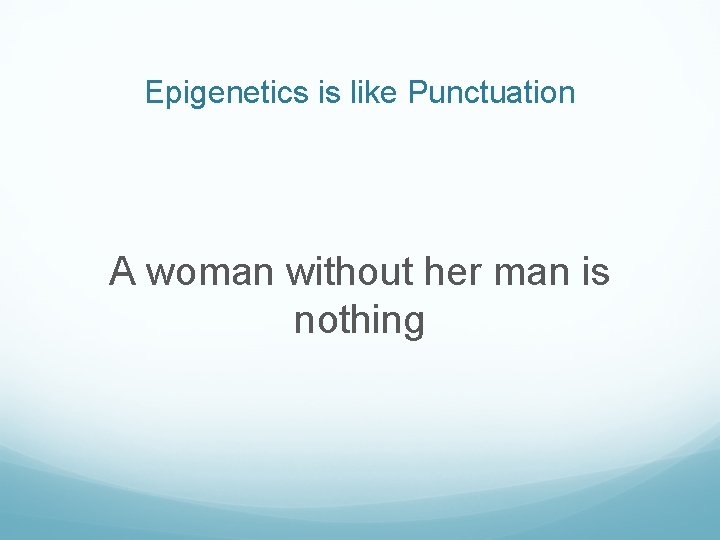
Epigenetics is like Punctuation A woman without her man is nothing
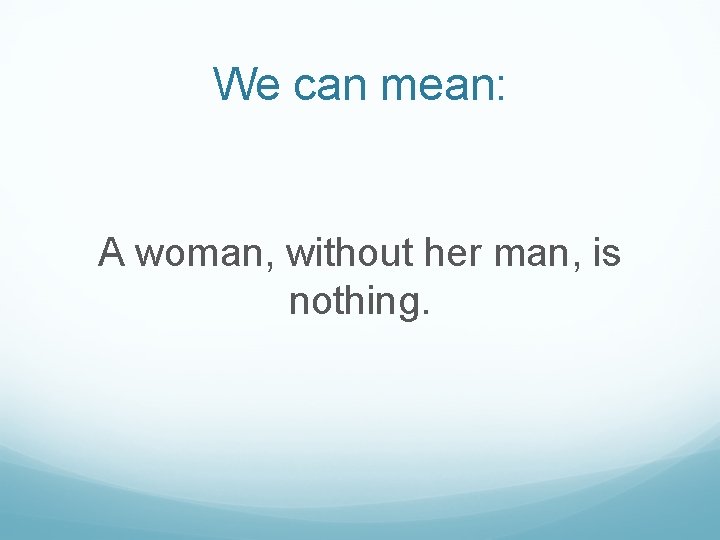
We can mean: A woman, without her man, is nothing.
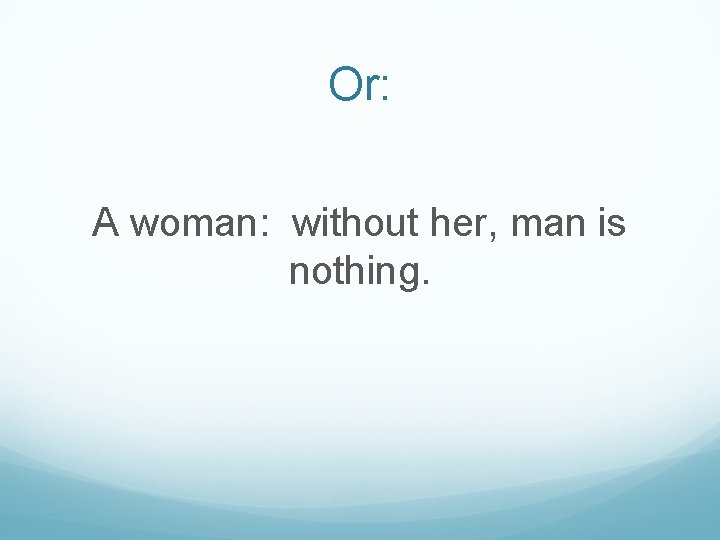
Or: A woman: without her, man is nothing.
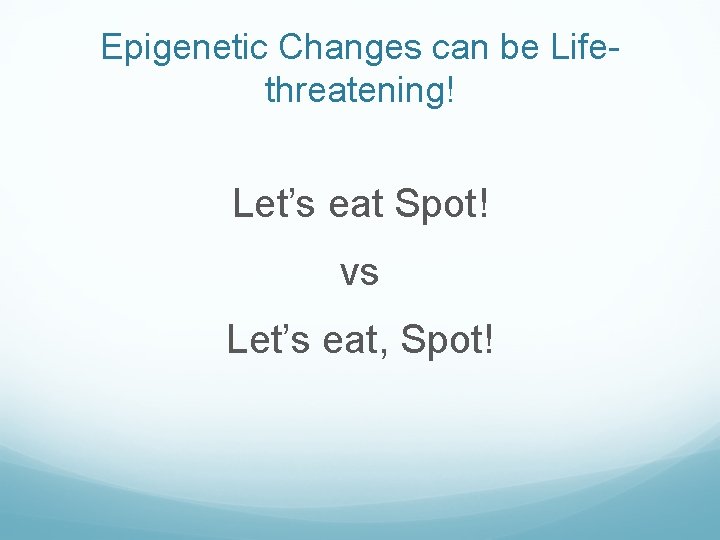
Epigenetic Changes can be Lifethreatening! Let’s eat Spot! vs Let’s eat, Spot!
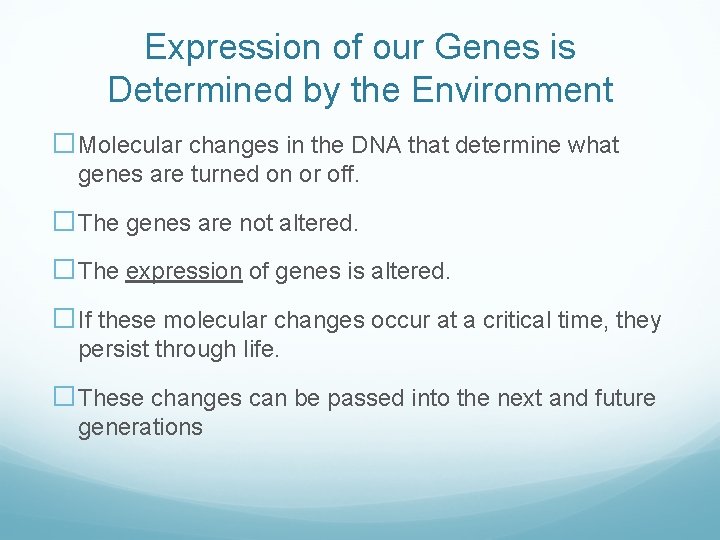
Expression of our Genes is Determined by the Environment �Molecular changes in the DNA that determine what genes are turned on or off. �The genes are not altered. �The expression of genes is altered. �If these molecular changes occur at a critical time, they persist through life. �These changes can be passed into the next and future generations
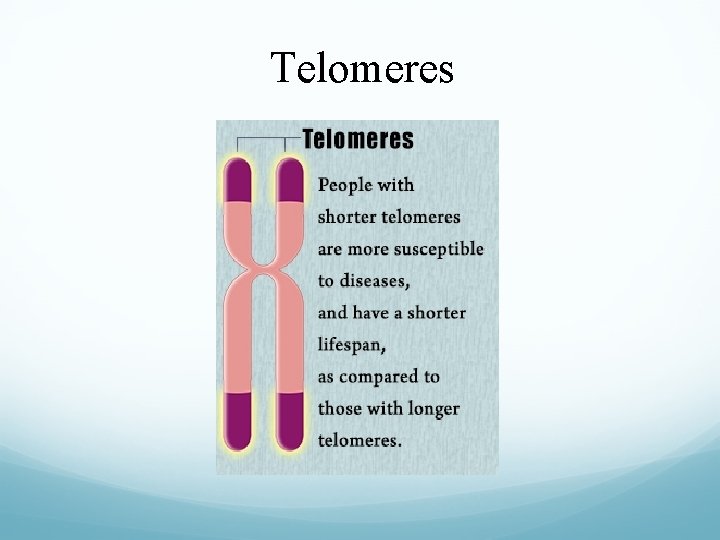
Telomeres
Examples of Environmental Effects on Telomeres Abused children at age 5 have shortened telomeres. If the abuse continues, there is progressive shortening at age 10 Institutionalized infants and children have shortened telomeres In girls the strongest predictor is the extent of deprivation In boys the strongest predictor is the cumulative exposure The greater the percent below the poverty level, the shorter the telomere length The mother’s perception of their environment as dangerous – their children had shortened telomeres
Environment Alters our Epigenome Neonatal environment Early environment Paternal epigenetic markers are wiped out during the first trimester of pregnancy Many epigenetics markers are set down in the egg during fetal development Passed down from grandmother to child
Continued… Oxidative stress – free radicals – can cause shortened telomeres. Diets deficient in fruits and vegetables Diets high in trans fats (hydrogenated) Diets high in highly processed foods Caregivers of children with chronic illness have shortened telomeres
Brain-Derived Neurotropic Factor A protein secreted in the central and peripheral nervous system Supports nerve cells and encourages growth Especially active in the hippocampus, cerebral cortex and basal forebrain – learning, memory and higher thought processes BDNF is involved in depression, anxiety, Alzheimer’s, OCD, anorexia, bulimia, eczema, epilepsy, addiction
Studies in Rats Total maternal deprivation resulted in a shut-down of brain-derived neurotropic factor (BDNF) in the pups (via methylation) Methylation levels were higher than in both controls and in chronically stressed pups Hippocampus is smaller in depression and PTSD SSRIs work by stimulating BDNF and stimulating neurogenesis in the hippocampus Don’t work if this cannot happen as in pups with maternal deprivation
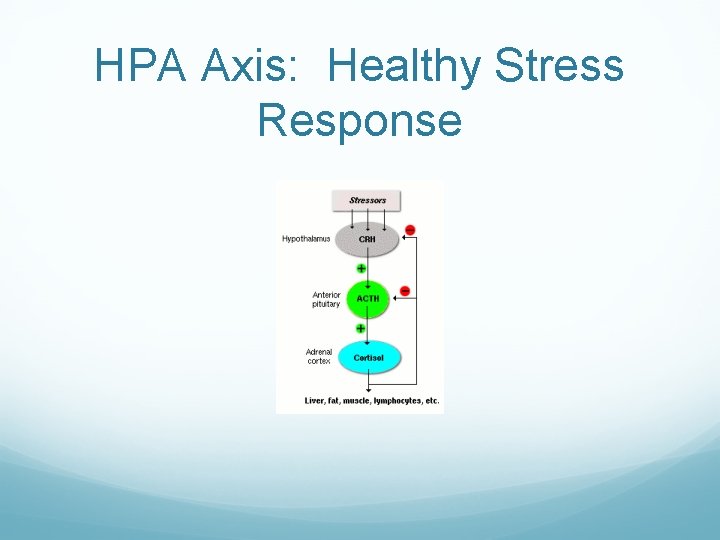
HPA Axis: Healthy Stress Response
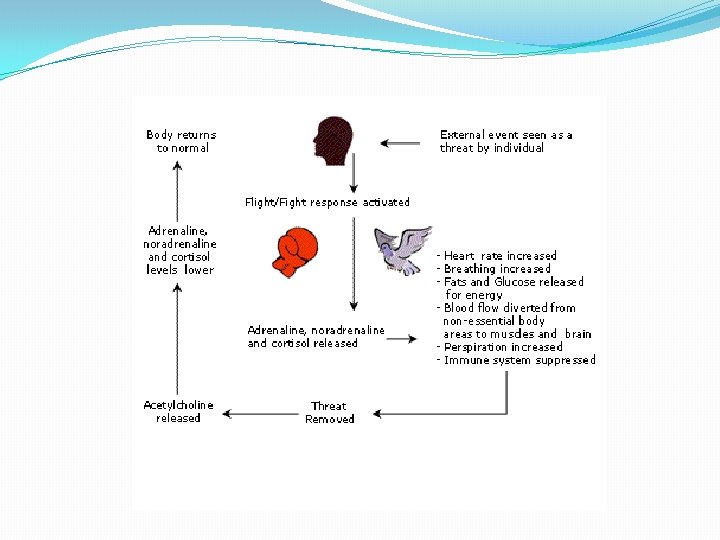
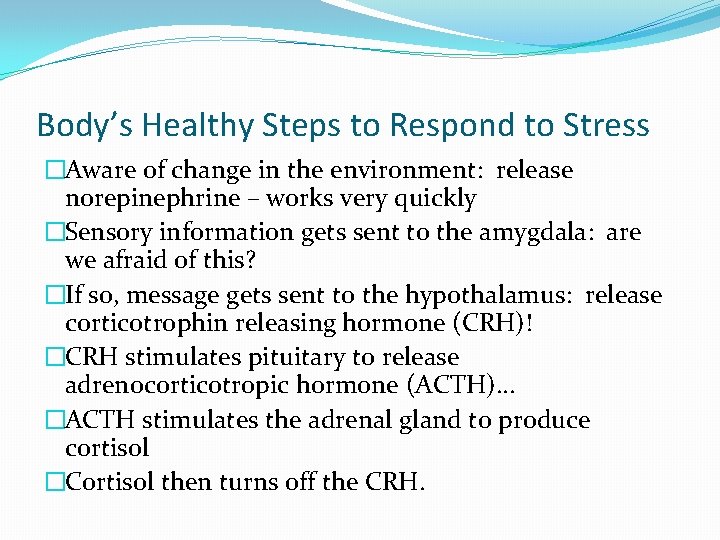
Body’s Healthy Steps to Respond to Stress �Aware of change in the environment: release norepinephrine – works very quickly �Sensory information gets sent to the amygdala: are we afraid of this? �If so, message gets sent to the hypothalamus: release corticotrophin releasing hormone (CRH)! �CRH stimulates pituitary to release adrenocorticotropic hormone (ACTH)… �ACTH stimulates the adrenal gland to produce cortisol �Cortisol then turns off the CRH.
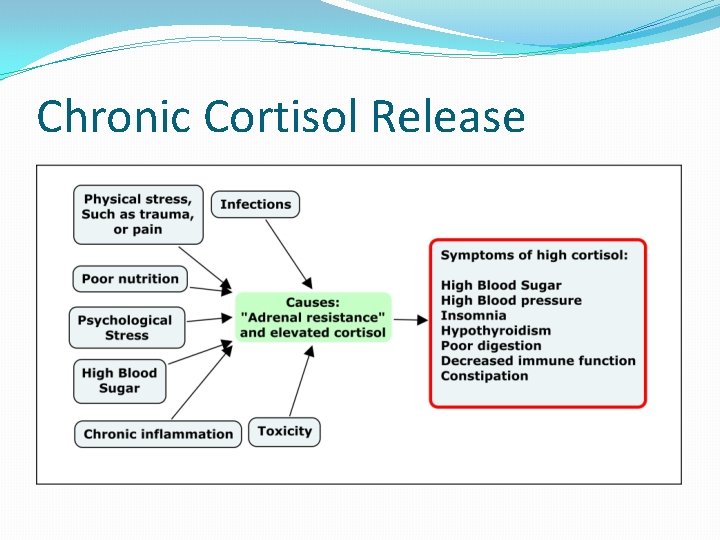
Chronic Cortisol Release
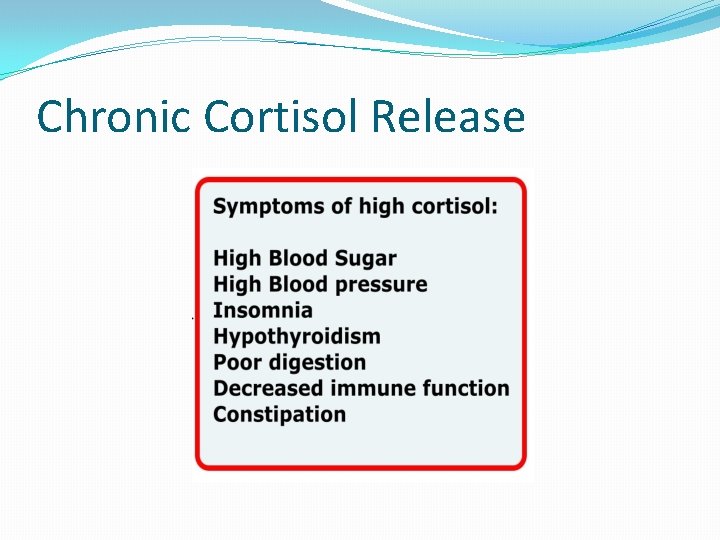
Chronic Cortisol Release
Hippocampus during stress �During times of extreme stress when there are high levels of cortisol the hippocampus shuts down – this is an epigenetic change �When attention is divided, the hippocampus only lays down explicit memory for the experience that is the focus of attention Those experiences then become exclusively implicit memories that are free floating sensations with no time stamp
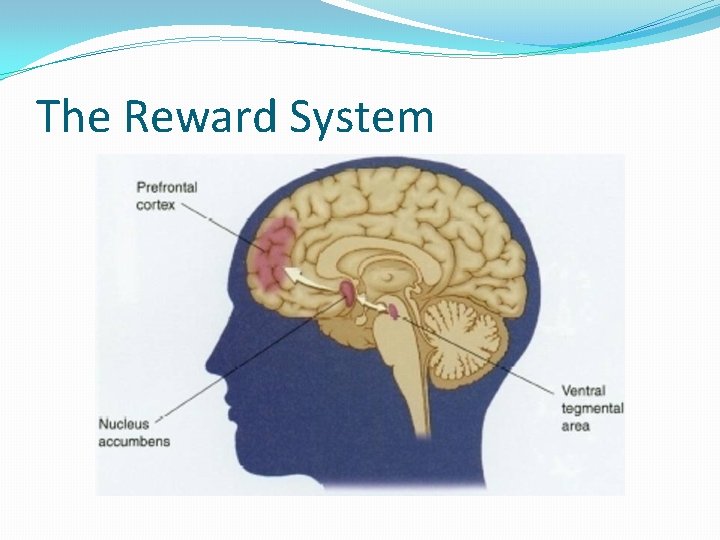
The Reward System
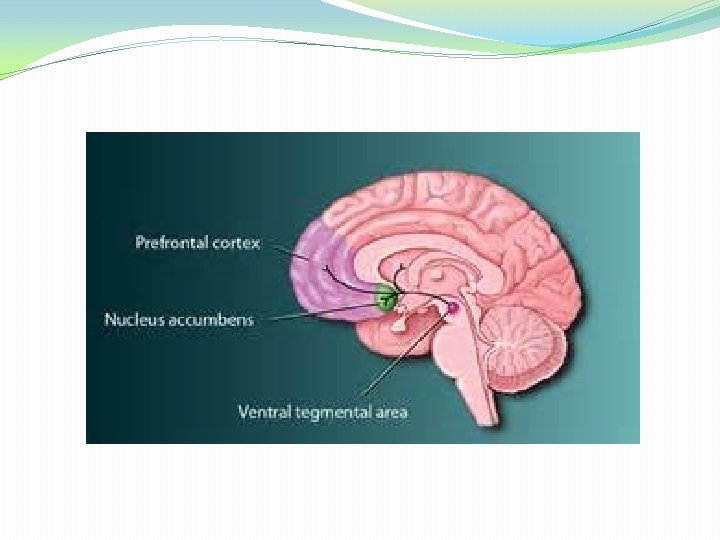
Nucleus Accumbens �Pleasure center: Humans and rats will stimulate this area repeatedly to the exclusion of everything else. �Repeated overstimulation numbs the response of these neurons through a process of a negative feedback loop. �Cells produce a molecule called CREB (c. AMP response-element binding protein) which causes the release of dynorphin that inhibits the stimulation of the nucleus accumbens �It becomes less sensitive to all types of stimulation, so everyday pleasures aren’t felt. Only the drug gets through to stimulate pleasure.
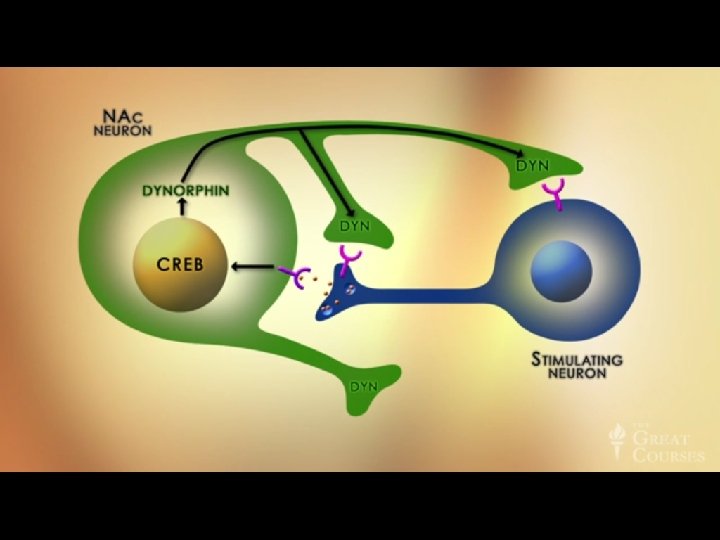
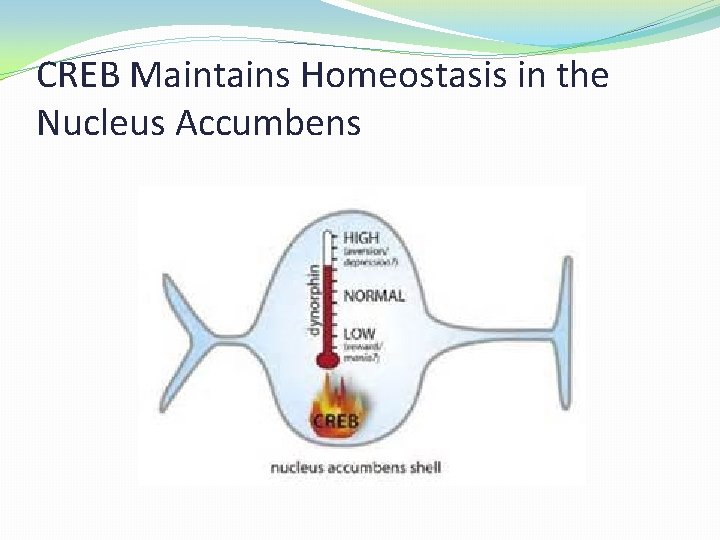
CREB Maintains Homeostasis in the Nucleus Accumbens
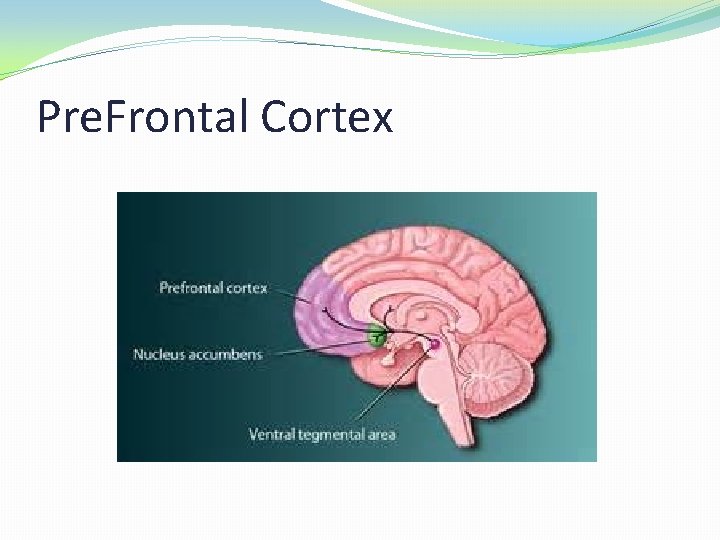
Pre. Frontal Cortex
Prefrontal Cortex �Can consider future consequences, and make rational decisions about what actions we should take, not what actions we feel like taking. �Site of self-control in favor of long-term goals �Chronic levels of high cortisol can damage it, as well as the hippocampus �Prefrontal lobe damage causes impaired working memory and decision making, and impaired sustained attention
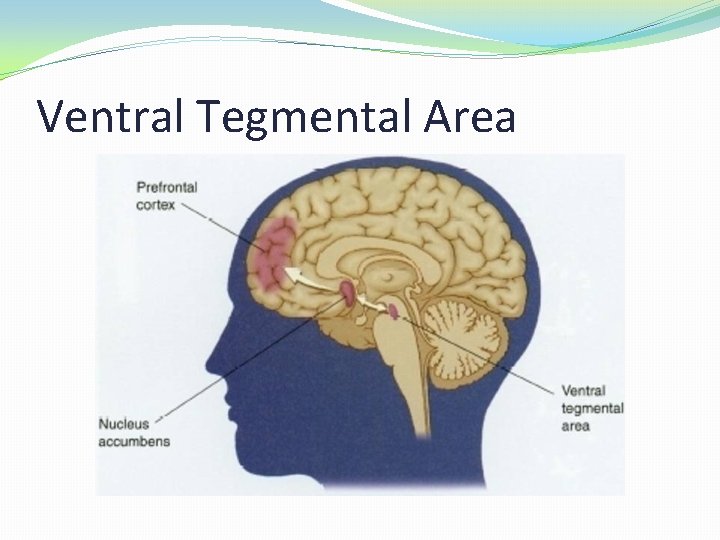
Ventral Tegmental Area
Ventral Tegmental Area �Neurons fire when a reward is unexpected, and they release dopamine �Dopamine stimulates the nucleus accumbens and we feel pleasure �When dopamine is released it’s a signal that something important has happened and this leads to learning and associating the cues that are present �Parent and child are both releasing dopamine and this is important in associating human interaction with pleasure
Ventral Tegmental Area �Strengthens associations between the drug and environmental cues: cravings �Wanting is not the same as liking �“Wanting” is increasing as “liking” is declining �Neurons fire when a reward is unexpected, and they release dopamine to create an impulsive urge �When dopamine is released it’s a signal that something important has happened, which leads to learning associated cues �Use of the drug causes a stronger response of the dopamine system
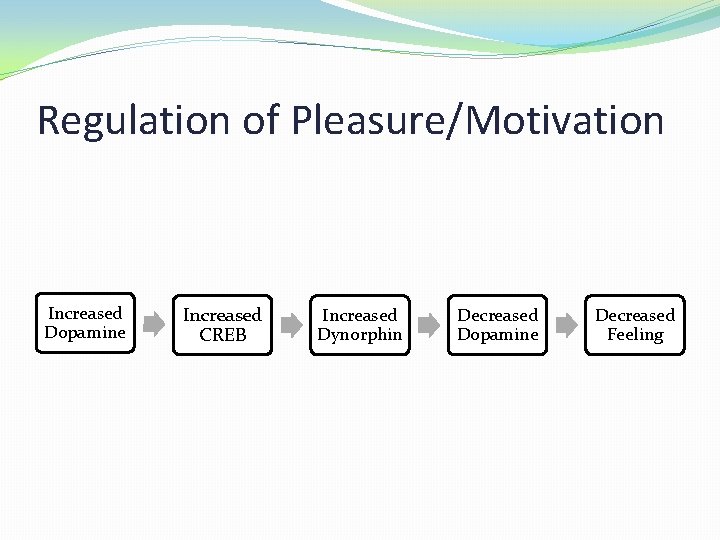
Regulation of Pleasure/Motivation Increased Dopamine Increased CREB Increased Dynorphin Decreased Dopamine Decreased Feeling
Summary of the Reward System �Drug stimulates the nucleus accumbens and produces a feeling of pleasure; we like it. �The unexpected reward triggers dopamine release from the ventral tegmental area and we learn associated cues. �Continued use desensitizes the nucleus accumbens through a negative feedback loop that involves CREB and pleasure is harder to produce �Continued use sensitizes the ventral tegmental area and produces more dopamine, more craving �Continued use damages the prefrontal cortex making it harder to inhibit the impulse to use the drug

The Polyvagal Theory Stephen W. Porges, Ph. D. Distinguished University Scientist Kinsey Institute at Indiana University
Evolution of the Autonomic Nervous System �Earliest vertebrates defended themselves by shutting down, “disappearing” �Later, vertebrates evolved a system to mobilize: neuroendocrine; the sympathetic nervous system �Mammals developed a newer myelinated circuit that became linked to the nerves of the face, the voice and the ear muscles
We are the products of evolution �We repurposed all three parts of our nervous system �We have circuits for defense �We have circuits for social interactions
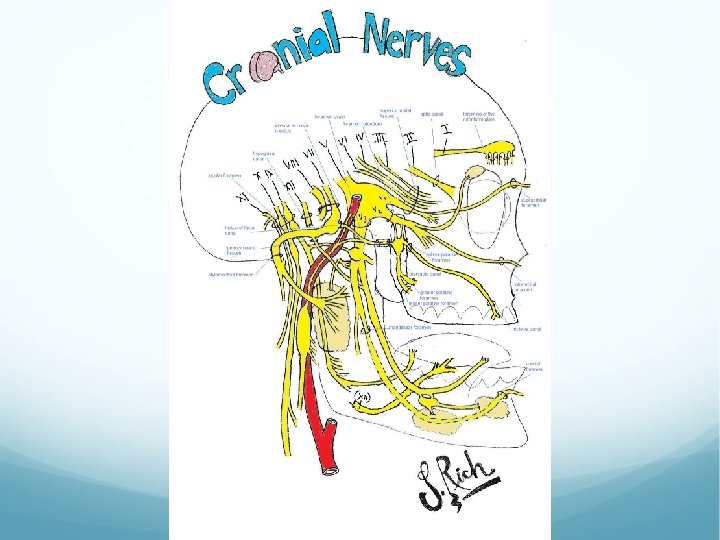
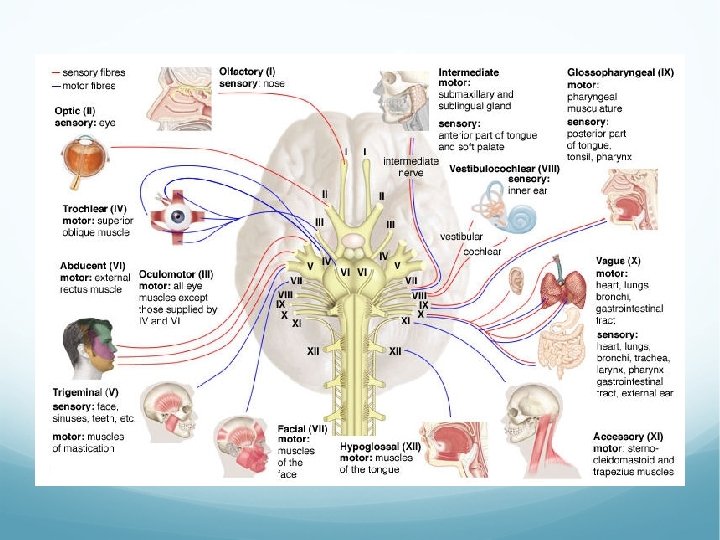
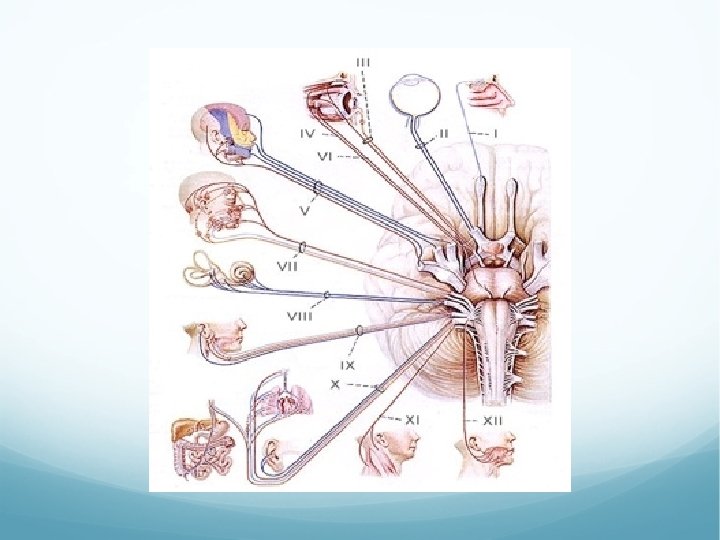
Face-Heart Connection �The myelinated vagus became linked to the special visceral efferent pathways: �Trigeminal (V) �Facial (VII) �Glossopharyngeal (IX) �Vagus (X) �Accessory (XI) �This forms an Integrated Social Engagement System
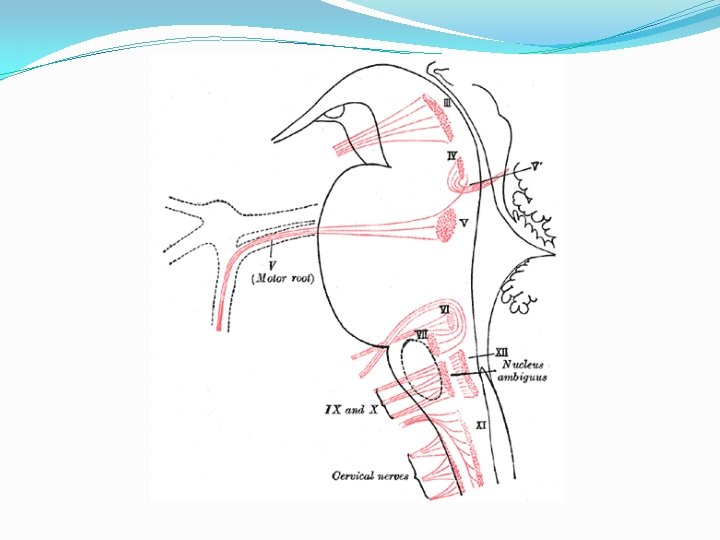
Evolutionary shifts in regulation of the heart �Originally was regulated by endocrine (chemical) communication �Later in development an unmyelinated circuit developed from the dorsal motor nucleus in the brainstem �Finally a myelinated circuit evolved from the more ventral nucleus ambiguus. This is why yoga, meditation, breathing help to calm the body
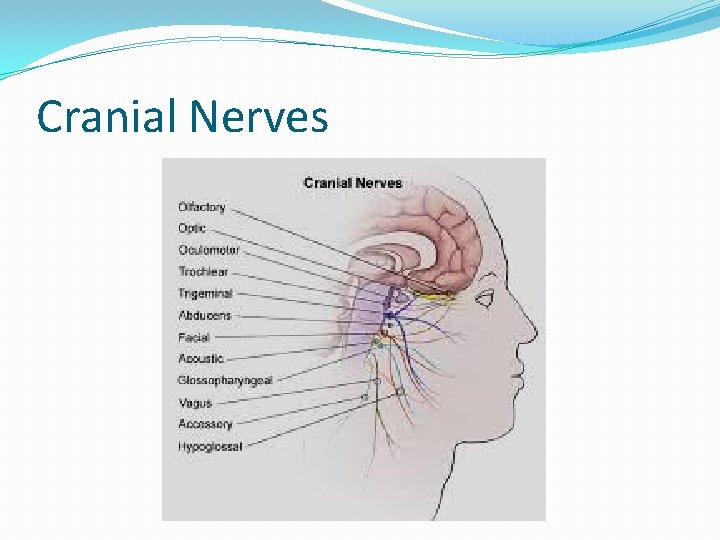
Cranial Nerves
Why Polyvagal? �Fibers from the vagus come primarily from two different nuclei in the brainstem: �Dorsal Motor Nucleus – the older unmyelinated vagus �Nucleus Ambiguus - the newer, myelinated vagus �About 80% of vagal fibers are sensory fibers �Most of the vagal sensory projections are to the right hemisphere
Our brain is always assessing level of risk in the environment; outside of our awareness �Safe environments – can employ social engagement behaviors – new myelinated vagus �Dangerous environments – stop social engagement and release the sympathetic system for fight or flight – older endocrine response system (sharks, etc) �Life threatening environments – stop fight or flight and release the inhibition on the very old, unmyelinated vagus
Cortical control �As the cortex developed it was able to have more control over the brainstem �We have “feature detectors” that are always evaluating the environment for the level of risk or safety �Located in the temporal lobe �There is a specialized area that recognizes the human face �An experience of using your facial recognition unit:

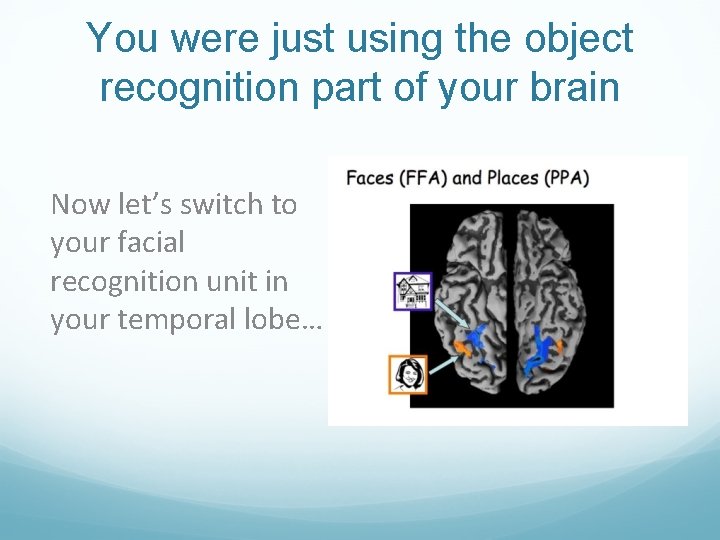
You were just using the object recognition part of your brain Now let’s switch to your facial recognition unit in your temporal lobe…

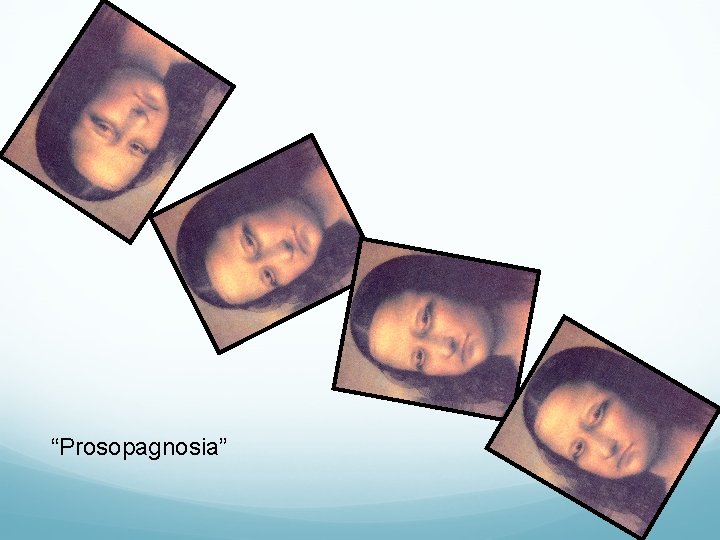
“Prosopagnosia”
Phylogenetic organization of the autonomic nervous system �The three circuits developed through evolution �The newest mammalian circuit – myelinated Vagus (social engagement) �The older bony fish circuit – sympathetic system (fight or flight) �The oldest reptilian circuit – unmyelinated Vagus (disappear)
Behaviors emerge out of our physiological state…. �Social communication: facial expression, vocalization, listening �Mobilization: fight or flight behaviors �Immobilization: shut down, disappearing, feigning death …depending on our unconscious assessment of the environment
When we assess a safe environment our ventral, myelinated Vagus is active �This is a myelinated circuit that developed in mammals �Innervates the muscles of the face, middle ear muscles, larynx, pharynx �Allows for social engagement �Allows us to hear human speech �Gives our voice prosody �Inhibits the older defensive circuits
When we assess a dangerous environment our sympathetic system is active �The ventral myelinated Vagus shuts down �Heart rate increases �Blood flow is to the muscles and away from viscera �Social engagement system is not working �We are ready to run or fight �Face is flat
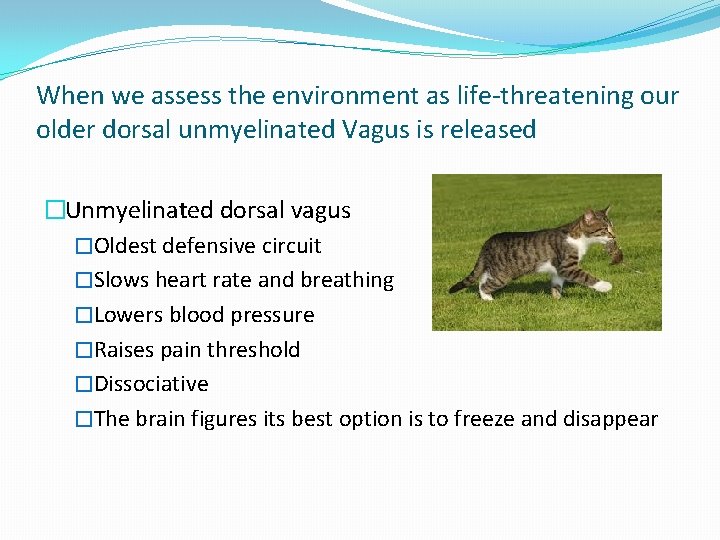
When we assess the environment as life-threatening our older dorsal unmyelinated Vagus is released �Unmyelinated dorsal vagus �Oldest defensive circuit �Slows heart rate and breathing �Lowers blood pressure �Raises pain threshold �Dissociative �The brain figures its best option is to freeze and disappear
Overview �Temporal cortex uses feature detectors to assess level of risk �If safe we use our social engagement system through the ventral vagus This is an emergent behavior, not a learned behavior
Overview (cont. ) �If dangerous the ventral Vagus turns off and the sympathetic system turns on �This prepares our body to mobilize �If life threatening the sympathetic system turns off and releases the unmyelinated Vagus �We immobilize and disappear by lowering heart rate, blood pressure
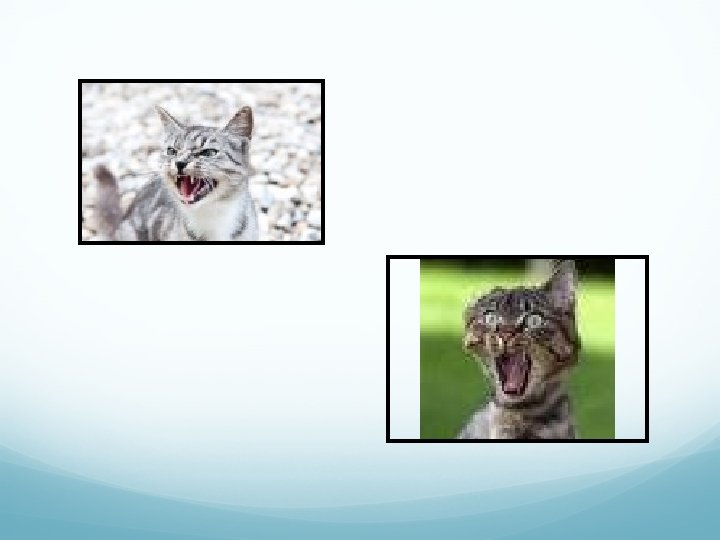
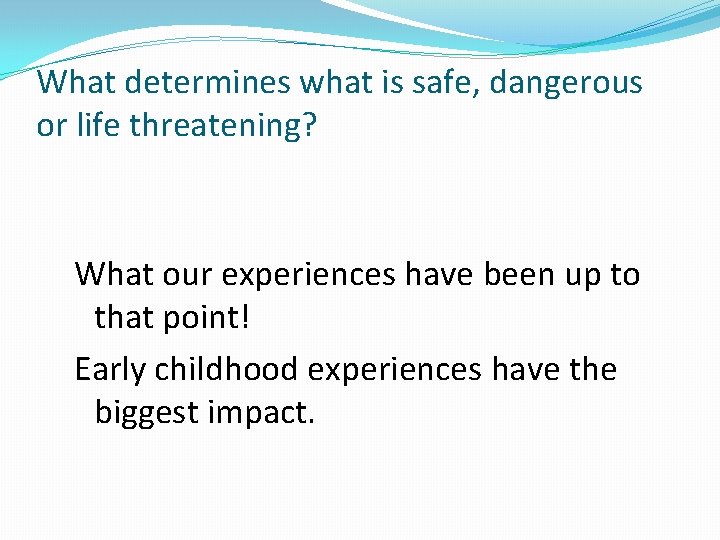
What determines what is safe, dangerous or life threatening? What our experiences have been up to that point! Early childhood experiences have the biggest impact.
The most effective way to enhance effective social behavior is to create safe environments Let the myelinated Vagus inhibit the defensive behaviors
Play behavior �We can have mobilization without fear: it is called play behavior �In play we are using our social engagement system (ventral vagal) as well as our sympathetic system �An important aspect of the parent-child relationship for brain development
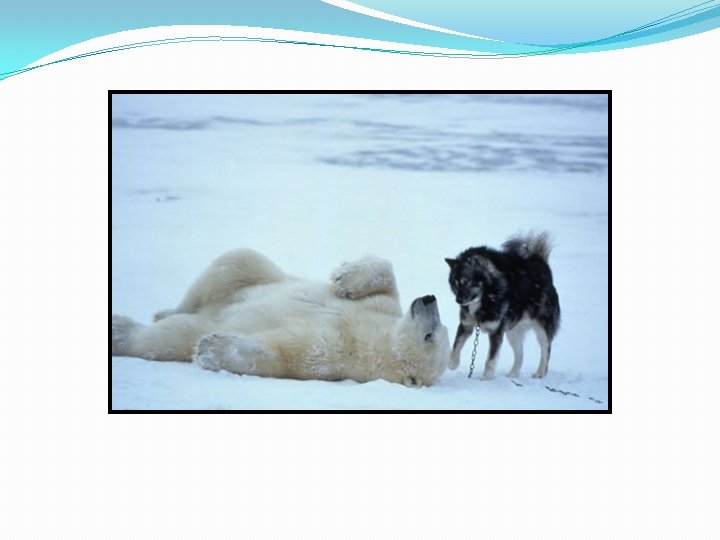
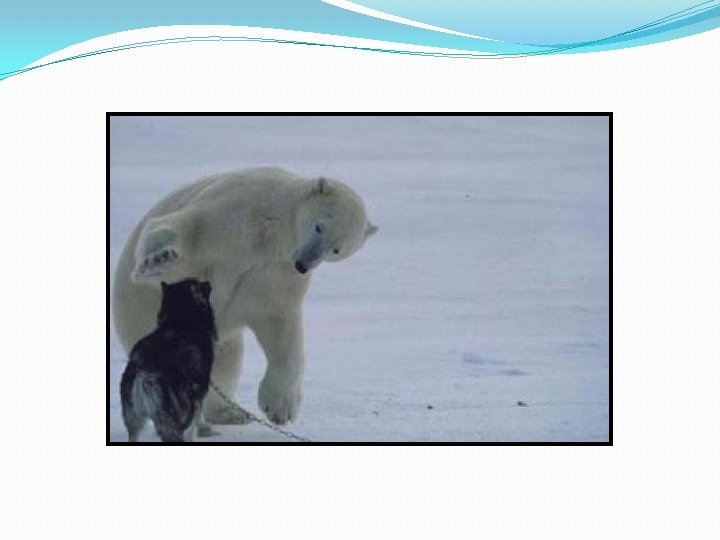
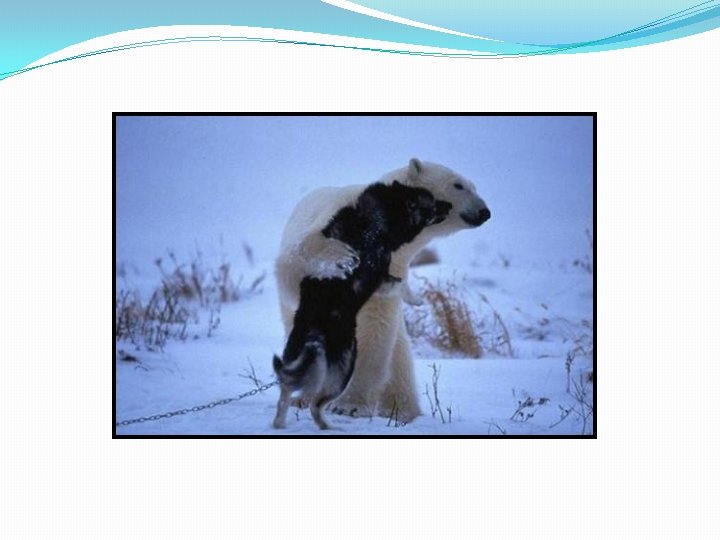
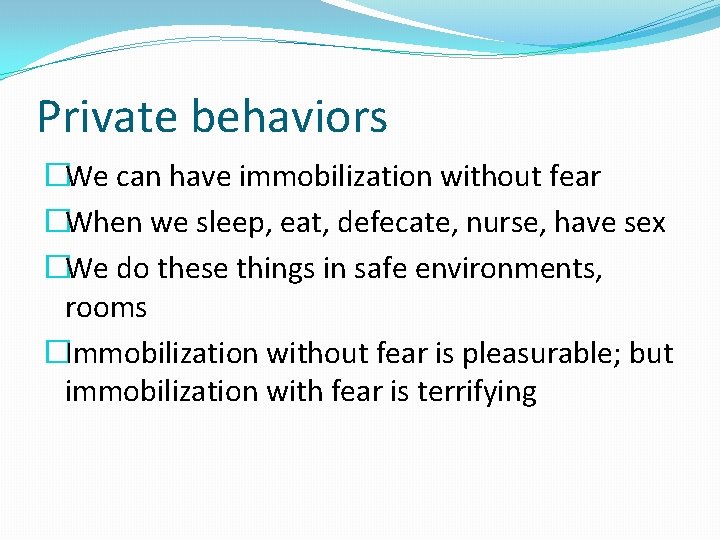
Private behaviors �We can have immobilization without fear �When we sleep, eat, defecate, nurse, have sex �We do these things in safe environments, rooms �Immobilization without fear is pleasurable; but immobilization with fear is terrifying
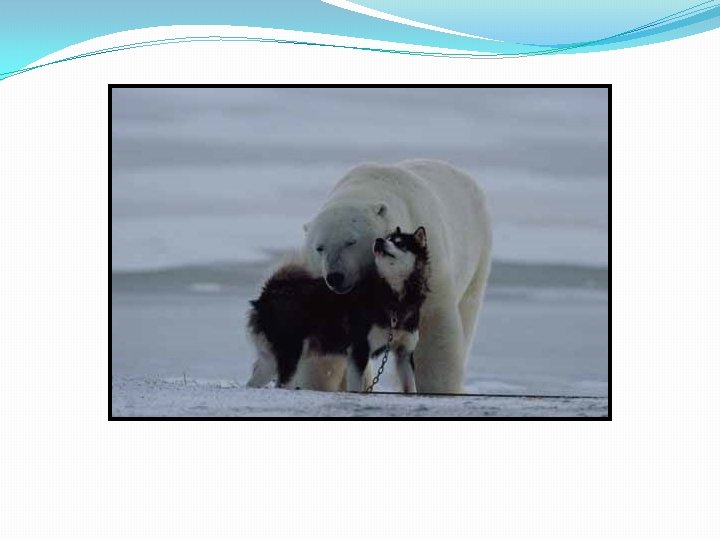
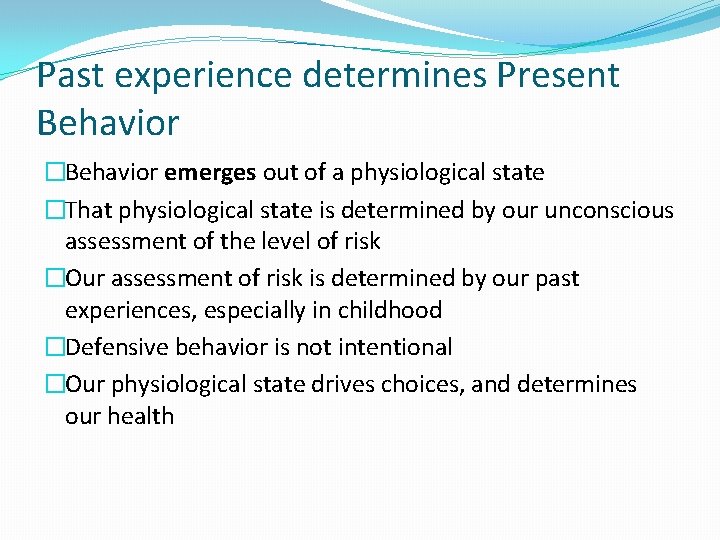
Past experience determines Present Behavior �Behavior emerges out of a physiological state �That physiological state is determined by our unconscious assessment of the level of risk �Our assessment of risk is determined by our past experiences, especially in childhood �Defensive behavior is not intentional �Our physiological state drives choices, and determines our health
The external environment may be the same for everyone, but…. The internal environment is different for everyone The external environment is processed and experienced differently by each individual brain
How do we help people regulate their behavior? �Need to create safe environments �In safe environments the ventral vagus can express itself �We can use our social engagement system to turn off defensive systems �Social engagement behavior is not a learned behavior; it is an emergent behavior out of a physiological state
�It’s important to get a sense of what the person’s early environment was like �Understand the way their brain learned to interact with the environment �The first step is to create a safe environment �How to do that will differ with each individual �Defensive behavior can be suppressed by the newer ventral vagal physiology �Allows social behavior to emerge
Important take-home points �Behavior is adaptive, “bad habits” can be coping strategies to manage a dysregulated system �Behavior emerges out of our physiological state �Physiological state is dependent on assessment of risk by our feature detectors �What we assess as dangerous or life-threatening is based on past experience �These behaviors have a large impact on our overall health and ability to function
“The truth about childhood is stored up in our bodies and lives in the depths of our souls. Our intellect can be deceived, our feelings can be numbed and manipulated, our perceptions shamed and confused, our bodies tricked with medication, but our soul never forgets. And because we are one, one whole soul in one body, someday our body will present its bill. ” Alice Miller
Thank you
- Slides: 138