
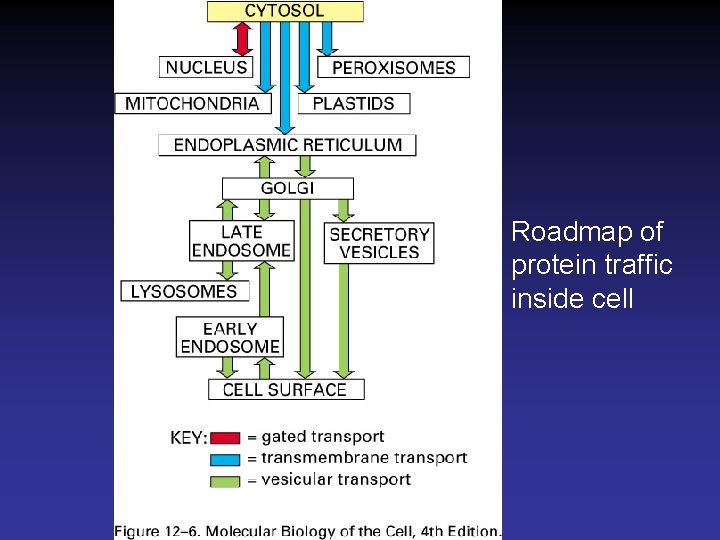
Roadmap of protein traffic inside cell Two ways



- Slides: 30
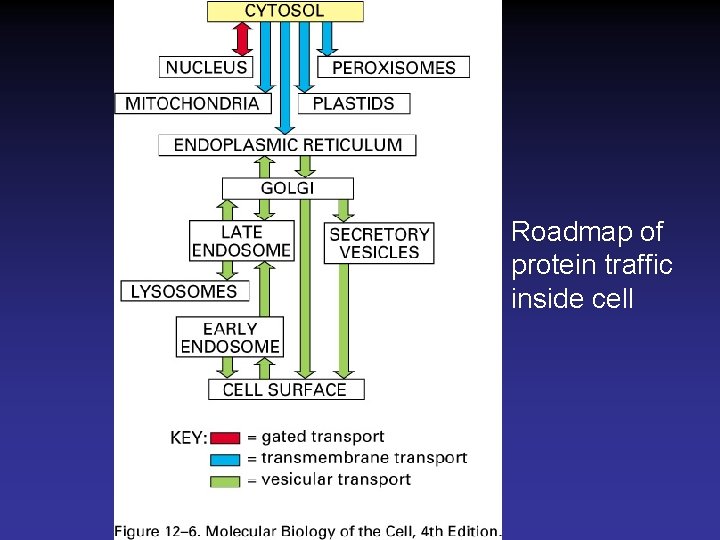
Roadmap of protein traffic inside cell
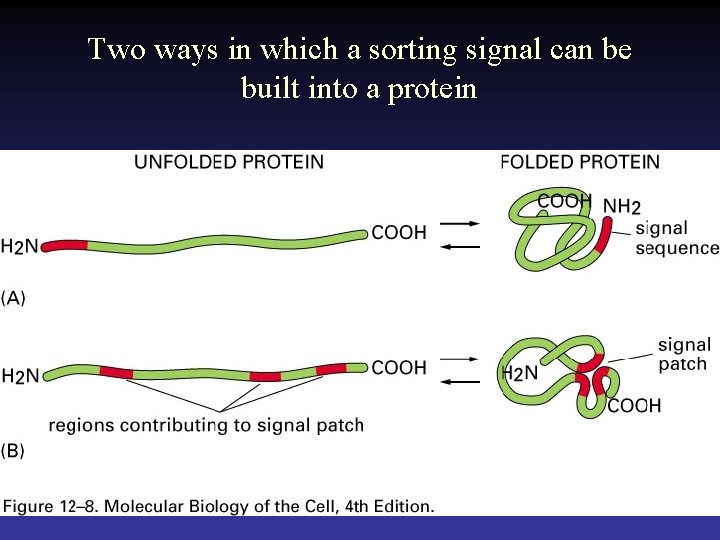
Two ways in which a sorting signal can be built into a protein
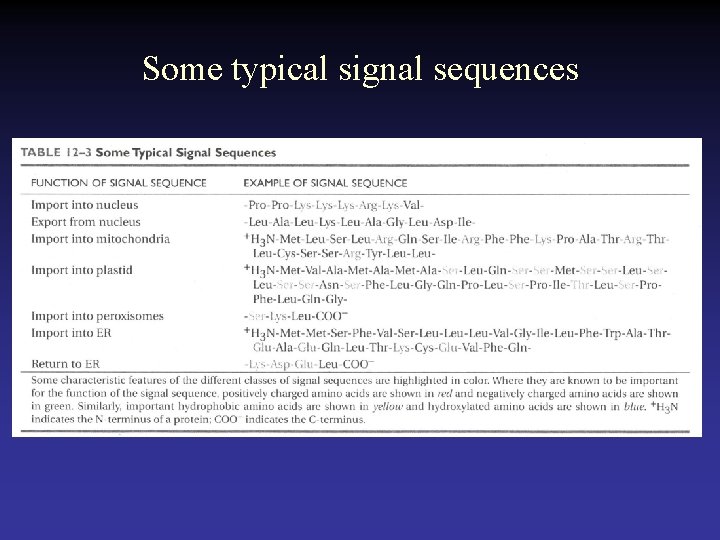
Some typical signal sequences
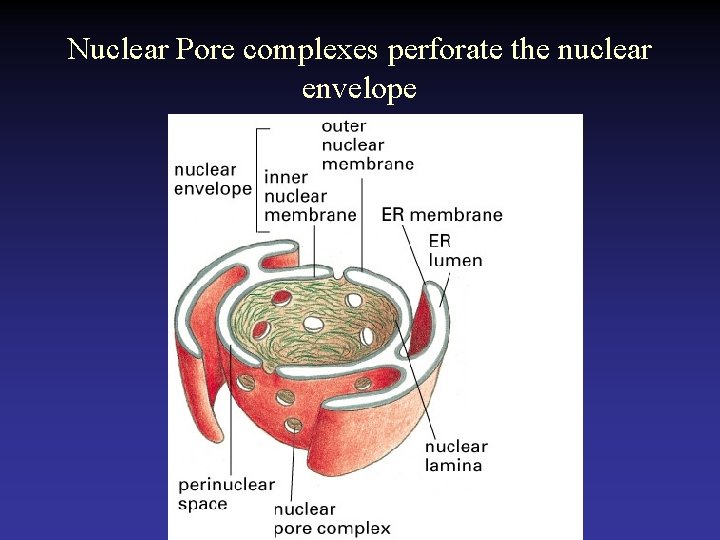
Nuclear Pore complexes perforate the nuclear envelope
Nuclear pore complexes
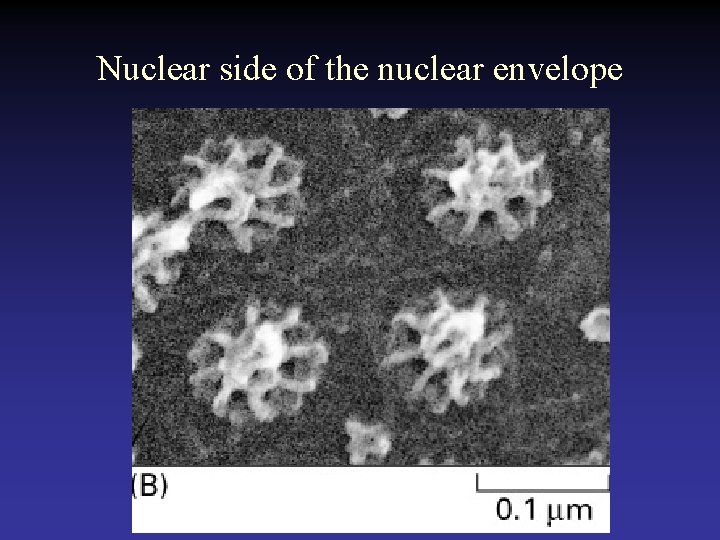
Nuclear side of the nuclear envelope
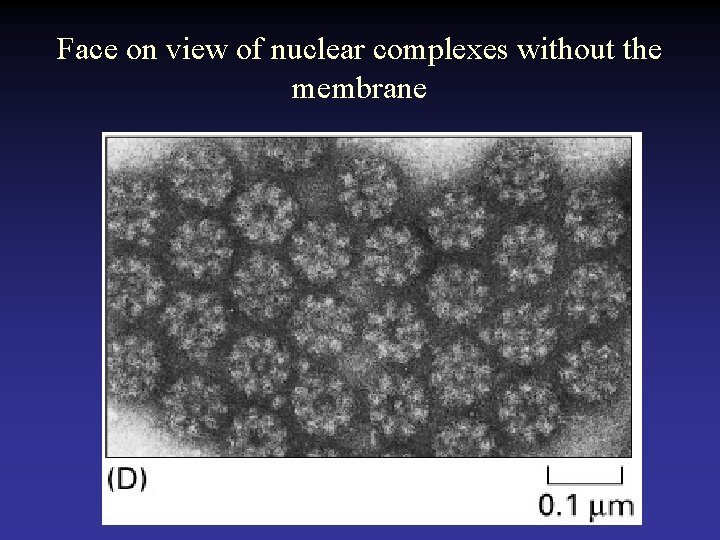
Face on view of nuclear complexes without the membrane
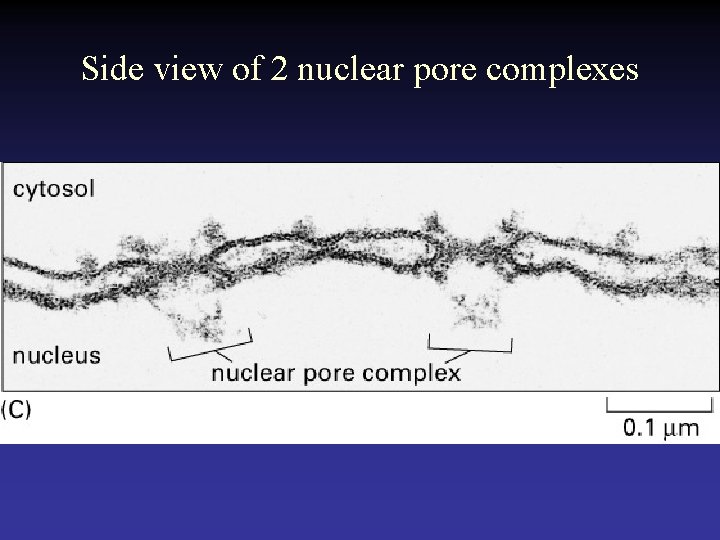
Side view of 2 nuclear pore complexes
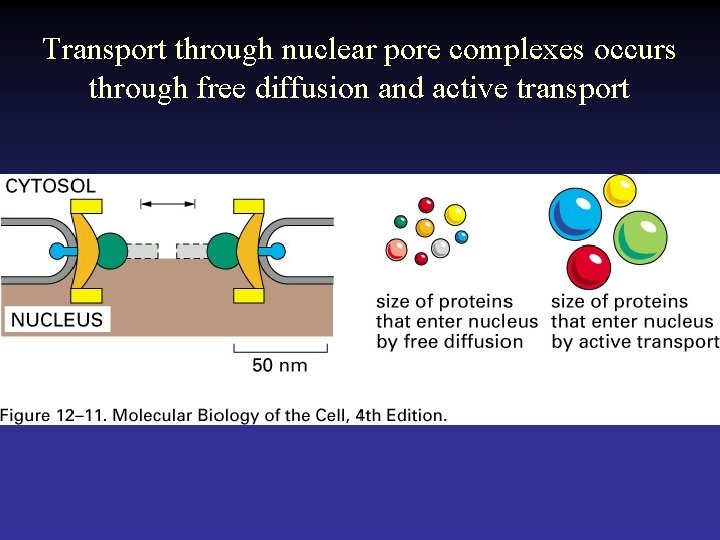
Transport through nuclear pore complexes occurs through free diffusion and active transport
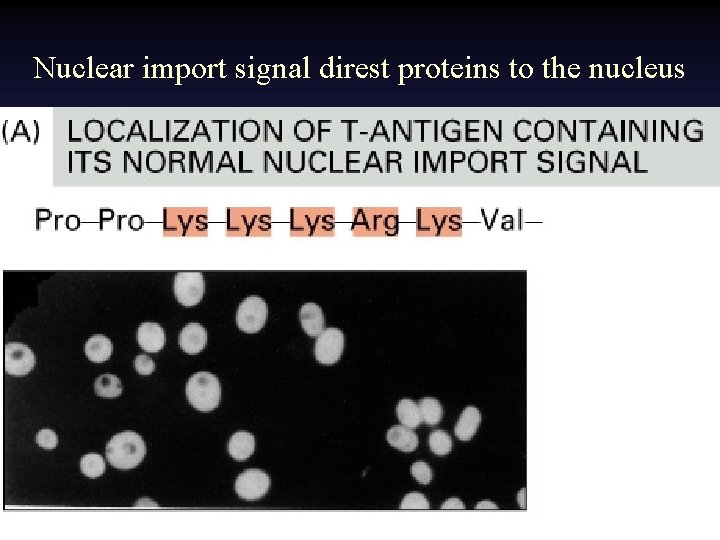
Nuclear import signal direst proteins to the nucleus
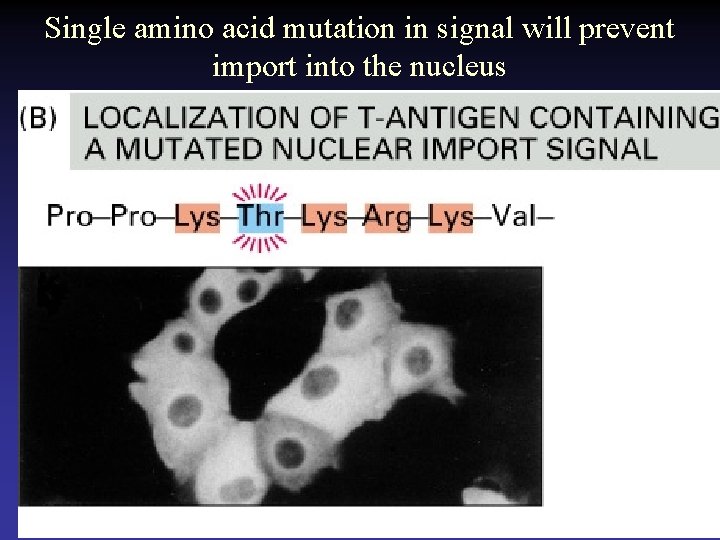
Single amino acid mutation in signal will prevent import into the nucleus
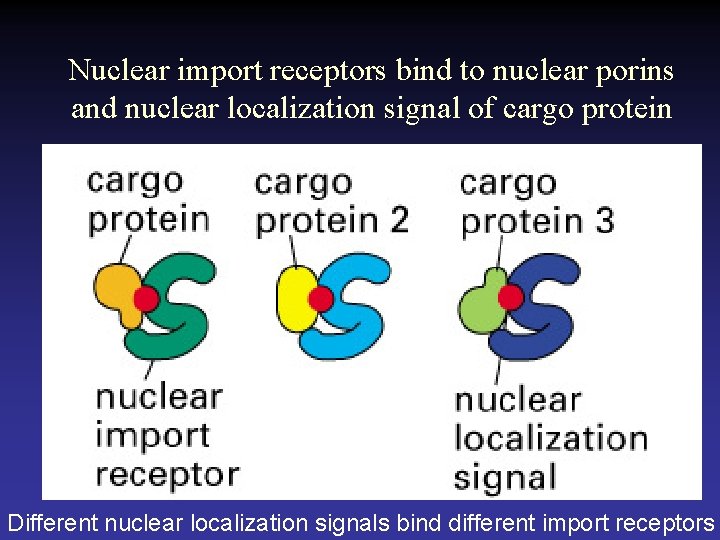
Nuclear import receptors bind to nuclear porins and nuclear localization signal of cargo protein Different nuclear localization signals bind different import receptors
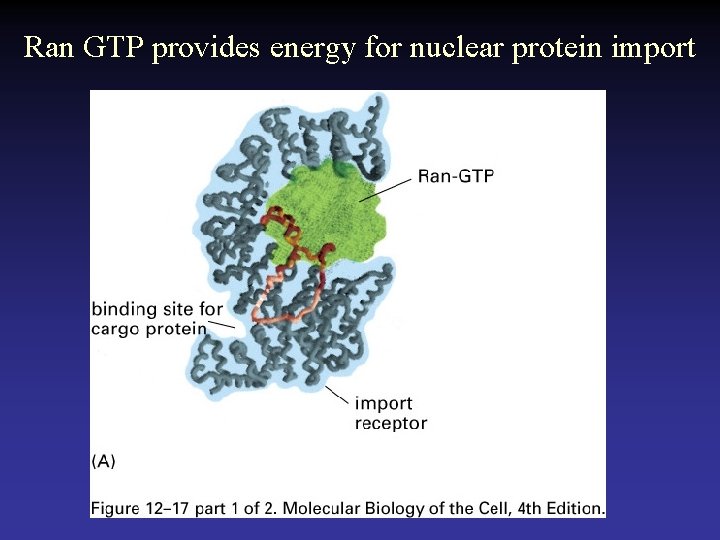
Ran GTP provides energy for nuclear protein import
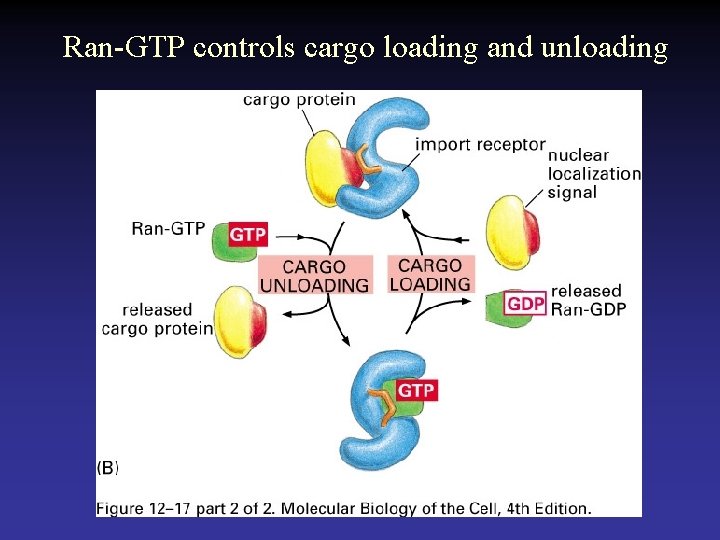
Ran-GTP controls cargo loading and unloading
Transmembrane transport into the mitochondria and chloroplasts
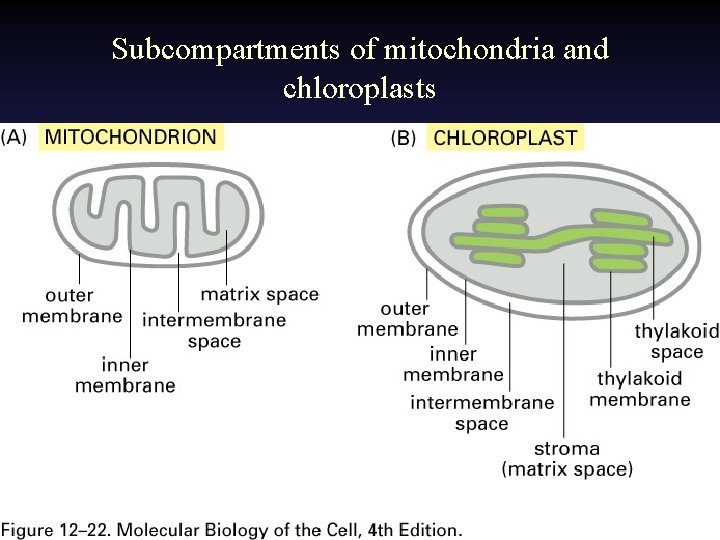
Subcompartments of mitochondria and chloroplasts
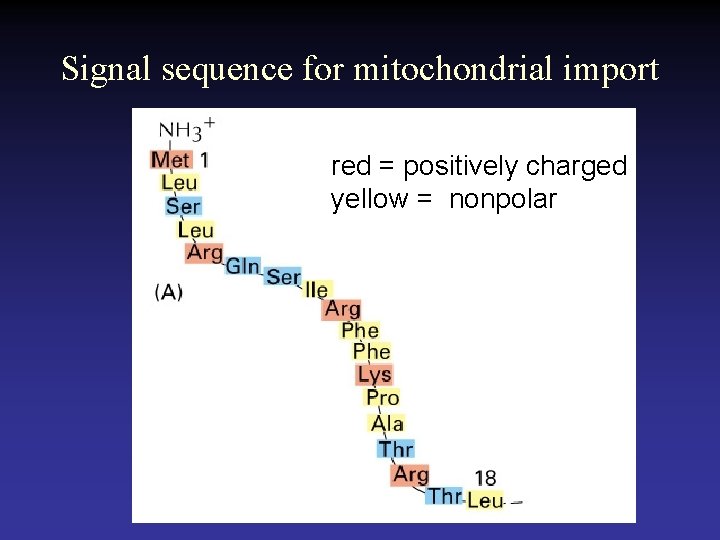
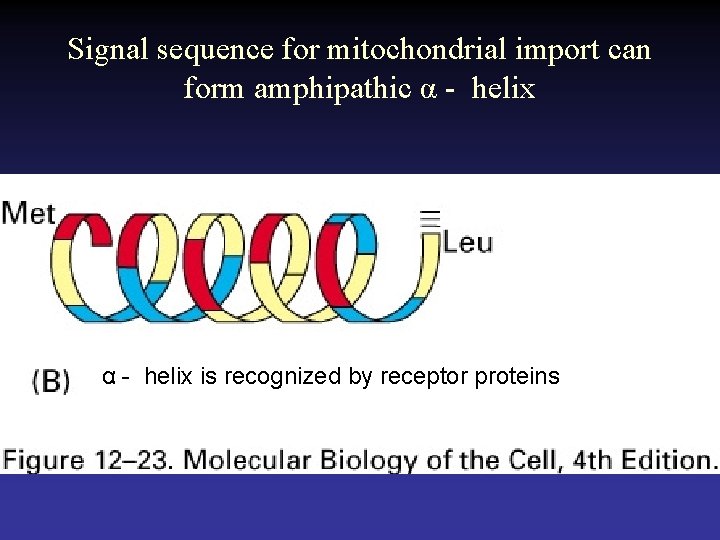
Signal sequence for mitochondrial import red = positively charged yellow = nonpolar
Signal sequence for mitochondrial import can form amphipathic α - helix is recognized by receptor proteins
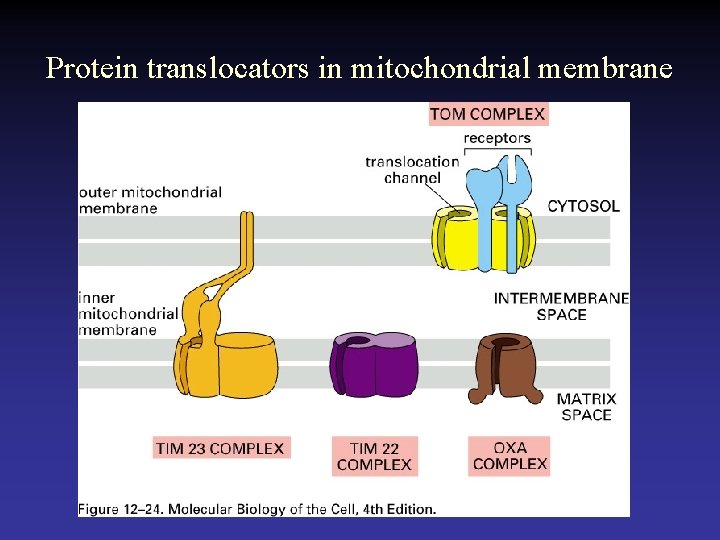
Protein translocators in mitochondrial membrane
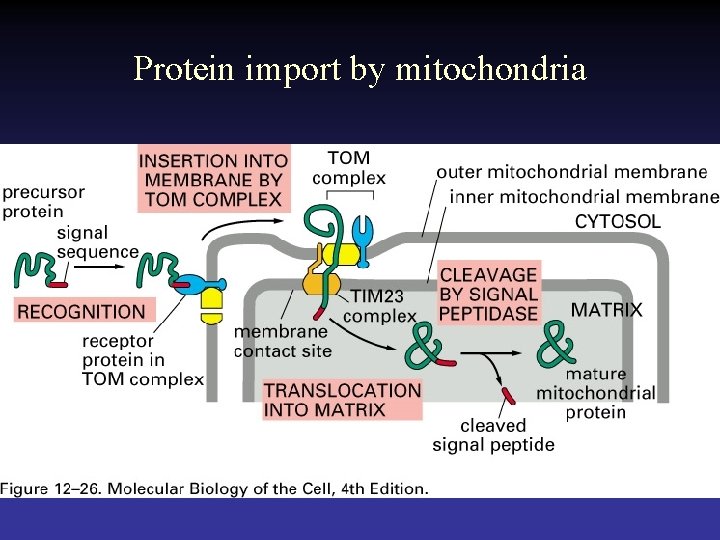
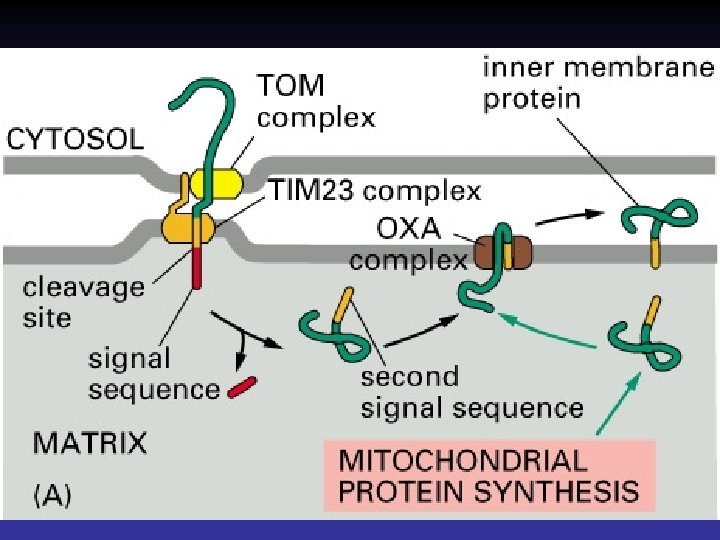
Protein import by mitochondria
DVD Clip 55
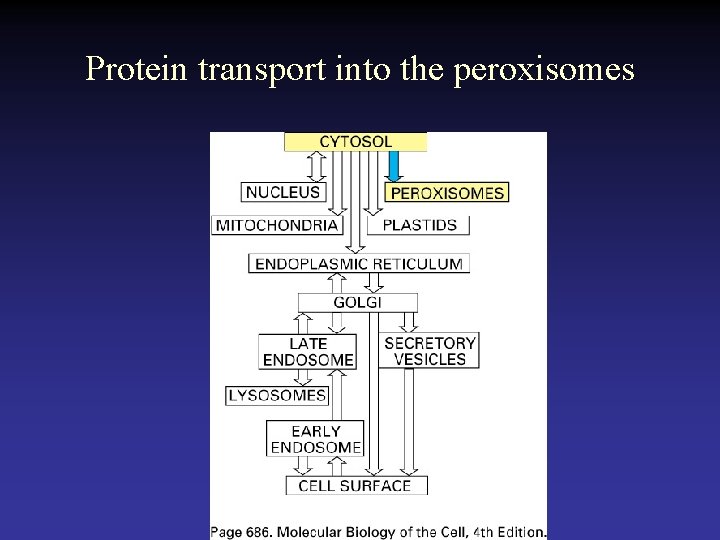
Protein transport into the peroxisomes
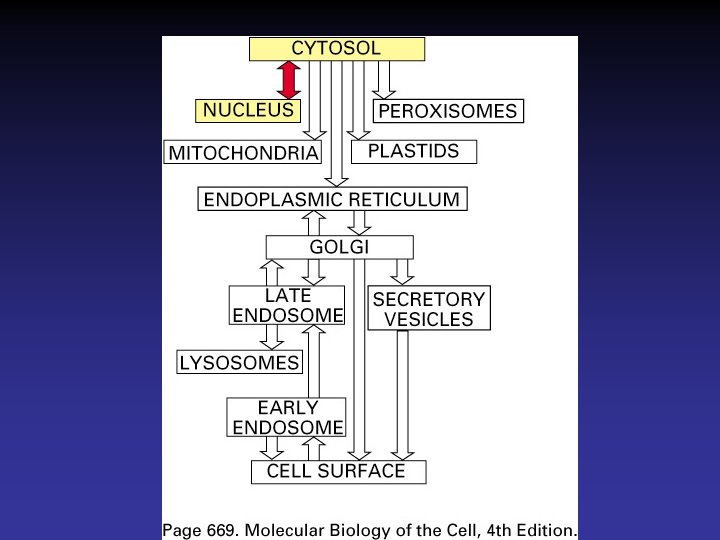
Roadmap of protein traffic inside cell
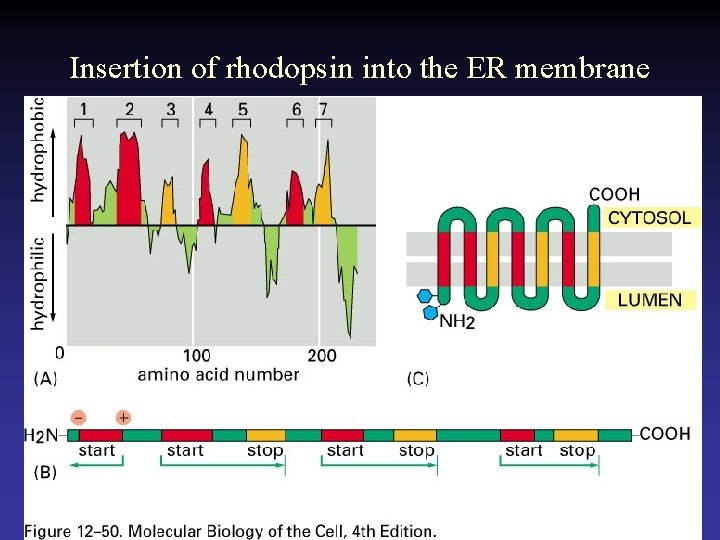
Insertion of rhodopsin into the ER membrane
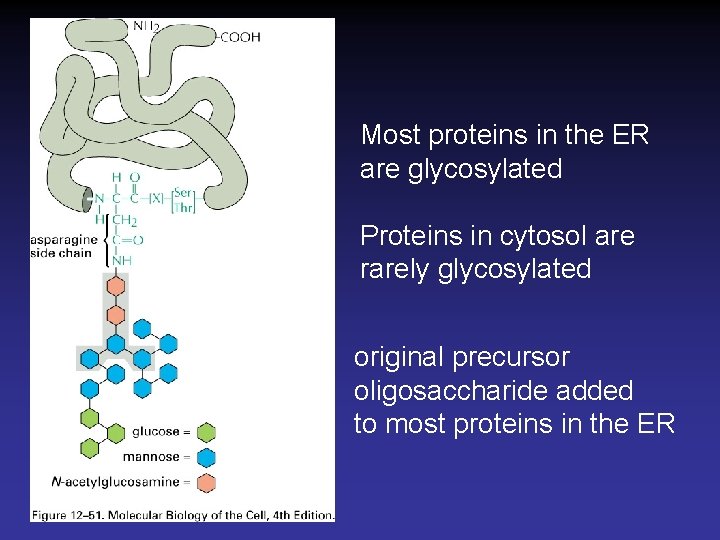
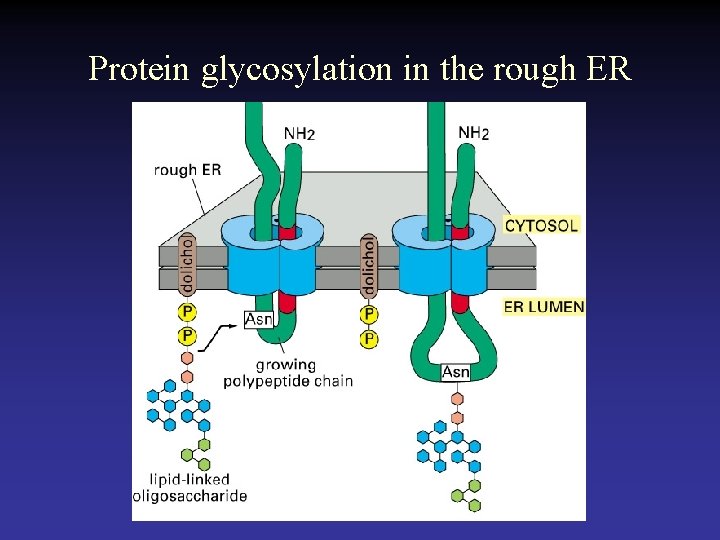
Most proteins in the ER are glycosylated Proteins in cytosol are rarely glycosylated original precursor oligosaccharide added to most proteins in the ER
Protein glycosylation in the rough ER
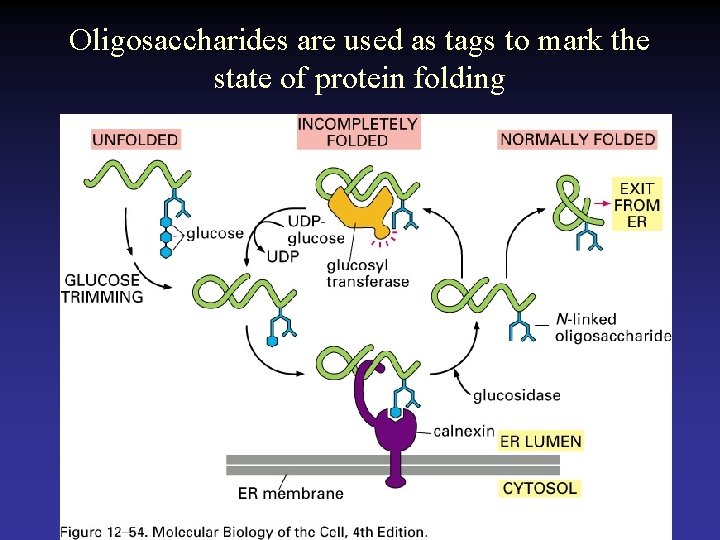
Oligosaccharides are used as tags to mark the state of protein folding
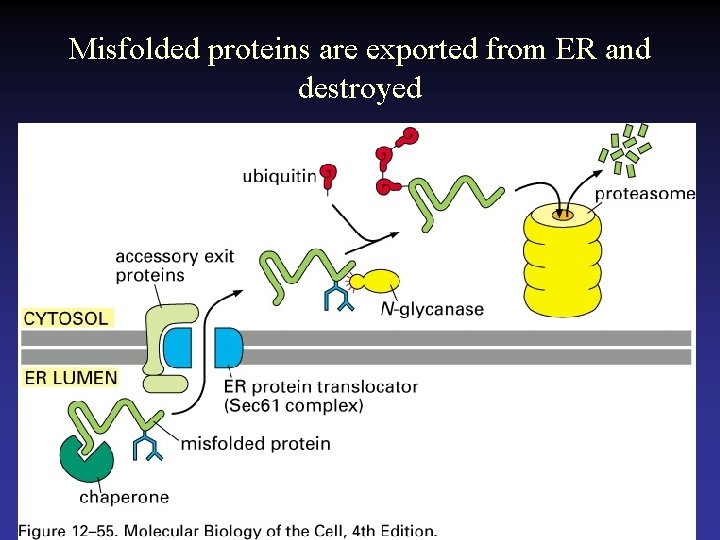
Misfolded proteins are exported from ER and destroyed