
Rivers water cycle long profile formation and processes
- Slides: 20
Rivers - water cycle, long profile, formation and processes -
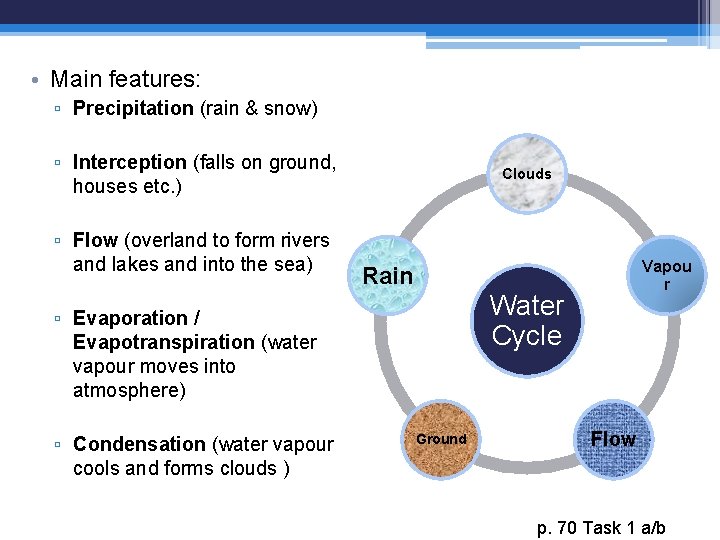
• Main features: ▫ Precipitation (rain & snow) ▫ Interception (falls on ground, houses etc. ) ▫ Flow (overland to form rivers and lakes and into the sea) Clouds Water Cycle ▫ Evaporation / Evapotranspiration (water vapour moves into atmosphere) ▫ Condensation (water vapour cools and forms clouds ) Vapou r Rain Ground Flow p. 70 Task 1 a/b
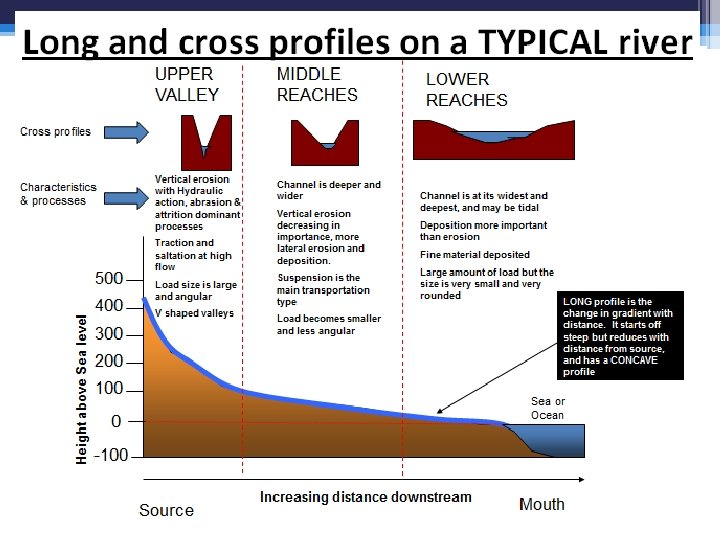
Long profile of a river • Definition: The long profile of a river describes the shape of the land from source to mouth. • Question? ▫ How do you think the shape of the land changes along the long profile?
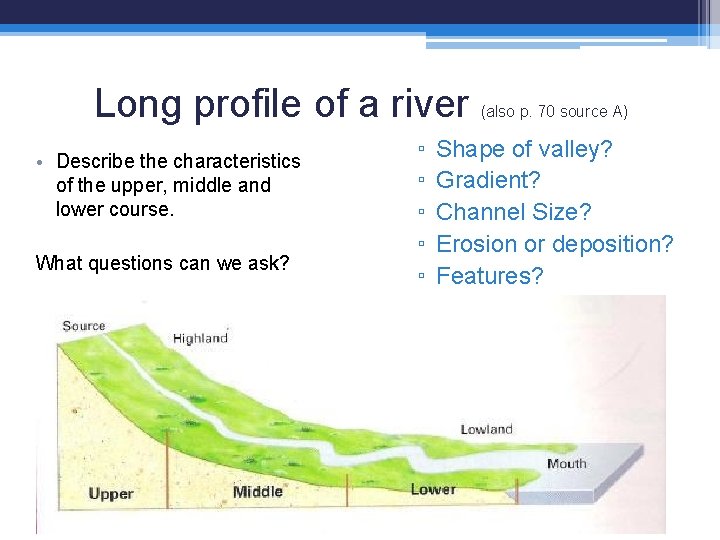
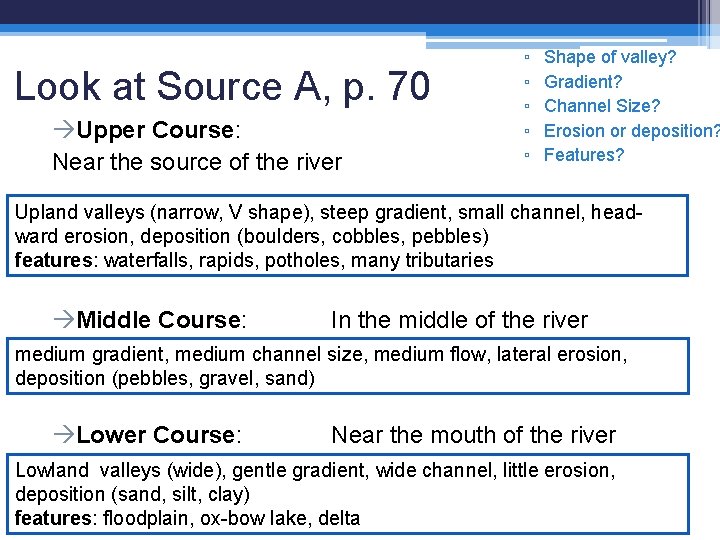
Long profile of a river • Describe the characteristics of the upper, middle and lower course. What questions can we ask? ▫ ▫ ▫ (also p. 70 source A) Shape of valley? Gradient? Channel Size? Erosion or deposition? Features?
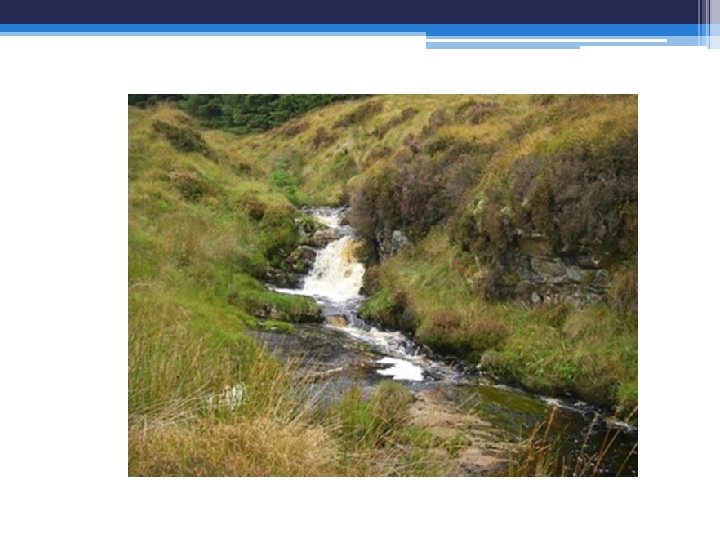
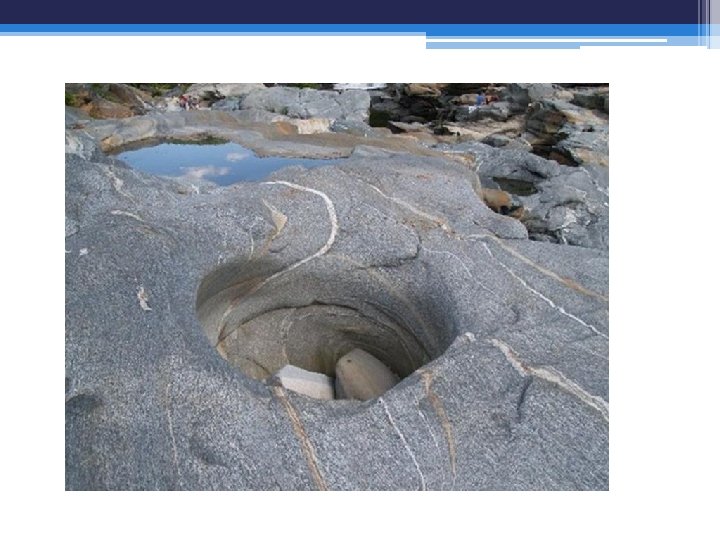
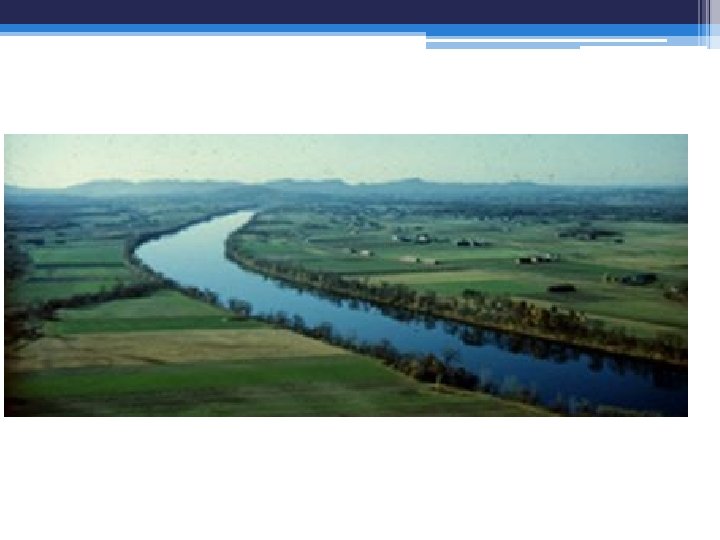
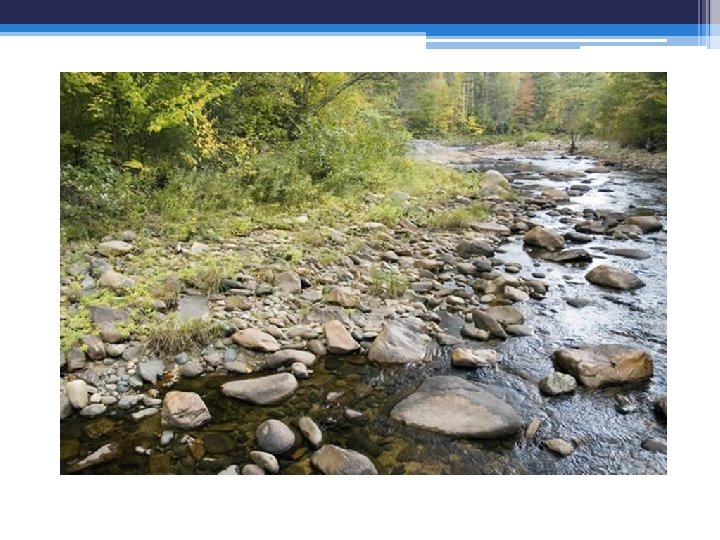
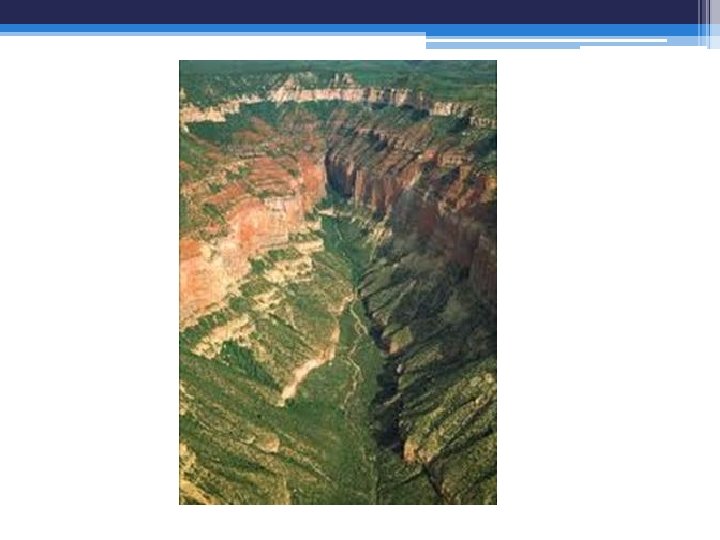
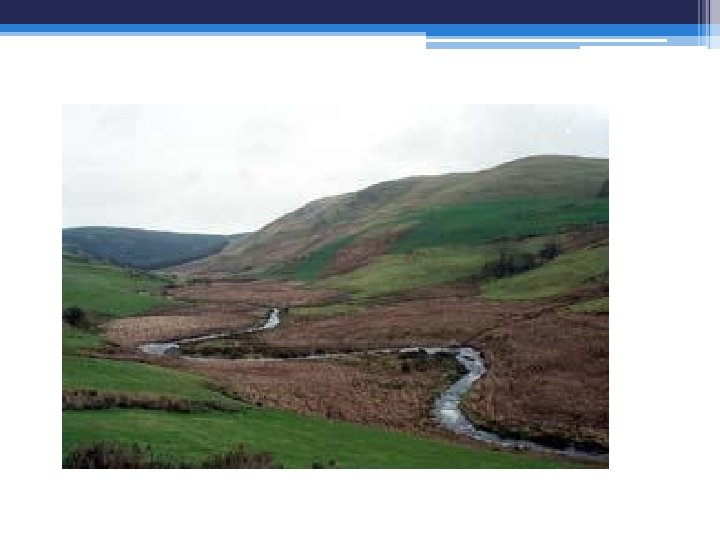
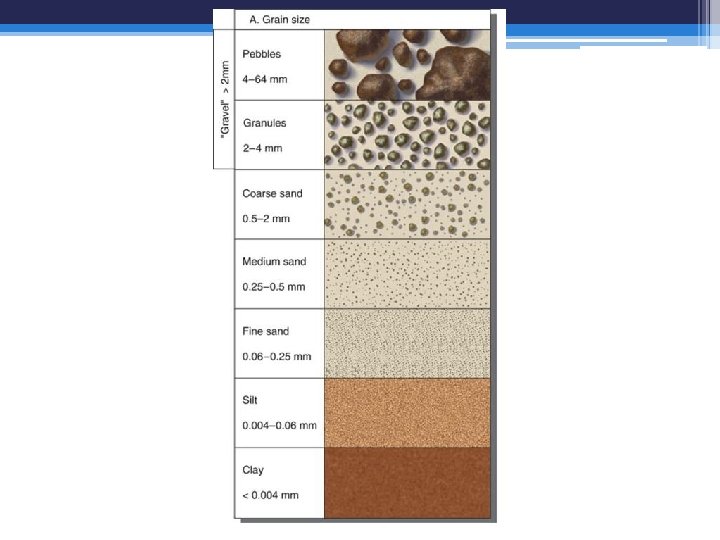
Look at Source A, p. 70 àUpper Course: Near the source of the river ▫ ▫ ▫ Shape of valley? Gradient? Channel Size? Erosion or deposition? Features? Upland valleys (narrow, V shape), steep gradient, small channel, headward erosion, deposition (boulders, cobbles, pebbles) features: waterfalls, rapids, potholes, many tributaries àMiddle Course: In the middle of the river medium gradient, medium channel size, medium flow, lateral erosion, deposition (pebbles, gravel, sand) àLower Course: Near the mouth of the river Lowland valleys (wide), gentle gradient, wide channel, little erosion, deposition (sand, silt, clay) features: floodplain, ox-bow lake, delta
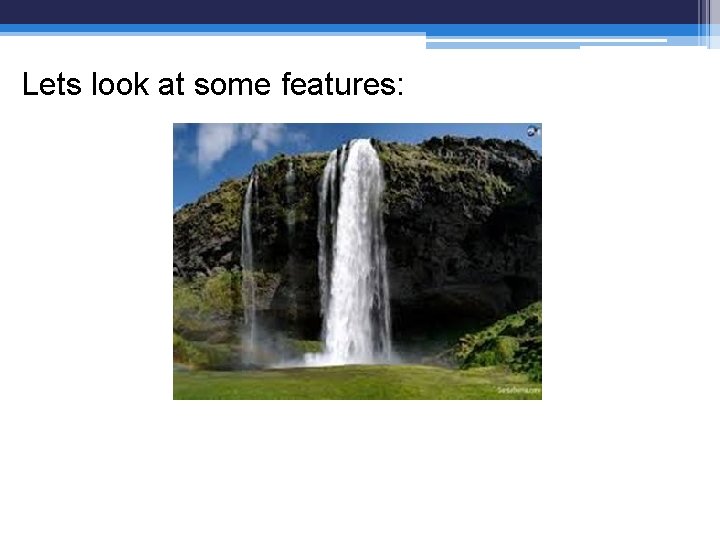
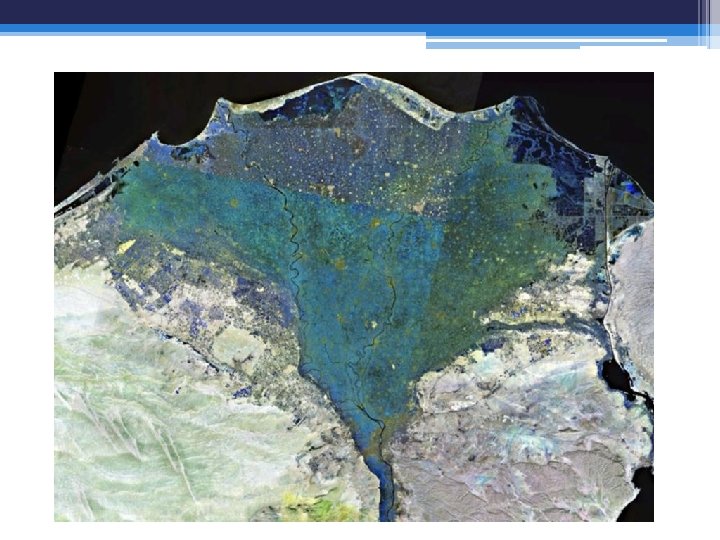
Lets look at some features:
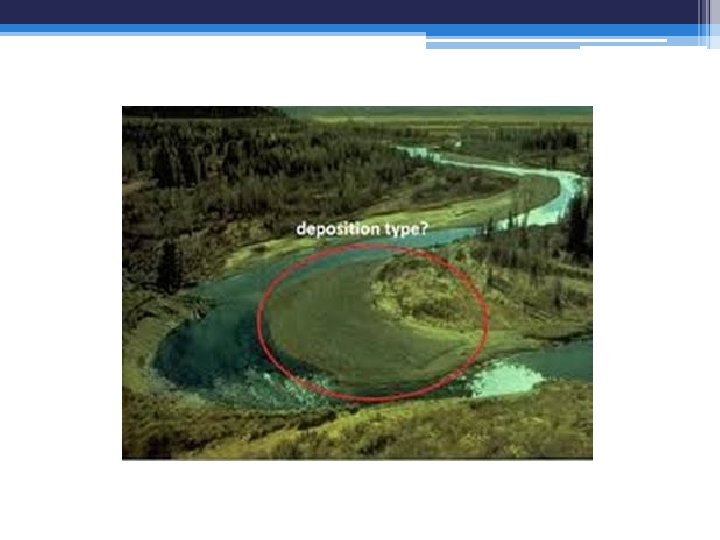
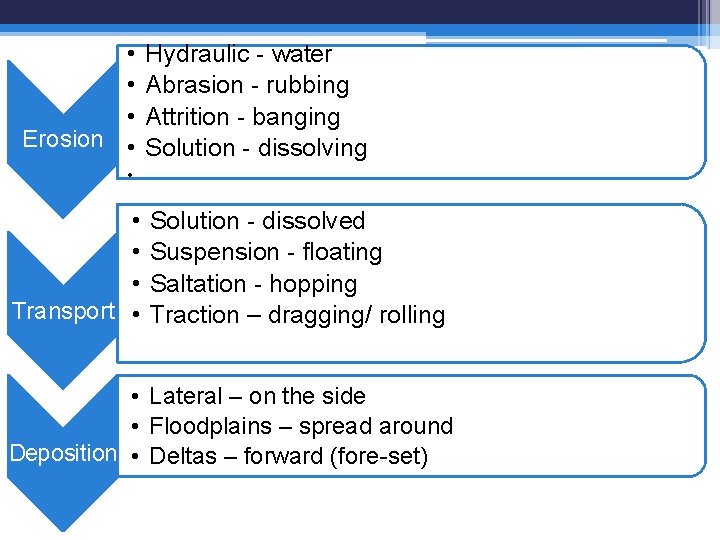
• • • Erosion • Hydraulic - water Abrasion - rubbing Attrition - banging Solution - dissolving • • Transport • Solution - dissolved Suspension - floating Saltation - hopping Traction – dragging/ rolling • Lateral – on the side • Floodplains – spread around Deposition • Deltas – forward (fore-set)