
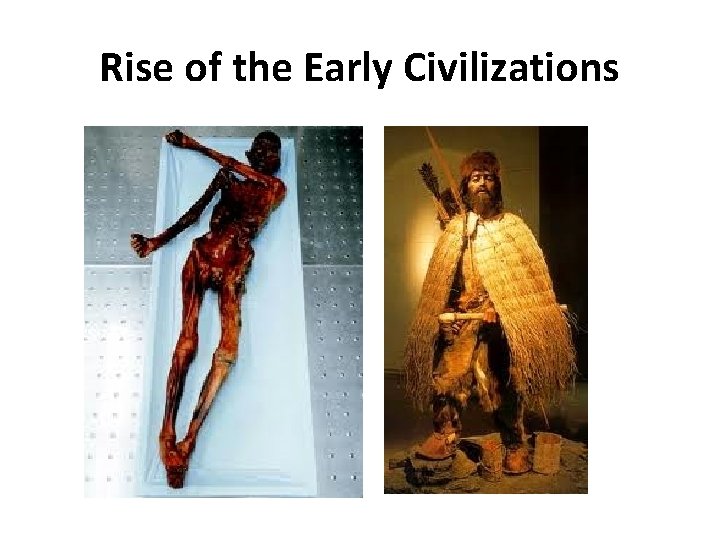
Rise of the Early Civilizations The Stone Age

- Slides: 15
Rise of the Early Civilizations
The Stone Age was the earliest known period of human culture. 1. During the Stone Ages, tools and weapons were made of wood and stone or bone. 2. The Stone Age can be divided into three periods: a. Paleolithic b. Mesolithic c. Neolithic
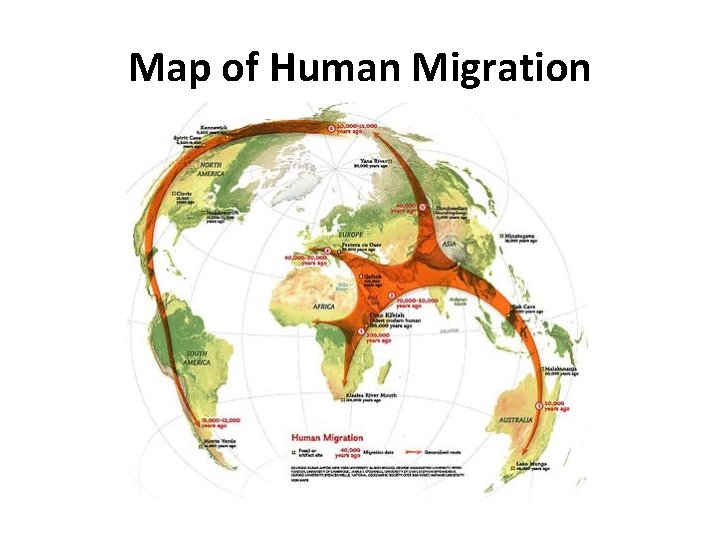
Paleolithic: The Old Stone Age 1. During this time, people lived as nomadic hunter-gatherers, which means they moved from place to place searching for food. 2. People used clubs and crude knifes and spears to hunt. 3. Modern humans developed in Africa during this time. 4. The use of fire was developed during this time, which allowed the early humans to migrate to colder climates.
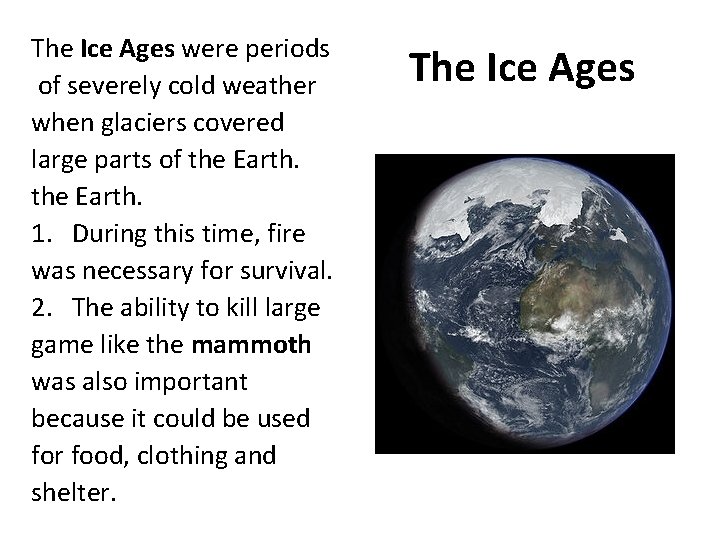
The Ice Ages were periods of severely cold weather when glaciers covered large parts of the Earth. 1. During this time, fire was necessary for survival. 2. The ability to kill large game like the mammoth was also important because it could be used for food, clothing and shelter. The Ice Ages
Map of Human Migration
Paleolithic Cave Painting
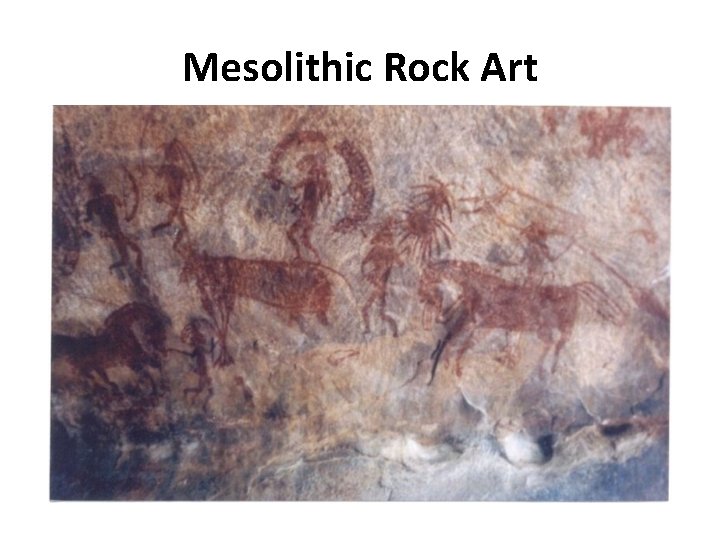
Mesolithic: The Middle Stone Age 1. The bow and arrow was developed, which improved hunting. 2. The use of smaller tools like needles and fish hooks were developed. 3. The use of the canoe was developed. 4. The first domesticated animals began appearing.
Mesolithic Rock Art
Neolithic: The New Stone Age 1. Pottery began being produced. 2. Domesticated animals were raised for livestock. 3. Agriculture began. 4. The use of metals were developed – copper being the first. 5. In 3000 B. C. the Bronze Age begins. Bronze was made by mixing copper with tin. It was harder and lasted longer than copper.
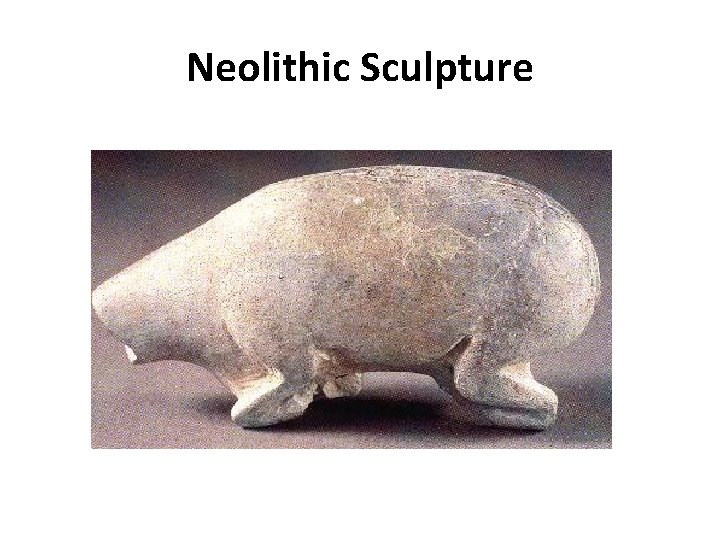
Neolithic Sculpture
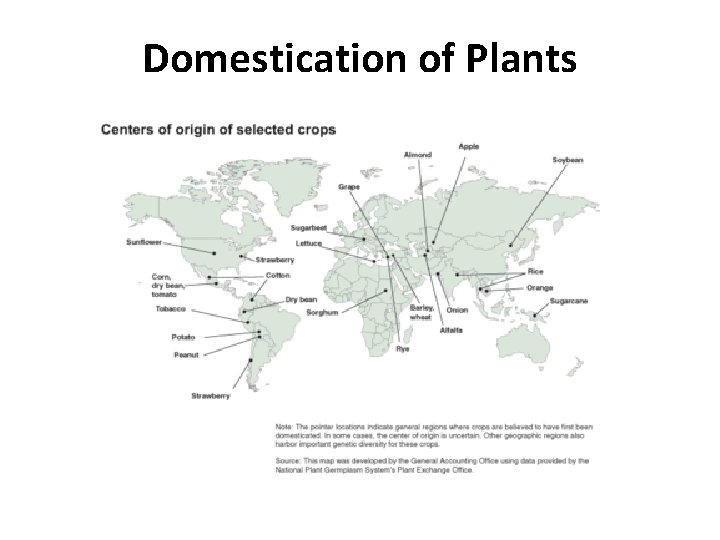
Domestication is adapting wild plants for human use or taming wild animals and breeding them for human use. 1. The early humans carefully chose seeds from the biggest, best tasting plants. This gradually lead to the production of the foods we eat today. 2. The early humans used the same process with animals, developing animals that were gentler than their wild ancestors.
Domestication of Plants
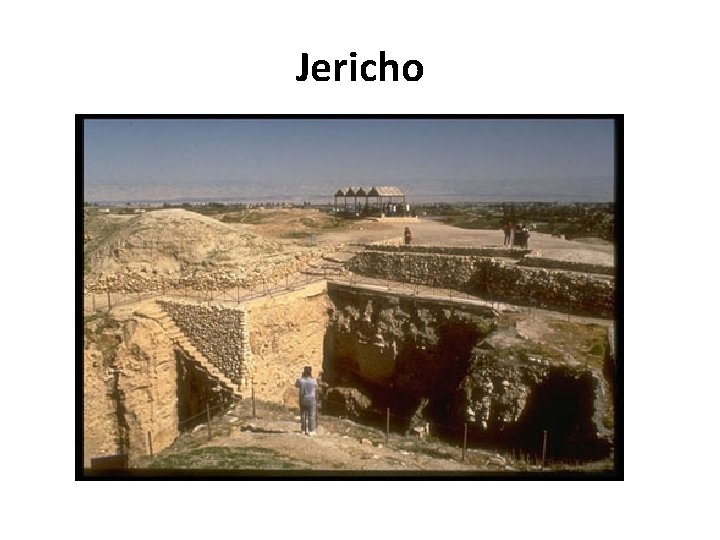
Agricultural Revolution The development of agriculture is considered one of the most important developments in human history. 1. It allowed people to settle in one place. 2. The increase in food production lead to an increase in life spans, which lead to an increase in populations. 3. The increase in populations lead to the development of villages. One of the oldest villages ever discovered is the town of Jericho (9, 000 B. C. ). 4. Specialization began occurring, which is the developing of different kinds of jobs. Examples include producing pottery and weaving cloth. The people who produced these items were known as artisans. 5. Trade began developing.
Jericho
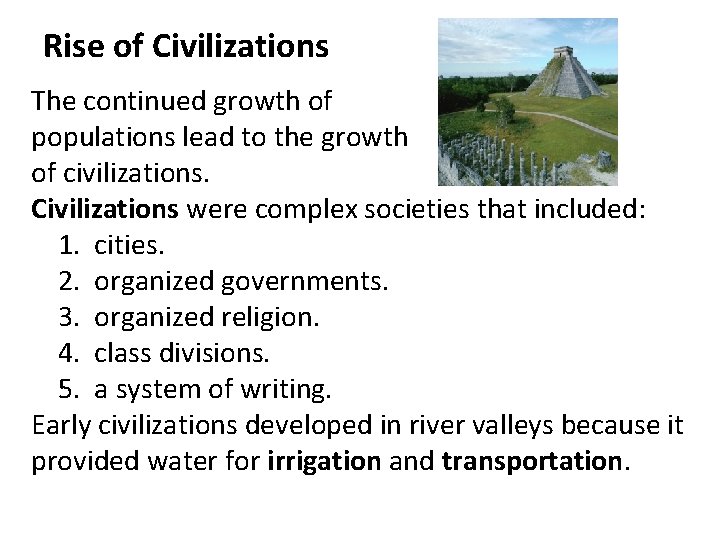
Rise of Civilizations The continued growth of populations lead to the growth of civilizations. Civilizations were complex societies that included: 1. cities. 2. organized governments. 3. organized religion. 4. class divisions. 5. a system of writing. Early civilizations developed in river valleys because it provided water for irrigation and transportation.