
RhMediated Isoimmune Hemolytic Disease Suzanne Reuter MD SDPA


- Slides: 25
Rh-Mediated Isoimmune Hemolytic Disease Suzanne Reuter MD SDPA ~ Spearfish September 8, 2016
Objectives § Understand heme catabolism § Define Rh-isoimmune disease as it relates to a newborn § Review abnormal indices in Rh-isoimmune disease § Discuss therapies for hyperbilirubinemia § Review complications of exchange transfusion § Identify complications of phototherapy
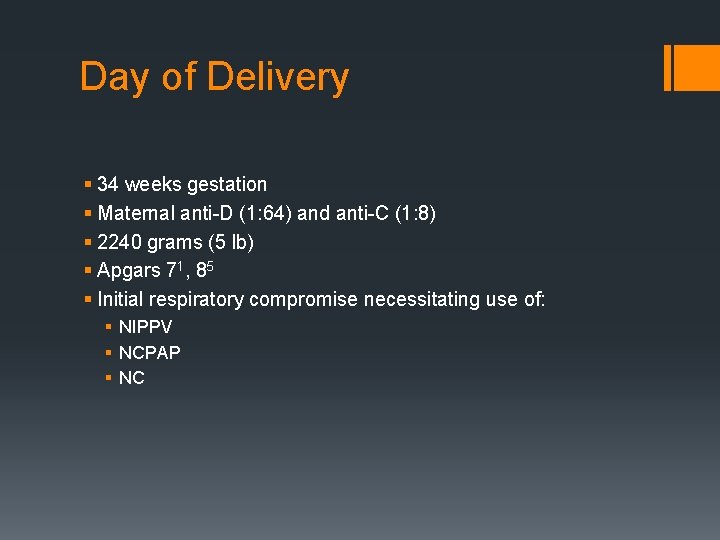
Day of Delivery § 34 weeks gestation § Maternal anti-D (1: 64) and anti-C (1: 8) § 2240 grams (5 lb) § Apgars 71, 85 § Initial respiratory compromise necessitating use of: § NIPPV § NCPAP § NC
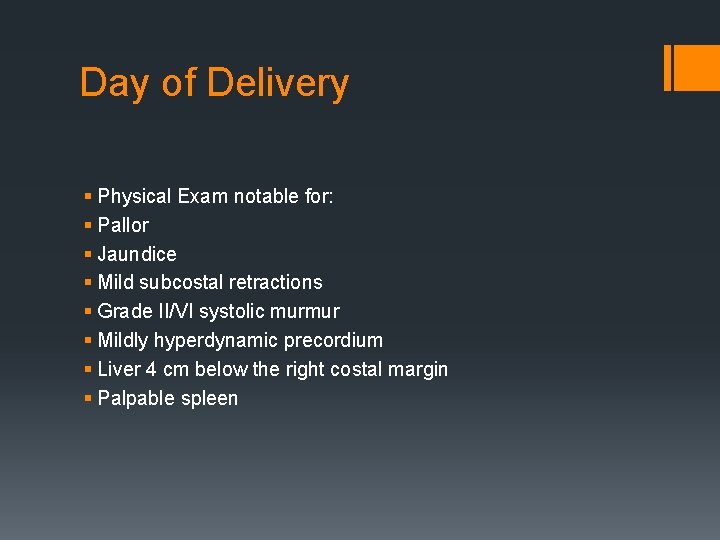
Day of Delivery § Physical Exam notable for: § Pallor § Jaundice § Mild subcostal retractions § Grade II/VI systolic murmur § Mildly hyperdynamic precordium § Liver 4 cm below the right costal margin § Palpable spleen
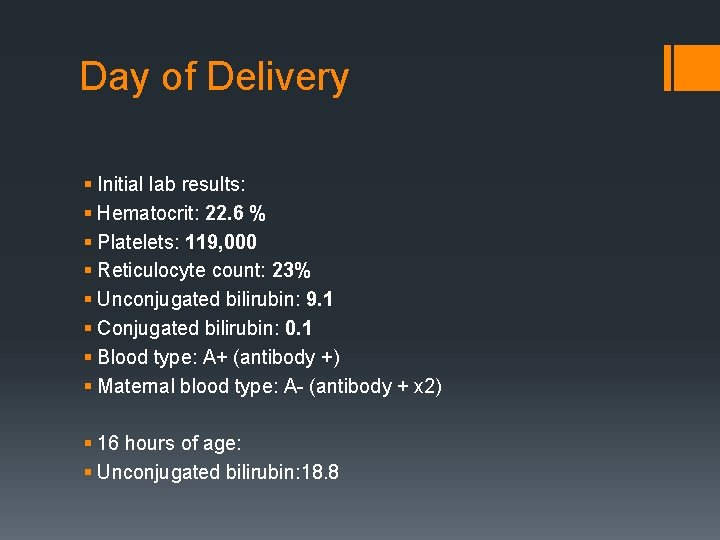
Day of Delivery § Initial lab results: § Hematocrit: 22. 6 % § Platelets: 119, 000 § Reticulocyte count: 23% § Unconjugated bilirubin: 9. 1 § Conjugated bilirubin: 0. 1 § Blood type: A+ (antibody +) § Maternal blood type: A- (antibody + x 2) § 16 hours of age: § Unconjugated bilirubin: 18. 8
What’s the concern?
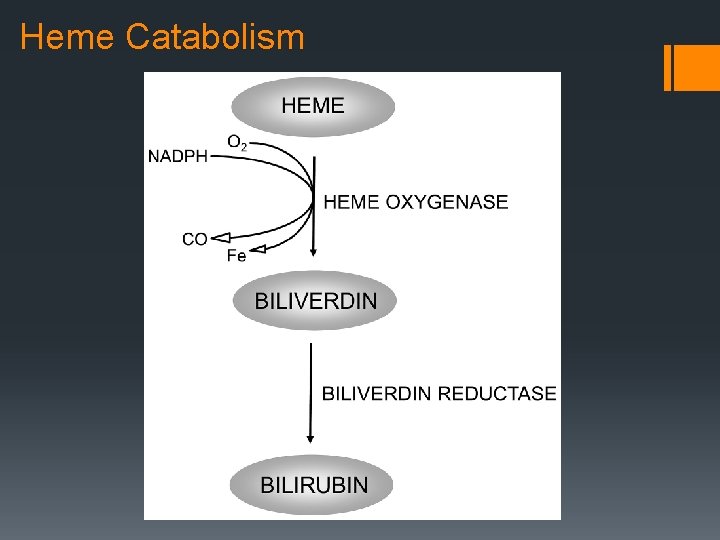
Heme Catabolism
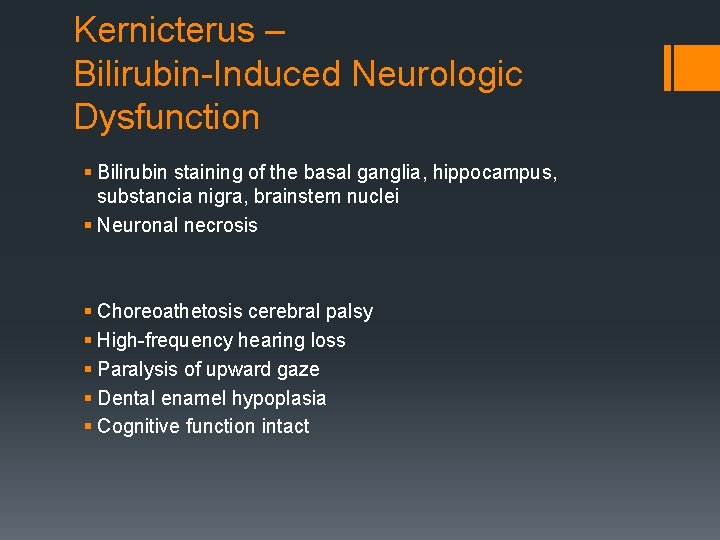
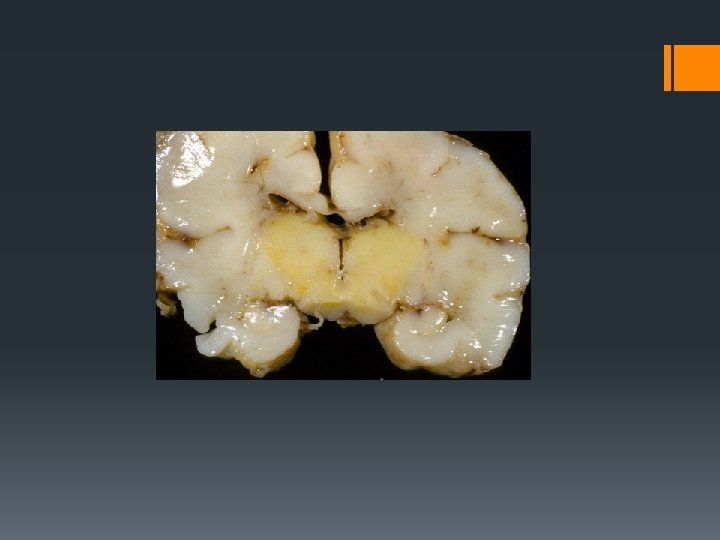
Kernicterus – Bilirubin-Induced Neurologic Dysfunction § Bilirubin staining of the basal ganglia, hippocampus, substancia nigra, brainstem nuclei § Neuronal necrosis § Choreoathetosis cerebral palsy § High-frequency hearing loss § Paralysis of upward gaze § Dental enamel hypoplasia § Cognitive function intact
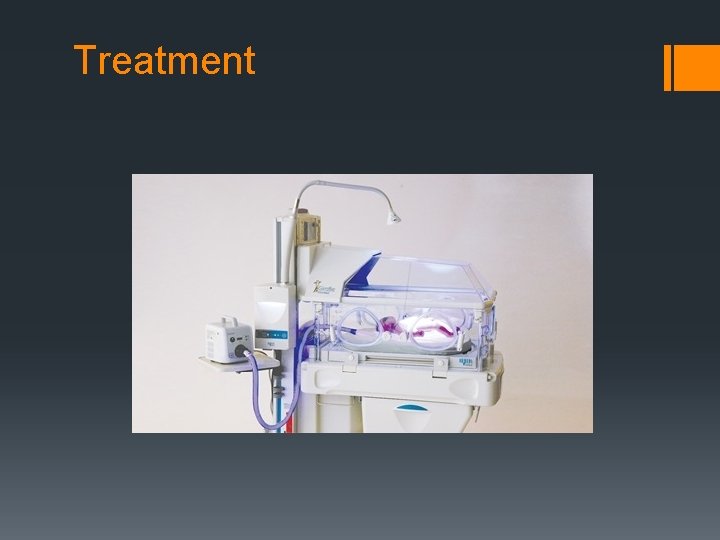
Treatment
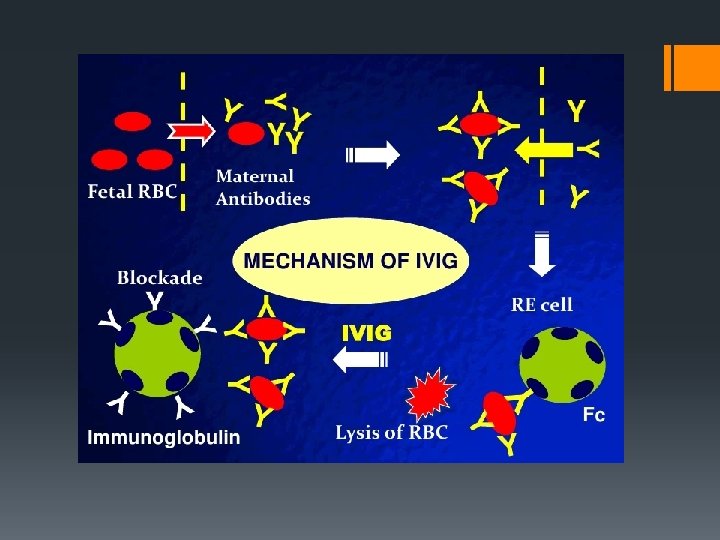
Treatment § Intravenous Immunoglobulin – A LOT!
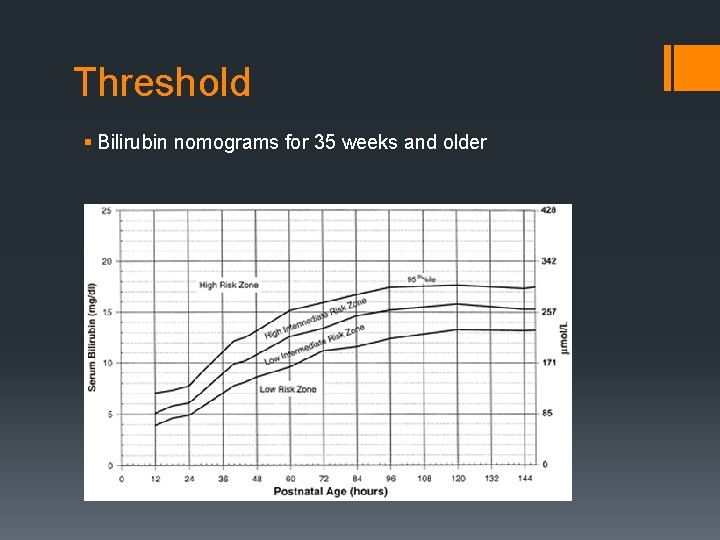
Threshold § Bilirubin nomograms for 35 weeks and older
Threshold § Premature infants: Half the first 2 numbers in the weight § 2240 grams = half of 22 = 11 § Bilirubin/albumin ratio (term infants) §B/A ratio > 7 →→→ § All bilirubin binding sites on albumin are saturated
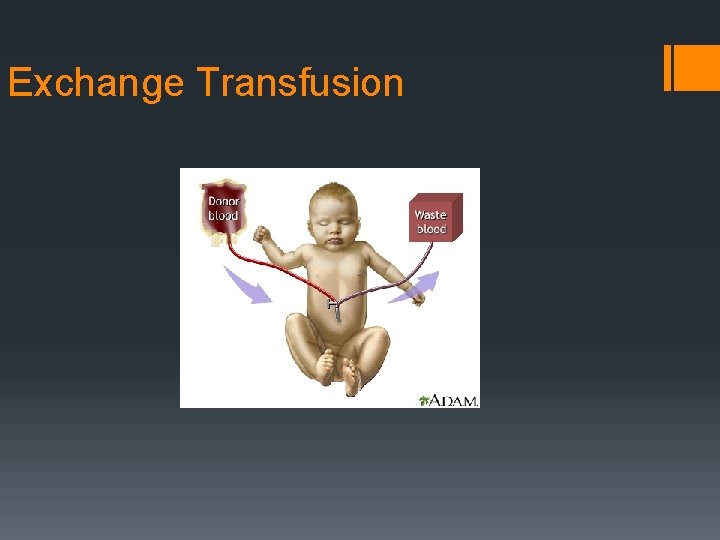
Exchange Transfusion
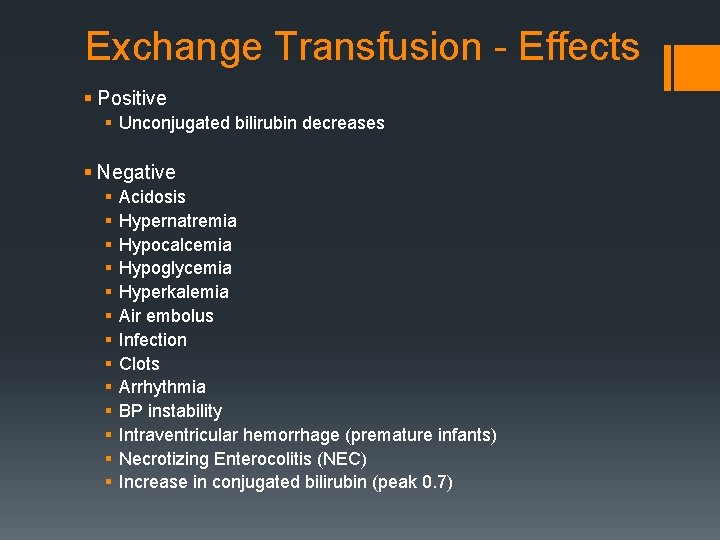
Exchange Transfusion - Effects § Positive § Unconjugated bilirubin decreases § Negative § § § § Acidosis Hypernatremia Hypocalcemia Hypoglycemia Hyperkalemia Air embolus Infection Clots Arrhythmia BP instability Intraventricular hemorrhage (premature infants) Necrotizing Enterocolitis (NEC) Increase in conjugated bilirubin (peak 0. 7)
s/p Exchange Transfusion § Bilirubin rebounded to 16. 3 and albumin dropped to 2. 9 § B/A ratio was 5. 6
Complicating Factors…
Maternal Drug Use § Suboxone (buprenophine) – Treatment of narcotic addiction § Withdrawal in babies following birth (usually peak at 3 d): § § § Hypertonia Tremors Agitation Myoclonic jerks Apnea Bradycardia
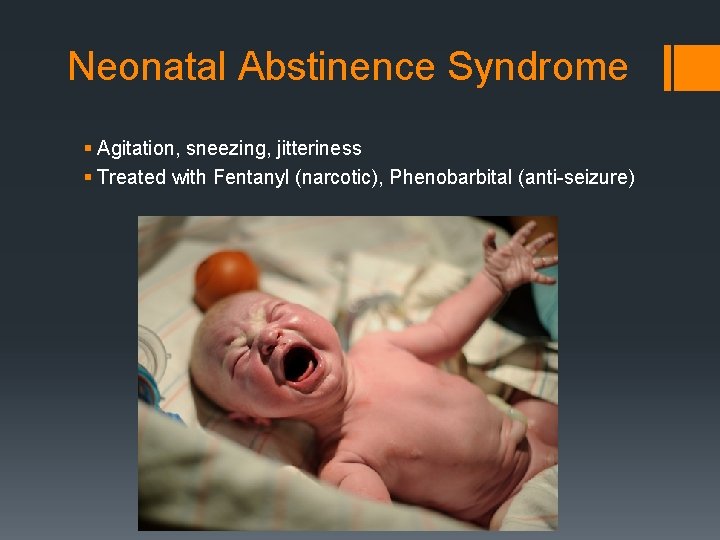
Neonatal Abstinence Syndrome § Agitation, sneezing, jitteriness § Treated with Fentanyl (narcotic), Phenobarbital (anti-seizure)
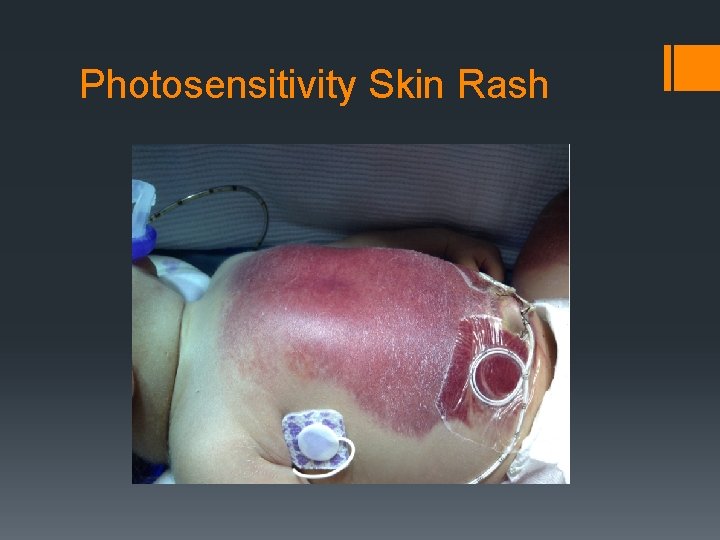
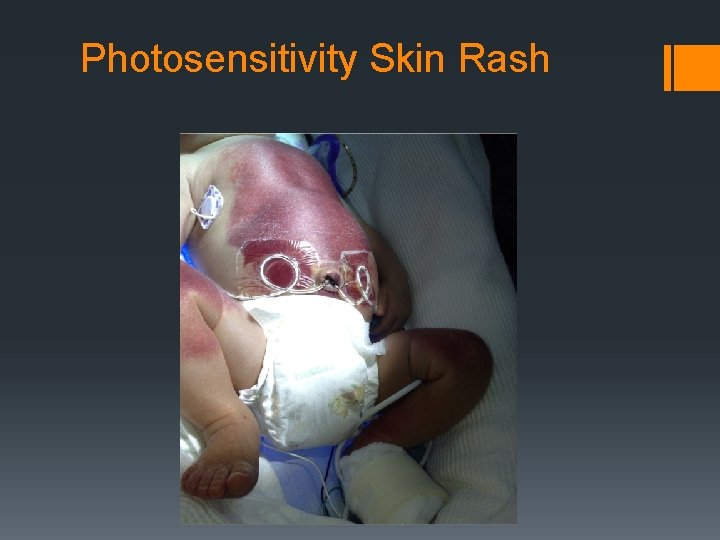
Photosensitivity Skin Rash
Photosensitivity Skin Rash
Remaining hospital course… § Struggled with nipple feeds § Slowly weaned off Fentanyl and Phenobarbital § Phototherapy rash completely resolved with no residual skin changes
Questions