
RHEUMATOID ARTHRITIS A KANYUGO It is a chronic


- Slides: 40
RHEUMATOID ARTHRITIS A. KANYUGO
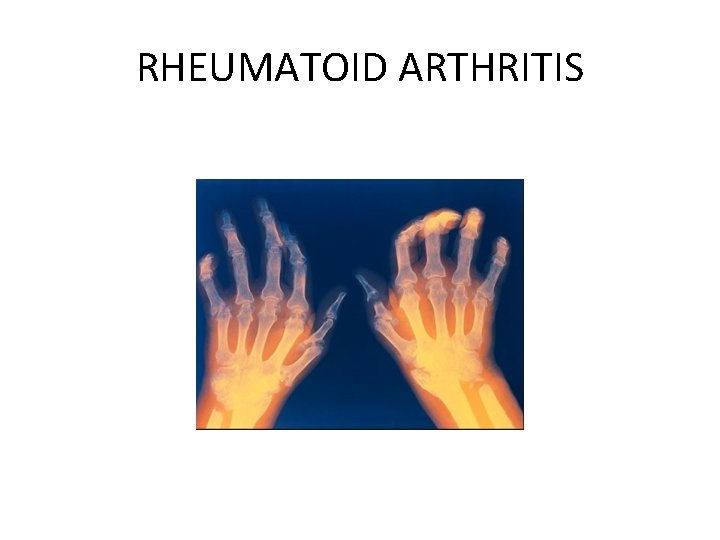
• It is a chronic progressive disease causing inflammation in the joints and resulting in painful deformity and immobility, especially in the fingers, wrists, feet, and ankles. • is an autoimmune disease
RHEUMATOID ARTHRITIS
Signs and symptoms • Tender, warm, swollen joints • Joint stiffness that is usually worse in the mornings and after inactivity • Fatigue • fever • weight loss
Rheumatoid arthritis can affect many non joint structures, including: • Skin • Eyes • Lungs • Heart • Kidneys • Salivary glands • Nerve tissue • Bone marrow • Blood vessels
• occurs when the immune system attacks the synovium — the lining of the membranes that surround your joints. • The resulting inflammation thickens the synovium, which can eventually destroy the cartilage and bone within the joint.
Risk factors • Sex - Women are more likely than men to develop rheumatoid arthritis. • Age - Rheumatoid arthritis can occur at any age, but it most commonly begins between the ages of 40 and 60. • Family history - the disease demonstrates familial aggregate.
RISK FACTORS • Smoking - Cigarette smoking increases risk of developing rheumatoid arthritis, particularly with a genetic predisposition for developing the disease. Smoking also appears to be associated with greater disease severity. • Environmental exposures. - Although uncertain and poorly understood, some exposures such as asbestos or silica may increase the risk for developing rheumatoid arthritis. Emergency workers exposed to dust from the collapse of the World Trade Center are at higher risk of autoimmune diseases such as rheumatoid arthritis. • Obesity. People who are overweight or obese appear to be at somewhat higher risk of developing rheumatoid arthritis, especially in women diagnosed with the disease when they were 55 or younger.
Prevention and control • Weight loss • Environmental pollution control • stop tobacco smoking
OSTEOARTHRITIS • Osteoarthritis is a joint disease that mostly affects cartilage. Cartilage is the slippery tissue that covers the ends of bones in a joint.
• is the most common chronic condition of the joints. It occurs when the cartilage or cushion between joints breaks down leading to pain, stiffness and swelling. pain. • Unlike some other forms of arthritis, osteoarthritis affects only joints and not internal organs.
Signs and symptoms • the most common symptoms of osteoarthritis are stiffness - particularly first thing in the morning or after resting, and pain. - Affected joints may get swollen after extended activity
CAUSAL FACTORS • • has no specific cause. Several factors lead to the development of OA including : excess weight- Being overweight. Joint injury overuse Genes - genetic defect in joint cartilage Age - Getting older Stresses on the joints from certain jobs and playing sports. Osteoarthritis usually happens gradually over time.
NB - Although there is no diet cure for arthritis, certain foods have been shown to fight inflammation, strengthen bones and boost the immune system. Excess weight can lead to increased pain and inflammation.
PREVENTION AND CONTROL Can be done through: • Patient education programs. • Arthritis self-management programs. • Arthritis support groups. These programs teach people about osteoarthritis and its treatments. They also have clear and long-lasting benefits. People in these programs learn to: Exercise and relax. Talk with their doctor or other health care providers. Solve problems.
Control cnd’ • People with osteoarthritis find that selfmanagement programs help them: • • • Understand the disease. Reduce pain while staying active. Cope with their body, mind, and emotions. Have more control over the disease. Live an active, independent life.
Control cnd’ People with a good-health attitude: • Focus on what they can do, not what they can't do. • Focus on their strengths, not their weaknesses. • Break down activities into small tasks that are easy to manage. • Build fitness and healthy eating into their daily routines. • Develop ways to lower and manage stress. • Balance rest with activity. • Develop a support system of family, friends, and health care providers.
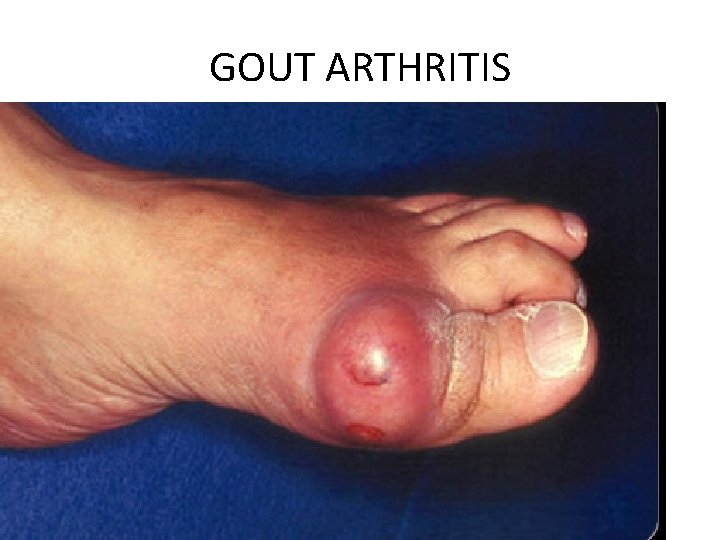
GOUT ARTHRITIS
GOUT ARTHRITIS Gout is one of the most painful forms of arthritis. It occurs when too much uric acid builds up in the body.
• The buildup of uric acid can lead to: v Sharp uric acid crystal deposits in joints, often in the big toe v. Deposits of uric acid (called tophi) that look like lumps under the skin v. Kidney stones from uric acid crystals in the kidneys. For many people, the first attack of gout occurs in the big toe. Often, the attack wakes a person from sleep. The toe is very sore, red, warm, and swollen.
SIGNS AND SYMPTOMS Gout can cause: v. Pain v Swelling v. Redness vwarmth v. Stiffness in joints.
Signs and symptoms cntd’ In addition to the big toe, gout can affect the: v. Insteps v. Ankles v. Heels v. Knees v. Wrists v. Fingers v Elbows.
• A gout attack can be brought on by vstressful events valcohol or drugs v or another illness. Early attacks usually get better within 3 to 10 days, even without treatment. The next attack may not occur for months or even years.
Risk factors • • • Have family members with the disease Are a man Are overweight Drink too much alcohol Eat too many foods rich in purines
Risk factors • Have an enzyme defect that makes it hard for the body to break down purines • Are exposed to lead in the environment • Have had an organ transplant • Use some medicines such as diuretics, aspirin, cyclosporine, or levodopa • Take the vitamin niacin.
Prevention and control • Maintain a healthy, balanced diet. • Avoid foods that are high in purines, and drink plenty of water. • Exercise regularly and maintain a healthy body weight. NB lose weight safely. Fast or extreme weight loss can increase uric acid levels in the blood.
OSTEOPOROSIS
OSTEOPOROSIS Osteoporosis is a disease in which the bones become weak and are more likely to break. People with osteoporosis most often break bones in the hip, spine, and wrist. Osteoporosis can occur in both men and women and at any age, but it is most common in older women.
Risk factors • Modifiable risk factors • Gender - Women get osteoporosis more often than men. • Age - The older you are, the greater your risk of osteoporosis. • Body size - Small, thin women are at greater risk. Ethnicity - White and Asian women are at highest risk. Black and Hispanic women have a lower risk. • Family history - Osteoporosis tends to run in families
Modifiable risk factors • Sex hormones - Low estrogen levels due to missing menstrual periods or to menopause can cause osteoporosis in women. • Low testosterone levels can bring on osteoporosis in men. • Anorexia nervosa. - This eating disorder can lead to osteoporosis. • Calcium and vitamin D intake - A diet low in calcium and vitamin D makes an individual more prone to bone loss. Medication use - Some medicines increase the risk of osteoporosis. • Activity level - Lack of exercise or long-term bed rest can cause weak bones. • Smoking - Cigarettes affects the bones, the heart, and lungs • Drinking alcohol - Too much alcohol can cause bone loss and broken bones.
Prevention and Control • Eat a diet rich in calcium and vitamin D e. g. Low-fat milk, yogurt, and cheese - • Exercise • Not drink in excess or smoke.
INFLAMATORY BOWEL DISEASES (IBD) is a group of idiopathic chronic inflammatory intestinal conditions. The two main disease categories are • Crohn’s disease (CD) • ulcerative colitis (UC) - both overlapping and distinct clinical and pathological features.
Risk factors • The pathogenesis of IBD is incompletely understood. • Genetic and environmental factors such as altered luminal bacteria and enhanced intestinal permeability play a role in the dysregulation of intestinal immunity, leading to gastrointestinal injury.
SYMPTOMS • The symptoms range from mild to severe during relapses, and they may disappear or decrease during remissions. In general, the symptoms depend on the segment of the intestinal tract involved. • Symptoms related to inflammatory damage in the digestive tract • Diarrhea: – Stool may contain mucus or blood. – Nocturnal diarrhea. – Incontinence.
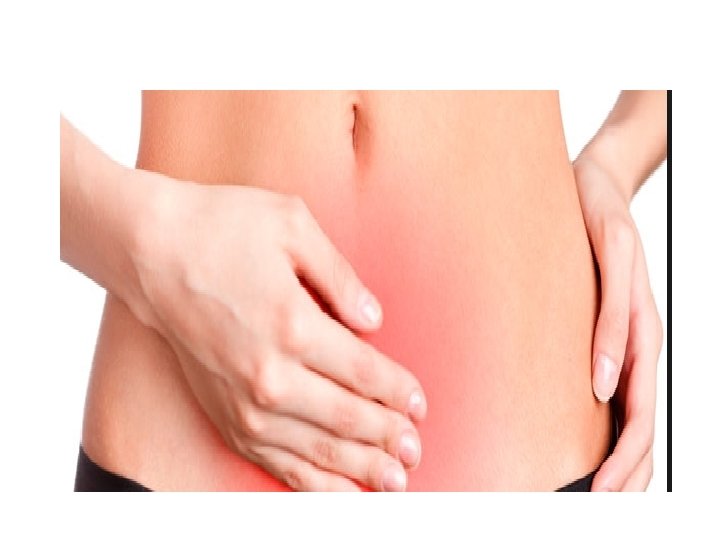
• Constipation: – May be the primary symptom in UC limited to the rectum (proctitis). – Obstipation with no passage of flatus can be seen in cases of bowel obstruction. • • Pain or rectal bleeding with bowel movement Bowel movement urgency Tenesmus Abdominal cramps and pain: – In the right lower quadrant of the abdomen common in CD, or around the umbilicus, in the lower left quadrant in moderate to severe UC. • Nausea and vomiting may occur, but more so in CD than UC.
NB No known dietary or lifestyle changes prevent inflammatory bowel disease (IBD), and no known dietary substances have been consistently shown to cause activation of IBD. v. Tobacco use has been linked to increases in the number and severity of flares of Crohn disease vsmoking cessation can help achieve remission in patients with Crohn disease. v Lactose intolerance is common in persons with Crohn disease or ulcerative colitis and can mimic symptoms of IBD.