
Rheumatic Fever Etiology and Pathogenesis Dr Jomy V







- Slides: 72
Rheumatic Fever Etiology and Pathogenesis Dr Jomy V Jose Senior Resident Department of Cardiology Calicut Medical College
Rheumatic fever represents the chain that binds the heart to the throat. However, the chain of events biochemical and immunological, between streptococcal sore throat and rheumatic fever is still unknown. --- Wannamaker
RF – What’s so Special…? �Rheumatic fever is a non-suppurative complication of Streptococcal infection. �Most common cause of acquired cardiac disease in children & young adults �Rheumatic fever licks at the joints, but bites at the heart. Ernst Charles Lasegue, 1884 �Now classified as a connective tissue or collagen vascular disease.
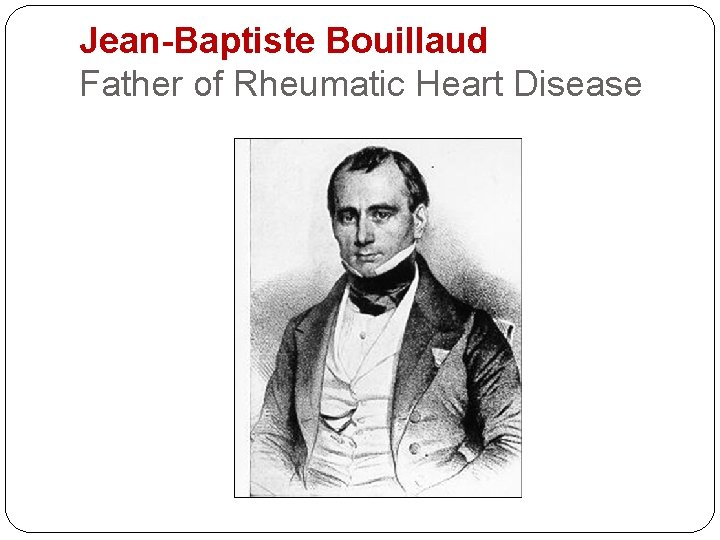
Down the Ages… � Known to exist as early as the 17 th century � Chorea was related to arthritis by Sydenham in 1600 s. � Vieussens - Autopsy of valvular lesions – 1715 � Charles Wells (1812) – Association of rheumatism with carditis and subcutaneous nodules � Jean –Baptiste Bouillaud (1836) – 1 st publication on rheumatic fever (‘Father of rheumatic heart disease’)
Jean-Baptiste Bouillaud Father of Rheumatic Heart Disease
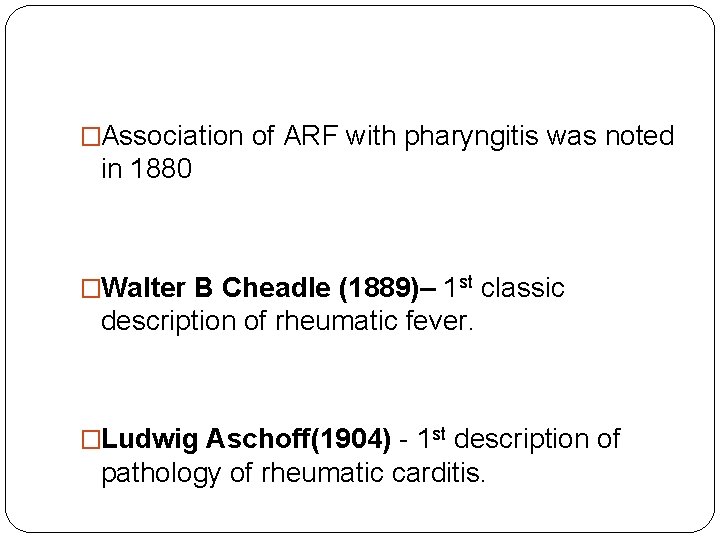
�Association of ARF with pharyngitis was noted in 1880 �Walter B Cheadle (1889)– 1 st classic description of rheumatic fever. �Ludwig Aschoff(1904) - 1 st description of pathology of rheumatic carditis.
Ludwig Aschoff
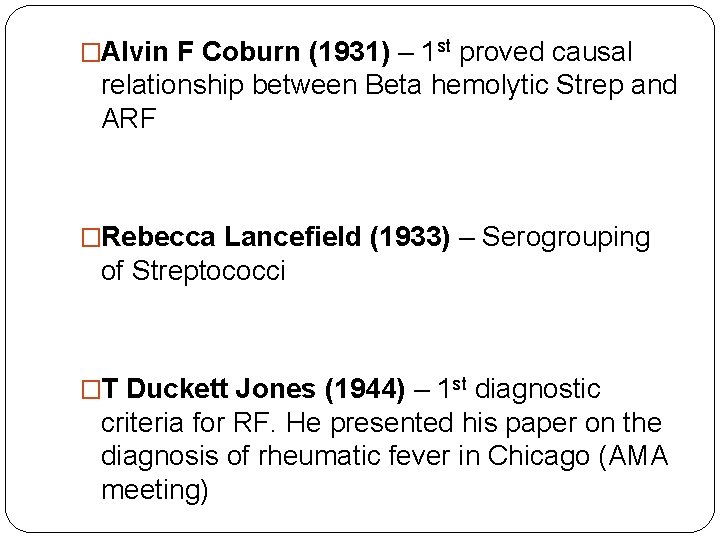
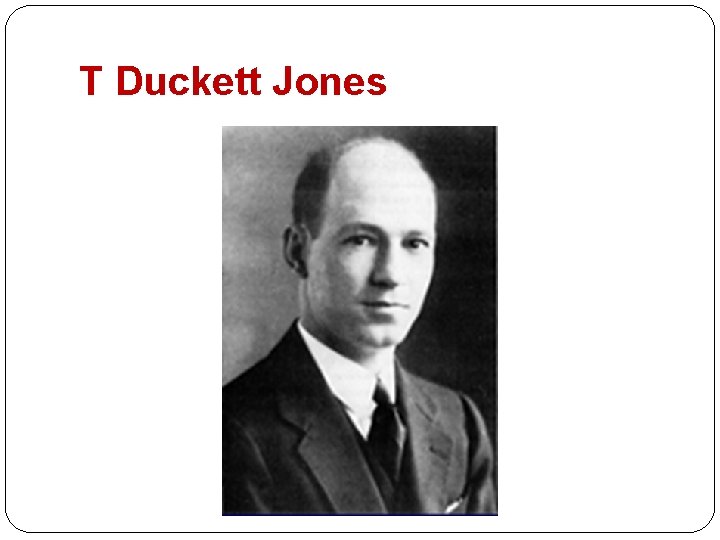
�Alvin F Coburn (1931) – 1 st proved causal relationship between Beta hemolytic Strep and ARF �Rebecca Lancefield (1933) – Serogrouping of Streptococci �T Duckett Jones (1944) – 1 st diagnostic criteria for RF. He presented his paper on the diagnosis of rheumatic fever in Chicago (AMA meeting)
T Duckett Jones
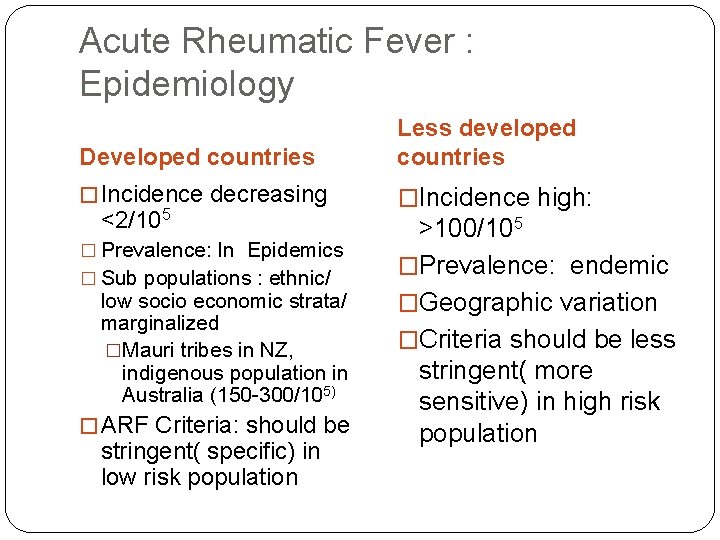
Acute Rheumatic Fever : Epidemiology Developed countries Less developed countries � Incidence decreasing �Incidence high: <2/105 � Prevalence: In Epidemics � Sub populations : ethnic/ low socio economic strata/ marginalized �Mauri tribes in NZ, indigenous population in Australia (150 -300/105) � ARF Criteria: should be stringent( specific) in low risk population >100/105 �Prevalence: endemic �Geographic variation �Criteria should be less stringent( more sensitive) in high risk population
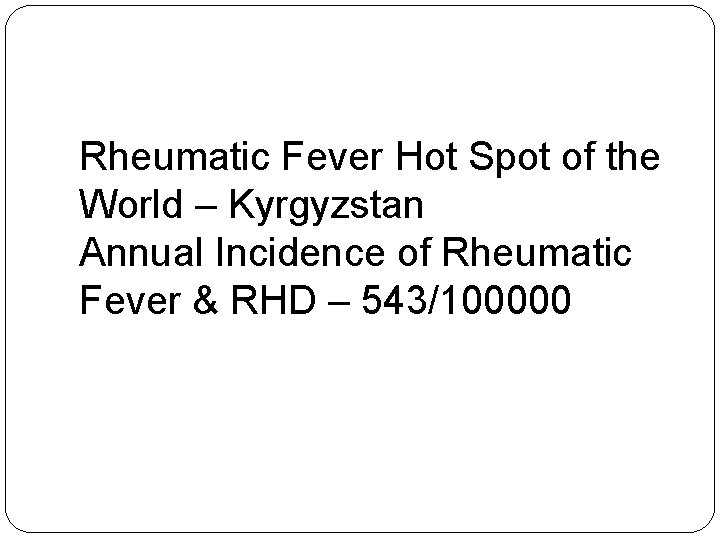
Rheumatic Fever Hot Spot of the World – Kyrgyzstan Annual Incidence of Rheumatic Fever & RHD – 543/100000
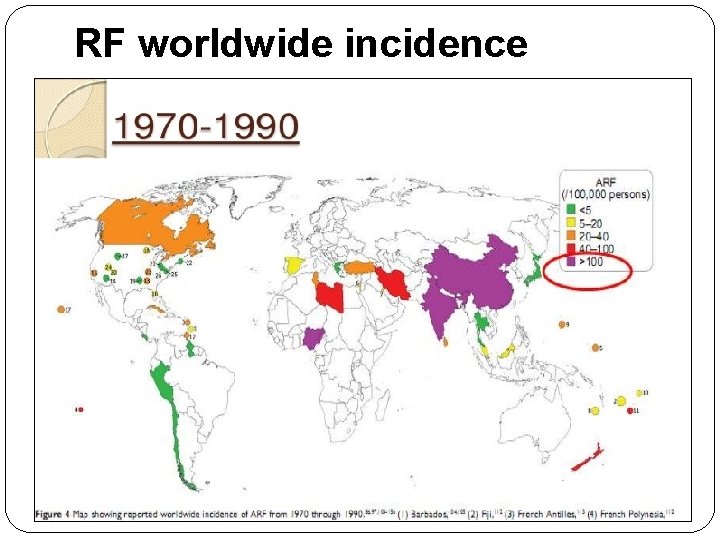
RF worldwide incidence
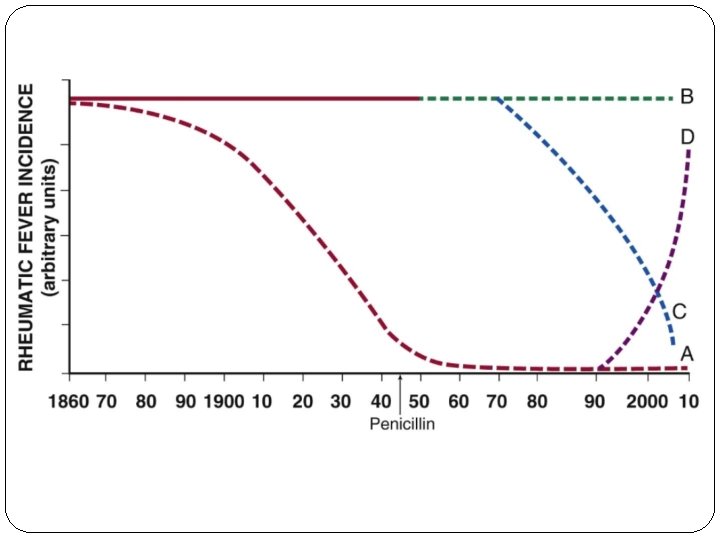
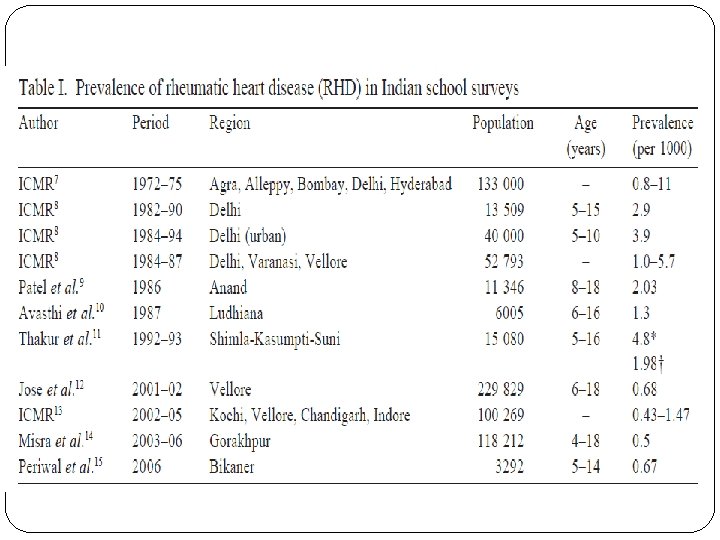
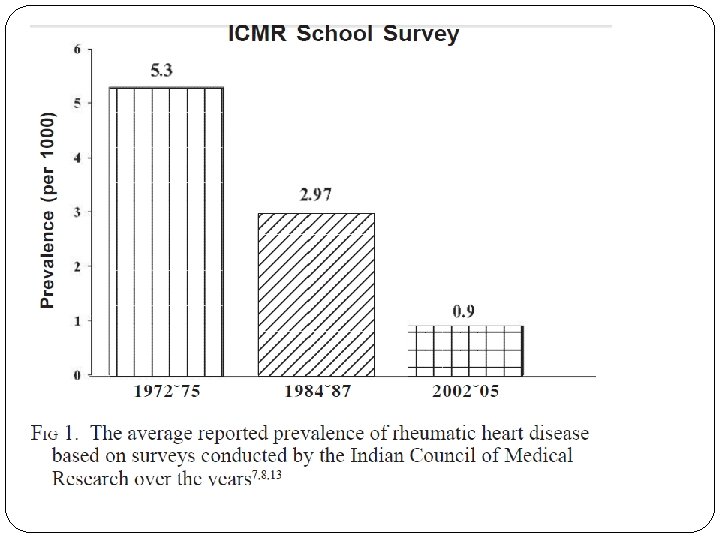
RF worldwide incidence recent trends However recent data from India can not be conclusively relied upon to suggest a definite declining trend, due to the fallacies in epidemiological studies.
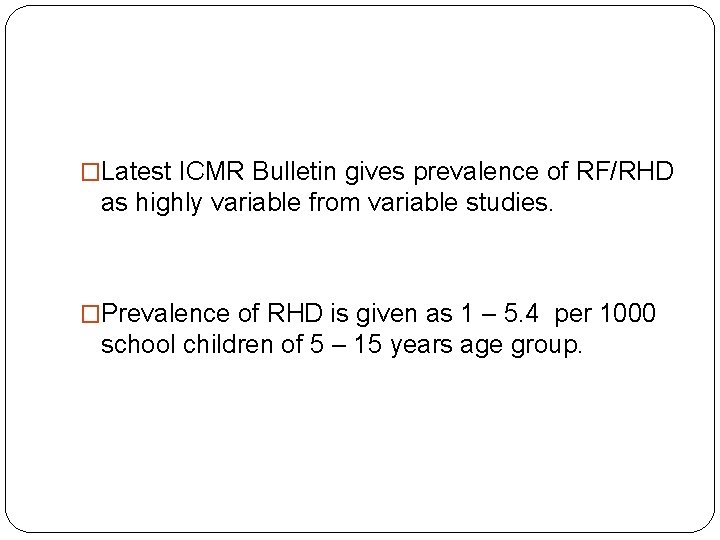
�Latest ICMR Bulletin gives prevalence of RF/RHD as highly variable from variable studies. �Prevalence of RHD is given as 1 – 5. 4 per 1000 school children of 5 – 15 years age group.
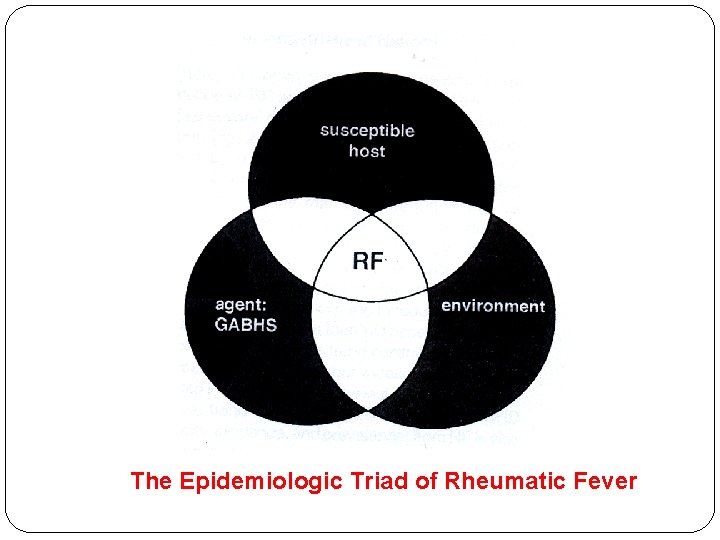
The Epidemiologic Triad of Rheumatic Fever
Group A Beta Hemolytic Streptococci �Humans are the only known natural host and reservoir for GABHS. �Multiple experiments with injections of streptococcal antigens into animals failed to produce RF or RHD. �Stollerman in mid 1960 s noted epidemiological correlation between outbreaks of GAS Upper RTI associated with Speciifc M protein types were followed by outbreaks of RF.
Why only after Pharyngitis and not after Pyodermas…? �RF is exclusively seen after Streptococcal Pharyngitis and not after Streptococcal Skin Infections. �Fact: Mesothelium and endothelium are derived from mesenchymal cells. Mesenchymal cells cover the tonsillar region while Ectodermal cells cover the Skin. �Hypothesis: GAS infection of Pharyngeal mesothelial cells sensitizes the cells in such a way which later manifests as endothelial cell damage of valves and mesothelial cell damage of
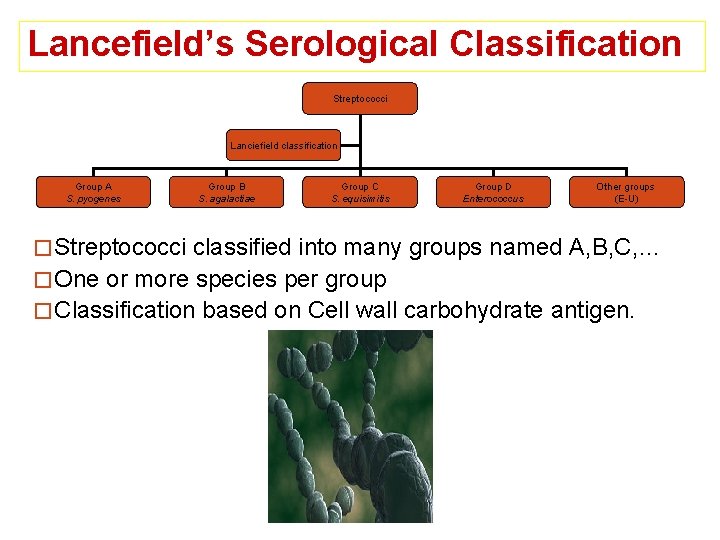
Lancefield’s Serological Classification Streptococci Lanciefield classification Group A S. pyogenes Group B S. agalactiae Group C S. equisimitis Group D Enterococcus Other groups (E-U) � Streptococci classified into many groups named A, B, C, … � One or more species per group � Classification based on Cell wall carbohydrate antigen.
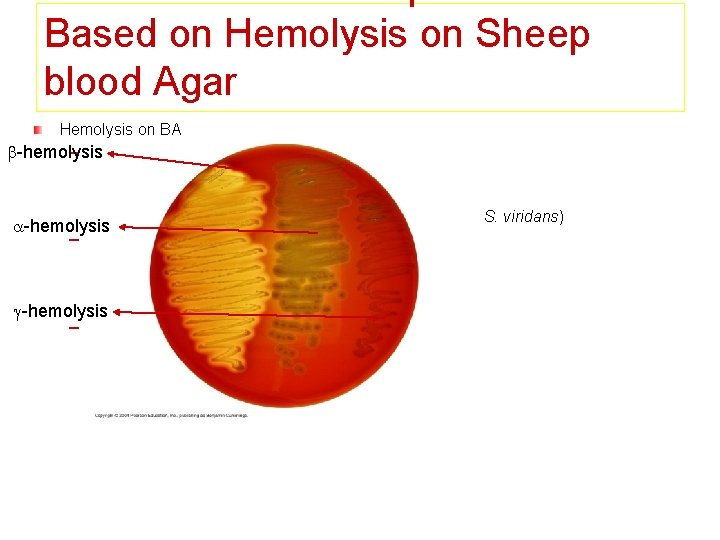
Based on Hemolysis on Sheep blood Agar Hemolysis on BA -hemolysis – -hemolysis Partial hemolysis Green discoloration around the colonies e. g. non-groupable streptococci (S. pneumoniae & S. viridans) -hemolysis – -hemolysis Complete hemolysis Clear zone of hemolysis around the colonies -hemolysis e. g. Group A & B (S. pyogenes & S. agalactiae) – -hemolysis No lysis e. g. Group D (Enterococcus spp)
History of the Thought Process… �Direct infection by Group A Streptococci �Effects of a Streptococcal Toxin especially Streptolysin O. �Antigenic mimicry in association with abnormal immune response.
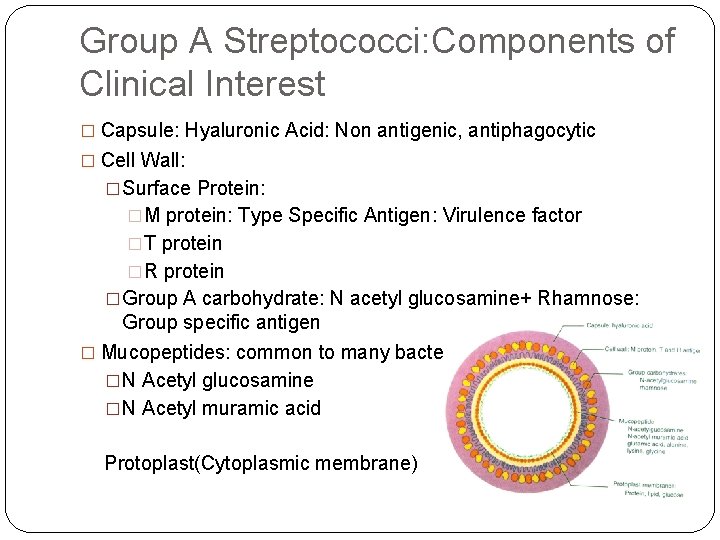
Group A Streptococci: Components of Clinical Interest � Capsule: Hyaluronic Acid: Non antigenic, antiphagocytic � Cell Wall: �Surface Protein: �M protein: Type Specific Antigen: Virulence factor �T protein �R protein �Group A carbohydrate: N acetyl glucosamine+ Rhamnose: Group specific antigen � Mucopeptides: common to many bacteriae �N Acetyl glucosamine �N Acetyl muramic acid Protoplast(Cytoplasmic membrane)
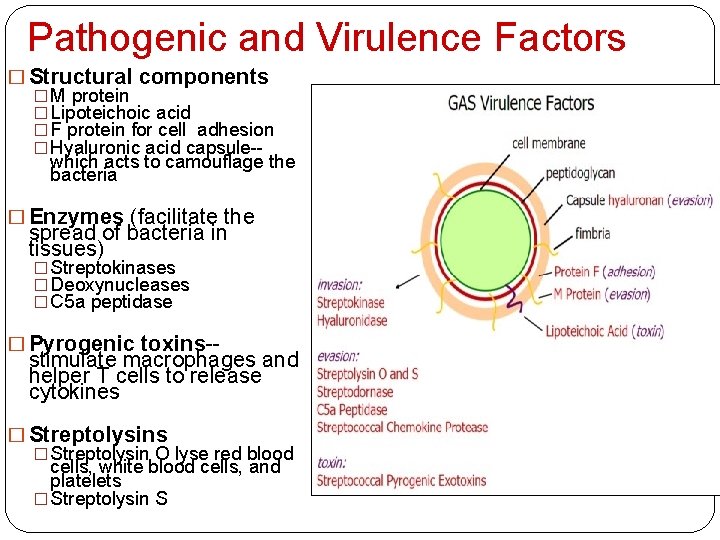
Pathogenic and Virulence Factors � Structural components � M protein � Lipoteichoic acid � F protein for cell adhesion � Hyaluronic acid capsule-which acts to camouflage the bacteria � Enzymes (facilitate the spread of bacteria in tissues) � Streptokinases � Deoxynucleases � C 5 a peptidase � Pyrogenic toxins-- stimulate macrophages and helper T cells to release cytokines � Streptolysin O lyse red blood cells, white blood cells, and platelets � Streptolysin S
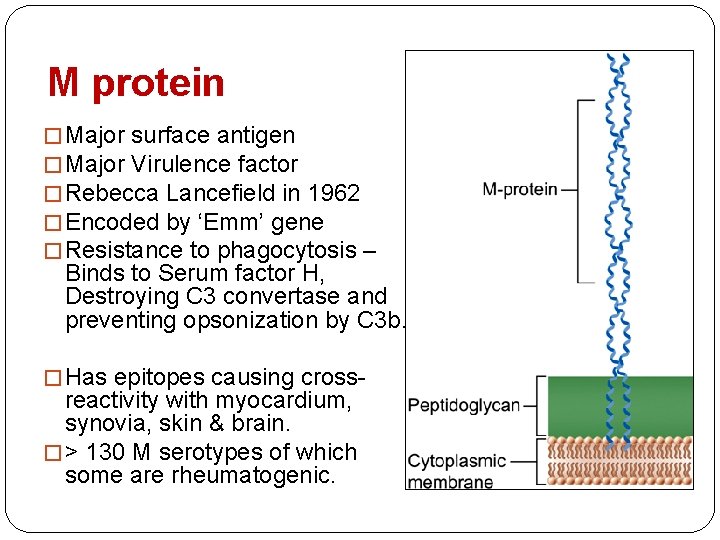
M protein � Major surface antigen � Major Virulence factor � Rebecca Lancefield in 1962 � Encoded by ‘Emm’ gene � Resistance to phagocytosis – Binds to Serum factor H, Destroying C 3 convertase and preventing opsonization by C 3 b. � Has epitopes causing cross- reactivity with myocardium, synovia, skin & brain. � > 130 M serotypes of which some are rheumatogenic.
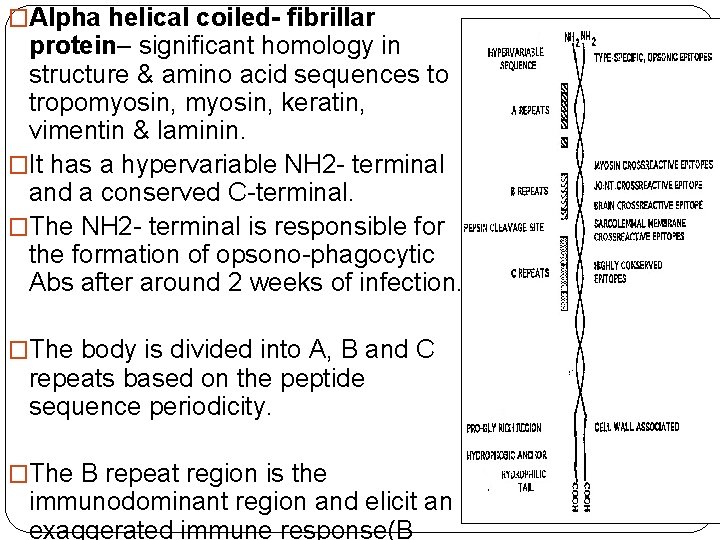
�Alpha helical coiled- fibrillar protein– significant homology in structure & amino acid sequences to tropomyosin, keratin, vimentin & laminin. �It has a hypervariable NH 2 - terminal and a conserved C-terminal. �The NH 2 - terminal is responsible for the formation of opsono-phagocytic Abs after around 2 weeks of infection. �The body is divided into A, B and C repeats based on the peptide sequence periodicity. �The B repeat region is the immunodominant region and elicit an exaggerated immune response(B
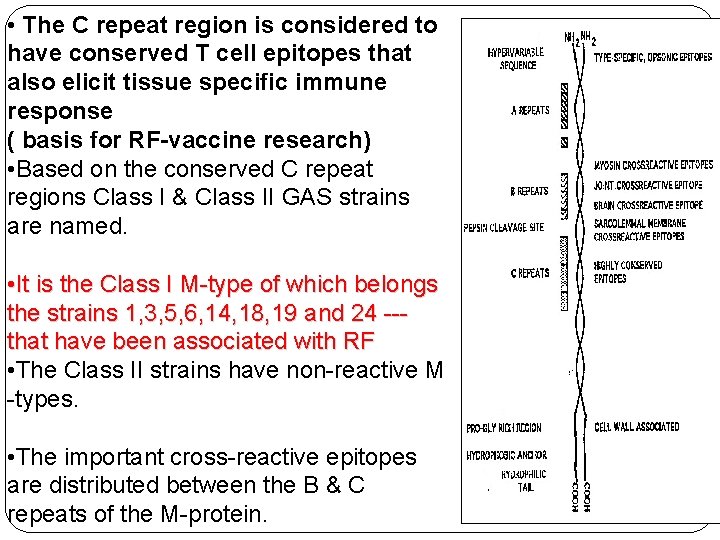
• The C repeat region is considered to have conserved T cell epitopes that also elicit tissue specific immune response ( basis for RF-vaccine research) • Based on the conserved C repeat regions Class I & Class II GAS strains are named. • It is the Class I M-type of which belongs the strains 1, 3, 5, 6, 14, 18, 19 and 24 --that have been associated with RF • The Class II strains have non-reactive M -types. • The important cross-reactive epitopes are distributed between the B & C repeats of the M-protein.
� Cross reactivity of M protein is related to structural as well as sequential homology. � Antiphagocytic properties are cause by specific inhibitory effects on alternative complement pathway (Factor H affinity mediated inhibition) � M protein also promote streptococcal adherence. � M proteins exhibit antigenic variation – causing varying lengths of the amino acid sequence. � This hampers the formation of specific immunity to counter against reinfection from different strains of GAS. � This variation in strains have also hampered the development of a vaccine based on M protein.
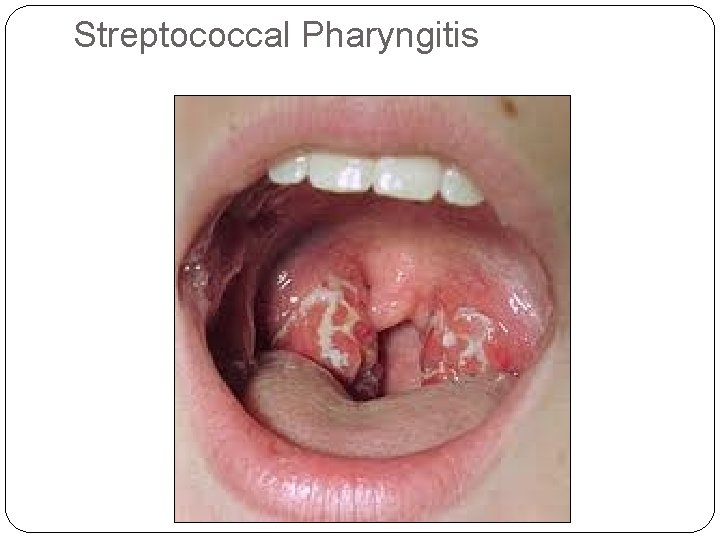
Streptococcal Pharyngitis � ~15 -20% of pharyngitis in children 5 - 15 years. � Most common is Group A – ~60% especially in temperate countries � Group C and G also form a good majority in tropical countries (not related RF) � Carrier state does not mean infection and is not clinically relevant ( maybe epidemiologically relevant) � Infection itself maybe asymptomatic in up to 30 -50% cases of RF. � Infection is defined as a rising trend in antibody titres � Secondary infection is primarily determined by socioeconomic and environmental factors.
Streptococcal Pharyngitis
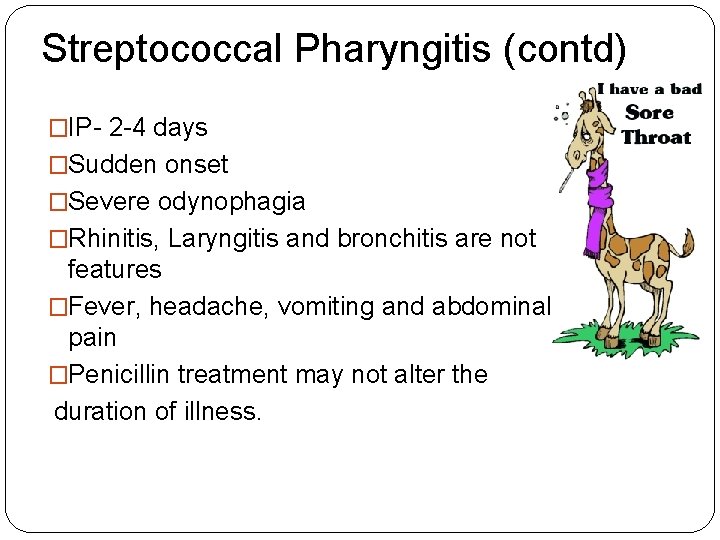
Streptococcal Pharyngitis (contd) �IP- 2 -4 days �Sudden onset �Severe odynophagia �Rhinitis, Laryngitis and bronchitis are not features �Fever, headache, vomiting and abdominal pain �Penicillin treatment may not alter the duration of illness.
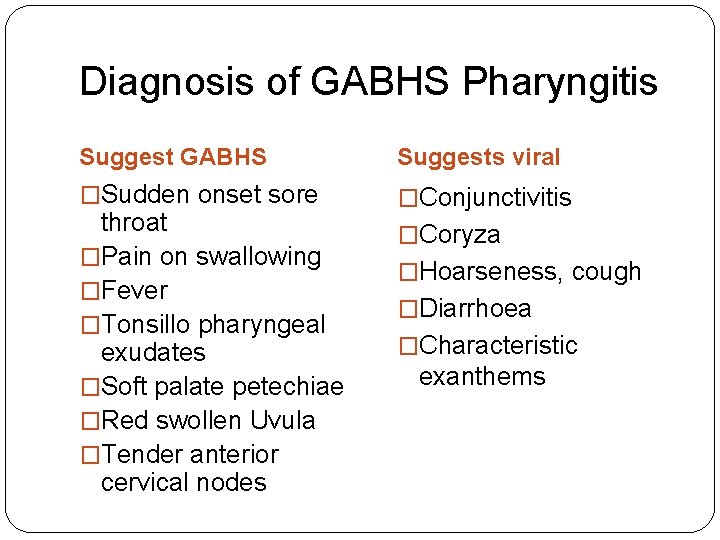
Diagnosis of GABHS Pharyngitis Suggest GABHS Suggests viral �Sudden onset sore �Conjunctivitis throat �Pain on swallowing �Fever �Tonsillo pharyngeal exudates �Soft palate petechiae �Red swollen Uvula �Tender anterior cervical nodes �Coryza �Hoarseness, cough �Diarrhoea �Characteristic exanthems
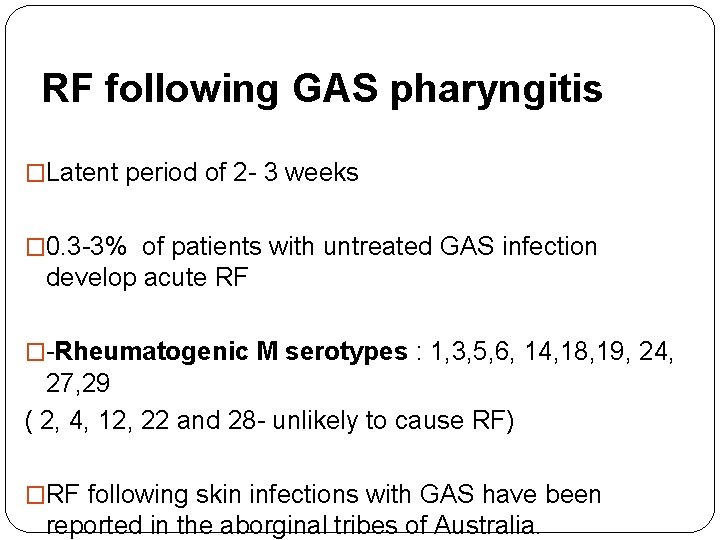
RF following GAS pharyngitis �Latent period of 2 - 3 weeks � 0. 3 -3% of patients with untreated GAS infection develop acute RF �-Rheumatogenic M serotypes : 1, 3, 5, 6, 14, 18, 19, 24, 27, 29 ( 2, 4, 12, 22 and 28 - unlikely to cause RF) �RF following skin infections with GAS have been reported in the aborginal tribes of Australia.
The Environment
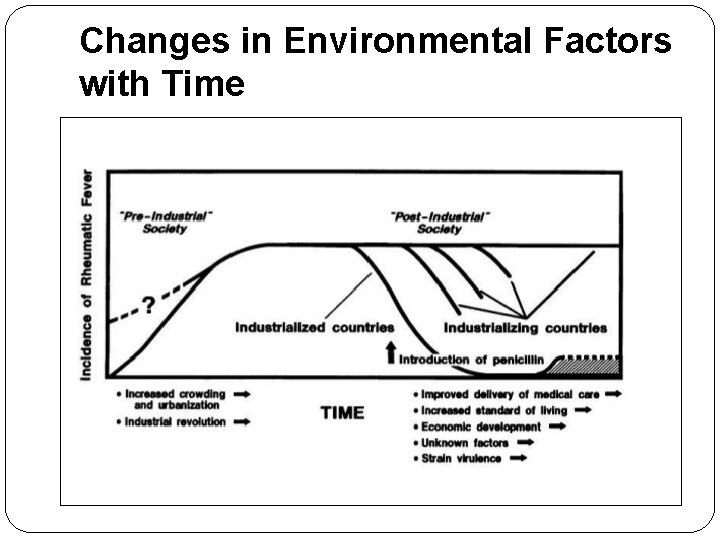
Environment �Overcrowding �Poverty �Poor nutrition �Poor hygiene �Poor access to health care �Rapid spread �Lack of primary prevention �Lack of secondary prevention
Changes in Environmental Factors with Time
The Host
What’s wrong with the Host…? � Cheadle (1889) reported that chance of having RF in an individual with family history of previous RF is 5 times compared to others. � The lifetime cumulative incidence of RF in populations exposed to rheumatogenic GAS infections is constant at 3 to 6 % regardless of geography or ethnicity. (Braunwald) � A 2011 metanalysis that quantitated the genetic susceptibility of RF it was found that the concordance in monozygotic twins was 44% and in dizygotic twins 12% and the overall estimated heritability was 60% (Engel et al. Genetic Susceptibility to Acute Rheumatic Fever: A Systematic Review and Meta-Analysis of Twin Studies. Plos-one, 2011. ) �Risk of Rheumatic fever is increased 6 times when one twin is affected in Monozygotic twins
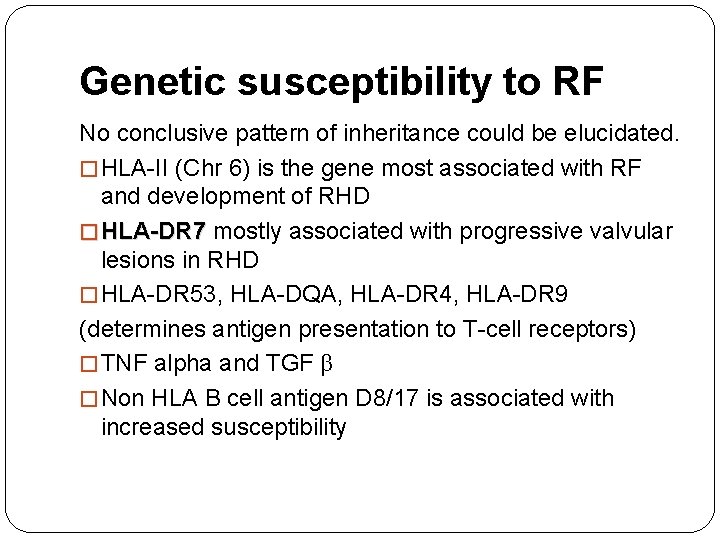
Genetic susceptibility to RF No conclusive pattern of inheritance could be elucidated. � HLA-II (Chr 6) is the gene most associated with RF and development of RHD � HLA-DR 7 mostly associated with progressive valvular lesions in RHD � HLA-DR 53, HLA-DQA, HLA-DR 4, HLA-DR 9 (determines antigen presentation to T-cell receptors) � TNF alpha and TGF β � Non HLA B cell antigen D 8/17 is associated with increased susceptibility
Others �Components of Adaptive Immune Response CTLA 4 in addition to HLA II �Components of Innate Immune Response: Ficolin 2 Mannose binding Lectin 2 Receptor for Fc Fragments of Ig. G Toll Like Receptor 2 �Cytokine Genes TNF α and TGF β, IL 1 receptor A, IL – 10 �B cell alloantigens
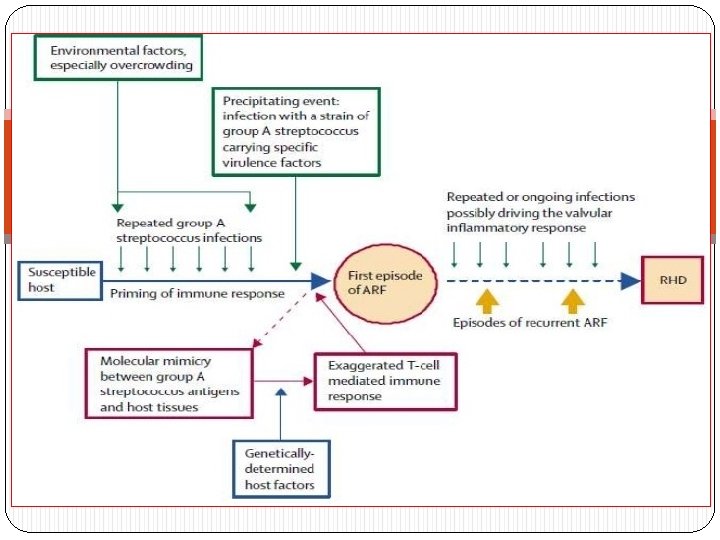
HOST RESPONSE - IMMUNITY � The exact immune reaction that occurs to a preceding GAS infection is yet to be elucidated. � However there have been several postulates of which “MOLECULAR MIMICRY” is presently considered to be involved. � Stollerman et al (1960) 1 st noted the relation between RF and certain rheumatogenic M-type strains of GAS infection. � Kaplan et al(1965) was the first to postulate molecular mimicry as the cause of RF by demonstrating Igs and complement bound to cardiac tissue (in the absence of bacteria) following streptococcal infection.
MOLECULAR MIMICRY �Sharing of epitopes between host tissue and bacterial antigens” - Antibody (B cell) mediated: 1) Recognition of aminoacid sequences 2) Recognition of homologous non-identical amino acid sequences 3) Recognition of epitopes on different molecules - Cell mediated (T cell) : 1) By antigen presentation to TCR 2) Epitope spreading (i. e T cells recognize epitopes in other proteins with equal or more priority than the original bacterial epitope)
Antibody Mediated Injury § Antibodies and complement mediated injury were conclusively demonstrated in cardiac tissues by 1970. § Earlier studies pointed towards ? M protein and group A carbohydrate (N-acetyl glucosamine) as the antigens. § Preliminary studies using monoclonal Abs suggested ? myosin as the dominant autoantigen. § Other autoantigens against which mimicry was identified were vimentin, tropomyosin, keratin and laminin. (Laminin is secreted by endothelial cells and lines the heart valves) � Gln-Lys-Ser-Lys-Gln was identified as an epitope on the M protein which cross reacted with Abs in the sera.
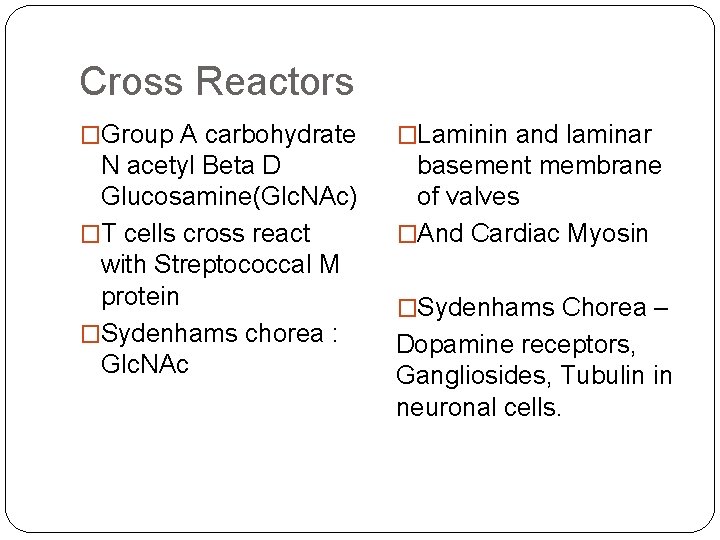
Cross Reactors �Group A carbohydrate �Laminin and laminar N acetyl Beta D Glucosamine(Glc. NAc) �T cells cross react with Streptococcal M protein �Sydenhams chorea : Glc. NAc basement membrane of valves �And Cardiac Myosin �Sydenhams Chorea – Dopamine receptors, Gangliosides, Tubulin in neuronal cells.
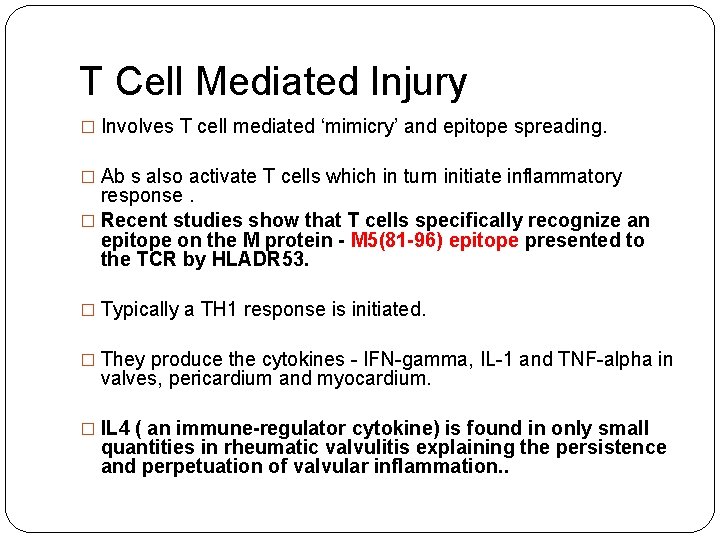
T Cell Mediated Injury � Involves T cell mediated ‘mimicry’ and epitope spreading. � Ab s also activate T cells which in turn initiate inflammatory response. � Recent studies show that T cells specifically recognize an epitope on the M protein - M 5(81 -96) epitope presented to the TCR by HLADR 53. � Typically a TH 1 response is initiated. � They produce the cytokines - IFN-gamma, IL-1 and TNF-alpha in valves, pericardium and myocardium. � IL 4 ( an immune-regulator cytokine) is found in only small quantities in rheumatic valvulitis explaining the persistence and perpetuation of valvular inflammation. .
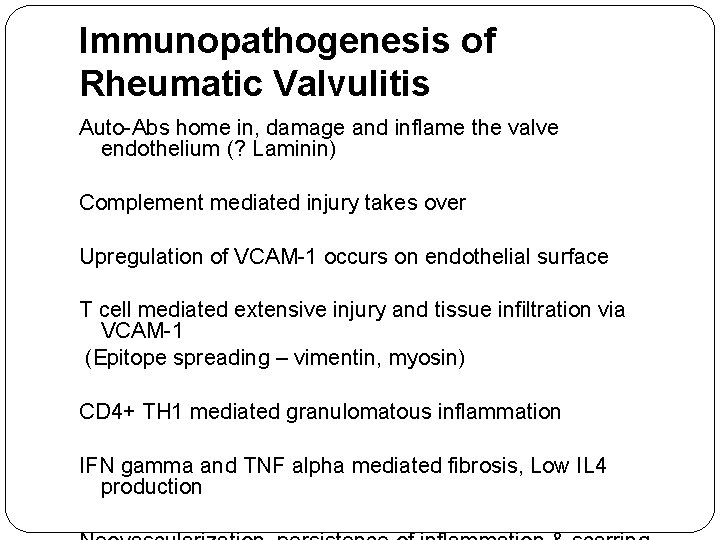
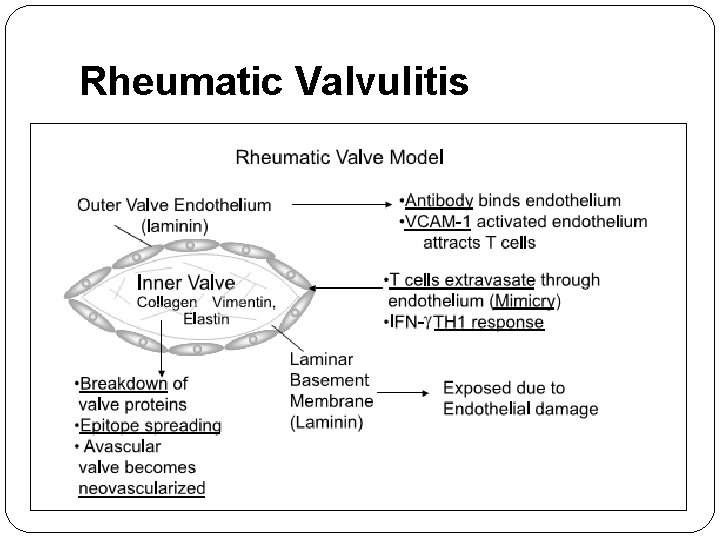
Immunopathogenesis of Rheumatic Valvulitis Auto-Abs home in, damage and inflame the valve endothelium (? Laminin) Complement mediated injury takes over Upregulation of VCAM-1 occurs on endothelial surface T cell mediated extensive injury and tissue infiltration via VCAM-1 (Epitope spreading – vimentin, myosin) CD 4+ TH 1 mediated granulomatous inflammation IFN gamma and TNF alpha mediated fibrosis, Low IL 4 production
Rheumatic Valvulitis
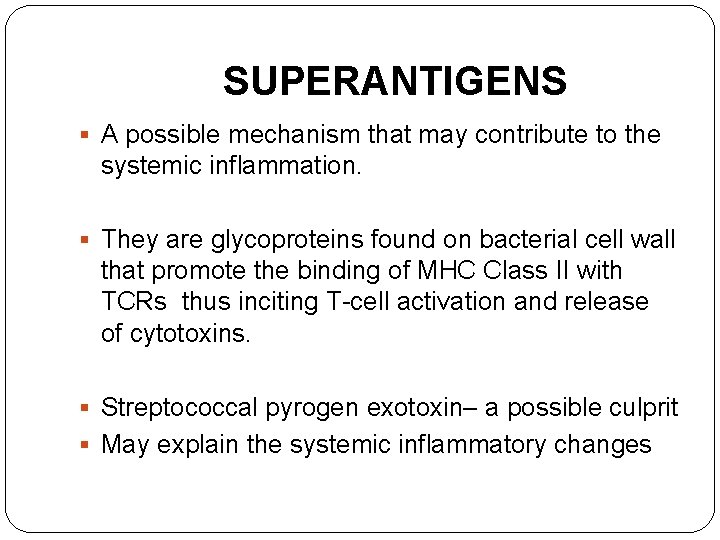
SUPERANTIGENS § A possible mechanism that may contribute to the systemic inflammation. § They are glycoproteins found on bacterial cell wall that promote the binding of MHC Class II with TCRs thus inciting T-cell activation and release of cytotoxins. § Streptococcal pyrogen exotoxin– a possible culprit § May explain the systemic inflammatory changes
Alternative Hypothesis � An M protein N-terminal domain has been noted to bind to the CB 3 region of Collagen type IV. � This seems to direct an antibody and immune response against collagen and surrounding ground tissue. � These Abs do not bind to the M protein thus refuting the “Molecular Mimicry” theory � This is somewhat similar to the collagen related inflammation seen in Alports syndrome & Goodpastures syndrome. Rajendra Tandon et al. Revisiting the pathogenesisof rheumatic fever and carditis. Nat Rev Cardio, Mar 2013.
PATHOLOGY �The inflammatory process causes damage to collagen fibrils and connective tissue ground substance (fibrinoid degeneration). �Classified as connective tissue or collagen vascular disease. �There is additional generalized vasculitis-like inflammation throughout the body.
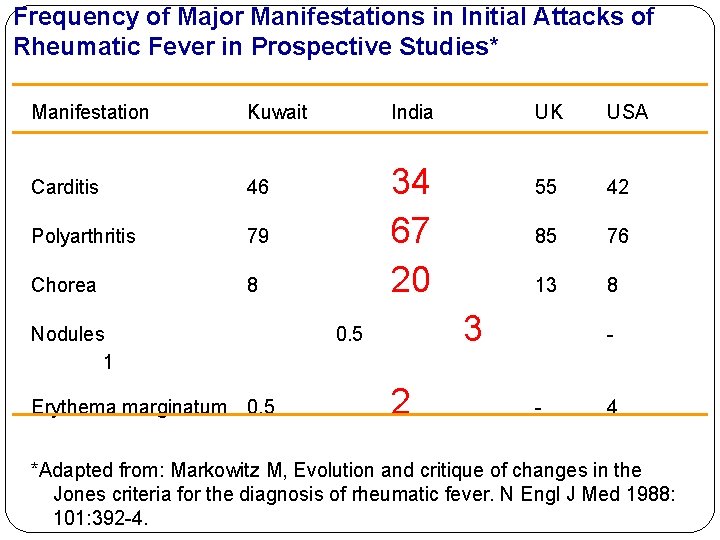
Frequency of Major Manifestations in Initial Attacks of Rheumatic Fever in Prospective Studies* Manifestation Kuwait Carditis 46 Polyarthritis 79 Chorea 8 Nodules 1 Erythema marginatum 0. 5 India 34 67 20 UK USA 55 42 85 76 13 8 3 0. 5 2 - - 4 *Adapted from: Markowitz M, Evolution and critique of changes in the Jones criteria for the diagnosis of rheumatic fever. N Engl J Med 1988: 101: 392 -4.
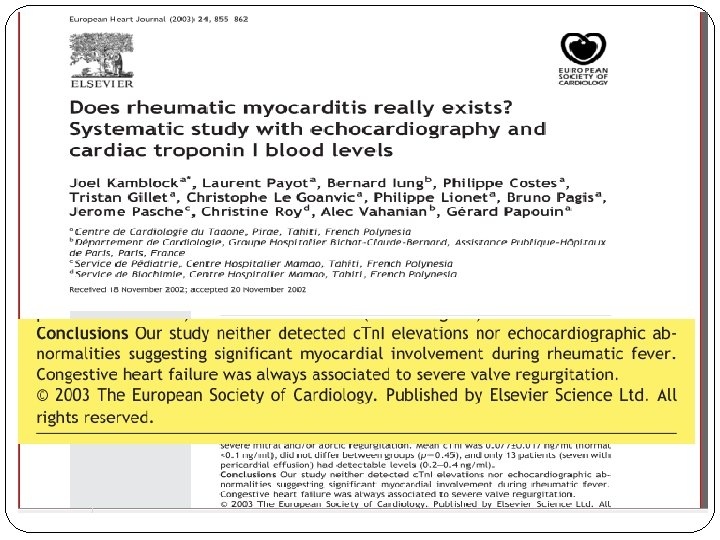
CARDITIS § Inflammation of sub-epicardial, sub-endocardial and perivascular connective tissue. § Characterized by ASCHOFF BODY (Hallmark of Rheumatic Carditis) They may be found in endocardium, myocardium & pericardium � Myocarditis in Rheumatic Fever …. A Myth…? 1. Normal or non significant serial levels of CK – MB, Myoglobin, Troponin I 2. Heart failure due to Valvular pathology than actual Myocyte dysfunction 3. Poor staining of myocardium with Indium 111 labelled Antimyosin
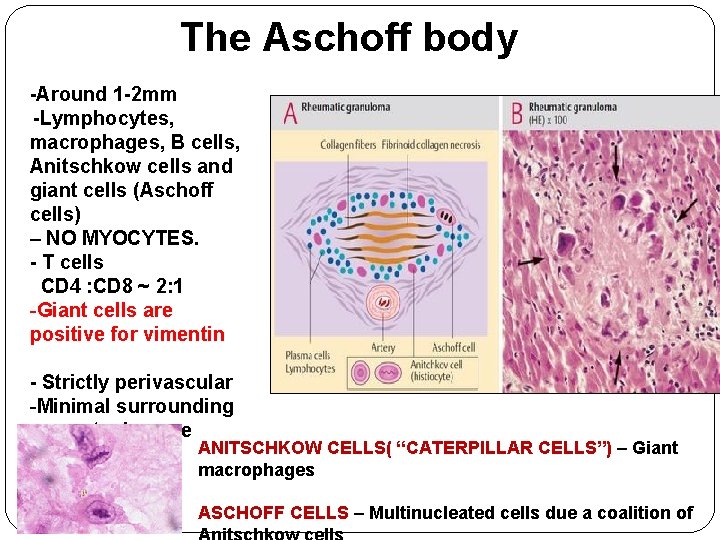
The Aschoff body -Around 1 -2 mm -Lymphocytes, macrophages, B cells, Anitschkow cells and giant cells (Aschoff cells) – NO MYOCYTES. - T cells CD 4 : CD 8 ~ 2: 1 -Giant cells are positive for vimentin - Strictly perivascular -Minimal surrounding myocyte damage ANITSCHKOW CELLS( “CATERPILLAR CELLS”) – Giant macrophages ASCHOFF CELLS – Multinucleated cells due a coalition of
� The Aschoff body itself goes through several stages of evolution Fibrinoid/Exudative stage (2 -3 weeks) Granuloma/Proliferative stage(1 -6 months) Perivascular scarring � More common in younger people. � Although demonstrated as early as 2 nd week from onset of RF, Aschoff bodies can be present chronically without e/o carditis. � The finding of Aschoff bodies in several phases of evolution in postmortem studies have suggested recurrent attacks of ‘rheumatic fever’ as the cause of RHD. � Anitsckow cells are seen normally in heart but are increased in Aschoff bodies.
� Immunopathologically, antistreptococcal Abs are seen to bind to valvular interstitial cells(VICs) and subendothelial elastin fibrils � The valves structurally consists of a central connective tissue core covered on both sides by the endothelium. Inflammation of valve endothelium extends to the central core connective tissue and is associated with neo-vascularization. � Humoral response and inflammation (exudative phase) is followed by a cellular response and later fibrosis (proliferative phase) � Permanent valvular damage is probably due to scarring of the central thin core of connective tissue. (unlike the other tissue endothelial involvement which heals quickly without scarring) � Present data suggest that Valve Interstitial Cells(VICs) and Vimentin may be the specific
Mechanisms of Valve Involvement (Acute) �Inflammatory Valvulitis Verrucous vegetations and mild thickening without much fusion. �Annular Dysfunction/dilatation Patients with severe MR have marked annular dilatation, chordal elongation and anterior mitral leaflet prolapse. AR can be associated with aortic valve prolapse. v Functional impairment more likely than structural impairment. v Mechanism of Heart failure: Severe MR and not
Mechanisms of Valve Involvement (Chronic) �Result of repeated attacks of rheumatic carditis. �There is post inflammatory degenerative and fibrotic changes. �This results in shortening, rigidity, deformity and retraction of leaflets, some commisural fusion and fibrotic changes in chordae and papillary muscles often some associated mitral stenosis. � Commissural fusion occurs due to repeated valve- angle inflammation
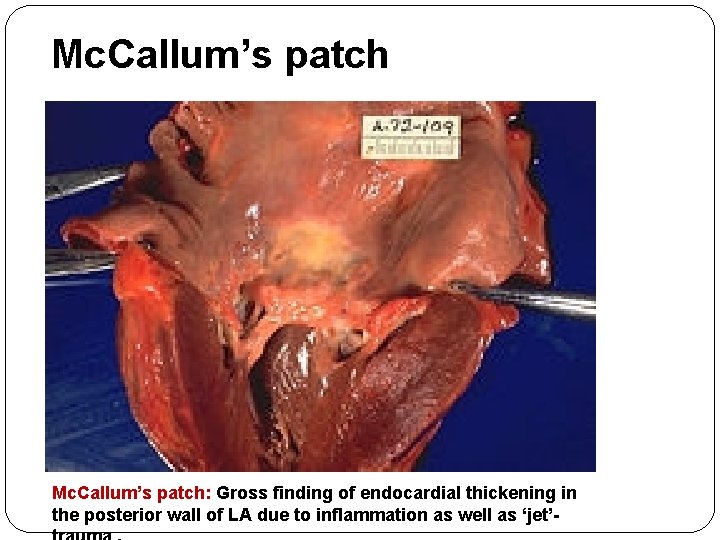
Mc. Callum’s patch: Gross finding of endocardial thickening in the posterior wall of LA due to inflammation as well as ‘jet’-
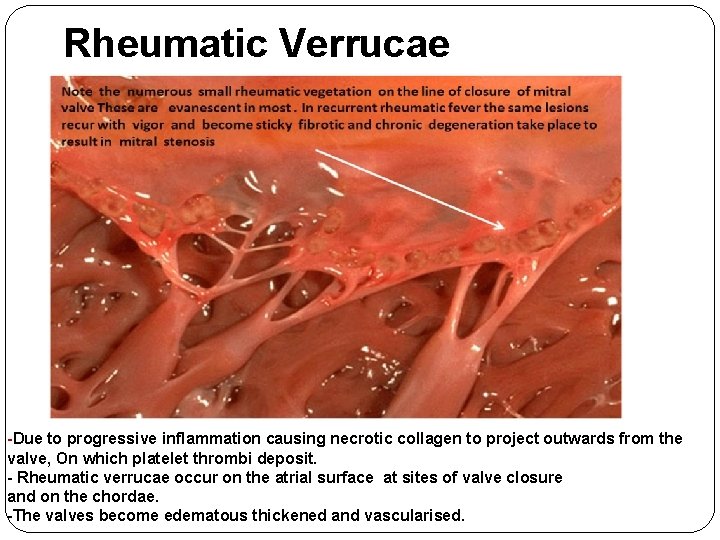
Rheumatic Verrucae -Due to progressive inflammation causing necrotic collagen to project outwards from the valve, On which platelet thrombi deposit. - Rheumatic verrucae occur on the atrial surface at sites of valve closure and on the chordae. -The valves become edematous thickened and vascularised.
�Fibrinous pericarditis (“Bread & butter” ) is present microscopically in 100% patients -- no residual damage. �Inflammation and fibrinoid necrosis of coronary arteries was also noted in a/c RF, similar to pathology of PAN. �Rheumatic aortitis predominantly involved the aortic adventitia – no clinical significance �Similar vascular inflammation has been noted systemically.
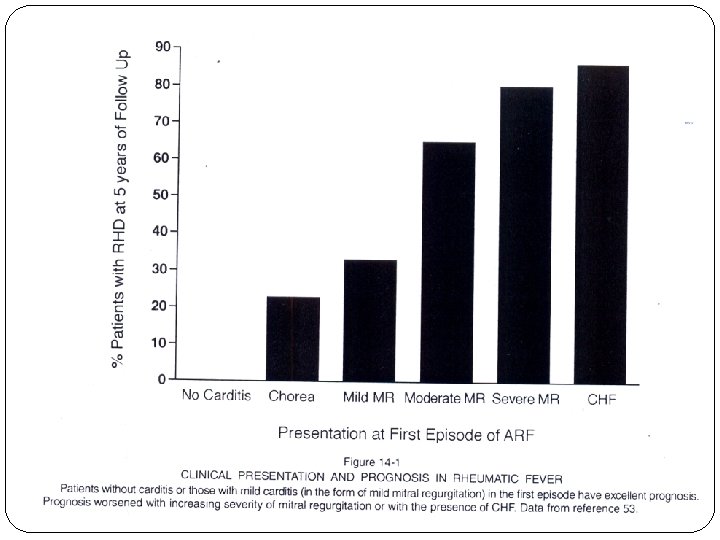
Natural History of Carditis � As high as 70% of MR in the initial attack but can disappear clinically over a period of time. � JUVENILE MS – in young people [<20 years] In India 23% and in the west 5% The latent period in west is 5 -10 years, in India is as short as 1 -3 years. � AR : Overall incidence : 50% Isolated : < 10%. – rare � AS-If AS is present with MV involvement rheumatic. AS below 20 years – 12% rheumatic � TV : rare, organic TR/TS can be found in 5 -8% � PV: involvement is very rare: < 1%
CNS - Chorea § Disseminated meningoencephalitis affecting basal ganglia, caudate nucleus, putamen, internal capsule and cerebellum § Obliterative endarteritis of cerebral and meningeal small vessels § Perivascular inflammation and petechial haemorrhage § Grossly normal brain tissue
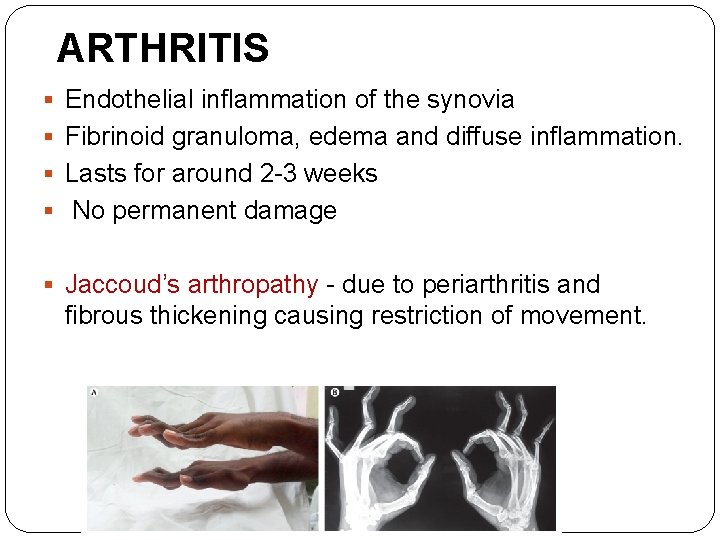
ARTHRITIS § Endothelial inflammation of the synovia § Fibrinoid granuloma, edema and diffuse inflammation. § Lasts for around 2 -3 weeks § No permanent damage § Jaccoud’s arthropathy - due to periarthritis and fibrous thickening causing restriction of movement.
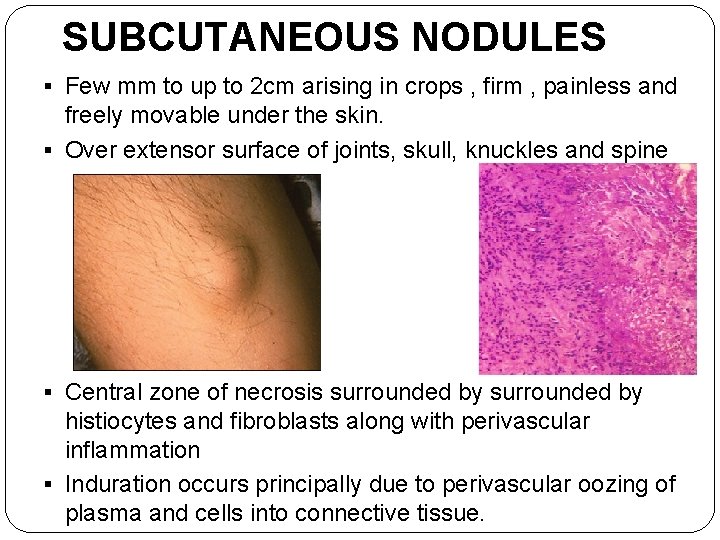
SUBCUTANEOUS NODULES § Few mm to up to 2 cm arising in crops , firm , painless and freely movable under the skin. § Over extensor surface of joints, skull, knuckles and spine § Central zone of necrosis surrounded by histiocytes and fibroblasts along with perivascular inflammation § Induration occurs principally due to perivascular oozing of plasma and cells into connective tissue.
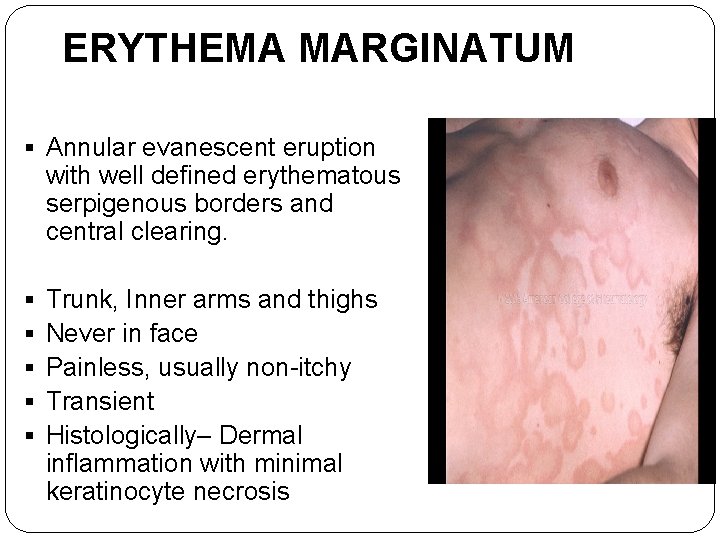
ERYTHEMA MARGINATUM § Annular evanescent eruption with well defined erythematous serpigenous borders and central clearing. § § § Trunk, Inner arms and thighs Never in face Painless, usually non-itchy Transient Histologically– Dermal inflammation with minimal keratinocyte necrosis
Thank You &