
Rewiring the Addicted Brain An EMDRBased Treatment Model
Rewiring the Addicted Brain An EMDR-Based Treatment Model For Overcoming Addictive Disorders Laurel Parnell, Ph. D. www. parnellemdr. com
Melanie’s Story • Challenging old assumptions • The connection between trauma, affect regulation and addiction
Addictive Process: Impairment In Three Functional Systems (Goodman, A 2008) • 1. affect regulation • 2. motivation-reward • 3. behavioral inhibition
If we can focus our treatment on these three areas, using EMDR-related techniques to help increase affect regulation, support motivation, and increase control over dysfunctional behaviors, we may be better able to break the addiction cycle and support our clients in a life free of addictions.
The approach outlined in this workshop addresses these areas integrating methods from Attachment-focused EMDR, (Parnell, 2013), Resource Tapping™(Parnell, 2008) and a new technique Connecting the Consequences™ into treatment.
A Holistic Approach to Addiction Treatment • • • *compassionate *spiritual *brain-wise *resource-based *trauma-informed *attachment-focused
There is no one size fits all for treatment of addictions and dysfunctional behavior
Learning Theory • Classical Conditioning • Operant Conditioning

Classical Conditioning • Learning by paired associations • Pavlov’s dogs
Operant Conditioning • If a reward or reinforcement follows the response to a stimulus, then the response becomes more probable in the future.
Hebb’s Law • “neurons that fire together wire together”. • According to Hebb, every experience, thought, feeling, and physical sensation triggers thousands of neurons, which form a neural network. • The more frequently these things are activated together, the more likely they are to form neural circuits.

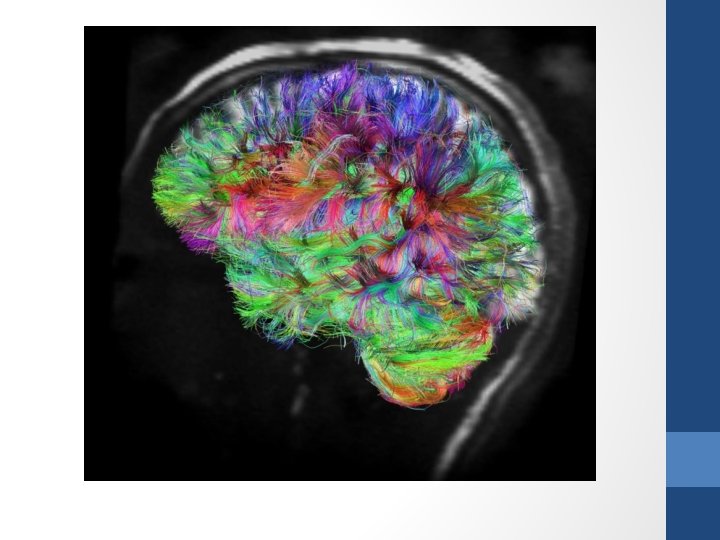
Neural circuits
• When we think of addiction as neural circuitry firing in a particular pattern, we can begin to design ways to change the circuitry.
Question? • How can we access, light up, and link in new ways to feel and behave? • How can we link the part of the person that possesses plentiful health-promoting information and resources to the part that maintains patterns of addiction?
Possible Solutions: • EMDR to reprocess the traumas that are driving the behavior • Resource Tapping to link new, healthy resources and behavioral responses to the dysfunctional circuitry that perpetuates addictive patterns.
Definitions: • • EMDR Resource Tapping, or Resource Installation Bilateral Stimulation Attachment-focused EMDR
Four Part Model • Develop and integrate resources and increase resilience • Reprocess traumas with EMDR • Defuse and deactivate urges and triggers • Connect the Consequences
Resources • Education • Support (12 -step, community, sponsor etc. ) • Balance (Sleep, health, detox, nutrition, exercise, medication, mindfulness, meditation) • Inner resources
Resource Tapping • • Definition How to tap in resources Building resilience Linking up healthy resources
Tools for Affect Regulation • The four foundational resources • • Peaceful place Nurturing figures Protector figures Wise figures • Tools for managing anxiety • Repairing developmental deficits • Resources to lift the spirit: antidotes for depression and depletion
The Four Foundational Resources • Safe/peaceful place • Nurturing Figures • Protector Figures • Wise Figures
Tapping in foundational resources serves to: • Provide information to therapist about clients’ resilience and strengths, as well as areas that need more strengthening. • Provide a kind of safety net for trauma processing work, helping to hold it with a structure and foundation. • Strengthen and empower clients. • Rewire the nervous system, linking up resources with clients’ neural circuitry so they have access to them. • Broaden clients’ sense of themselves and their capacities.
Tapping in foundational resources serves to: • Heal attachment trauma by linking in nurturing and protector figures who can help heal these early wounds. • Increase self-esteem by helping clients discover the good, healthy parts of themselves. • Provide a self-help technique for managing emotions, calming anxiety, and facilitating sleep.
Peaceful place • This resource will support clients in finding imagery that will serve to calm them down and create an internal, alwayspresent refuge from their active minds and agitated bodies. • Whetherapist/counselor calls this place “calm, ” “sacred, ” or “happy, ” it should produce the same desired effect. • In my own practice, I have stopped using “safe place. ” I’ve found that the word “safe” can trigger associations of its opposite in people with trauma histories.
Peaceful Place • • Can use art to enhance Sacred place or sanctuary Conflict-free image (Phillips) Positive memories The heart as a safe refuge Safe place in the body Images from nature
Alternatives to peaceful place • Sacred place • Happy place • Healthy activity • Some people with PTSD may not feel safe letting their guards down. Relaxing may actually make them feel unsafe. For these clients imagining doing an activity they enjoy that is empowering may be preferable. • Adding a protective barrier or shield

Peaceful place
Nurturing Figures Real or imagined Someone the client knows From the past and/or present Someone from a movie or book Nurturing adult self Animals Spiritual figures Ideal mother Helpful for reducing anxiety and mending attachment injuries • They don’t have to imagine themselves receiving nurturing • • •

Nurturing figure
Protector Figures • Real or imagined • Someone the client knows • From the past and/or present • Someone from a movie or book • Animals • Protective adult self • Spiritual figures • Circle of protection • You may want to start with protectors if clients don’t feel safe being vulnerable

Protector Figure
Circle of Protection (From Tapping In) • Bring in all their allies for protection • Feel them surrounded by their protectors • Take in the feeling and imagery of protection and tap it in.
Wise Figures • Real or imagined • Someone the client knows • From the past and/or present • Someone from a movie or book • Inner sponsor, inner mentor • Animals • Inner advisor or inner wisdom figure (See Tapping In Parnell, L) • Higher power
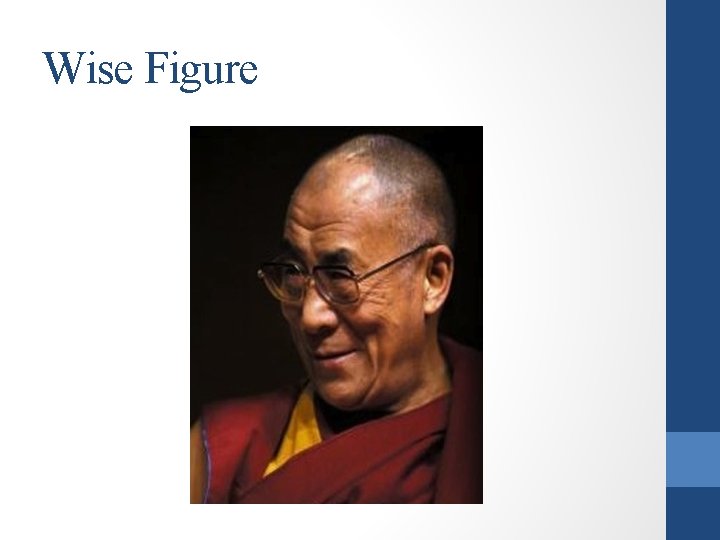
Wise Figure
Inner support team • • Imagine all of the resources together They might think of them rather than try to visualize They can get the feeling of the team They might imagine themselves surrounded and supported by their team.
Anxiety and addictions • Many people with anxiety disorders turn to alcohol or other substances for relief of their symptoms. These people are two to three times more likely than the general population to have an alcohol or other substance abuse disorder at some point in their lives. • About 20 percent of Americans with an anxiety or other mood disorder, such as depression, also have an alcohol or other substance use disorder. • About 20 percent of those with an alcohol or substance use disorder also have an anxiety or mood disorder
Anxiety and addictions • Many adolescents begin to abuse alcohol as a way of managing social anxiety, especially when this anxiety becomes a disorder severe enough to lead to unhealthy isolation. • People who come from unstable families and lacked secure attachment may experience generalized anxiety. • Many clients suffering from post- traumatic stress disorder (PTSD) experience major anxiety and have a difficult time regulating their sympathetic nervous system responses.
Anxiety and addictions • Research indicates that there is a genetic predisposition to anxiety; some of our nervous systems are more prone to anxiety than others. According to the National Institute of Mental Health, nearly 40 million people in the United States have suffered from some kind of anxiety disorder, including panic attacks and phobias.
Anxiety and relapse • One of the reasons clients relapse is that they cannot cope with anxiety. • We cannot remove the substance or behavior they have used to manage their distress without providing them with something to replace it.
Resourcing for clients with anxiety • It is important to help clients learn to understand themselves, their triggers for anxiety, and general means to manage anxiety levels. • All the foundational resources can be used to reduce anxiety. • Can be used in session, and for self use • Can be used to help with sleep and for emotional regulation when stressed
Resources for managing anxiety • Four foundational resources: peaceful place, nurturing figures, protector figures and wise figures (inner support team) • Comfort memories • Memories of being peaceful and calm • Calm and peaceful person • Images from nature • Food memories • Body safe place • Music and sound • Tapping without imagery

Insecure attachment and addiction • Many clients with addictions are using in order to manage general anxiety and depression associated with insecure attachment as children. • This includes clients with a history of parental substance abuse, a chaotic home life, general neglect, parents with mental illness, lack of stability growing up • Their nervous systems are fragile, they have a harder time with self-soothing, and they are easily triggered. • For some clients their addiction might be linked to developmental deficits and their efforts to cope with their internal lack of coherent self structure.
Insecure attachment and addiction • Clients with insecure attachment they may feel incapable of managing their depression, anxiety and fear without something to help them feel better. • Clients from these backgrounds also report an inner emptiness they find intolerable and seek to fill this with food, drugs, sex or alcohol. • When the substance or behavior they have been using to manage these feelings is removed, they often cannot handle the terrible emptiness they feel, and relapse.
Repairing developmental deficits • • • Attachment-focused EMDR (Parnell, 2013) Create an ideal mother Create an ideal father Create a healthy sober family Reimagine development with ideal mother, family EMDR on early traumas after client is stable enough to handle the emotions and information

Relaxed, secure infant

Loving father child relationship

Ideal, healthy, sober family
The link between mood disorders and addictions • Clients with substance use disorders commonly suffer from depression. • Many people with addictions find that a drug, substance or behavior helps them feel better. • Research suggests that individuals with overt, mild, or even subclinical depression may abuse drugs or other substances as a form of self-medication. • In many cases it can be difficult to assess what came first, the addiction or the depression. • According to research, drug use disorders and mood disorders are caused by overlapping factors such as underlying brain deficits, genetic vulnerabilities, and/or early exposure to stress or trauma.
Mood disorders and addictions • Clients may or may not have a genetic vulnerability to depression, but because of exposure to early childhood trauma they have experienced changes in their brains that predispose them to developing PTSD as well as depression. Withdrawal from their substance can also induce symptoms of depression.
Research suggests that there is: • A high prevalence of drug abuse and dependence among individuals with mood anxiety disorders (National Epidemiologic Survey on Alcohol and Related Conditions (Conway et al. , 2006). • A higher prevalence of mental disorders among patients with drug use disorders (National Epidemiologic Survey on Alcohol and Related Conditions (Conway et al. , 2006) • Some evidence indicates that treating a comorbid affective disorder can decrease substance abuse and craving (Cornelius et al. , 1997).
Treating mood disorders in recovery • Research suggests that treating clients’ mood disorders may reduce their substance craving and use thus enhancing their overall treatment success. • It is essential when working with people in recovery that we address symptoms of a mood disorder. • Important to assess clients to distinguish symptoms of affective disorder or manifestations of substance intoxication or withdrawal
Treating mood disorders in recovery • • Treatment may include: medication Psychotherapy EMDR, and Resource Tapping Dietary changes and nutritional support
Resource Tapping to lift the spirit • Gratitude • Experiences of Awe and Wonder • Beauty • Joy • Inspiration • Freedom and Expansion

Awe and wonder
Rewiring the Motivation. Reward Circuits • Spiritual resources • Resources for enhancing motivation and connection to inner strength • Resources for restoring a sense of inner goodness • Integrating lessons learned
Spiritual Resources • Helping clients discover, develop and embody spiritual resources can help them through the tortuous path of addiction recovery. • Fundamental to 12 -step recovery programs, connecting to something larger than oneself provides hope and inspiration along this journey. • Spiritual resources can be evoked and tapped in to help support recovery in a variety of ways. • These resources provide a larger context within which our clients can view and hold their lives and their problems. • They can sustain, empower and inspire our clients.
Spiritual Resources • Higher power • Spiritual figures • Essential spiritual self • Spiritual experiences • Insights and life lessons • Spiritual teachings
Connecting to Inner Strength • When working with clients in recovery from addictions, we want to help them integrate and embody their own inner strength to support them on the path to healing • Many of our clients have had difficult lives yet; have been able to overcome many of those difficulties. • We want to help clients connect with their own inner strength, their courage, and their power so that they have more access to these aspects of themselves
Connecting to Inner Strength • Memories of being resourceful • Inner strength and courage • Healthy wise, embodied power • Tapping in body postures • Tapping in power figures • Overcoming obstacles: Developing resilience and perserverance • Memories of saying no and setting boundaries • Lessons Learned • Tapping in education about their addiction • Tapping in information from various sources about maintaining sobriety • Tapping in coping strategies for recovery
Resources for Restoring a Sense of Inner Goodness • Many people in recovery from addictions feel as if they lost a part of themselves during the time that they were using—they descended into a dark place where they engaged in behaviors and activities that did not feel good to them on a deeper, spiritual level. • They may even have hurt people they care about or committed acts that go against their basic moral code. • They may feel disgust, shame and loathing towards themselves. • It is as if they have lost the connection to their inner goodness.
Resources for Restoring a Sense of Inner Goodness • For people in recovery, or struggling to get there, feelings of shame, unworthiness and self hate may feel intolerable, thus triggering relapse behavior to temporarily relieve the pain. • They feel like they are bad people who don’t deserve to be happy.
Resources for Restoring a Sense of Inner Goodness • In order to support clients in recovery, it is essential that we bring our compassion for our clients to the work. • It is incumbent upon us to connect with the higher self of our client. • Tapping in resources to counter clients’ negative feelings and self constructs is helpful for keeping clients motivated in recovery.
Resources for Restoring a Sense of Inner Goodness • Love resources • Those you love • Those who love you • The heart as a place of refuge • Circle of love • Lovingkindness meditation • Kindness and generosity
More Resources for Strengthening Motivation • Inner Sponsor • Sober Healthy Self • Role Models • Recovery Support Dream Team • Memories of Being Successful • Strengthening Successes • Reasons for Recovery • Imagining Your Goals Actualized
Demonstration Video: EMDR with a recovering porn and methaphetamine addict
Reprocessing traumas with EMDR in addiction treatment • Research shows a strong correlation between trauma and addiction • Need for integrated treatment
EMDR Processing of Traumas • Important to do resourcing and stabilization work • Take a history of their relationship to their addiction, as well as a thorough developmental history. • When did they begin to use? Why did they begin to use? What purpose did the use fill for them? • What was the age of first usage and what was happening around that time? What are the traumas linked to the desire to use, if any? They can include loss, medical traumas and difficulties learning due to disabilities and language barriers. Keep an open mind in exploring the history of your client’s use/abuse.
EMDR Processing of Traumas • In taking a history, also ask for the positive experiences and happiest memories. These can be used as resources to tap in. • Prepare clients well before beginning trauma work using the four foundational resources and as well as others.
Suggestions for EMDR Targets for Addicted Clients • Look for the most direct link to the addiction: What in the past is most directly linked to the present addiction or behavior? • For example: if the drinking began after a sexual assault, you might begin EMDR targeting that incident.
Suggestions for EMDR Targets for Addicted Clients • Process big “T” traumas, targeting childhood traumas chronologically: Childhood physical or sexual abuse, accidents, medical trauma, domestic violence • Target adult “big T” traumas: War, assaults, medical trauma, accidents, losses, domestic violence
Targets Small “t” Traumas • Many examples of patterns of behavior and addiction are established due to multiple “small t” traumas linked to low self-esteem, anxiety, and depression. Self-beliefs such as “I’m worthless, ” “I’m not good enough, ” and “I’m unlovable” can have multiple origins and can be reinforced over time by subsequent life experiences. Seek to discover what, in the client’s past, is linked to these self-beliefs. What are the early linkages? These incidents, even if minor, can be targeted and reprocessed.
Other EMDR Targets • Regret • School traumas • Grief and loss • Pain management • Use the bridging technique to locate links to triggers
Advice for Reprocessing • Use distancing techniques if needed if the target is too charged • Watch it like a movie • Remember it is in the past • Be ready to use interweaves if the client is out of their window of tolerance and the emotions are too much for them • • Bring in their resources for support Split screen Socratic interweaves What would you do differently—let them imagine a redo • You can use distancing techniques too, if the emotions or shame is too much • Remember you are in recovery • Watch it like a movie, knowing it is over
Traumas and Triggers • Reprocess with EMDR traumas that are linked to the desire to use. • Reprocess triggers with EMDR. The bridging technique can be used to locate the links to triggers. • Use three-part protocol. Target past links to the trigger, any current associations, and future pace.
Attachment-focused EMDR for an Eating Disorder Demo: History and Preparation • This video shows: • How to use EMDR for a dysfunctional behavior • How to use Attachment-focused EMDR to repair unmet developmental needs, beginning at birth • The development and installation of resources, including for the client’s mother • The use of a nurturing figure to repair early childhood attachment trauma • Therapist-client attunement
Change the Brain-Change the Behavior • Defusing urges and triggers • Connecting the consequences
Urges and Triggers • The key to defusing and deactivating urges and triggers is to disrupt the neural-circuitry that perpetuates them. • When a person with an addiction experiences an urge to use triggered by something such as an uncomfortable emotion, which is followed by engagement in the addictive behavior, this creates a circuit of neuronal firing in a pattern. • The more frequently this circuit is lit up, the more it is reinforced and strengthened.
Urges and Triggers • For example a man who has felt disrespected at work, feels bad about himself, which activates memory networks associated with childhood abuse, feelings of powerlessness and shame. Because he can’t tolerate these feelings, he goes on the internet and looks at porn. The engagement in the porn addiction helps him feel in control and powerful. Because the porn addiction provides a temporary remedy for his distressing feelings, it becomes a habit and the behavior is repeated during times of stress.
Deactivating Urges and Triggers • • • Resource Tapping protocol for urges and triggers Tapping in strategies for handling urges and triggers Tapping in memories of health and strength Focus directly on the urge or trigger with BLS Employing the bridging technique to find the early roots triggers
Resource Tapping Protocol for Handling Urges or Triggers • When the urge arises to drink or use drugs, overeat, or engage in other addictive or undesirable behaviors, ask your client“what resource or resources do you need to help in this situation to make a better choice?
Resource Tapping Protocol for Handling Urges and Triggers • Listen to what comes up for them. They can think of the resources you have tapped in already, or think of some others that might be even more helpful to them. For example, if they feel they need more support, they might choose to tap in their sponsors or friends as supports. They could imagine and tap in their inner support team, circle of inner helpers, their twelve-step group, or other supports. As they do this, ask them to take in the feeling of support.
Suggestions for Handling Urges • Memories of health and strength can be tapped in. Can they remember times when they were able to behave in a healthy way? For example, can they remember a time when they were able to stay sober, or maintain a healthy weight? If they can, then bring up a positive memory from that time and tap to strengthen it.
Suggestions for Handling Urges • They can tap in someone they admire who has been a role model for them. Draw inspiration from this person.
Suggestions for Handling Urges • They can imagine their goals actualized and then tap in their positive future. • “What would your life look like if you attained your goal? ” • For example, if they are trying to maintain sobriety, you might task them to “imagine what your life would be like if your maintain your sobriety? In what positive ways would your life change? ” • When they can imagine it, add BLS to strengthen and integrate this future projection. • Clients can tap in their actualized goal several times a day, reinforcing in their mind and body this positive future.
Suggestions for Handling Urges • Strengthen successes! Reward clients by focusing on their successes and tapping them in. • For example, if they remained sober for the day and called their sponsor when they were triggered, tap in their successes. You might suggest to them that they spend time at the end of each day recalling and tapping in their successes.
Bridging technique • Adapted from hypnotherapy (Watkins, 1971) • Like the “floatback technique” –same source • The idea with the bridging technique is to activate as many of the memory components as possible (picture, emotions, body sensations, and immediate thoughts and/or beliefs) and then trace the whole complex back in time to get an early scene that can be reprocessed. • It is best to get the root of the problem • It is often surprising and very helpful in developing the best target for EMDR
Bridging from the Trigger • Ask clients for an example of when they did the behavior. (Can you give me an example of when you found yourself bingeing recently? ) • Ask clients to hone in on the scene, to bring themselves to the moment right before they began to do the problem behavior. (Close your eyes and go inside. Can you bring yourself to the moment right before you opened the refrigerator? )
Bridging from a Trigger • Ask for the picture they see. (What picture do you see? ) Ex. “I’m walking in the door to the house and my family is upstairs playing a game. I’m all alone. ” • Ask for the emotions. (What emotions do you feel? ) “Sad, lonely. ” • Ask for body sensations. (What do you notice in your body? ) “Empty in my gut, my heart is heavy. ” • Ask for thoughts or beliefs. This does not have to be a negative self-referencing belief for bridging. (What are your immediate thoughts or beliefs? ) “No one cares about me. ” • Bridge back. (Trace it back in time, go back as far as you can without censoring it. Let whatever comes up come up. )
Bridging from a Trigger • The image or scene that comes up for the client is your target for EMDR processing. “I’m in my childhood home. My parents have gone out and I’m all by myself. I’m sad, alone and scared. ” • Target and reprocess the scene to completion. (At the end the client has a SUDS of 0 and a positive cognition of “I matter. ” Install the PC.
Bridging from a Trigger • Return to the recent picture or situation and check for any changes. e. g. "When you go back to that scene of coming home, what do you get now? " • If cleared and close to positive resolution, add bilateral stimulation. e. g. Client: It feels different. I am not alone. I am loved. I go upstairs and give my family hugs. I no longer feel compelled to go to the refrigerator. ” • If it is not cleared, or there is more there, you can bridge a second time if you have time, or return to work on it at the next session. • Do a future pace. "Can you imagine coming home in the future? How does that feel? ” Client: It feels Ok. I can connect with my family instead of eating. I am loved. Therapist: "Go with that. ” And adds BLS.
Video: Attachment-focused EMDR for an eating disorder • Here we use the bridging technique
Attachment-focused EMDR for an Eating Disorder Demo: • This video shows: • The use of the bridging technique to find a target from an urge • The use of the modified EMDR protocol • The use of imagination and resource interweaves for the repair of early childhood attachment trauma • The use of the three-part protocol when working with a dysfunctional behavior • A summary of the session
Connecting the Consequences • My discovery and insight: dissociation, not denial • There have been reported successes using this protocol with cocaine, methamphetamine, alcohol, smoking, sex addiction, bulimia, unhealthy relationships and diabulimia.
Connecting the Consequences Parnell (2010) This protocol only works if there has been a physical, emotional, psychological or social consequence for the addiction or undesirable behavior. The premise behind this protocol is that the associative link between the desire to use and the use is continually reinforced, and not associated (dissociated) from the consequence of the use. The purpose of this protocol is to re-associate the link between the urge to use, the use (high), and the consequence of the use.
Connecting the Consequences Parnell (2010) • With this in mind, the protocol can be used in different ways, depending on the client and response. • The theory is that when the consequence is reassociated, then the behavior will change. The urge to use will be associated (linked) to an adverse consequence.
Connecting the Consequences Parnell (2010) The theory is that bilateral stimulation integrates memory networks. By employing continuous bilateral stimulation as the client links the urge to use, the use and the consequence, they will integrate the information that has been stored in different memory compartments. When the information has been integrated, the desire to use will decrease or be eliminated. This is what we have observed clinically in several cases.
Connecting the Consequences Protocol • Get the narrative of the addictive pattern, using a recent time or a time they can recall well that has a consequence. What led up to it, the urge, the use/high, and the consequence. • You can get an urge to use score 0 -10 no urge to use, to highest urge to use.
Connecting the Consequences • Ask the client to play the movie in their mind from the beginning of the urge to use, the scoring it, the use, high and the consequence, paying special attention to emotions and body sensations. Use continuous BLS with the movie. Breaks can be taken, but pick it back up and keep going to the end. • Check in with the client and hear what they say. • You can run the movie another time from beginning to end. • Ask for the urge to use 0 -10. If still there, run the movie again.
Connecting the Consequences Other Things You Can Do: • Install the Negative Consequence: If you want to reinforce the negative consequence more, you can ask the client to bring up the urge to use, then bring up the memory of the consequence and add BLS. This more firmly links them together.
Connecting the Consequences • Tap in a negative future: Ask your client to “Imagine what your life will be like if you keep doing what you are doing, ” then add BLS. • Tap in a positive future: Ask your client to “Imagine what your life will be like if you maintain your sobriety and healthy lifestyle. ” And add BLS
References for EMDR and Addictions Marich, J. (2009). EMDR in addiction continuing care: Case study of a cross-addicted female’s treatment and recovery. Journal of EMDR Practice and Research, 3(2), 98 -106. Marich, J. (2010). EMDR in addiction continuing care: A phenomenological study of women treated in early recovery. Psychology of Addictive Behaviors, 24(3). Parnell, L. (1997). Transforming trauma: EMDR-the revolutionary new therapy for freeing the mind, clearing the body, and opening the heart. New York: W. W. Norton & Company. Parnell, L. (2007). A therapist’s guide to EMDR: Tools and techniques for successful treatment. New York: W. W. Norton & Company. Parnell, L. (2008). Tapping in. Boulder, CO: Sounds True Books.
References for EMDR and Addictions Parnell, L. (2013) Attachment-focused EMDR: Healing Relational Trauma. New York: W. W. Norton Parnell, L. (in press) Rewiring the addicted brain. Popky, A. J. (2005). De. TUR, an urge reduction protocol for addictions and dysfunctional behaviors. In R. Shapiro (Ed. ), EMDR solutions: Pathways to healing (pp. 167 -188). New York: Norton. Ricci, R. J. , & Clayton, C. A. (2008). Trauma resolution treatment as an adjunct to standard treatment for child molesters. Journal of EMDR Practice and Research, 2(1), 41 -50. Shapiro, F. & Forrest, M. (1997). EMDR: The breakthrough eye movement” therapy for overcoming stress, anxiety, and trauma. New York: Basic Books. Shapiro, F. , Vogelmann-Sine, S. , & Sine, L. (1994). Eye movement desensitization and reprocessing: Treating trauma and substance abuse. Journal of Psychoactive Drugs, 26 (4), 379 -391.
- Slides: 104