
Revision Study Skills Aims of the session How


- Slides: 24
Revision & Study Skills
Aims of the session: • How to support your child with their revision • Useful resources to support independent learning
Tony Buzan 1996 • Students retain only 4% of a lecture after 2 weeks • But they can retain 80% if effective reworking/rehearsal is undertaken When should you revise? • Early morning is ideal • Not late at night • Bite-size chunks • 3 x 25 minute sessions is more productive than blocking it all together
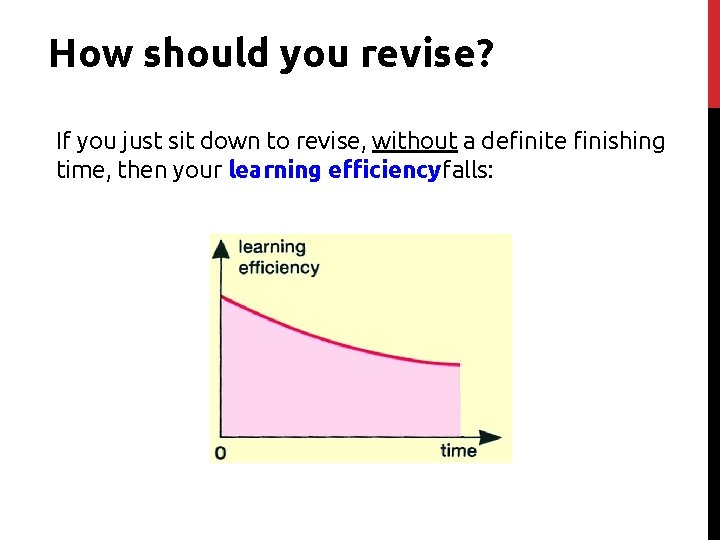
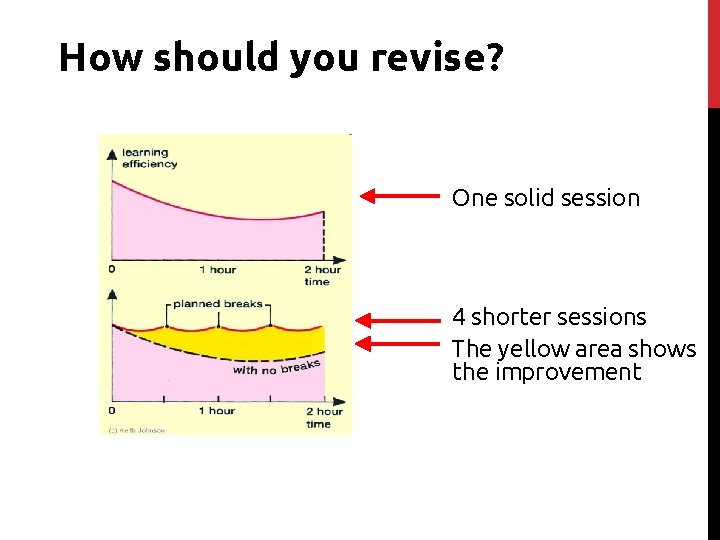
How should you revise? If you just sit down to revise, without a definite finishing time, then your learning efficiency falls:
How should you revise? One solid session 4 shorter sessions The yellow area shows the improvement
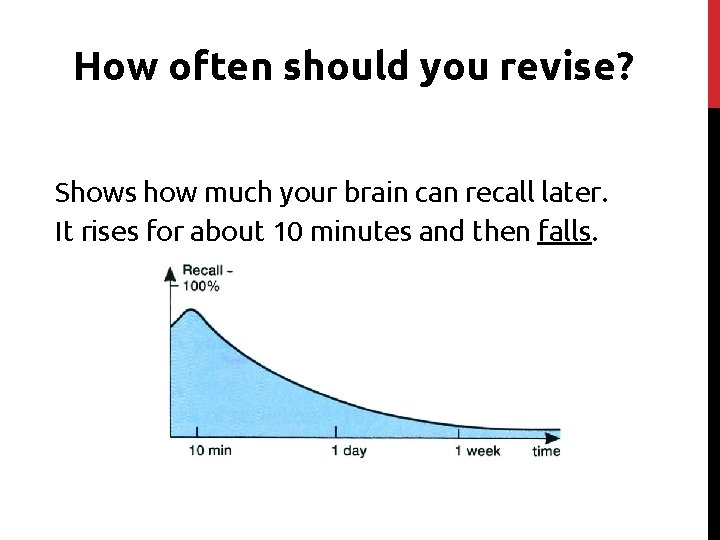
How often should you revise? Shows how much your brain can recall later. It rises for about 10 minutes and then falls.
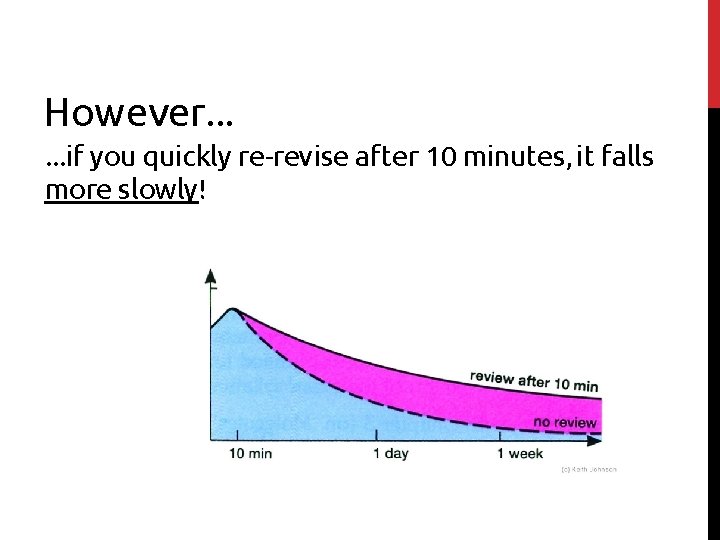
However. . . if you quickly re-revise after 10 minutes, it falls more slowly!
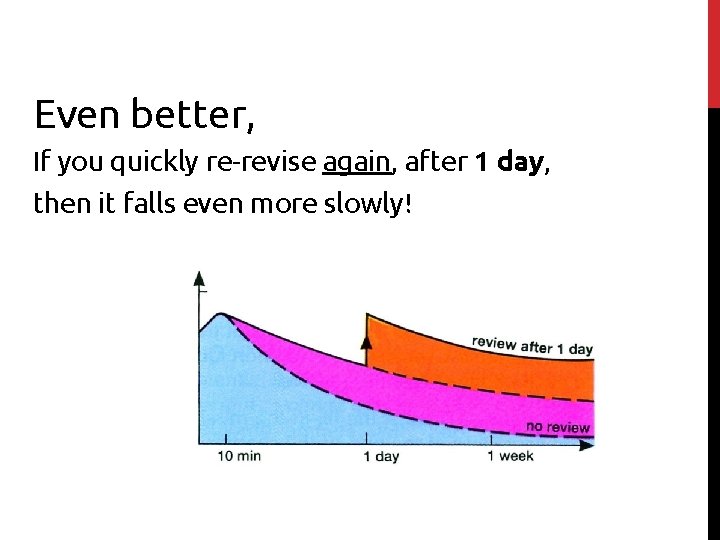
Even better, If you quickly re-revise again, after 1 day, then it falls even more slowly!
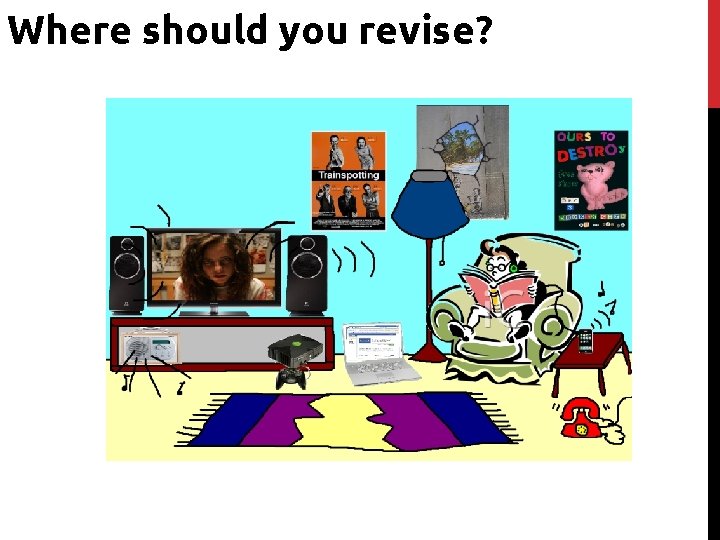
Where should you revise?
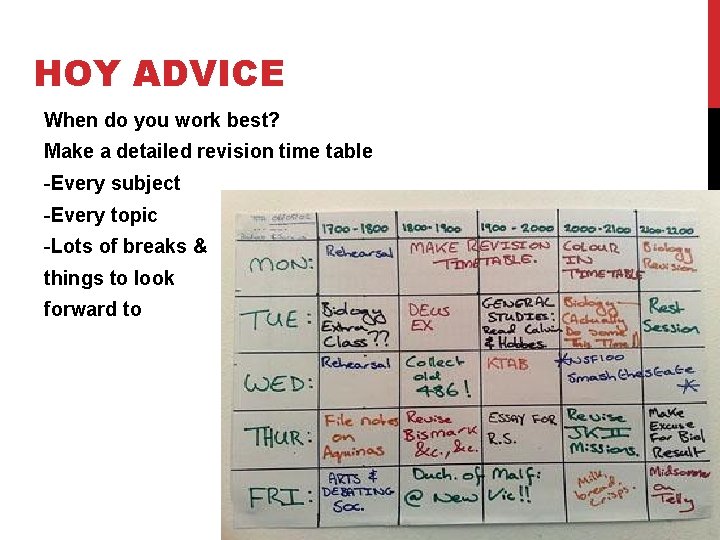
HOY ADVICE When do you work best? Make a detailed revision time table -Every subject -Every topic -Lots of breaks & things to look forward to
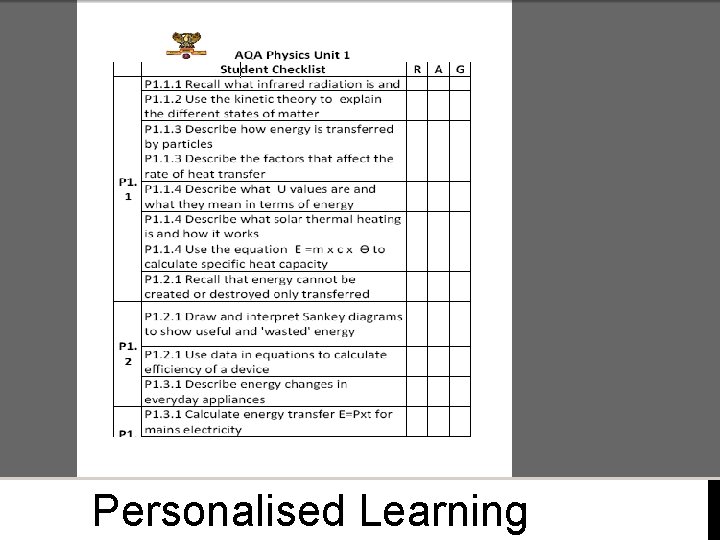
Personalised Learning
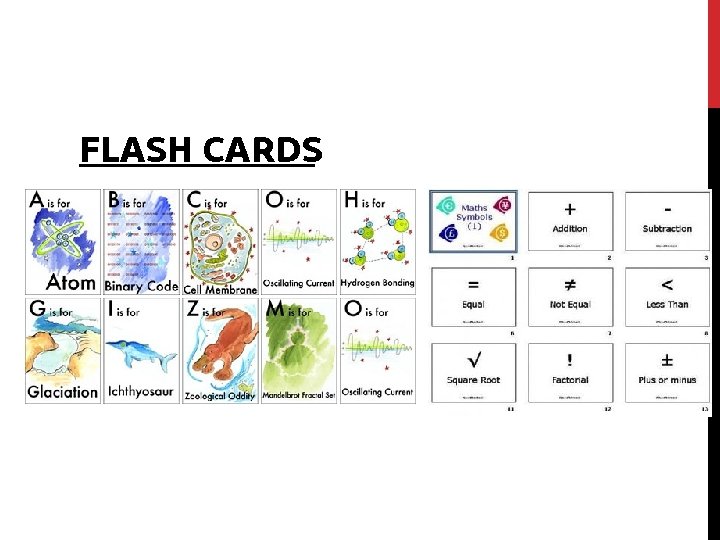
FLASH CARDS
MR HABERSON “Acronym…. . ” Burundi Ethiopia Angola Rwanda Democratic of Congo
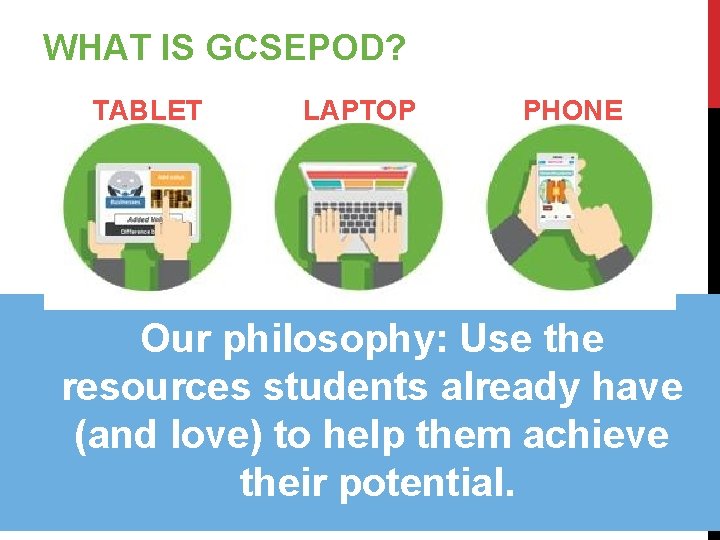
WHAT IS GCSEPOD? TABLET LAPTOP PHONE Our philosophy: Use the resources students already have (and love) to help them achieve their potential.
WHAT IS GCSEPOD? • One website - an Apple and Android app - over 4, 500 audio-visual videos • Content produced specifically for any device (desktop or mobile) and covers 21 GCSE subjects • Squeezes exactly the right knowledge your child needs into short, easily watched chunks GCSEPod is proven to raise attainment
IT’S FREE (IF YOU HAVE A SMART PHONE)
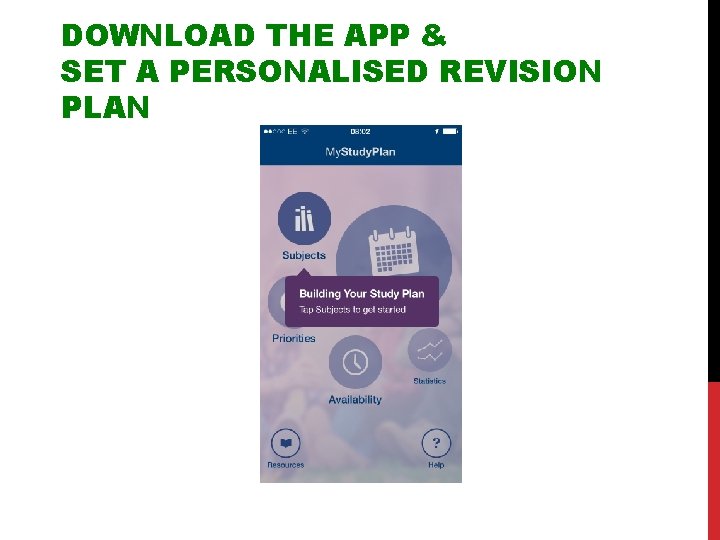
DOWNLOAD THE APP & SET A PERSONALISED REVISION PLAN
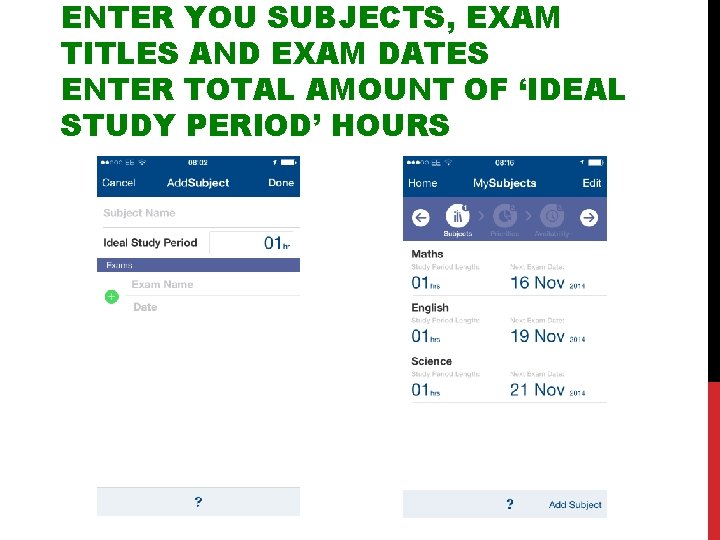
ENTER YOU SUBJECTS, EXAM TITLES AND EXAM DATES ENTER TOTAL AMOUNT OF ‘IDEAL STUDY PERIOD’ HOURS
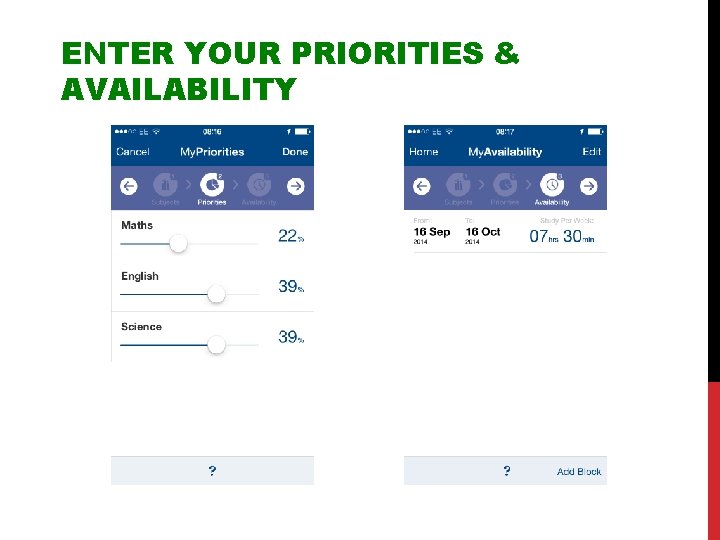
ENTER YOUR PRIORITIES & AVAILABILITY
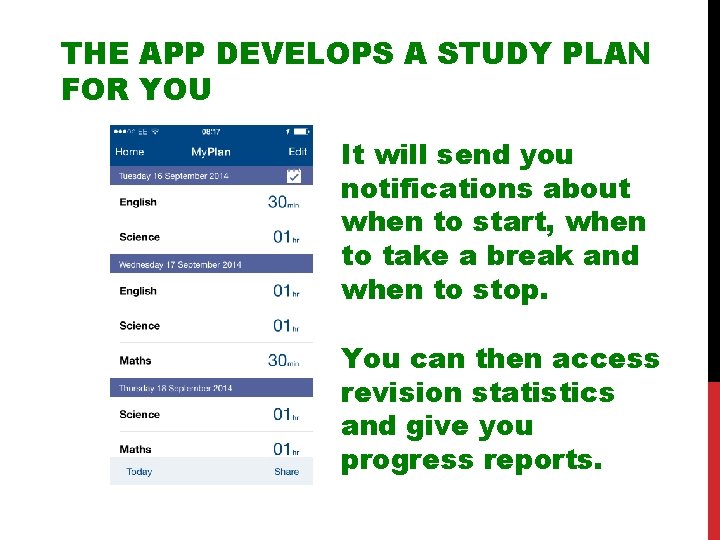
THE APP DEVELOPS A STUDY PLAN FOR YOU It will send you notifications about when to start, when to take a break and when to stop. You can then access revision statistics and give you progress reports.
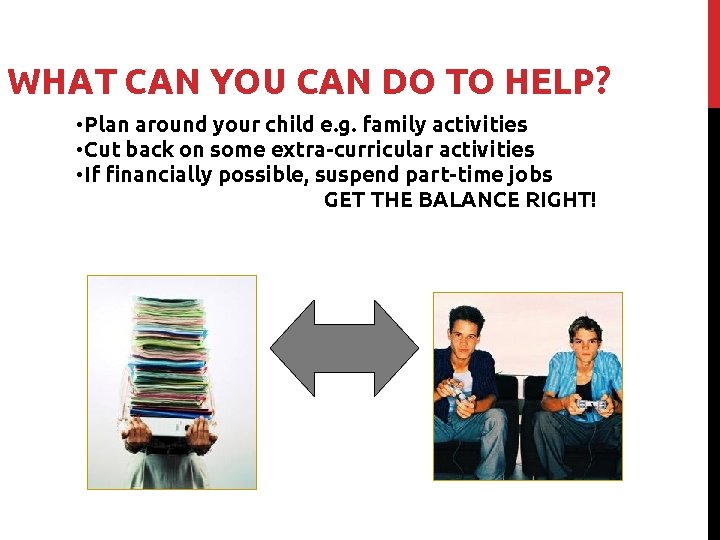
WHAT CAN YOU CAN DO TO HELP? • Plan around your child e. g. family activities • Cut back on some extra-curricular activities • If financially possible, suspend part-time jobs GET THE BALANCE RIGHT!
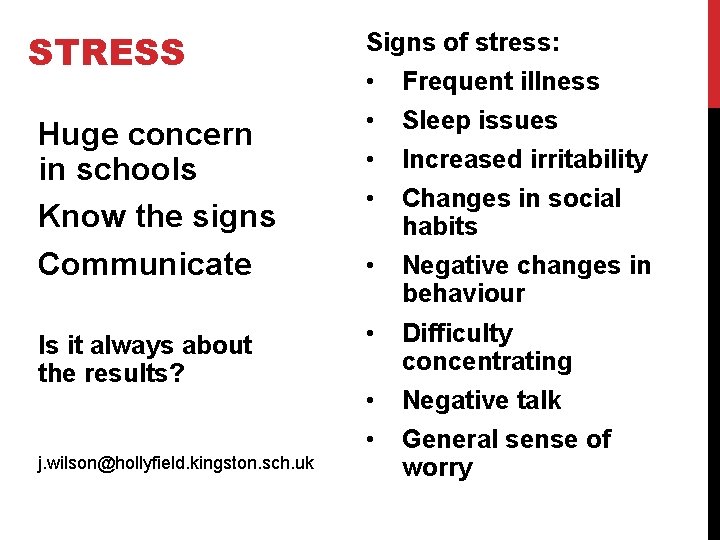
STRESS Huge concern in schools Know the signs Communicate Is it always about the results? j. wilson@hollyfield. kingston. sch. uk Signs of stress: • • Frequent illness • Negative changes in behaviour • Difficulty concentrating • • Negative talk Sleep issues Increased irritability Changes in social habits General sense of worry
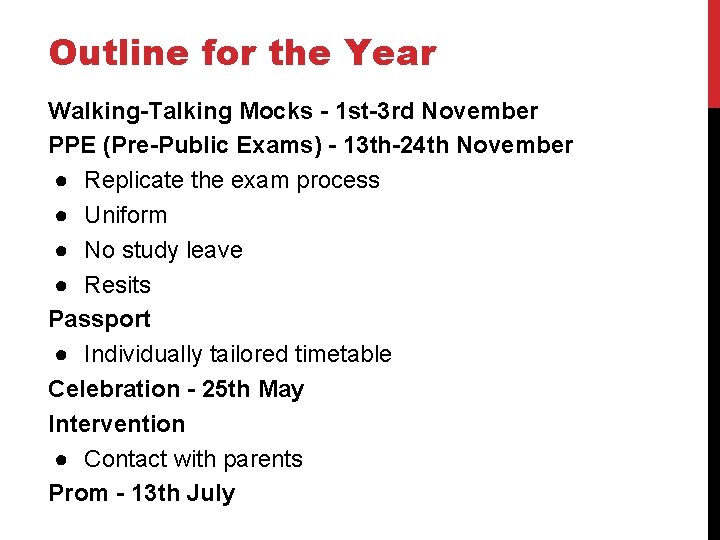
Outline for the Year Walking-Talking Mocks - 1 st-3 rd November PPE (Pre-Public Exams) - 13 th-24 th November ● Replicate the exam process ● Uniform ● No study leave ● Resits Passport ● Individually tailored timetable Celebration - 25 th May Intervention ● Contact with parents Prom - 13 th July