
Revised 04172014 Biochemistry I Dr Loren Williams Chapter
Revised 04/17/2014 Biochemistry I Dr. Loren Williams Chapter 26 Transcription and RNA Processing
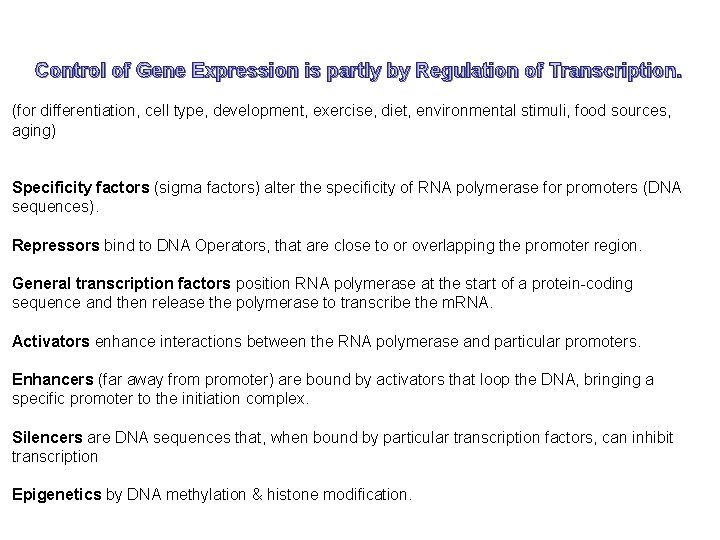
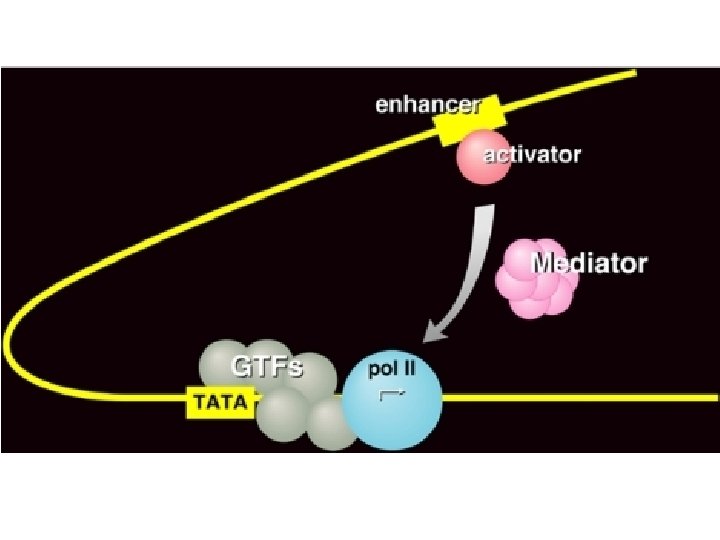
Control of Gene Expression is partly by Regulation of Transcription. (for differentiation, cell type, development, exercise, diet, environmental stimuli, food sources, aging) Specificity factors (sigma factors) alter the specificity of RNA polymerase for promoters (DNA sequences). Repressors bind to DNA Operators, that are close to or overlapping the promoter region. General transcription factors position RNA polymerase at the start of a protein-coding sequence and then release the polymerase to transcribe the m. RNA. Activators enhance interactions between the RNA polymerase and particular promoters. Enhancers (far away from promoter) are bound by activators that loop the DNA, bringing a specific promoter to the initiation complex. Silencers are DNA sequences that, when bound by particular transcription factors, can inhibit transcription Epigenetics by DNA methylation & histone modification.
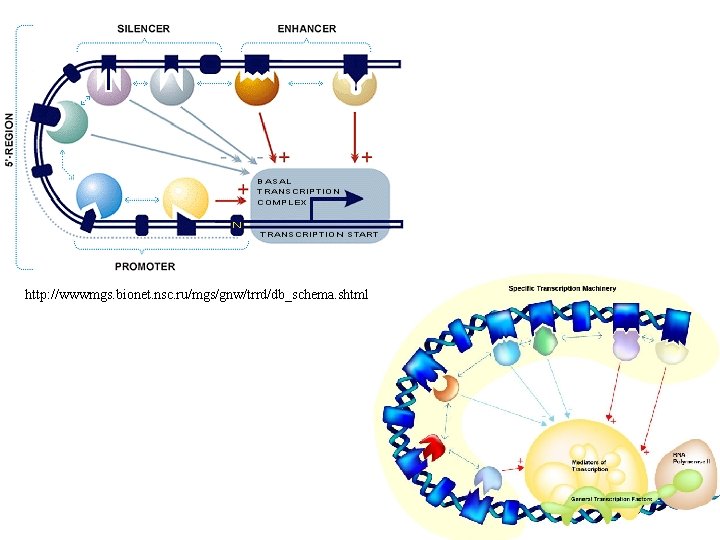
http: //wwwmgs. bionet. nsc. ru/mgs/gnw/trrd/db_schema. shtml
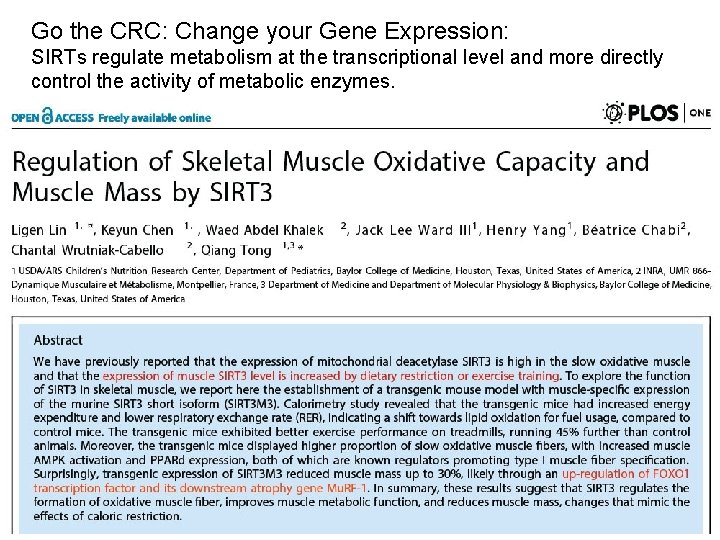
Go the CRC: Change your Gene Expression: SIRTs regulate metabolism at the transcriptional level and more directly control the activity of metabolic enzymes.
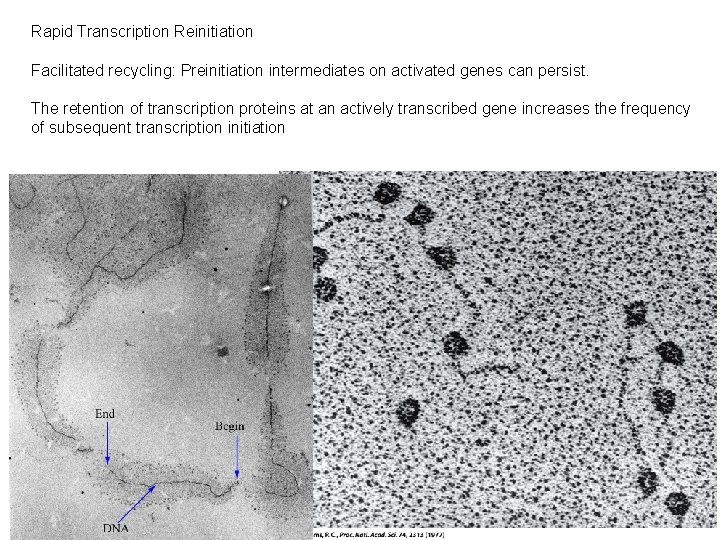
Rapid Transcription Reinitiation Facilitated recycling: Preinitiation intermediates on activated genes can persist. The retention of transcription proteins at an actively transcribed gene increases the frequency of subsequent transcription initiation
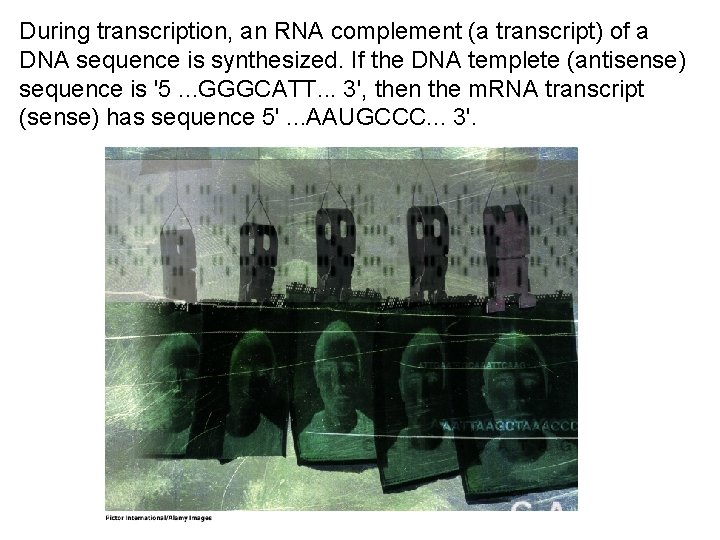
During transcription, an RNA complement (a transcript) of a DNA sequence is synthesized. If the DNA templete (antisense) sequence is '5. . . GGGCATT. . . 3', then the m. RNA transcript (sense) has sequence 5'. . . AAUGCCC. . . 3'.
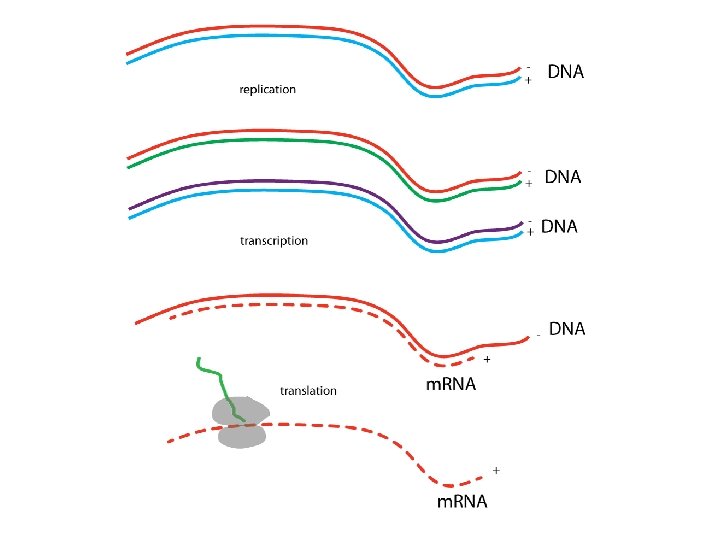
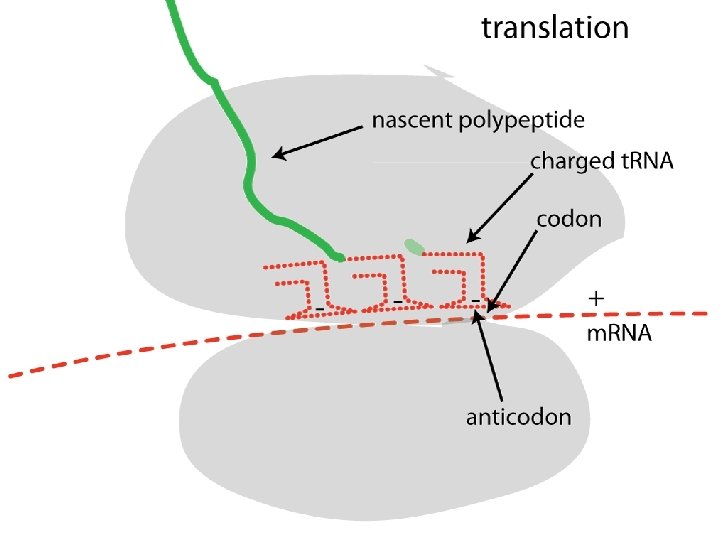
All RNA is made by transcription. There are many types of RNAs. 1)Messenger RNAs (m. RNA) are coding RNAs. m. RNAs carry information contained within DNA to the ribosome, where they direct the sequence of amino acids during protein synthesis, according to the m. RNA sequence and the 'genetic code'. The sequence of codons (nucleotide triplets) in an m. RNA determines the amino acid sequence in a protein. Some m. RNAs contain cis regulatory elements, such as riboswitches, in the untranslated regions (either 3' or 5' UTRs). 2)Ribosomal RNAs (r. RNA) are structural and catalytic components of the ribosome, the large RNAprotein assembly where protein is synthesized in all living systems. In the ribosome, amino acids are transfered from t. RNAs to a nascent (growing) polypeptide chain, with the amino acid sequence controlled by the m. RNA. The peptidyl transferase center, which is the catalytic site of the ribosome, is all r. RNA. So technically the ribosome is a ribozyme, not a protein enzyme. 3)Transfer RNAs (t. RNA) are RNAs that become covalently linked to amino acids (activating the amino acids). t. RNAs contain anti-codons that interact with condons on m. RNAs. t. RNAs transfer amino acids to a nascent polypeptide chain in the ribosome. The covalent linkage between a given amino acid and the correct (cognate) t. RNA is catalyzed by a specific aminoacyl-t. RNA synthetase (one for each amino acid). The aminoacyl-t. RNA synthetases establish and enforce the genetic code. 4)Micro. RNAs (mi. RNAs) are around 22 nucleotides in length and are found only in eukaryotic cells (but not fungi, algae, etc). mi. RNAs bind to complementary sequences on target m. RNAs, usually resulting in down regulation and silencing of gene expression (m. RNA degradation & sequestering and translational suppression)
All RNA is made by transcription. There are many types of RNA produced by transcription. 1)Messenger RNAs (m. RNA) are coding RNAs. m. RNAs carry information contained within DNA to the ribosome, where they direct the sequence of amino acids during protein synthesis, according to the m. RNA sequence and the 'genetic code'. The sequence of codons (nucleotide triplets) in an m. RNA determines the amino acid sequence in a protein. Some m. RNAs contain cis regulatory elements, such as riboswitches, in the untranslated regions (either 3' or 5' UTRs). 2)Ribosomal RNAs (r. RNA) are structural and catalytic components of the ribosome, the large RNAprotein assembly where protein is synthesized in all living systems. In the ribosome, amino acids are transferred from t. RNAs to a nascent (growing) polypeptide chain, with the amino acid sequence controlled by the m. RNA. The peptidyl transferase center, which is the catalytic site of the ribosome, is all r. RNA. So technically the ribosome is a ribozyme, not a protein enzyme. 3)Transfer RNAs (t. RNA) are RNAs that become covalently linked to amino acids (activating the amino acids). t. RNAs contain anti-codons that interact with condons on m. RNAs. t. RNAs transfer amino acids to a nascent polypeptide chain in the ribosome. The covalent linkage between a given amino acid and the correct (cognate) t. RNA is catalyzed by a specific aminoacyl-t. RNA synthetase (one for each amino acid). The aminoacyl-t. RNA synthetases establish and enforce the genetic code. 4)Micro. RNAs (mi. RNAs) are around 22 nucleotides in length and are found only in eukaryotic cells (but not fungi, algae, etc). mi. RNAs bind to complementary sequences on target m. RNAs, usually resulting in down regulation and silencing of gene expression (m. RNA degradation & sequestering and translational suppression)
All RNA is made by transcription. There are many types of RNA produced by transcription. 1)Messenger RNAs (m. RNA) are coding RNAs. m. RNAs carry information contained within DNA to the ribosome, where they direct the sequence of amino acids during protein synthesis, according to the m. RNA sequence and the 'genetic code'. The sequence of codons (nucleotide triplets) in an m. RNA determines the amino acid sequence in a protein. Some m. RNAs contain cis regulatory elements, such as riboswitches, in the untranslated regions (either 3' or 5' UTRs). 2)Ribosomal RNAs (r. RNA) are structural and catalytic components of the ribosome, the large RNAprotein assembly where protein is synthesized in all living systems. In the ribosome, amino acids are transfered from t. RNAs to a nascent (growing) polypeptide chain, with the amino acid sequence controlled by the m. RNA. The peptidyl transferase center, which is the catalytic site of the ribosome, is all r. RNA. So technically the ribosome is a ribozyme, not a protein enzyme. 3)Transfer RNAs (t. RNA) are RNAs (~80 nts) that become covalently linked to amino acids (activating the amino acids). t. RNAs contain anti-codons that interact with condons on m. RNAs. t. RNAs transfer amino acids to a nascent polypeptide chain in the ribosome. The covalent linkage between a given amino acid and the correct (cognate) t. RNA is catalyzed by a specific aminoacylt. RNA synthetase (one for each amino acid). The aminoacyl-t. RNA synthetases establish and enforce the genetic code. 4)Micro. RNAs (mi. RNAs) are around 22 nucleotides in length and are found only in eukaryotic cells (but not fungi, algae, etc). mi. RNAs bind to complementary sequences on target m. RNAs, usually resulting in down regulation and silencing of gene expression (m. RNA degradation & sequestering and translational suppression)
All RNA is made by transcription. There are many types of RNA produced by transcription. 1)Messenger RNAs (m. RNA) are coding RNAs. m. RNAs carry information contained within DNA to the ribosome, where they direct the sequence of amino acids during protein synthesis, according to the m. RNA sequence and the 'genetic code'. The sequence of codons (nucleotide triplets) in an m. RNA determines the amino acid sequence in a protein. Some m. RNAs contain cis regulatory elements, such as riboswitches, in the untranslated regions (either 3' or 5' UTRs). 2)Ribosomal RNAs (r. RNA) are structural and catalytic components of the ribosome, the large RNAprotein assembly where protein is synthesized in all living systems. In the ribosome, amino acids are transfered from t. RNAs to a nascent (growing) polypeptide chain, with the amino acid sequence controlled by the m. RNA. The peptidyl transferase center, which is the catalytic site of the ribosome, is all r. RNA. So technically the ribosome is a ribozyme, not a protein enzyme. 3)Transfer RNAs (t. RNA) are RNAs that become covalently linked to amino acids (activating the amino acids). t. RNAs contain anti-codons that interact with condons on m. RNAs. t. RNAs transfer amino acids to a nascent polypeptide chain in the ribosome. The covalent linkage between a given amino acid and the correct (cognate) t. RNA is catalyzed by a specific aminoacyl-t. RNA synthetase (one for each amino acid). The aminoacyl-t. RNA synthetases establish and enforce the genetic code. 4)Micro. RNAs (mi. RNAs) are ~22 nucleotides in length and are found only in eukaryotic cells (but not fungi, algae, etc). mi. RNAs bind to complementary sequences on target m. RNAs, usually resulting in down regulation and silencing of gene expression (m. RNA degradation & sequestering and translational suppression) 5) Also: (1) Small nucleolar RNAs (sno. RNAs) guide chemical modifications of other RNAs, mainly ribosomal RNAs, transfer RNAs and small nuclear RNAs. (2) Long Non-coding RNAs (lnc. RNAs), (3) (4)…
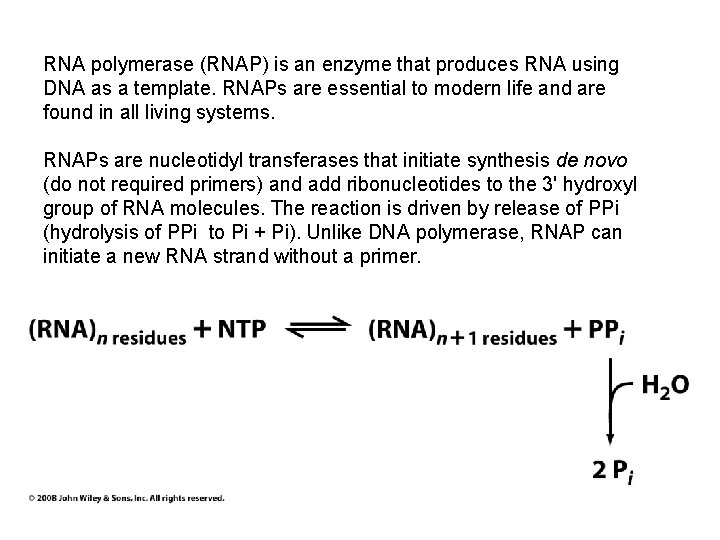
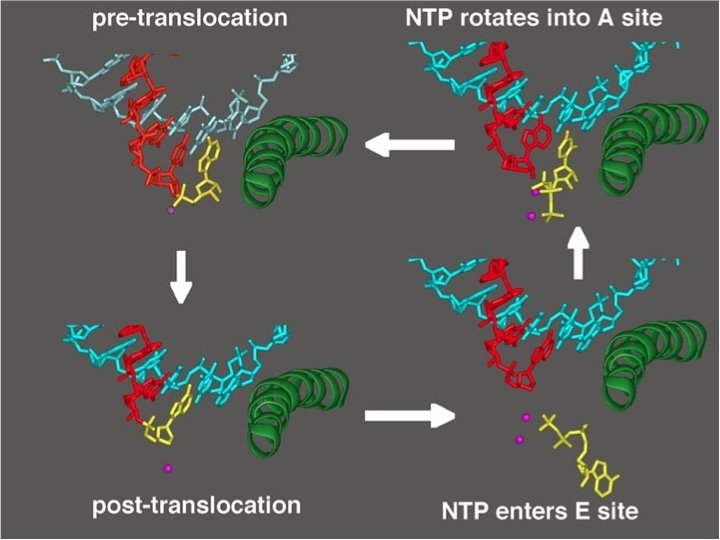
RNA polymerase (RNAP) is an enzyme that produces RNA using DNA as a template. RNAPs are essential to modern life and are found in all living systems. RNAPs are nucleotidyl transferases that initiate synthesis de novo (do not required primers) and add ribonucleotides to the 3' hydroxyl group of RNA molecules. The reaction is driven by release of PPi (hydrolysis of PPi to Pi + Pi). Unlike DNA polymerase, RNAP can initiate a new RNA strand without a primer.
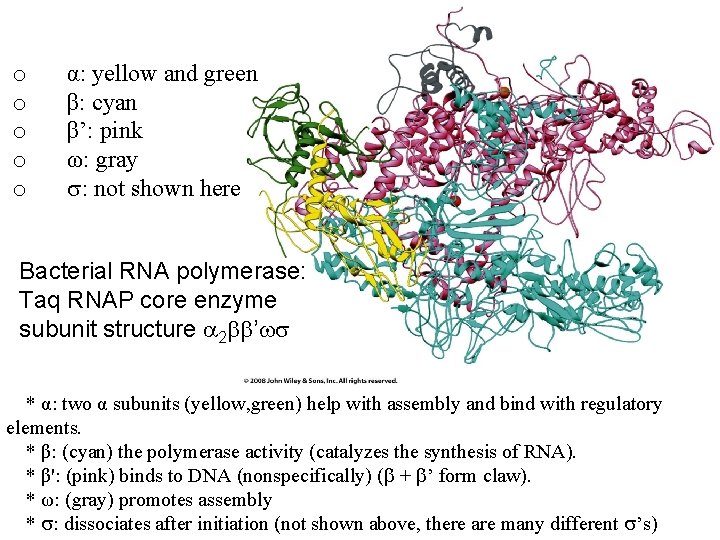
o o o α: yellow and green β: cyan β’: pink ω: gray s: not shown here Bacterial RNA polymerase: Taq RNAP core enzyme subunit structure a 2 bb’ws * α: two α subunits (yellow, green) help with assembly and bind with regulatory elements. * β: (cyan) the polymerase activity (catalyzes the synthesis of RNA). * β': (pink) binds to DNA (nonspecifically) (b + b’ form claw). * ω: (gray) promotes assembly * s: dissociates after initiation (not shown above, there are many different s’s)
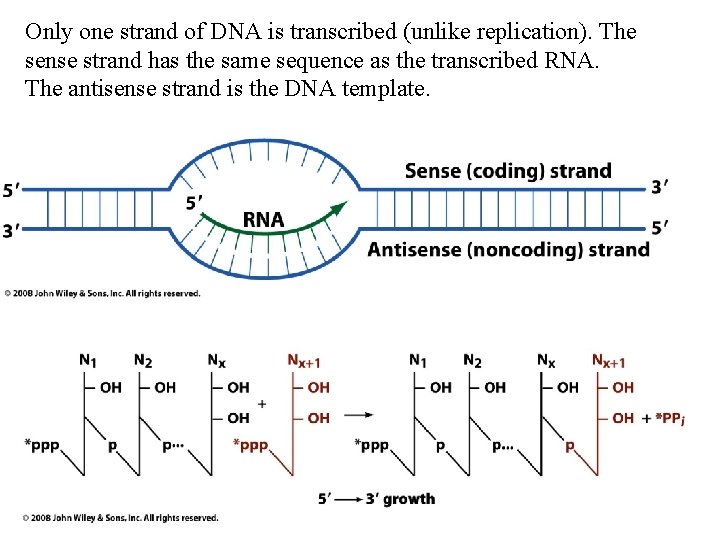
Only one strand of DNA is transcribed (unlike replication). The sense strand has the same sequence as the transcribed RNA. The antisense strand is the DNA template.
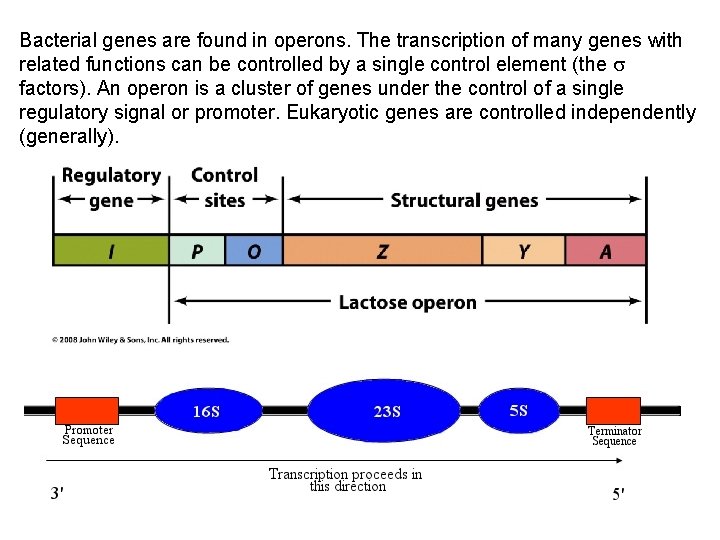
Bacterial genes are found in operons. The transcription of many genes with related functions can be controlled by a single control element (the s factors). An operon is a cluster of genes under the control of a single regulatory signal or promoter. Eukaryotic genes are controlled independently (generally).
Steps in bacterial transcription v (1) Initiation Starts at the +1 position, usually a purine. RNAP does not require a primer. Initiation involves a DNA Promoter, Transcription Factors, DNA Helicases, RNAP, Activators and Repressors. RNAP binds very tightly to the promotor (KD=10 -14 M ). The promoter region (from -9 to +2) is melted (strands are separated), forming a transcription bubble. Eukaryotes use six General Transcription Factors (GTFs) to form a Pre. Initiation Complex (PIC). Transcription Factor IID (TF IID) contains TATA Box binding Protein (TBP). TBP binds to the TATA box but also to TATA-less promoters.
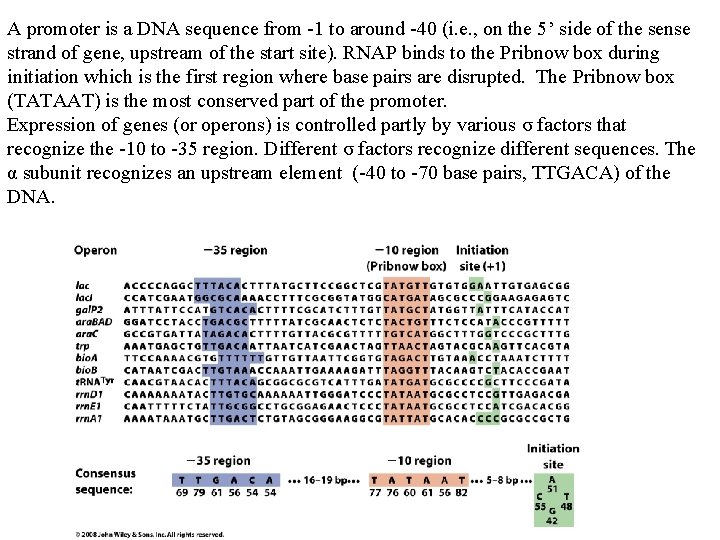
A promoter is a DNA sequence from -1 to around -40 (i. e. , on the 5’ side of the sense strand of gene, upstream of the start site). RNAP binds to the Pribnow box during initiation which is the first region where base pairs are disrupted. The Pribnow box (TATAAT) is the most conserved part of the promoter. Expression of genes (or operons) is controlled partly by various σ factors that recognize the -10 to -35 region. Different σ factors recognize different sequences. The α subunit recognizes an upstream element (-40 to -70 base pairs, TTGACA) of the DNA.
Steps in transcription v(2) Promoter clearance After initiation the RNAP has a tendency to release truncated RNA transcripts (abortive initiation). Abortive initiation continues to occur until the σ factor rearranges and is released. Eukaryotes: RNAP II clears the promoter and leaves behind some of the GTFs including TFIID (the second RNAP II complex can reinitiate more quickly than the first).
Steps in transcription v(3) Elongation RNA polymerase traverses the DNA template (antisense) strand, and following the rules of Watson-Crick complementarity with the antisense strand, creates an RNA copy of the sense (coding) strand. Polymerization is processive (without dissociation). Transcripts can be thousands or even millions of nucleotides. The rate of polymerization is around 50 nucleotides/second, slower than replication. The error rate of transcription is around 1 in 4000. RNA polymerase traverses the template strand from 3' → 5'. Polymerization occurs in the 5' → 3' direction. The resulting RNA transcript is a copy of the sense (coding, non-template) strand, except that thymines are replaced with uracils, and deoxyriboses are replaced by riboses. A second RNAP can quickly reinitiate from the same site. Eukaryotes: The C-Terminal Domain (CTD) of Rpb. I is phosphorylated and binds to a six protein complex called Elongator.
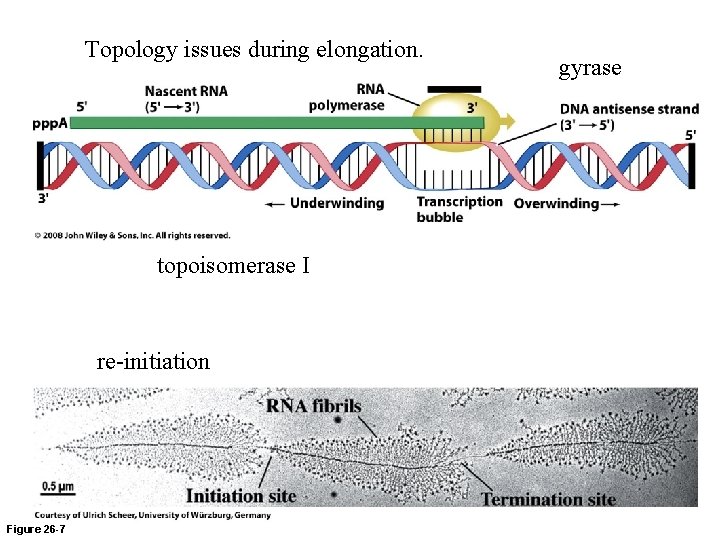
Topology issues during elongation. topoisomerase I re-initiation Figure 26 -7 gyrase
Steps in transcription v (4) Termination Transcription terminates at specific sites. Bacteria use two strategies for termination. In Rho-independent termination, the newly synthesized RNA molecule forms a G-C-rich stem-loop followed by a run of A's and U's. It seems the stem loop causes the RNAP to pause and ultimately to dissociate. In the "Rho-dependent" termination, a protein "Rho" destabilizes the interaction between the template and the m. RNA, thus releasing the newly synthesized m. RNA from the elongation complex. Eukaryotes lack specific transcription termination sites. The 3’ ends of the transcription product are heterogeneous, but are cleaned up by processing before translation (3’ poly A tails are added).
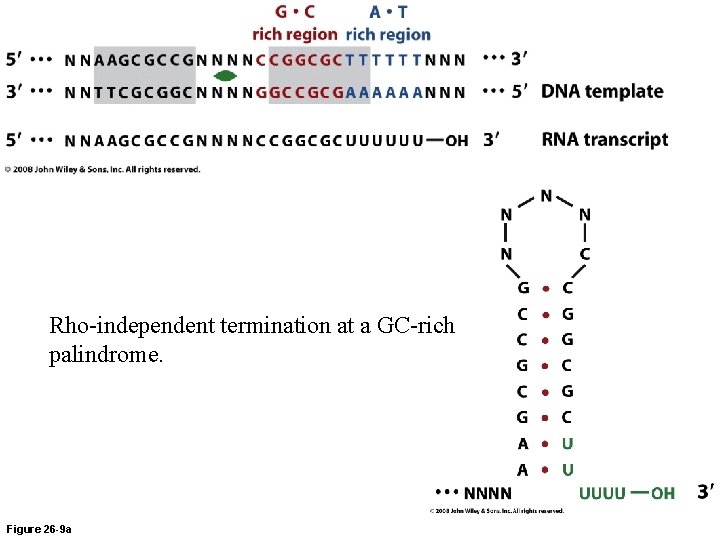
Rho-independent termination at a GC-rich palindrome. Figure 26 -9 a
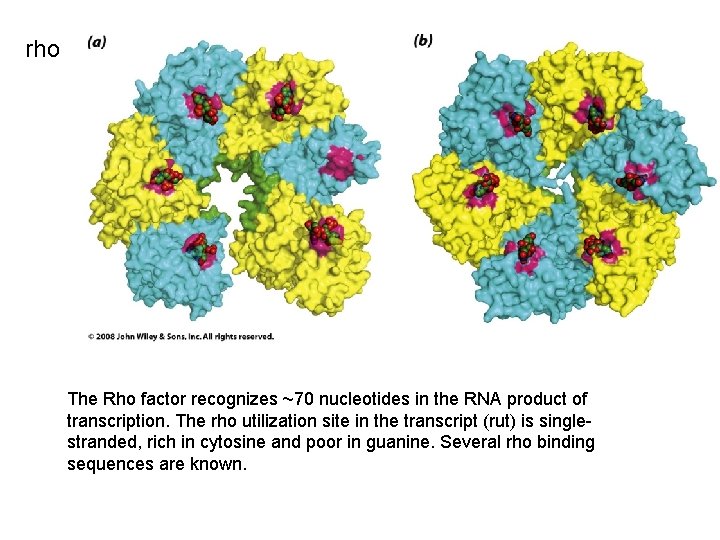
rho The Rho factor recognizes ~70 nucleotides in the RNA product of transcription. The rho utilization site in the transcript (rut) is singlestranded, rich in cytosine and poor in guanine. Several rho binding sequences are known.
Nature. 2007 Jul 12; 448(7150): 157 -62. Epub 2007 Jun 20. Structural basis for transcription elongation by bacterial RNA polymerase. Vassylyev DG, Vassylyeva MN, Perederina A, Tahirov TH, Artsimovitch I. Source Department of Biochemistry and Molecular Genetics, University of Alabama at Birmingham, Schools of Medicine and Dentistry, 402 B Kaul Genetics Building, 720 20 th Street South, Birmingham, Alabama 35294, USA. dmitry@uab. edu Abstract: The RNA polymerase elongation complex (EC) is both highly stable and processive, rapidly extending RNA chains for thousands of nucleotides. Understanding the mechanisms of elongation and its regulation requires detailed information about the structural organization of the EC. Here we report the 2. 5 -A resolution structure of the Thermus thermophilus EC; the structure reveals the posttranslocated intermediate with the DNA template in the active site available for pairing with the substrate. DNA strand separation occurs one position downstream of the active site, implying that only one substrate at a time can specifically bind to the EC. The upstream edge of the RNA/DNA hybrid stacks on the beta'-subunit 'lid' loop, whereas the first displaced RNA base is trapped within a protein pocket, suggesting a mechanism for RNA displacement. The RNA is threaded through the RNA exit channel, where it adopts a conformation mimicking that of a single strand within a double helix, providing insight into a mechanism for hairpin-dependent pausing and
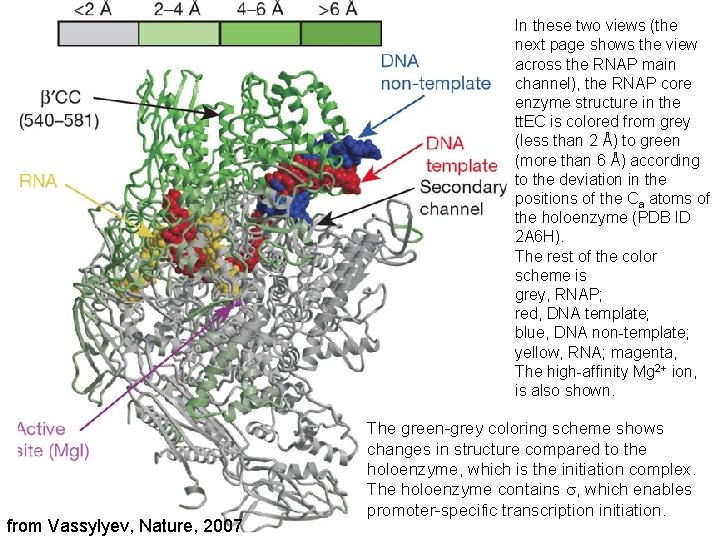
In these two views (the next page shows the view across the RNAP main channel), the RNAP core enzyme structure in the tt. EC is colored from grey (less than 2 Å) to green (more than 6 Å) according to the deviation in the positions of the Ca atoms of the holoenzyme (PDB ID 2 A 6 H). The rest of the color scheme is grey, RNAP; red, DNA template; blue, DNA non-template; yellow, RNA; magenta, The high-affinity Mg 2+ ion, is also shown. from Vassylyev, Nature, 2007 The green-grey coloring scheme shows changes in structure compared to the holoenzyme, which is the initiation complex. The holoenzyme contains s, which enables promoter-specific transcription initiation.
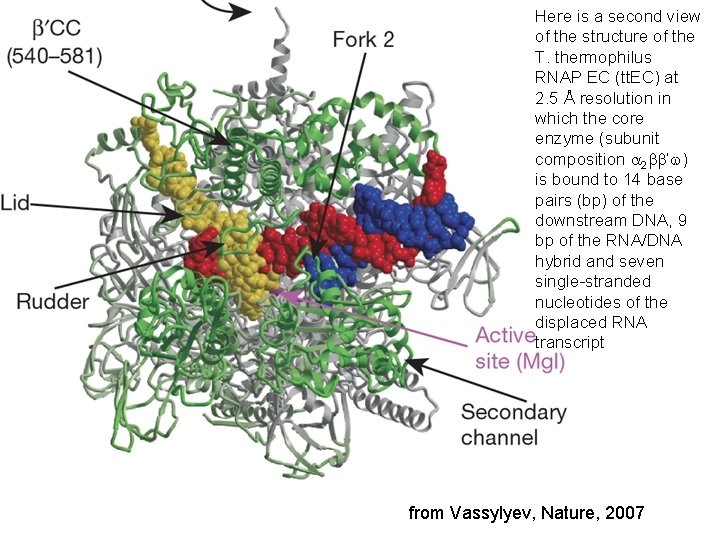
Here is a second view of the structure of the T. thermophilus RNAP EC (tt. EC) at 2. 5 Å resolution in which the core enzyme (subunit composition a 2 bb’w) is bound to 14 base pairs (bp) of the downstream DNA, 9 bp of the RNA/DNA hybrid and seven single-stranded nucleotides of the displaced RNA transcript from Vassylyev, Nature, 2007
In all organisms, transcription by DNA-dependent RNA polymerases (RNAPs) can be divided into three mechanistically and structurally distinct stages: initiation, elongation and termination. During initiation, RNAP recognizes a promoter, unwinds DNA near the start site (register i + 1) and begins RNA synthesis, using NTPs as both a primer and the substrates. Initiation is characterized by multiple rounds of abortive synthesis during which RNAP synthesizes and releases short RNA products. Once RNAP has made an RNA molecule 13– 15 nucleotide long, in which 7– 9 nucleotides pair with the DNA template strand in an RNA/DNA hybrid, the transcription complex undergoes promoter clearance and makes a transition to the elongation phase. Elongation is highly processive: the elongation complex (EC) is capable of the uninterrupted synthesis of RNA chains thousands of nucleotides long, yet becomes abruptly destabilized at terminators that demarcate the RNA end, in many cases with single-nucleotide precision. The interplay between processive synthesis, transient halting at numerous 'roadblocks' and RNA release depends on the intricate network of interactions between RNAP, the nucleic acid signals and/or auxiliary transcription factors within the EC. from Vassylyev, Nature, 2007
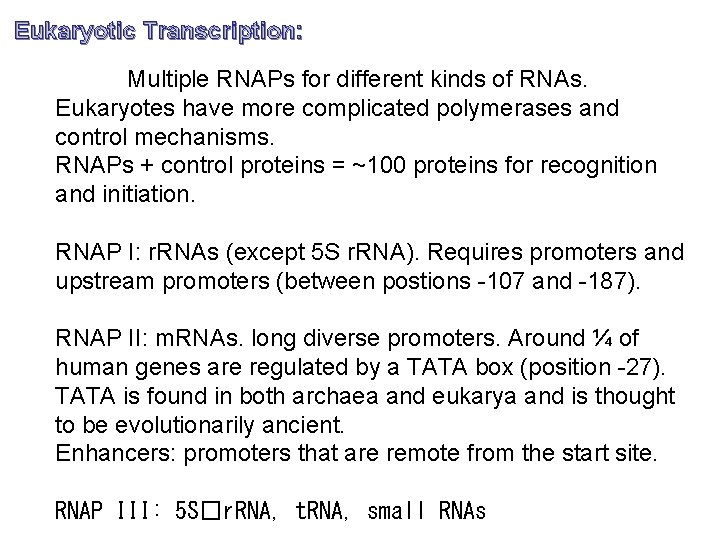
Eukaryotic Transcription: Multiple RNAPs for different kinds of RNAs. Eukaryotes have more complicated polymerases and control mechanisms. RNAPs + control proteins = ~100 proteins for recognition and initiation. RNAP I: r. RNAs (except 5 S r. RNA). Requires promoters and upstream promoters (between postions -107 and -187). RNAP II: m. RNAs. long diverse promoters. Around ¼ of human genes are regulated by a TATA box (position -27). TATA is found in both archaea and eukarya and is thought to be evolutionarily ancient. Enhancers: promoters that are remote from the start site. RNAP III: 5 S�r. RNA, t. RNA, small RNAs
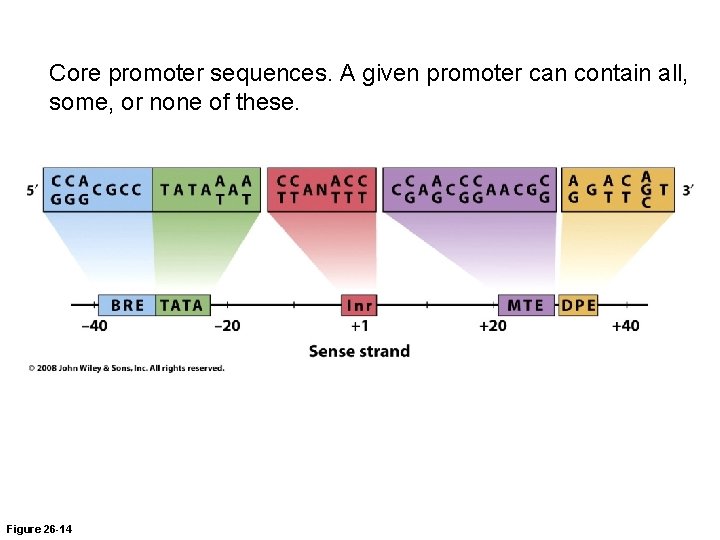
Core promoter sequences. A given promoter can contain all, some, or none of these. Figure 26 -14
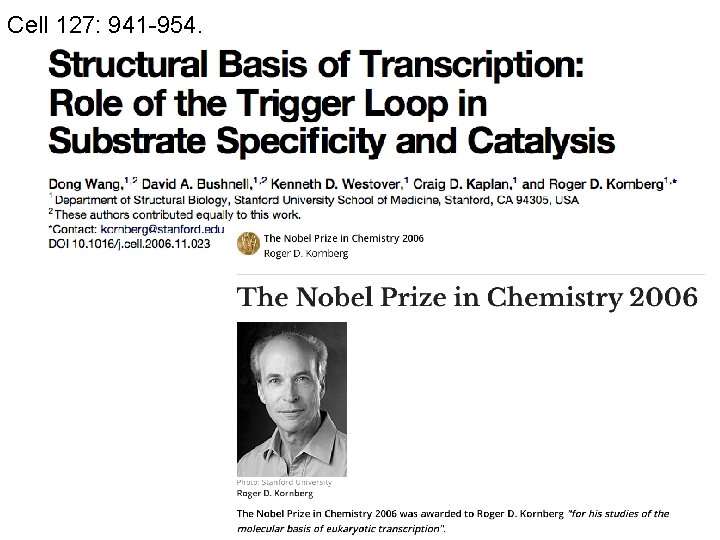
Cell 127: 941 -954.
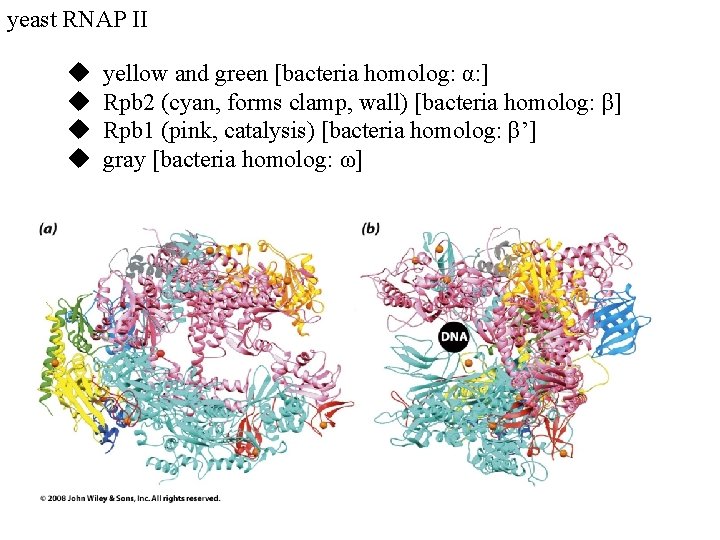
yeast RNAP II u u yellow and green [bacteria homolog: α: ] Rpb 2 (cyan, forms clamp, wall) [bacteria homolog: β] Rpb 1 (pink, catalysis) [bacteria homolog: β’] gray [bacteria homolog: ω]
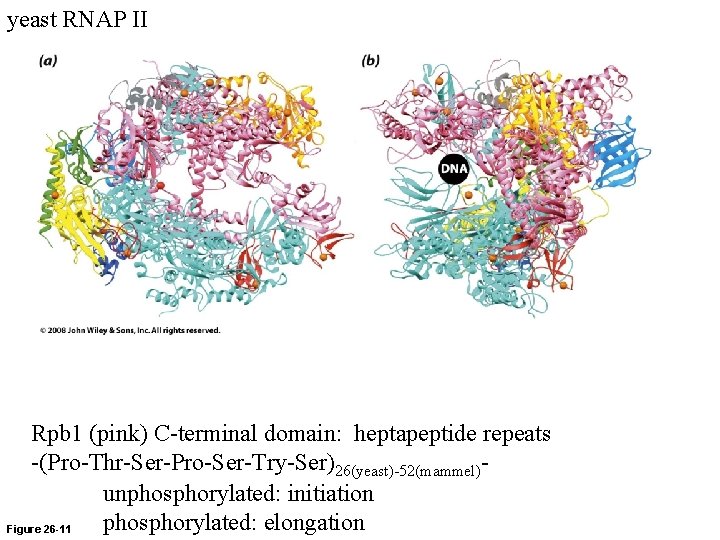
yeast RNAP II Rpb 1 (pink) C-terminal domain: heptapeptide repeats -(Pro-Thr-Ser-Pro-Ser-Try-Ser)26(yeast)-52(mammel)unphosphorylated: initiation phosphorylated: elongation Figure 26 -11
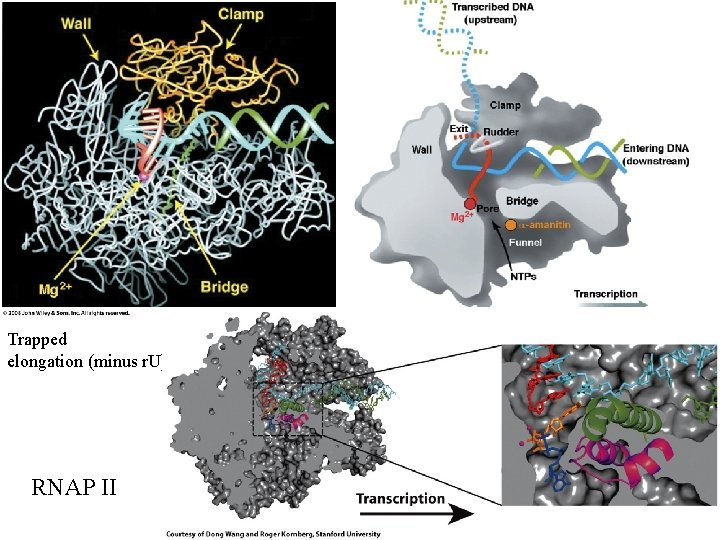
Trapped elongation (minus r. U) RNAP II
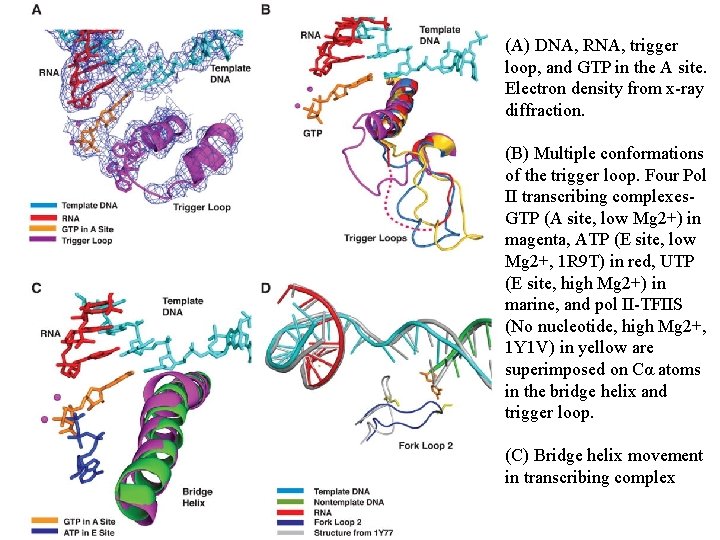
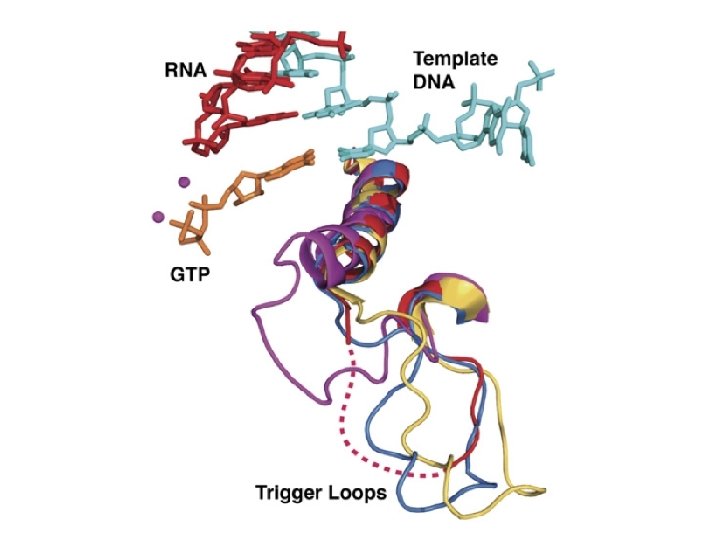
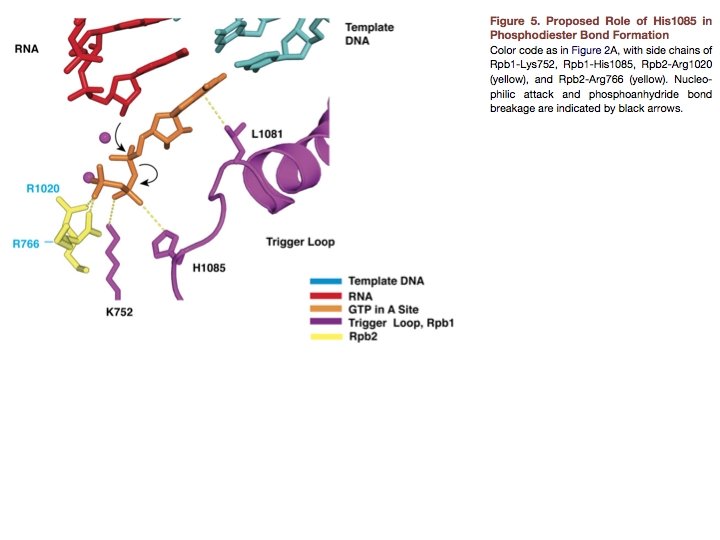
(A) DNA, RNA, trigger loop, and GTP in the A site. Electron density from x-ray diffraction. (B) Multiple conformations of the trigger loop. Four Pol II transcribing complexes. GTP (A site, low Mg 2+) in magenta, ATP (E site, low Mg 2+, 1 R 9 T) in red, UTP (E site, high Mg 2+) in marine, and pol II-TFIIS (No nucleotide, high Mg 2+, 1 Y 1 V) in yellow are superimposed on Cα atoms in the bridge helix and trigger loop. (C) Bridge helix movement in transcribing complex
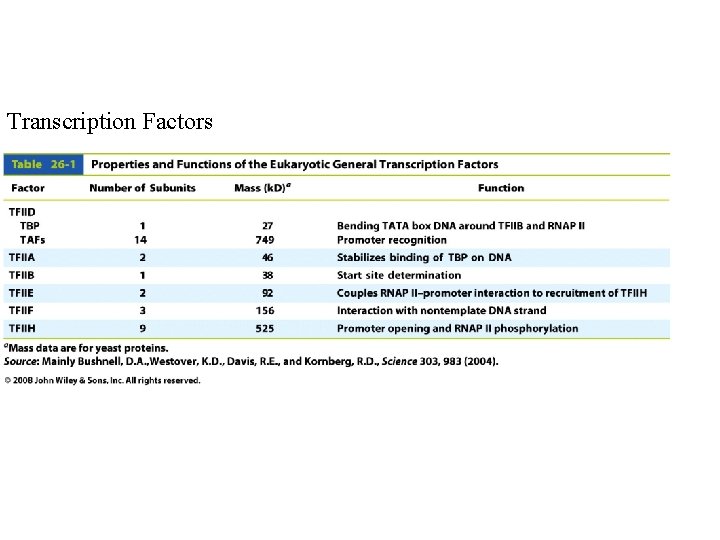
Transcription Factors
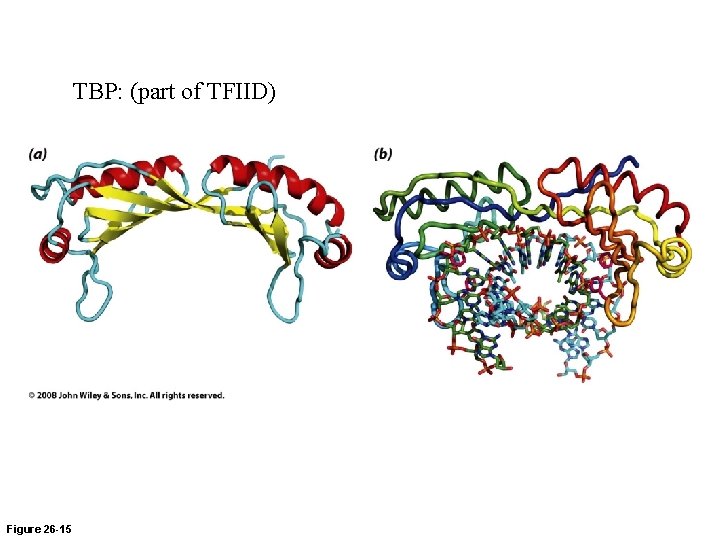
TBP: (part of TFIID) Figure 26 -15
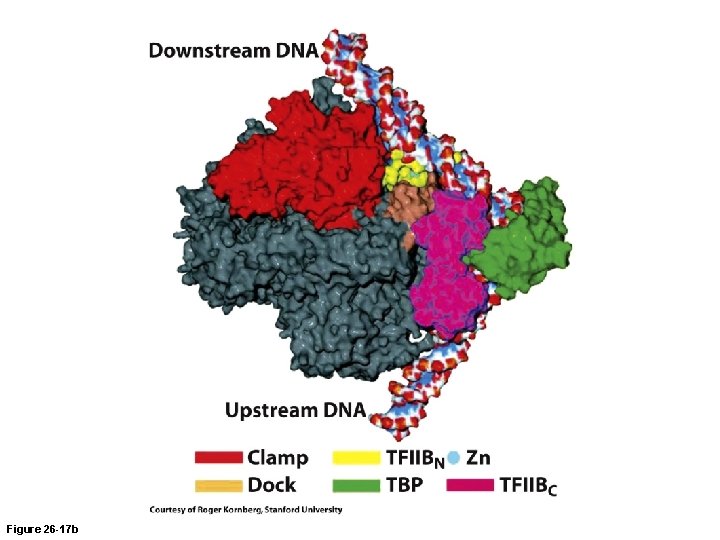
Figure 26 -17 b
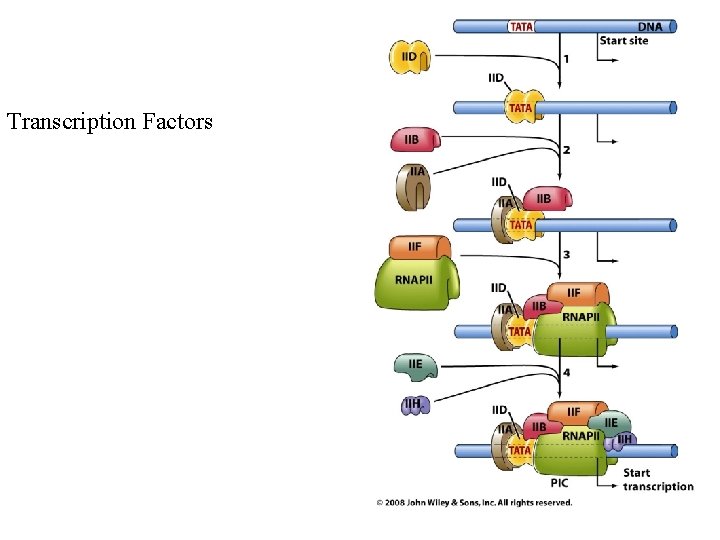
Transcription Factors
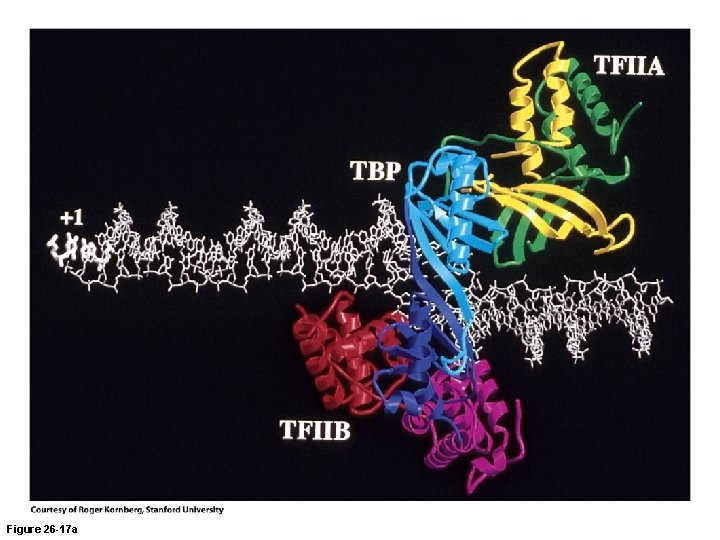
Figure 26 -17 a
Splicing Introns intragenic sequences that are not expressed in protein. Exons Sequences that are contained in mature m. RNA and are expressed as proteins. Intons are removed by RNA splicing, which follows transcription and precedes translation.
Splicing ------pre-m. RNA------RNA splicing of pre-messenger RNA this text does not belong in the mature m. RNA is the removal of introns and the ligation of exons. ------splice => mature m. RNA------Exon: RNA splicing of pre-messenger RNA is the removal of introns and the ligation of exons. ------ + ------Intron: this text does not belong in the mature m. RNA The numbers and sizes of introns is variable. The average human gene is 30 kb, consisting of numerous splice sites. The human DHFR m. RNA is 2000 nucleotides. The DHFR gene is 31, 000 nucleotides (6 exons). c. DNA: m. RNA (reverse transcriptase) => copy DNA (clean, no introns)
Stop here Chem 4511/6521
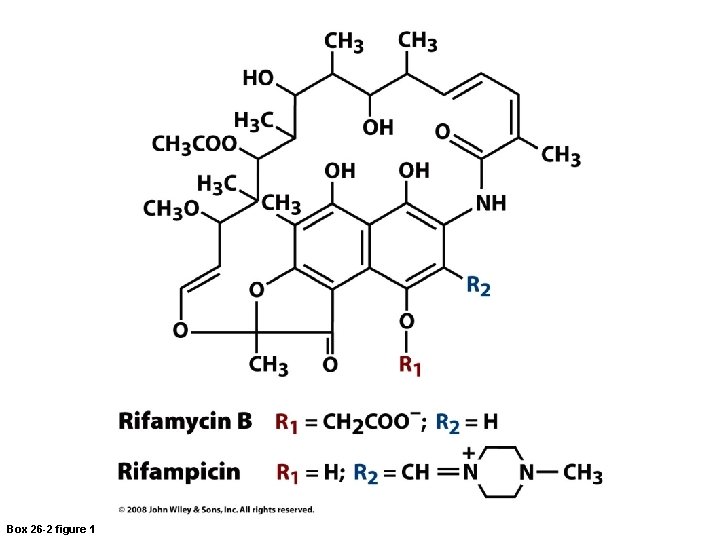
Box 26 -2 figure 1
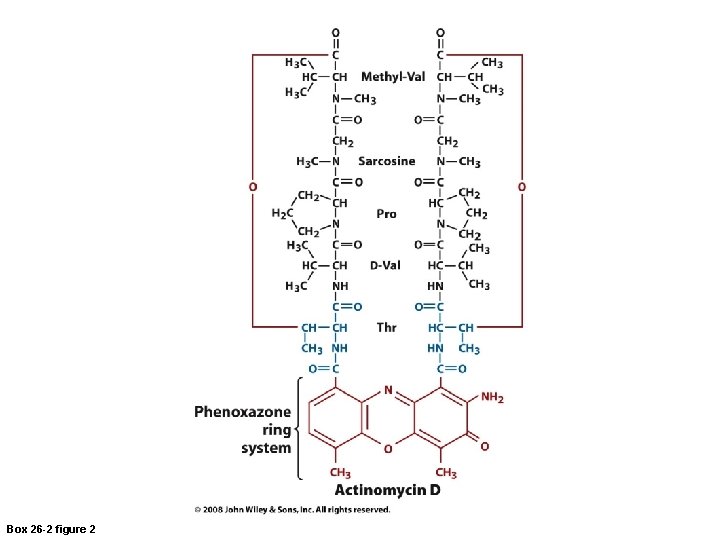
Box 26 -2 figure 2
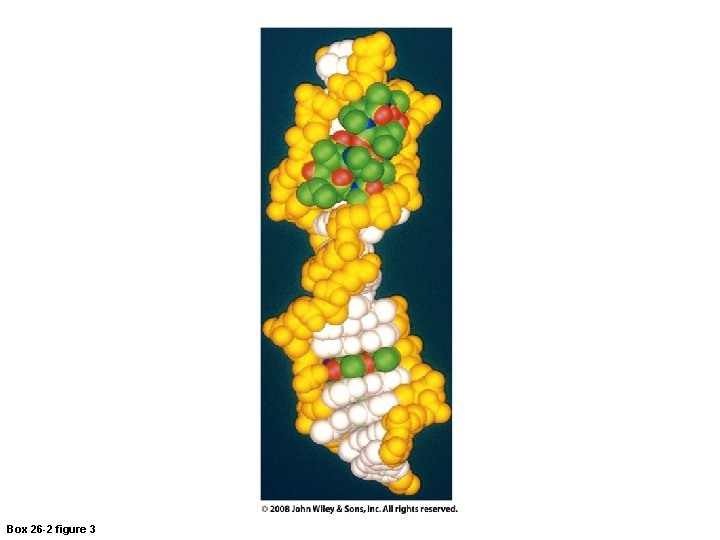
Box 26 -2 figure 3
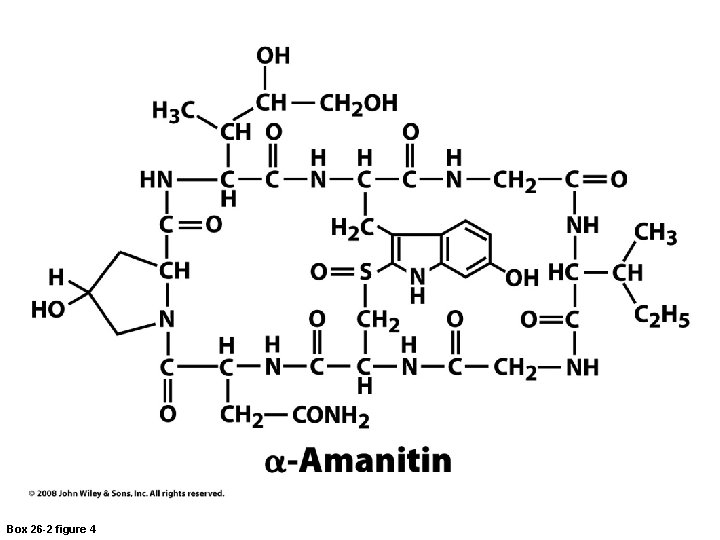
Box 26 -2 figure 4
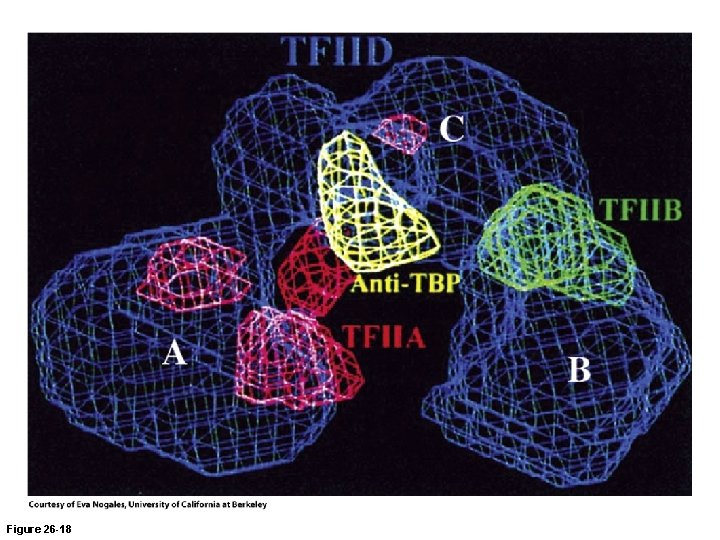
Figure 26 -18
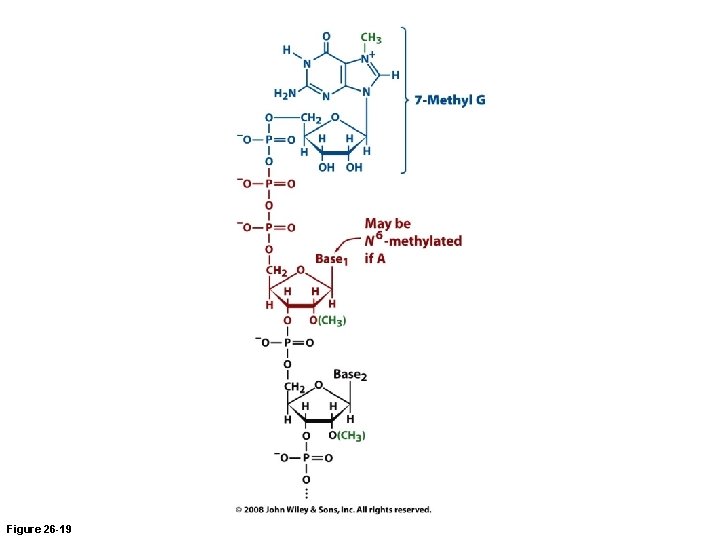
Figure 26 -19
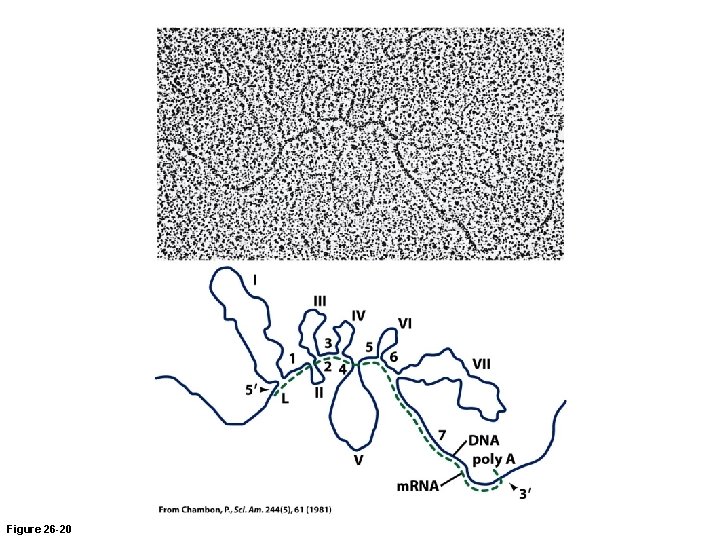
Figure 26 -20
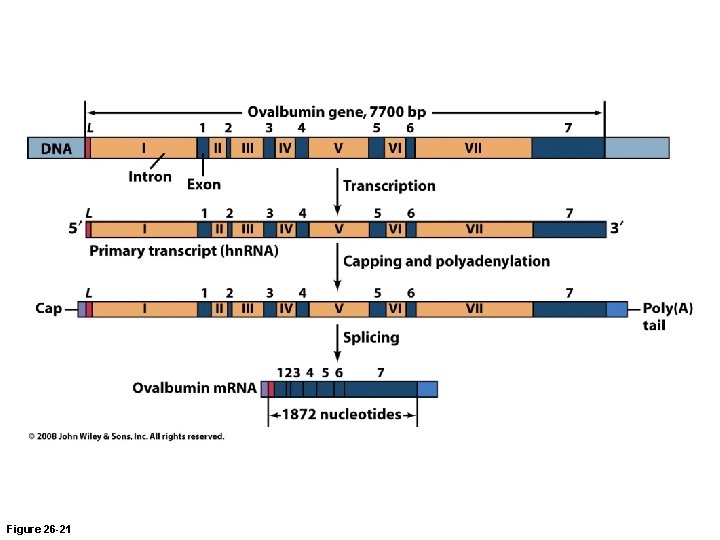
Figure 26 -21
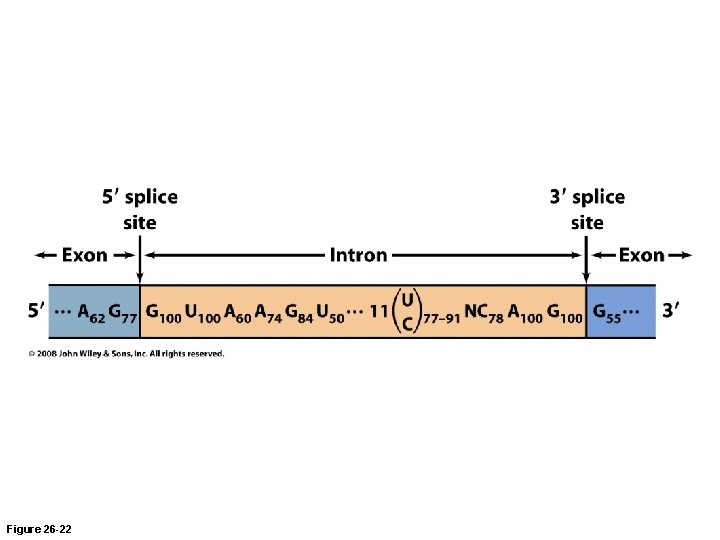
Figure 26 -22
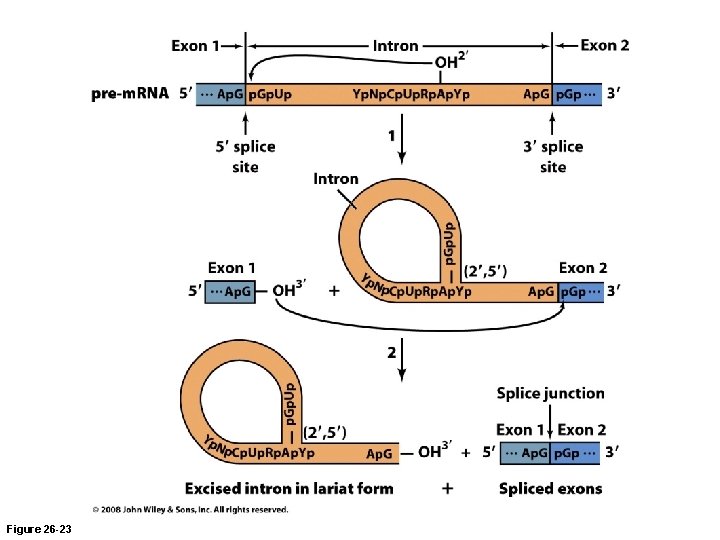
Figure 26 -23
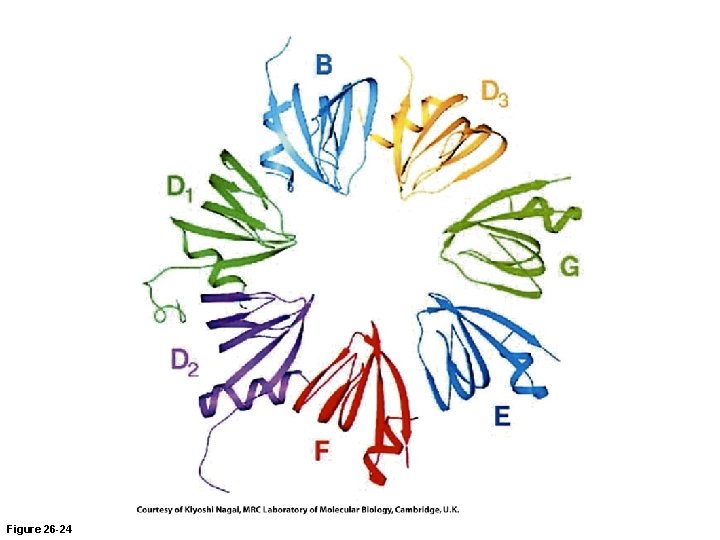
Figure 26 -24
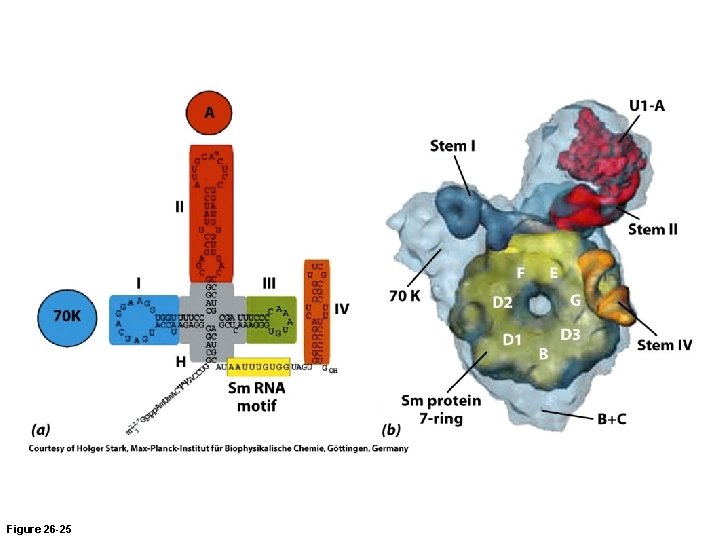
Figure 26 -25
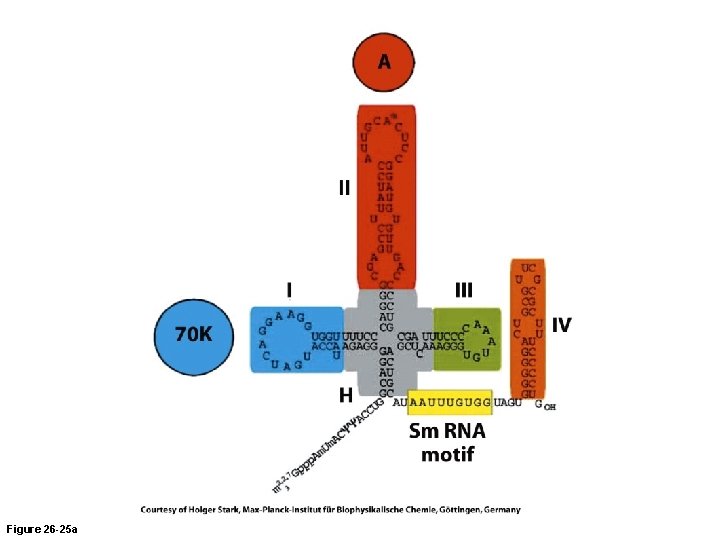
Figure 26 -25 a
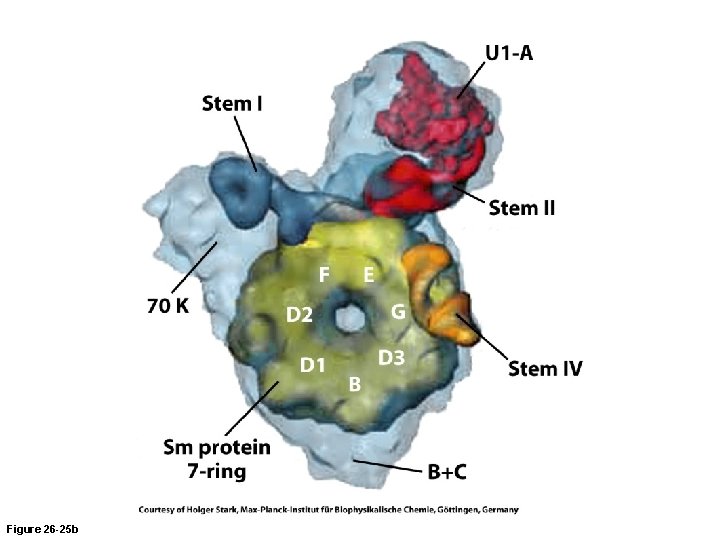
Figure 26 -25 b
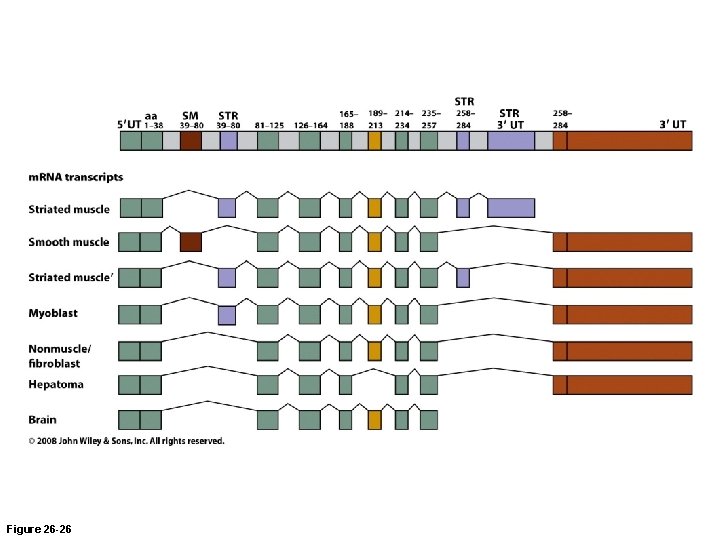
Figure 26 -26
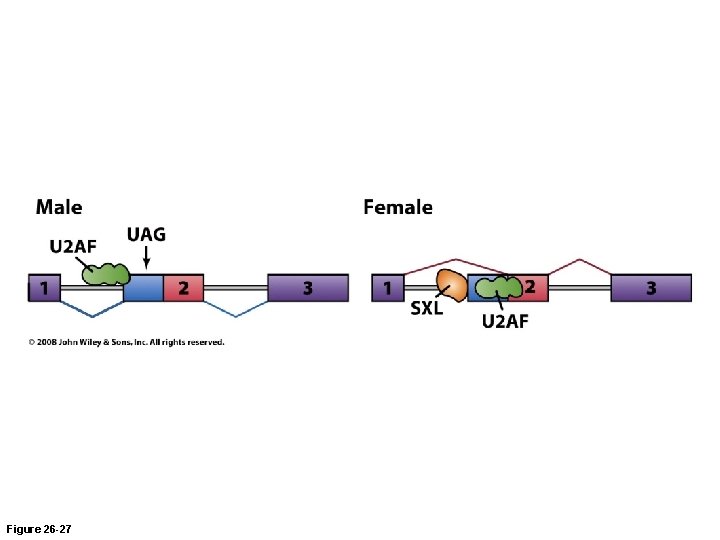
Figure 26 -27
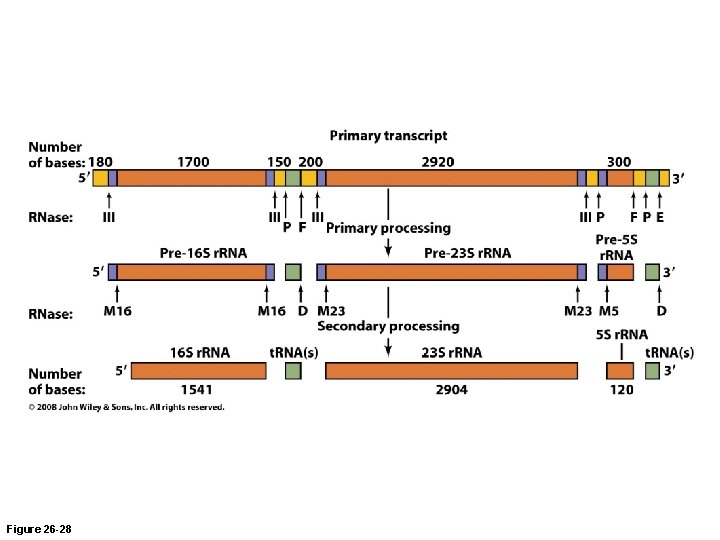
Figure 26 -28
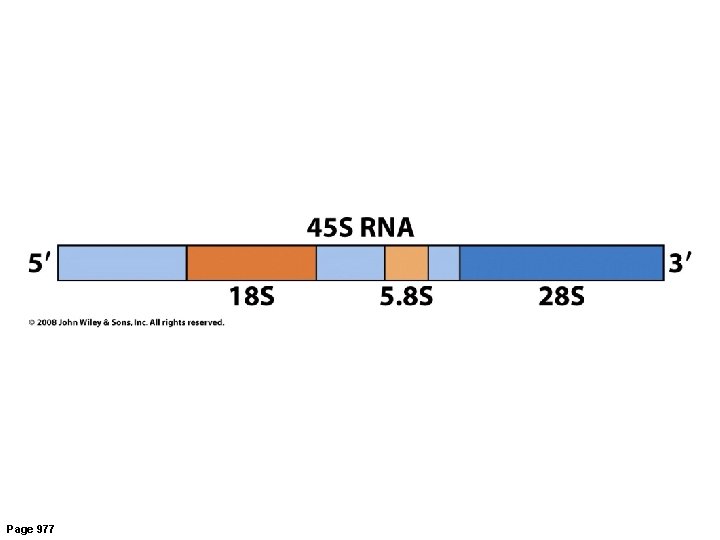
Page 977
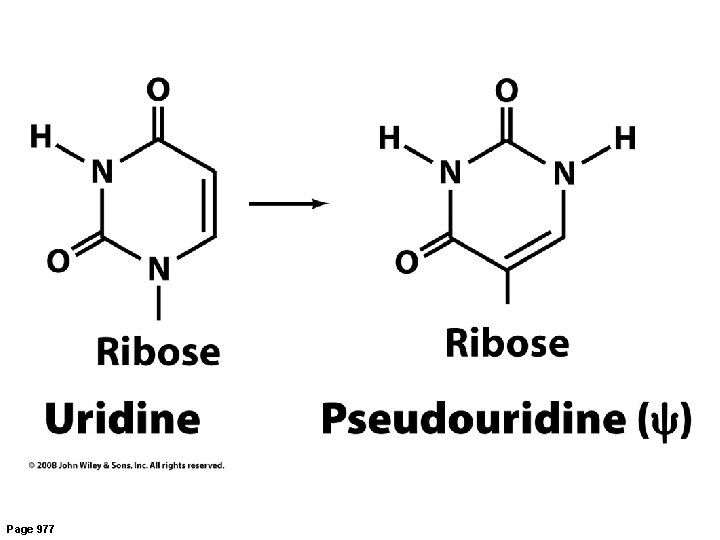
Page 977
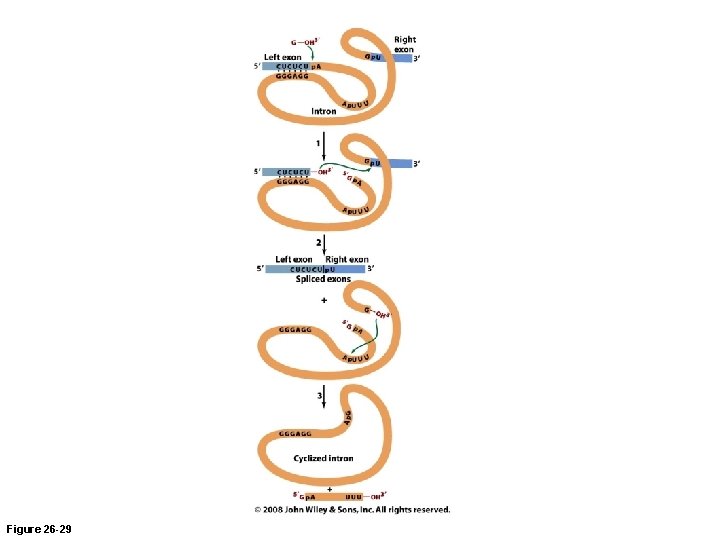
Figure 26 -29
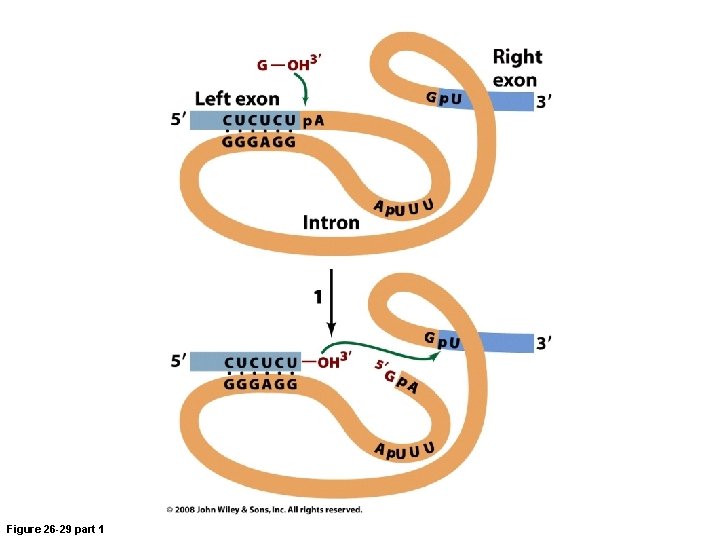
Figure 26 -29 part 1
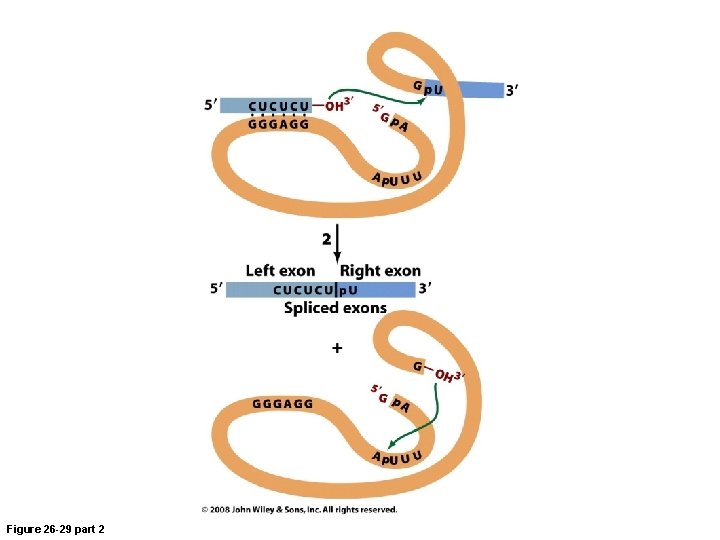
Figure 26 -29 part 2
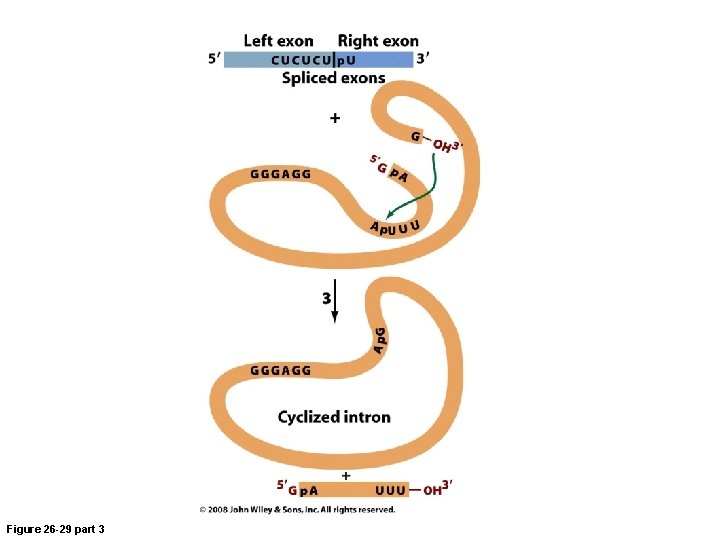
Figure 26 -29 part 3
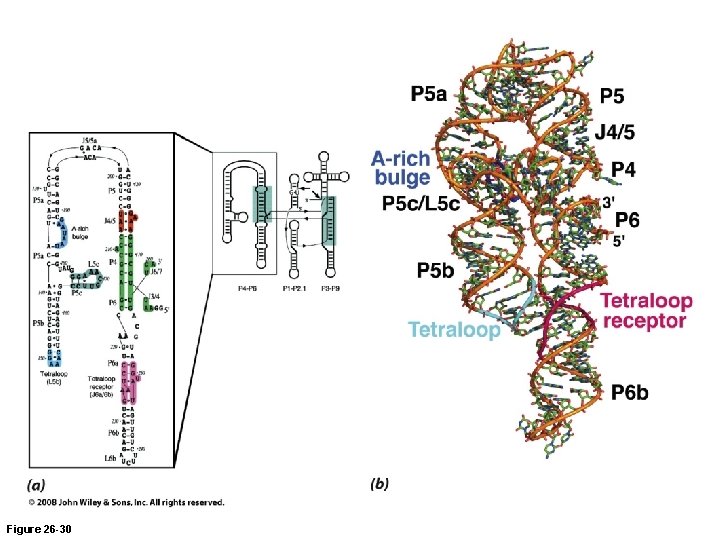
Figure 26 -30
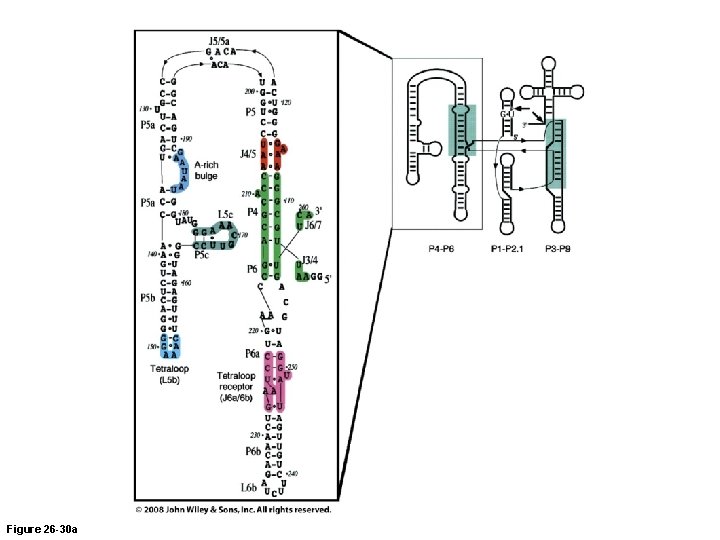
Figure 26 -30 a
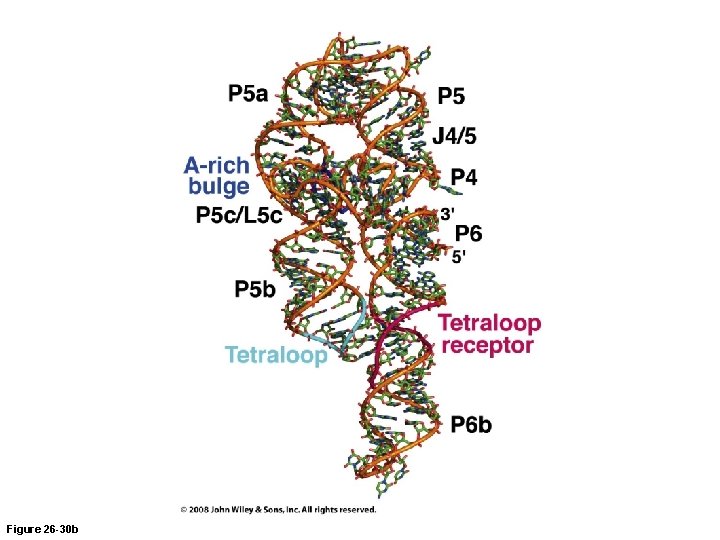
Figure 26 -30 b
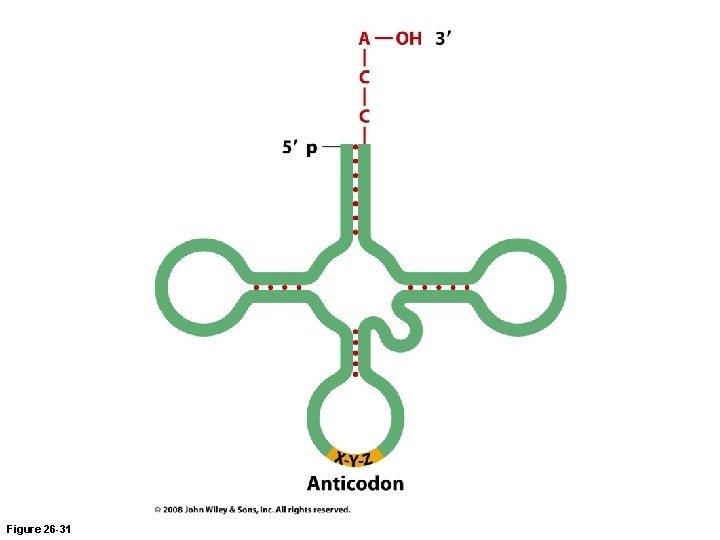
Figure 26 -31
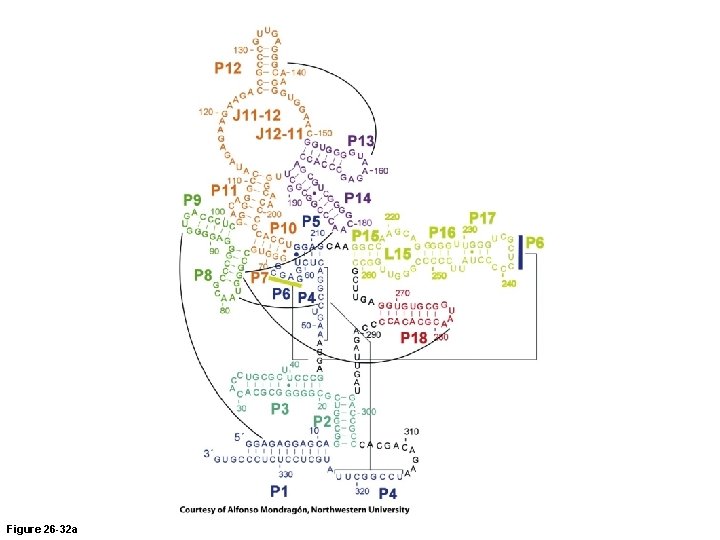
Figure 26 -32 a
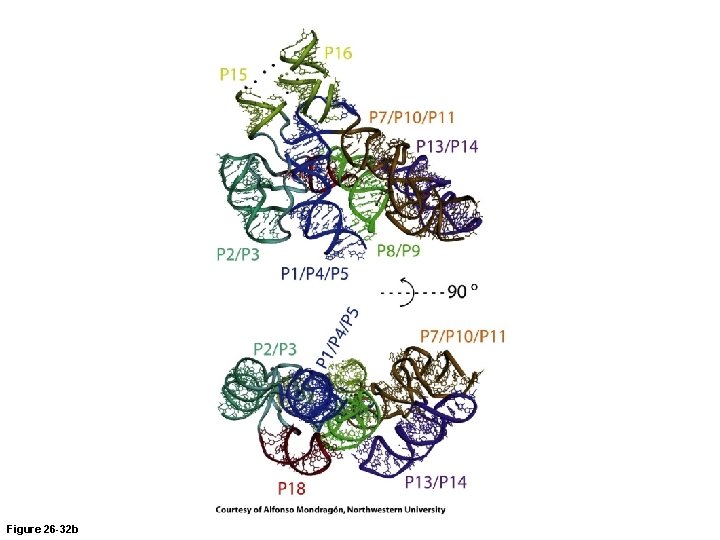
Figure 26 -32 b
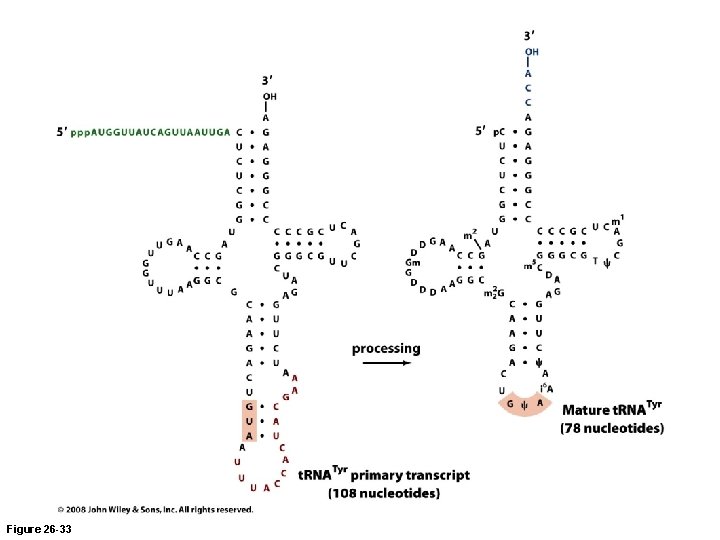
Figure 26 -33
- Slides: 77