
Review What are the 4 categories of biomolecules
Review What are the 4 categories of biomolecules? • Why are biomolecules called polymers? • How do you build polymers? • How do you break down polymers?
Friday 11/4/16 • AIM: Why do we eat proteins • DO NOW: 1 - What are the building blocks of proteins? • 2 - What elements build proteins? • 3 - How are large proteins built?
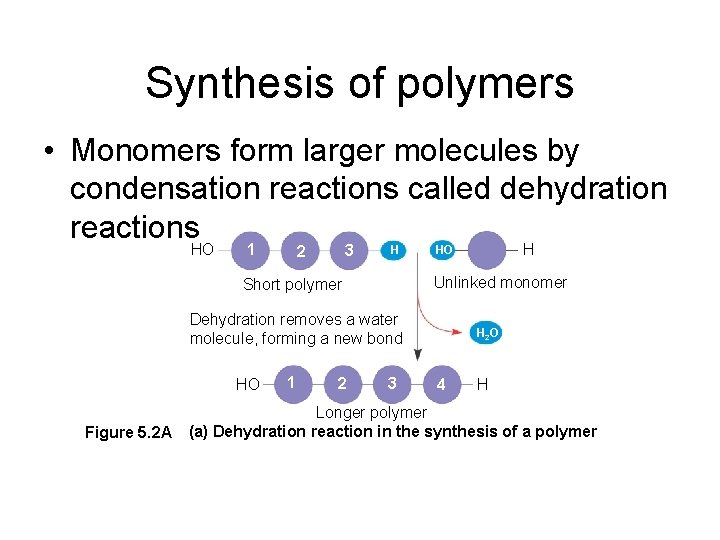
Synthesis of polymers • Monomers form larger molecules by condensation reactions called dehydration reactions HO 1 3 2 H Unlinked monomer Short polymer Dehydration removes a water molecule, forming a new bond HO Figure 5. 2 A 1 2 H HO 3 H 2 O 4 H Longer polymer (a) Dehydration reaction in the synthesis of a polymer
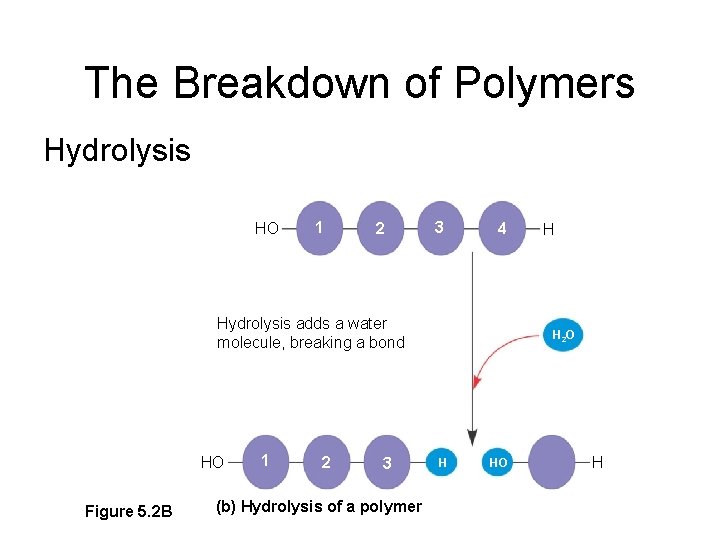
The Breakdown of Polymers Hydrolysis HO 1 2 3 4 Hydrolysis adds a water molecule, breaking a bond HO Figure 5. 2 B 1 2 3 (b) Hydrolysis of a polymer H H 2 O H HO H
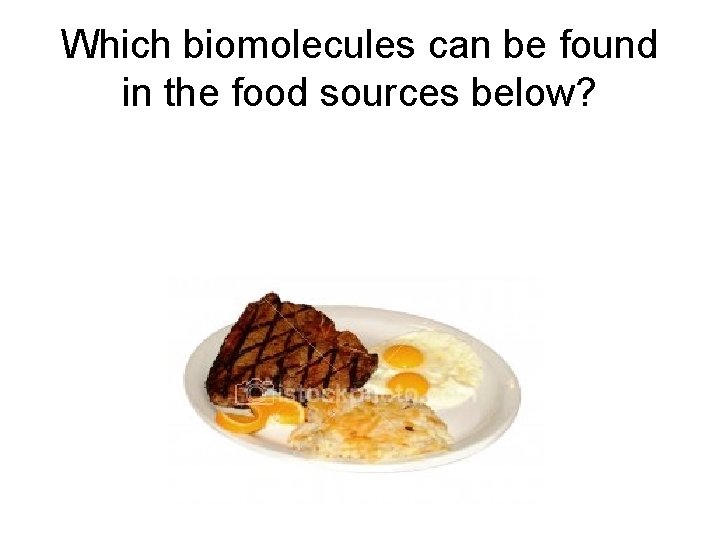
Which biomolecules can be found in the food sources below?
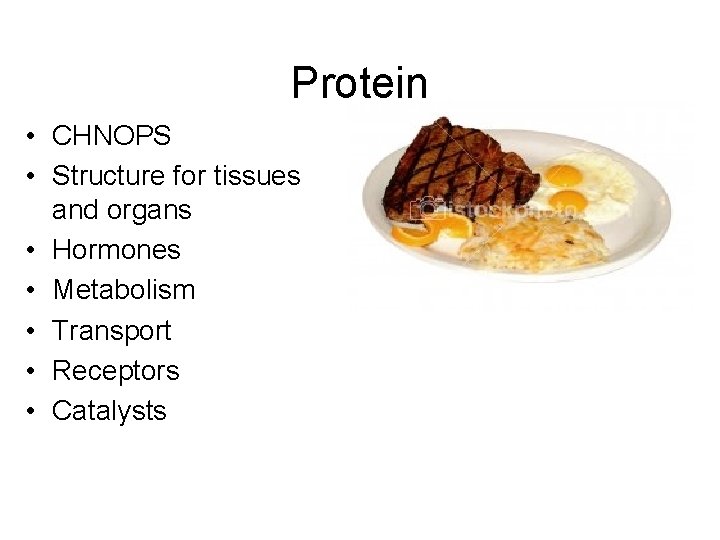
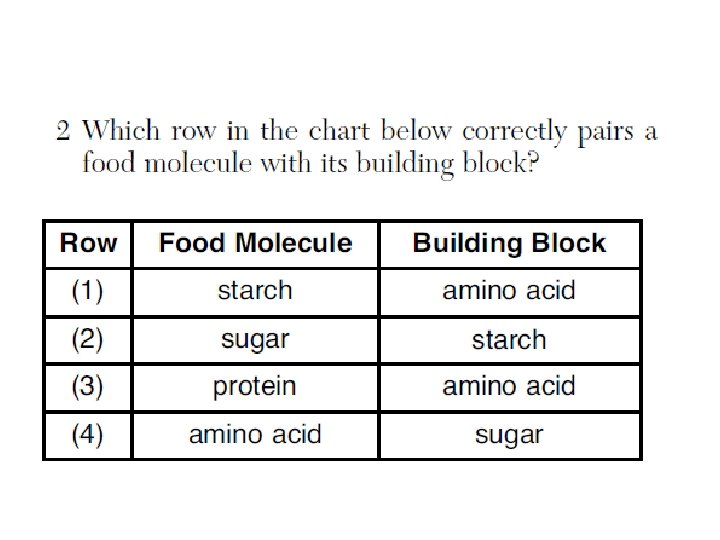
Protein • CHNOPS • Structure for tissues and organs • Hormones • Metabolism • Transport • Receptors • Catalysts
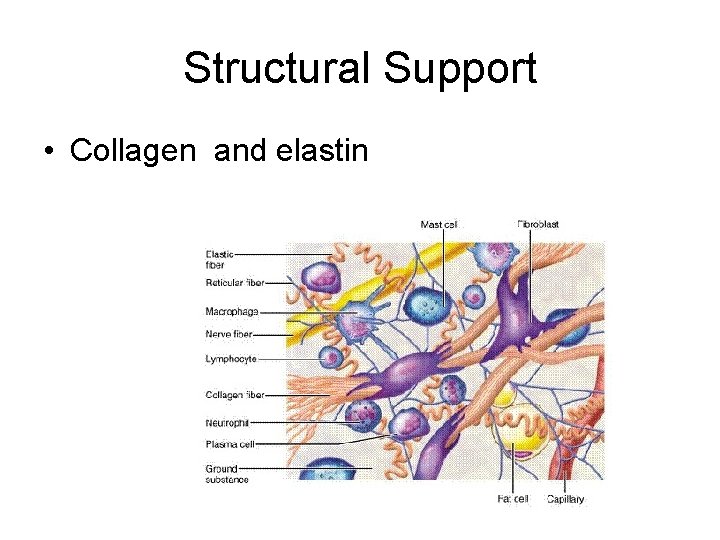
Structural Support • Collagen and elastin
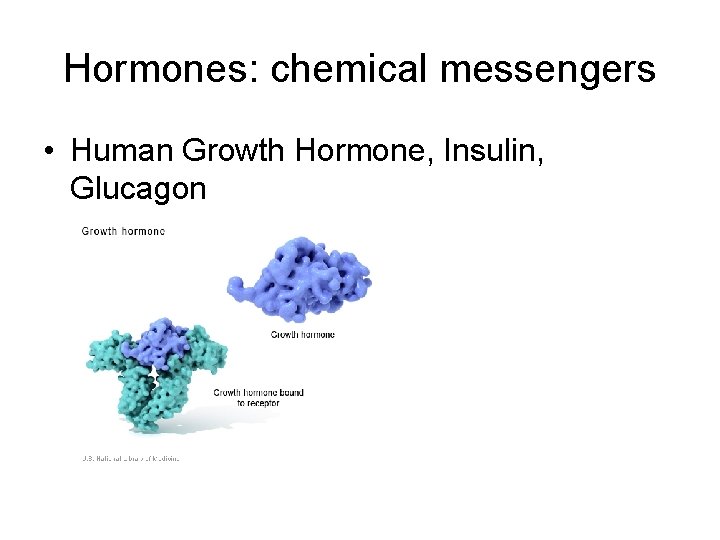
Hormones: chemical messengers • Human Growth Hormone, Insulin, Glucagon
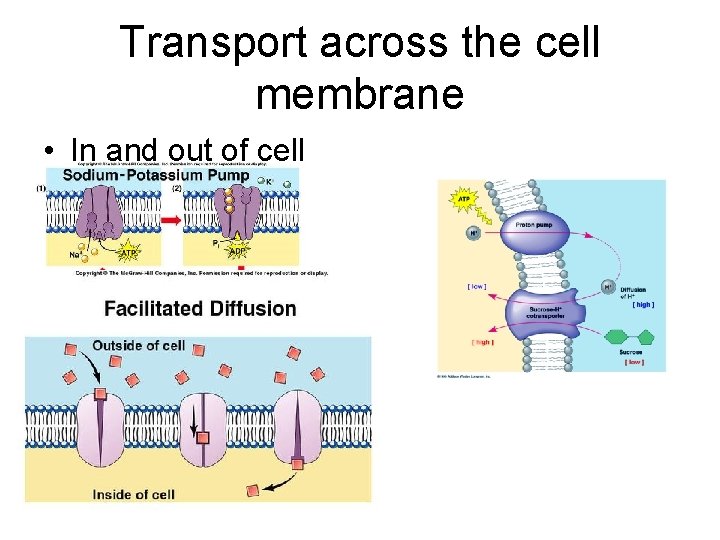
Transport across the cell membrane • In and out of cell
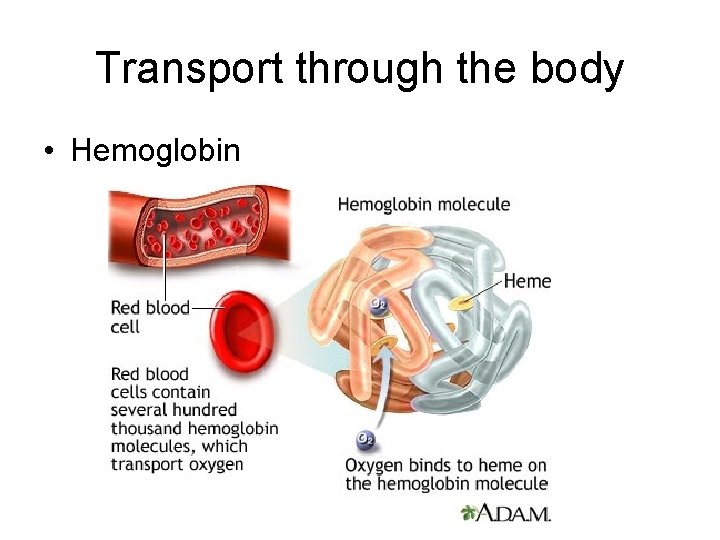
Transport through the body • Hemoglobin
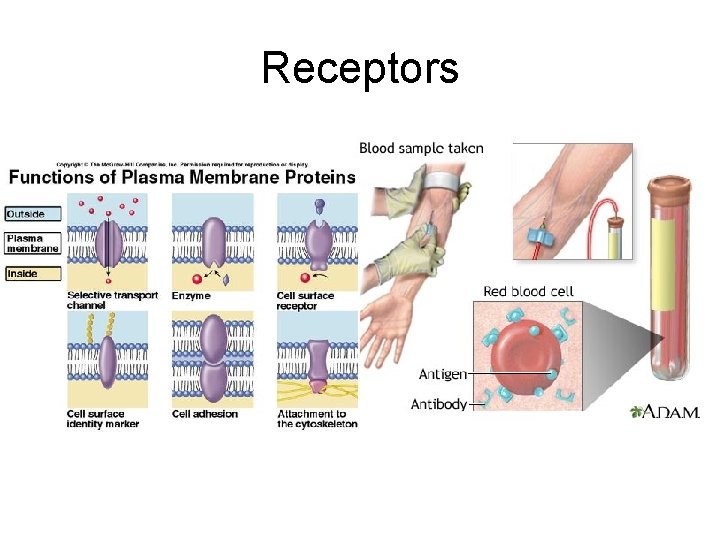
Receptors
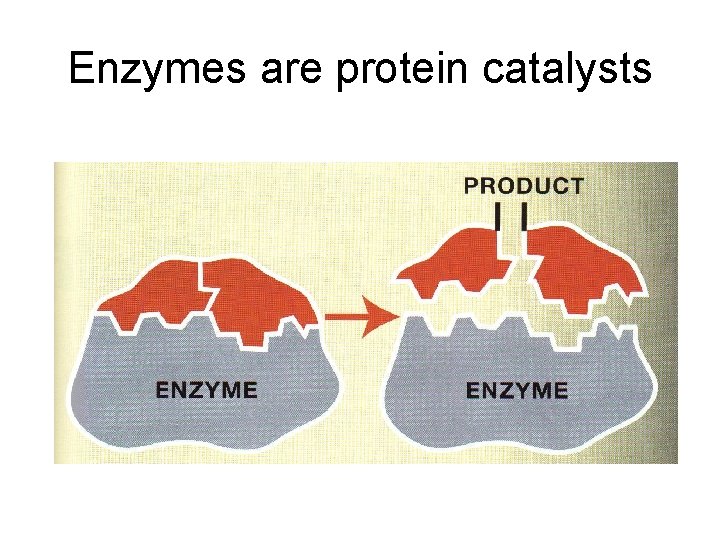
Enzymes are protein catalysts
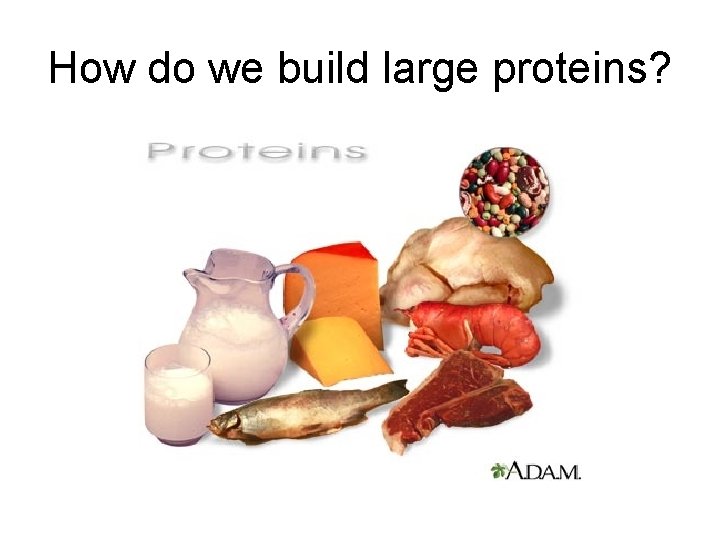
How do we build large proteins?
How are amino acids related to proteins?
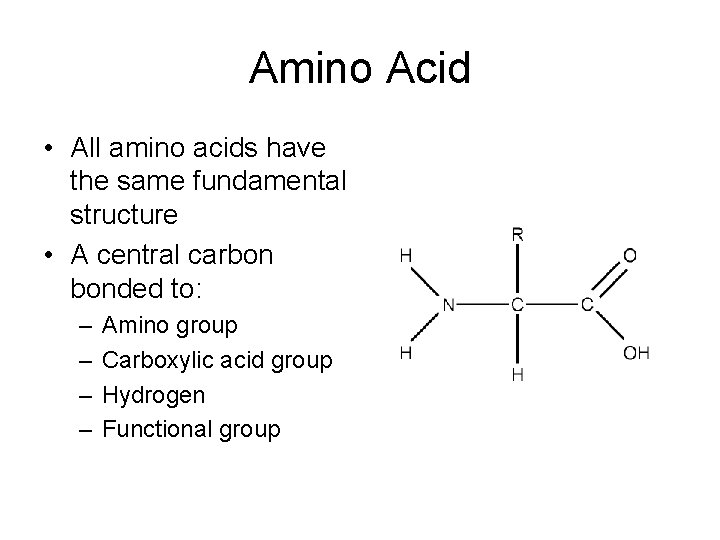
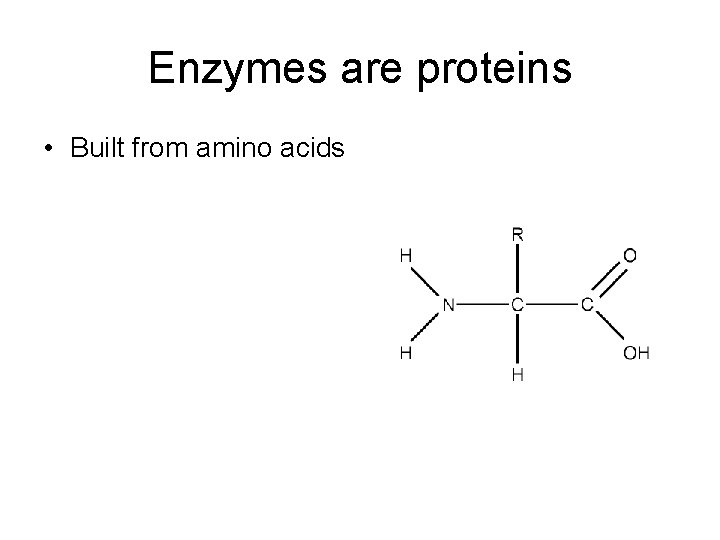
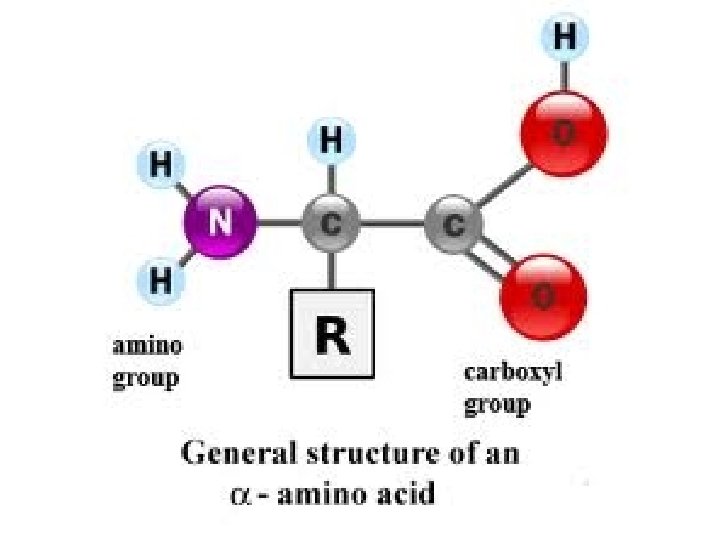
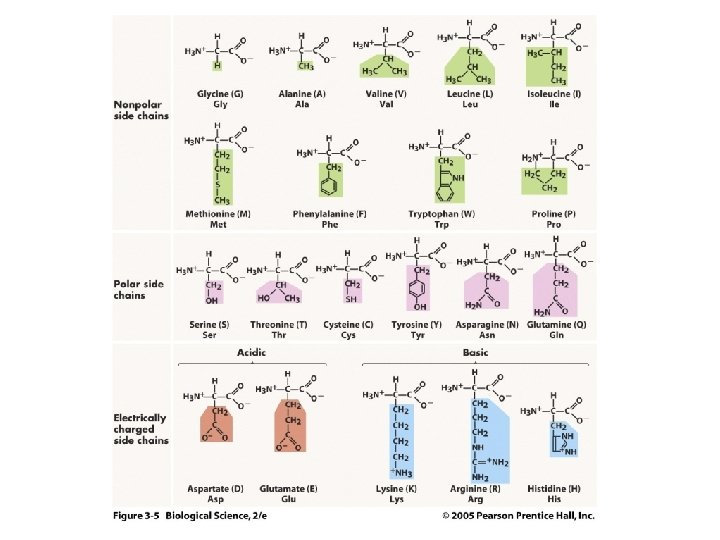
Amino Acid • All amino acids have the same fundamental structure • A central carbon bonded to: – – Amino group Carboxylic acid group Hydrogen Functional group
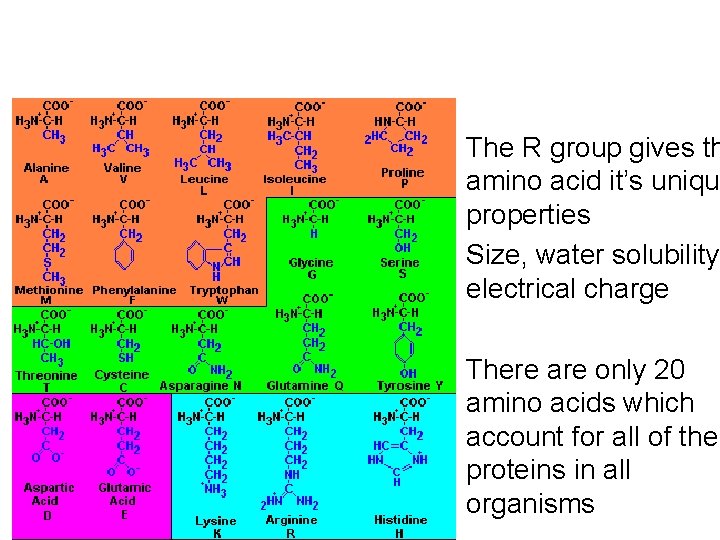
• The R group gives th amino acid it’s unique properties • Size, water solubility, electrical charge • There are only 20 amino acids which account for all of the proteins in all organisms
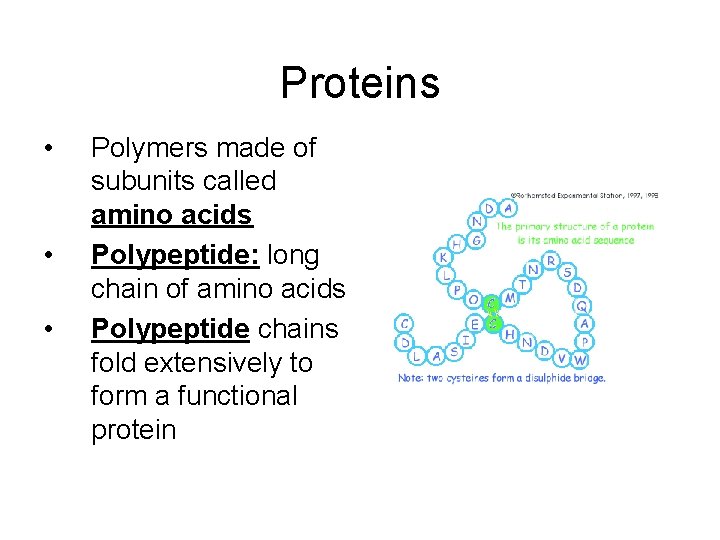
Proteins • • • Polymers made of subunits called amino acids Polypeptide: long chain of amino acids Polypeptide chains fold extensively to form a functional protein
Wednesday 11/9/16 • AIM: How do enzymes catalyze metabolic reactions? • DO NOW: 1 -Use your notes to draw and label the structure of an amino acid • 2 - What makes each amino acid different? • 3 - What are enzymes and how do they work? • HOMEWORK: Bring review book!
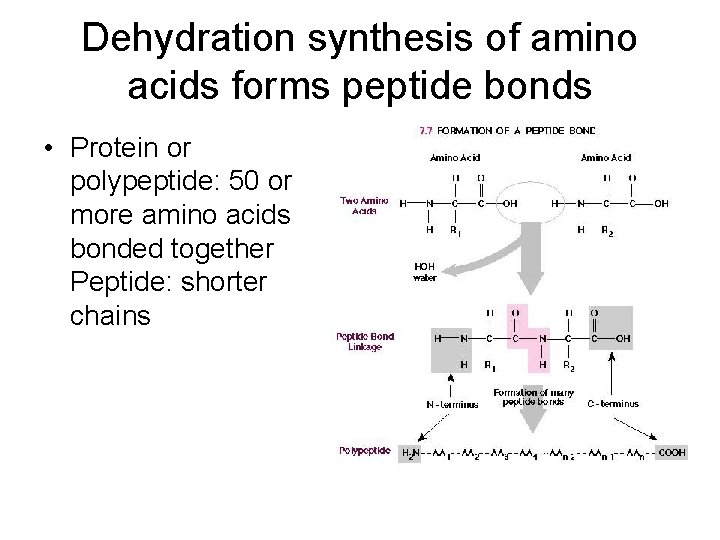
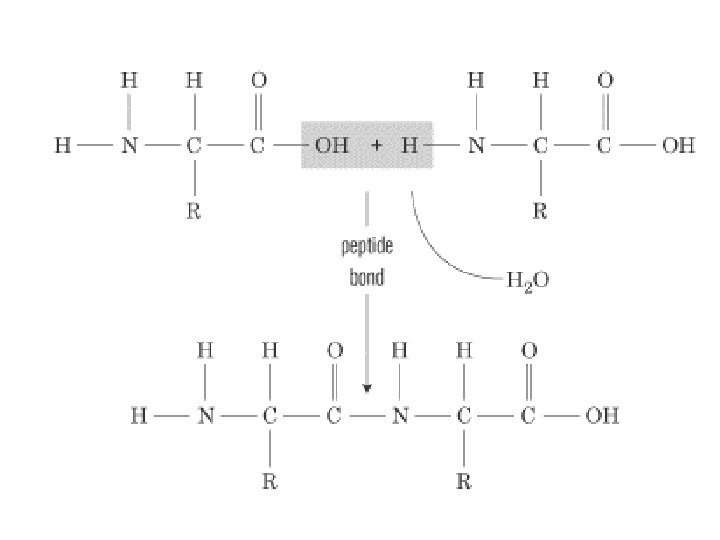
Dehydration synthesis of amino acids forms peptide bonds • Protein or polypeptide: 50 or more amino acids bonded together Peptide: shorter chains
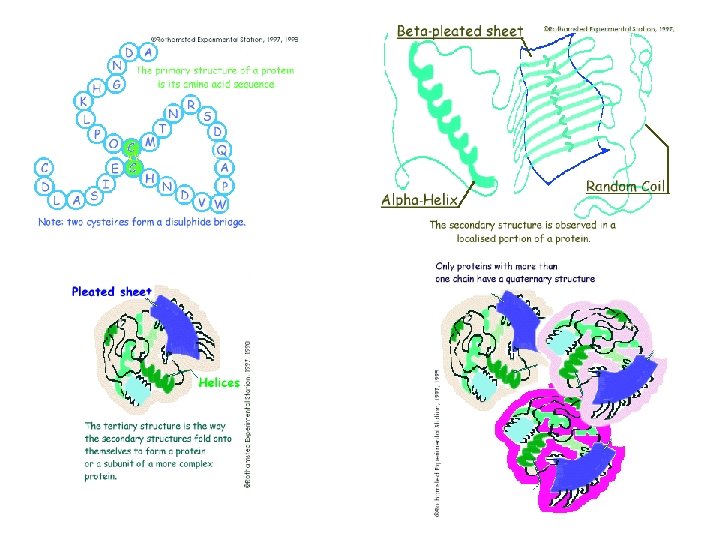
How are functional proteins formed? Fold the polypeptide into secondary and tertiary structures then add more folded polypeptides to create the quaternary functional protein
Shape of protein correlates to it’s function • • Shape of protein is determined by exact type, position and number of it’s amino acids In many cases 2 or more polypeptide chains join Amino acid chain undergoes a series of folds If the shape of protein is denatured, the protein may no longer be able to function properly
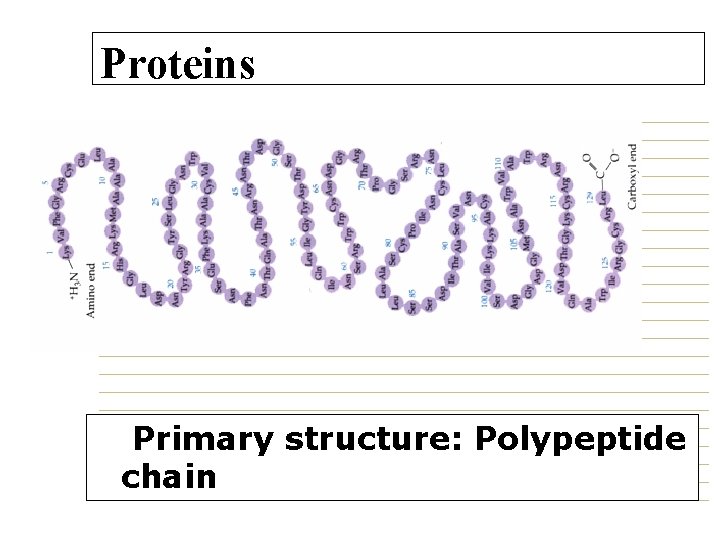
Proteins • Proteins. Protein structure Primary structure • Primary structure: Polypeptide chain
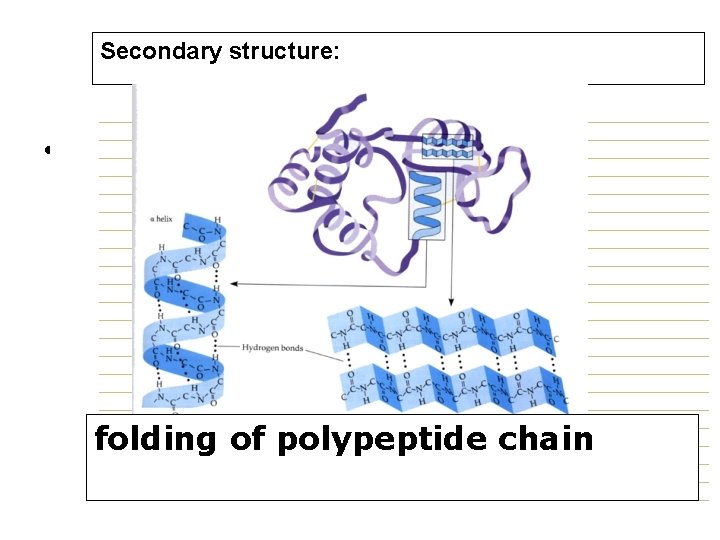
Secondary structure: • Proteins. Protein structure Secondary structure folding of polypeptide chain
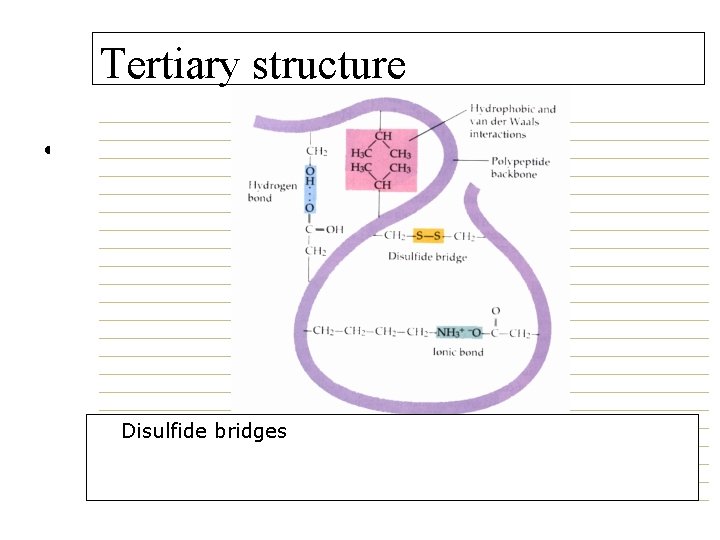
Tertiary structure • Proteins. Protein structure Tertiary structure • Disulfide bridges
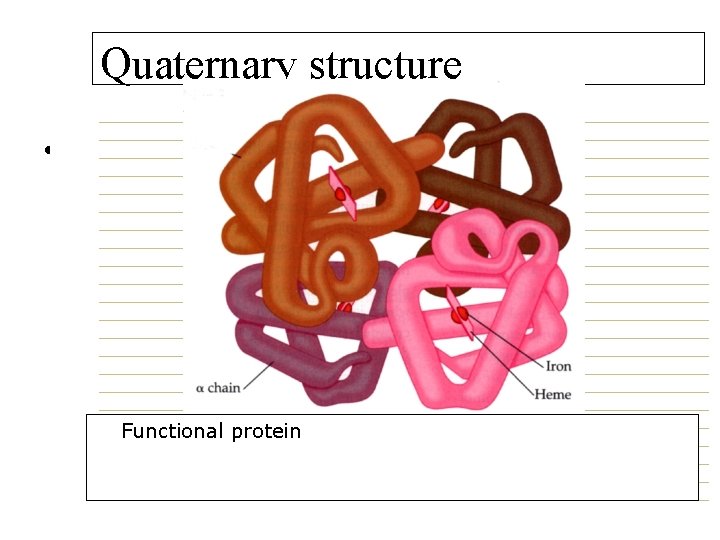
Quaternary structure • Proteins. Protein structure Quaternary structure • Functional protein
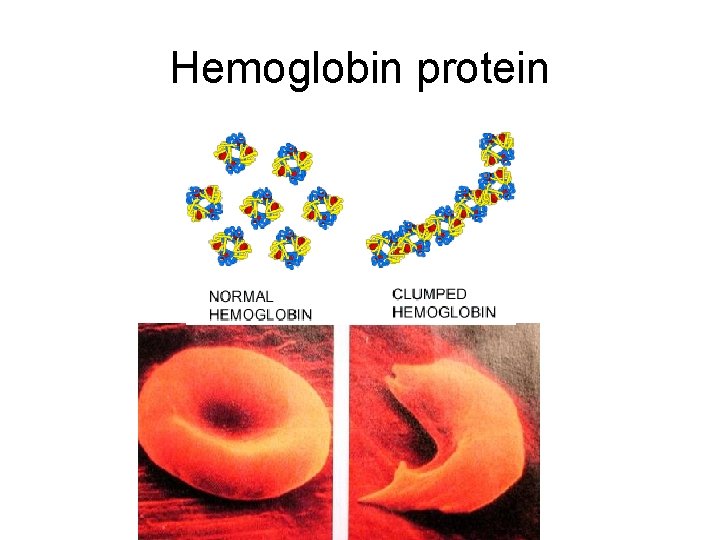
Hemoglobin protein
How do you cells know which amino acids should be used in building a polypeptide?
How is the protein effected if the shape changes?
If you change the structure or denature a protein, it does not work
Thursday 11/10/16 • AIM: How do enzymes catalyze chemical reactions? ? • DO NOW: 1 - Explain what would happen if an enzyme changes its shape. • 2 - Review book read pages 137 -138. Answer questions 1 -4 pg 139 • HOMEWORK: Review book pages 140141 questions 5 -12
Protein Structure
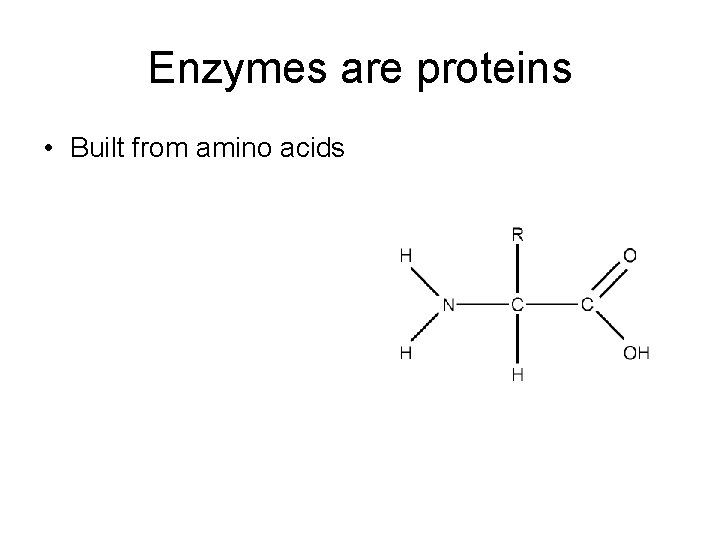
Enzymes are proteins • Built from amino acids
Enzymes are catalysts
How do enzymes catalyze a chemical reaction?
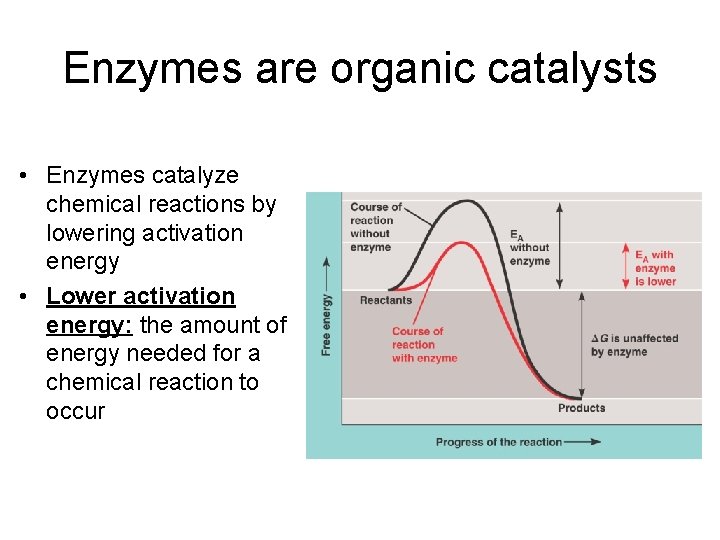
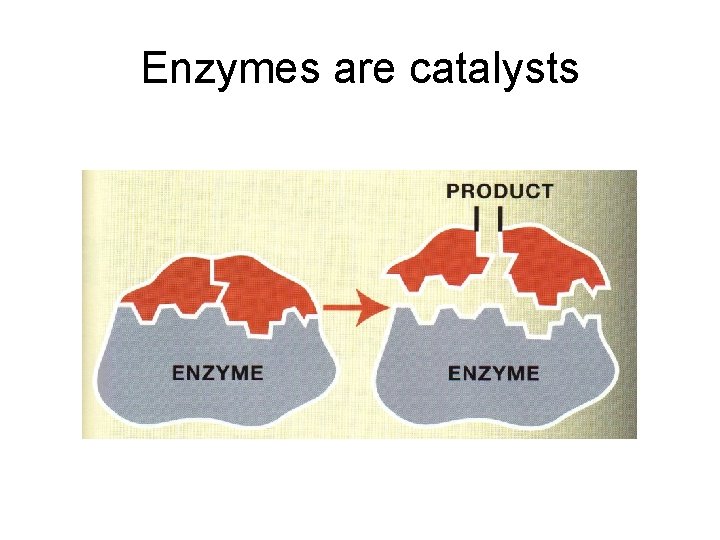
Enzymes are organic catalysts • Enzymes catalyze chemical reactions by lowering activation energy • Lower activation energy: the amount of energy needed for a chemical reaction to occur
How do enzymes lower the activation energy?
How Do Enzymes Work?
Substrate • The molecule or molecules that the enzyme is catalyzing • Activation energy is lowered when the enzyme and substrate bond together – Causing chemical reaction to happen
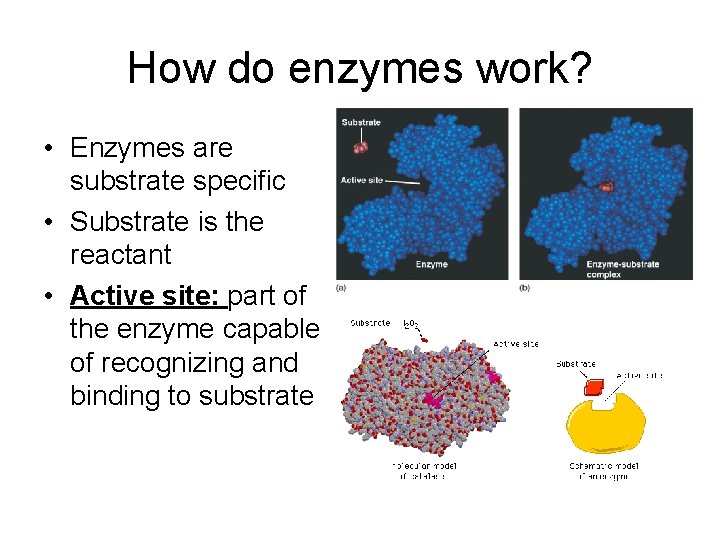
How do enzymes work? • Enzymes are substrate specific • Substrate is the reactant • Active site: part of the enzyme capable of recognizing and binding to substrate
2 methods in which enzymes work • Induced Fit Model • Lock and key model
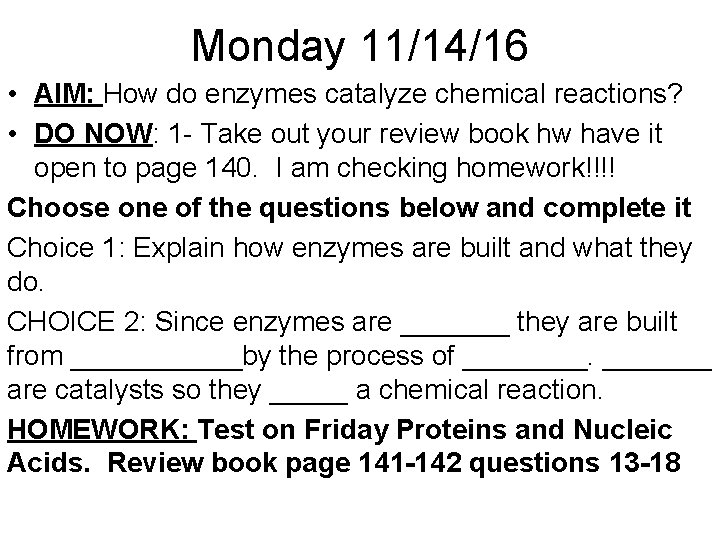
Monday 11/14/16 • AIM: How do enzymes catalyze chemical reactions? • DO NOW: 1 - Take out your review book hw have it open to page 140. I am checking homework!!!! Choose one of the questions below and complete it Choice 1: Explain how enzymes are built and what they do. CHOICE 2: Since enzymes are _______ they are built from ______by the process of _______ are catalysts so they _____ a chemical reaction. HOMEWORK: Test on Friday Proteins and Nucleic Acids. Review book page 141 -142 questions 13 -18
Enzymes are proteins • Built from amino acids
• MOTIVATION: Draw the structure of an amino acid using the following colors • Central Carbon: green • Amino group: Pink • Carboxylic acid group: Blue • Functional group: Red
Amino acids • A central carbon forms 4 covalent bonds (share electrons) • Bond 1: with a single hydrogen atom • Bond 2: with an amino group (NH 2) • Bond 3; with a carboxylic acid group (COOH) • Bond 4: with a functional group represented by the letter R
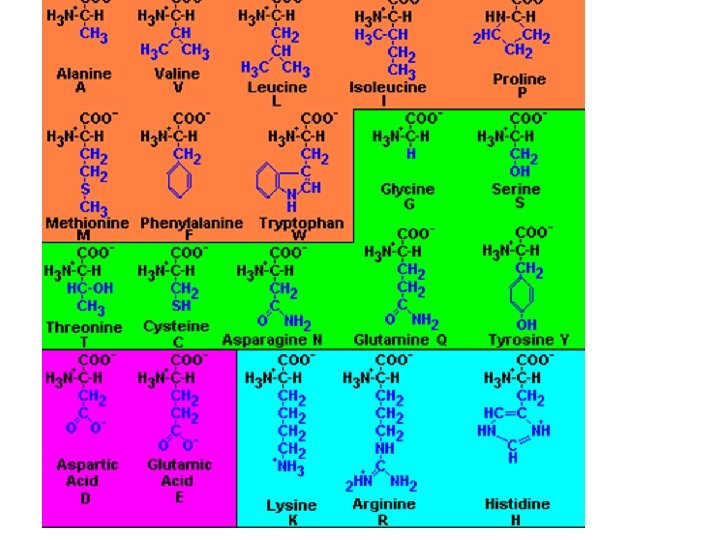
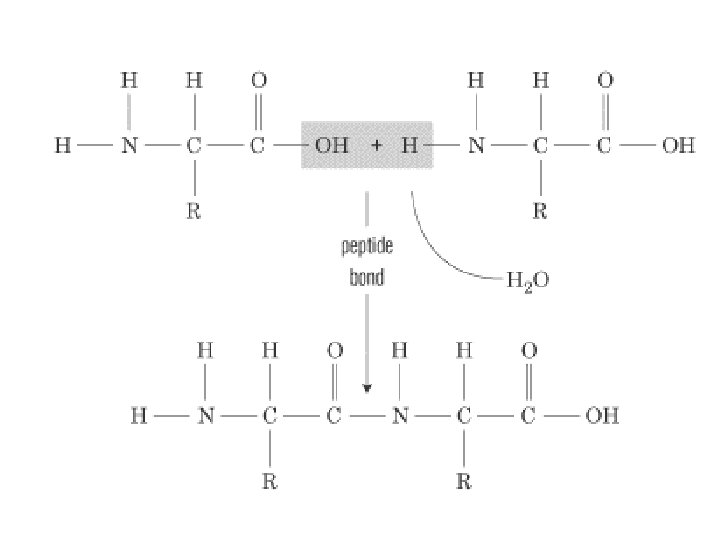
How do amino acids bond together to form a chain of amino acids? Dehydration synthesis: loss of water to form a bond
Peptide bonds • Always formed between the Nitrogen of an amino group of one amino acid bonded to the Carbon of the carboxylic acid in a second amino acid • THE CENTRAL CARBON IS NEVER part of the peptide bond!!!!!!!!!!!
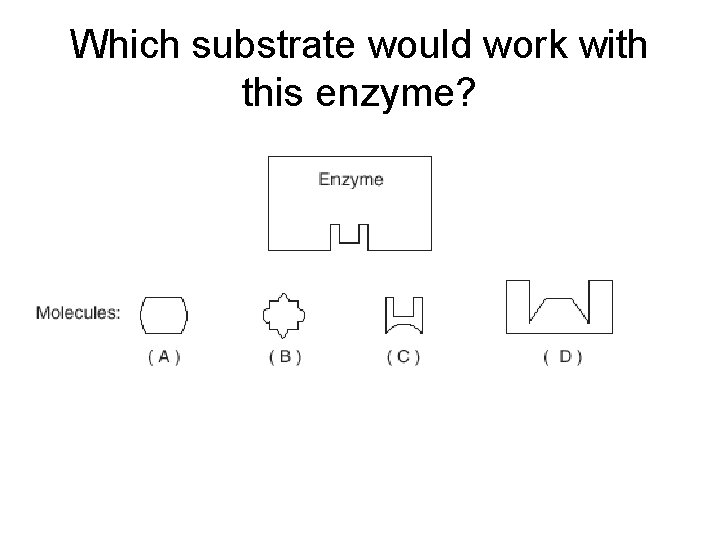
Which substrate would work with this enzyme?
How do enzymes work?
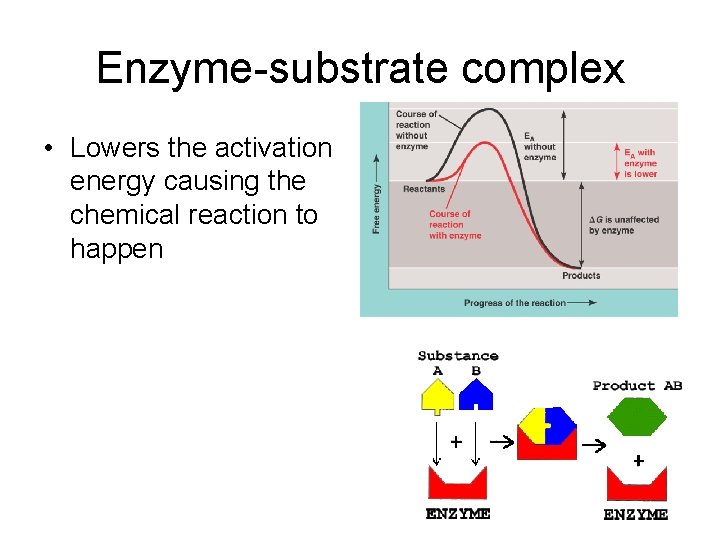
Enzyme-substrate complex • Lowers the activation energy causing the chemical reaction to happen
How do enzymes bond to substrates? Induced fit Lock and Key
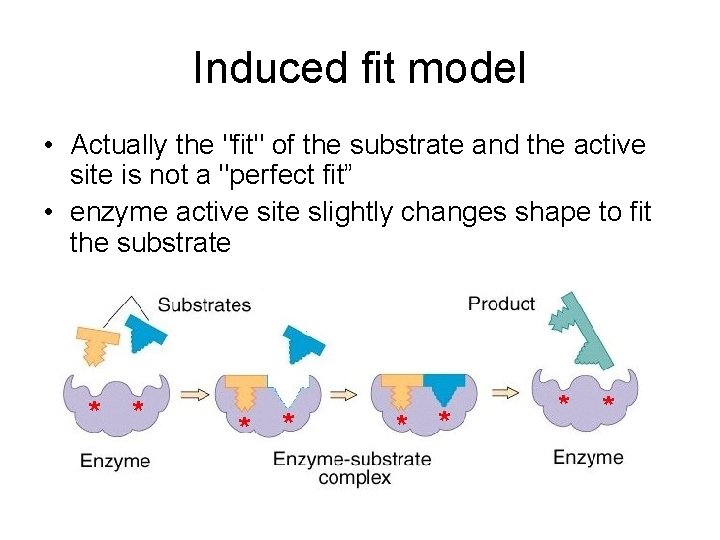
Induced fit model • Actually the "fit" of the substrate and the active site is not a "perfect fit” • enzyme active site slightly changes shape to fit the substrate
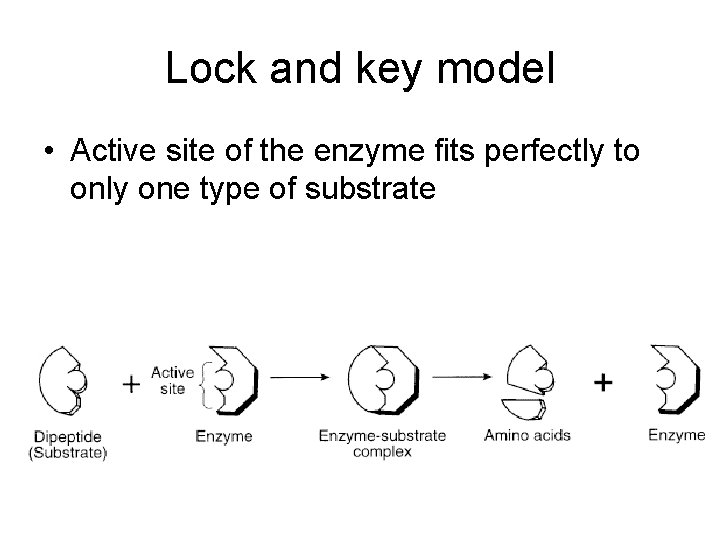
Lock and key model • Active site of the enzyme fits perfectly to only one type of substrate
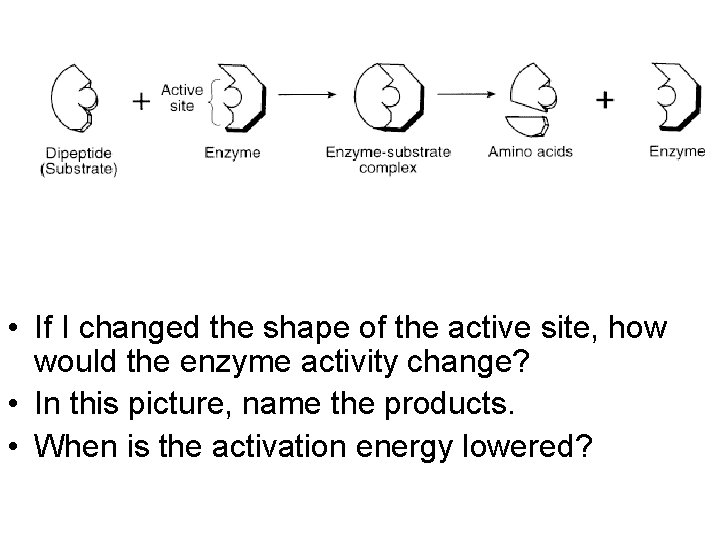
• If I changed the shape of the active site, how would the enzyme activity change? • In this picture, name the products. • When is the activation energy lowered?

Pd 9 Tuesday
Tuesday 11/15/16 • AIM: What factors effect the rate of enzyme activity? • DO NOW: 1 -Define activation energy? • 2 - Explain how enzymes effect activation energy. • HOMEWORK: Textbook read pages 156160. Answer questions 1 and 4 on page 160
DO NOW Answer • Activation energy: The amount of energy it takes for a chemical reaction to occur • How do enzymes catalyze chemical reactions? • By lowering the activation energy • When do enzymes lower activation energy? • Enzyme substrate complex
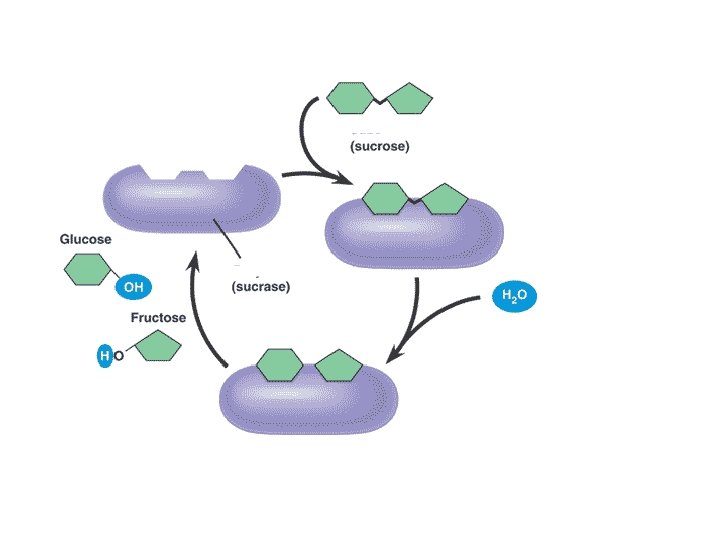
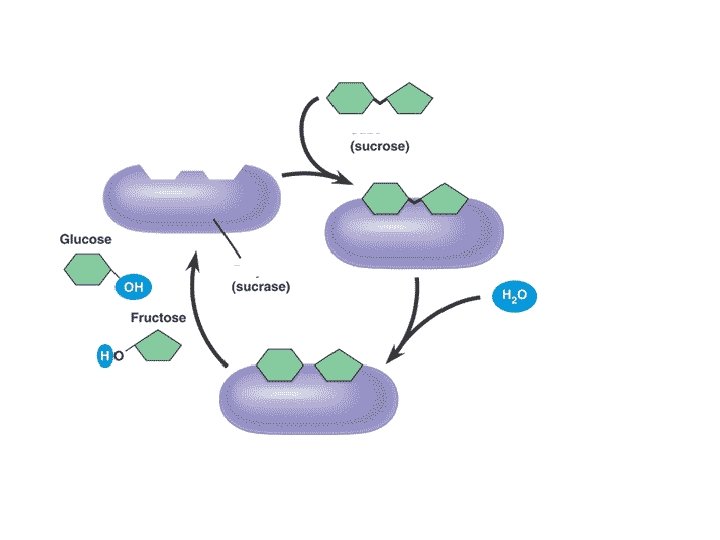
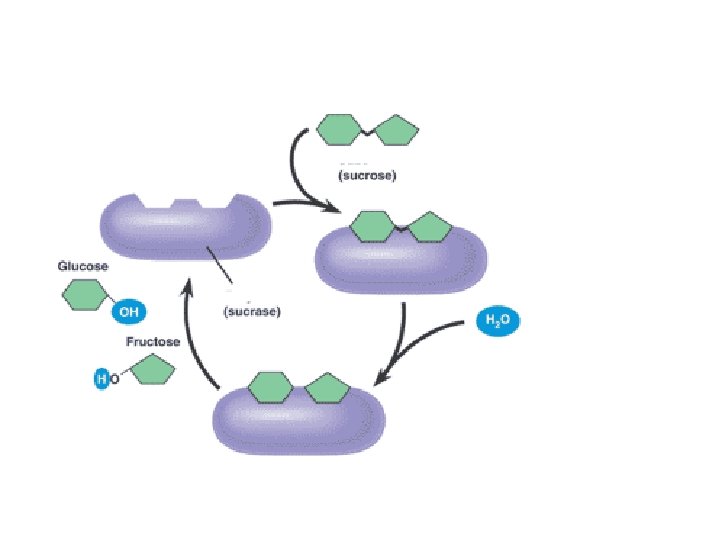
Naming enzymes • Enzyme names end with the -ase suffix, • the -ase suffix is added to the substrate name. • For example, sucrase is the enzyme that breaks down the substrate sucrose, a disaccharide, into the monosaccharides glucose and fructose. • Protease: the enzyme that catalyzes the break down of proteins into amino acids
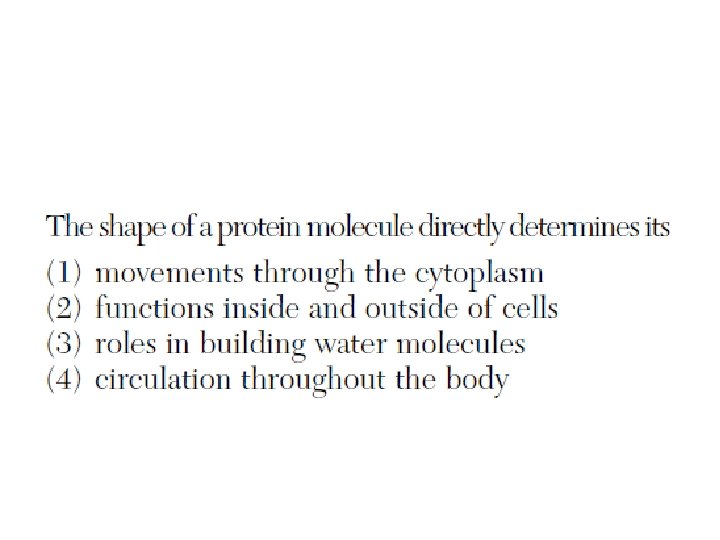
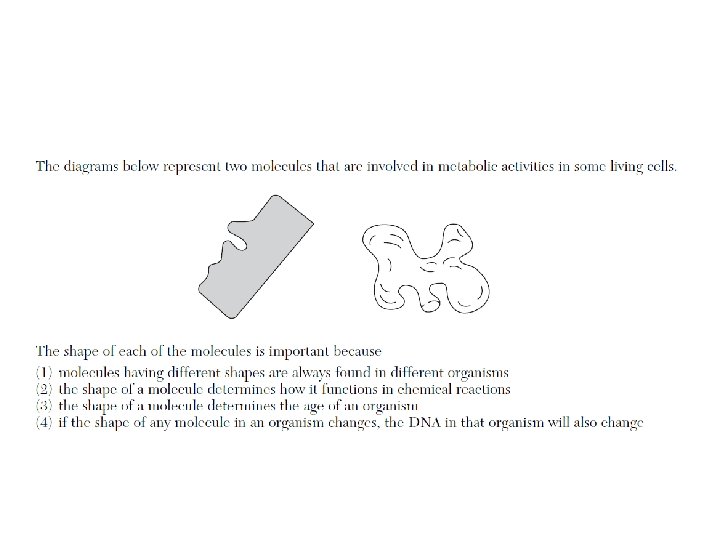
Pair and share • In one complete sentence, explain why the shape of enzyme is important to its function. • What happens if an enzyme looses its shape
Use you handout to identify two factors that may effect enzyme activity
Factors that affect enzyme activity 1. Amount of enzyme 2. Amount of substrate 3. p. H 4. Temperature
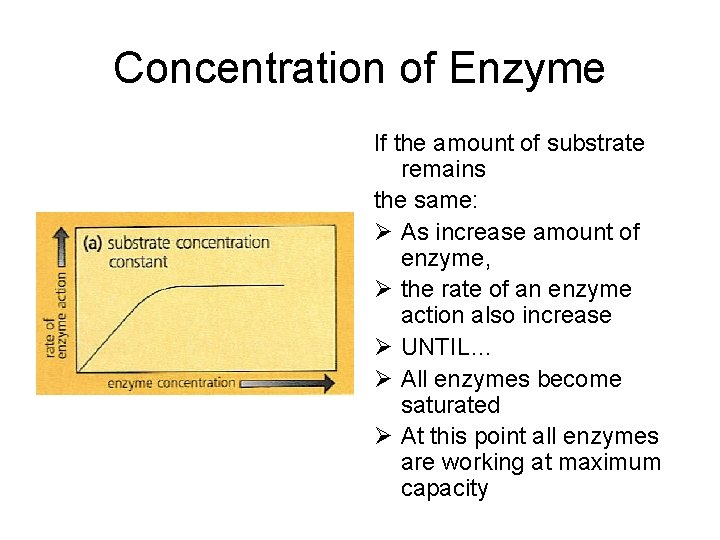
Concentration of Enzyme If the amount of substrate remains the same: Ø As increase amount of enzyme, Ø the rate of an enzyme action also increase Ø UNTIL… Ø All enzymes become saturated Ø At this point all enzymes are working at maximum capacity
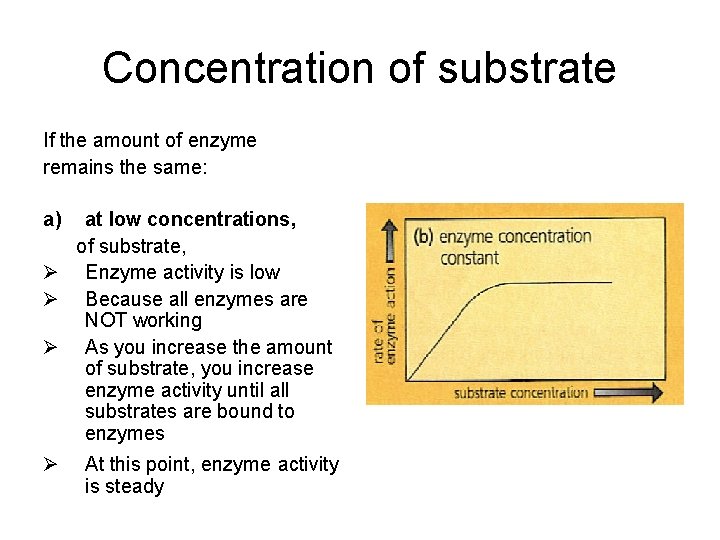
Concentration of substrate If the amount of enzyme remains the same: a) at low concentrations, of substrate, Ø Enzyme activity is low Ø Because all enzymes are NOT working Ø As you increase the amount of substrate, you increase enzyme activity until all substrates are bound to enzymes Ø At this point, enzyme activity is steady
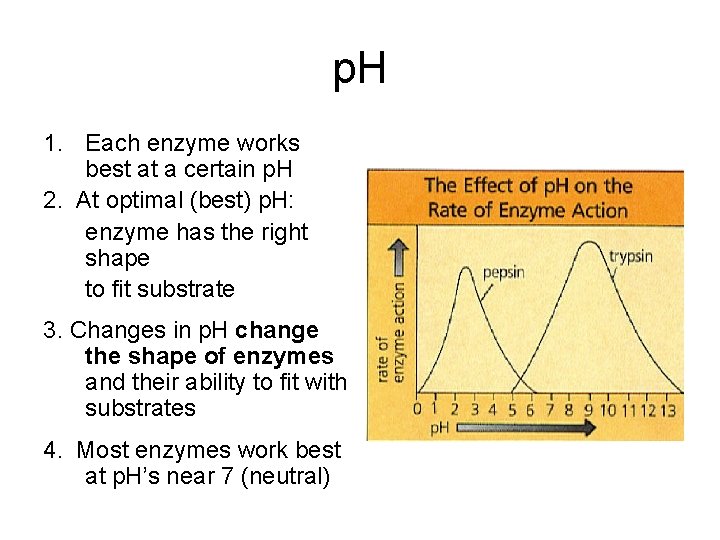
p. H 1. Each enzyme works best at a certain p. H 2. At optimal (best) p. H: enzyme has the right shape to fit substrate 3. Changes in p. H change the shape of enzymes and their ability to fit with substrates 4. Most enzymes work best at p. H’s near 7 (neutral)
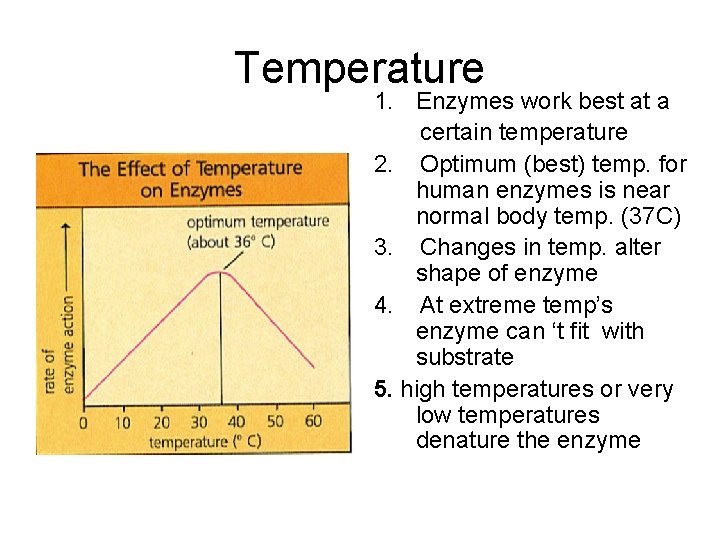
Temperature 1. Enzymes work best at a certain temperature 2. Optimum (best) temp. for human enzymes is near normal body temp. (37 C) 3. Changes in temp. alter shape of enzyme 4. At extreme temp’s enzyme can ‘t fit with substrate 5. high temperatures or very low temperatures denature the enzyme
Wednesday 11/16/16 • AIM: How are nucleic acids built? • DO NOW: How are nucleic acids built? • How do nucleic acids function in living things? • HOMEWORK: Castle learning due Friday 8: 00 am
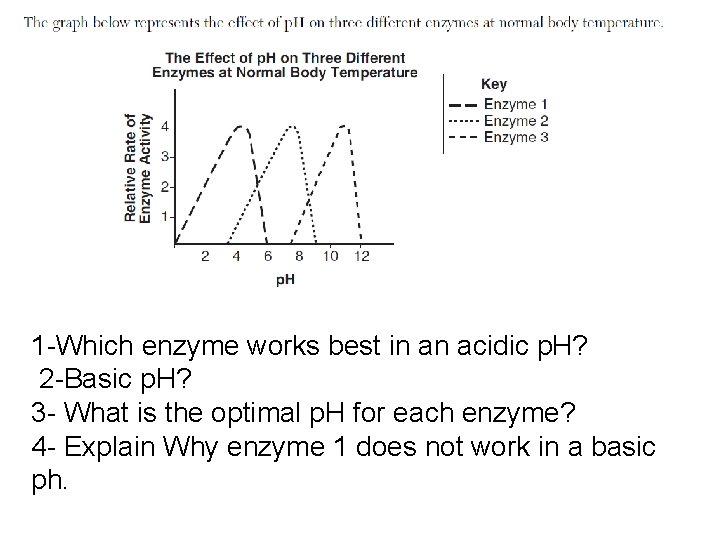
1 -Which enzyme works best in an acidic p. H? 2 -Basic p. H? 3 - What is the optimal p. H for each enzyme? 4 - Explain Why enzyme 1 does not work in a basic ph.
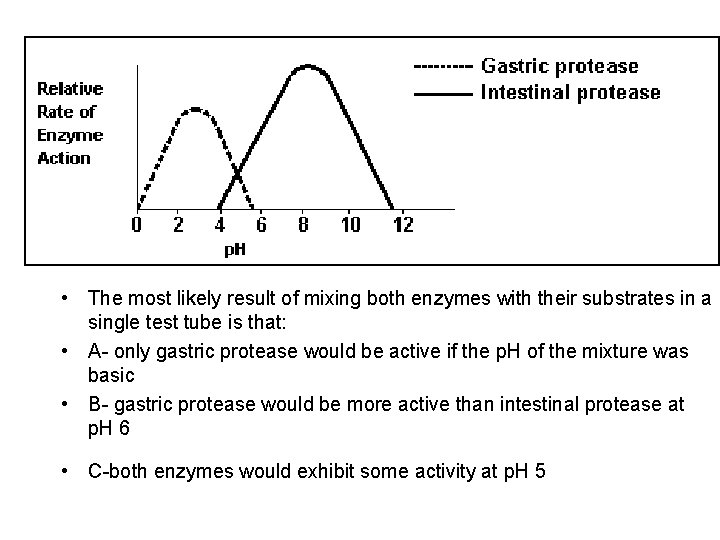
• The most likely result of mixing both enzymes with their substrates in a single test tube is that: • A- only gastric protease would be active if the p. H of the mixture was basic • B- gastric protease would be more active than intestinal protease at p. H 6 • C-both enzymes would exhibit some activity at p. H 5
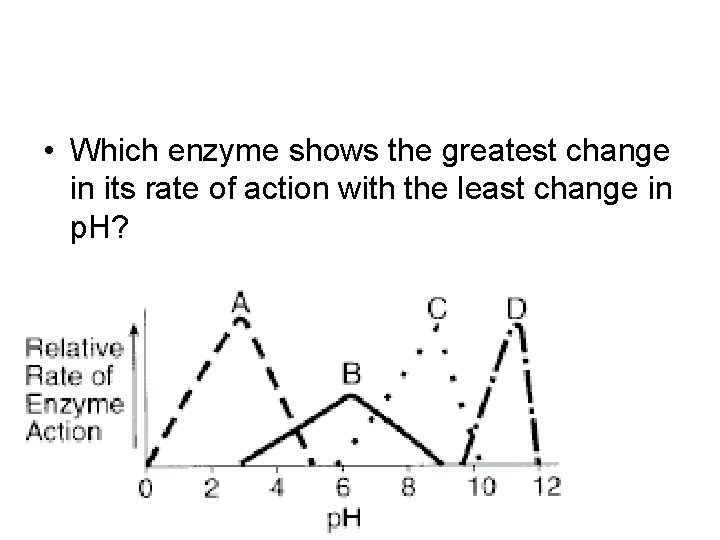
• Which enzyme shows the greatest change in its rate of action with the least change in p. H?
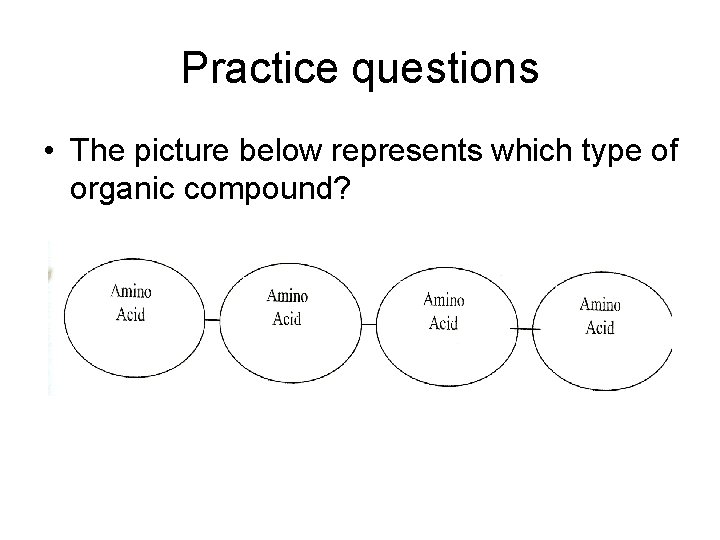
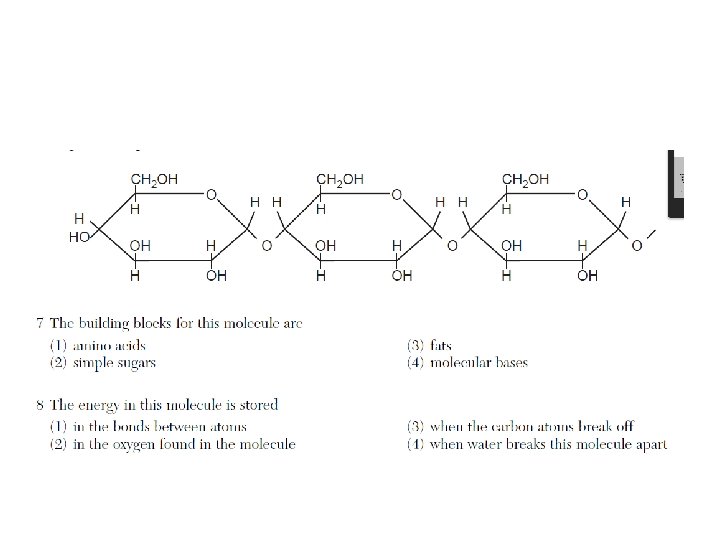
Practice questions • The picture below represents which type of organic compound?
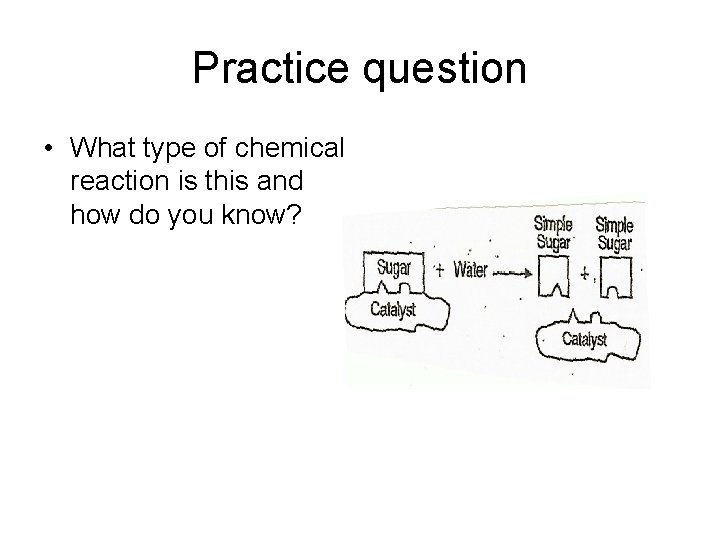
Practice question • What type of chemical reaction is this and how do you know?
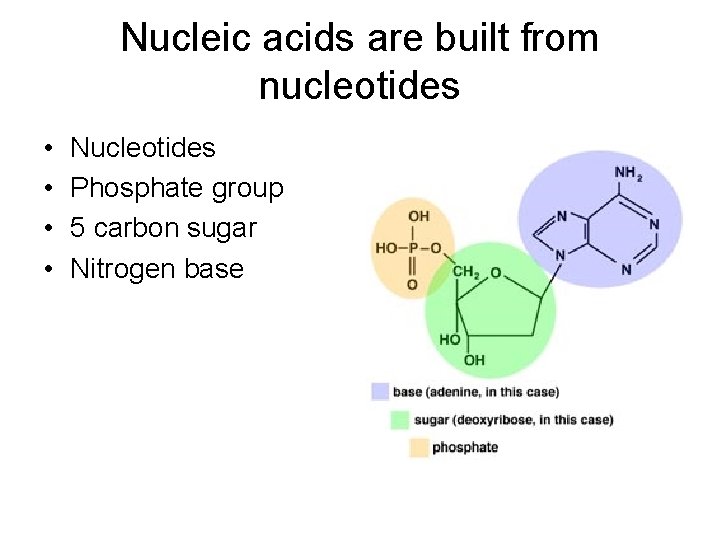
Nucleic acids are built from nucleotides • • Nucleotides Phosphate group 5 carbon sugar Nitrogen base
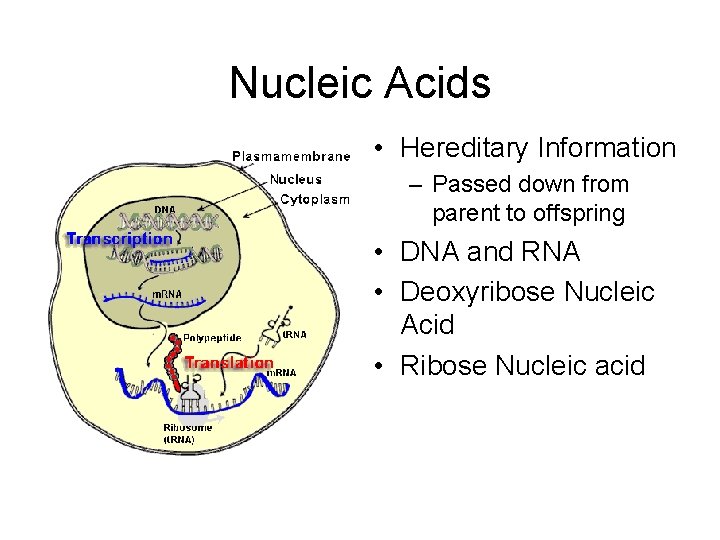
Nucleic Acids • Hereditary Information – Passed down from parent to offspring • DNA and RNA • Deoxyribose Nucleic Acid • Ribose Nucleic acid
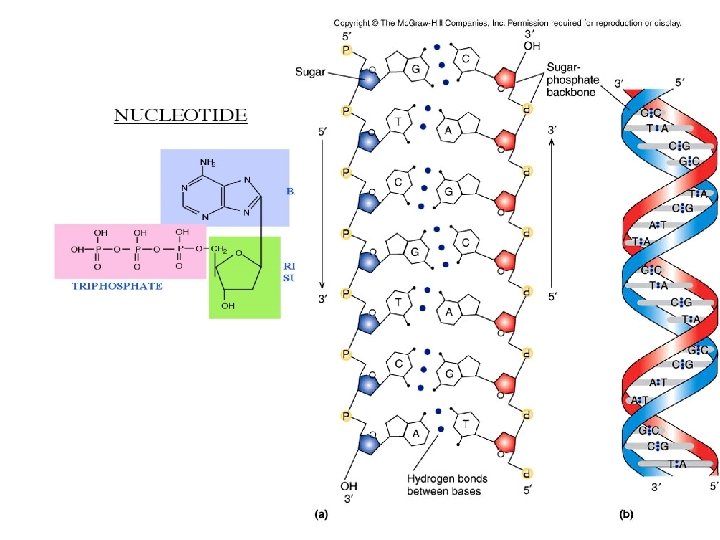
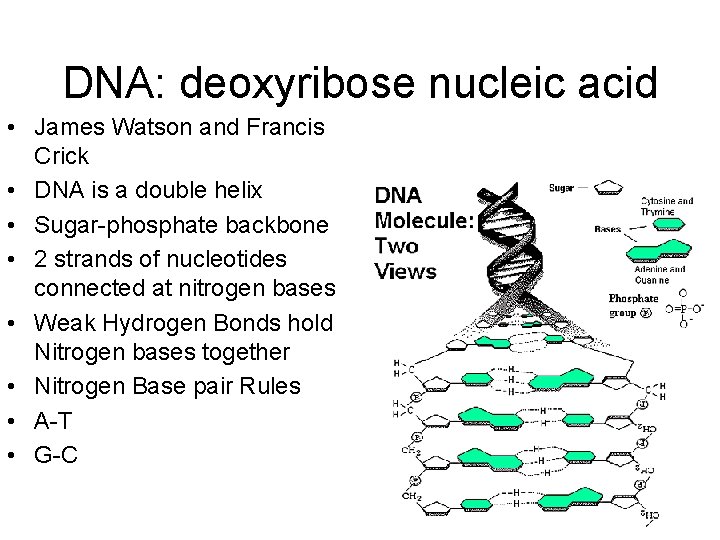
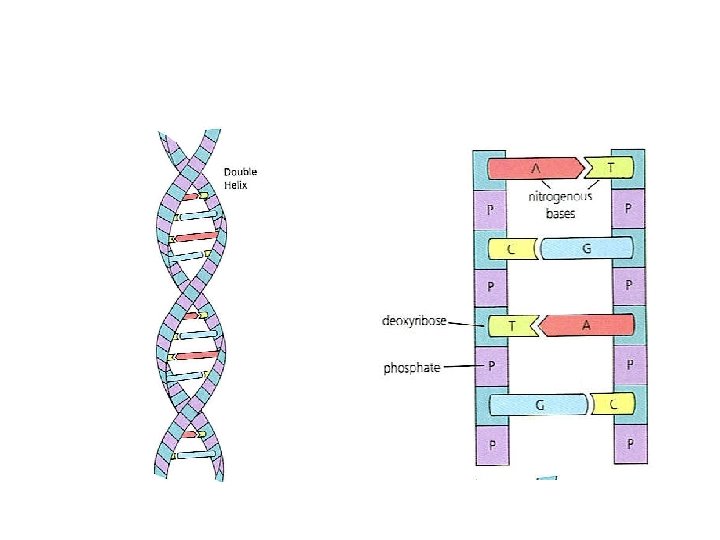
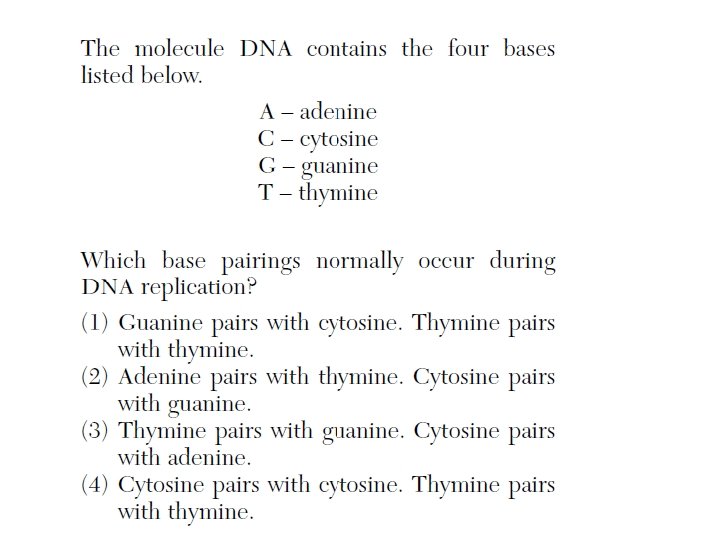
DNA: deoxyribose nucleic acid • James Watson and Francis Crick • DNA is a double helix • Sugar-phosphate backbone • 2 strands of nucleotides connected at nitrogen bases • Weak Hydrogen Bonds hold Nitrogen bases together • Nitrogen Base pair Rules • A-T • G-C
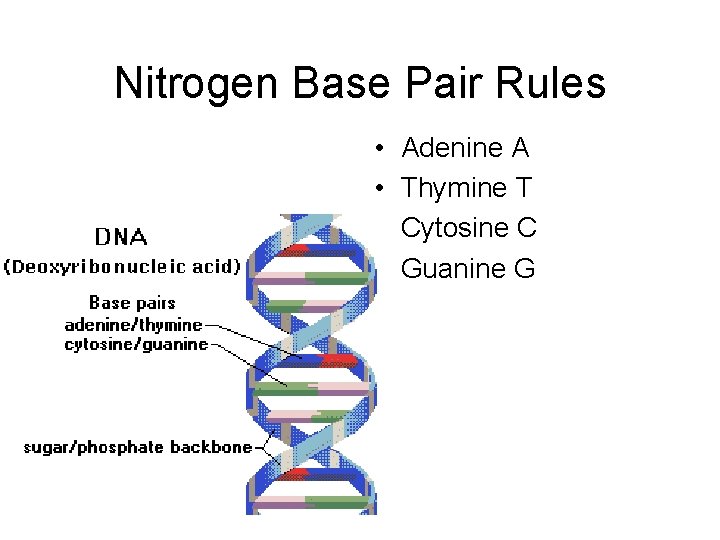
Nitrogen Base Pair Rules • • Adenine A Thymine T Cytosine C Guanine G
• DO NOW: Explain the difference between DNA and RNA • 2 - What are the base pair rules • HOMEWORK: Castle learning
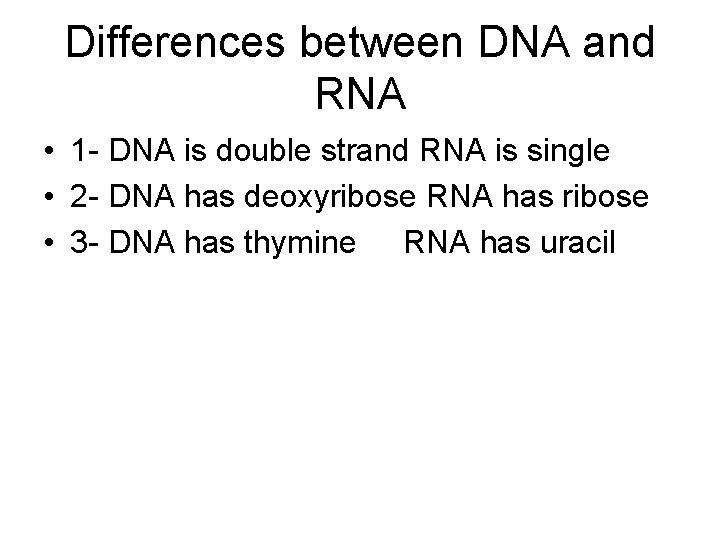
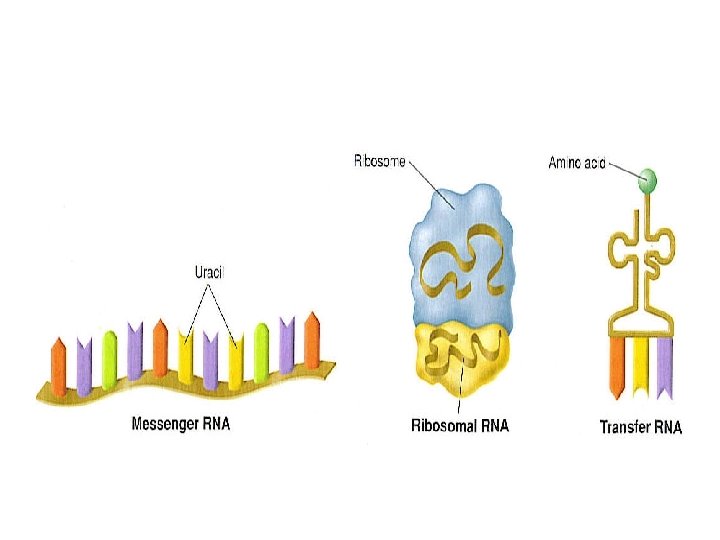
Differences between DNA and RNA • 1 - DNA is double strand RNA is single • 2 - DNA has deoxyribose RNA has ribose • 3 - DNA has thymine RNA has uracil
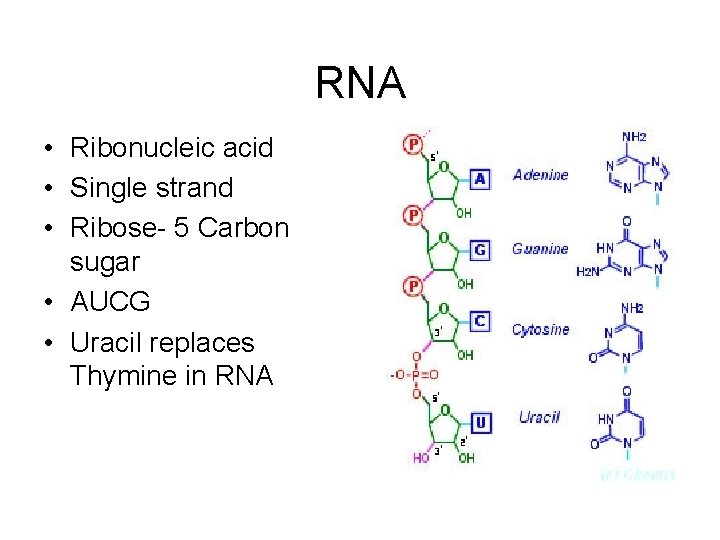
RNA • Ribonucleic acid • Single strand • Ribose- 5 Carbon sugar • AUCG • Uracil replaces Thymine in RNA
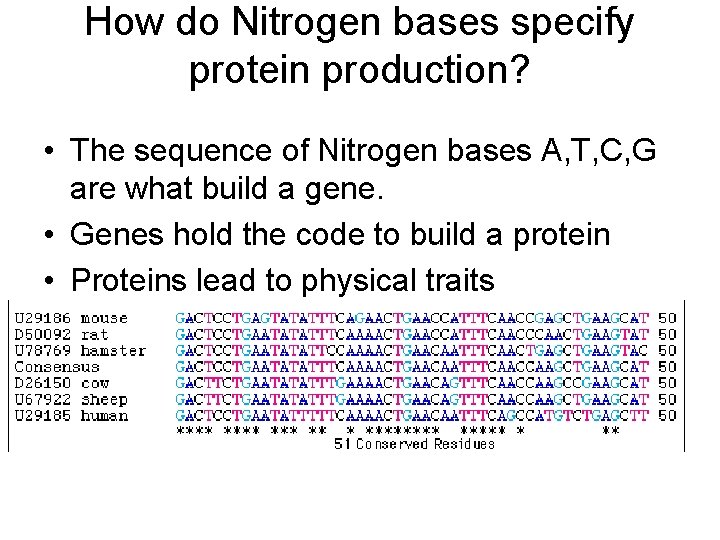
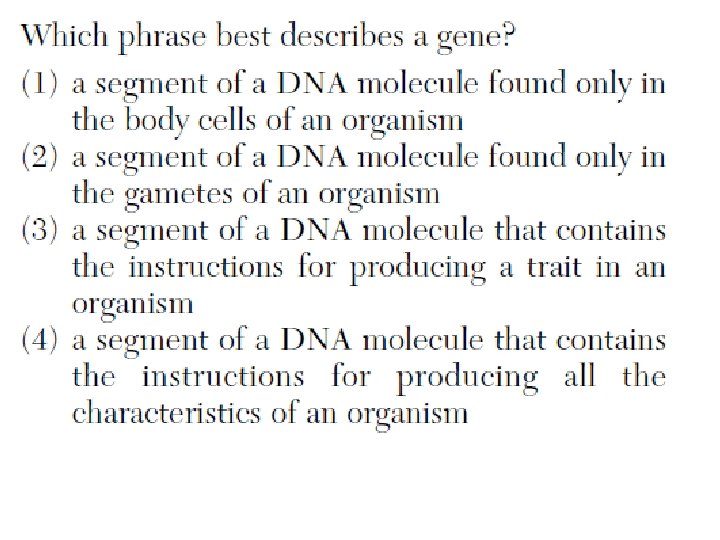
How do Nitrogen bases specify protein production? • The sequence of Nitrogen bases A, T, C, G are what build a gene. • Genes hold the code to build a protein • Proteins lead to physical traits
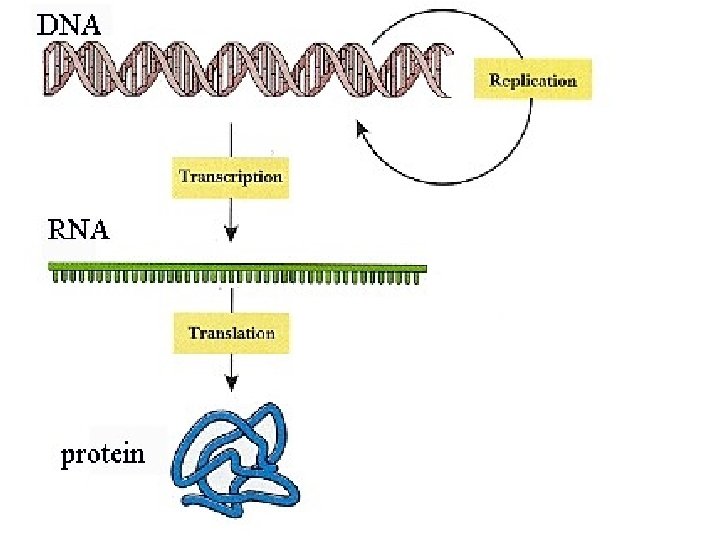
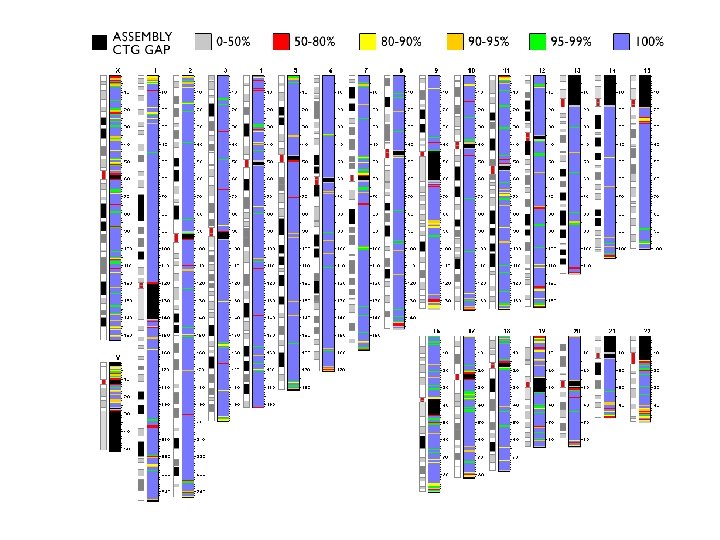
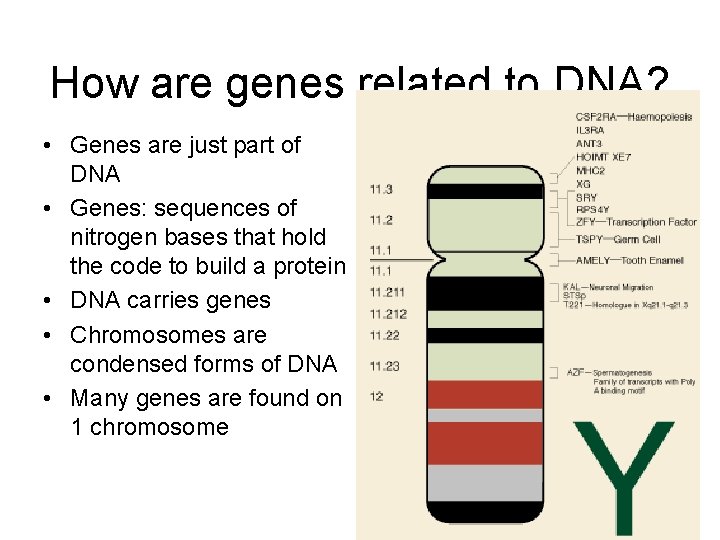
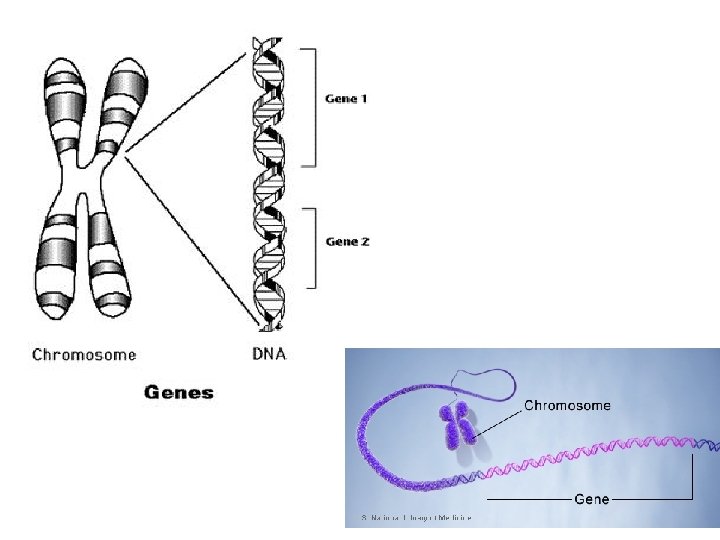
How are genes related to DNA? • Genes are just part of DNA • Genes: sequences of nitrogen bases that hold the code to build a protein • DNA carries genes • Chromosomes are condensed forms of DNA • Many genes are found on 1 chromosome
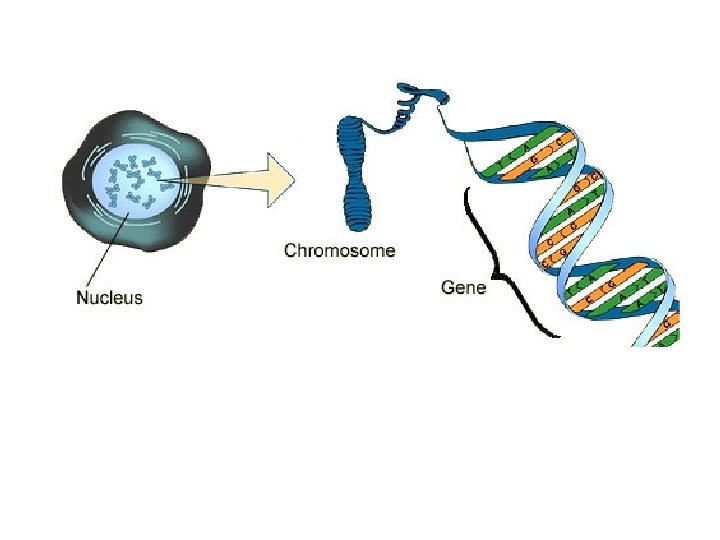
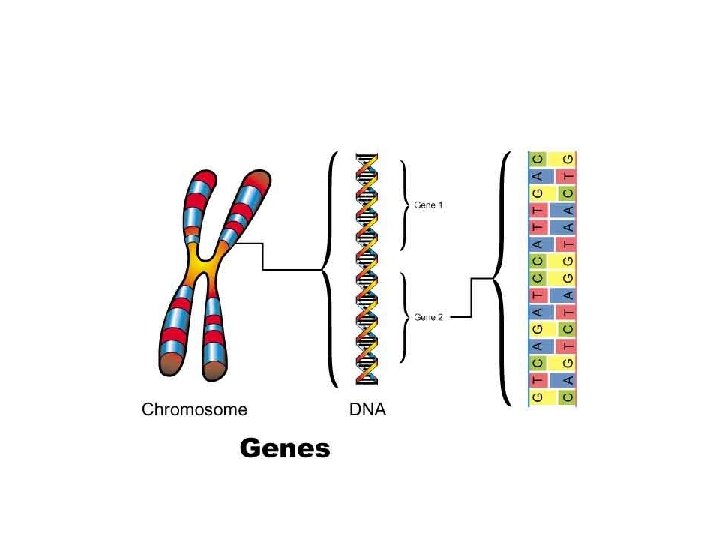
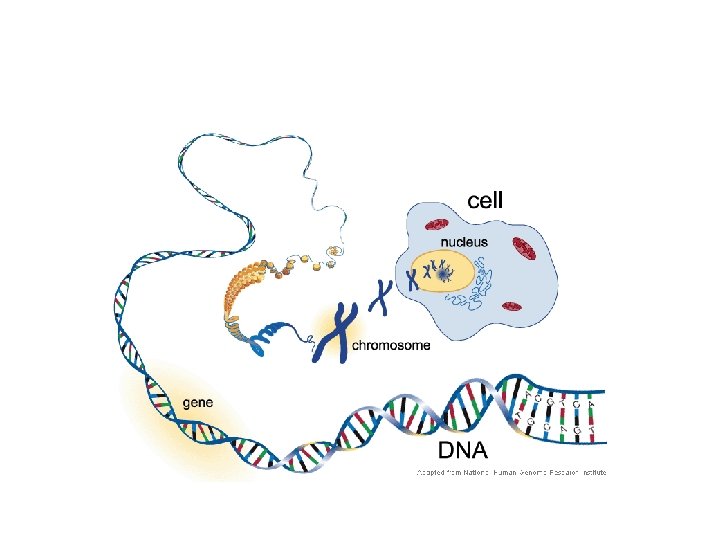
Chromosomes are made up of DNA • • • Specific sequences of nuleotides form genes Genes code for proteins One gene codes for one protein ALL cells contain the same genes So how then are cells different Cells are different because they express different genes • Therefore different cells build different proteins
Assessment • In your own words explain the difference between a DNA and RNA nucleotide
- Slides: 105