
Review of Themes Norms scientific and otherwise normal

- Slides: 59
Review of Themes • Norms, scientific and otherwise (“normal science, ” Kuhn) • Scientific revolutions (Kuhn) • Tragicomedy • Principle of Universal Discovery
Justice Defined • What are the components of justice? • Can this concept be applied systematically or must it be adapted to specific cases? • What would it mean for a concept to lack any specific content?
Scientific Applications • We have mentioned the problem of technology and its applications. • We can look at the rise of television as an example.
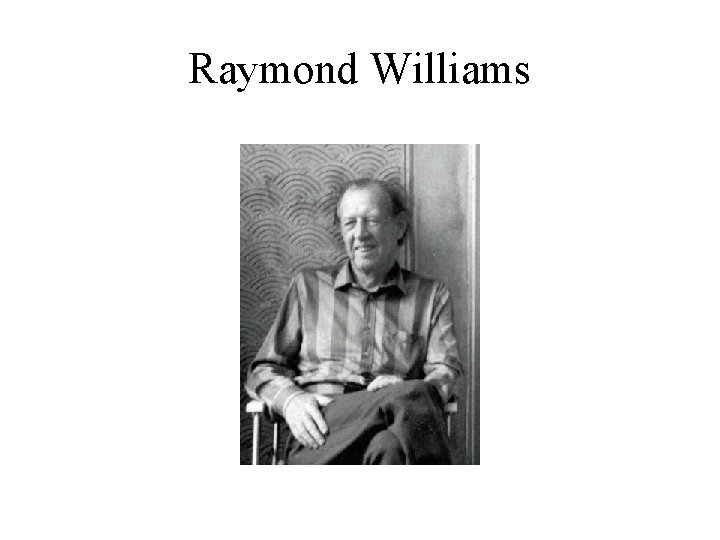
Raymond Williams
Early “Problem” of TV • The uses of TV technology have come to be dominated by the interests of institutions and capital. However, the initial situation of television did not make this domination necessary since it started out as a technology that could do certain things (receive a video/sound impulse) which had nothing to receive (no studios or TV channels producing anything).
System and Content • “Unlike all previous communications technologies, radio and television were systems primarily devised for transmission and reception as abstract processes, with little or no definition of preceding content. When the question of content was raised, it was resolved, in the main, parasitically. There were state occasions, public sporting events, theatres and so on, which would be communicatively distributed by these new technical means. It is not only that the supply of broadcasting facilities preceded the demand; it is that the means of communication preceded their content. ”
Other Applications • What other applications come to mind of this problem? • Can you think of a technology (one that isn’t invented yet) which could run into the same sort of situation?
Attitudes towards Science • What attitudes are common towards science, scientists, and technological advance today? • Are we ambivalent towards scientific advance?
Cultural Applications • You might recall watching Superman in firstyear literature—how were science and scientists viewed ambivalently in that cartoon?
Content 1. What changes happen to the nursing staff? 2. Why doesn’t the Inspector arrest Möbius? 3. Who does Newton turn out to be? What is the purpose of his deception? 4. How does he explain the murder of Nurse Dorothea? 5. Who does Einstein turn out to be? What is the purpose of his deception?
Content 6. What new security measures are put into effect? 7. What does Möbius reveal about his scientific researches to Newton and Einstein? 8. What has he done with the manuscripts? 9. What does Möbius urge the other patients to do? What is his reason? 10. How have the physicists been tricked? What has the Doctor obtained and how has she exploited these ideas?
“New” Characters • Newton/Alec Jaspar Kilton • Einstein/Joseph Eisler • Who are these people working for? • Or, what informs their positions ideologically?
Murder Motives • Newton/Kilton explains his “need” to commit murder —what is his reason? The same question applies to Einstein/Eisler. Does this “commitment” in fact demonstrate insanity? • What is the difference between such commitments and irrational behavior or madness? • Is it possible that hyperrationality is in fact insanity? How might you extend this problem?
Principle of Universal Discovery • What have you concluded the Principle of Universal Discovery to be? • Is it real or simply a delusion? • What is King Solomon’s role in the play so far, and why would he be used in this way?
Technology I • A technology (or scientific development) must be considered separately from its use. Why? • How does this idea apply to the play?
Technology II • Newton develops the technology/use dilemma in Act I (22 -23). • What is behind the idea that the Inspector wants to arrest him for “creating” the atomic bomb? • What defense does Newton offer to this charge? • Is it logical or compelling? • What would it mean not to “turn on the light”?
Institutions • What institutional conflict arises in Voss’ discussion with the doctor (cf. public prosecutor)? • Ideological commitments are important to the construction of meaning and reality— and of course we are implicated in these constructions, too, as a consequence of our historical situation and educations. • What attitude does Voss take towards justice? (64 -5)
Psychological Objects • Doesn’t the relatively recent formulation of psychology as a formal discipline suggest that in fact the objects of its study are only of recent (i. e. historical) origin?
Disciplinary Spaces • The “sanatorium” is quickly transformed into a prison (72 -73). This transformation requires little alteration to the existing spatial configuration of the institution, staff, and inmates. I think this swift change is meaningful, not just for the action of the drama, but as a comment on how the institutional and disciplinary spaces we live in could undergo similar changes.
Applications • What would it take, for instance, to transform a hospital, a school, or a church into a prison (or perhaps such things are regularly done)? • Think abstractly—bars on the windows are only a visible aspect of confinement.
Duty • The word duty appears in the dialogue between Newton, Einstein, and Möbius; however, they seem to be using this word in different ways. (74, 75) • What reasoning process do Kilton and Eisler use to justify the exploitation of Möbius’ ideas (76)?
Blame, Guilt, and Society • Can we assign blame or guilt for the failure of institutions? (The educational system inability to achieve basic skills, English levels, job readiness, prevention of disorder or crime, cultivation of good habits, moral fortitude, work ethic, etc. ) • What are some other large-scale problems, either ongoing or historical, in which blame, guilt, or responsibility are difficult to determine?
Freedom • What does Möbius’ remark “only in the madhouse can we be free” (82) mean? • You might continue with a subsequent statement: “today it’s the duty of a genius to remain unrecognized. ”
Resolution and Tragedy • Does the play offer any resolution? • Does it violate expectations of what might reasonably happen? • How does the work compare with Caligari? • Could you diagram this play?
Assertions: Absolute/Relative • Norms gravitate around two poles: the Absolute and the Relative. • The Absolute asserts transcendence in space, time, culture, and thought (subjectivity). • The Relative asserts historicity, individuation, cultural specificity, and epistemological uncertainty.
Assertions: Measure and Truth • The Absolute posits a world in which measures are determined by a standard of truth existing outside of the world or an essence that precedes being itself (discovery). • The Relative renders social measurements problematic given that cultural, ethical, political, philosophical, theological, etc. standards are generally irreducible (creation).
Against Relativity • The relative is weakened logically in that it cannot withstand self-referentiality. • If it is true, then it is only relatively so, and cannot be asserted of anything with complete confidence.
Against Absolutism • The formulation of Absolutist positions is itself historically-determined and bounded. • They are little more than the expression of power interests, ideologies aimed at disciplining behavior, benefiting the master class, and regulating social relations. • Empiricism admits only of a probalistic notion of phenomena.
The 21 Points • Do Dürrenmatt’s 21 points help illuminate his purpose in this play?
Selected Points 3. A story has been thought to its conclusion when it has taken its worst possible turn. 9. Human beings proceeding by plan wish to reach a specific goal. They are most severely hit by accident when through it they reach the opposite of their goal: the very thing they feared, they sought to avoid (i. e. Oedipus). 21. Drama can dupe the spectator into exposing himself to reality, but cannot compel him to withstand it or even to master it.
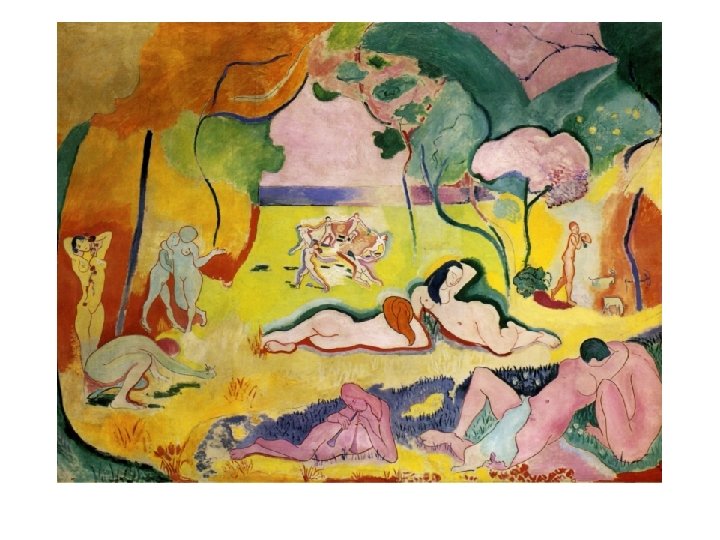
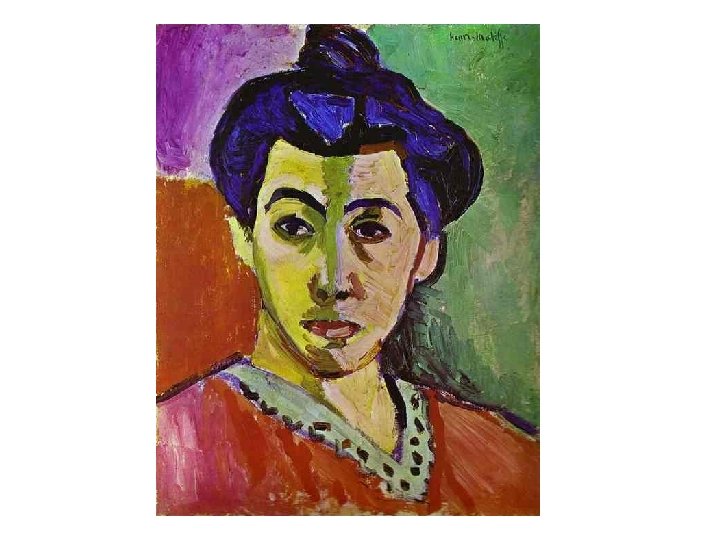
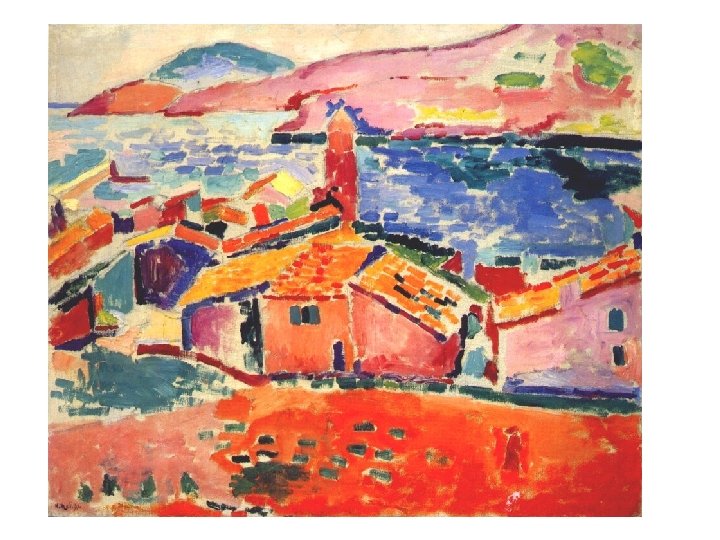
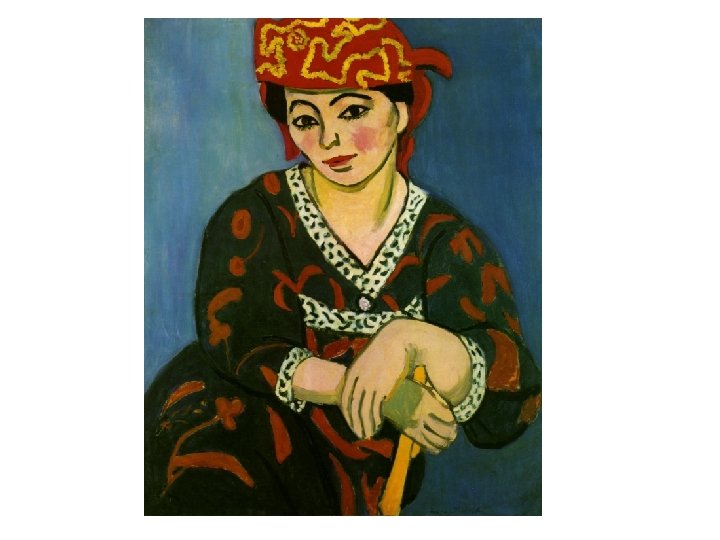
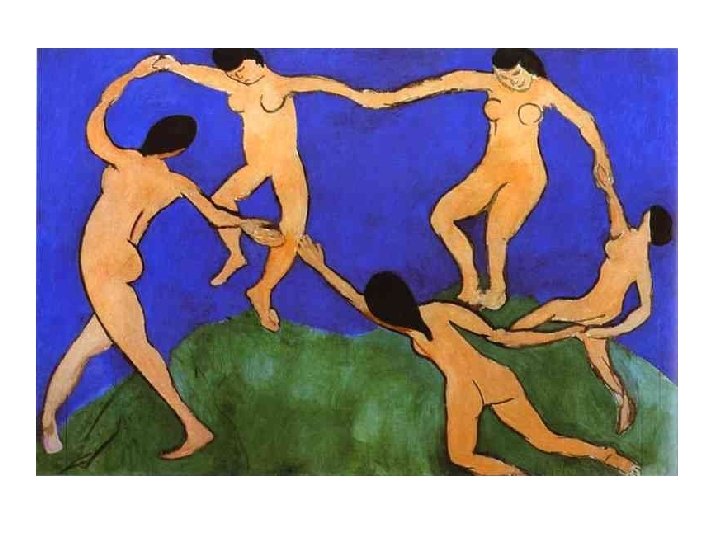
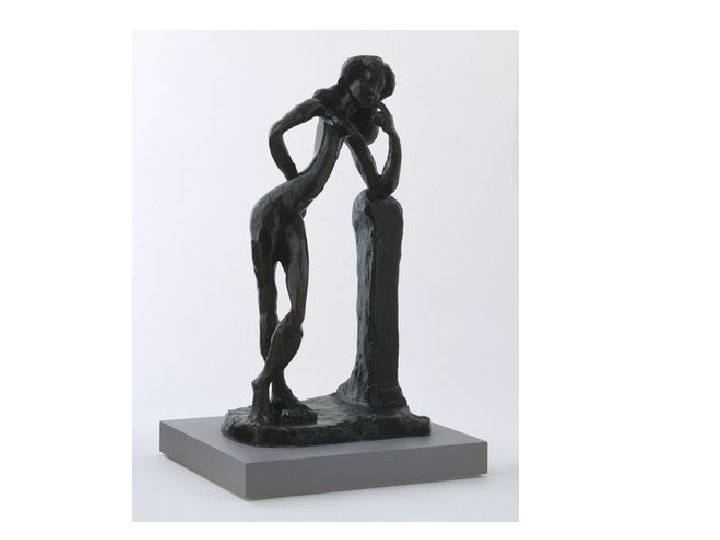
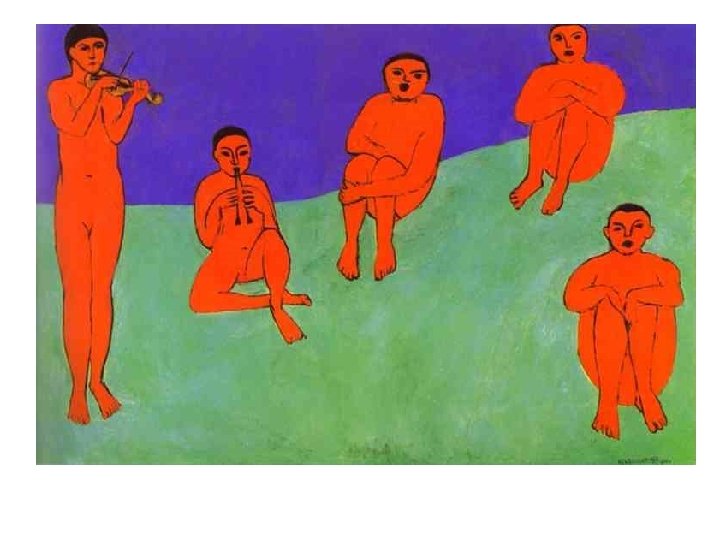
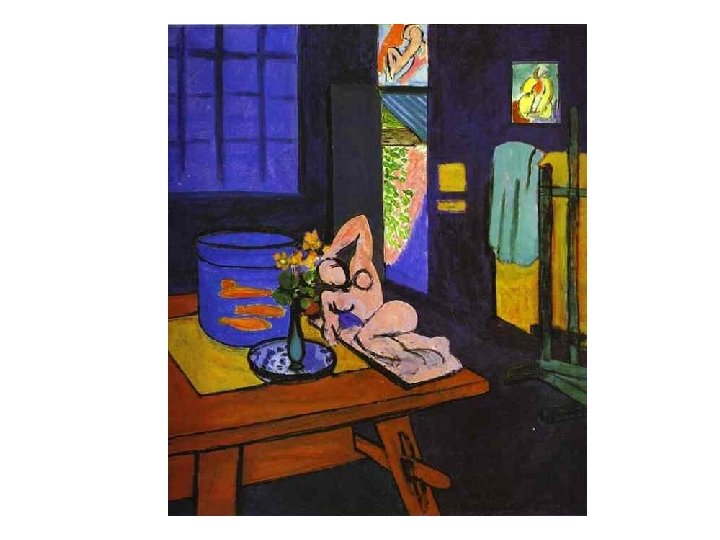
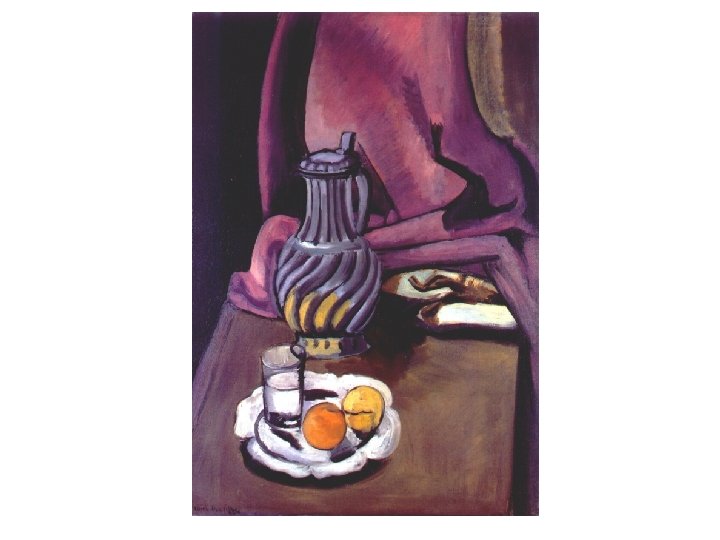
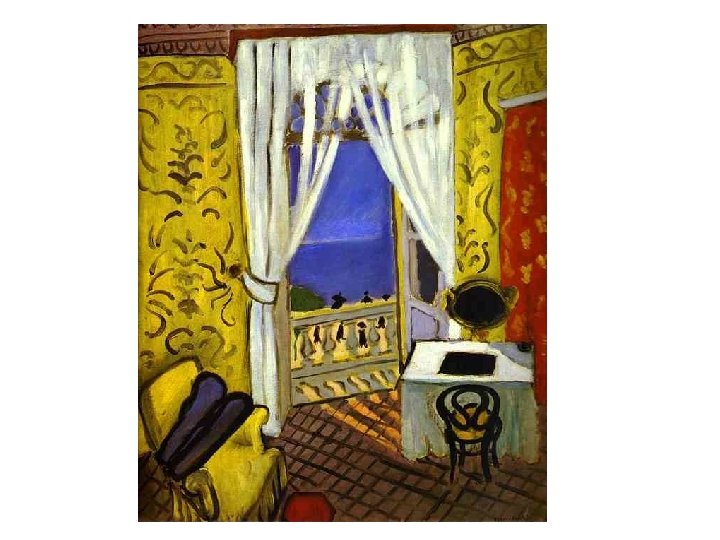
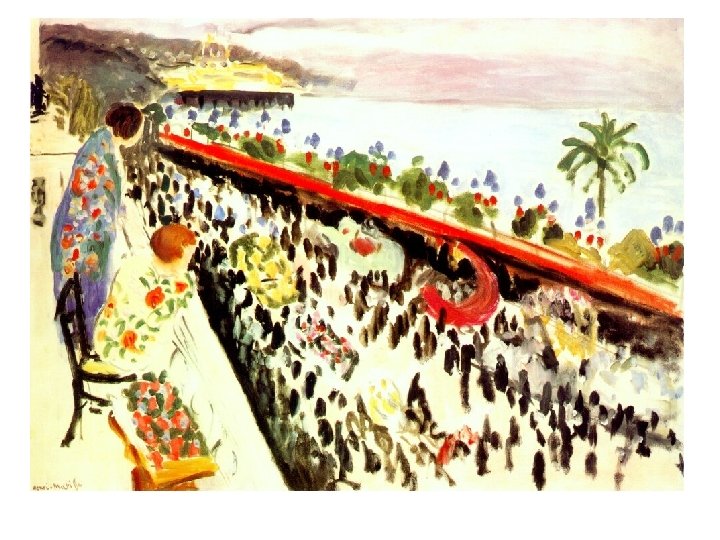
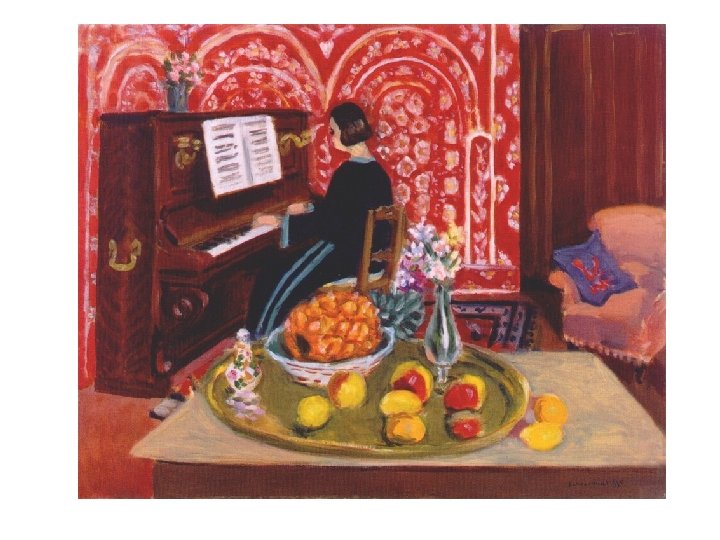
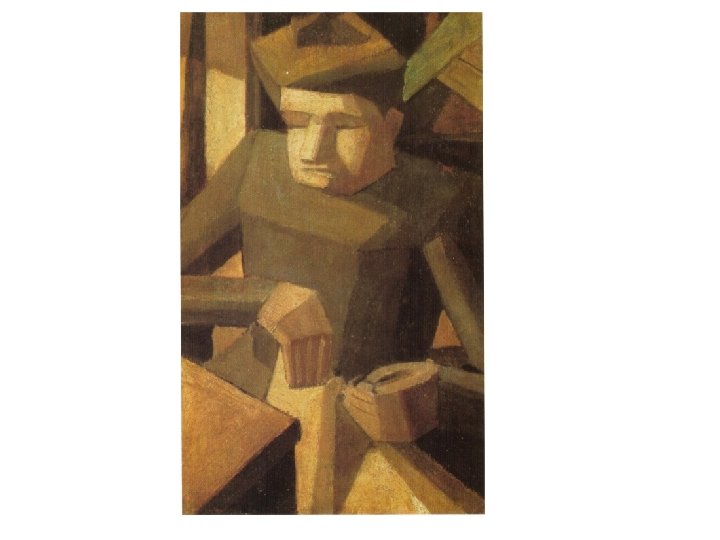
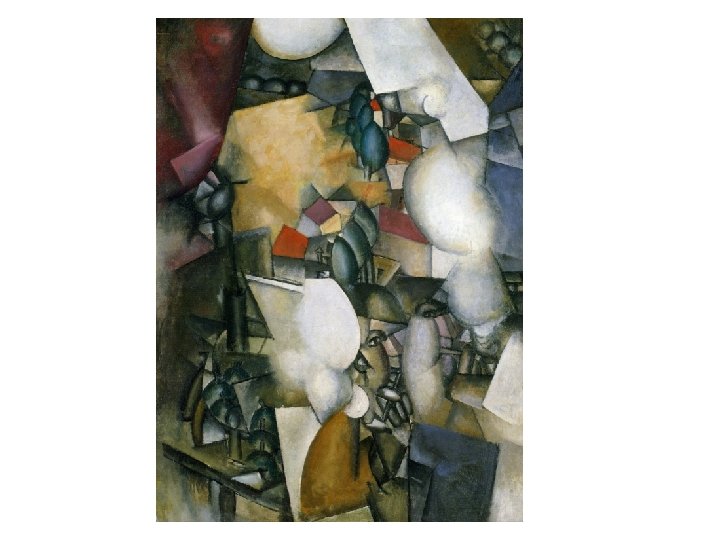
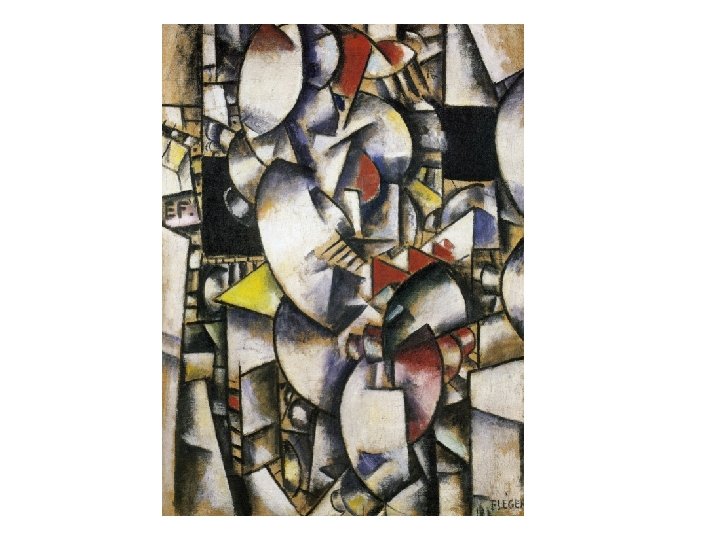
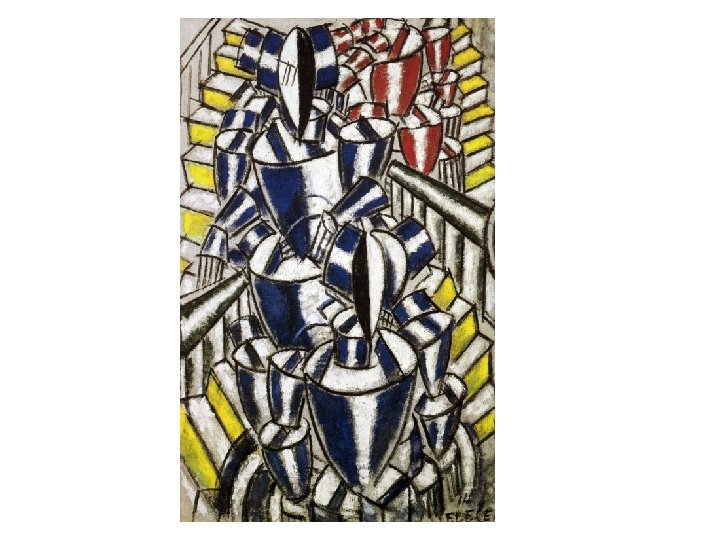
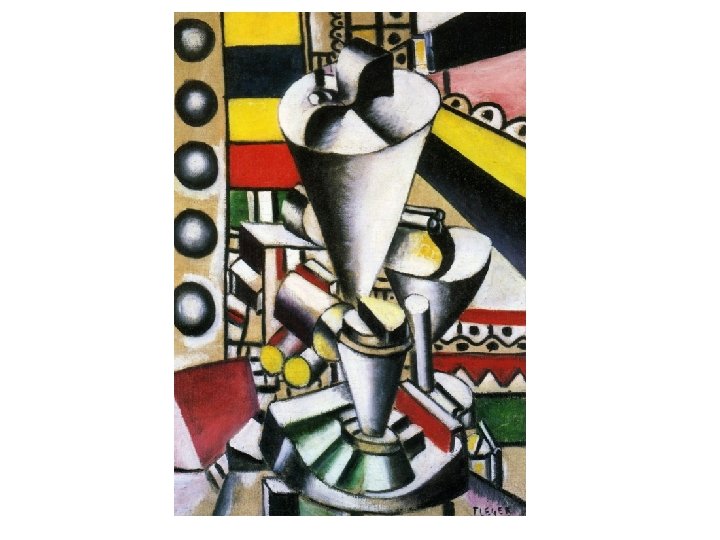
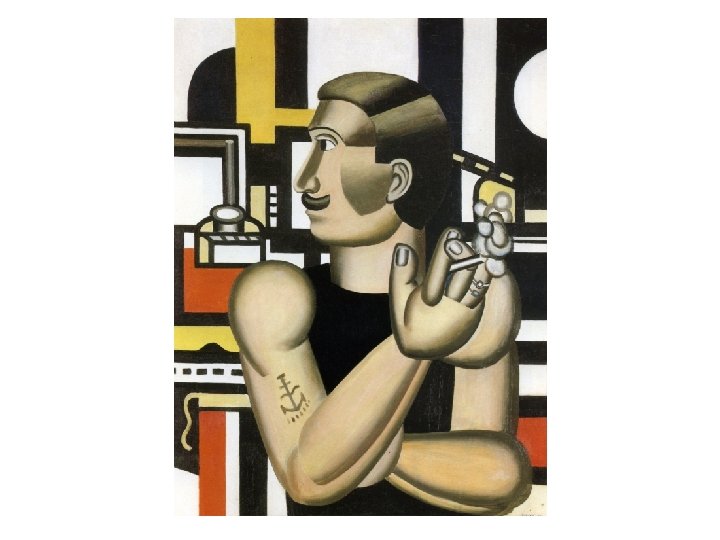
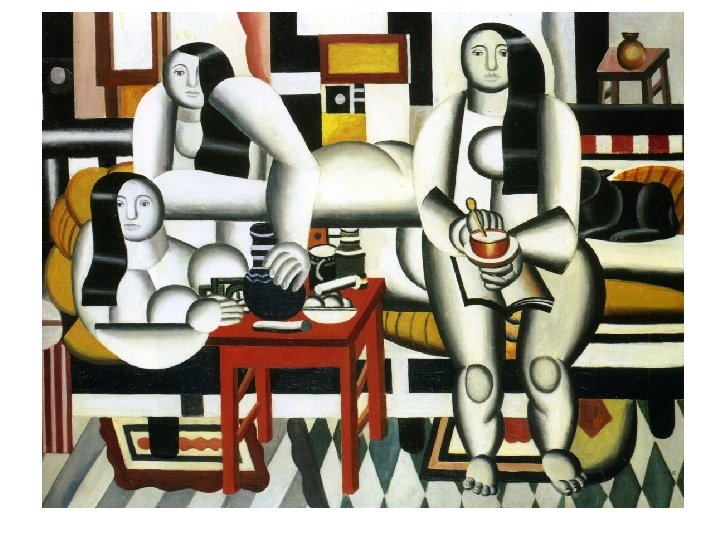
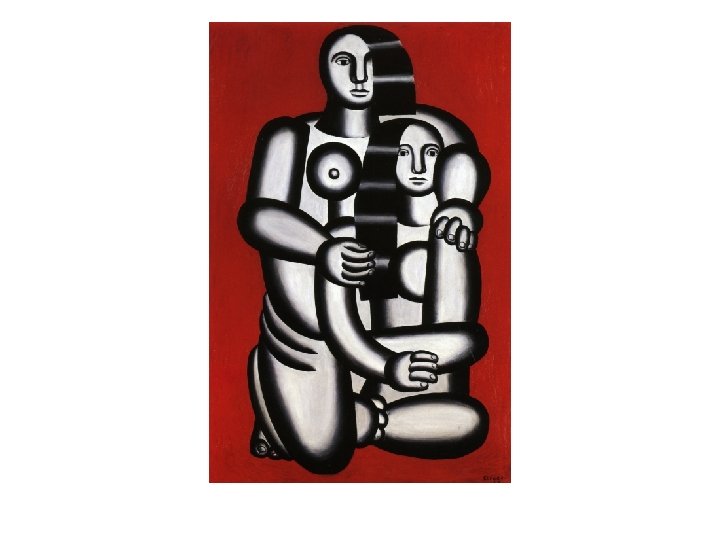
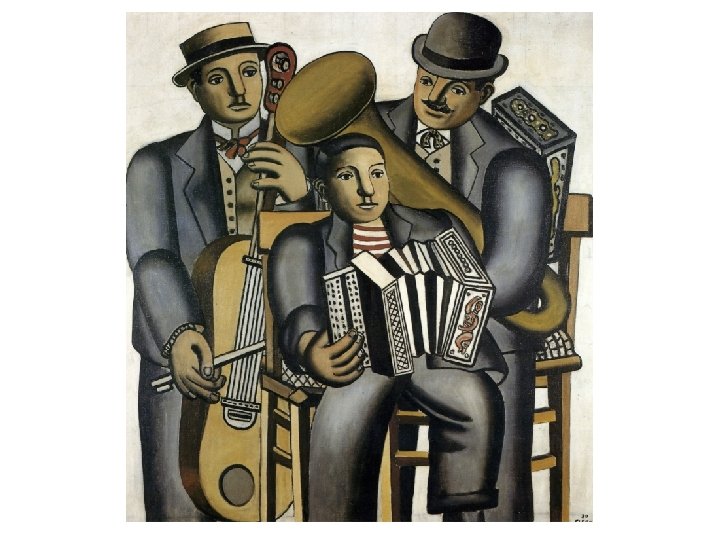
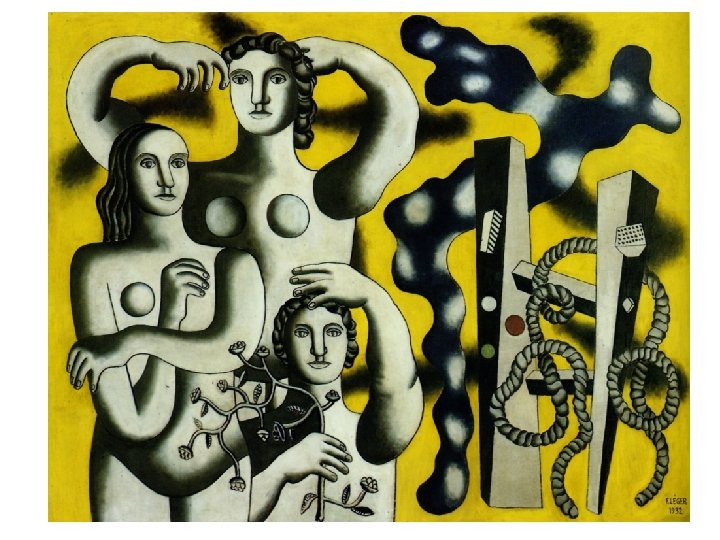
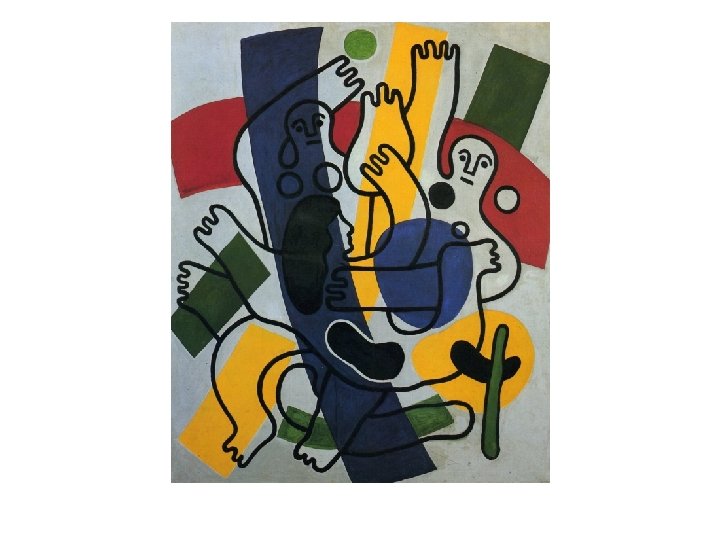
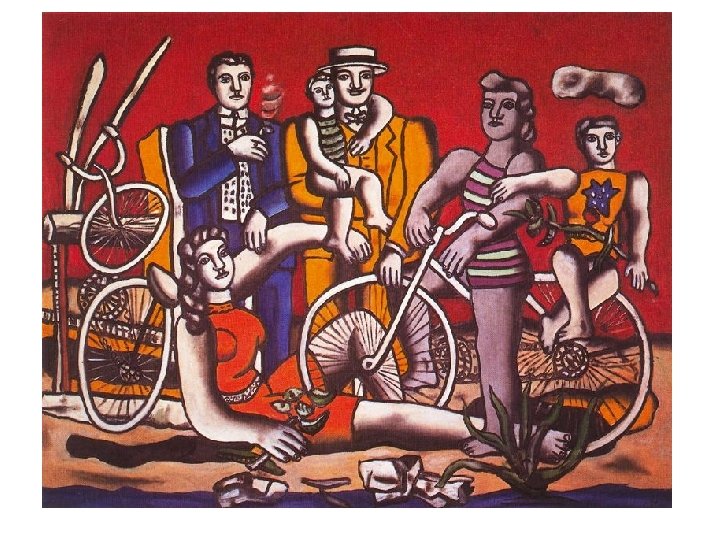
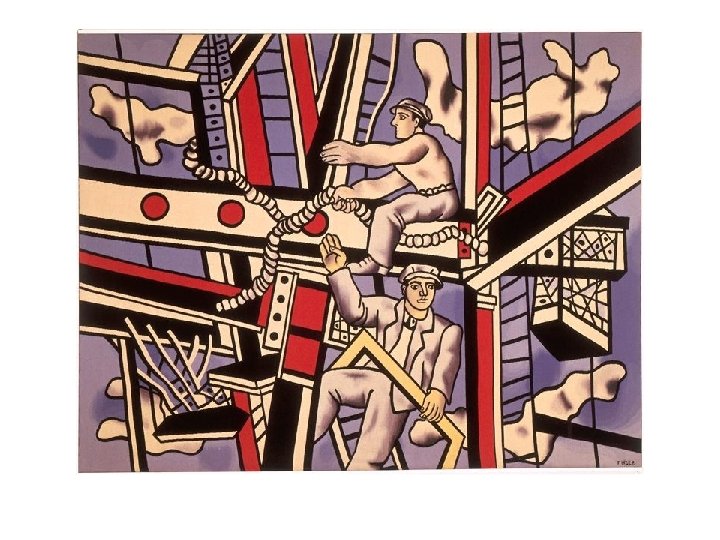
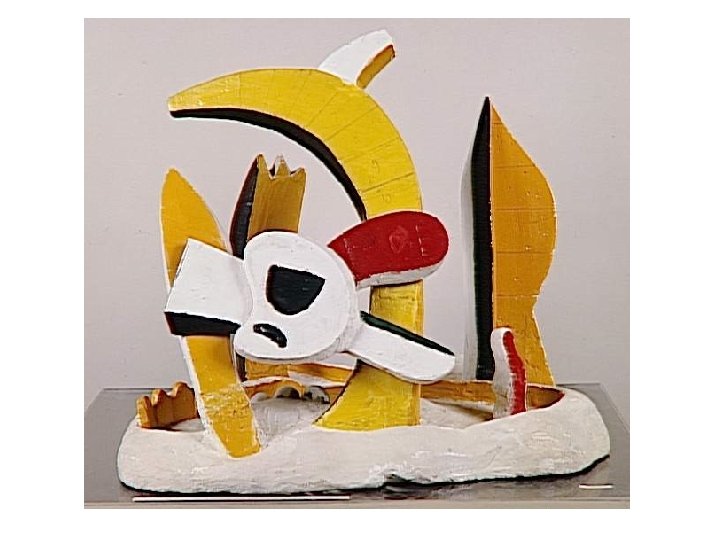
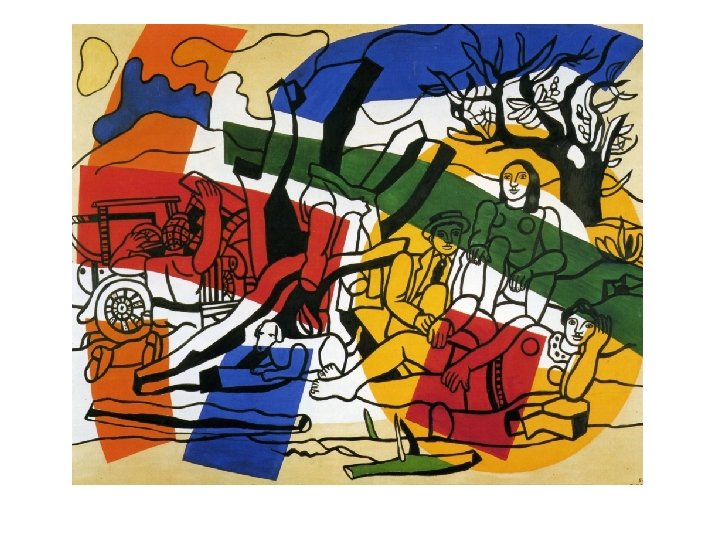
Painters • Henri Matisse (1869 -1954) • Ferdnand Léger (1881 -1955)
For Next Time • Read: Bernhard, excerpts from The Voice Imitator