
Review of Terms What are the distinguishing features
- Slides: 72
Review of Terms • What are the distinguishing features of a lay? • What is a nom-de-plume?
Interpreting the Nightingale • The nightingale is a complex symbol. • What range of symbolic meanings can you attribute to it?
The Husband • The husband’s response when he hears about the bird is meaningful. • Does the husband react reasonably? • Does he understand the significance of his wife’s actions?
Gender Roles in the Text • Gender roles concern the social expectations placed on men and women. • Time, place, and culture affect these roles. • What is expected of men? • What is expected of women?
Traditional Roles • Women: passive, weak, incapable of strong or decisive action • Men: active, strong, decisive, capable of leadership • How are these roles related to our expectations of chivalry?
The Lady in “Laustic” • What role does the lady have in this story? • Do her actions match what you might expect the female role to be in this sort of tale?
Change in Symbolic Meaning • The meaning of the nightingale, I think, changes during the story. • How does the meaning at the end differ from the meaning at the beginning?
The Idea of a Token • After the husband kills the bird, the lady’s response and the knight’s subsequent response are meaningful. • What does it mean to carry something around with you?
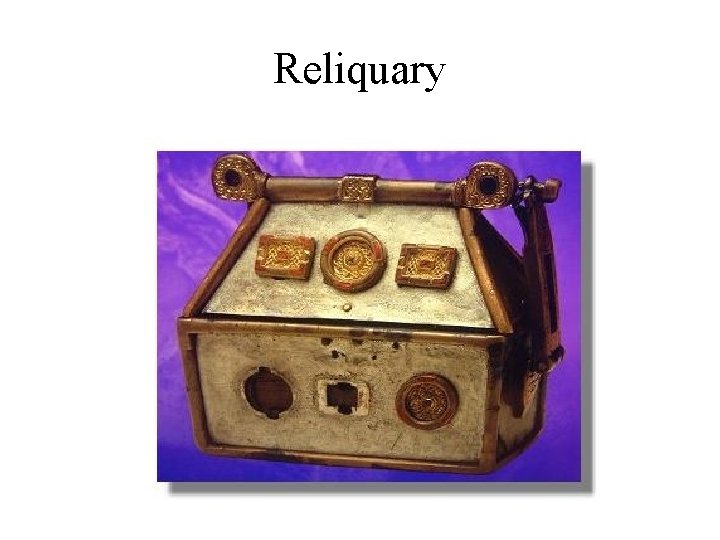
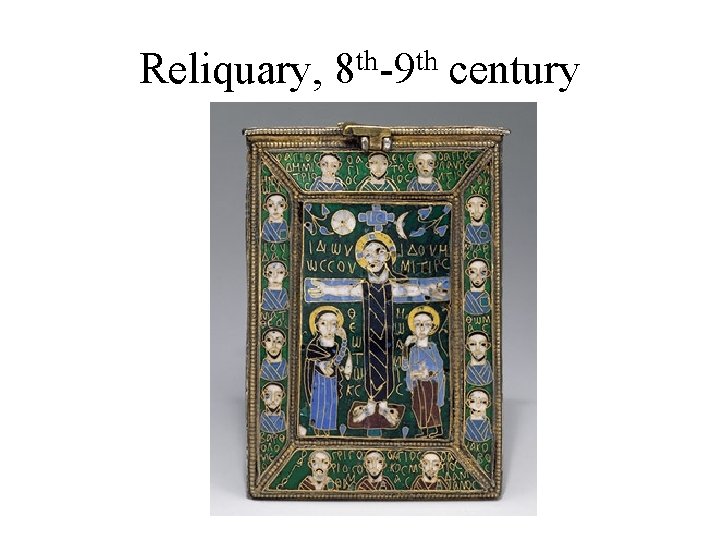
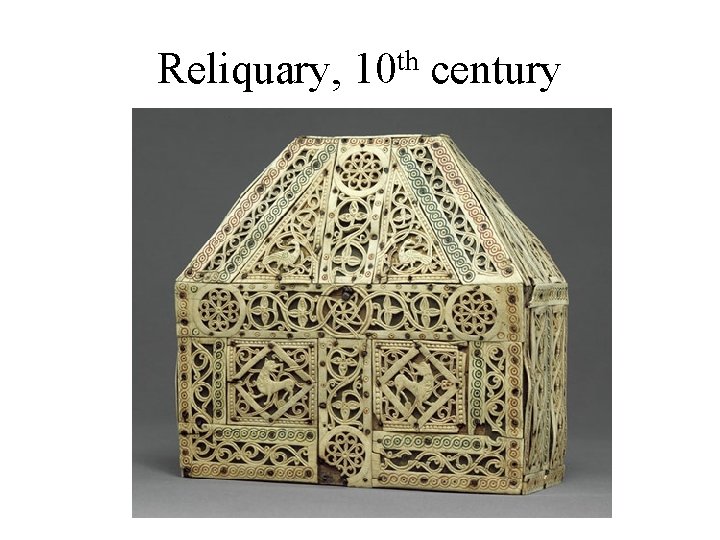
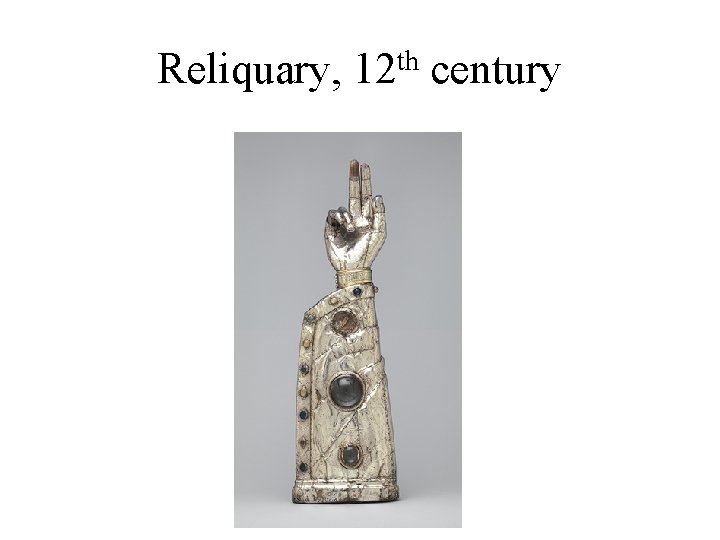
Relics and Reliquaries • Relics are objects which possess religious meaning because of their association with a saint or other important religious figure. • They might be a body part (tooth, hair, bone, etc. ) or an object closely connected with this person. • A reliquary is a container which houses a relic —often they are expensively decorated.
Reliquary
Reliquary, 8 th-9 th century
Reliquary, 10 th century
Reliquary, 12 th century
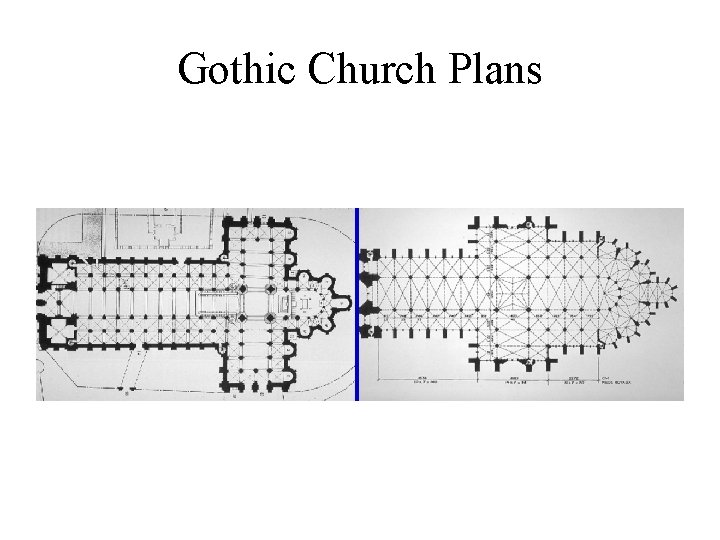
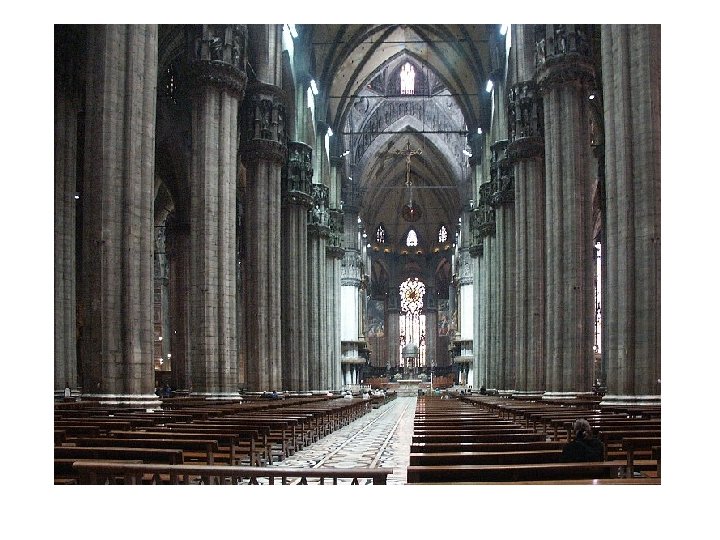
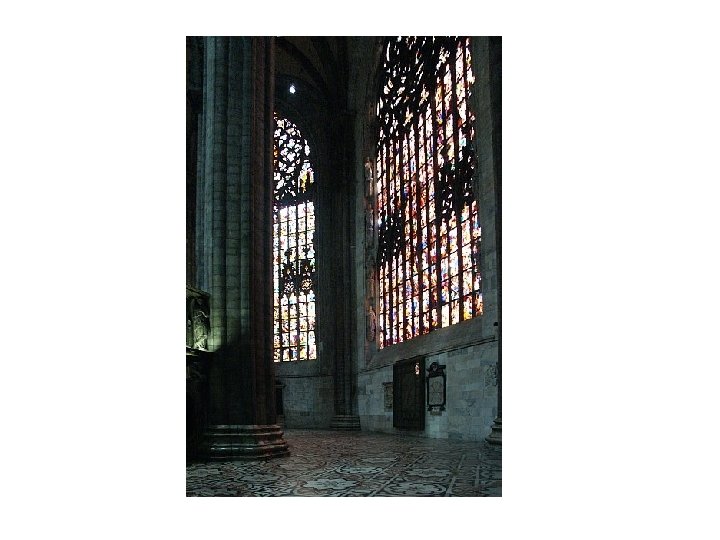
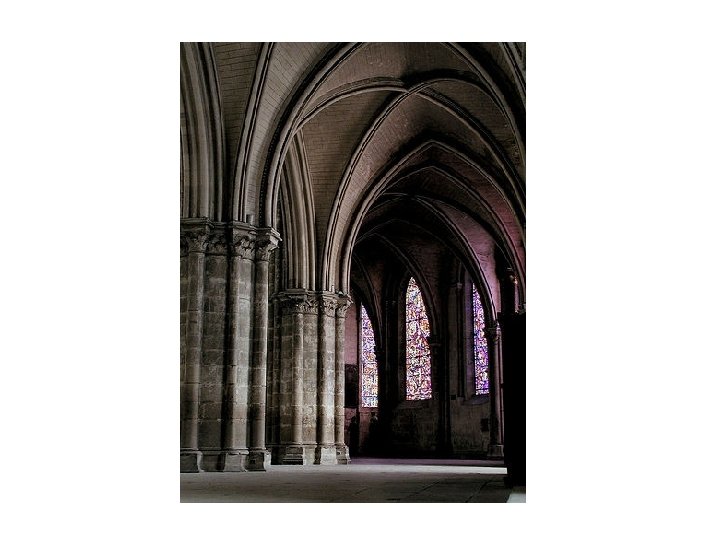
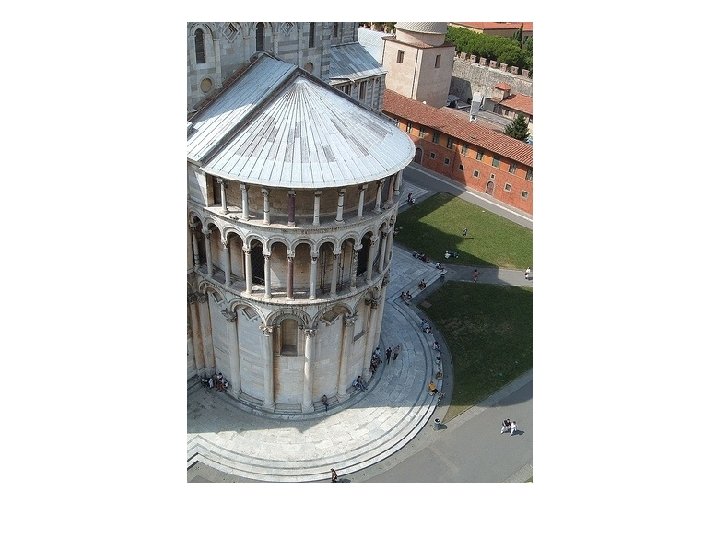
Gothic Church Plans
Representation of Love • Note the types of love at work in this story. • One is a physical desire which is concrete and possible between people. • One is a spiritualized feeling. It is abstract and remains an internal quality.
Western Modes of Love • Ancient world: open eroticism and celebration or acknowledgment of natural sexual desire • Christian world: agape (Platonic love) • Medieval world: courtly love
“Les Deus Amanz” • • Marie de France (12 th century), French The Lais of Marie de France, late 12 th century Period: Late Middle Ages Genre: lay
Theme: Tests • What are some important types of tests—either academic or otherwise? • How is the word test used idiomatically in English?
Idiomatic Uses of test • Learning to scuba dive was a test of my courage. • Talking with my colleagues is a test of patience. • Darwinism led to a test of religious faith. • Overcoming failure is a test of character. • The politician gave her proposal to her advisors to test their reaction.
The Function of Tests • • What range of purposes might tests have? What makes a test effective or ineffective? How might tests be unfair? Why would anyone be submitted to an unfair test?
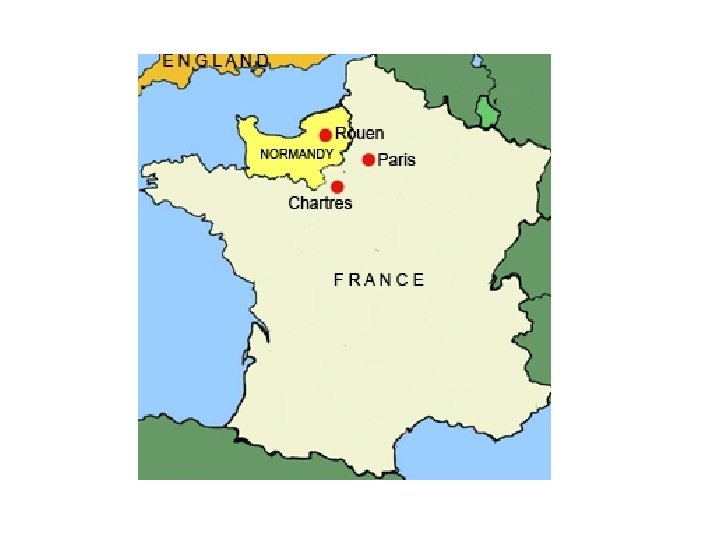
Characters/Setting • • King of the Pistrians Daughter (princess) Courtier (suitor) Relative in Salerno (doctor) • Normandy • Pitres (city)
Content 2. What is the relationship between king and daughter? Why is the king blamed by the people? 3. Before anyone can marry the daughter, what must he do? What is the result of this challenge? 4. A young man loves the princess, and she loves him in return. What does he ask her to do?
Content 5. How does she respond and what is her idea? 6. Where does the man go and what does he do there? 7. What happens during the climb? 8. What happens at the top of the mountain?
Continuity of Themes • Compare patterns in “Les Deus Amanz” with some themes found in other stories you have read. • Note the similarities. Find a word or phrase to classify the problem for easier reference.
“John Henry” a. “John Henry” is about a man who accepts a challenge, who achieves victory, but who dies as a result.
“Eveline” b. “Eveline” is about a young woman whose mother is dead. She lives with her dependent father, but she thinks seriously about leaving him to marry. She must weigh her responsibilities to her father and to herself.
“The Sword in the Stone” c. “The Sword in the Stone” is about how Arthur must demonstrate that he is qualified to become king. Many others try and fail, but he succeeds.
“Sir Tristram’s Adventure” d. “Sir Tristram’s Adventure” is about a magic potion whose power should bring happiness, but which, in the end, brings unhappiness.
“Story of a Madman” e. “Story of a Madman” is about a man who suffers for complex reasons. Several people, groups, and ideas may be responsible for his suffering.
Topoi a. trial or contest ending in the death of the protagonist b. divided loyalty, in this case between self and society (institution) c. test (requiring a special ability) to demonstrate genuineness d. the magic item + its ironic or unexpected misuse
Taboo • The story has a sexual content which is metaphorical and therefore hidden. • What sexual elements do you note. • Why are they taboo? • Why are they complex?
Italian Authors and Timeline • Giovanni Boccaccio (1313 -1375), Italian • Poggio Bracciolini (1380 -1459), Italian • Ludovico Domenichi (1515 -1564), Italian • Periods: – Late Middle Ages – Gothic – Renaissance
Genres • • • tale anecdote short story facetiae joke
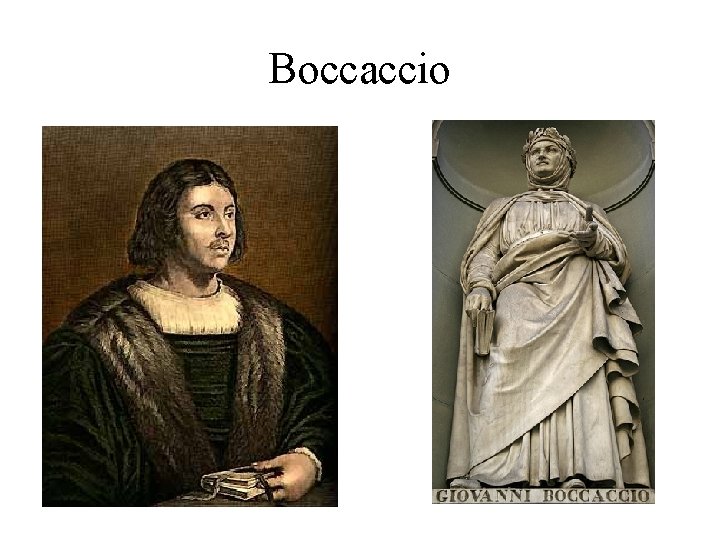
Boccaccio
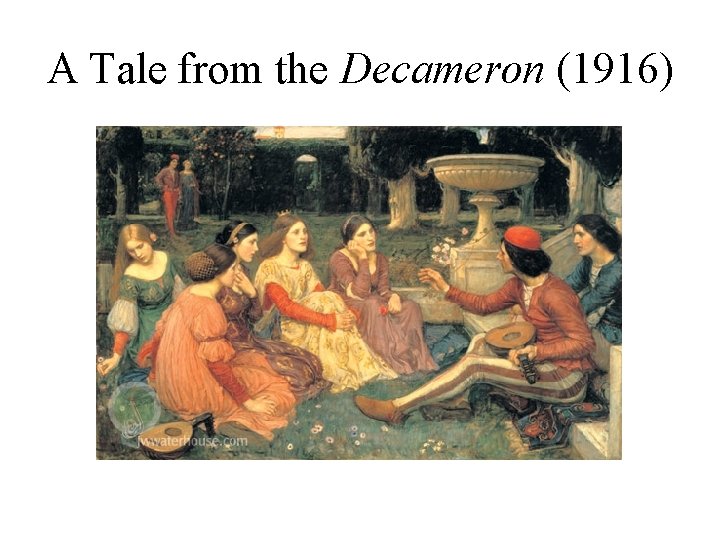
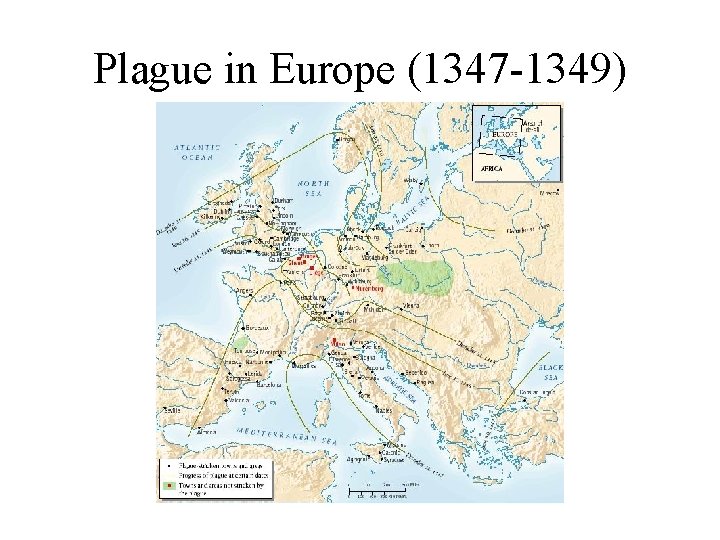
Structure of the Decameron • Ten story-tellers: seven women and three men • Ten days/ten stories each day, so one hundred stories + a preface to each day • Set in 1348, a plague year in Florence • Our story is the Fourth Tale from the Sixth Day
A Tale from the Decameron (1916)
Plague in Europe (1347 -1349)
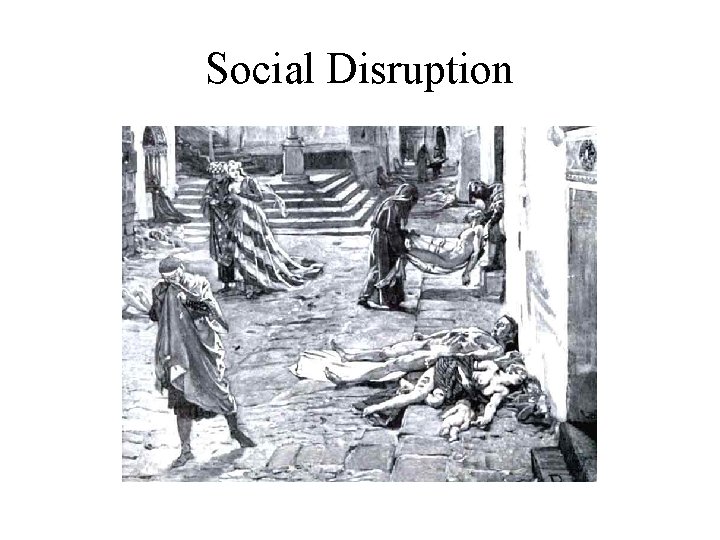
Social Disruption
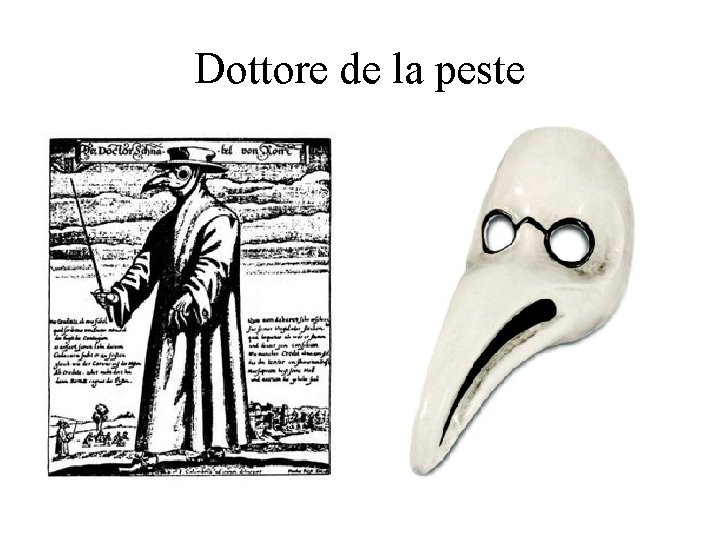
Dottore de la peste
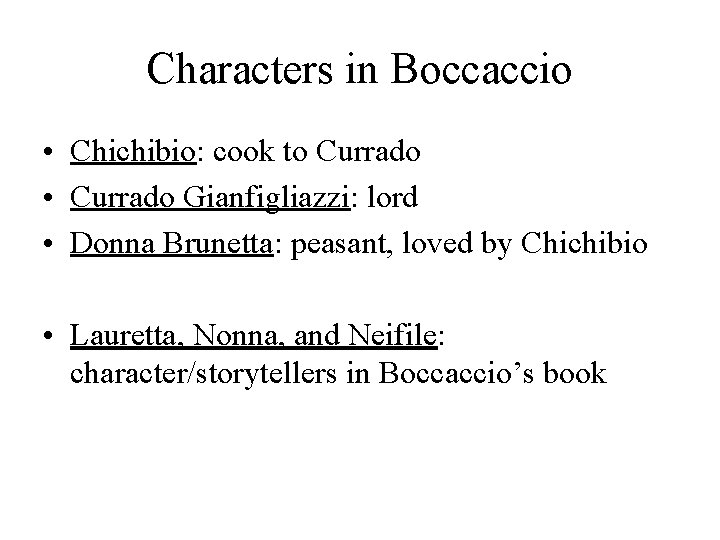
Characters in Boccaccio • Chichibio: cook to Currado • Currado Gianfigliazzi: lord • Donna Brunetta: peasant, loved by Chichibio • Lauretta, Nonna, and Neifile: character/storytellers in Boccaccio’s book
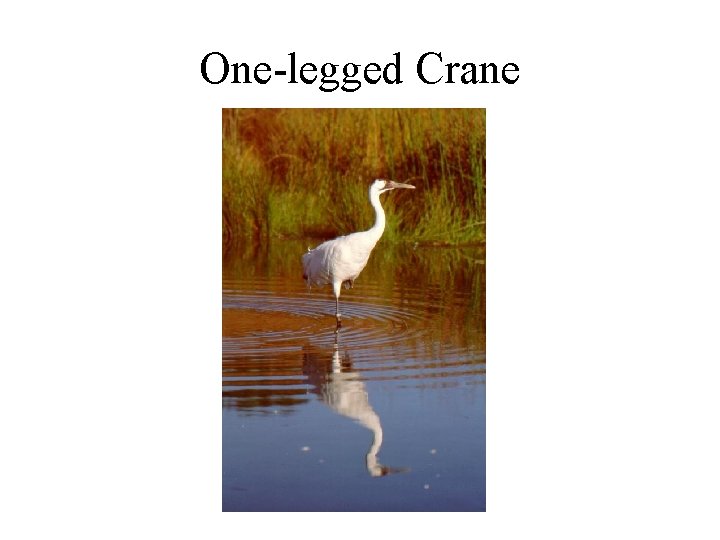
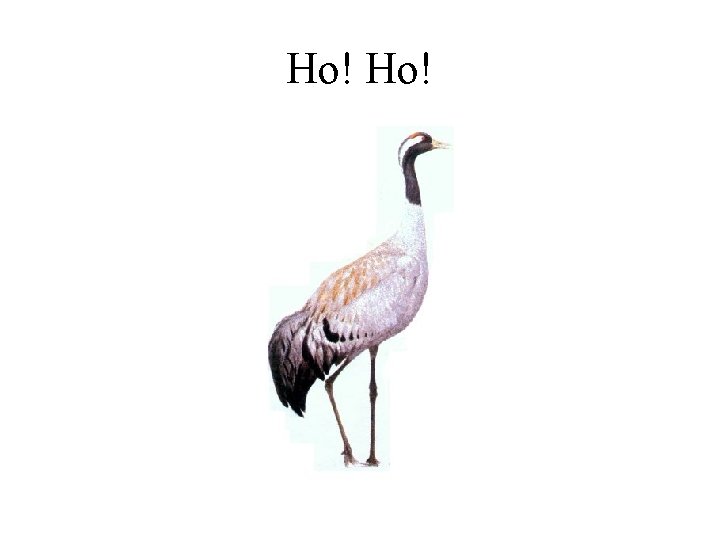
Content 1. To whom and why did Chichibio give away one of the crane’s legs? 2. How does Chichibio answer Currando at the end of the story when Currando insists that cranes have two legs?
One-legged Crane
Ho!
Conflict • What is the conflict in Boccaccio’s story (who is the conflict between—literally and figuratively)? • What can we guess about different levels of society from the story?
Status • Is Chichibio in danger because of his lie? • How might he be punished by Currado (Currado suggests a punishment in the story— do you remember what it is? )?
Law and Punishment • What is implied about law in Boccaccio’s story? • Who creates law? • Who enforces law? • How can one escape punishment?
Humor • Why is the story funny? • Who is the audience of the story? • Who, if anyone, is being made fun of in the story? • Is the story aggressive? • Whom would you expect to tell such a story?
Three Theories of Laughter • The Superiority theory • The Relief theory • The Incongruity theory
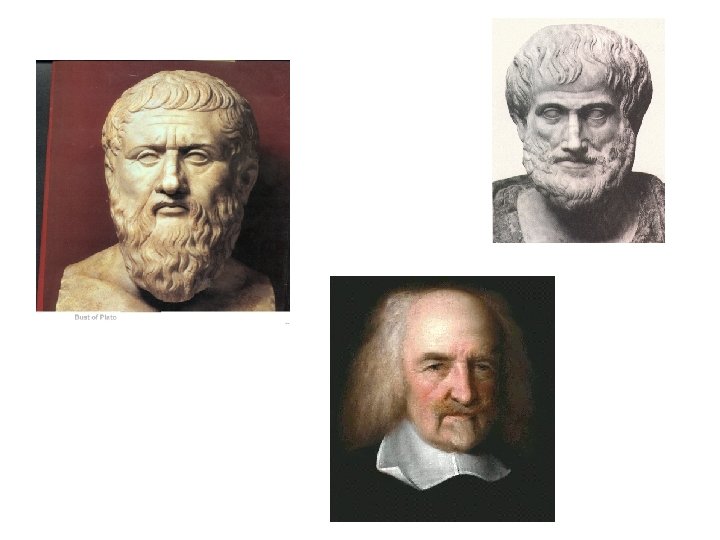
Superiority Theory • “According to the Superiority Theory…we laugh from feelings of superiority over other people, or over our own former position” (Morreall 5). • I laugh at you because I believe I am stronger or better than you. • Representatives: Plato, Aristotle, Hobbes
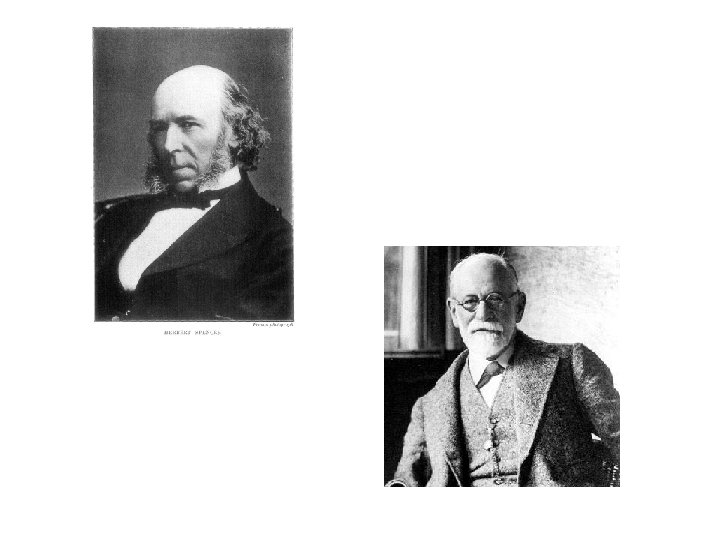
Relief Theory • “The Relief Theory takes a more physiological approach to laughter, treating it as the venting of excess nervous energy” (Morreall 6). • I laugh because a situation creates a tension which must be brought back into equilibrium. • Representatives: Herbert Spencer, Freud
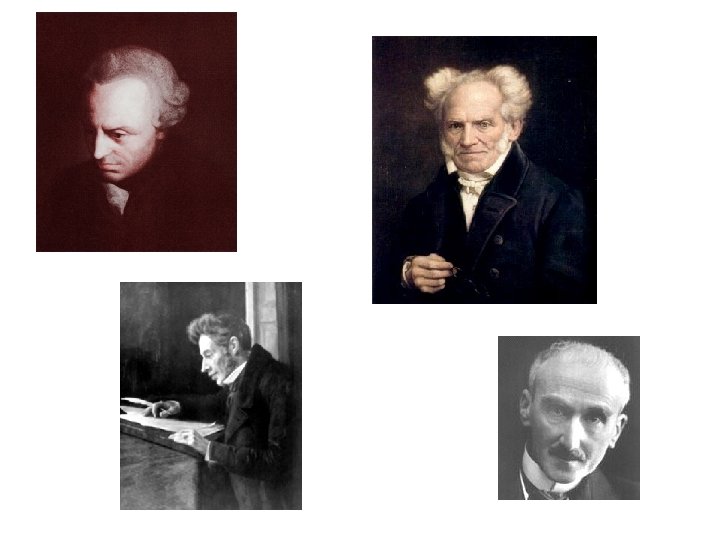
Incongruity Theory • “What amuses us is some object of perception or thought that clashes with what we would have expected in a particular set of circumstances” (Morreall 6). • I laugh because an expectation is suddenly turned around or something is obviously out of place or missing from a situation (socially defined). • Representatives: Kant, Schopenhauer, Kierkegaard, Bergson
Objects of Jokes • Who is made fun of in the stories? • What institutions do these people represent (if any)? • What kind of society is necessary before institutions can be joked about (criticized)?
Objectives/Applications • Deal with one story thoroughly. – “Of the son of a prince…” – “The old woman’s prayer” • What is the object of the joke (who or what)? • What type of humor seems to apply to the story? • Does the story imply a threat (as Boccaccio’s story did)?
Applications • Which theory or theories seem most applicable to: – “The Poor Sailor from Gaeta” – “A woodcarver…” – “Of the son of a prince. . ” – “The old woman’s prayer”
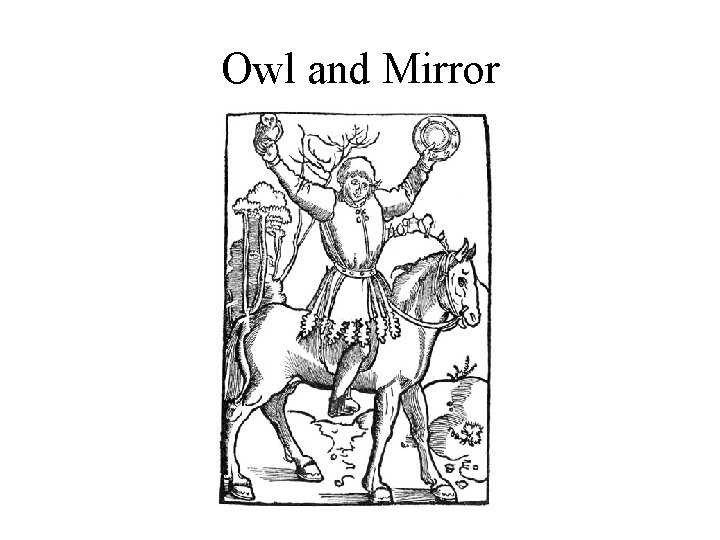
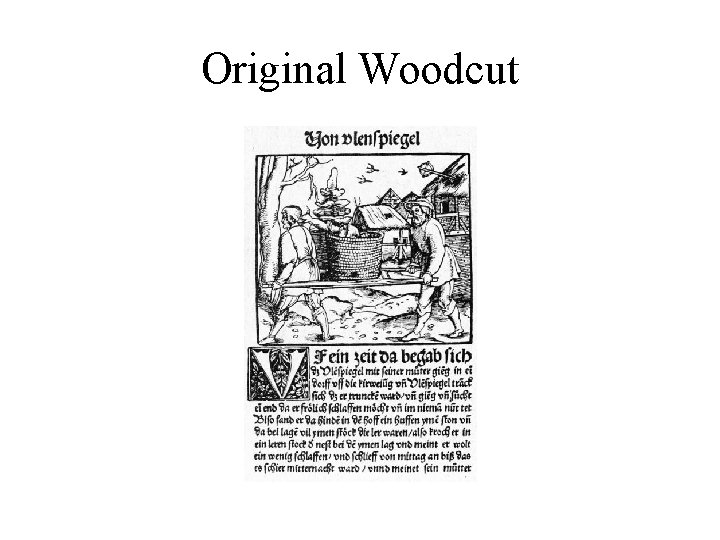
Eulenspiegel Background • • Hermann Bote? (c. 1467 -c. 1520), German Till Eulenspiegel written down c. 1500 Period: Late Middle Ages for the stories Genre: tale, short story
Owl and Mirror
Original Woodcut
Crude Humor • Why are jokes about shit and shitting funny? • What other parts of the body or bodily functions are the subject of humor?
Taboos • • A taboo is a prohibition observed by a society. A taboo may be specific to a society. A few taboos seem to be universal. What might a taboo prohibition really suggest psychologically?
Literary Applications • Probably the most universal taboos concern incest, parricide, and cannibalism. • Sexual and bodily functions are typically taboo though with varying degrees of seriousness in different places and times.
Content: Tale 12 1. Why does Eulenspiegel criticize the priest? 2. How does the priest respond? 3. What does the priest bet Eulenspiegel he can do? 4. What is the prize for the winner of the between the priest and Eulenspiegel? 5. What does Eulenspiegel do after the priest takes a shit?
Content: Tale 12 • Does the content of Tale 12 imply that the author is making fun of the Church or the people who are in control of the Church? • What reasons can you give for your answer?
For Next Time • Read: Pushkin, “The Queen of Spades” • I will send topics for Response #1 this weekend. • This paper is not due until March 24, but you can start thinking about it.