
Review Infection Control and Vital Signs What is

- Slides: 49
Review Infection Control and Vital Signs
What is the difference between pathogenic and nonpathogenic?
Pathogenic microorganisms and viruses cause illness and nonpathogenic ones don’t
Name 1 disease that is caused by each of the following pathogens. A. Bacteria B. Fungi C. Protozoa D. Rickettsiae E. Virus F. Prion
A. Bacteria Streptococcus/Staphylococcus B. Fungi Thrush, ringworm, athlete’s foot C. Protozoa Malaria D. Rickettsiae Typhus E. Virus smallpox, chickenpox, measles, mumps, influenza F. Prion Mad cow disease, kuru
How can Rickettsiaetransmitted diseases be controlled?
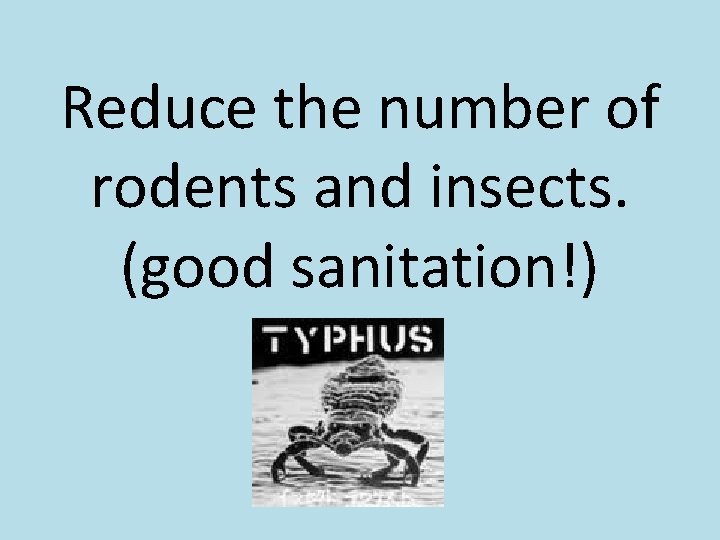
Reduce the number of rodents and insects. (good sanitation!)
List 3 facts about viruses.
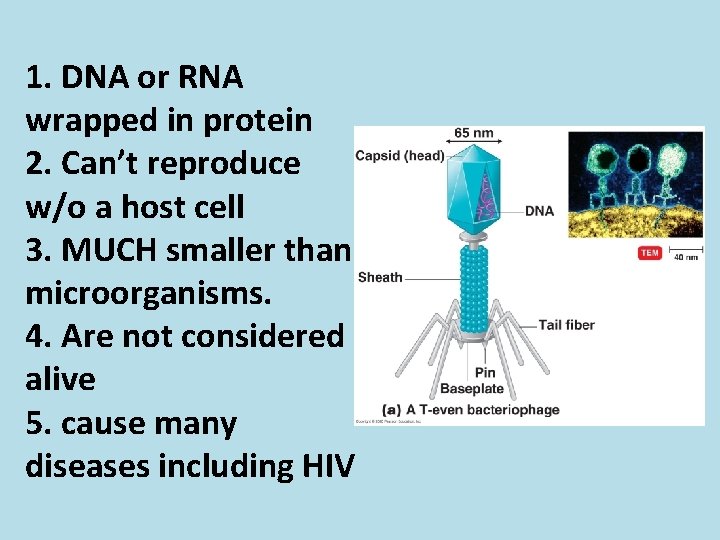
1. DNA or RNA wrapped in protein 2. Can’t reproduce w/o a host cell 3. MUCH smaller than microorganisms. 4. Are not considered alive 5. cause many diseases including HIV
When would an opportunistic infection occur?
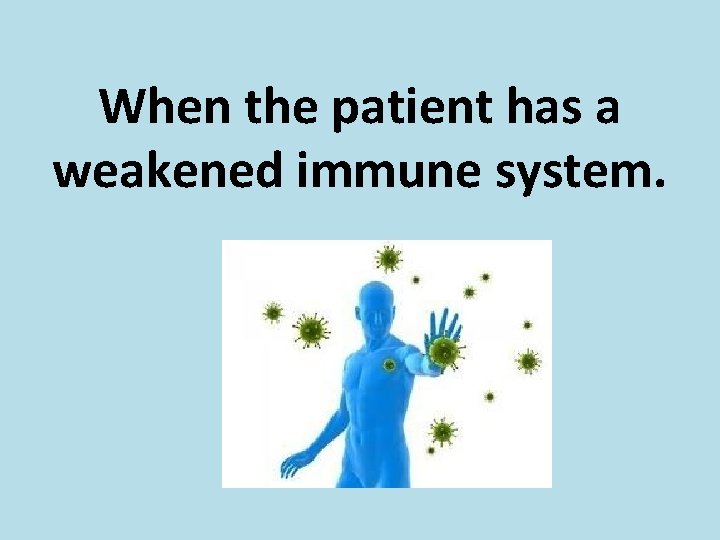
When the patient has a weakened immune system.
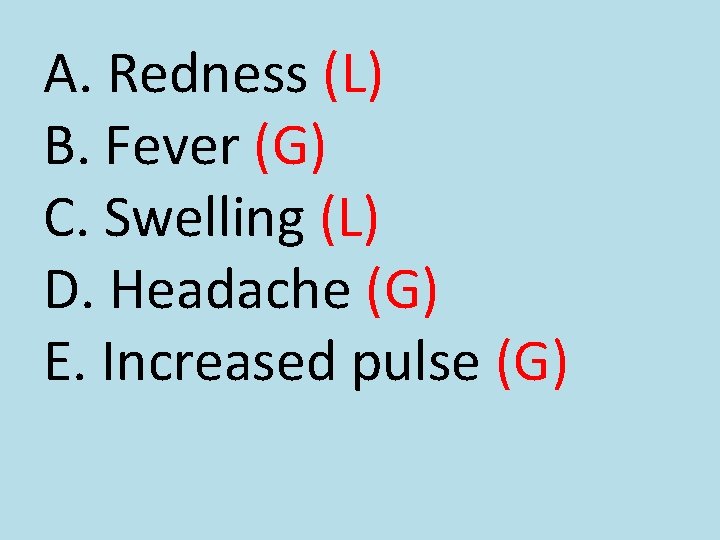
Label the following either G for generalized (systemic) infection, or L for localized infection. A. Redness B. Fever C. Swelling D. Headache E. Increased pulse
A. Redness (L) B. Fever (G) C. Swelling (L) D. Headache (G) E. Increased pulse (G)
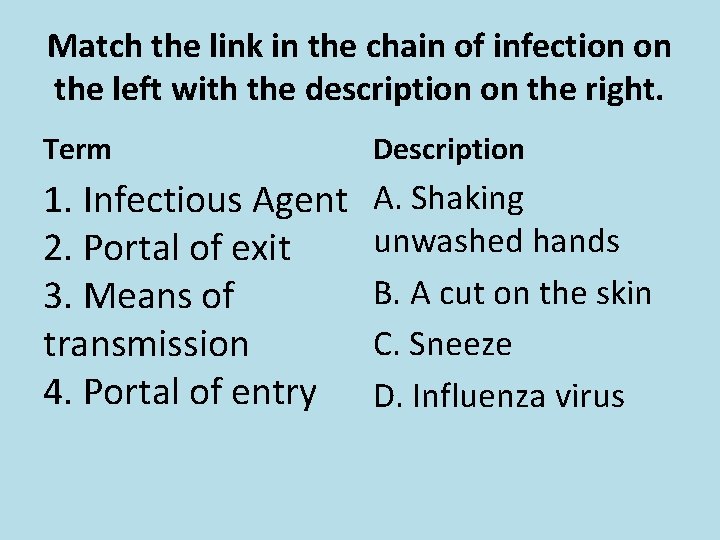
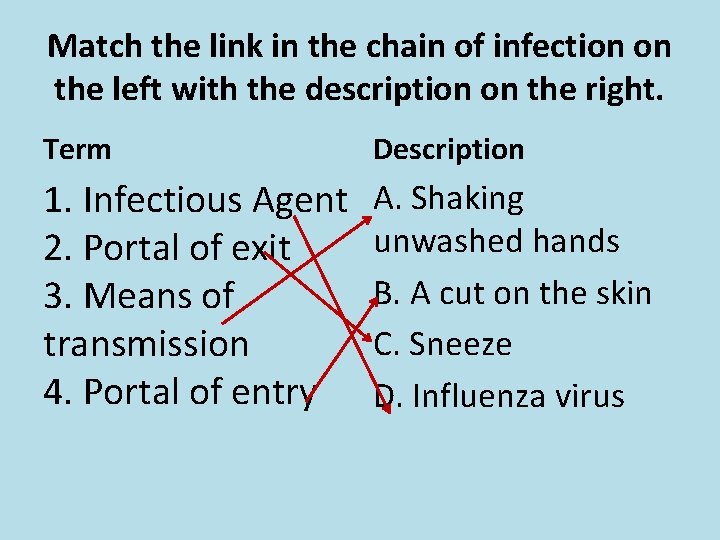
Match the link in the chain of infection on the left with the description on the right. Term Description 1. Infectious Agent 2. Portal of exit 3. Means of transmission 4. Portal of entry A. Shaking unwashed hands B. A cut on the skin C. Sneeze D. Influenza virus
Match the link in the chain of infection on the left with the description on the right. Term Description 1. Infectious Agent 2. Portal of exit 3. Means of transmission 4. Portal of entry A. Shaking unwashed hands B. A cut on the skin C. Sneeze D. Influenza virus
Using the video clip “Just One Drop” as an example, trace the steps in the chain of infection to show she became ill. 1. Infectious Agent 2. Reservoir 3. portal of exit 4. Means of transmission 5. Portal of entry 6. Susceptible host
Using the video clip “Just One Drop” as an example, trace the steps in the chain of infection to show she became ill. 1. Infectious Agent (HIV) 2. Reservoir (blood of the patient) 3. portal of exit (IV site) 4. Means of transmission (Gauze) 5. Portal of entry (cut on the nurse’s hand) 6. Susceptible host (nurse)
What’s the difference between medical and surgical asepsis?
Medical: Limits the number of pathogens, their growth and their transmission Surgical: Keeps an area completely free of pathogens. AKA sterile technique
If I went into the hospital to have a baby, but wound up with a staphylococcus infection, what word would describe this type of infection?
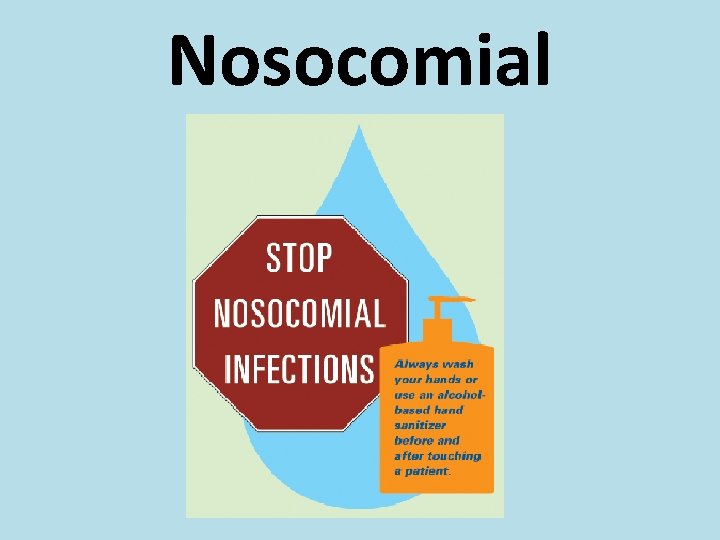
Nosocomial
Why were universal precautions, which were later modified into standard precautions, originally developed in the 1980 s?
To avoid exposure to Hepatitis B and HIV (the virus that causes AIDS)
As a health care provider, when must you wash your hands?
*When coming on duty, taking a break or leaving work Between patients *Before applying and immediately upon removing gloves *After contact with anything considered contaminated (anything on the floor, linens, equipment, surfaces) *Before touching anything considered clean (food or drink, clean linens) *Before and after eating, drinking and using restroom. *Between tasks even on the same patient if there is a chance of cross-contaminating different body sites. *Whenever hands are visible soiled *Etc.
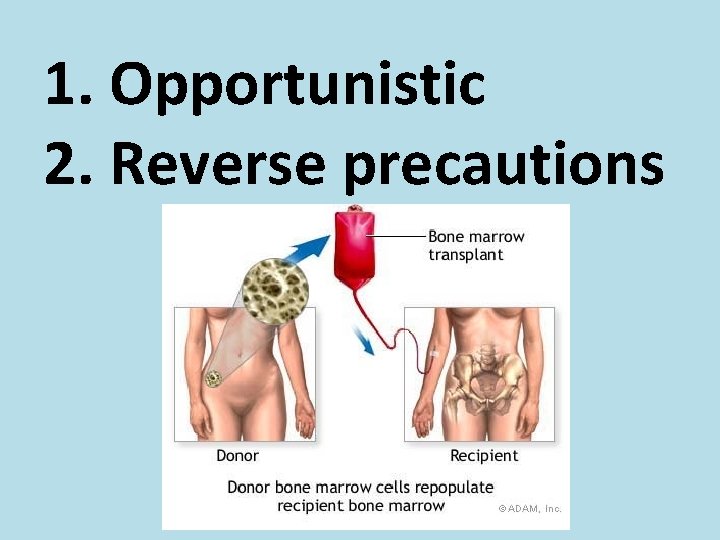
Maria is undergoing a bone marrow transplant. This procedure makes her immune system VERY weak. 1. What type of infection is Maria at risk of getting? 2. What type of precautions should the health care professional take to keep Maria healthy?
1. Opportunistic 2. Reverse precautions
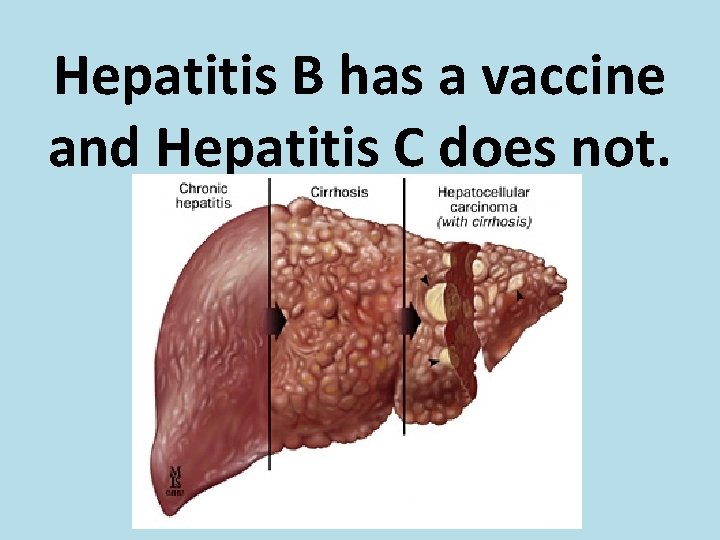
What’s one major difference between Hepatitis B and Hepatitis C?
Hepatitis B has a vaccine and Hepatitis C does not.
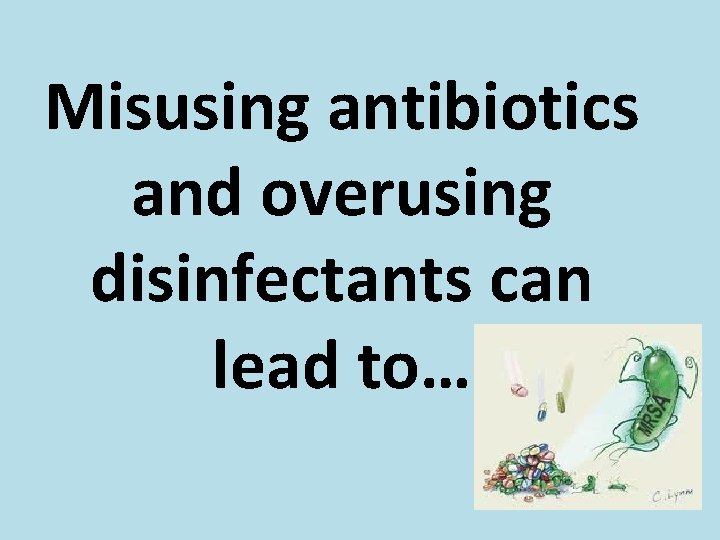
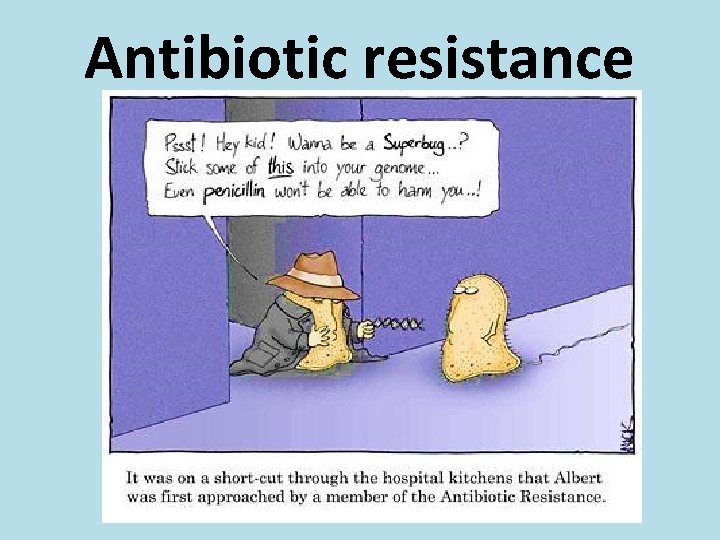
Misusing antibiotics and overusing disinfectants can lead to…
Antibiotic resistance
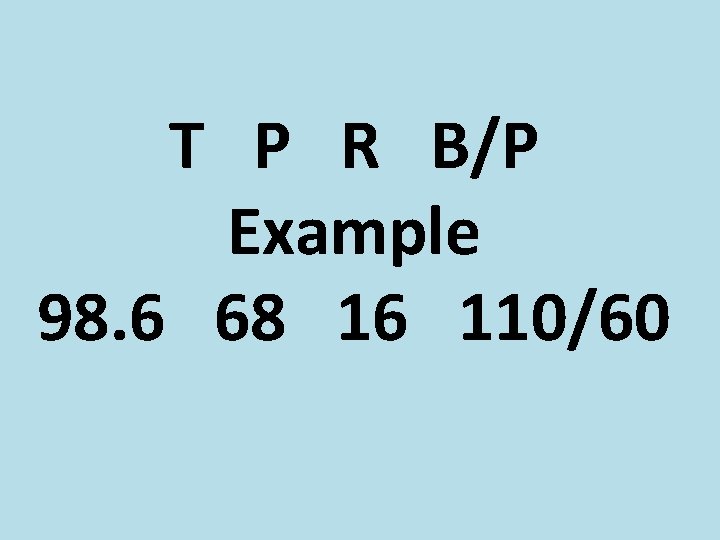
In what order do you document vital signs?
T P R B/P Example 98. 6 68 16 110/60
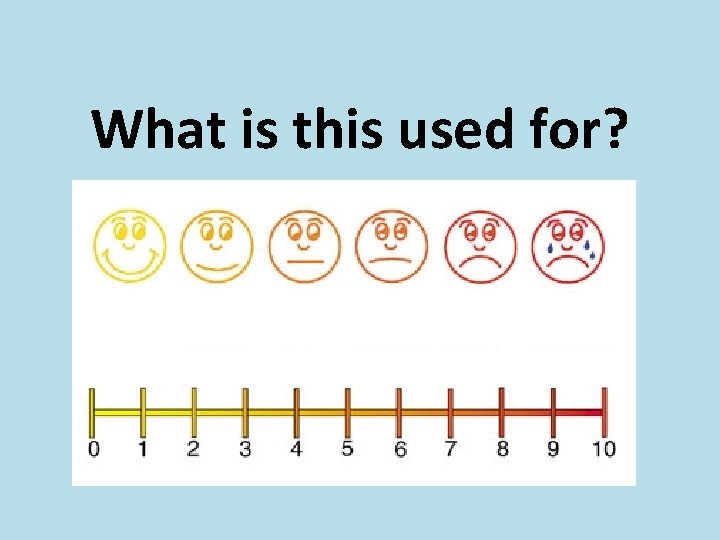
What is this used for?
Assess pain
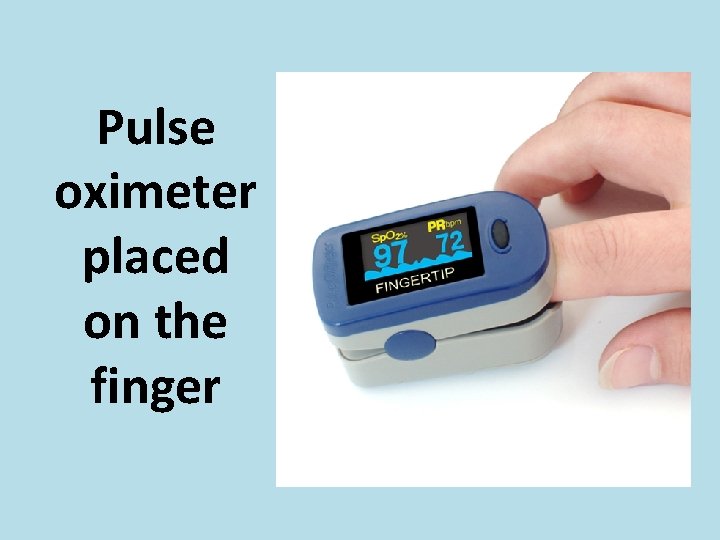
How do you measure arterial oxygen concentration?
Pulse oximeter placed on the finger
The vital signs on a 28 year old male are: 99. 2 (oral) 104 18 150/80 Which are abnormal and which are normal?
The vital signs on a 28 year old male are: 99. 2 (oral) Normal temperature… AKA afebrile 104 Elevated pulse 18 Normal respirations 150/80 Systolic pressure elevated, Diastolic pressure normal
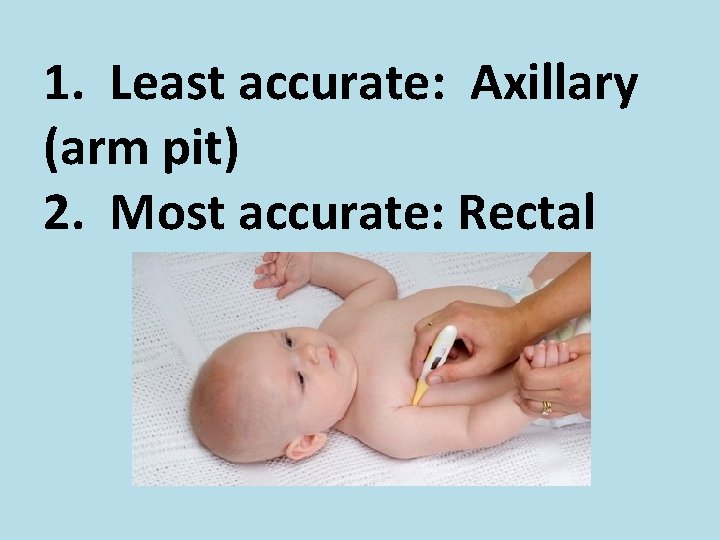
Which route of taking a temperature is: 1. Least accurate? 2. Most accurate?
1. Least accurate: Axillary (arm pit) 2. Most accurate: Rectal
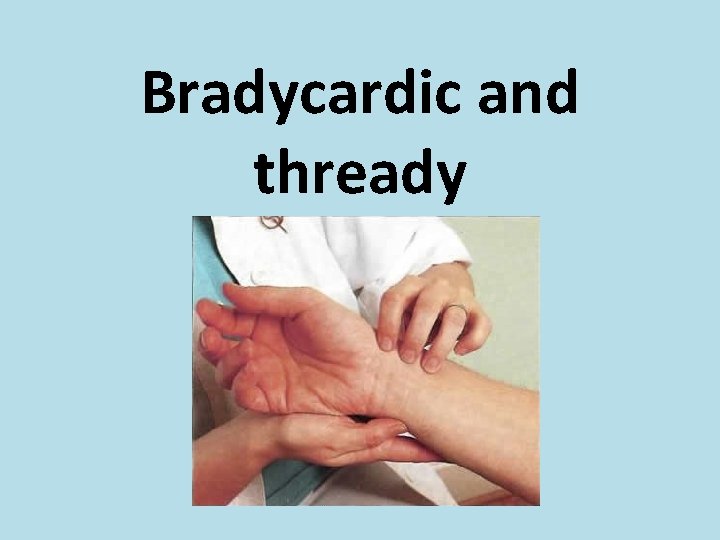
How would a healthcare provider describe a pulse that is 34 and weak?
Bradycardic and thready
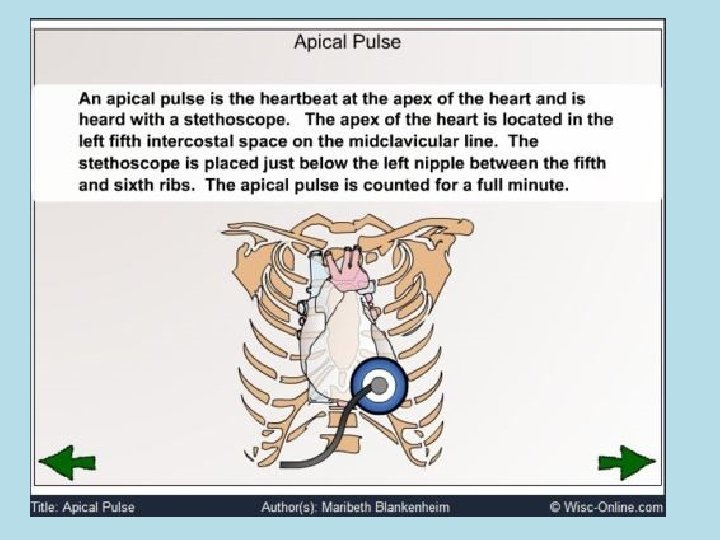
How and why would you assess an apical pulse?
Place the stethoscope over the apex of the heart (left side below the nipple) and count the pulse for a full minute. Do this whenever a very accurate pulse is needed.
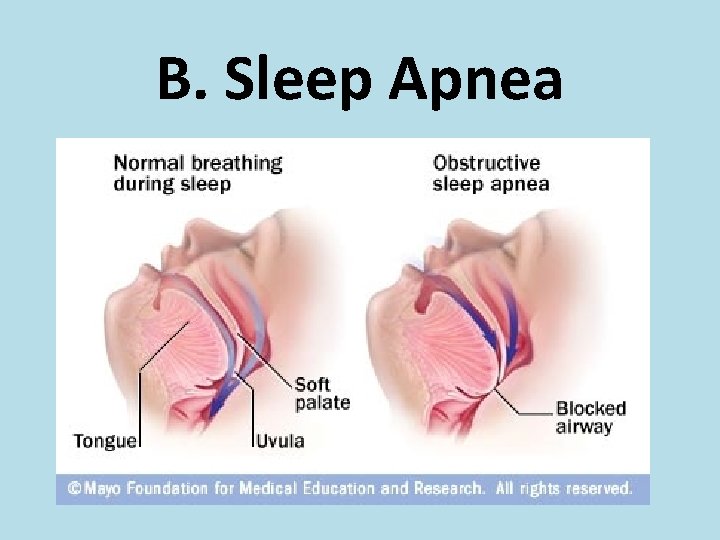
Some people quit breathing for brief periods of time during their sleep. What is this condition called? A. Sleep dyspnea B. Sleep apnea C. Asymptomatic sleep disturbance
B. Sleep Apnea
Please Study!!!