
Review IB Geo Paper 1 IB Geography I
Review: IB Geo Paper 1 IB Geography I
Test Day Specifics • Paper 1 is worth 40% of your total IB Grade. • Paper 1 is 1 ½ hours long • Paper 1 is divided into Section A and B. – Section A: worth 45/60 marks – Section B: worth 15/60 marks
Section A Tips • answer ALL short-answer questions about the four core themes – Populations in Transition – Disparities in Wealth and Development – Patterns in Environmental Quality and Sustainability – Patterns in Resource Consumption • 45 marks, approximately 17 minutes per section • Use the space they give you and only that space
Section B Tips • Students are required to answer one extended response question from a choice of three.

Section B Tips • The questions require a broad treatment of the content and may integrate multiple topics across the core: – Populations in Transition – Disparities in Wealth and Development – Patterns in Environmental Quality and Sustainability – Patterns in Resource Consumption
Section B Tips • The questions require knowledge and understanding, application and analysis, and synthesis and evaluation. • The command terms used in each question indicate the depth required. • Review all Case Studies • Approx. 23 minutes
Study Guide: The Core Content
Populations in Transition • • Population Change Responses to High and Low Fertility Migration Gender and Change
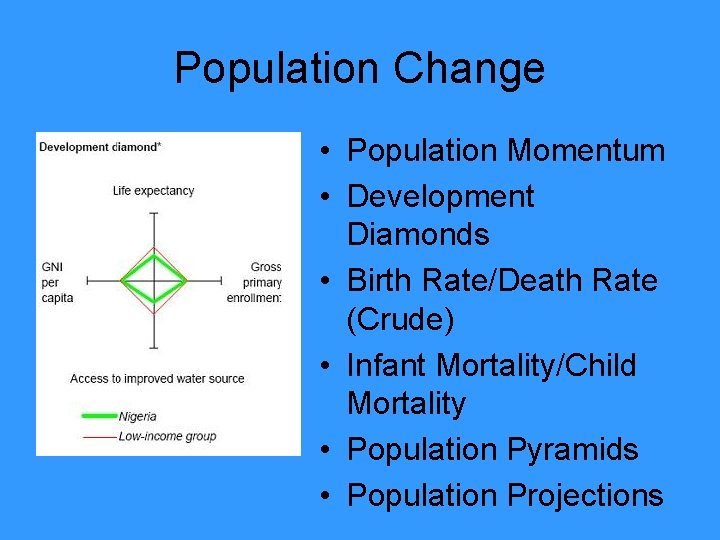
Population Change • Population Momentum • Development Diamonds • Birth Rate/Death Rate (Crude) • Infant Mortality/Child Mortality • Population Pyramids • Population Projections
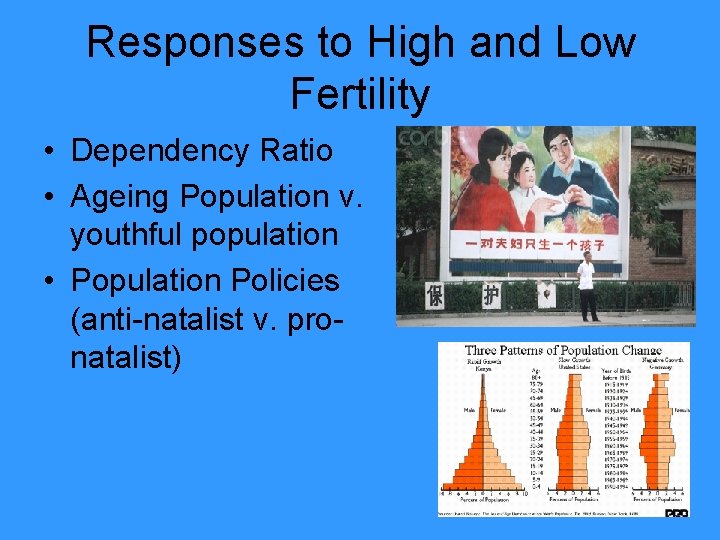
Responses to High and Low Fertility • Dependency Ratio • Ageing Population v. youthful population • Population Policies (anti-natalist v. pronatalist)
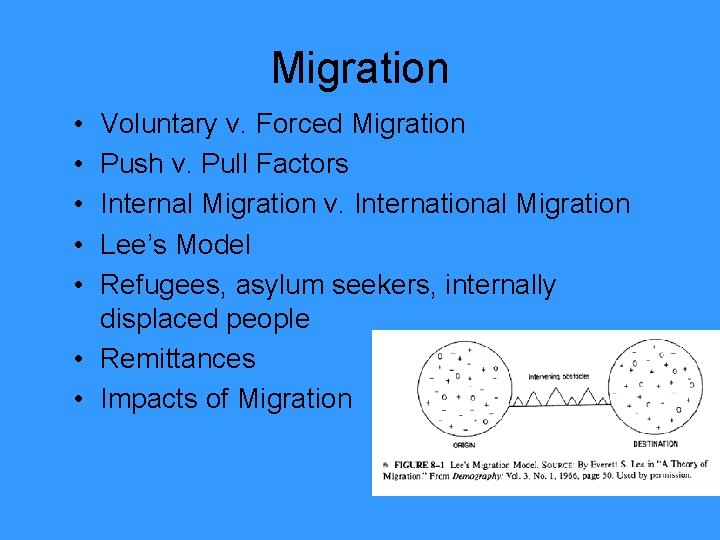
Migration • • • Voluntary v. Forced Migration Push v. Pull Factors Internal Migration v. International Migration Lee’s Model Refugees, asylum seekers, internally displaced people • Remittances • Impacts of Migration
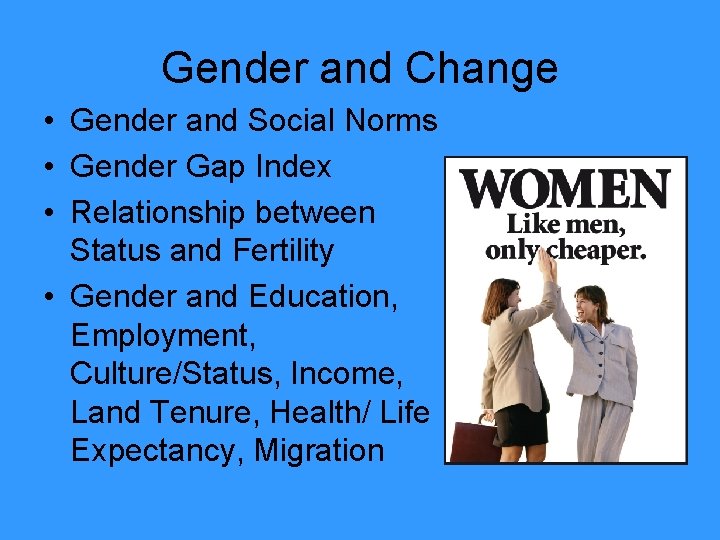
Gender and Change • Gender and Social Norms • Gender Gap Index • Relationship between Status and Fertility • Gender and Education, Employment, Culture/Status, Income, Land Tenure, Health/ Life Expectancy, Migration
Disparities in Wealth and Development • • Measurements of Disparities Origins of Disparities and Change Reducing Disparities
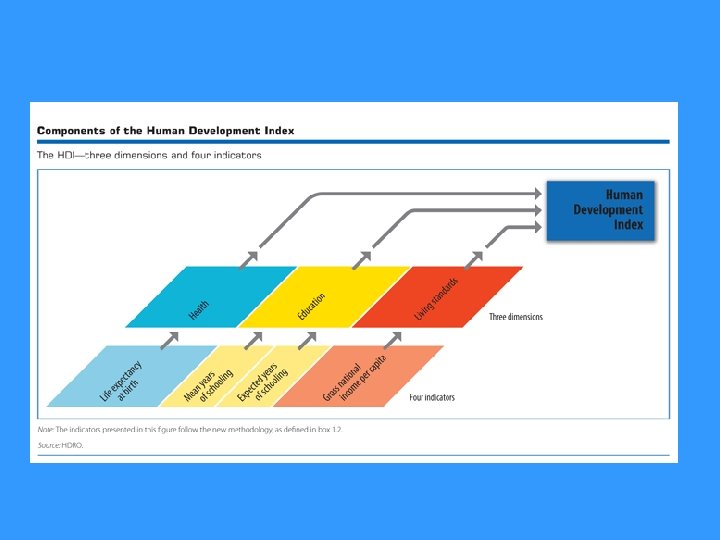
Measurements of Disparities • GDP, GNI, GNP, PPP • Development Gap • Human Development Index/Human Development Report • MEDC/LEDC/NIC • Disparities in Income, Education Nutrition, Marginalization
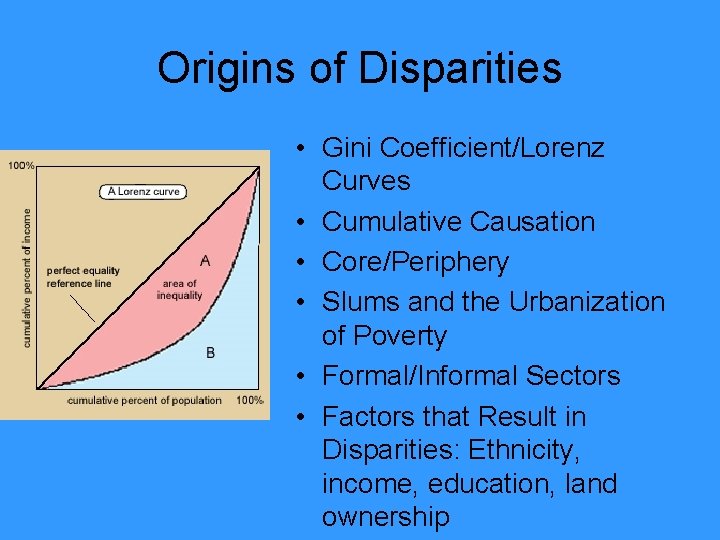
Origins of Disparities • Gini Coefficient/Lorenz Curves • Cumulative Causation • Core/Periphery • Slums and the Urbanization of Poverty • Formal/Informal Sectors • Factors that Result in Disparities: Ethnicity, income, education, land ownership
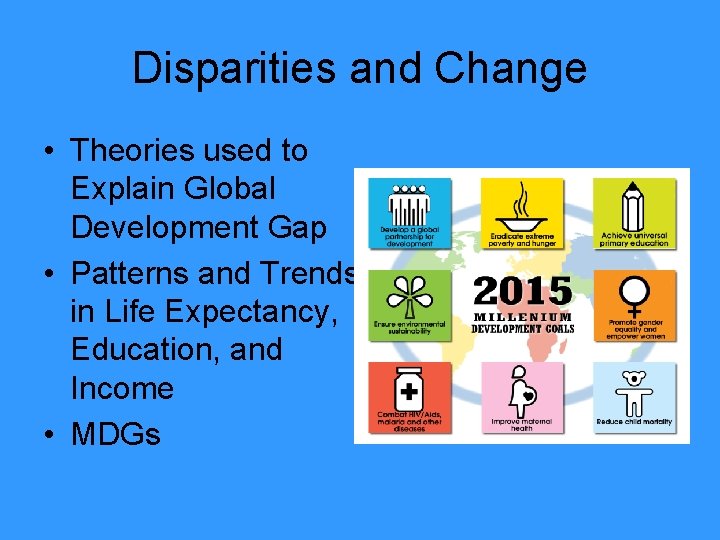
Disparities and Change • Theories used to Explain Global Development Gap • Patterns and Trends in Life Expectancy, Education, and Income • MDGs
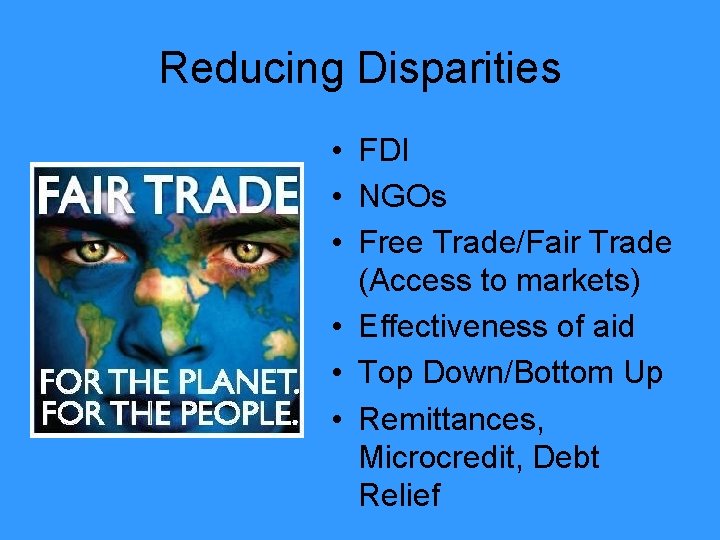
Reducing Disparities • FDI • NGOs • Free Trade/Fair Trade (Access to markets) • Effectiveness of aid • Top Down/Bottom Up • Remittances, Microcredit, Debt Relief
Patterns in Environmental Quality and Sustainability • • • Atmosphere and Change Soil and Change Water and Change Biodiversity Sustainability
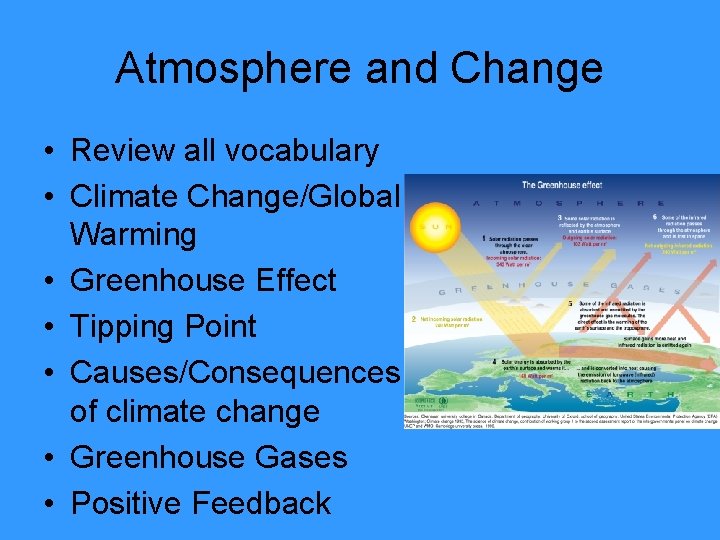
Atmosphere and Change • Review all vocabulary • Climate Change/Global Warming • Greenhouse Effect • Tipping Point • Causes/Consequences of climate change • Greenhouse Gases • Positive Feedback
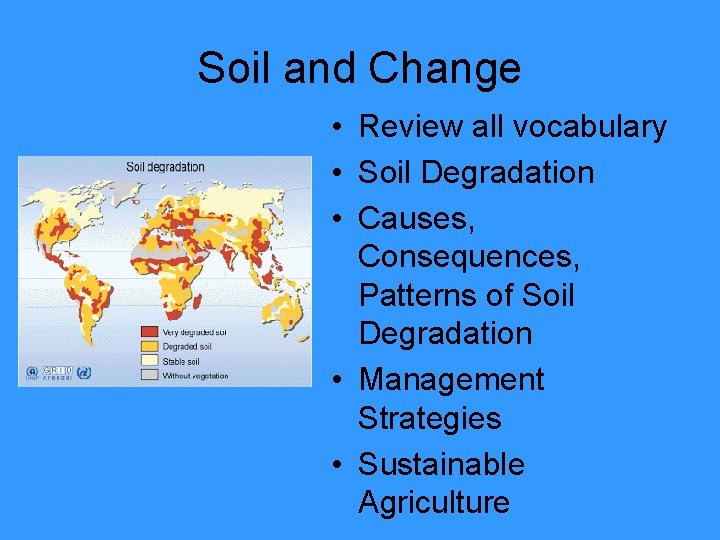
Soil and Change • Review all vocabulary • Soil Degradation • Causes, Consequences, Patterns of Soil Degradation • Management Strategies • Sustainable Agriculture
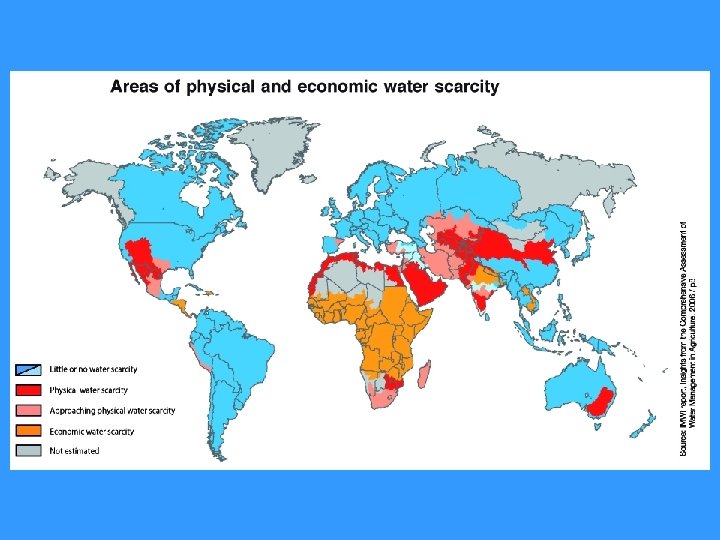
Water and Change • • • Review all vocabulary Water stress v. Water scarcity Potable Water Patterns and Trends in Water use Environmental v. Human Factors affecting water scarcity Physical v. Economic scarcity Conservation measures Water footprint Virtual Water Factors that affect access to safe drinking water Quantity v. Quality debate
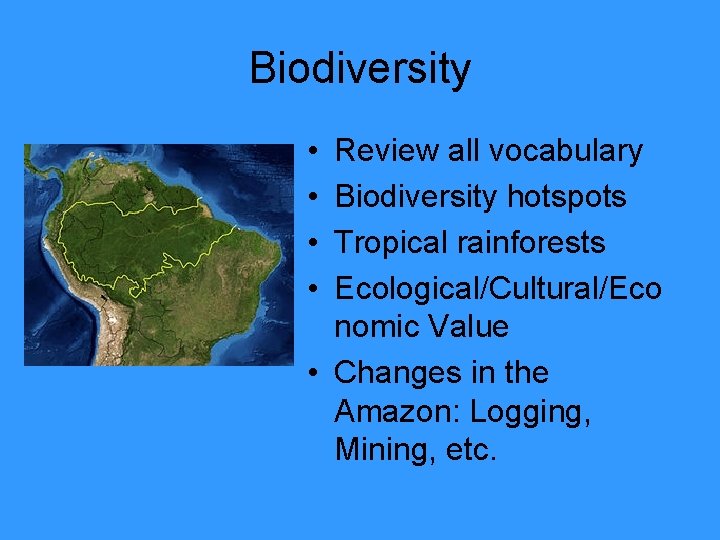
Biodiversity • • Review all vocabulary Biodiversity hotspots Tropical rainforests Ecological/Cultural/Eco nomic Value • Changes in the Amazon: Logging, Mining, etc.
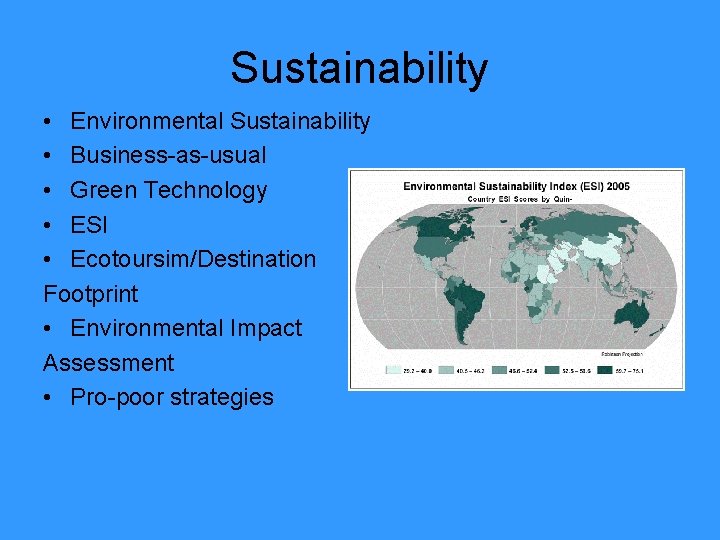
Sustainability • Environmental Sustainability • Business-as-usual • Green Technology • ESI • Ecotoursim/Destination Footprint • Environmental Impact Assessment • Pro-poor strategies
Patterns in Resource Consumption • Patterns of Resource Consumption • Changing Patterns of Energy Consumption • Conservation Strategies
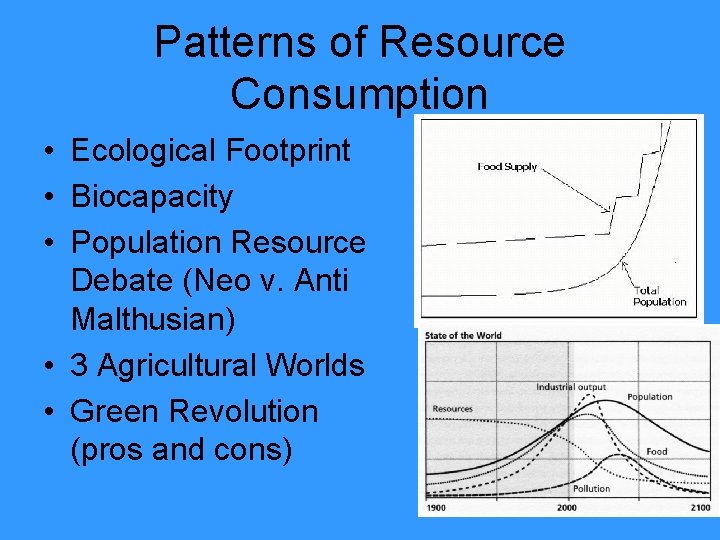
Patterns of Resource Consumption • Ecological Footprint • Biocapacity • Population Resource Debate (Neo v. Anti Malthusian) • 3 Agricultural Worlds • Green Revolution (pros and cons)
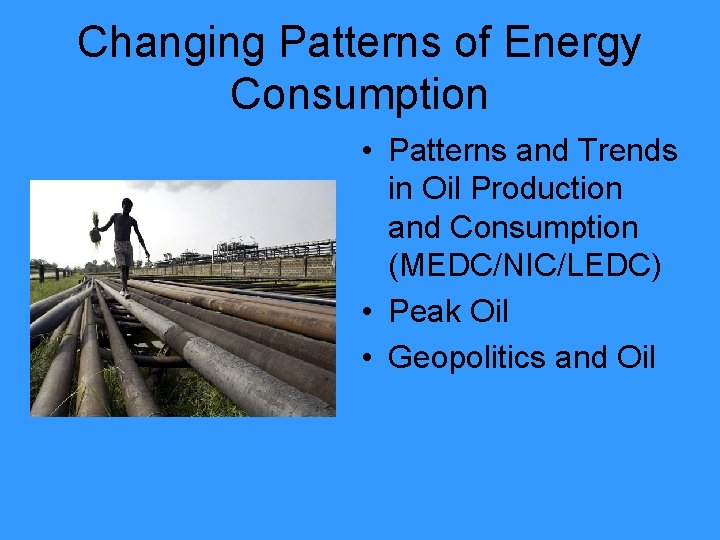
Changing Patterns of Energy Consumption • Patterns and Trends in Oil Production and Consumption (MEDC/NIC/LEDC) • Peak Oil • Geopolitics and Oil
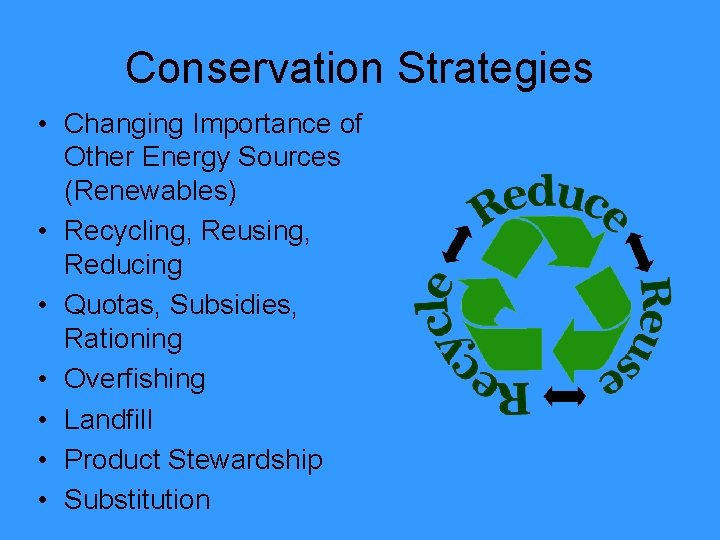
Conservation Strategies • Changing Importance of Other Energy Sources (Renewables) • Recycling, Reusing, Reducing • Quotas, Subsidies, Rationing • Overfishing • Landfill • Product Stewardship • Substitution
- Slides: 29