
Review Blind Contour Draw What You See Proportion
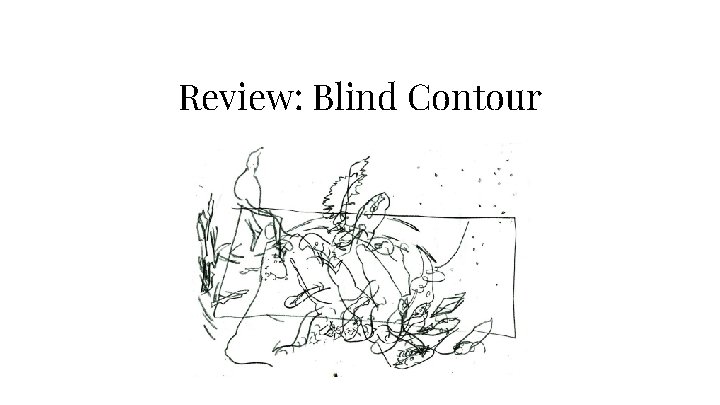
Review: Blind Contour
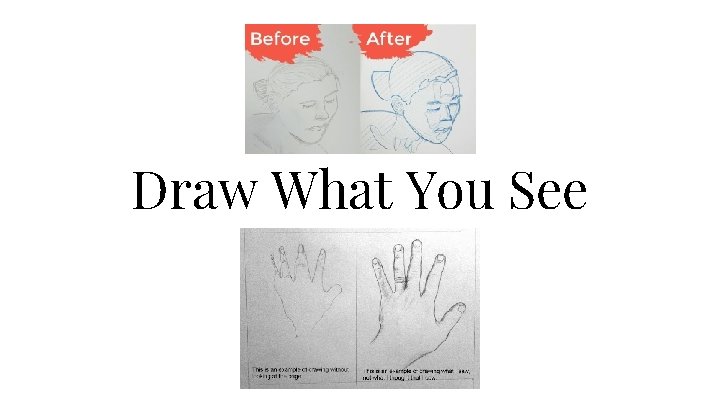
Draw What You See

Proportion ● ● ● Seeing relationships (between lines or shapes) “The relation of one part to another or to the whole with respect to magnitude, quantity, or degree” Ratio
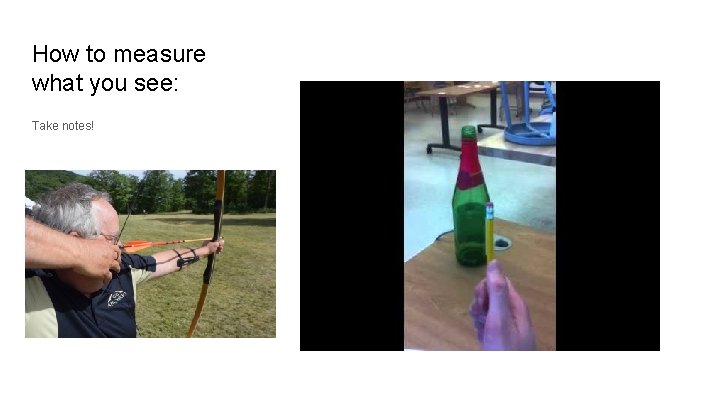
How to measure what you see: Take notes!
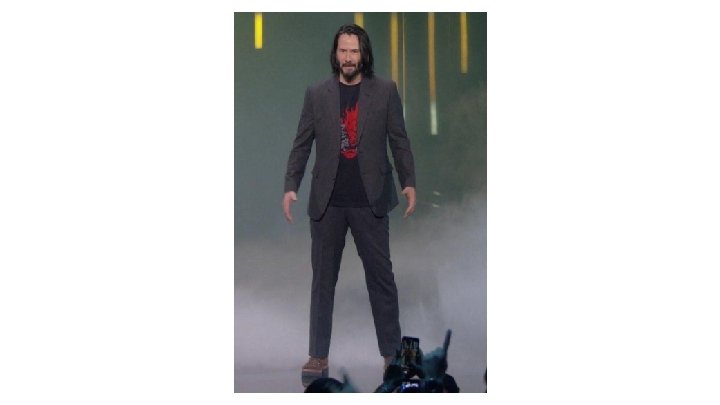
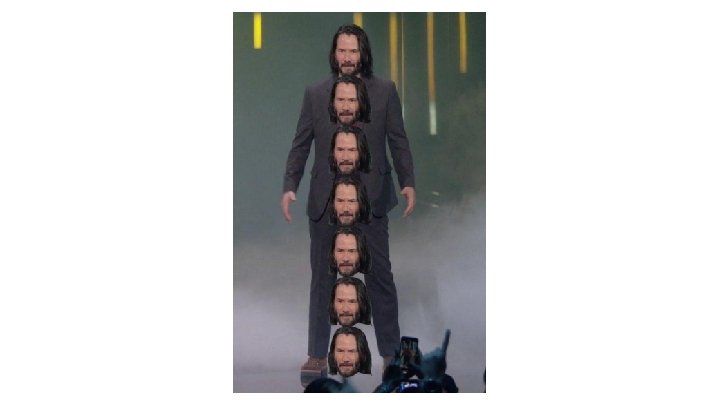
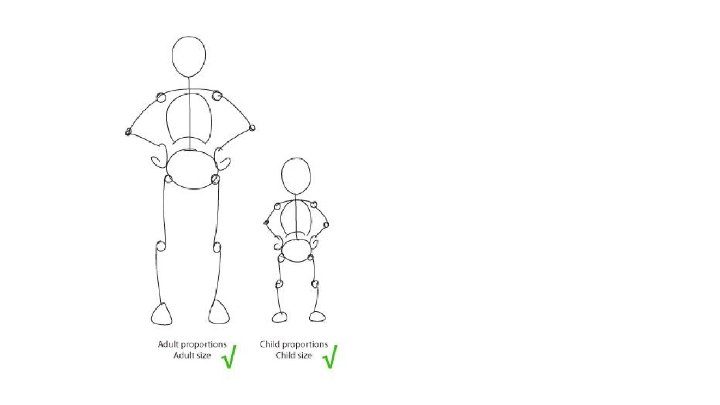
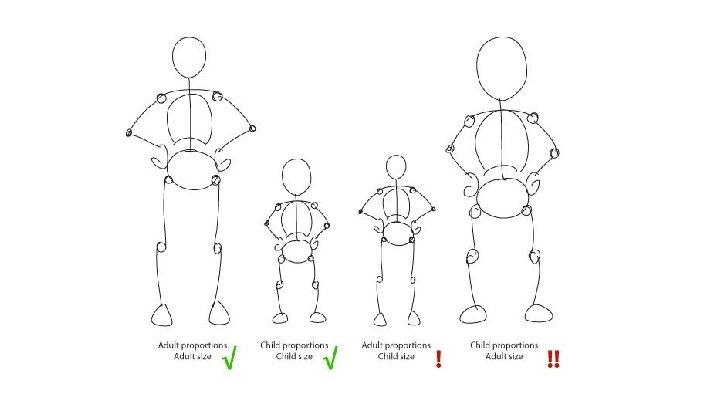
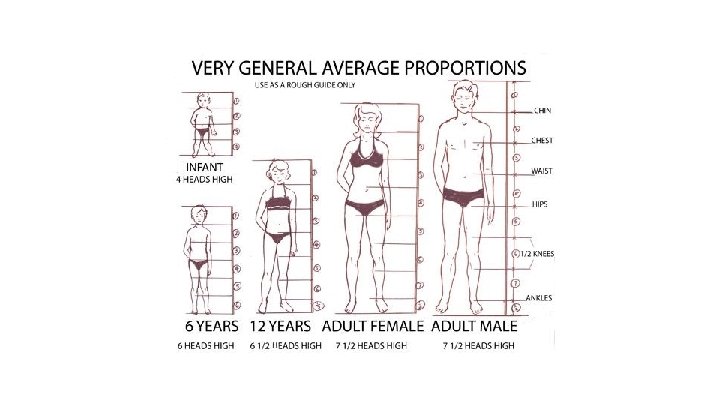
Practice Rounds
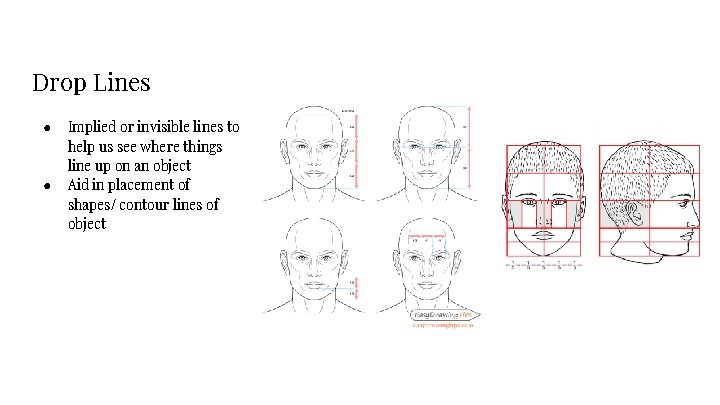
Drop Lines ● ● Implied or invisible lines to help us see where things line up on an object Aid in placement of shapes/ contour lines of object
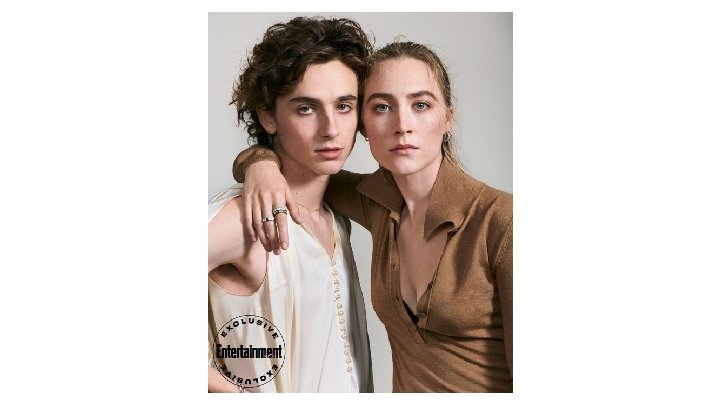

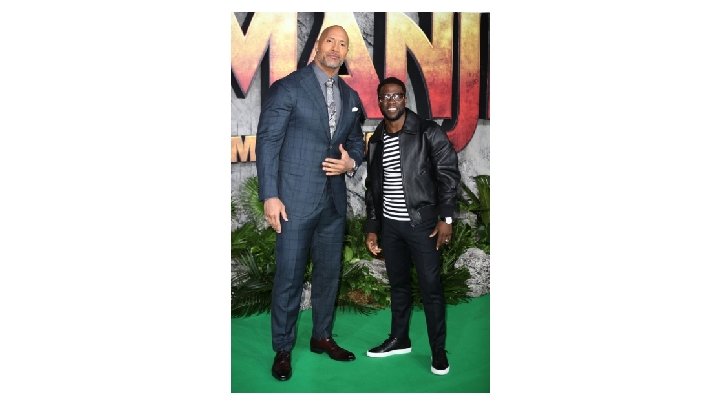

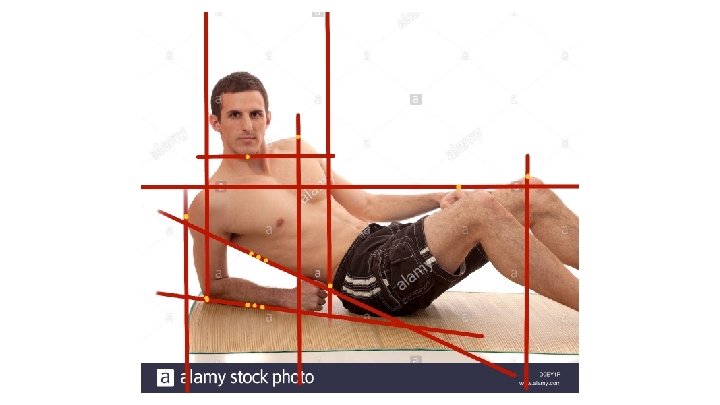
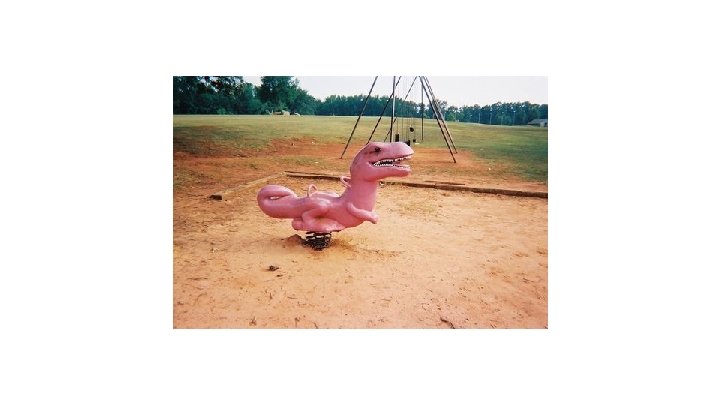
REVIEW!!!! We learned two tools to help us draw what we see. . .
REVIEW!!!! We learned two tools to help us draw what we see. . .

Proportion! ● ● ● What is it? Why is it important? How do we use this tool to draw what we see?
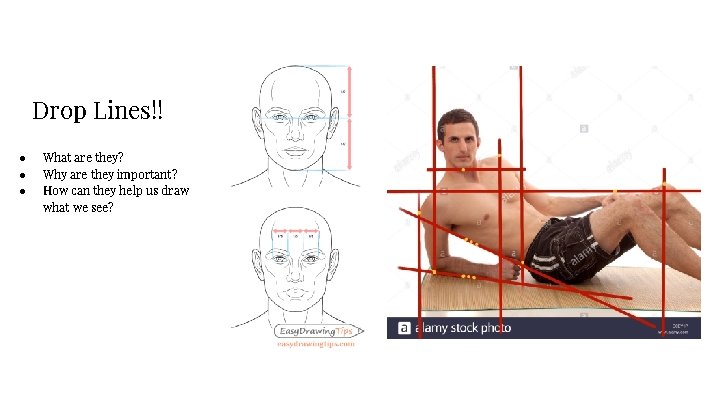
Drop Lines!! ● ● ● What are they? Why are they important? How can they help us draw what we see?
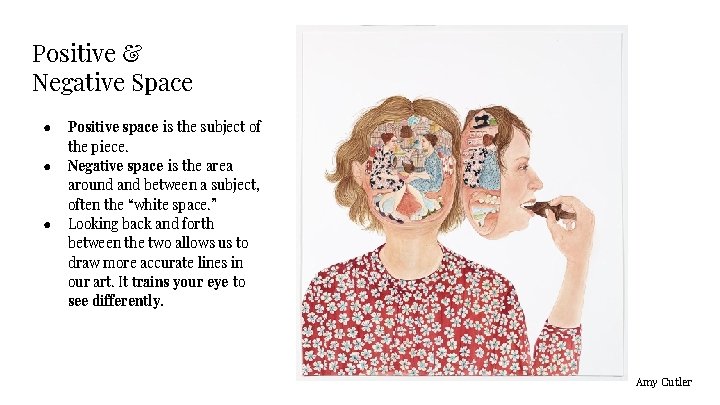
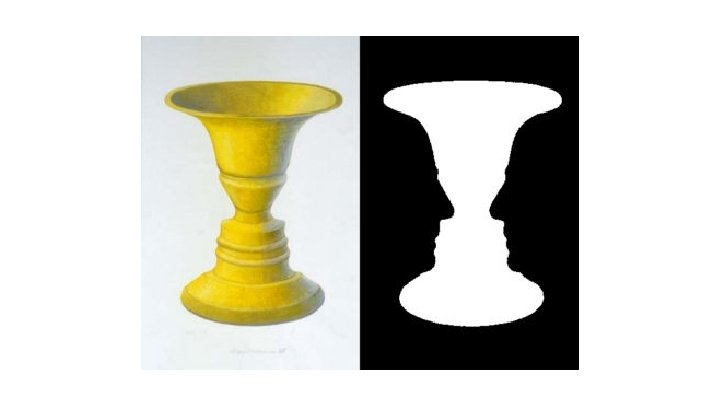
Positive & Negative Space ● ● ● Positive space is the subject of the piece. Negative space is the area around and between a subject, often the “white space. ” Looking back and forth between the two allows us to draw more accurate lines in our art. It trains your eye to see differently. Amy Cutler
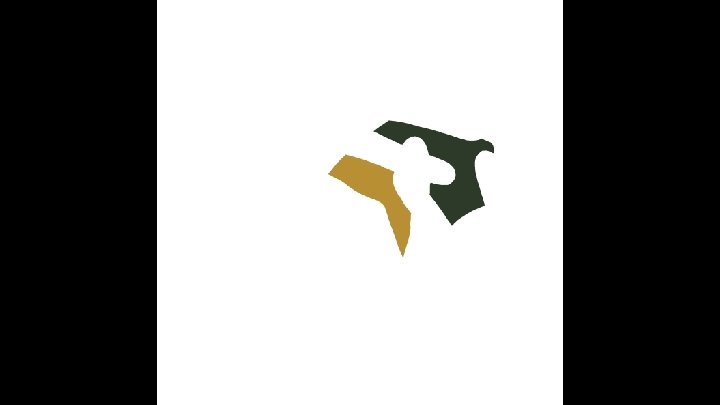
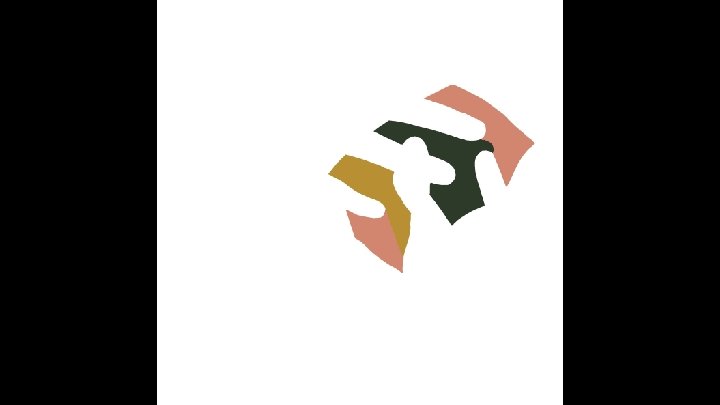
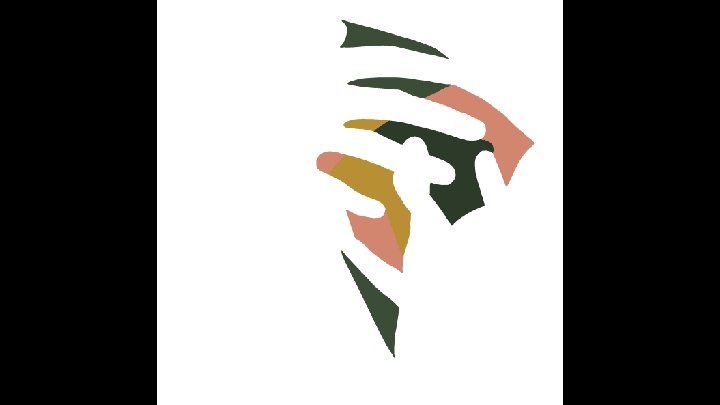
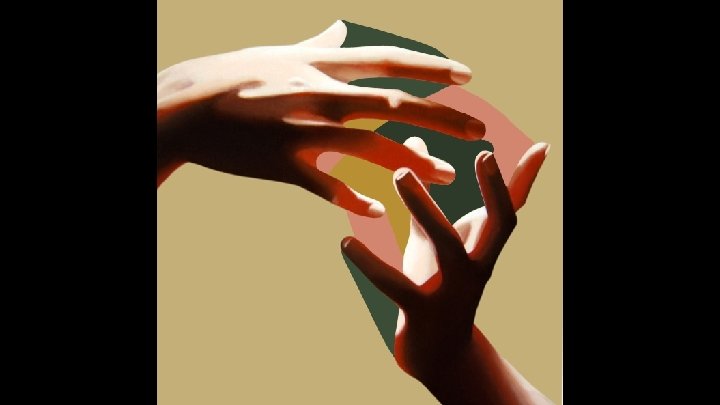
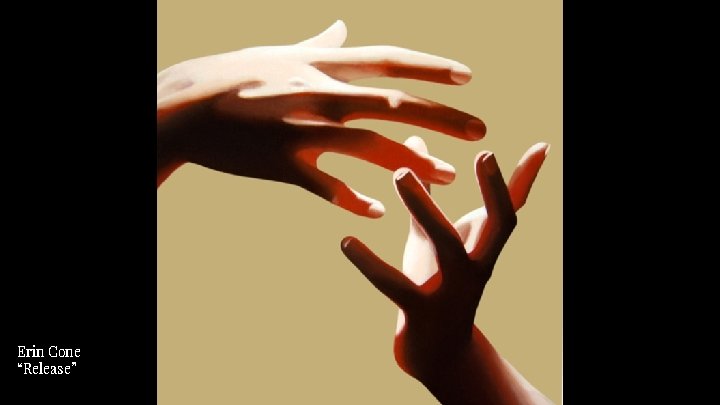
Erin Cone “Release”
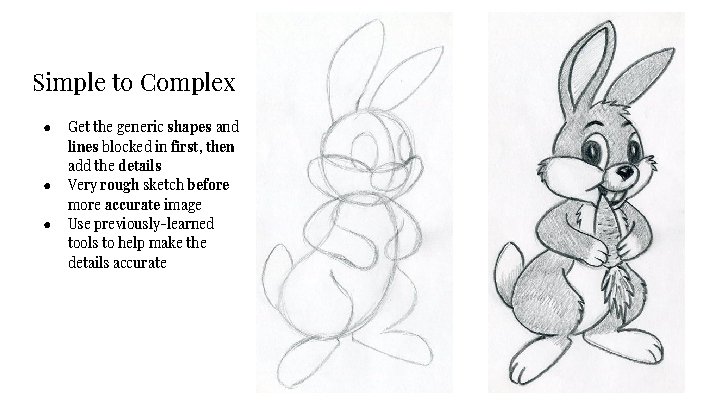
Simple to Complex ● ● ● Get the generic shapes and lines blocked in first, then add the details Very rough sketch before more accurate image Use previously-learned tools to help make the details accurate
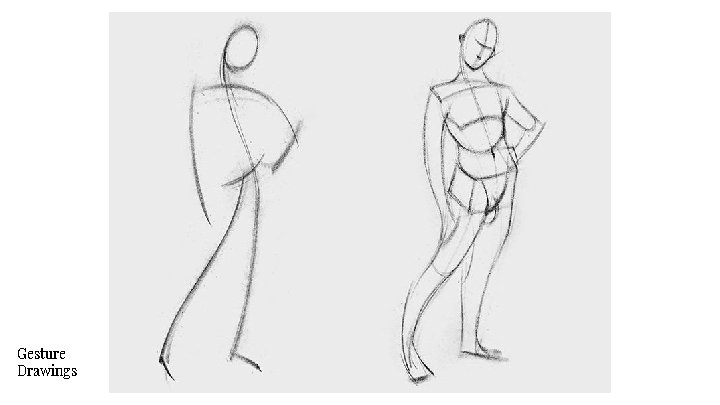
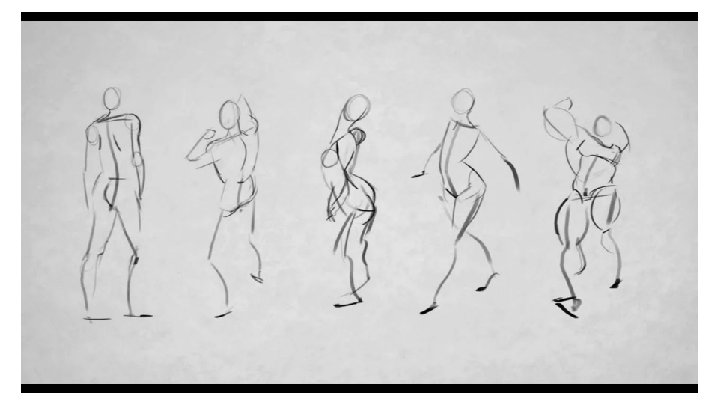
Gesture Drawings
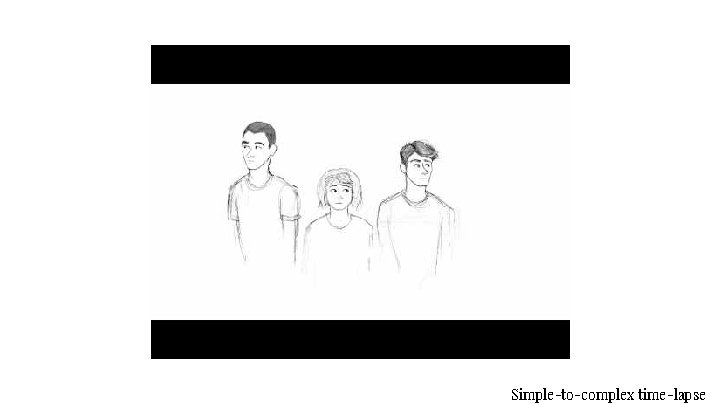
Simple-to-complex time-lapse
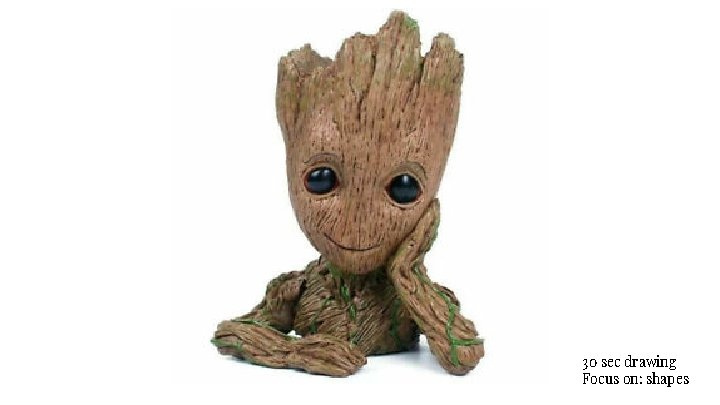
30 sec drawing Focus on: shapes
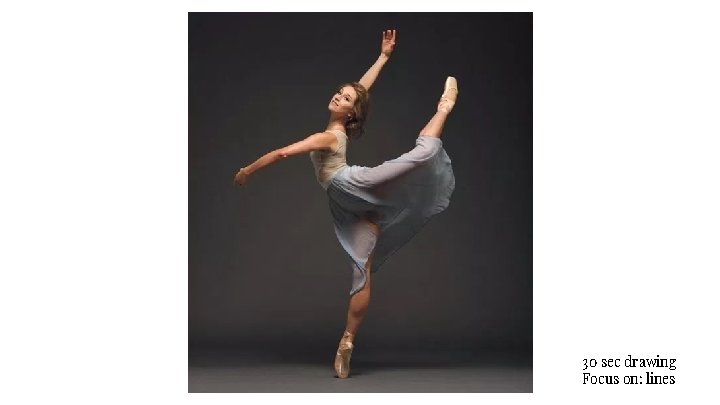
30 sec drawing Focus on: lines
Our Project: Draw What You See!
● ● 2 drawings of the same thing (one from memory and one from observation aka “what you see”) Usage of drawing techniques in second drawing ● ● Detail Composition (usage of space) Craftsmanship “evidence of caring” Both are your “best” drawings - take care of your paper, sketch lightly, and put in the effort to make them as best as you can. Second drawing will include shading, which we’ll go over next time. ●
QUIZ Please grab a slip of paper and something to write with, and clear everything off of your tables, thanks!
1. What does it mean to “draw what you see”? 2 -5. Name each of the four tools that we’ve learned that aid us in proper drawing from observation. For each technique, draw a small & simple example of how it may be used. 6. What is something you’d like me to know so that I can better help you as your teacher? Please include your name and class! Thank you thank you Do your very best but don’t stress this won’t affect your grade! : )
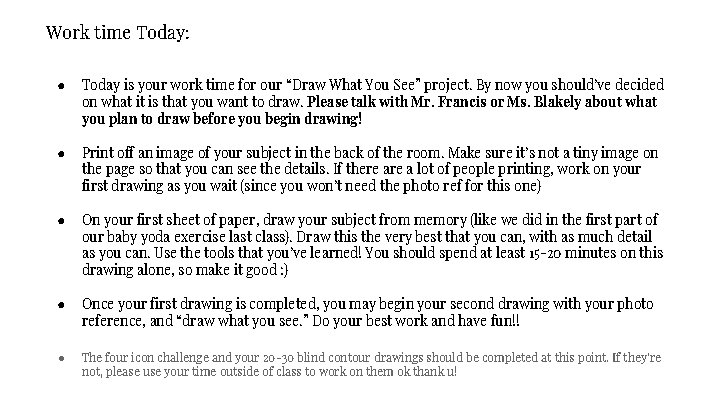
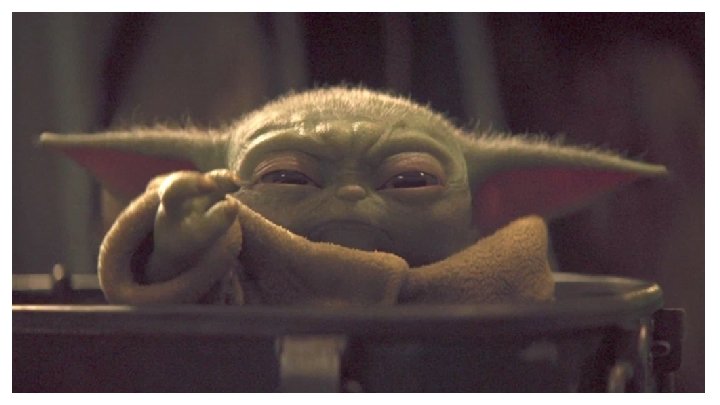
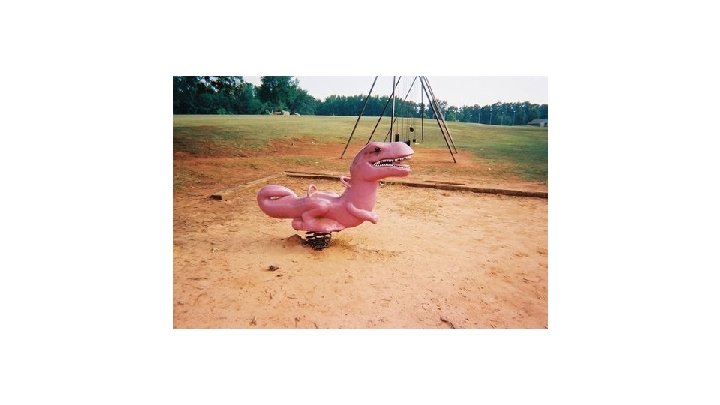
Work time Today: ● Today is your work time for our “Draw What You See” project. By now you should’ve decided on what it is that you want to draw. Please talk with Mr. Francis or Ms. Blakely about what you plan to draw before you begin drawing! ● Print off an image of your subject in the back of the room. Make sure it’s not a tiny image on the page so that you can see the details. If there a lot of people printing, work on your first drawing as you wait (since you won’t need the photo ref for this one) ● On your first sheet of paper, draw your subject from memory (like we did in the first part of our baby yoda exercise last class). Draw this the very best that you can, with as much detail as you can. Use the tools that you’ve learned! You should spend at least 15 -20 minutes on this drawing alone, so make it good : ) ● Once your first drawing is completed, you may begin your second drawing with your photo reference, and “draw what you see. ” Do your best work and have fun!! ● The four icon challenge and your 20 -30 blind contour drawings should be completed at this point. If they’re not, please use your time outside of class to work on them ok thank u!
- Slides: 41