
Reverse Engineering Flashlight By Marco Piazzi Real Life
Reverse Engineering: Flashlight By: Marco Piazzi

Real Life Flashlight Picture

Real Life Flashlight Parts Picture

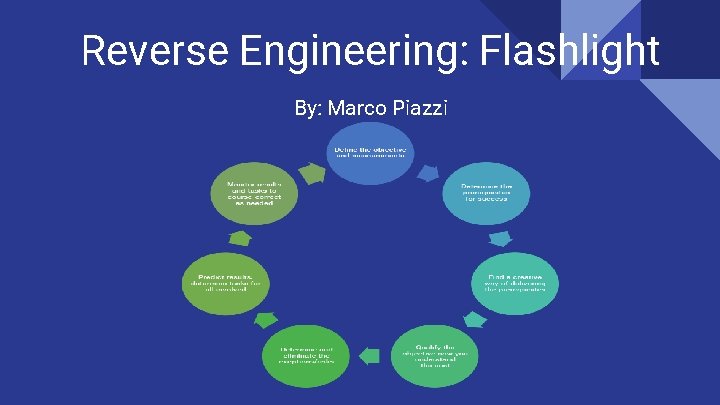
Introduction Reverse engineering is an important process in the redesign of products. Designers get an opportunity to breakdown and analyze each part of the product to see how they operate. The information gathered during this process can help the designer or team determine what they can do to make the product better and optimize manufacturing potential to increase company profits. The process of Reverse Engineering involves analyzing the products function, structure, and visual elements. In this unit, you will get an opportunity to visit all three aspects of a product. You will use the information learned during these procedures and suggest possible changes you would make to improve a product.

Visual Analysis

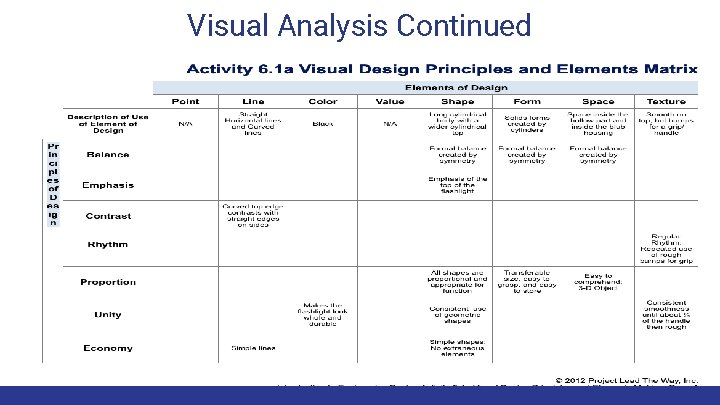
What is Visual Analysis? Visual Analysis is the first step in Reverse Engineering. It is when you sketch your object and record physical details about it. This is an important step in reverse engineering because it allows engineers to design and describe an object.

Visual Design Elements

Visual Analysis
Visual Analysis Continued

Functional Analysis
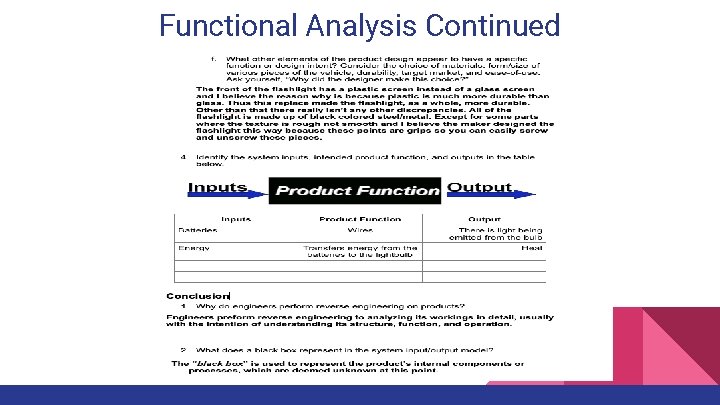
What is Functional Analysis? After a product has been selected, a non-destructive functional analysis is performed. First, the product’s purpose is identified. Next, observations are made to determine how the product functions. These observations are recorded in detail. Lastly, the system’s inputs and outputs are listed. Purpose: What is the object used for? What jobs does it complete? Functions: What are the objects functions? How can it be used? Inputs and Outputs: When you put something (Ex. Batteries) into the object (Ex. Flashlight), what is produced?

Functional Analysis
Functional Analysis Continued

Structural Analysis
What is Structural Analysis? ● ● To identify components and interaction of components To determine strength and weaknesses of parts To understand the operation To develop documentation
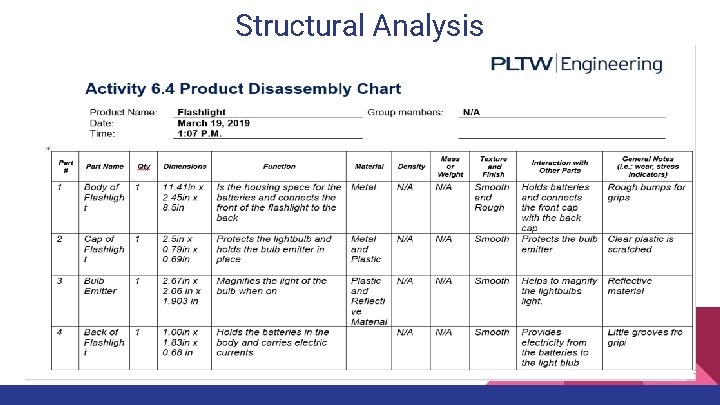
Structural Analysis
Dimensions and Isometric Drawing
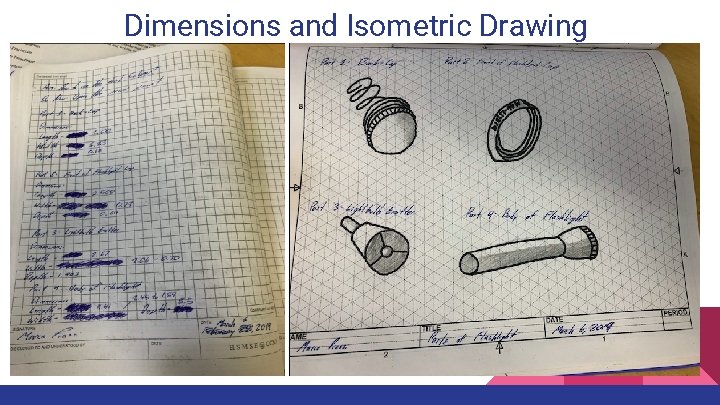
Dimensions and Isometric Drawing
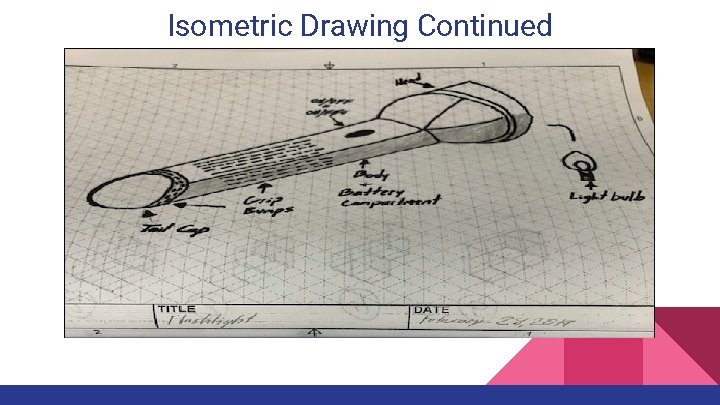
Isometric Drawing Continued

Inventor Pictures
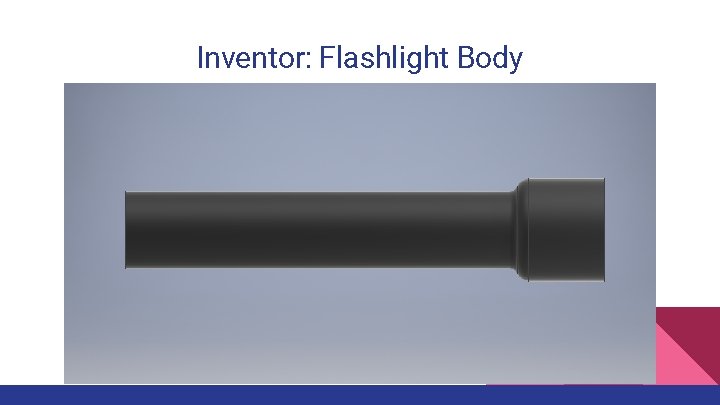
Inventor: Flashlight Body
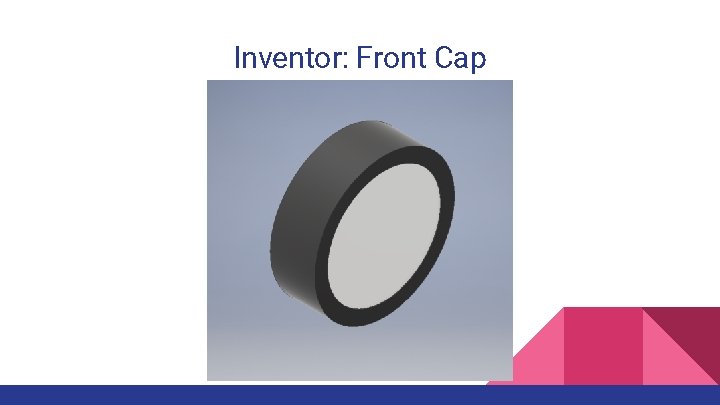
Inventor: Front Cap
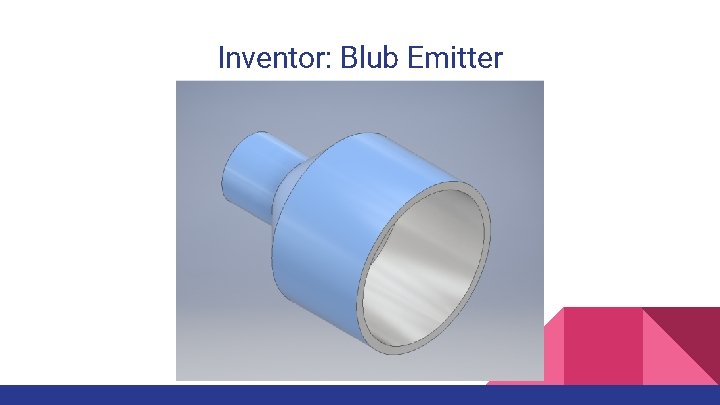
Inventor: Blub Emitter
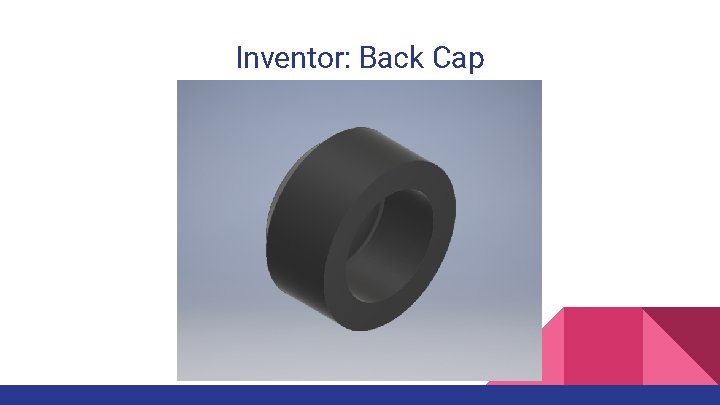
Inventor: Back Cap
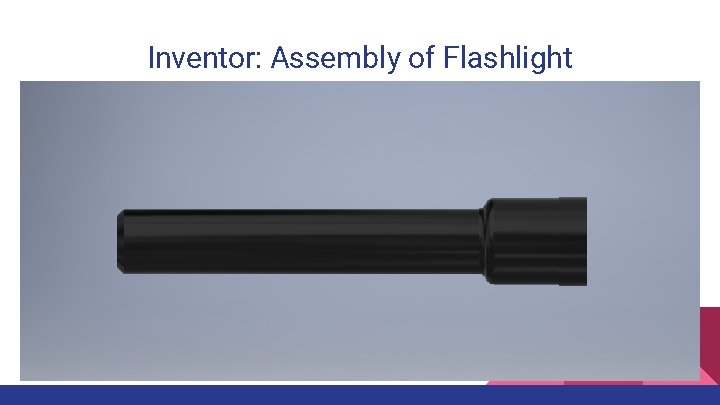
Inventor: Assembly of Flashlight

Title Block Pictures
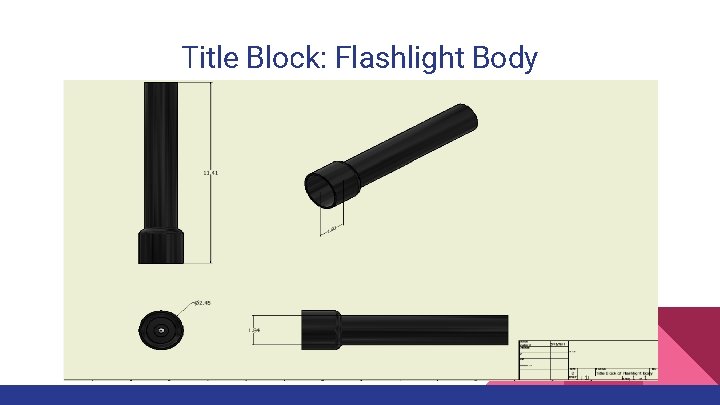
Title Block: Flashlight Body

Title Block: Front Cap
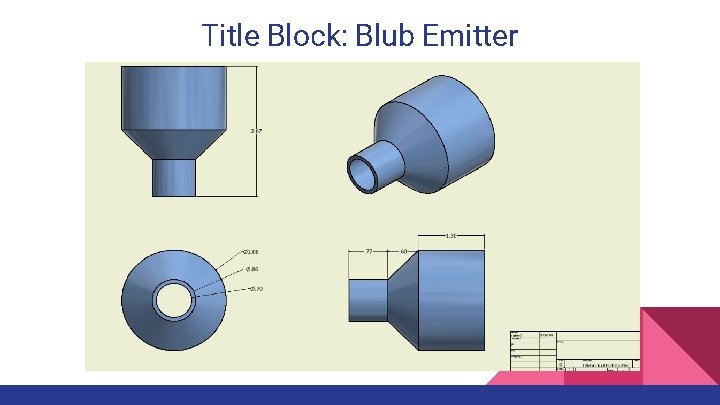
Title Block: Blub Emitter
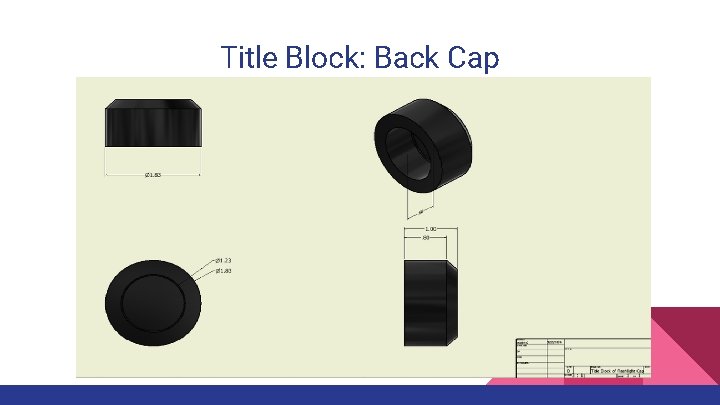
Title Block: Back Cap
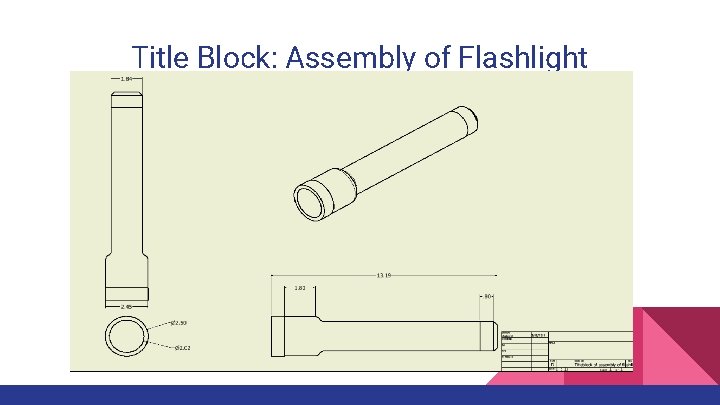
Title Block: Assembly of Flashlight
Conclusion In conclusion, reverse engineering is a useful skill used by many jobs which helps to see the inner-workings of an object. There are many parts in reverse engineering such as, visual, functional, and structural analysis, in which each plays a key role. Visual lets you imagine and see what the object looks like, functional allows you to see the jobs of each individual part and the object as a whole, and finally structural analysis allows you to investigate vital product characteristics with regard to the structure of the product.
- Slides: 32