
Restoration And Enlightenment 1660 1798 The Restoration Refers

- Slides: 18
Restoration And Enlightenment 1660 -1798
The Restoration Ø Refers to the restoration of the monarchy in 1660 Charles II - spent exile in France, patron of arts and sciences Ø James II Ø William and Mary Ø Anne - Scotland officially united with England to form Great Britain, outlived all 16 of her children Ø
Ø George III - suffered from mental illness, ruled for 60 years, political blunders resulted in the loss of the American Colonies
The Enlightenment Ø A philosophical movement that emphasized natural rights of life, liberty and property Ø Age of Reason Ø Sir Isaac Newton - order, balance, logic & reason, scientific inquiry was applied to everything from farming to politics
Ø Writers, artists, politicians, etc. , gathered in coffeehouses to exchange ideas, conduct business, and gossip
Improvements Ø Living conditions and changes in ways of life Ø Dramatic advances in agriculture Ø Breeding advancements yield larger animals Ø Steam power
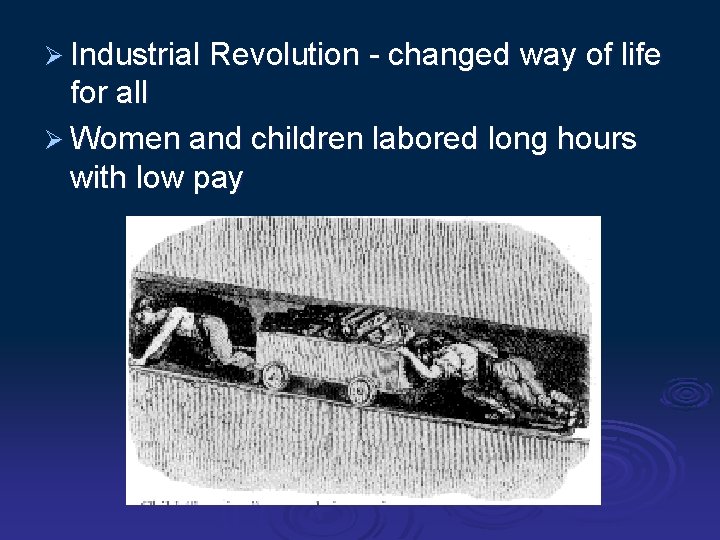
Ø Industrial Revolution - changed way of life for all Ø Women and children labored long hours with low pay
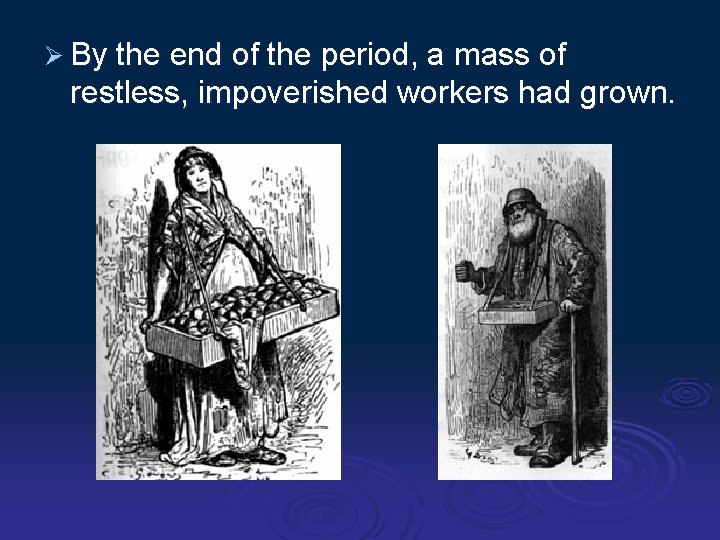
Ø By the end of the period, a mass of restless, impoverished workers had grown.
Language Ø Samuel Johnson - Dictionary of the English Language (1755) Ø Robert Lowth - A Short Introduction of English Grammar Ø Based on Latin - rules often proved inappropriate for English Ø Overseas colonization brought new words and increased differences in spoken English
Literature Ø Neoclassicism Ø Stressed balance, logic, sophisticated wit, and emotional restraint Ø Birth of the novel - Robinson Crusoe Ø Toward the end of the period, poetry began to reflect themes close to the human heart - the first hints of Romanticism
Satire 18 th Century - The Golden Age of Satire
Satire ØA literary technique that mixes criticism with humor Ø Uses laughter as a weapon, usually to encourage social reform
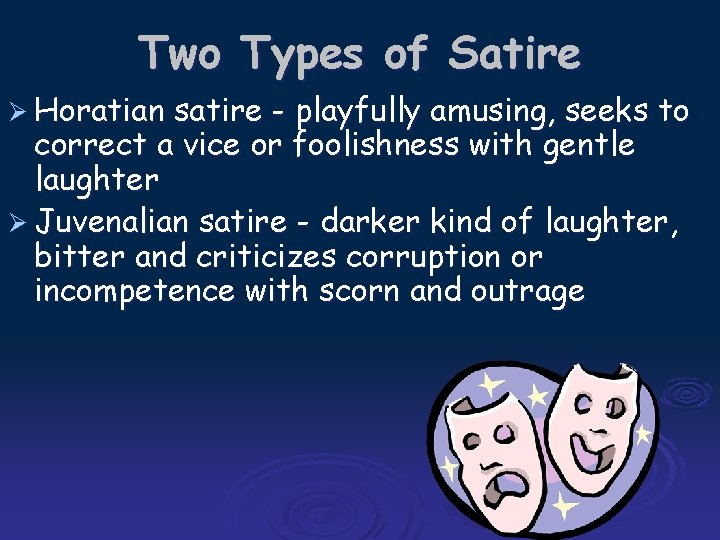
Two Types of Satire Ø Horatian satire - playfully amusing, seeks to correct a vice or foolishness with gentle laughter Ø Juvenalian satire - darker kind of laughter, bitter and criticizes corruption or incompetence with scorn and outrage
Ø Comments on and criticizes society, makes fun of a topic by making it seem ridiculous Ø News commentators, political cartoonists, comedians, screenwriters, songwriters Ø The Simpsons - educational system, sibling rivalry, violence on TV, sports Ø Saturday Night Live, Mad TV
How to Recognize Satire Ø Author may clue the reader in that he is writing satire Ø Author may cite previous satires Ø Satiric subject matter and its treatment l l l Concrete, topical, and personal subjects Often alludes to the gossip of the moment Freshness is important - no one cares 50 or 100 years later
Style is easy to distinguish Ø Contains cruel and “dirty” words Ø Contains comic words and terms Ø Uses conversational and nonliterary language Ø Tries to produce the unexpected
Weapons of Satire Paradox Ø Antithesis Ø Parody Ø Anticlimax Ø Obscenity Ø Violence Ø Vividness Ø Exaggeration Ø Irony Ø
Final Test for Satire ØThe reader feels a mixture of amusement or contempt