
Respiratory tract infectious Katarzyna Stankiewicz Sojka Respiratory tract
- Slides: 52
Respiratory tract infectious Katarzyna Stankiewicz. Sojka
Respiratory tract infectious Upper common cold-coryza pharyngitis laryngitis acute otitis media acute sinusitis Lower Bronchitis Bronchiolatis Pneumonia
Upper respiratory tract infection n Etiology: Viruses: e. g rhinoviruses, adenoviruses, RSV, enteroviruses, EBV, Bacteria: e. g Streptococcus. Pnumococcus, Hemophilus influezna, moraxella catarrhalis Fungi: e. g Candida albicans,
Common cold -coryza Viral ethiology n Clear or mucopurulent nasal discharge or nasal blockage n fever may occur n Other symptoms : tiredness , headache, n Treatment : paracetamol, ibupropfen, n
Pharyngitis Symtoms: Throat pain, Fever Physical exam: Inflammed, red pharynx , lymph nodes can be enlarged Etiology: 2/3 viral, 1/3 bacterial
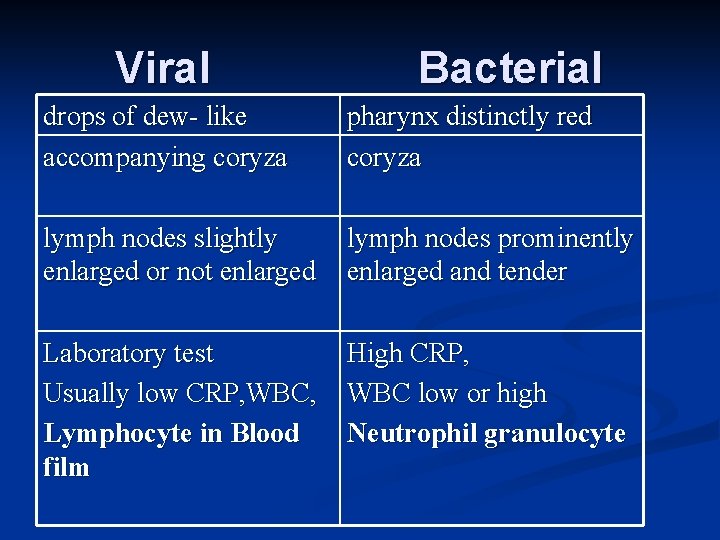
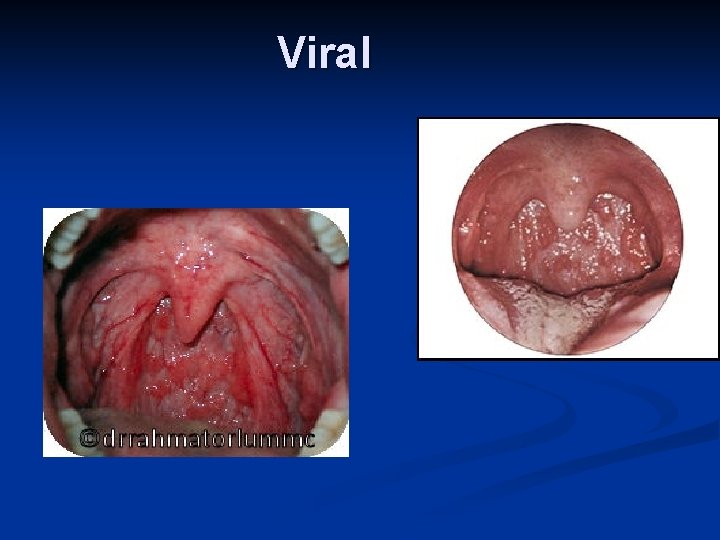
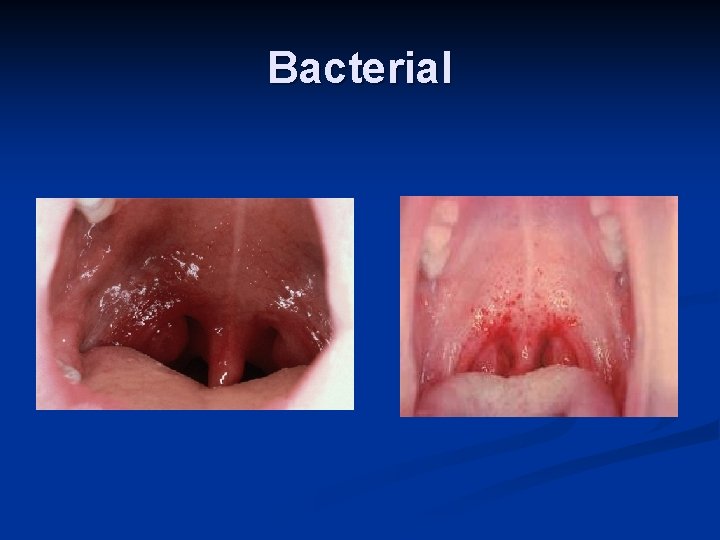
Viral Bacterial drops of dew- like accompanying coryza pharynx distinctly red coryza lymph nodes slightly enlarged or not enlarged lymph nodes prominently enlarged and tender Laboratory test Usually low CRP, WBC, Lymphocyte in Blood film High CRP, WBC low or high Neutrophil granulocyte
Viral
Bacterial
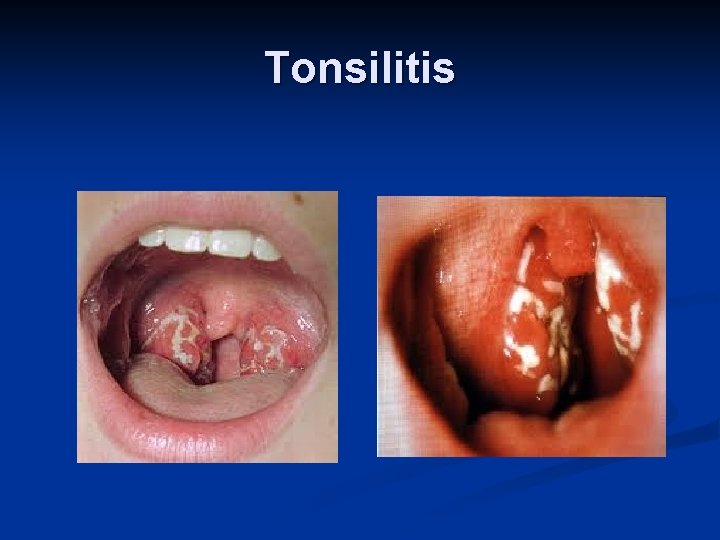
Tonsilitis n n n n Fever red and/or swollen tonsils white or yellow patches on the tonsils tender, stiff, and/or swollen neck(swollen lymph nodes) painful or difficult swallowing Sore throat Abdominal pain , vomiting Antibiotic should be given (penicillin, macrolid)
Tonsilitis
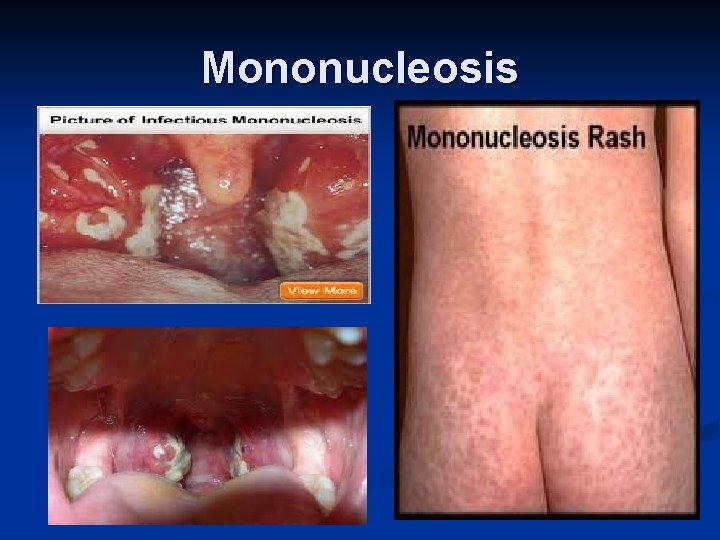
Mononucleosis(glandular fever) n n n n fever tonsilitis (sometimes causing airway narrowing) prominent lymphadenopathy (Neron’s neck) hepatosplemomegaly a maculopapullar rash no positive reaction to antibiotic most commonly contracted by adolescents and young adults ages Etiology: mostly EBV
Mononucleosis
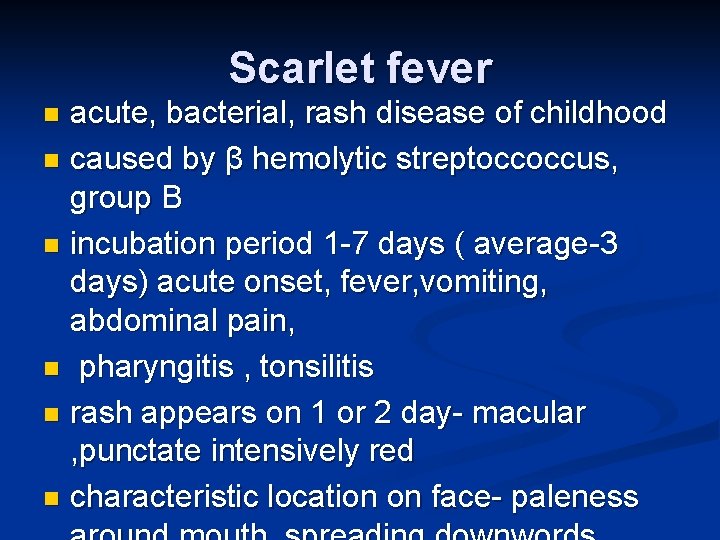
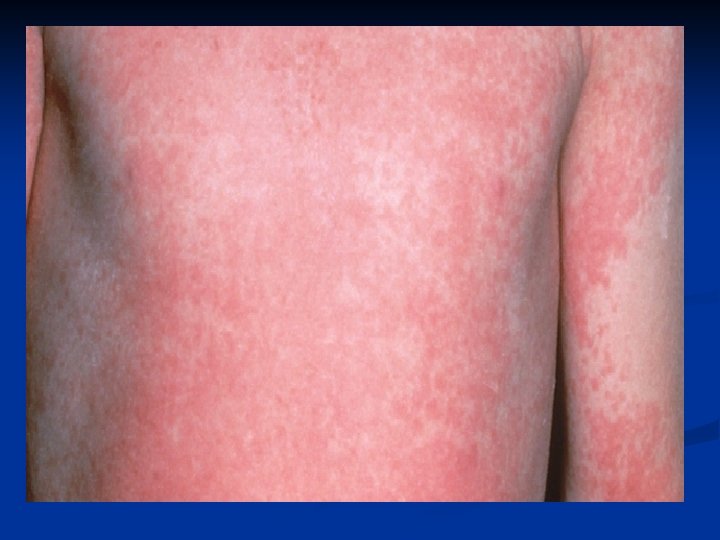
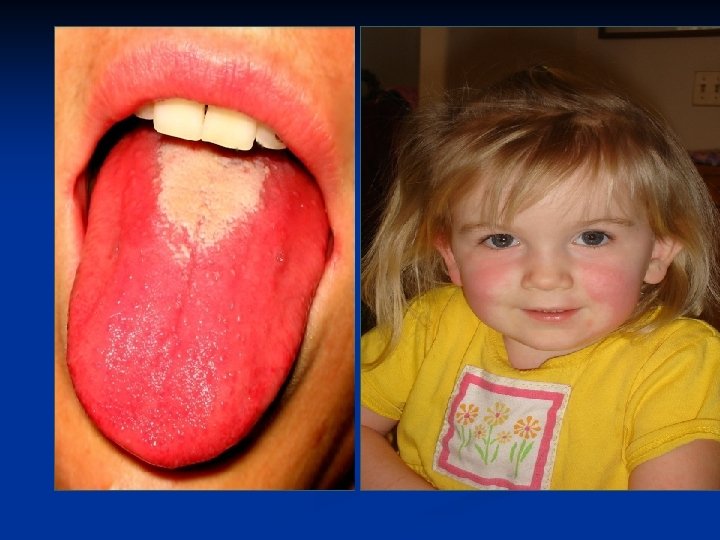
Scarlet fever acute, bacterial, rash disease of childhood n caused by β hemolytic streptoccoccus, group B n incubation period 1 -7 days ( average-3 days) acute onset, fever, vomiting, abdominal pain, n pharyngitis , tonsilitis n rash appears on 1 or 2 day- macular , punctate intensively red n characteristic location on face- paleness n
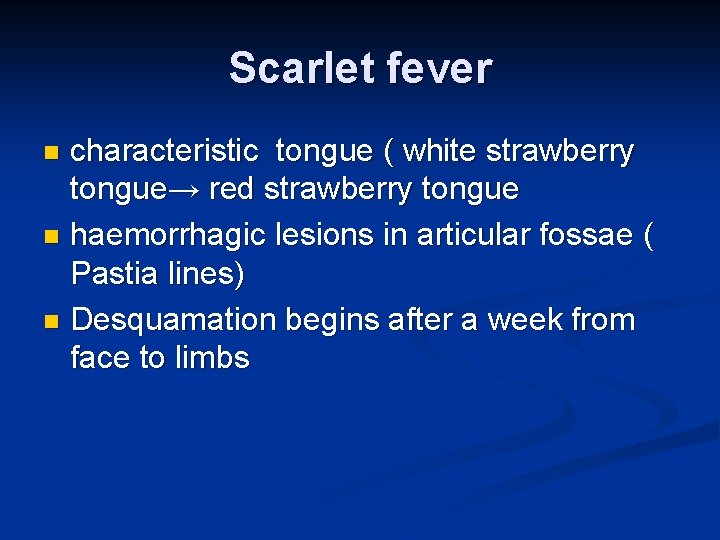
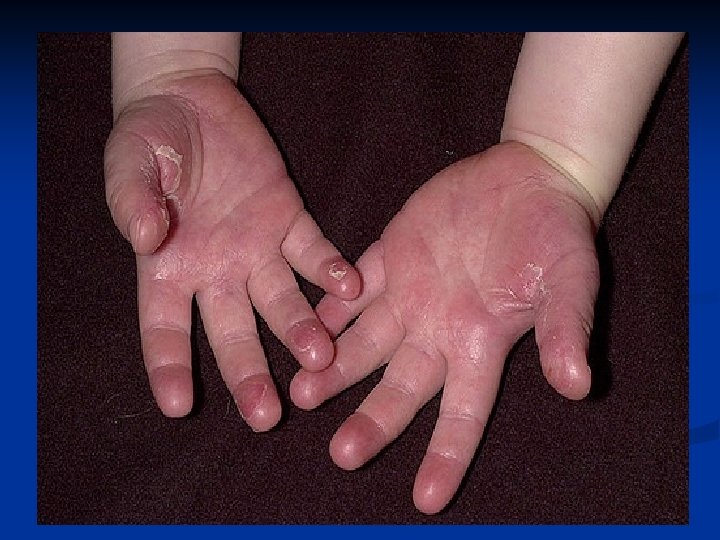
Scarlet fever characteristic tongue ( white strawberry tongue→ red strawberry tongue n haemorrhagic lesions in articular fossae ( Pastia lines) n Desquamation begins after a week from face to limbs n
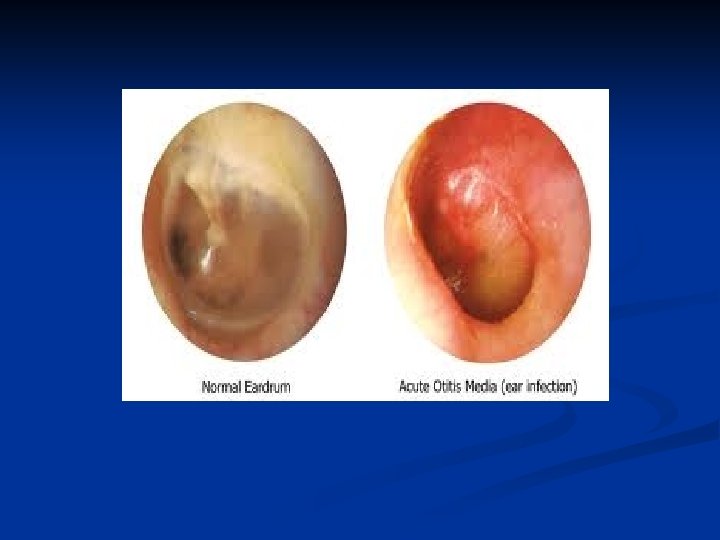
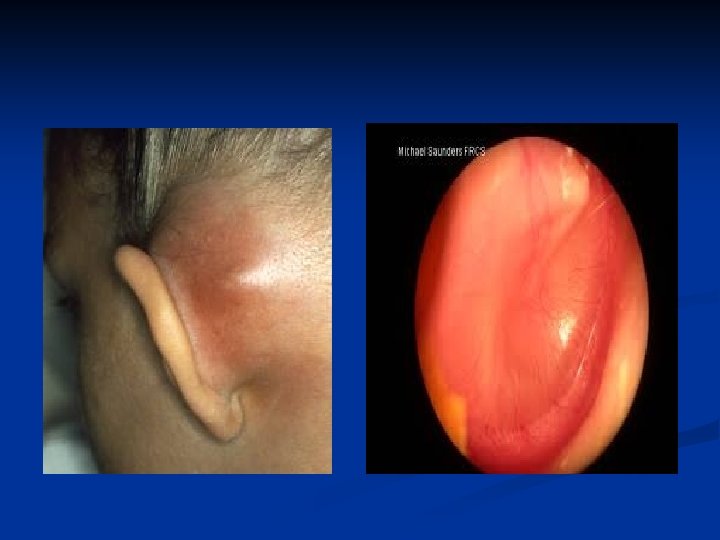
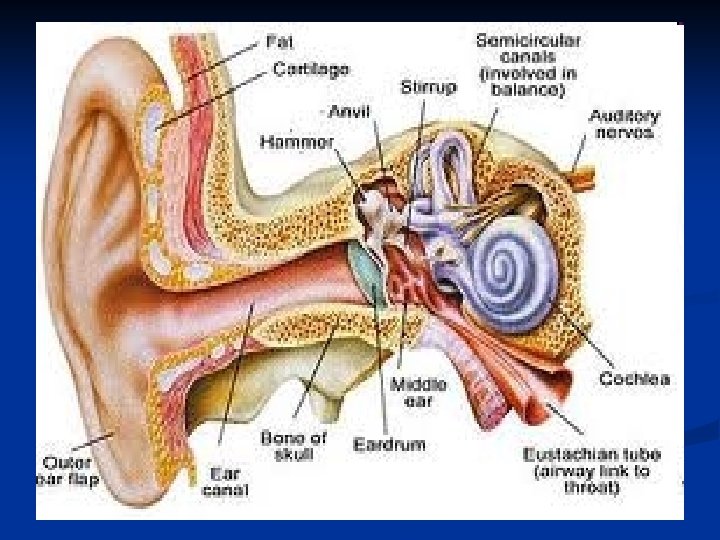
Acute infection of the middle ear n fever , pain in ear, irritation, loss of appetite n examination of tympanic membrane: loss of normal light reflection, bulging, red membrane
acute infection of the middle ear Complications: n mastoiditis n meningitis Reccurent ear infection may cause chronic secretory otitis media( glue ear), leading to hearing loss
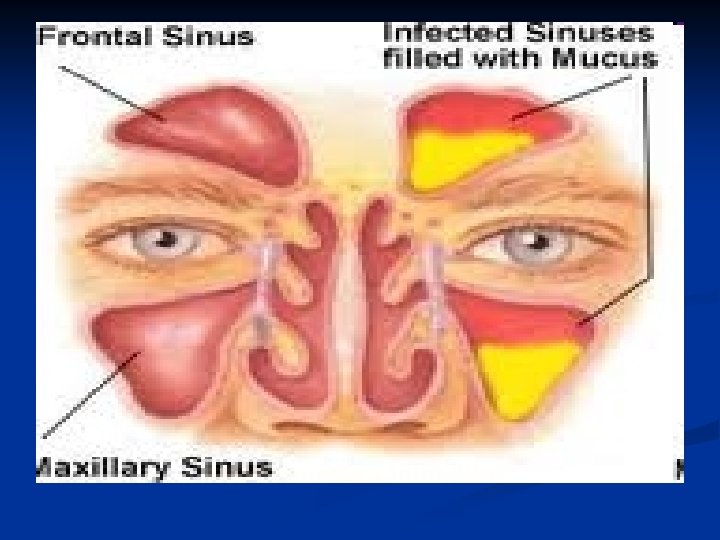
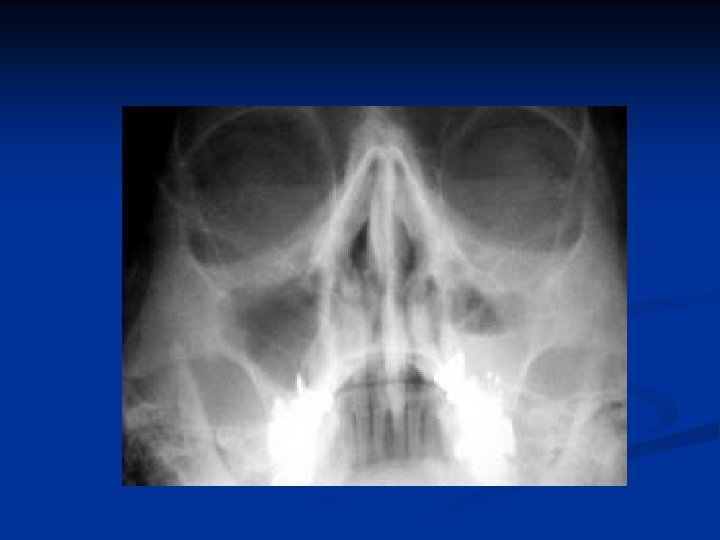
Sinusitis is inflammation of the paranasal sinuses Most cases are due to a viral infection n Pain, swelling, tendreness over a cheek, nasal blockage, headache n Treatment: antibiotics, histamine blockers, decongestants, n
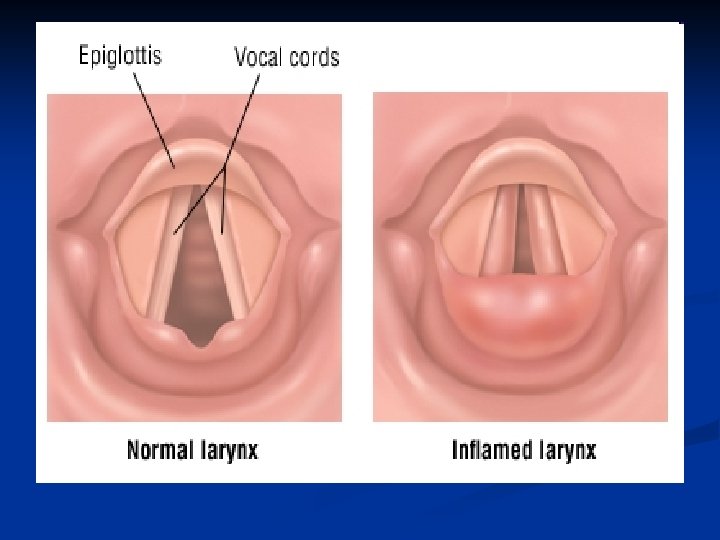
Laryngitis n n n n Symptoms Hoarseness or no voice at all Dry, sore burning, throat Coughing, barking cough stridor Difficulty swallowing Sensation of swelling in the area of the larynx Cold or flu-like symptoms Swollen lymph nodes Fever Difficulty breathing (mostly in children) Difficulty eating Increased production of saliva in mouth
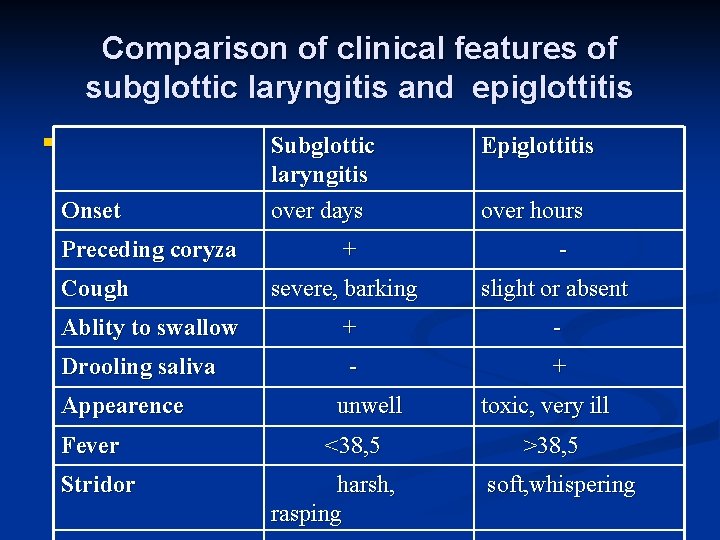
Comparison of clinical features of subglottic laryngitis and epiglottitis n Onset Preceding coryza Cough Subglottic laryngitis over days + Epiglottitis over hours - severe, barking slight or absent Ablity to swallow + - Drooling saliva - + Appearence Fever Stridor unwell <38, 5 harsh, rasping toxic, very ill >38, 5 soft, whispering
Treatment of suglottic laryngitis Nebulised steroids and 0, 9 % Na. Clsaline Systemic steroids Oxygen therapy Usually no antibiotics are needed Etiology: mostly viral or allergens
Epiglottic laryngitis Etiology: Haemophilus influenzae HIB, rare after HIB vaccinations Treatment of epiglottitis n In intensive care unit n Intubation n Antibiotic (cephalosporin II, III generation)
LTRI n Bronchitis (acute, obturative) n Bronchiolitis n Pneumonia
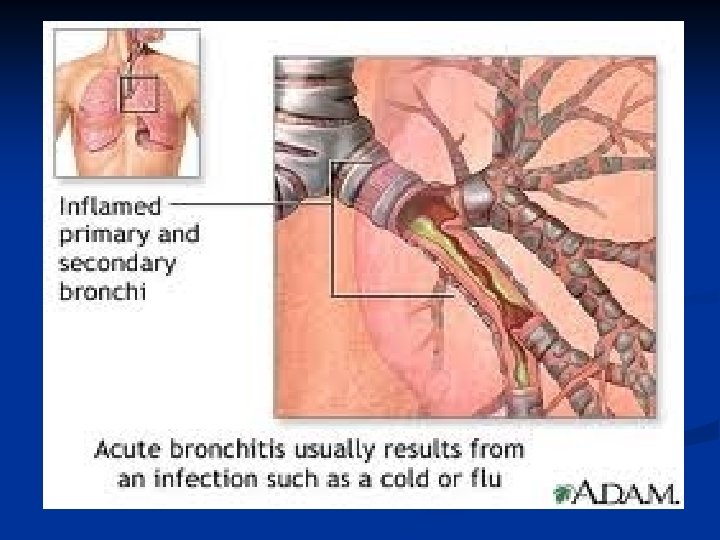
Bronchitis is inflammation of the mucous membranes of the bronchi n Etiology: • Viruses ( Parainfluenzae, Adenovirus, RSvirus, Rhinovirus) • Bacteria (Haemophilus influenzae, Streptococcus pneumoniae, Staphylococcus aureus) • Atopy n
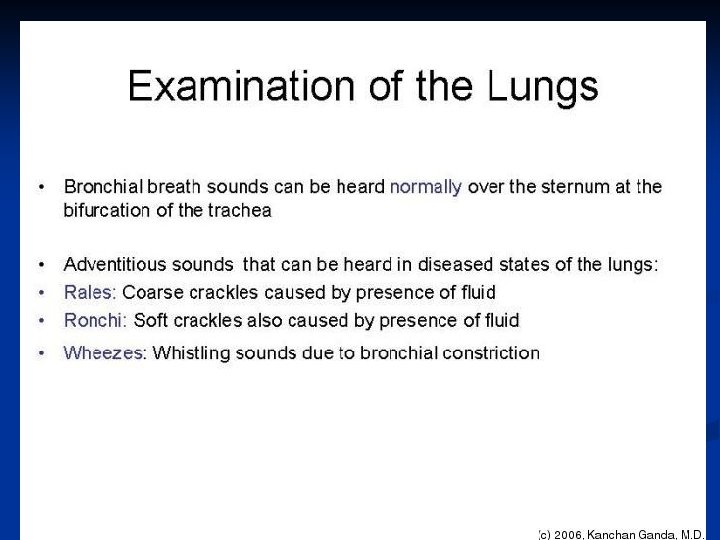
Symtoms of bronchitis • • non-productive cough dyspnoe (due to obturation) fever vomiting wheezing dry rale coarse rattling
Treatment mucolitycs (eg cysteine derivates, Ambroksol) bronchodilating drugs- Beta Agonist, Ipratropii bromidum Steroids Antibiotics- mainly used in newborns and small chlildren when bacterial infection is suspected (eg Amoxicilline, Cephalosporin antibiotics I, II generation- Cefalotin, Cefuroxim)
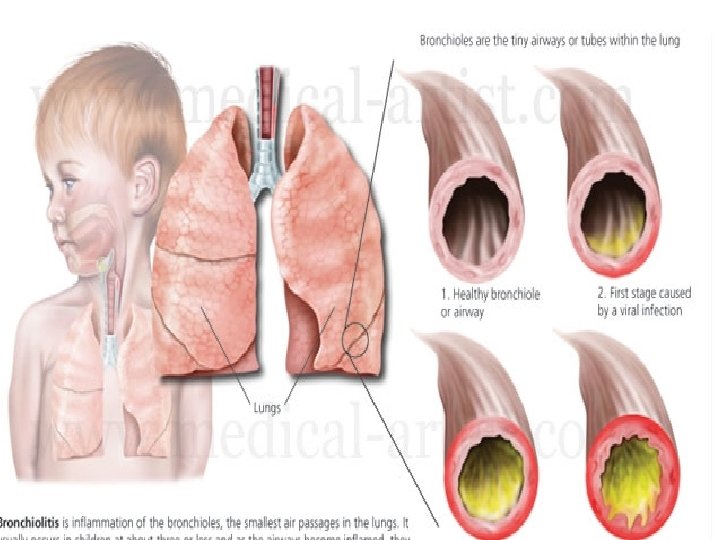
Broncholitis Etiology: • viruses (RS virus, Parainfluenzae, Influenzae, Adenovirus) One of the most danger LRTI due to lifethreatening respiratory insufficiency
Bronchiolitis Typical childhood infection n Most often in infancy n Cough, expiratory dyspnoe, fever n Involvment of bronchioli n Respiratory insufficinecy n Wheezing , crackles n
Bronchiolatis Oxygen therapy, n Bronchodilators- Berodual, Ventolin, Atrovent n Steroids-nebulized and/or systemic n Nebulized epinephrine n Nebulized hypertonic saline (3%) n
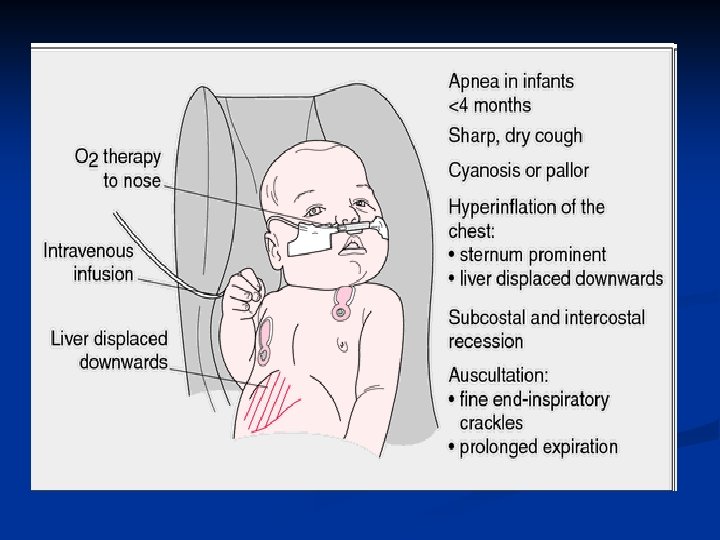
dyspnoe Sternal, subcostal and intercostal recession n Nasal flaring n Hyperinflation of chest (sternum prominent, liver displaced downward) n Dyscoordination of chest and abdomen movment n
Pneumonia is an inflammation of the lungs. It is a serious infection in which air sacs in the lungs fill with pus and other liquid. n Pneumonia may be lobar or bronchial n Pneumonia is most common in winter and spring. n About 10 to 15 percent of children with a respiratory infection have pneumonia. n
Pneumonia n The pathogens causing pneumonia vary according to the child's age: n Newborn - organisms from the mother's genital tract, particularly group B streptococcus, but also Gram-negative enterococci
Pneumonia Infants and young children -mostly respiratory viruses, particularly RSV, are most common, but olso bacterial infections include Streptococcus pneumoniae or Haemophilus influenzae. Bordetella pertussis and Chlamydia trachomatis can also cause pneumonia at this age. An infrequent but serious cause is Staphylococcus aureus n Children over 5 years - Mycoplasma pneumoniae, Streptococcus pneumoniae and Chlamydia pneumoniae are the main n
Pneumonia-symptoms: fever and cough are the first to develop n persistent cough that may last three to four weeks n severe cough that may produce some mucus n chest or stomach pain n decrease in appetite n chills n breathing fast or hard n vomiting n headache n not feeling well n
Pneumonia tachypnoea, n nasal flaring n chest indrawing n crackles over the affected area n dullness on percussion, n decreased breath sounds n bronchial breathing n
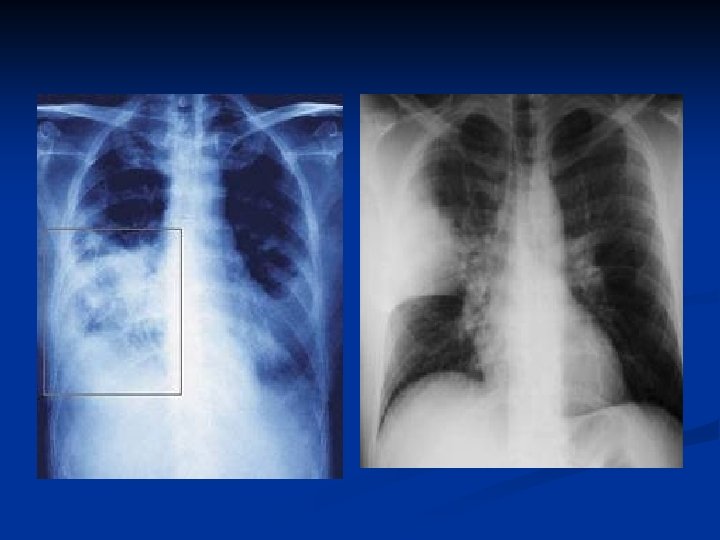
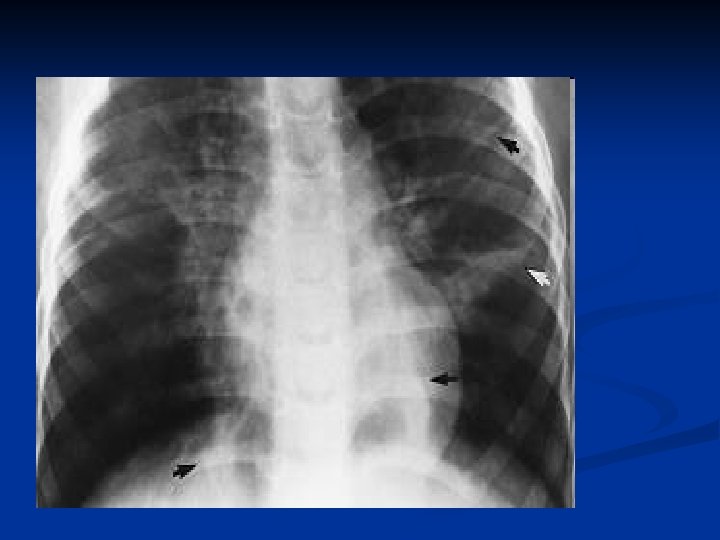
Pneumonia-diagnosis chest x ray- segmental involvement, diffuse peribronchiolar densities, effusion n blood tests- e. g. blood cell count, CRP, n sputum culture n pulse oximetry n
Treatment antibiotics n Increased fluid intake n oxygen therapy n frequent suctioning of your child's nose and mouth (to help get rid of thick secretions) n medication for cough n sometimes bronchdilators n
Pneumonia Complications: • most common: abscesses, empyema • less common: peritonitis, pericarditis,