
Respiratory System Supply and Deliver Essential Oxygen to

- Slides: 35
Respiratory System Supply and Deliver Essential Oxygen to Our Body
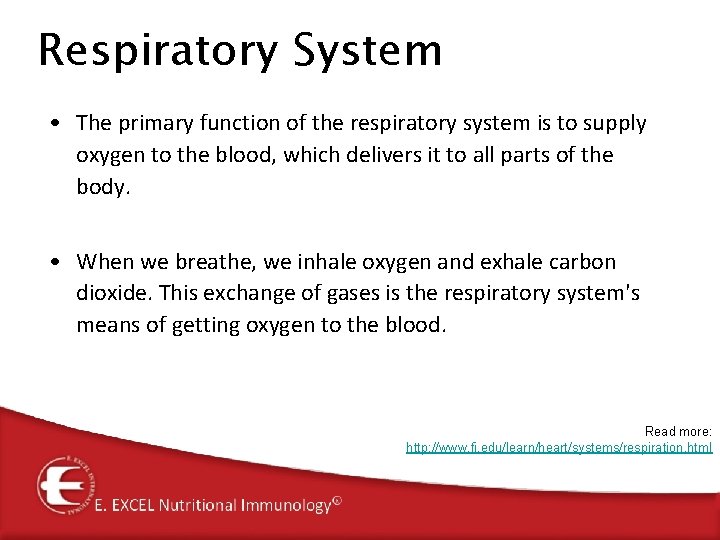
Respiratory System • The primary function of the respiratory system is to supply oxygen to the blood, which delivers it to all parts of the body. • When we breathe, we inhale oxygen and exhale carbon dioxide. This exchange of gases is the respiratory system's means of getting oxygen to the blood. Read more: http: //www. fi. edu/learn/heart/systems/respiration. html
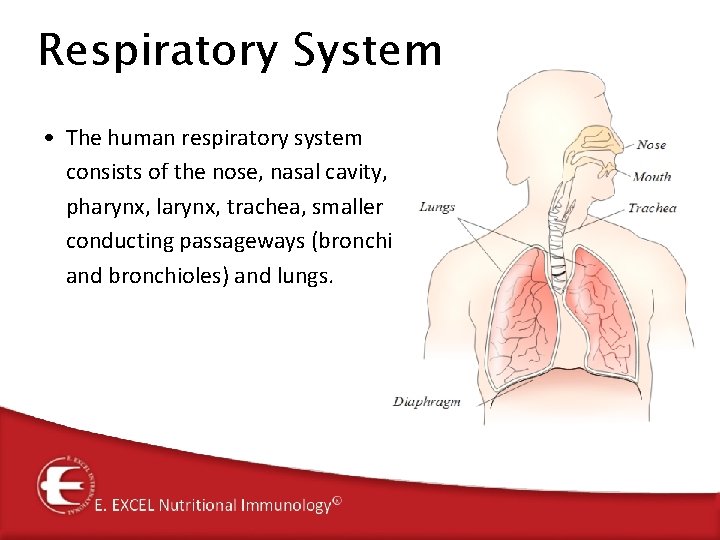
Respiratory System • The human respiratory system consists of the nose, nasal cavity, pharynx, larynx, trachea, smaller conducting passageways (bronchi and bronchioles) and lungs.
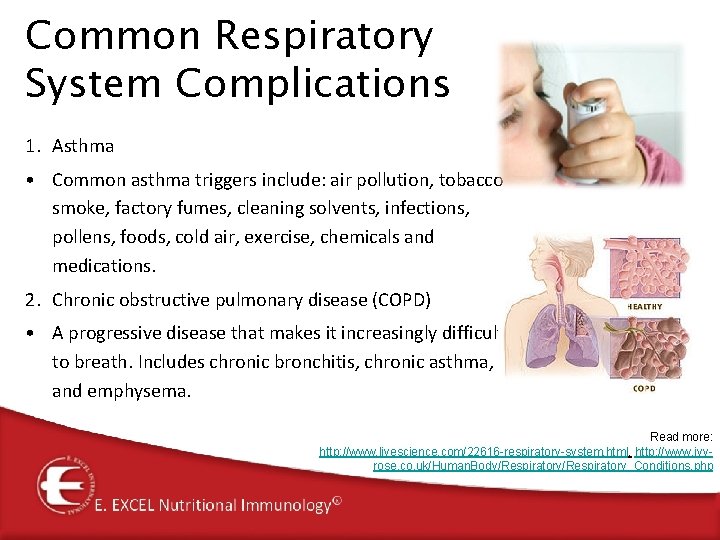
Common Respiratory System Complications 1. Asthma • Common asthma triggers include: air pollution, tobacco smoke, factory fumes, cleaning solvents, infections, pollens, foods, cold air, exercise, chemicals and medications. 2. Chronic obstructive pulmonary disease (COPD) • A progressive disease that makes it increasingly difficult to breath. Includes chronic bronchitis, chronic asthma, and emphysema. Read more: http: //www. livescience. com/22616 -respiratory-system. html, http: //www. ivyrose. co. uk/Human. Body/Respiratory_Conditions. php
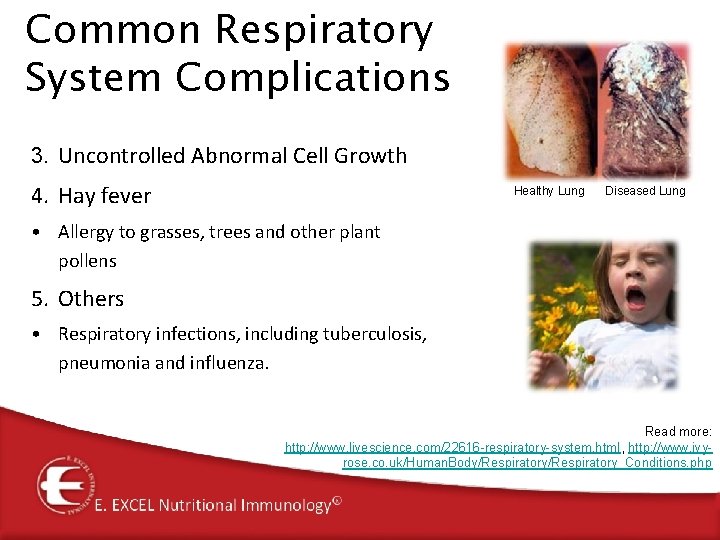
Common Respiratory System Complications 3. Uncontrolled Abnormal Cell Growth 4. Hay fever Healthy Lung Diseased Lung • Allergy to grasses, trees and other plant pollens 5. Others • Respiratory infections, including tuberculosis, pneumonia and influenza. Read more: http: //www. livescience. com/22616 -respiratory-system. html, http: //www. ivyrose. co. uk/Human. Body/Respiratory_Conditions. php
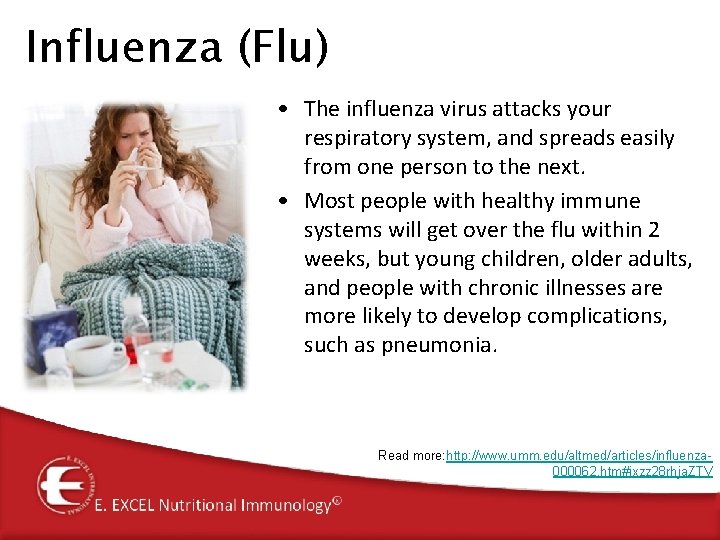
Influenza (Flu) • The influenza virus attacks your respiratory system, and spreads easily from one person to the next. • Most people with healthy immune systems will get over the flu within 2 weeks, but young children, older adults, and people with chronic illnesses are more likely to develop complications, such as pneumonia. Read more: http: //www. umm. edu/altmed/articles/influenza 000062. htm#ixzz 28 rhja. ZTV
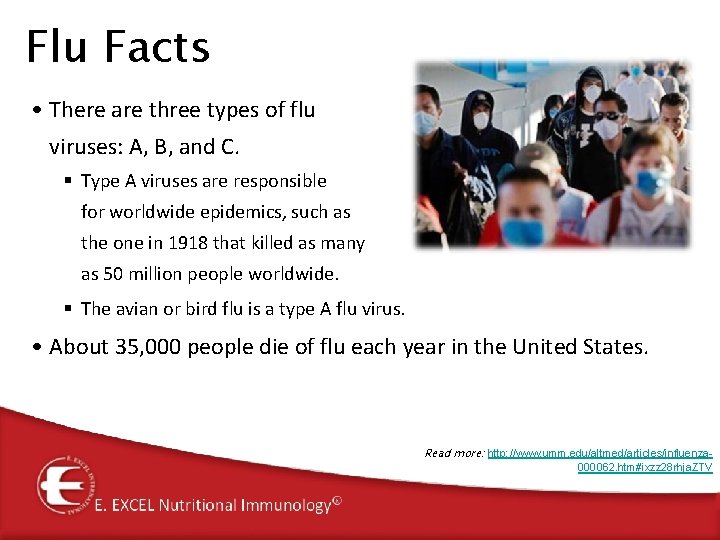
Flu Facts • There are three types of flu viruses: A, B, and C. § Type A viruses are responsible for worldwide epidemics, such as the one in 1918 that killed as many as 50 million people worldwide. § The avian or bird flu is a type A flu virus. • About 35, 000 people die of flu each year in the United States. Read more: http: //www. umm. edu/altmed/articles/influenza 000062. htm#ixzz 28 rhja. ZTV
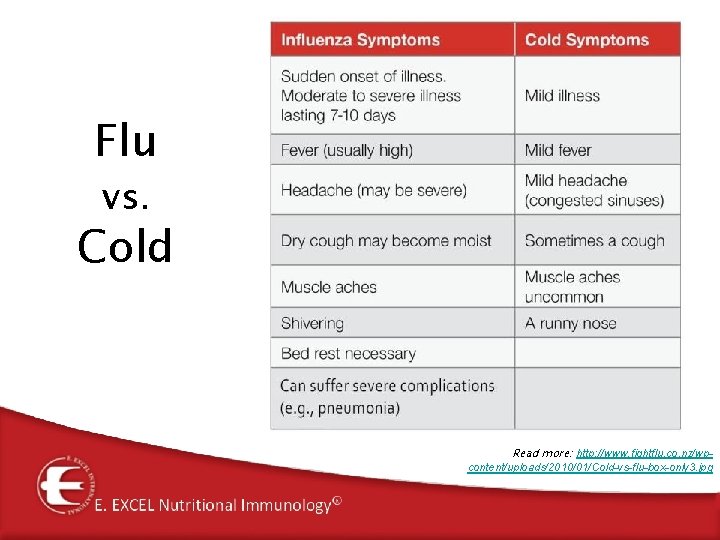
Flu vs. Cold Read more: http: //www. fightflu. co. nz/wpcontent/uploads/2010/01/Cold-vs-flu-box-only 3. jpg
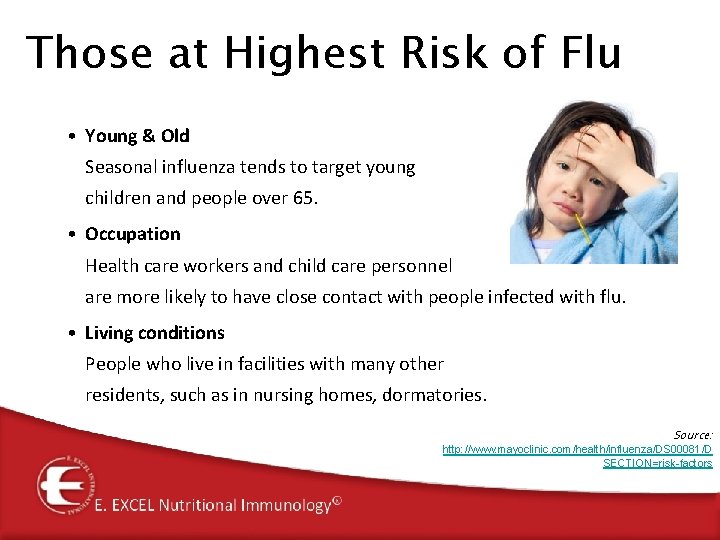
Those at Highest Risk of Flu • Young & Old Seasonal influenza tends to target young children and people over 65. • Occupation Health care workers and child care personnel are more likely to have close contact with people infected with flu. • Living conditions People who live in facilities with many other residents, such as in nursing homes, dormatories. Source: http: //www. mayoclinic. com/health/influenza/DS 00081/D SECTION=risk-factors
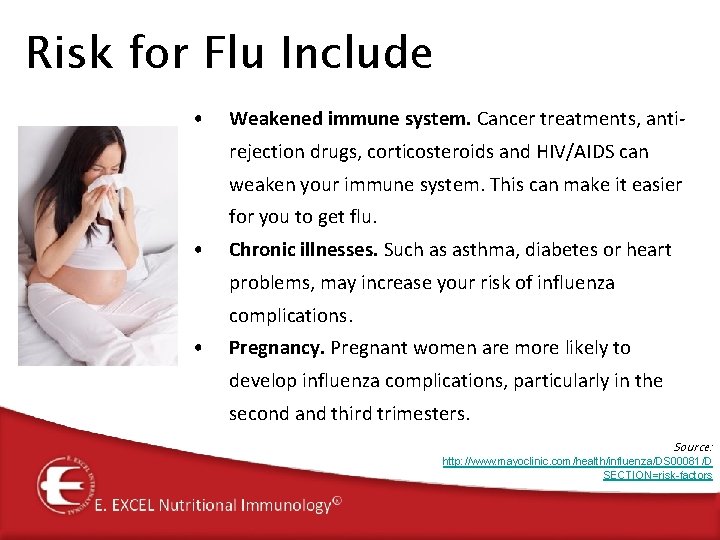
Risk for Flu Include • Weakened immune system. Cancer treatments, antirejection drugs, corticosteroids and HIV/AIDS can weaken your immune system. This can make it easier for you to get flu. • Chronic illnesses. Such as asthma, diabetes or heart problems, may increase your risk of influenza complications. • Pregnancy. Pregnant women are more likely to develop influenza complications, particularly in the second and third trimesters. Source: http: //www. mayoclinic. com/health/influenza/DS 00081/D SECTION=risk-factors
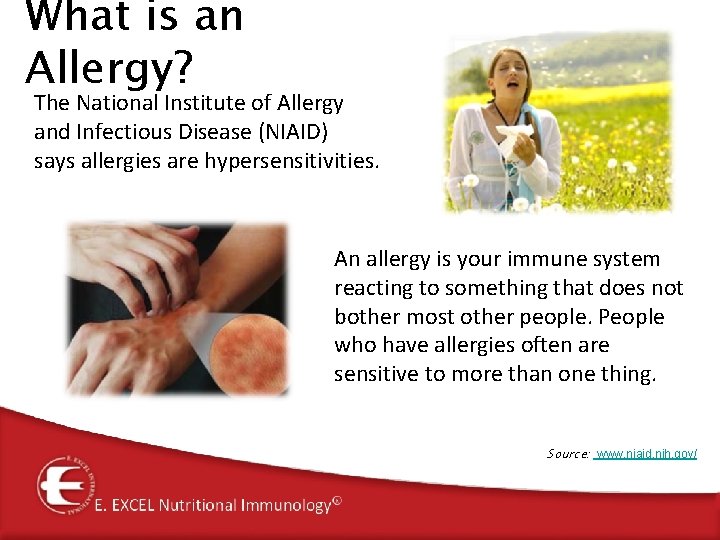
What is an Allergy? The National Institute of Allergy and Infectious Disease (NIAID) says allergies are hypersensitivities. An allergy is your immune system reacting to something that does not bother most other people. People who have allergies often are sensitive to more than one thing. Source: www. niaid. nih. gov/
Allergy Facts • Allergies are very common. – The Asthma and Allergy Foundation (AAFA) states allergies affect 50 million Americans. They are the 5 th leading chronic disease in the U. S. , and the 3 rd among children. • More than 40 million people have indoor/outdoor allergies as their primary allergy. • More than 17 million people visit their doctor for allergies annually. • Food allergies account for 50, 000 visits to the emergency room annually. Source: http: //www. emedicinehealth. com/allergic_reaction/article_em. htm
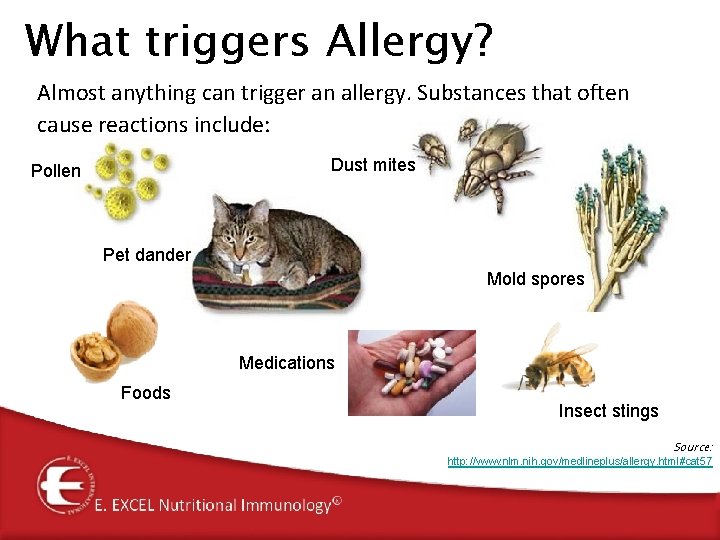
What triggers Allergy? Almost anything can trigger an allergy. Substances that often cause reactions include: Dust mites Pollen Pet dander Mold spores Medications Foods Insect stings Source: http: //www. nlm. nih. gov/medlineplus/allergy. html#cat 57
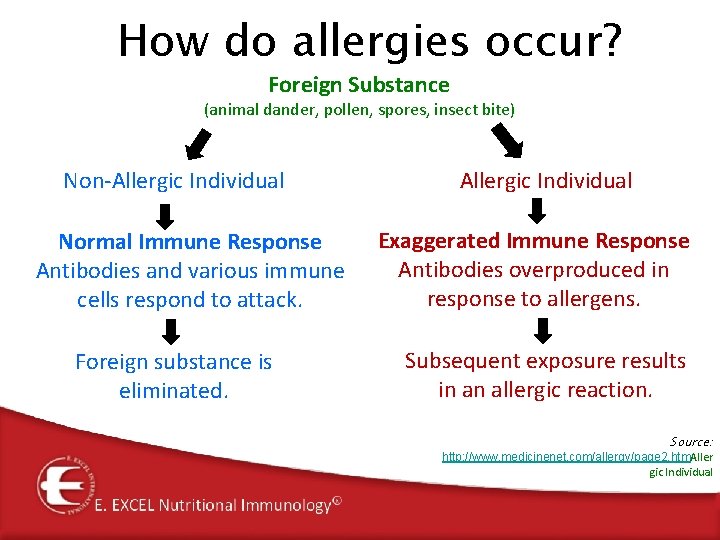
How do allergies occur? Foreign Substance (animal dander, pollen, spores, insect bite) Non-Allergic Individual Normal Immune Response Antibodies and various immune cells respond to attack. Foreign substance is eliminated. Allergic Individual Exaggerated Immune Response Antibodies overproduced in response to allergens. Subsequent exposure results in an allergic reaction. Source: http: //www. medicinenet. com/allergy/page 2. htm. Aller gic Individual
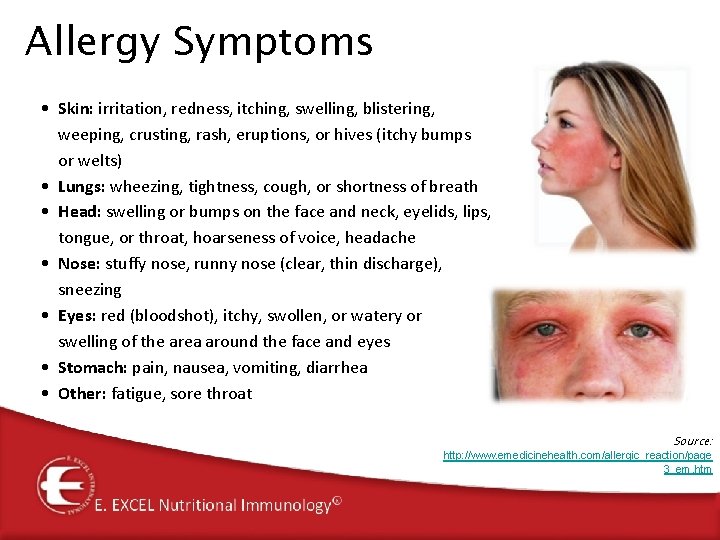
Allergy Symptoms • Skin: irritation, redness, itching, swelling, blistering, weeping, crusting, rash, eruptions, or hives (itchy bumps or welts) • Lungs: wheezing, tightness, cough, or shortness of breath • Head: swelling or bumps on the face and neck, eyelids, lips, tongue, or throat, hoarseness of voice, headache • Nose: stuffy nose, runny nose (clear, thin discharge), sneezing • Eyes: red (bloodshot), itchy, swollen, or watery or swelling of the area around the face and eyes • Stomach: pain, nausea, vomiting, diarrhea • Other: fatigue, sore throat Source: http: //www. emedicinehealth. com/allergic_reaction/page 3_em. htm
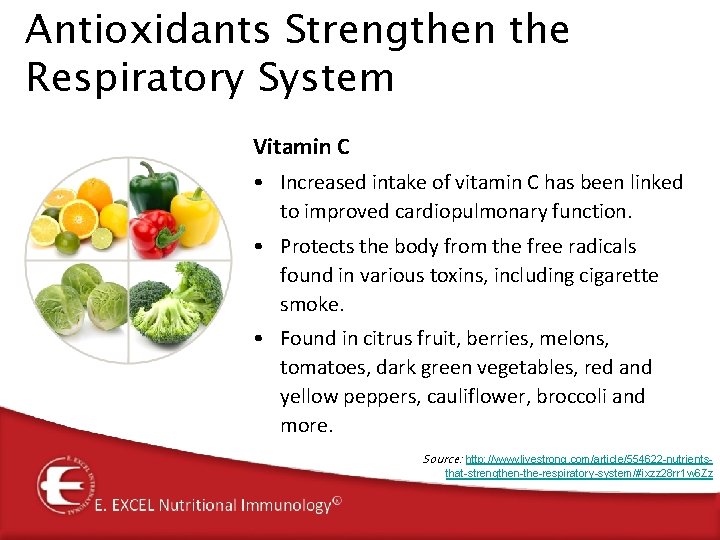
Antioxidants Strengthen the Respiratory System Vitamin C • Increased intake of vitamin C has been linked to improved cardiopulmonary function. • Protects the body from the free radicals found in various toxins, including cigarette smoke. • Found in citrus fruit, berries, melons, tomatoes, dark green vegetables, red and yellow peppers, cauliflower, broccoli and more. Source: http: //www. livestrong. com/article/554622 -nutrients- that-strengthen-the-respiratory-system/#ixzz 28 rr 1 w 6 Zz
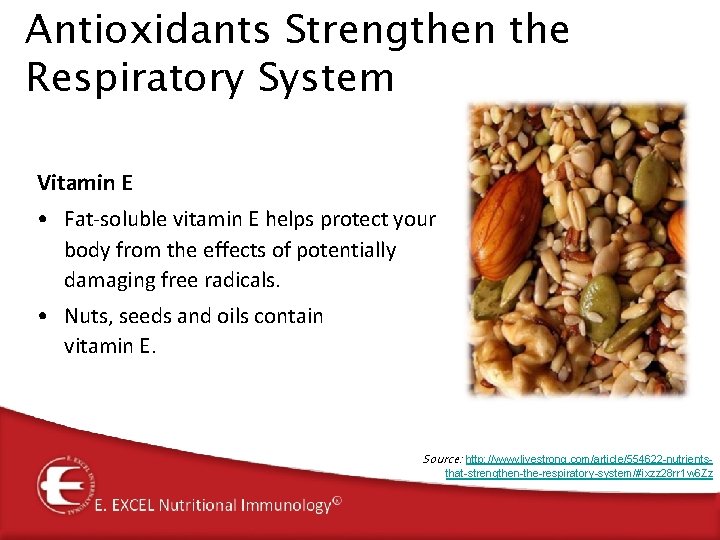
Antioxidants Strengthen the Respiratory System Vitamin E • Fat-soluble vitamin E helps protect your body from the effects of potentially damaging free radicals. • Nuts, seeds and oils contain vitamin E. Source: http: //www. livestrong. com/article/554622 -nutrients- that-strengthen-the-respiratory-system/#ixzz 28 rr 1 w 6 Zz
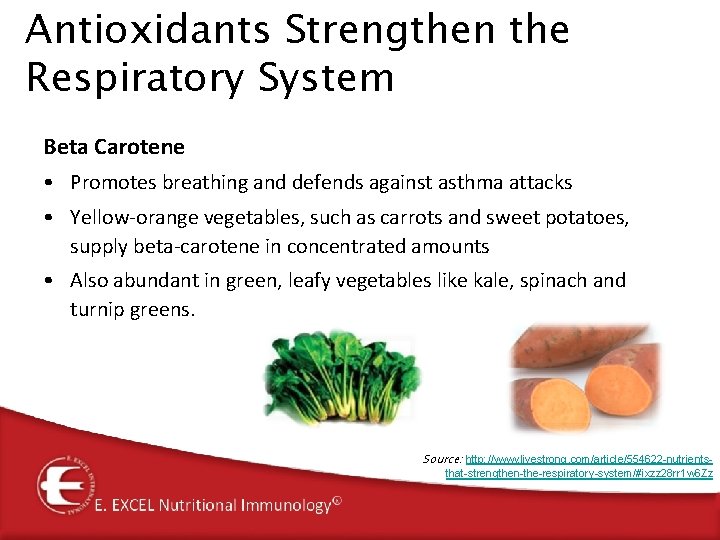
Antioxidants Strengthen the Respiratory System Beta Carotene • Promotes breathing and defends against asthma attacks • Yellow-orange vegetables, such as carrots and sweet potatoes, supply beta-carotene in concentrated amounts • Also abundant in green, leafy vegetables like kale, spinach and turnip greens. Source: http: //www. livestrong. com/article/554622 -nutrients- that-strengthen-the-respiratory-system/#ixzz 28 rr 1 w 6 Zz
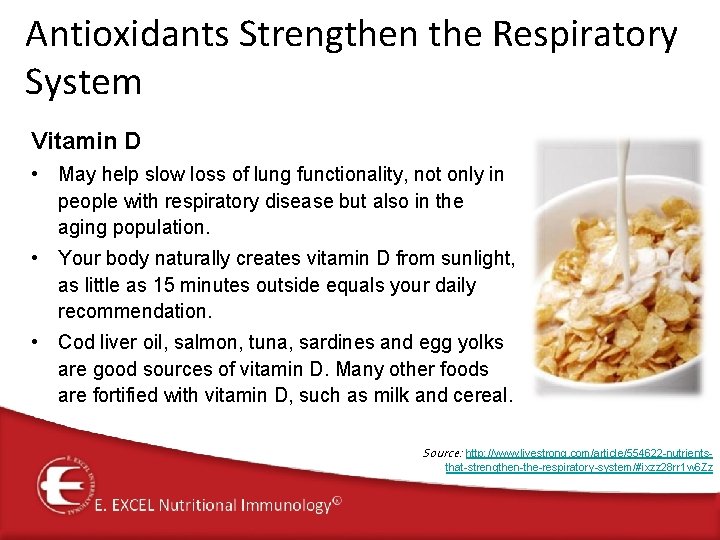
Antioxidants Strengthen the Respiratory System Vitamin D • May help slow loss of lung functionality, not only in people with respiratory disease but also in the aging population. • Your body naturally creates vitamin D from sunlight, as little as 15 minutes outside equals your daily recommendation. • Cod liver oil, salmon, tuna, sardines and egg yolks are good sources of vitamin D. Many other foods are fortified with vitamin D, such as milk and cereal. Source: http: //www. livestrong. com/article/554622 -nutrients- that-strengthen-the-respiratory-system/#ixzz 28 rr 1 w 6 Zz
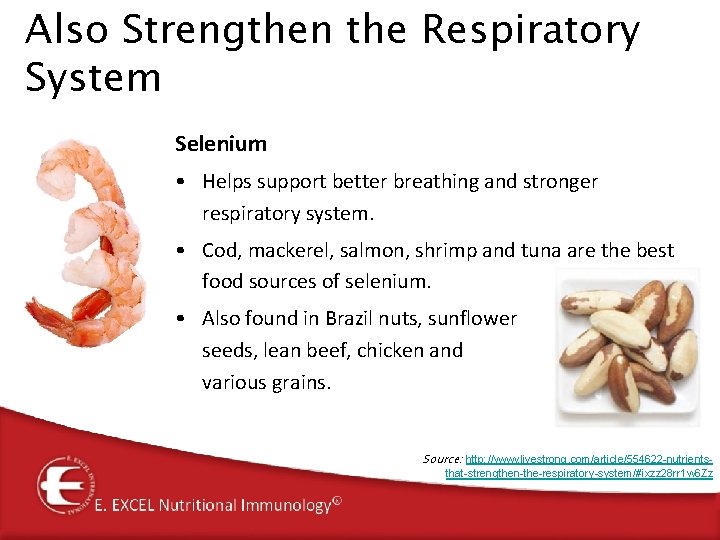
Also Strengthen the Respiratory System Selenium • Helps support better breathing and stronger respiratory system. • Cod, mackerel, salmon, shrimp and tuna are the best food sources of selenium. • Also found in Brazil nuts, sunflower seeds, lean beef, chicken and various grains. Source: http: //www. livestrong. com/article/554622 -nutrients- that-strengthen-the-respiratory-system/#ixzz 28 rr 1 w 6 Zz
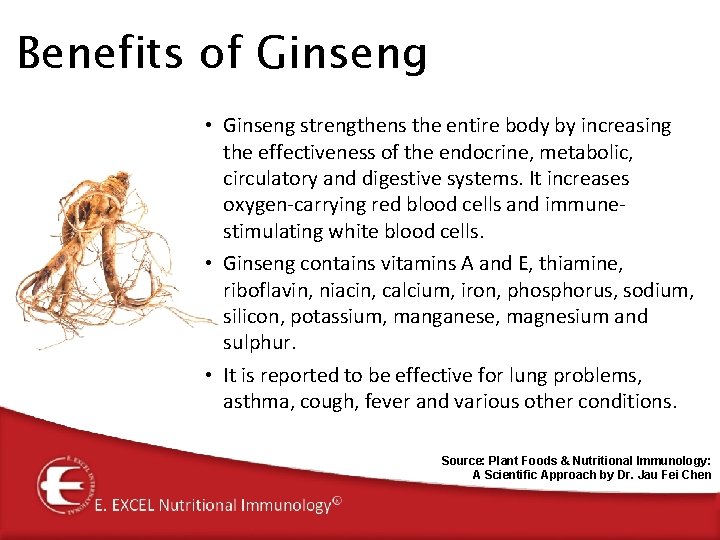
Benefits of Ginseng • Ginseng strengthens the entire body by increasing the effectiveness of the endocrine, metabolic, circulatory and digestive systems. It increases oxygen-carrying red blood cells and immunestimulating white blood cells. • Ginseng contains vitamins A and E, thiamine, riboflavin, niacin, calcium, iron, phosphorus, sodium, silicon, potassium, manganese, magnesium and sulphur. • It is reported to be effective for lung problems, asthma, cough, fever and various other conditions. Source: Plant Foods & Nutritional Immunology: A Scientific Approach by Dr. Jau Fei Chen
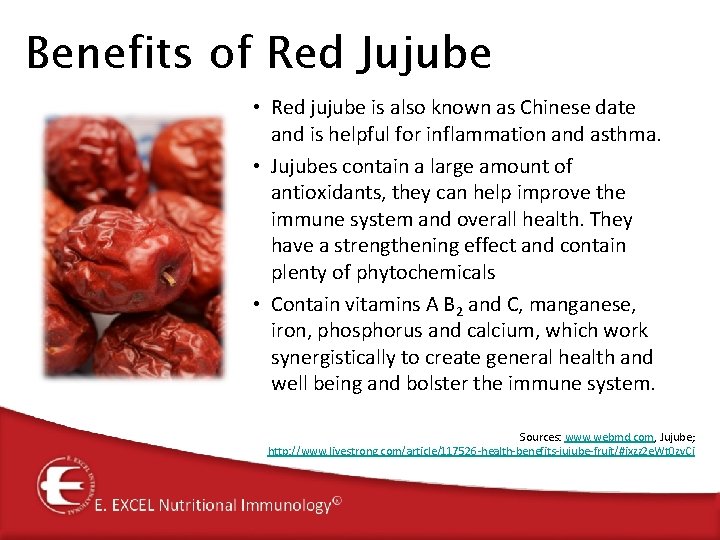
Benefits of Red Jujube • Red jujube is also known as Chinese date and is helpful for inflammation and asthma. • Jujubes contain a large amount of antioxidants, they can help improve the immune system and overall health. They have a strengthening effect and contain plenty of phytochemicals • Contain vitamins A B 2 and C, manganese, iron, phosphorus and calcium, which work synergistically to create general health and well being and bolster the immune system. Sources: www. webmd. com, Jujube; http: //www. livestrong. com/article/117526 -health-benefits-jujube-fruit/#ixzz 2 e. Wt 0 zv. Ci
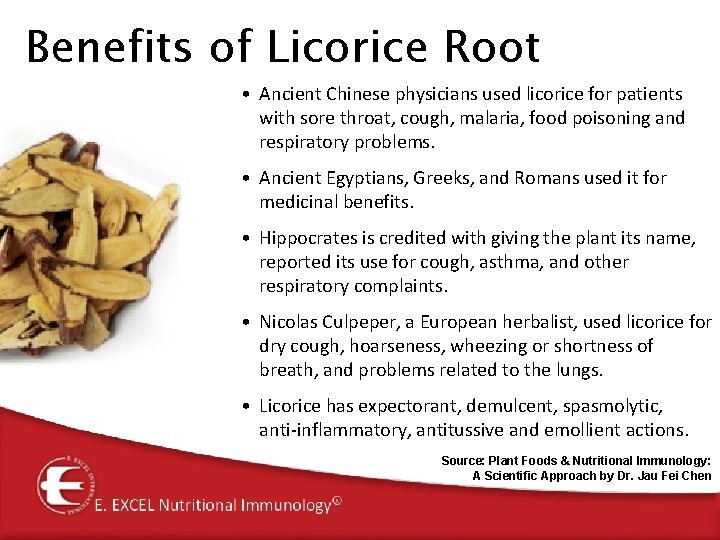
Benefits of Licorice Root • Ancient Chinese physicians used licorice for patients with sore throat, cough, malaria, food poisoning and respiratory problems. • Ancient Egyptians, Greeks, and Romans used it for medicinal benefits. • Hippocrates is credited with giving the plant its name, reported its use for cough, asthma, and other respiratory complaints. • Nicolas Culpeper, a European herbalist, used licorice for dry cough, hoarseness, wheezing or shortness of breath, and problems related to the lungs. • Licorice has expectorant, demulcent, spasmolytic, anti-inflammatory, antitussive and emollient actions. Source: Plant Foods & Nutritional Immunology: A Scientific Approach by Dr. Jau Fei Chen
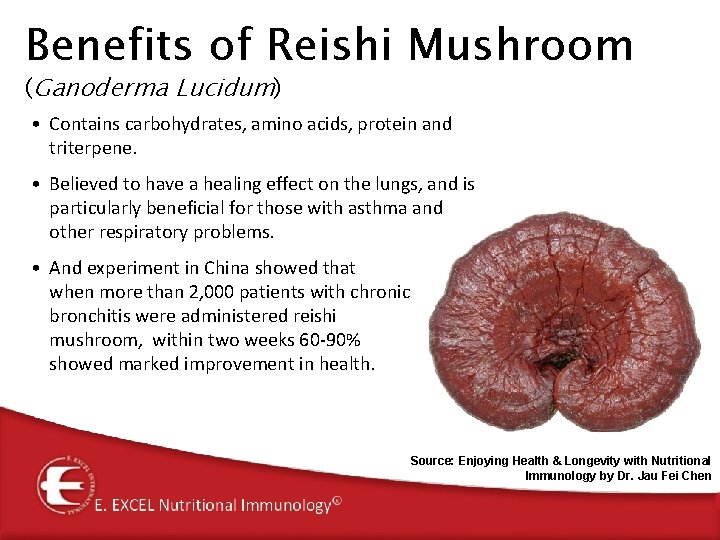
Benefits of Reishi Mushroom (Ganoderma Lucidum) • Contains carbohydrates, amino acids, protein and triterpene. • Believed to have a healing effect on the lungs, and is particularly beneficial for those with asthma and other respiratory problems. • And experiment in China showed that when more than 2, 000 patients with chronic bronchitis were administered reishi mushroom, within two weeks 60 -90% showed marked improvement in health. Source: Enjoying Health & Longevity with Nutritional Immunology by Dr. Jau Fei Chen
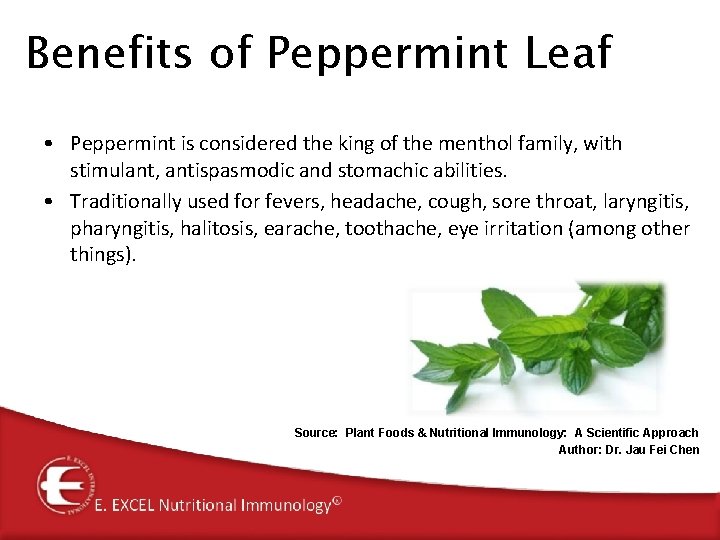
Benefits of Peppermint Leaf • Peppermint is considered the king of the menthol family, with stimulant, antispasmodic and stomachic abilities. • Traditionally used for fevers, headache, cough, sore throat, laryngitis, pharyngitis, halitosis, earache, toothache, eye irritation (among other things). Source: Plant Foods & Nutritional Immunology: A Scientific Approach Author: Dr. Jau Fei Chen
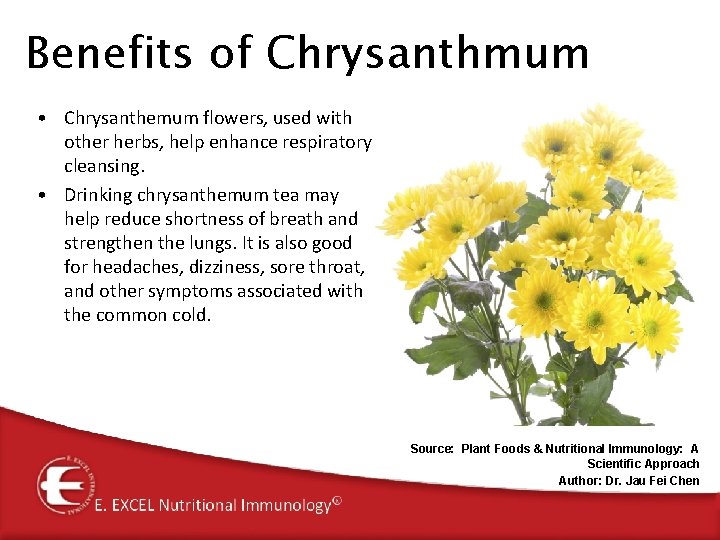
Benefits of Chrysanthmum • Chrysanthemum flowers, used with other herbs, help enhance respiratory cleansing. • Drinking chrysanthemum tea may help reduce shortness of breath and strengthen the lungs. It is also good for headaches, dizziness, sore throat, and other symptoms associated with the common cold. Source: Plant Foods & Nutritional Immunology: A Scientific Approach Author: Dr. Jau Fei Chen
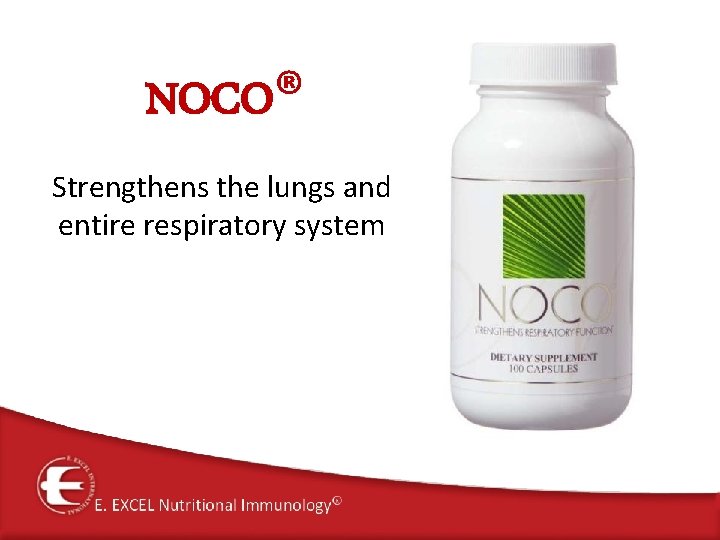
NOCO® Strengthens the lungs and entire respiratory system
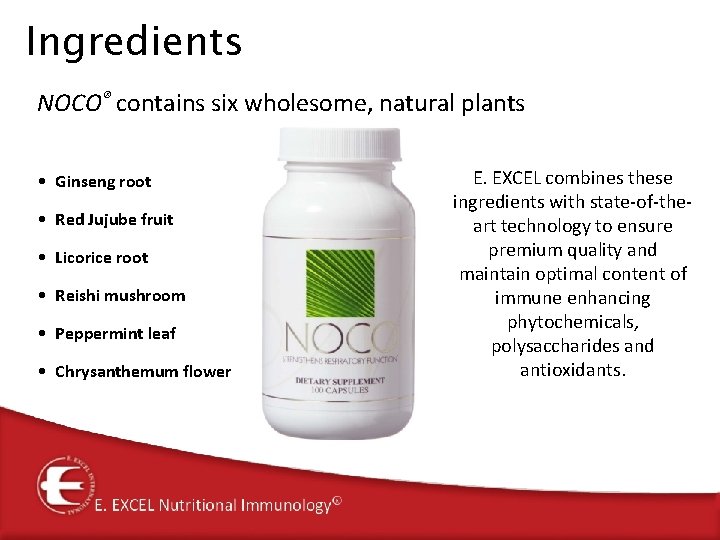
Ingredients NOCO® contains six wholesome, natural plants • Ginseng root • Red Jujube fruit • Licorice root • Reishi mushroom • Peppermint leaf • Chrysanthemum flower E. EXCEL combines these ingredients with state-of-theart technology to ensure premium quality and maintain optimal content of immune enhancing phytochemicals, polysaccharides and antioxidants.
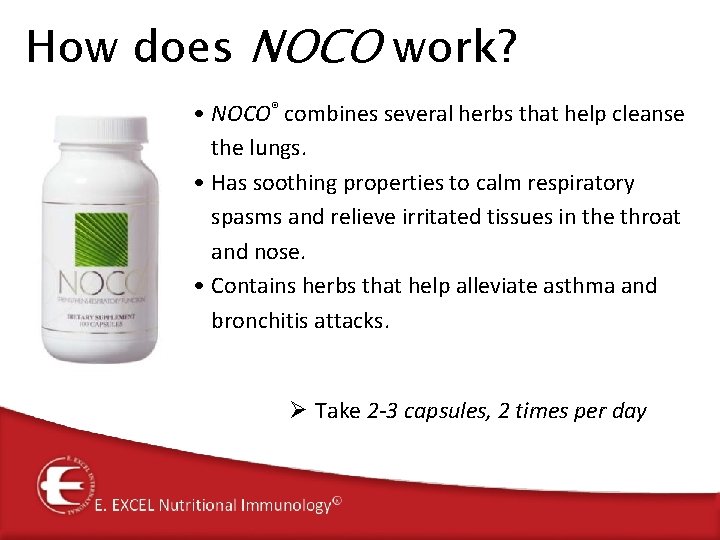
How does NOCO work? • NOCO® combines several herbs that help cleanse the lungs. • Has soothing properties to calm respiratory spasms and relieve irritated tissues in the throat and nose. • Contains herbs that help alleviate asthma and bronchitis attacks. Ø Take 2 -3 capsules, 2 times per day
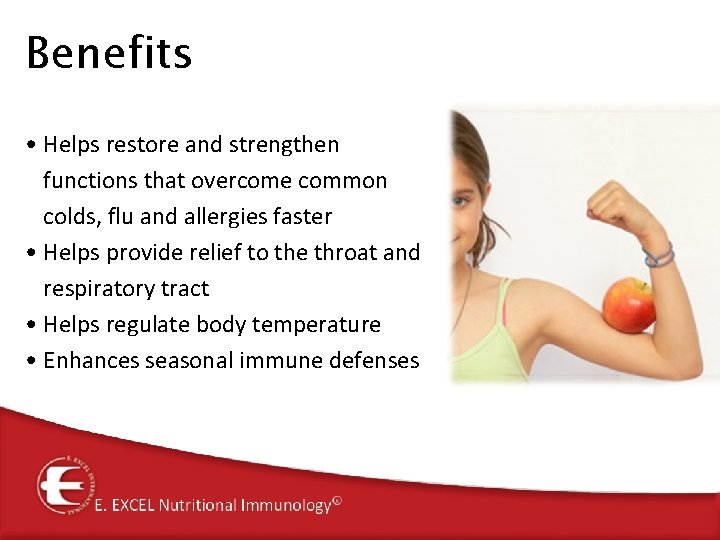
Benefits • Helps restore and strengthen functions that overcome common colds, flu and allergies faster • Helps provide relief to the throat and respiratory tract • Helps regulate body temperature • Enhances seasonal immune defenses
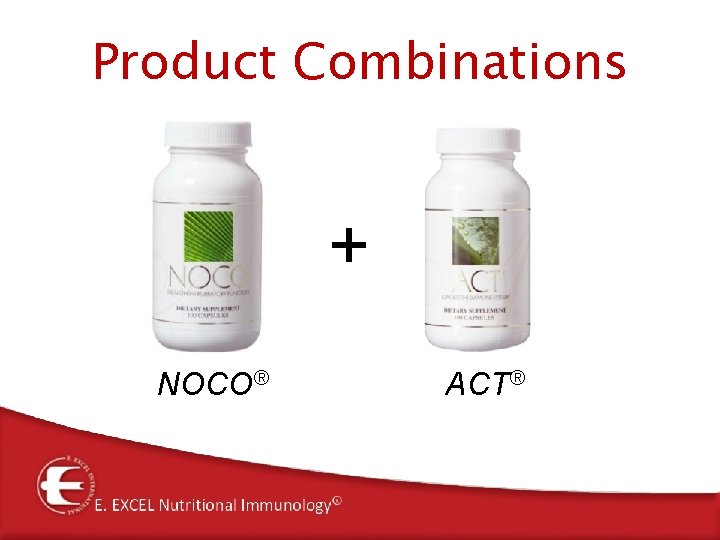
Product Combinations + NOCO® ACT®
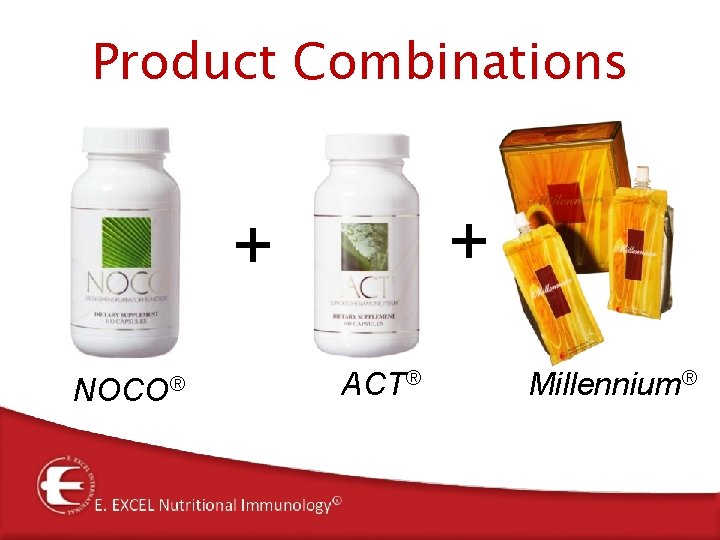
Product Combinations + + NOCO® ACT® Millennium®
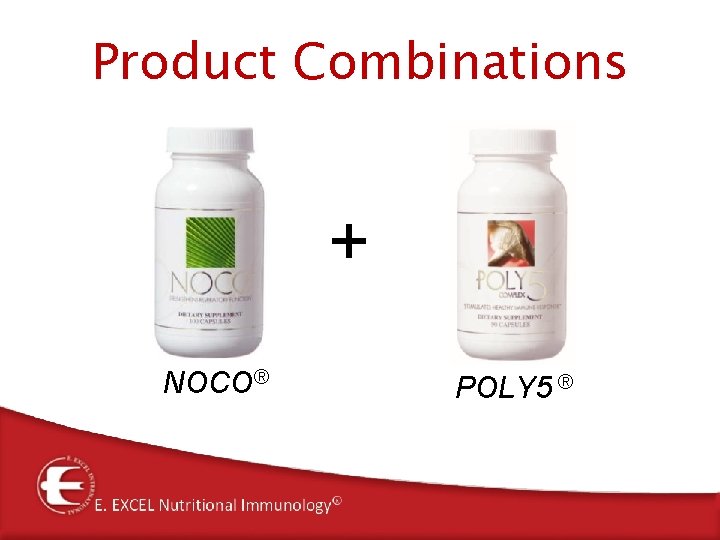
Product Combinations + NOCO® POLY 5 ®
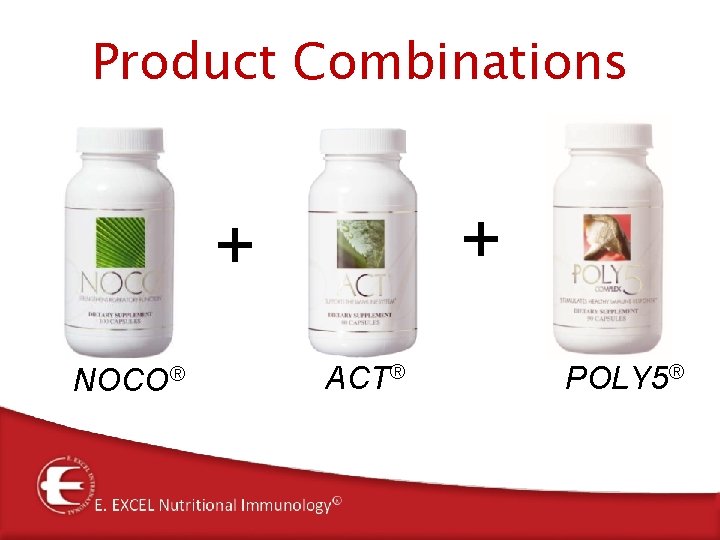
Product Combinations + + NOCO® ACT® POLY 5®
E. EXCEL Products are Different! 1. We use a wide variety of whole plant foods! 2. We use whole foods because they are better than isolated single vitamins or minerals! 3. We formulate our products rich in micronutrients! (phytochemicals, polysaccharides and antioxidants) 4. We never use stimulants or unhealthy plants! 5. Wide variety of product formulations that are based on the wisdom and science of Nutritional Immunology Enjoy superior nutrition with E. EXCEL products!