
Respiratory System Respiration Gas Exchange Breathing Why Do
Respiratory System
Respiration = Gas Exchange (Breathing) Why Do We Breathe?
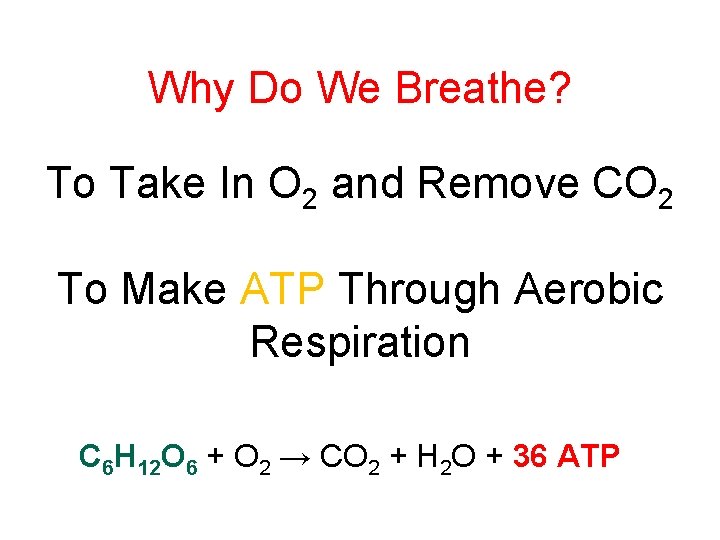
Why Do We Breathe? To Take In O 2 and Remove CO 2 To Make ATP Through Aerobic Respiration C 6 H 12 O 6 + O 2 → CO 2 + H 2 O + 36 ATP
How Do Organisms Breathe? General Theme: Across moist membranes “Moist Respiratory Surfaces” O 2 and CO 2 must be dissolved into water
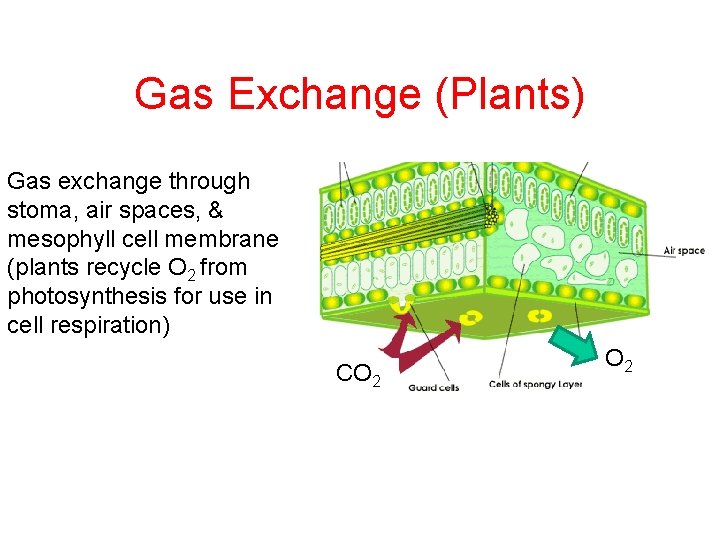
Gas Exchange (Plants) Gas exchange through stoma, air spaces, & mesophyll cell membrane (plants recycle O 2 from photosynthesis for use in cell respiration) CO 2
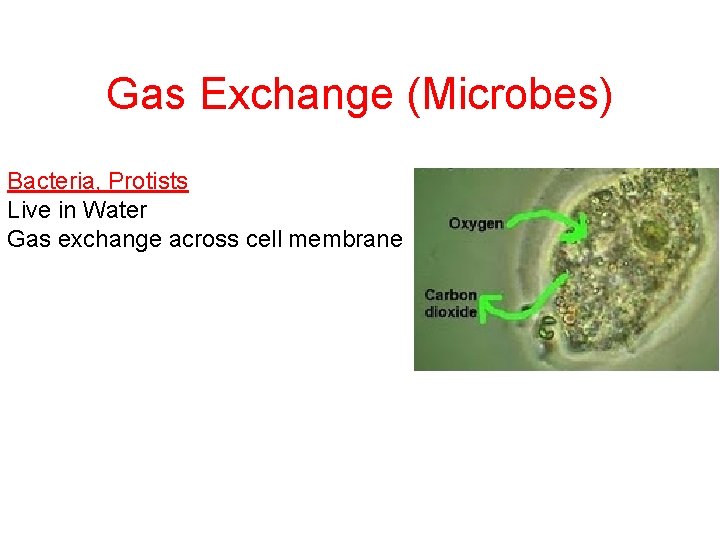
Gas Exchange (Microbes) Bacteria, Protists Live in Water Gas exchange across cell membrane
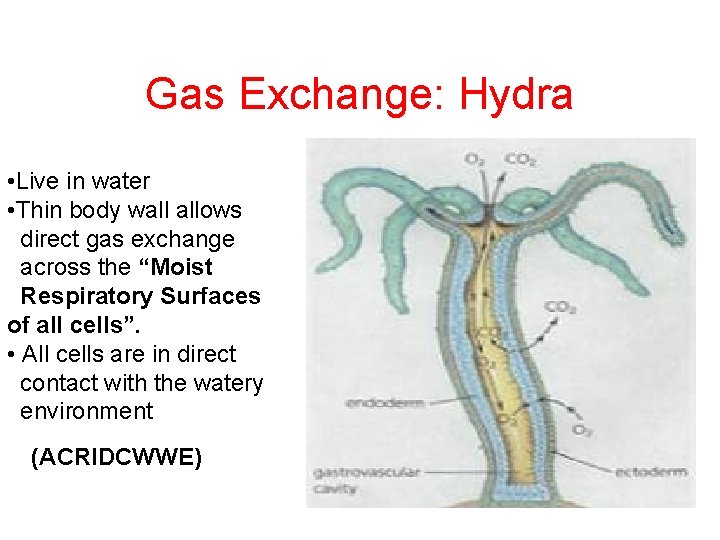
Gas Exchange: Hydra • Live in water • Thin body wall allows direct gas exchange across the “Moist Respiratory Surfaces of all cells”. • All cells are in direct contact with the watery environment (ACRIDCWWE)
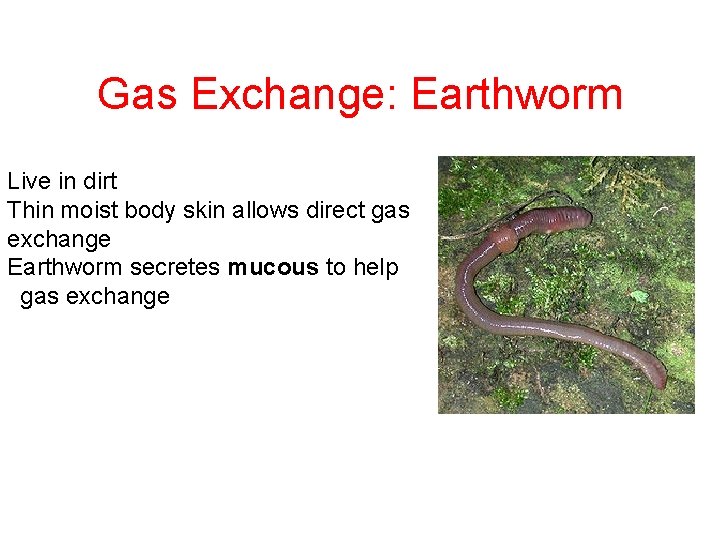
Gas Exchange: Earthworm Live in dirt Thin moist body skin allows direct gas exchange Earthworm secretes mucous to help gas exchange
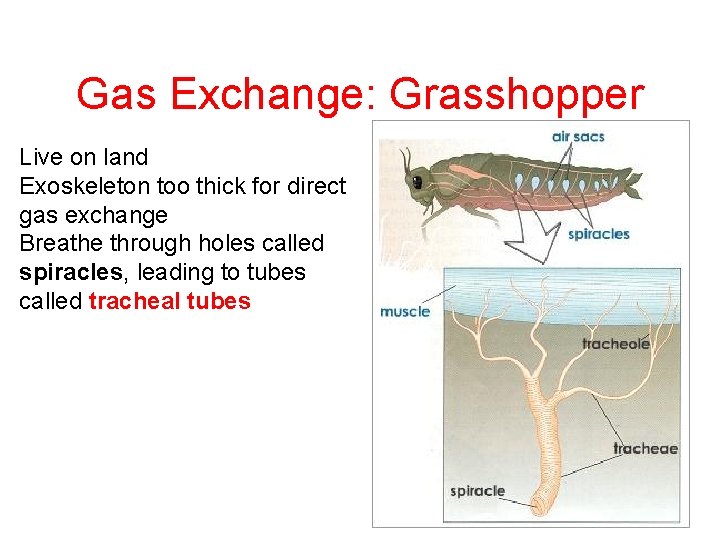
Gas Exchange: Grasshopper Live on land Exoskeleton too thick for direct gas exchange Breathe through holes called spiracles, leading to tubes called tracheal tubes
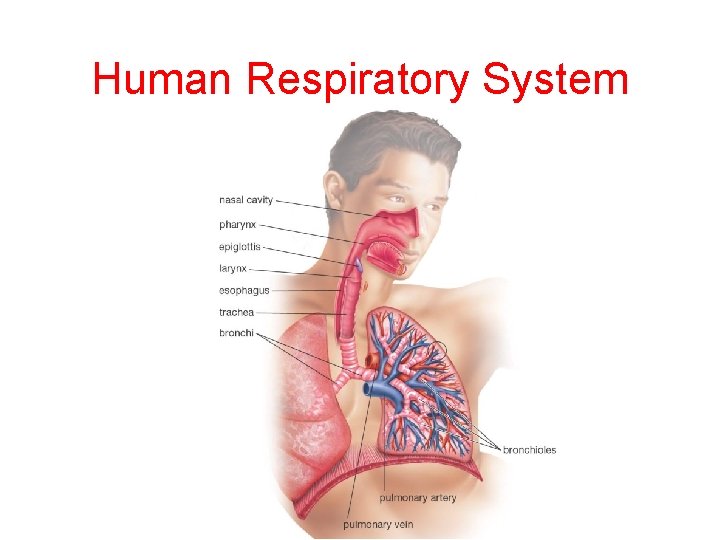
Human Respiratory System
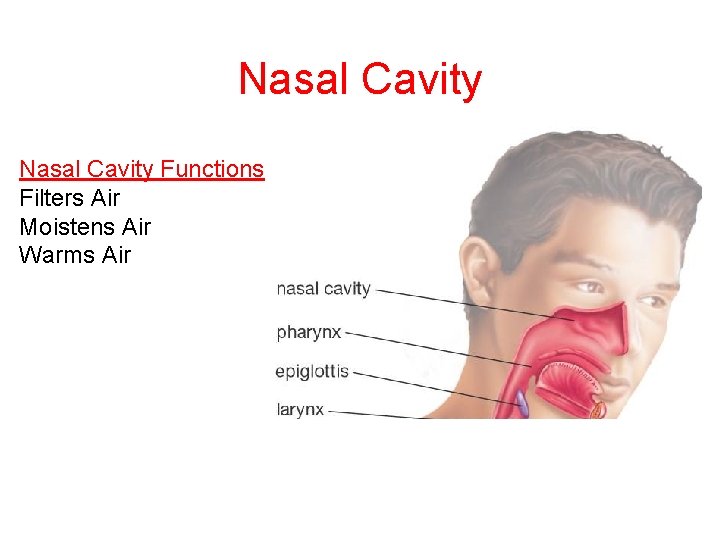
Nasal Cavity Functions Filters Air Moistens Air Warms Air
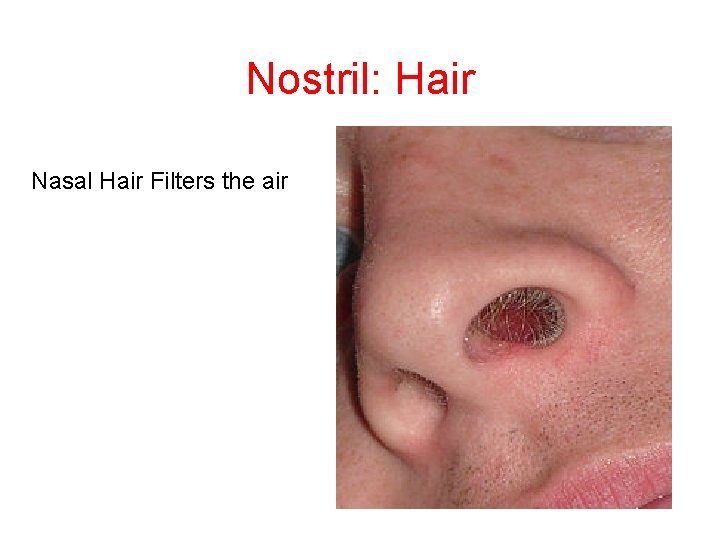
Nostril: Hair Nasal Hair Filters the air
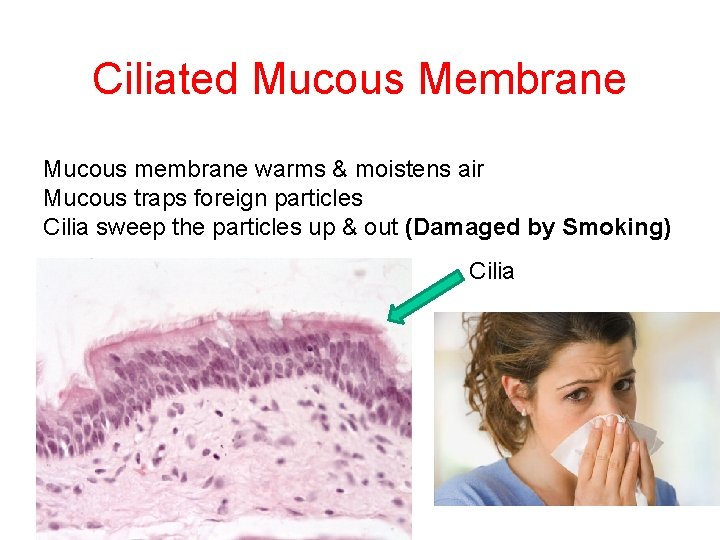
Ciliated Mucous Membrane Mucous membrane warms & moistens air Mucous traps foreign particles Cilia sweep the particles up & out (Damaged by Smoking) Cilia
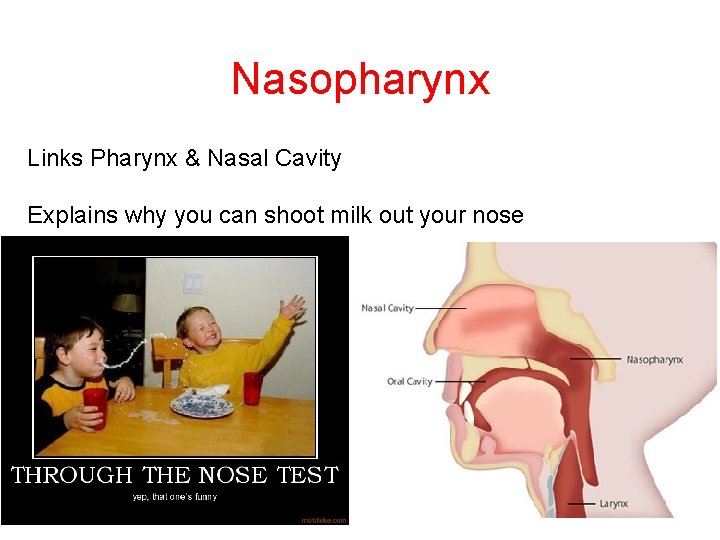
Nasopharynx Links Pharynx & Nasal Cavity Explains why you can shoot milk out your nose
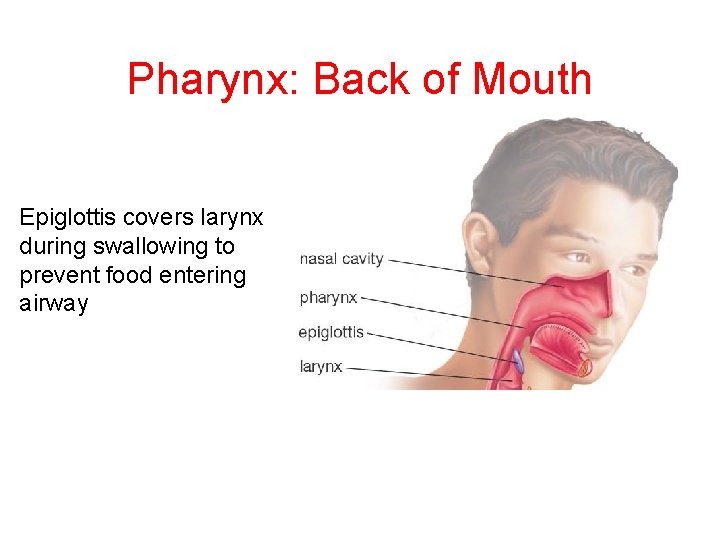
Pharynx: Back of Mouth Epiglottis covers larynx during swallowing to prevent food entering airway
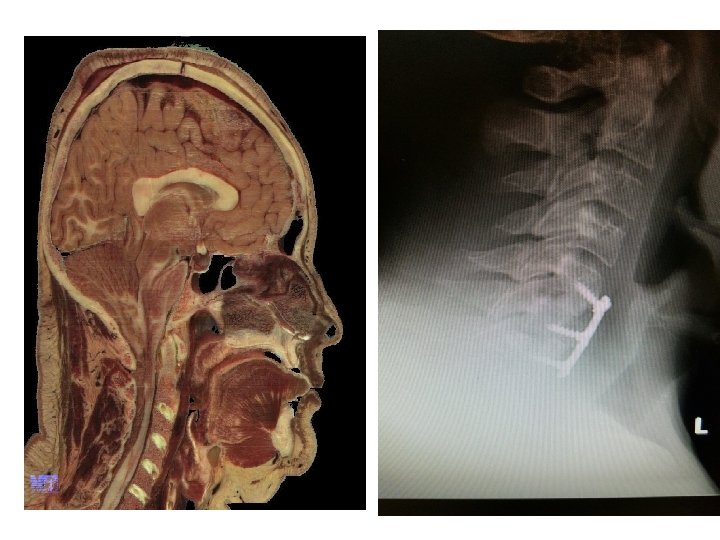
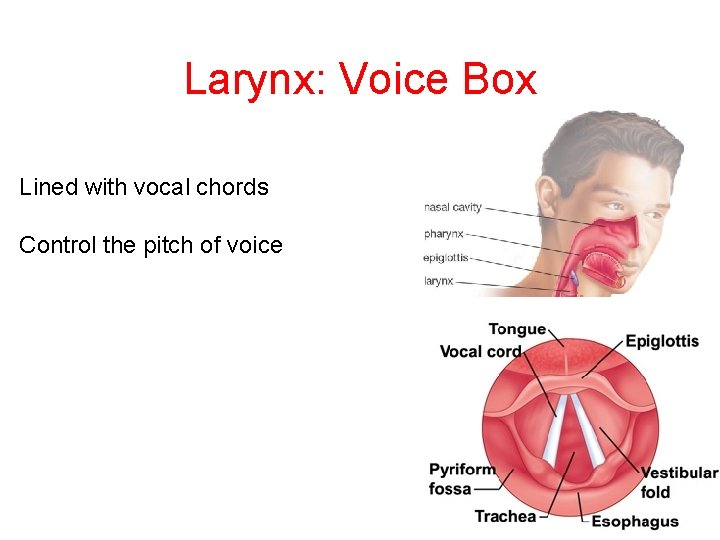
Larynx: Voice Box Lined with vocal chords Control the pitch of voice
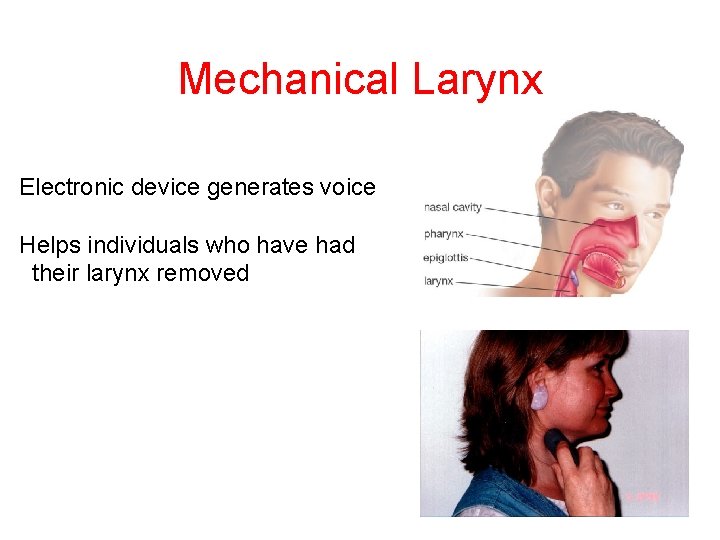
Mechanical Larynx Electronic device generates voice Helps individuals who have had their larynx removed
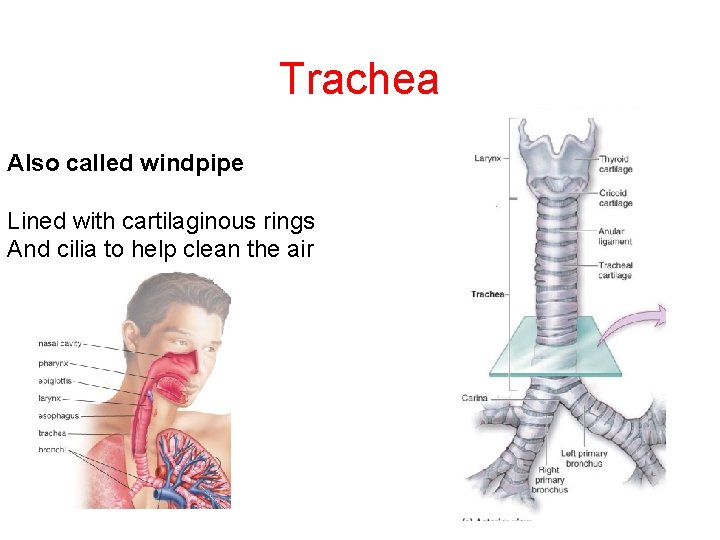
Trachea Also called windpipe Lined with cartilaginous rings And cilia to help clean the air
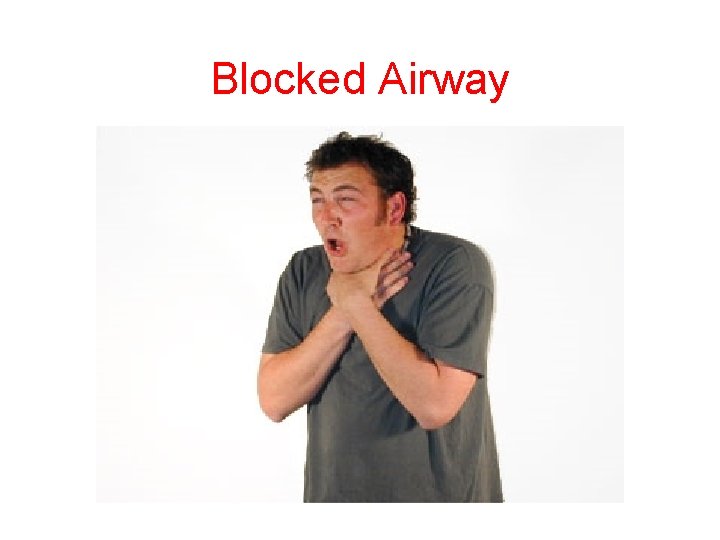
Blocked Airway
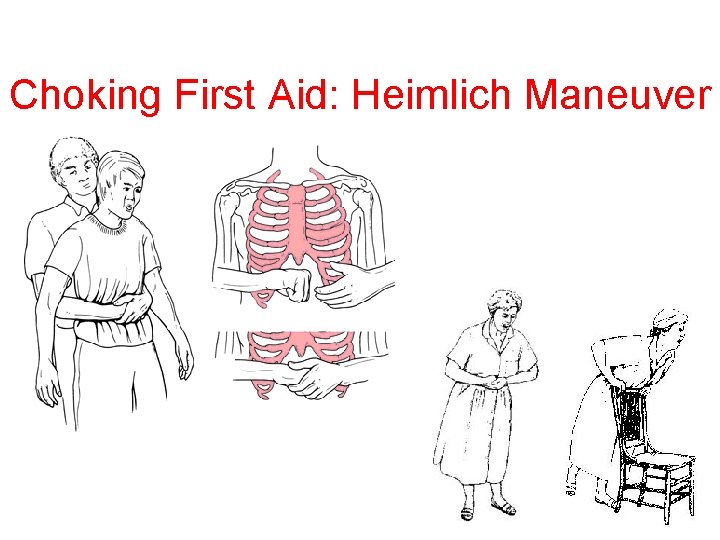
Choking First Aid: Heimlich Maneuver
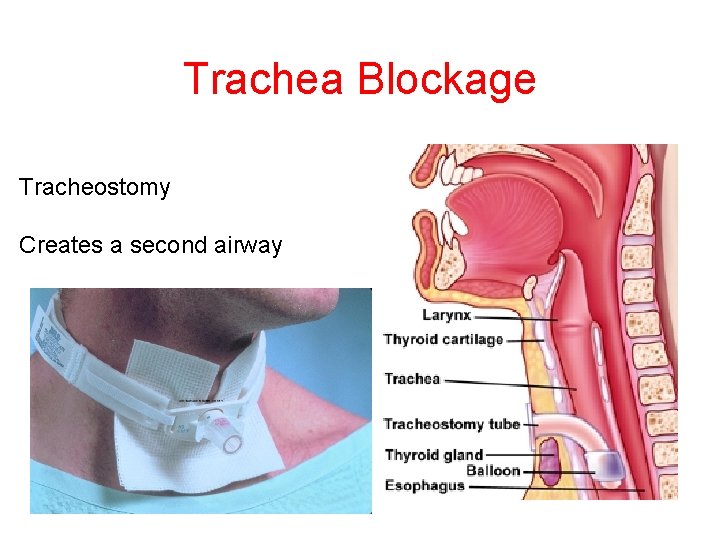
Trachea Blockage Tracheostomy Creates a second airway
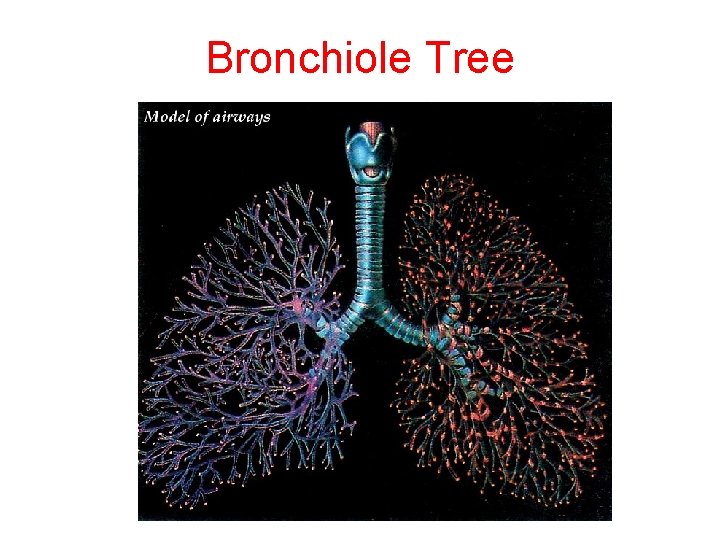
Bronchiole Tree
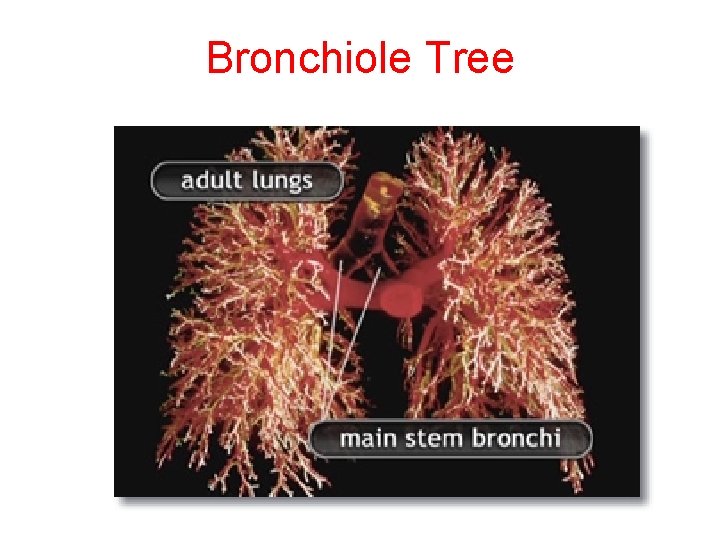
Bronchiole Tree
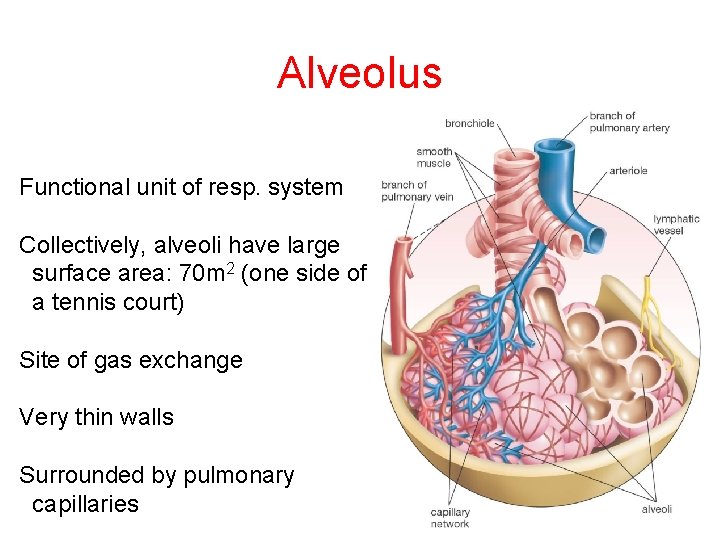
Alveolus Functional unit of resp. system Collectively, alveoli have large surface area: 70 m 2 (one side of a tennis court) Site of gas exchange Very thin walls Surrounded by pulmonary capillaries
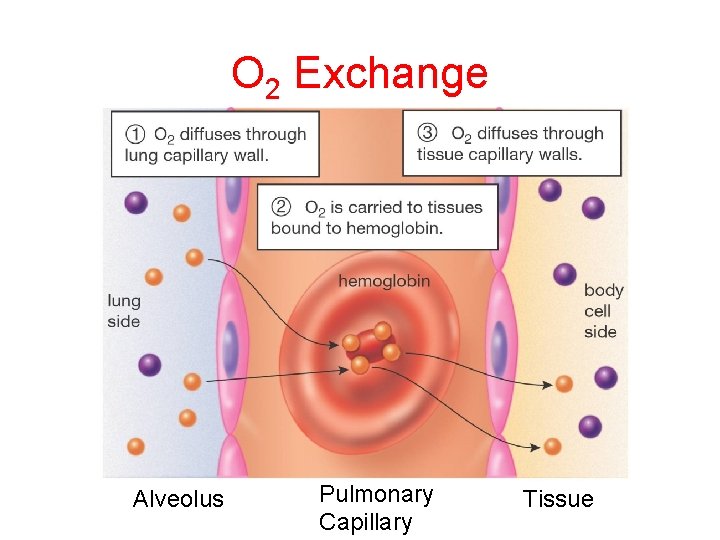
O 2 Exchange Alveolus Pulmonary Capillary Tissue
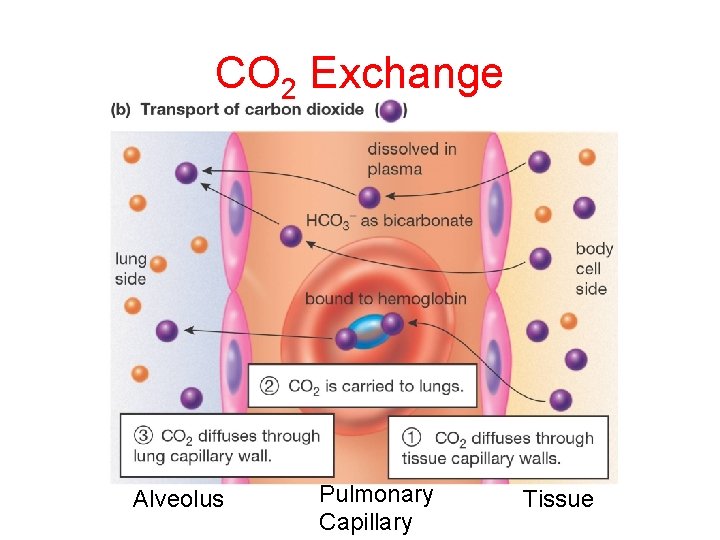
CO 2 Exchange Alveolus Pulmonary Capillary Tissue
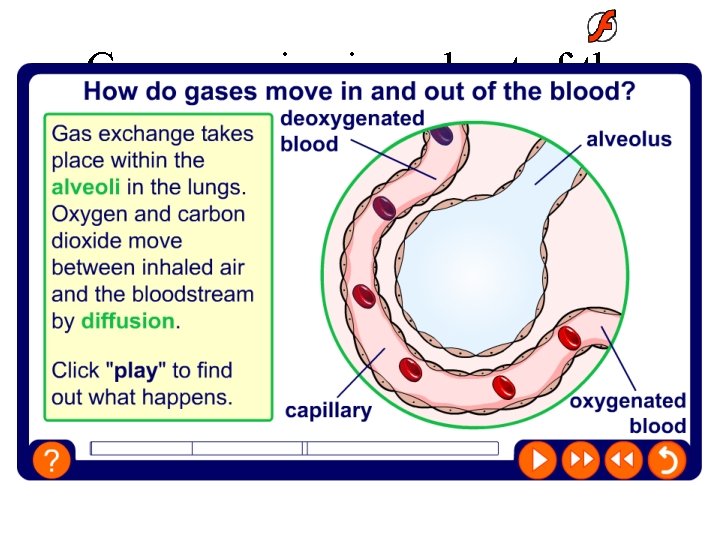
Gases moving in and out of the blood
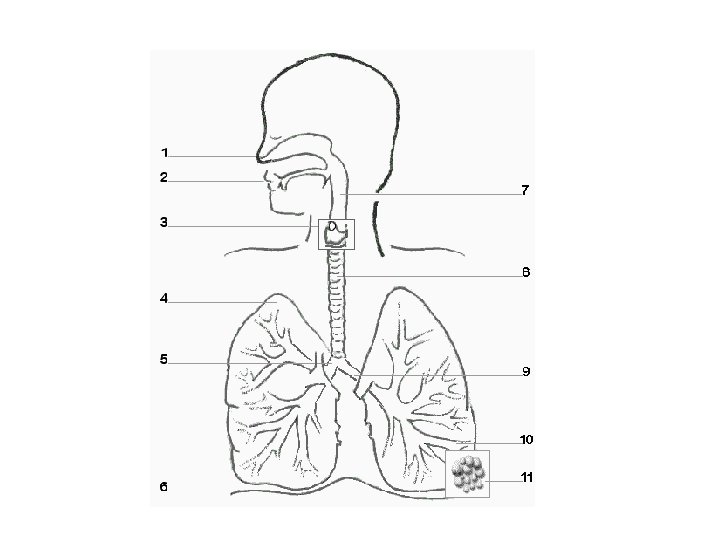
Review: Write the Path of Oxygen Molecule From Outside of Body to Alveolus
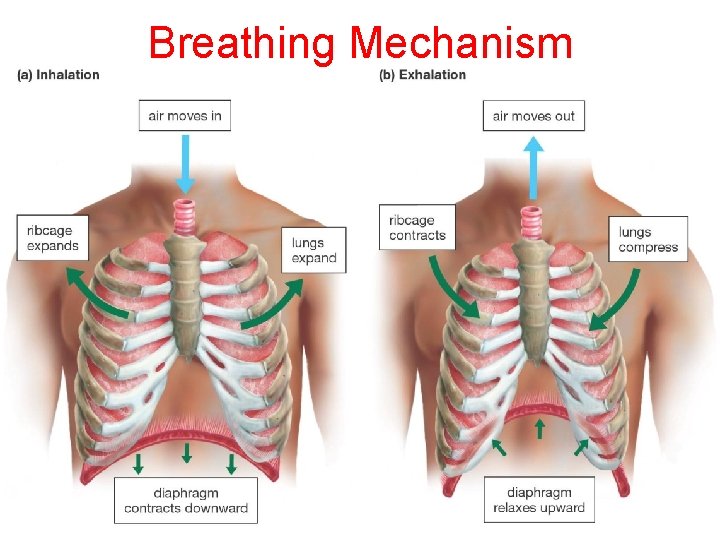
Breathing Mechanism
Breathing Muscle Demonstration 1) Close Mouth & Hold Nose 2) Then Try To Inhale 3) Then Open Mouth 4) Close Mouth and Open the Nose What is different?
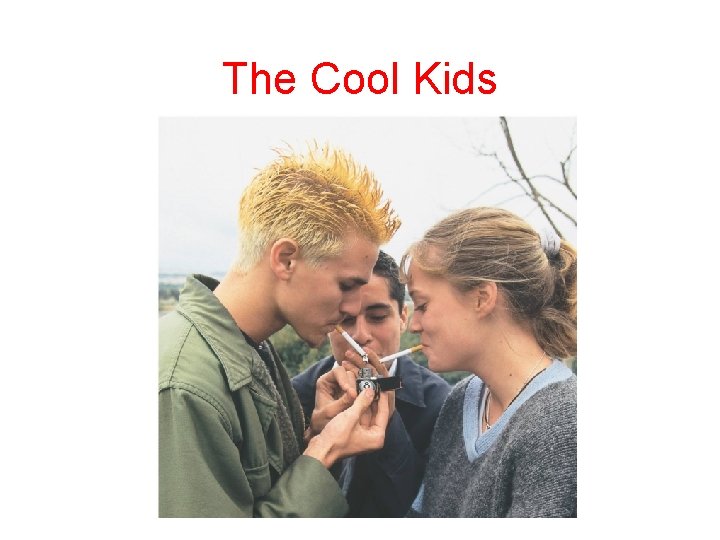
The Cool Kids
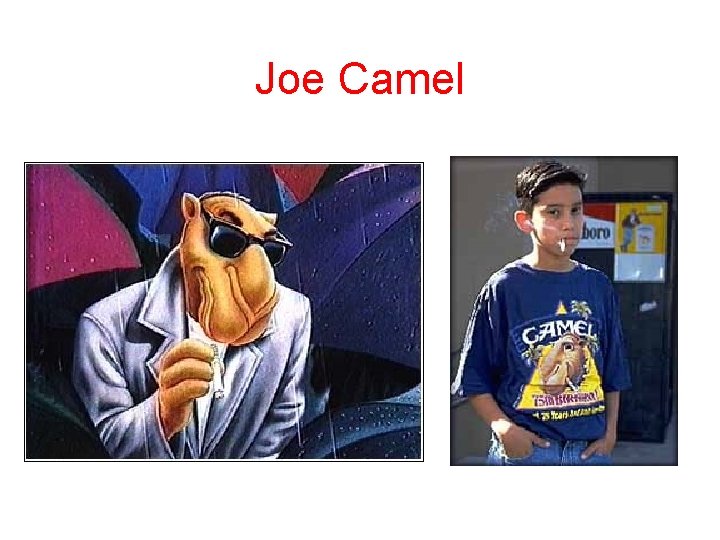
Joe Camel
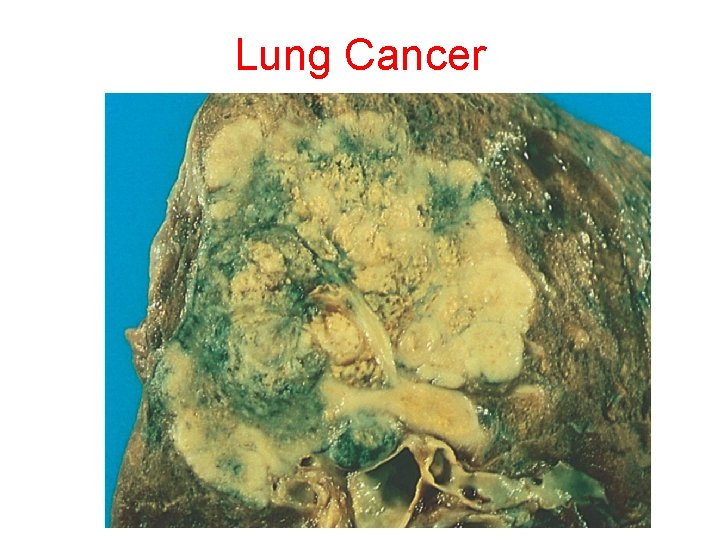
Lung Cancer
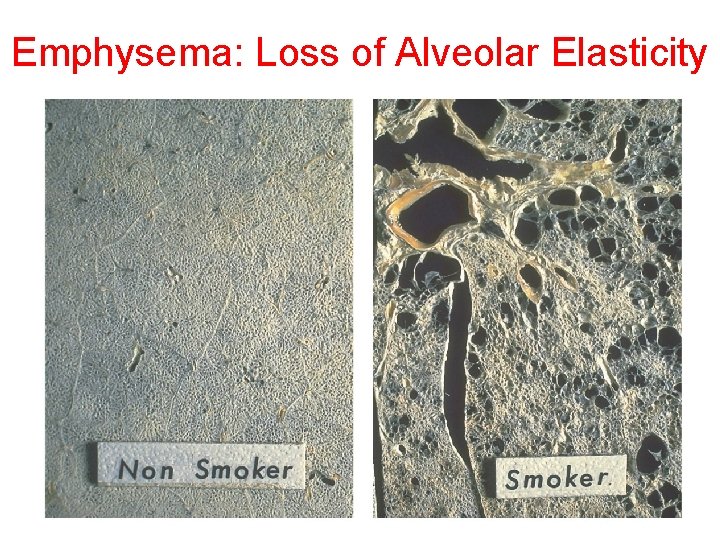
Emphysema: Loss of Alveolar Elasticity
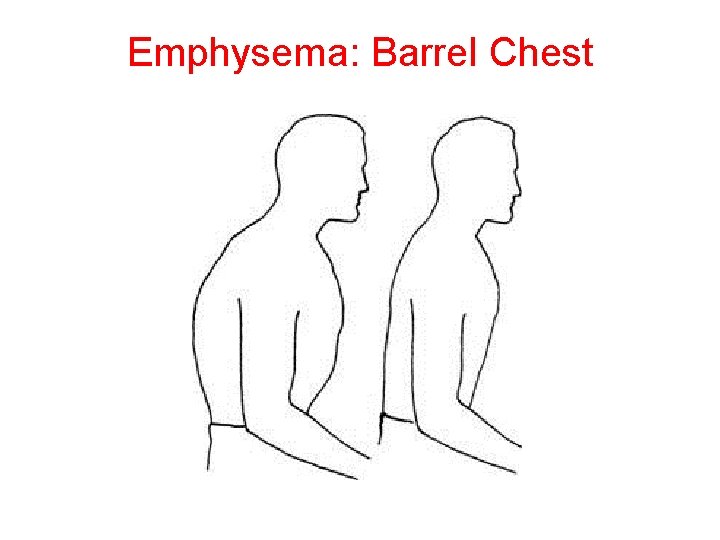
Emphysema: Barrel Chest
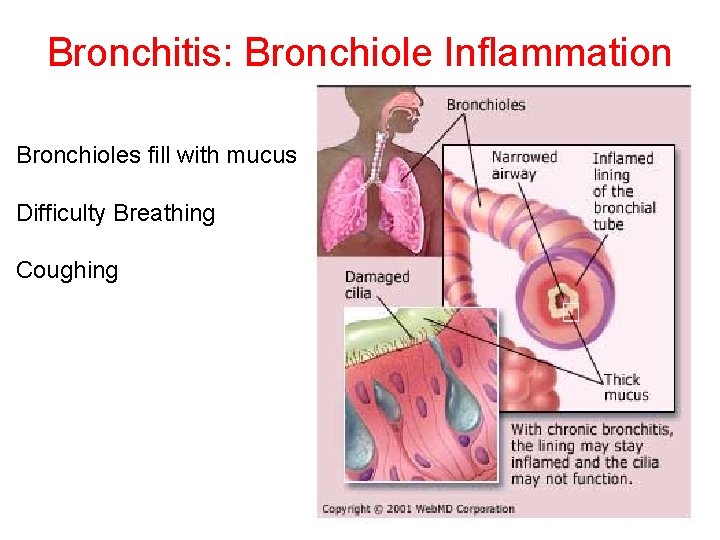
Bronchitis: Bronchiole Inflammation Bronchioles fill with mucus Difficulty Breathing Coughing
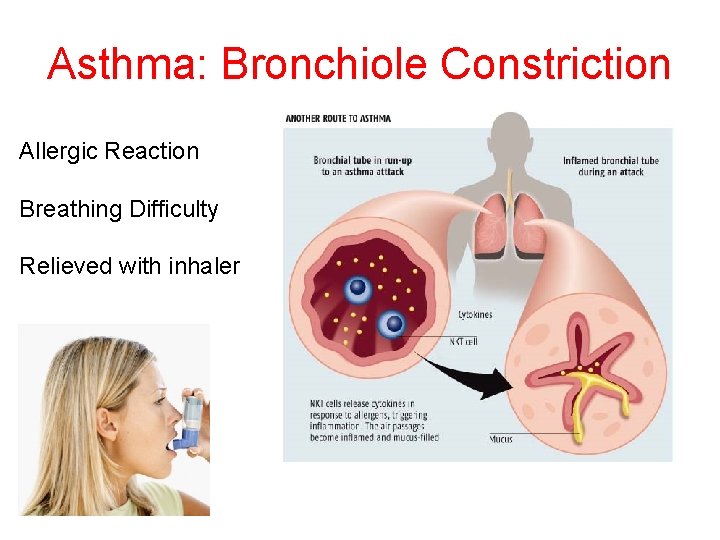
Asthma: Bronchiole Constriction Allergic Reaction Breathing Difficulty Relieved with inhaler
- Slides: 40