
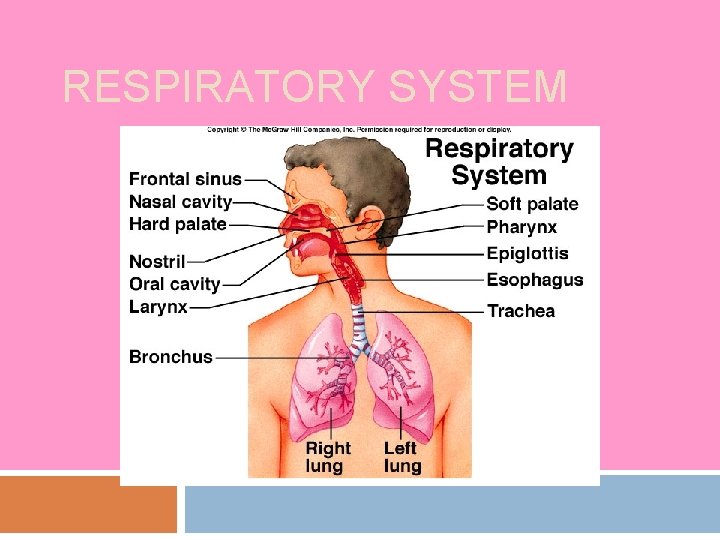
RESPIRATORY SYSTEM Functions Gas exchange Filters air Warms
- Slides: 32
RESPIRATORY SYSTEM
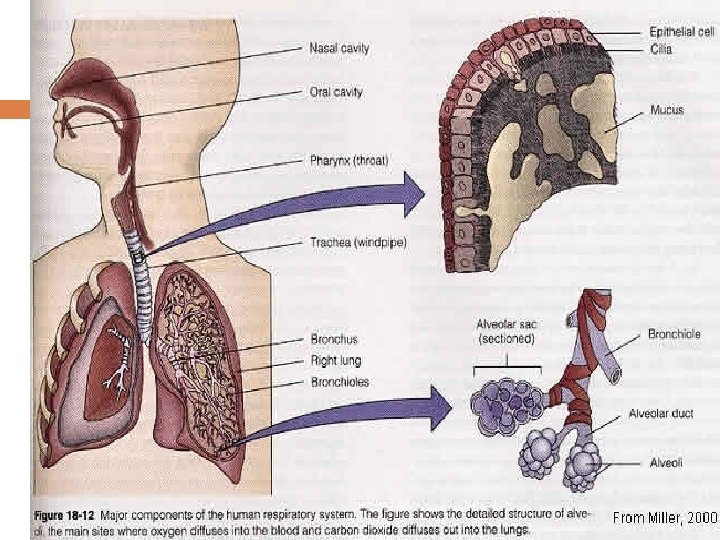
Functions Gas exchange Filters air Warms air Humidifies air Speech/sound Olfaction
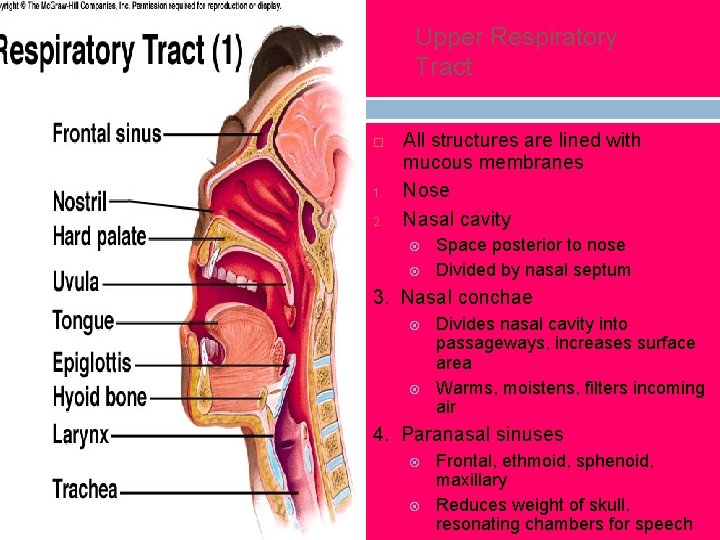
Upper Respiratory Tract 1. 2. All structures are lined with mucous membranes Nose Nasal cavity Space posterior to nose Divided by nasal septum 3. Nasal conchae Divides nasal cavity into passageways, increases surface area Warms, moistens, filters incoming air 4. Paranasal sinuses Frontal, ethmoid, sphenoid, maxillary Reduces weight of skull, resonating chambers for speech
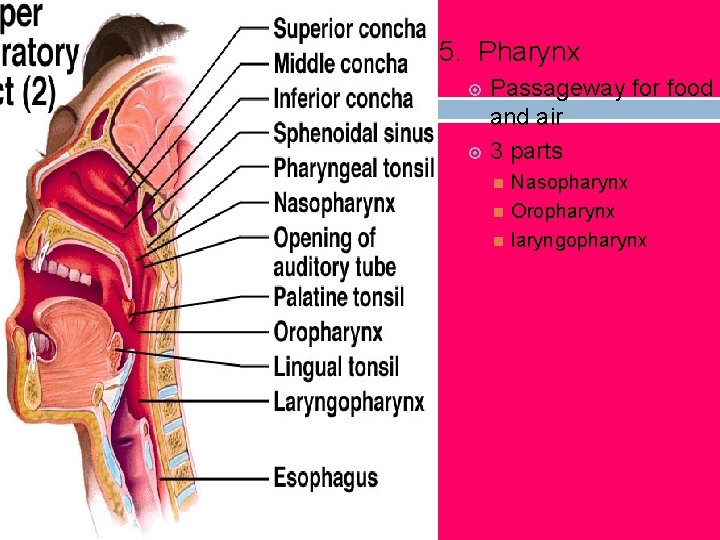
5. Pharynx Passageway for food and air 3 parts Nasopharynx Oropharynx laryngopharynx
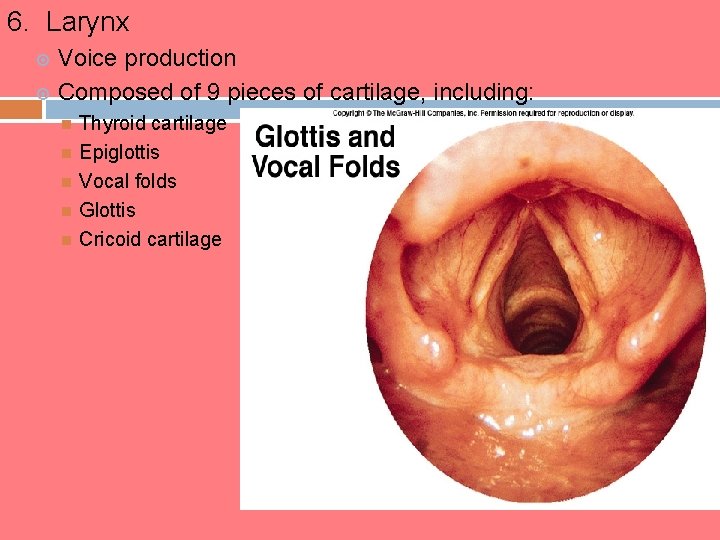
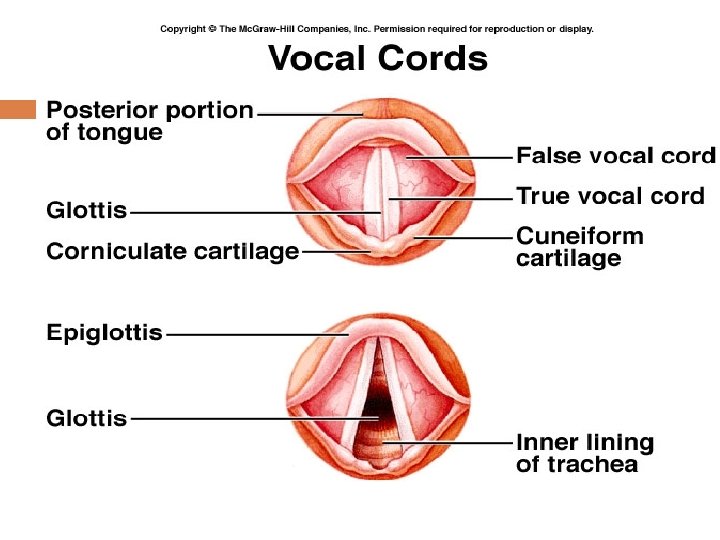
6. Larynx Voice production Composed of 9 pieces of cartilage, including: Thyroid cartilage Epiglottis Vocal folds Glottis Cricoid cartilage
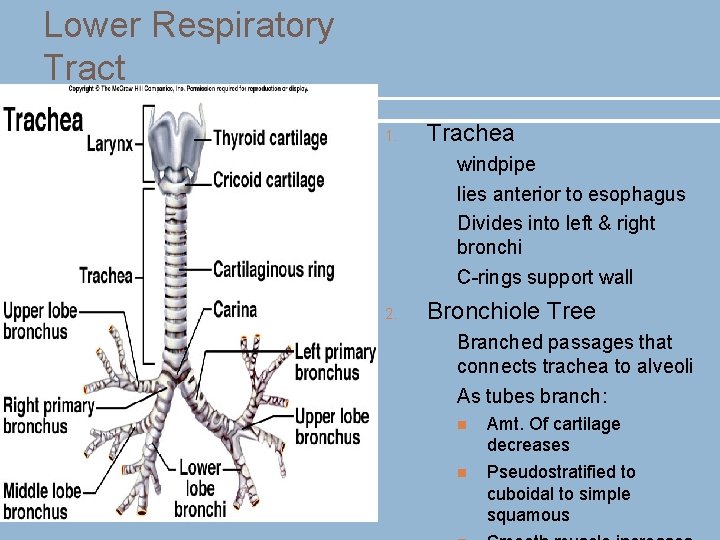
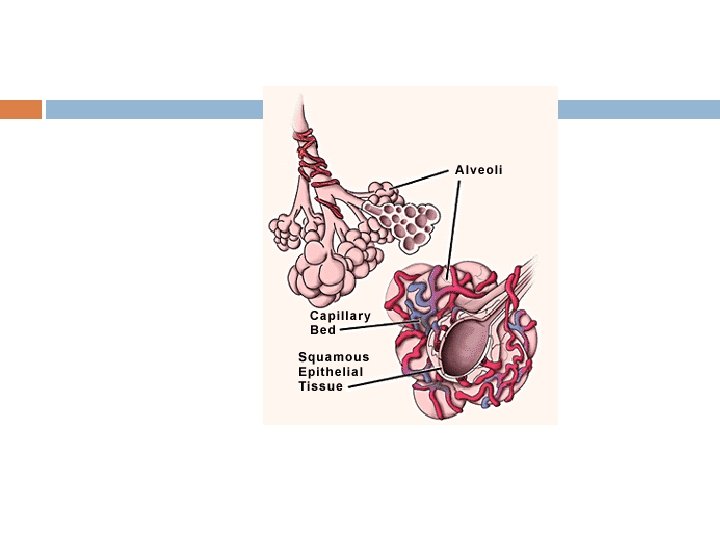
Lower Respiratory Tract Trachea 1. • • windpipe lies anterior to esophagus Divides into left & right bronchi C-rings support wall Bronchiole Tree 2. • • Branched passages that connects trachea to alveoli As tubes branch: Amt. Of cartilage decreases Pseudostratified to cuboidal to simple squamous
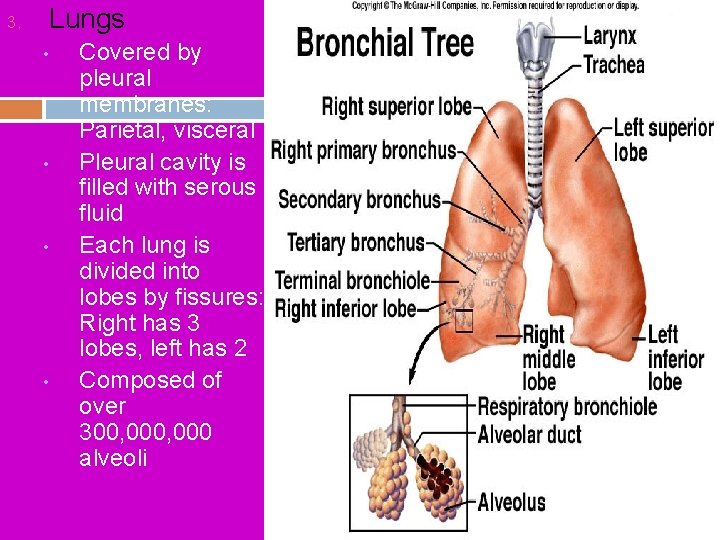
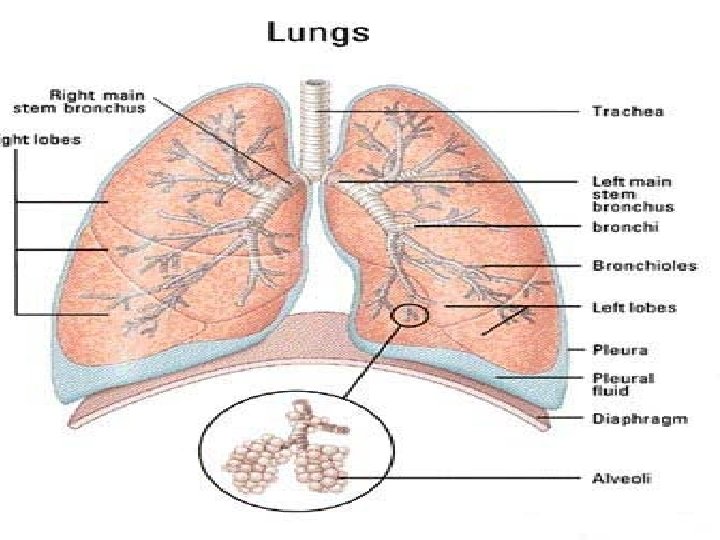
3. Lungs • • Covered by pleural membranes: Parietal, visceral Pleural cavity is filled with serous fluid Each lung is divided into lobes by fissures: Right has 3 lobes, left has 2 Composed of over 300, 000 alveoli
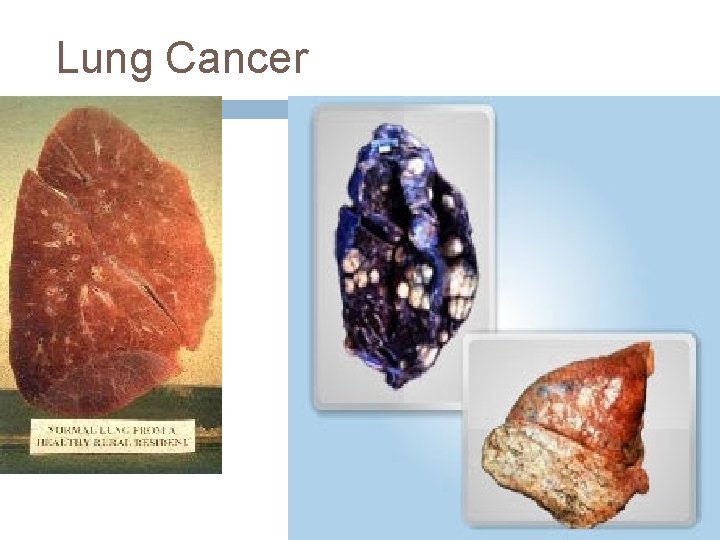
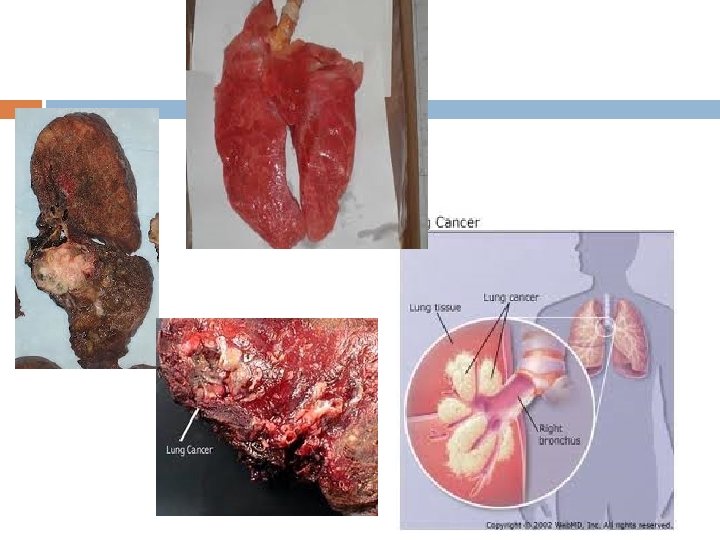
Lung Cancer
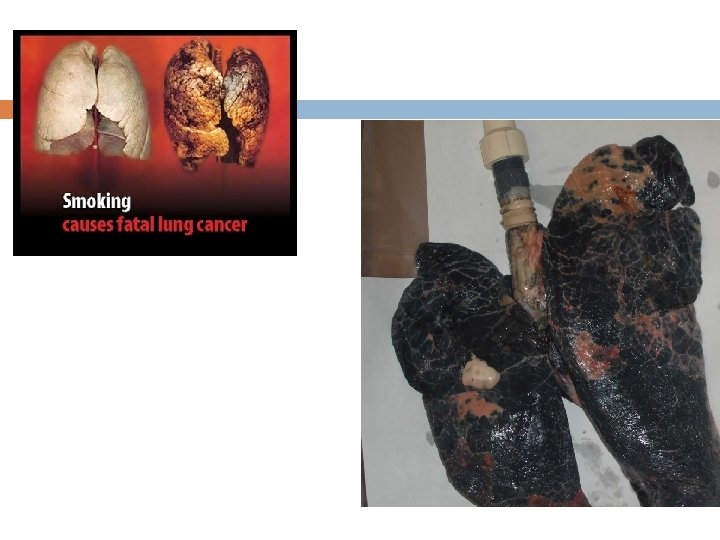
Causes Cigarette smoking Radon poisoning Asbestos exposure
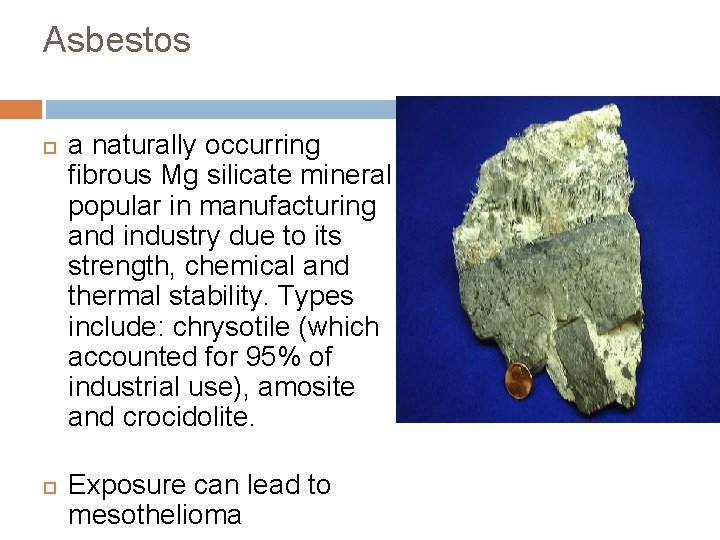
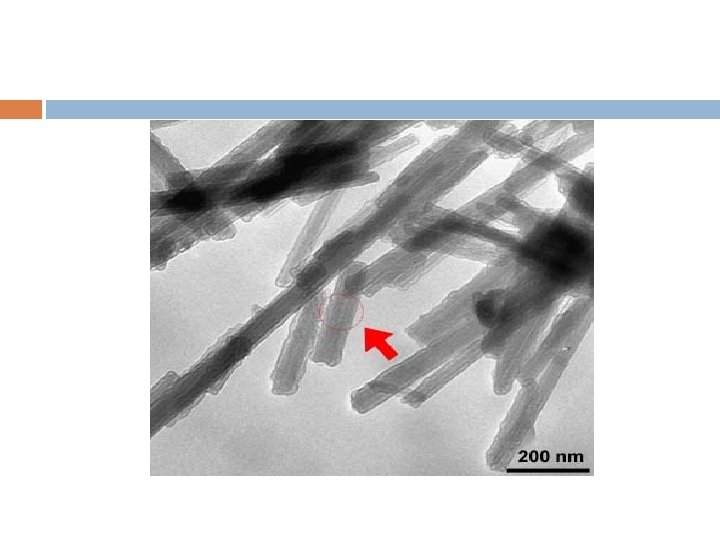
Asbestos a naturally occurring fibrous Mg silicate mineral popular in manufacturing and industry due to its strength, chemical and thermal stability. Types include: chrysotile (which accounted for 95% of industrial use), amosite and crocidolite. Exposure can lead to mesothelioma
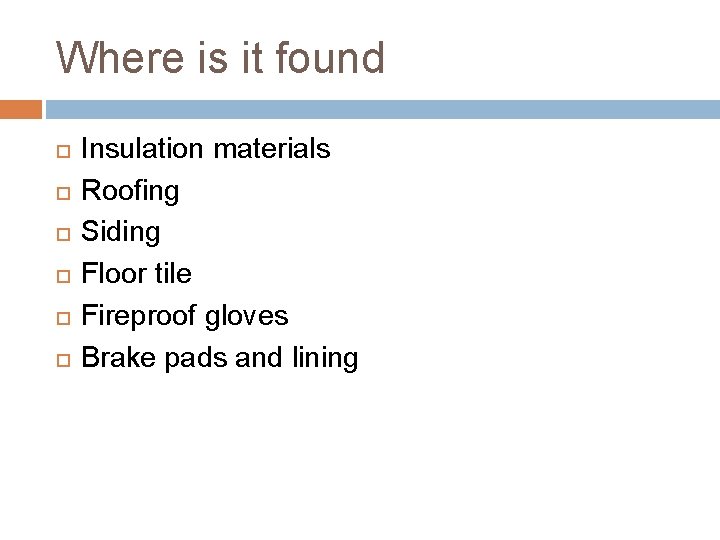
Where is it found Insulation materials Roofing Siding Floor tile Fireproof gloves Brake pads and lining
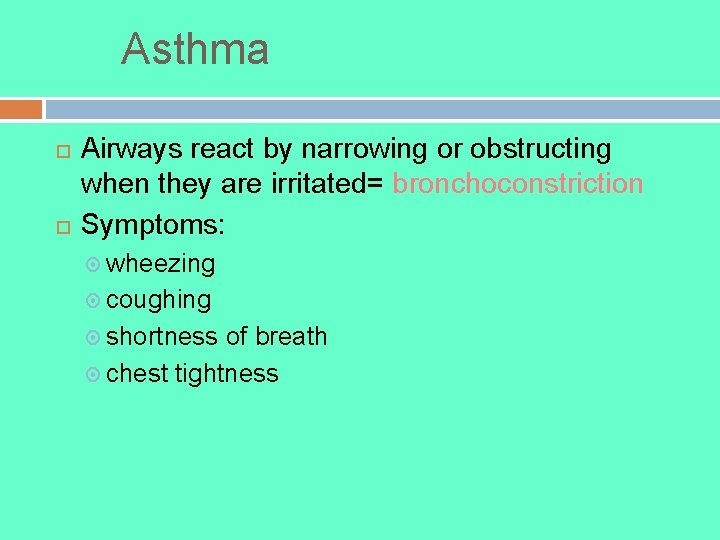
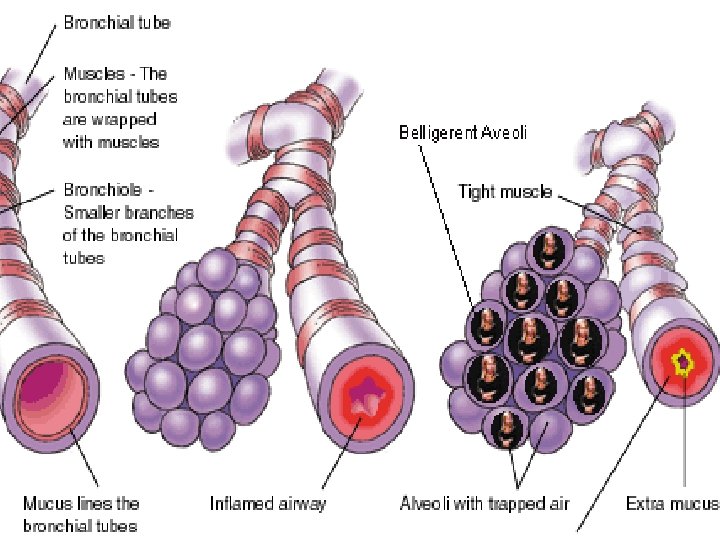
Asthma Airways react by narrowing or obstructing when they are irritated= bronchoconstriction Symptoms: wheezing coughing shortness of breath chest tightness
Provoking Factors Allergens (dust, mites, pollen, etc) Cold air Dust Strong fumes Exercise Inhaled irritants Emotional upsets Smoke
Causes of Asthma Unknown Could be: Genetic Immune defenses environment
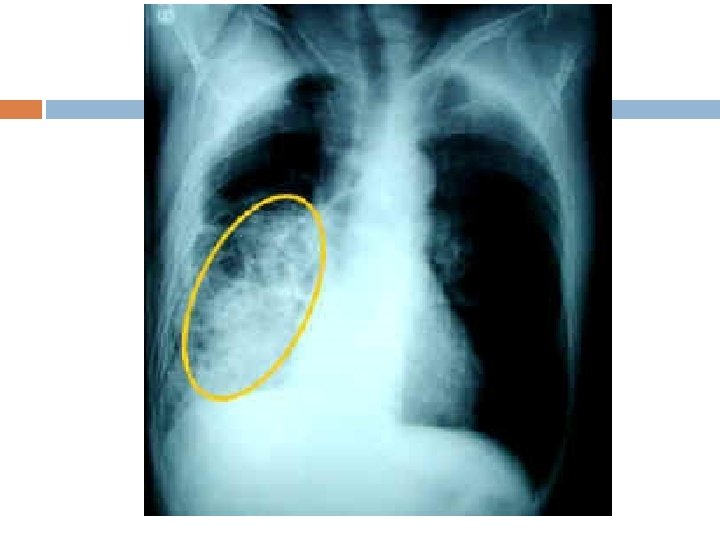
Pneumonia Inflammation of the lung: bacterial or viral may also be caused from infections that spread to the lungs through the bloodstream from other organs (50%: viral) Streptococcus pneumoniae: most common bacterial form
Symptoms/treatment Cough High Fever (104) Chest pain Shortness of breath
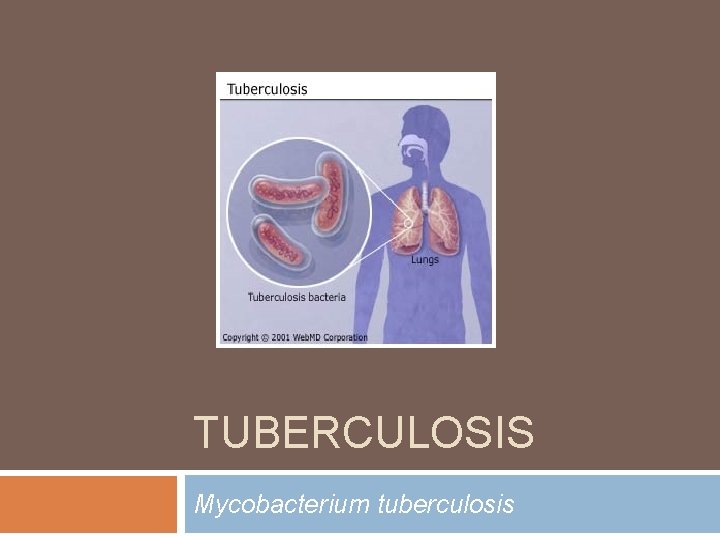
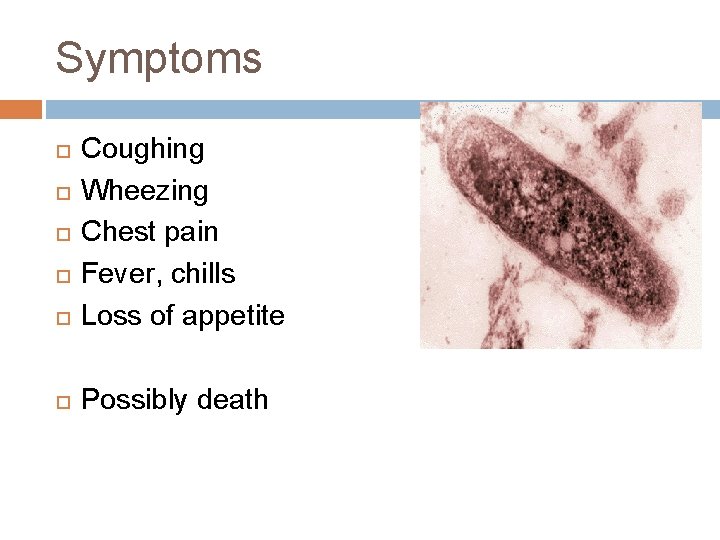
TUBERCULOSIS Mycobacterium tuberculosis
Characteristics Disease affecting the lungs, circulatory system, other organs Primarily Lungs 14. 6 million infected in 2004 Spread through air Once it enters the respiratory tract it begins to replicate eventually spreading to other parts of the body
Because the bacteria that cause tuberculosis are transmitted through the air, the disease can be quite contagious. To be at risk, you must be exposed to the organisms constantly, by living or working in close quarters with someone who has the active disease. bacteria generally stay dormant after they invade the body; only 10% of people infected with TB will ever come down with the active disease.
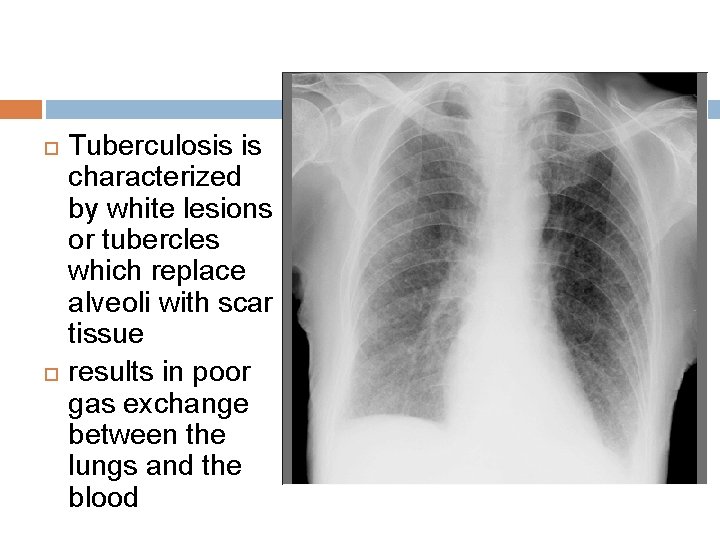
Tuberculosis is characterized by white lesions or tubercles which replace alveoli with scar tissue results in poor gas exchange between the lungs and the blood
Symptoms Coughing Wheezing Chest pain Fever, chills Loss of appetite Possibly death
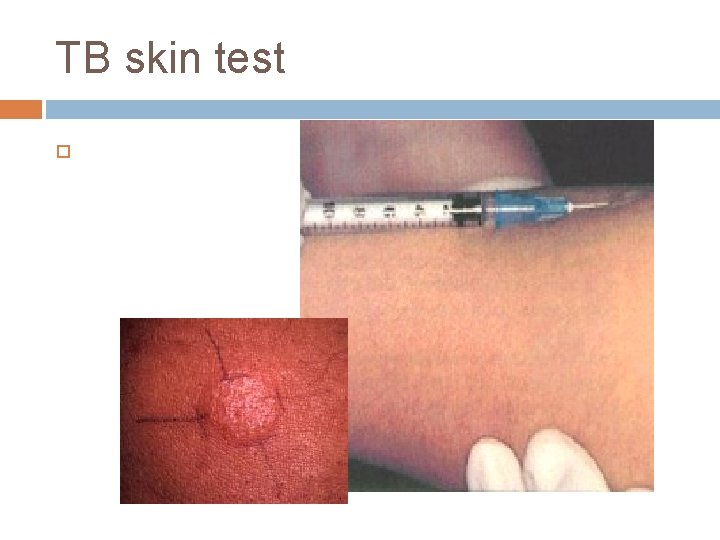
TB skin test
Sleep Apnea Responsible for Sudden infant death and snoring Apneas are obstructive and decreases oxygen getting to lungs Adults: stop breathing for 10 -20 s Symptoms: Fatigue, headache, depression and drawsiness