
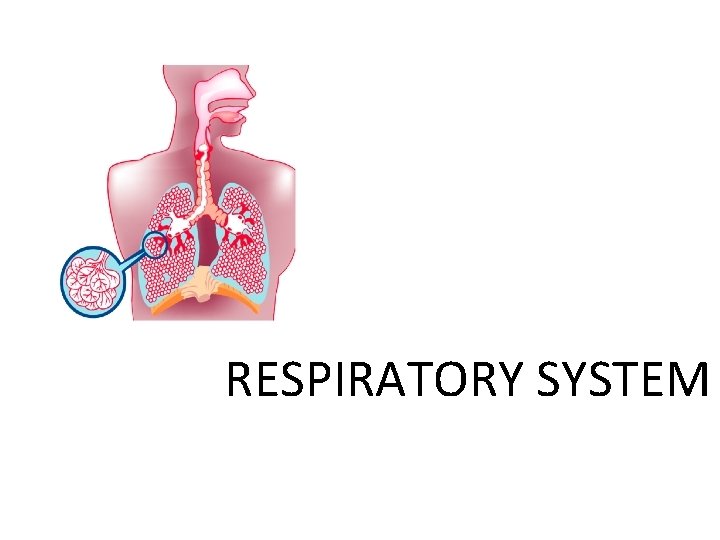
RESPIRATORY SYSTEM Function Exchange of O 2 and

- Slides: 35
RESPIRATORY SYSTEM
Function • Exchange of O 2 and CO 2 to ensure the survival of each cell Why do we need Oxygen? • For the combustion of nutrients so that energy can be produced
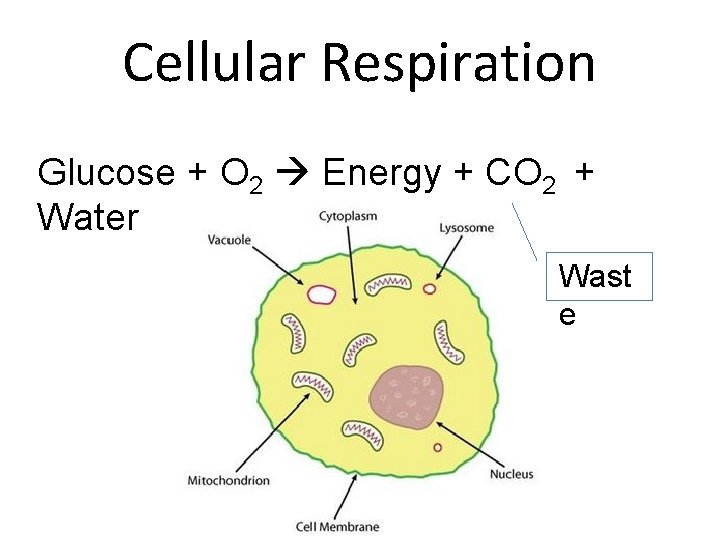
Cellular Respiration Glucose + O 2 Energy + CO 2 + Water Wast e
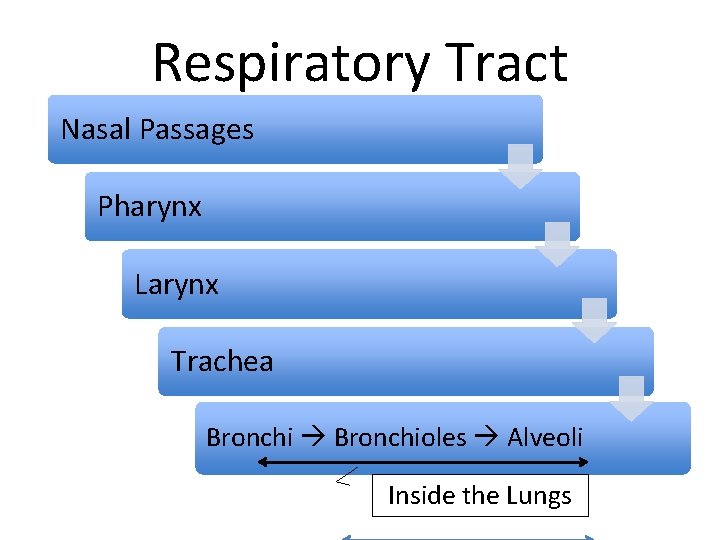
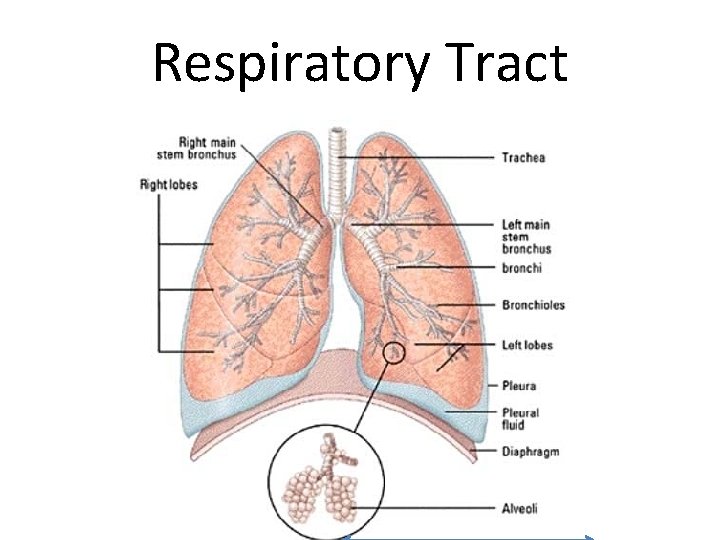
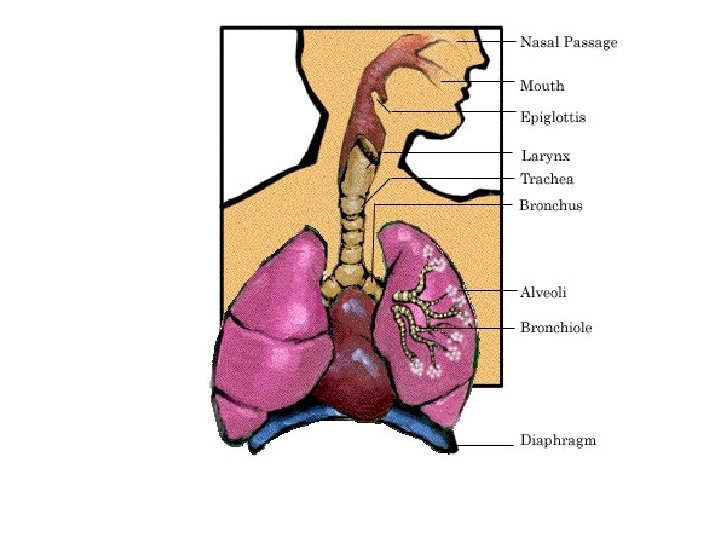
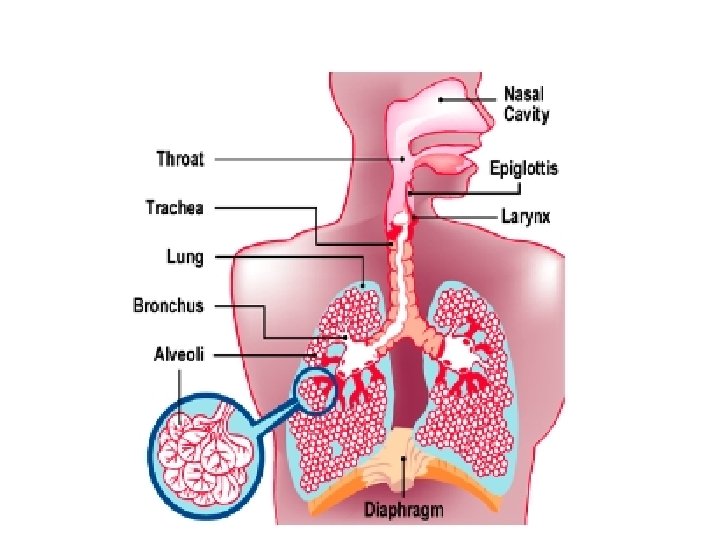
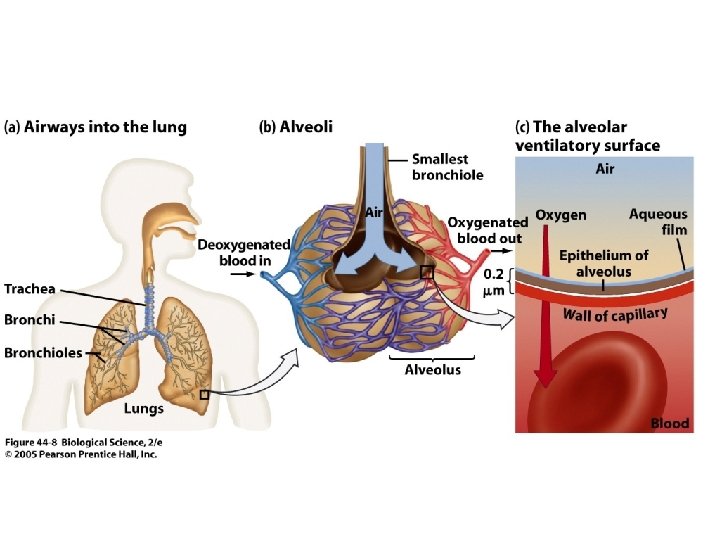
Respiratory Tract Nasal Passages Pharynx Larynx Trachea Bronchioles Alveoli Inside the Lungs
Respiratory Tract
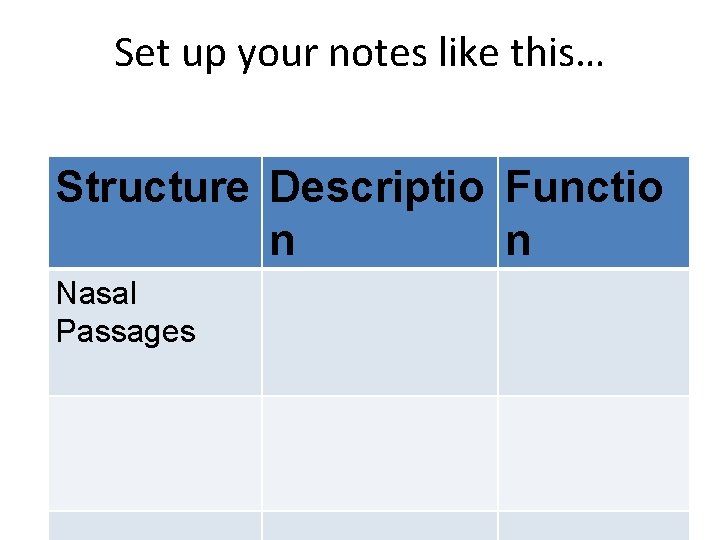
Set up your notes like this… Structure Descriptio Functio n n Nasal Passages
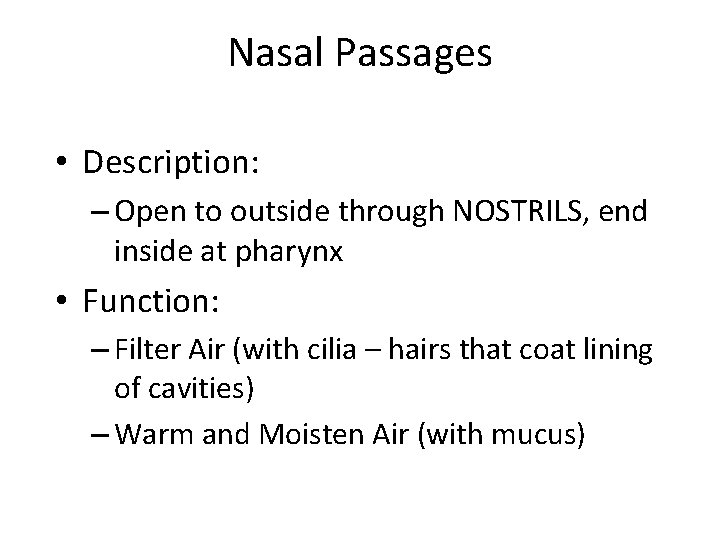
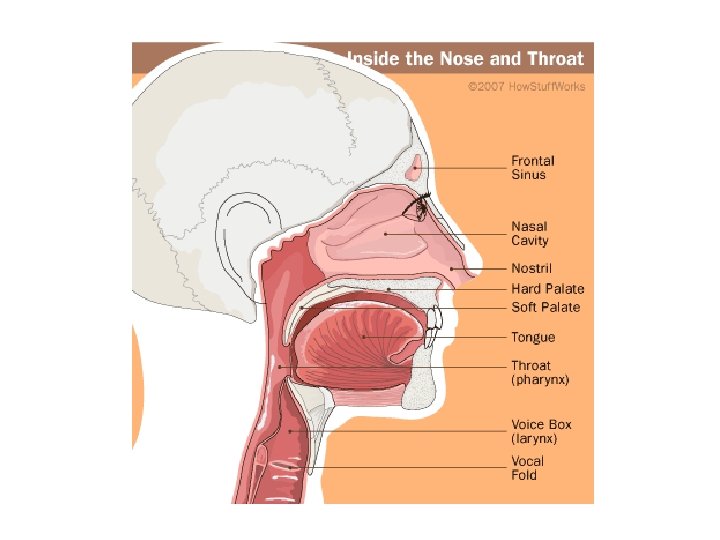
Nasal Passages • Description: – Open to outside through NOSTRILS, end inside at pharynx • Function: – Filter Air (with cilia – hairs that coat lining of cavities) – Warm and Moisten Air (with mucus)
Pharynx (throat) • Description: – Common Passageway – Respiratory and Digestive Tract • Function – Air towards Trachea – Food towards Esophagus (epiglottis seals trachea)
Larynx • Description: – Connects pharynx to trachea – Mostly cartilage – Housing for Vocal Chords • Function: – Carries Air – Produces sound (As we exhale, vocal chords vibrate and noise is produced. Words produced by movement of tongue. )
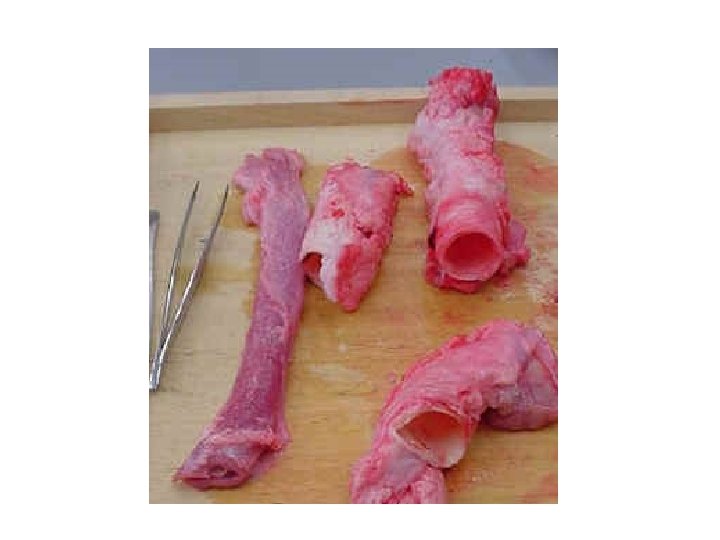
Trachea • Description: – Tube held open by cartilaginous rings – Located in front of esophagus • Function: – Filters air- sweeping motion of hair-like cilia towards pharynx – Warms and moistens air- mucus
Bronchi • Description: – Tubes from division of trachea – Cartilaginous rings – Branch into bronchioles once inside lungs • Function – Carry air to lungs
Bronchioles • Description: –Subdivisions of bronchi –Ends with a cluster of alveoli
Alveoli • Description: – Semi-permeable membrane that can allow O 2 and CO 2 to be exchanged • Function: – Functional unit of lung – where O 2 and CO 2 are exchanged
Lungs • Description: – 2 lungs – 5 lobes (3 right, 2 left) – Bronchi, bronchioles and alveoli found in lungs
Diaphragm • Description: –Muscle of respiration • Function: –Supports the lungs –Separates the thoracic and abdominal cavities
How O 2 and CO 2 are Exchanged Respiration (Part 2)
Main Concepts • Air is a mixture of gases • Air is COMPRESSIBLE – its volume can increase or decrease
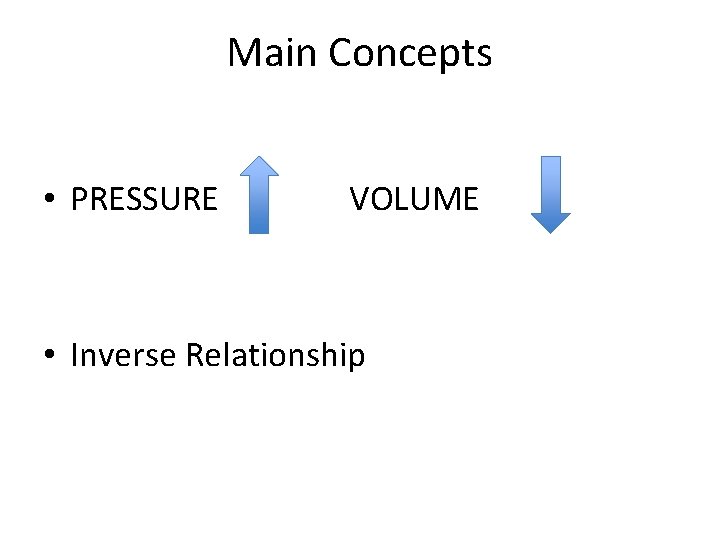
Main Concepts • PRESSURE VOLUME • Inverse Relationship
Main Concepts • Fluids flow from area of HIGH pressure to area of LOW pressure • (see Gizmo)
Main Concepts • There is pressure within the lungs and there is air pressure. • They must always be balanced • (EQUILIBRIUM)
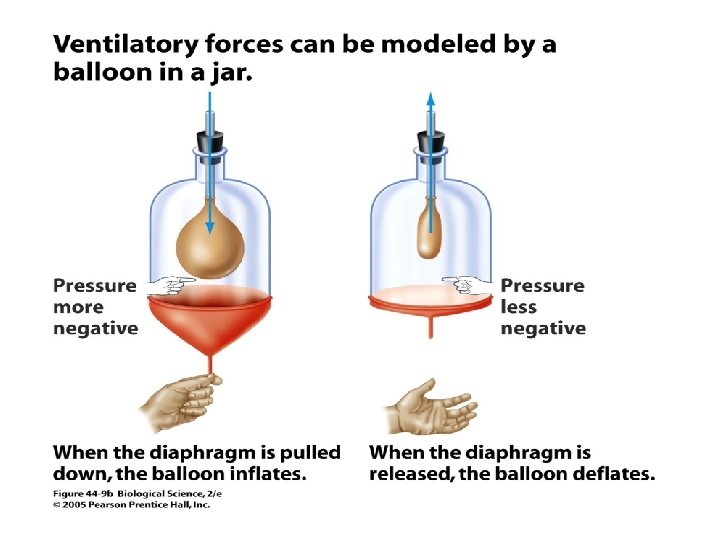
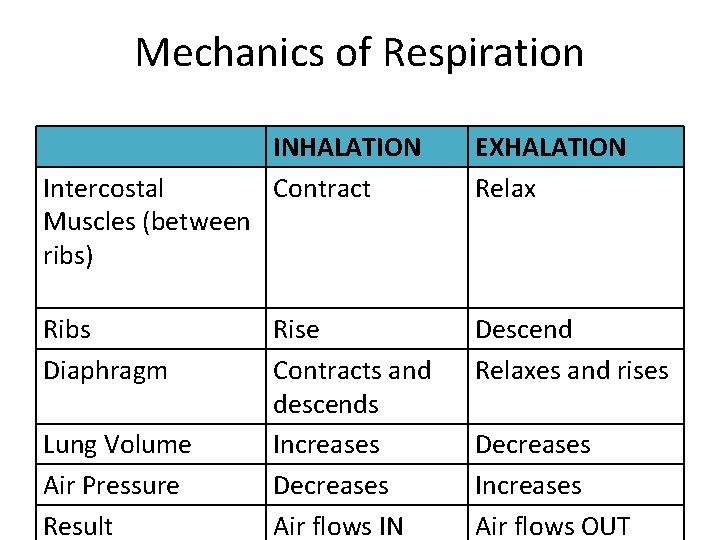
Mechanics of Respiration Intercostal Muscles (between ribs) Ribs Diaphragm Lung Volume Air Pressure Result INHALATION Contract EXHALATION Relax Rise Contracts and descends Increases Decreases Air flows IN Descend Relaxes and rises Decreases Increases Air flows OUT
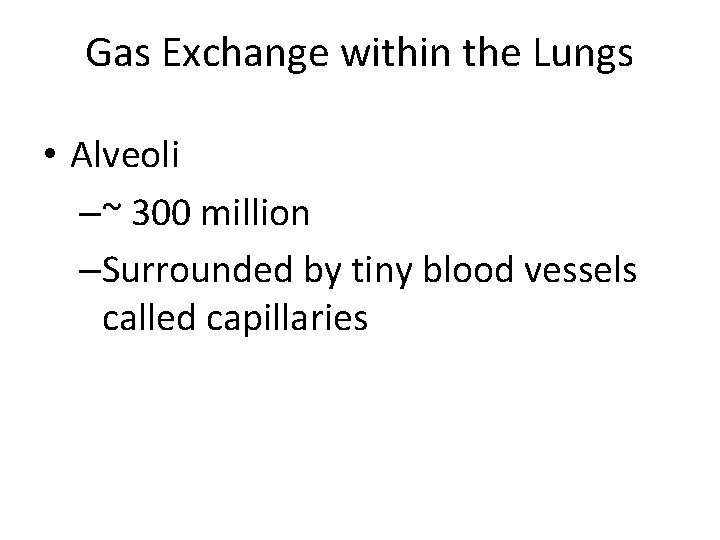
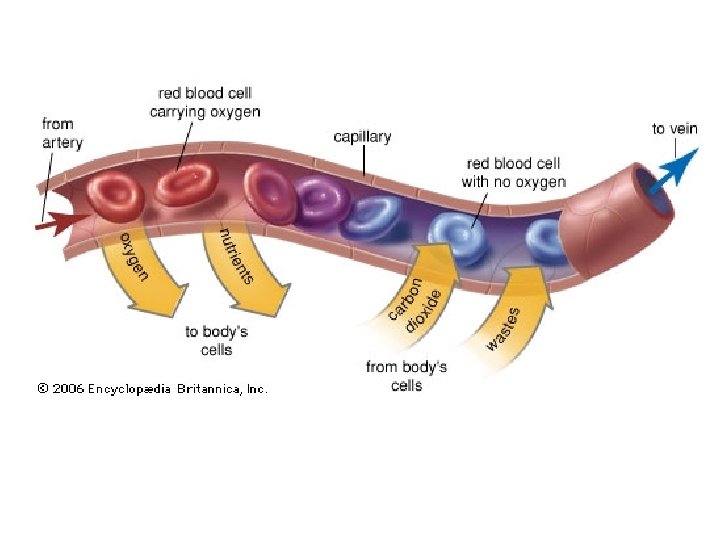
Gas Exchange within the Lungs • Alveoli –~ 300 million –Surrounded by tiny blood vessels called capillaries
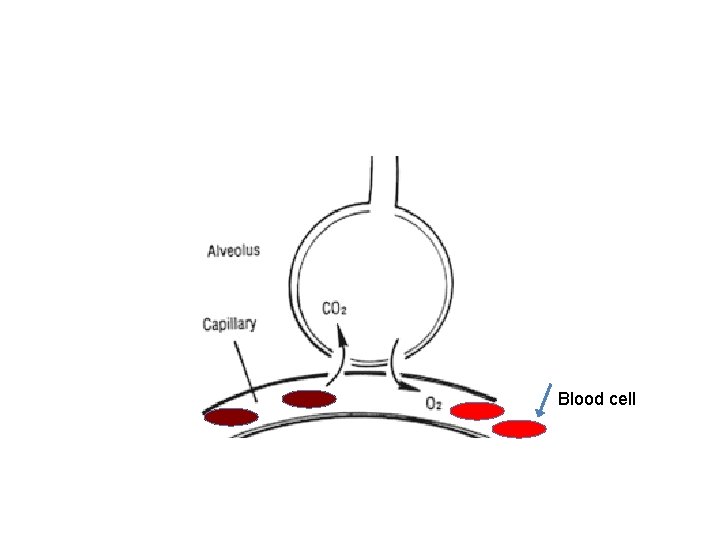
Blood cell
Diffusion • Molecules go from HIGH concentration to LOW concentration
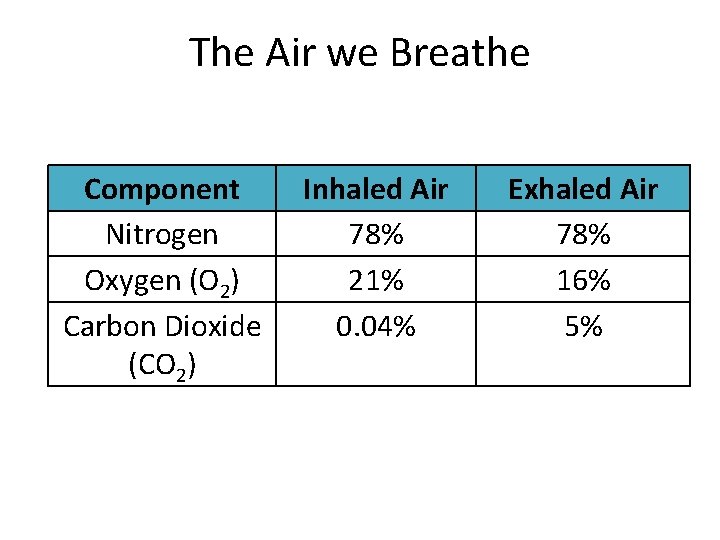
The Air we Breathe Component Nitrogen Oxygen (O 2) Carbon Dioxide (CO 2) Inhaled Air 78% 21% 0. 04% Exhaled Air 78% 16% 5%
Gas Exchange • O 2 diffuses from alveoli to blood • O 2: lung blood cell
Gas Exchange • CO 2 diffuses from blood to the alveoli • CO 2: cell blood lung
2 Types of Blood • Arterial – O 2 away from heart – Bright red • Venous – CO 2 to lungs – Dark red