
Respiratory System Chapter 10 Function of respiratory system
- Slides: 27
Respiratory System Chapter 10
Function of respiratory system
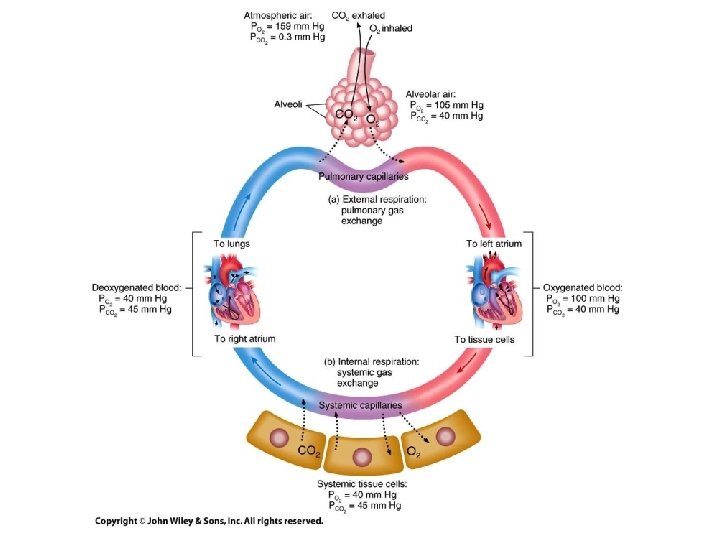
Respiration is more than simply breathing. . . it’s a 4 step process • breathing • external respiration • internal respiration • cellular respiration
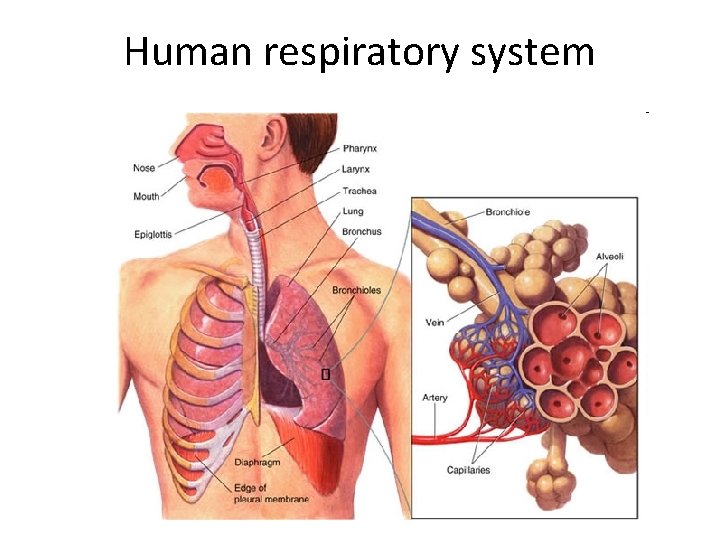
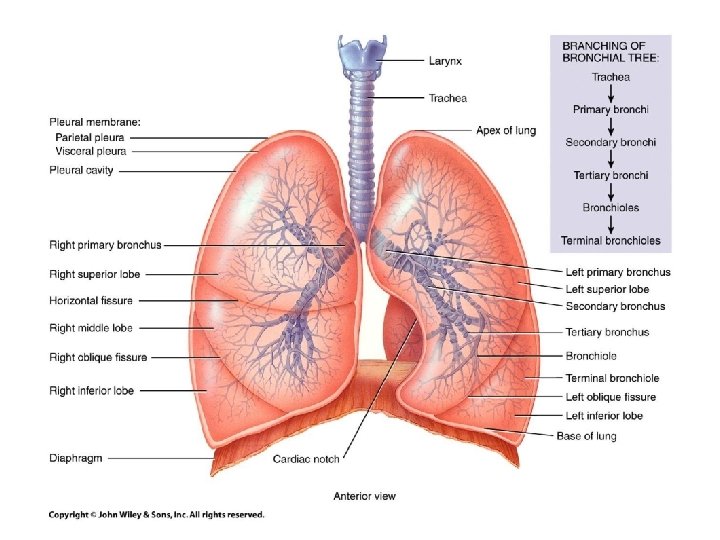
Structures of human respiratory system • nasal cavity • pharynx • larynx • trachea • bronchioles • alveoli • associated bones & muscles (which ones? )
Human respiratory system
System zones • conducting zone • respiratory zone
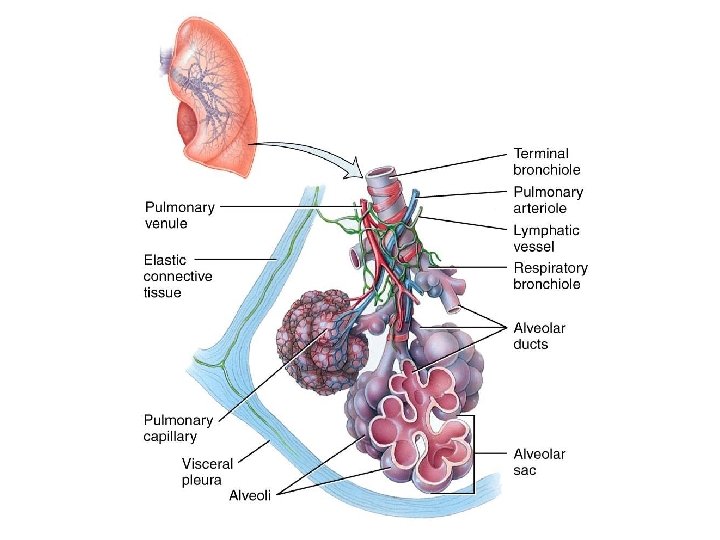
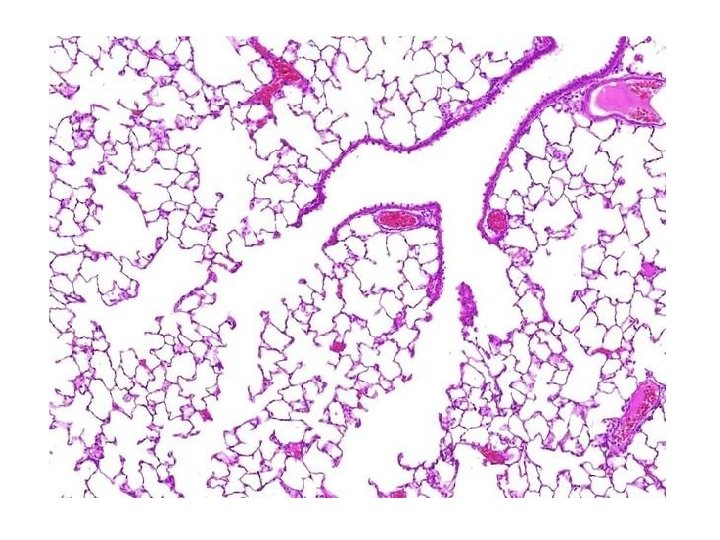
The alveoli
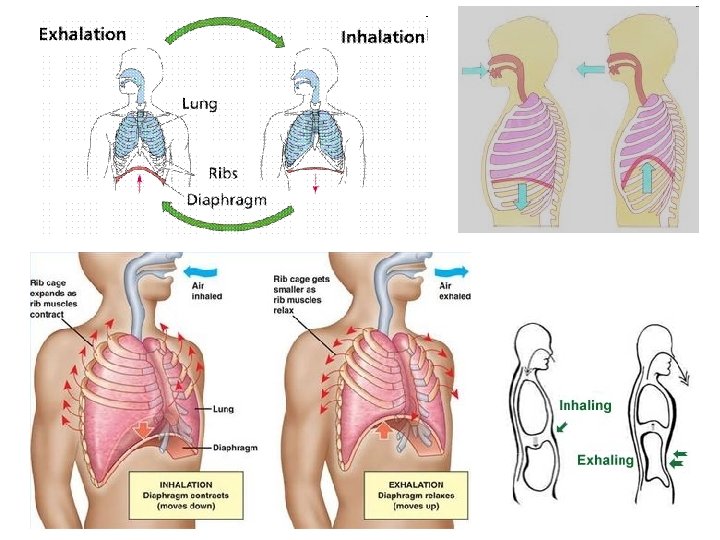
Ventilation
What causes inhalation?
Ventilation • both inspiration & expiration can be modified
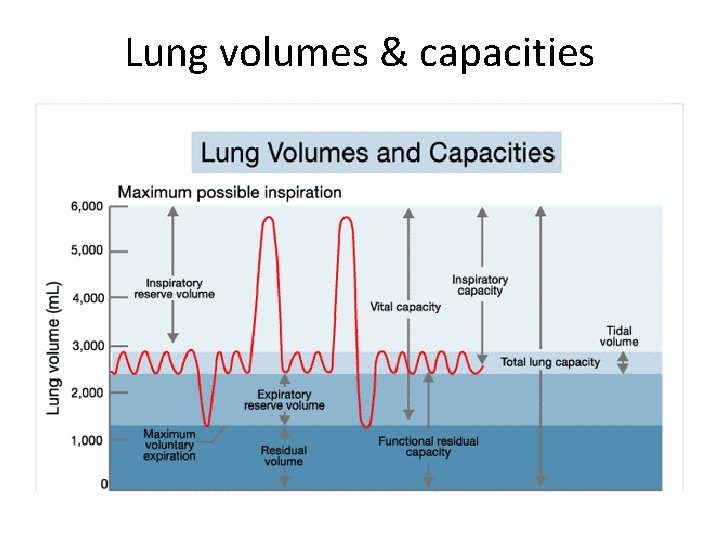
Lung volumes & capacities
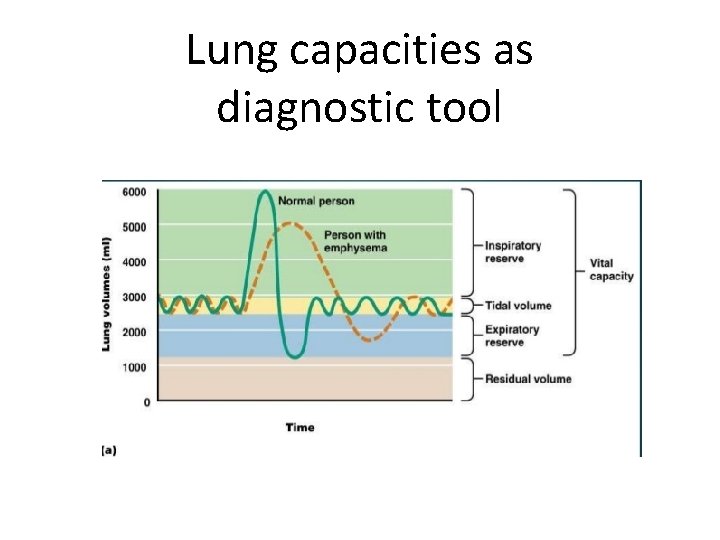
Lung capacities as diagnostic tool
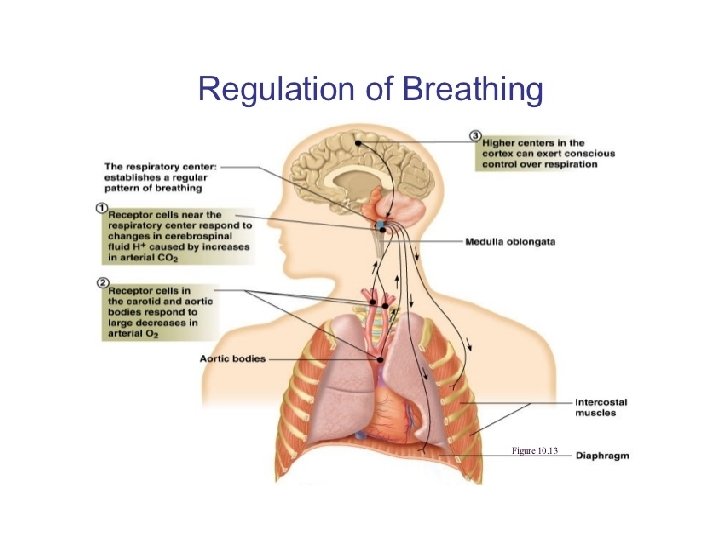
Regulation of breathing • Breathing is regulated by 2 neural pathways – central chemoreceptors – peripheral chemoreceptors – both types modify rate & depth of breathing
Effects of PCO 2 & p. H on ventilation
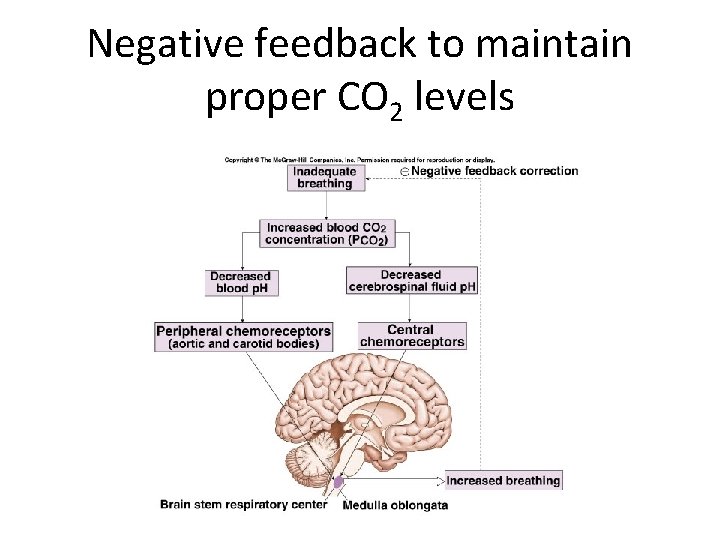
Negative feedback to maintain proper CO 2 levels
Effects of PO 2 on ventilation
O 2 transport in the blood
Loading & unloading of Hb • loading • unloading
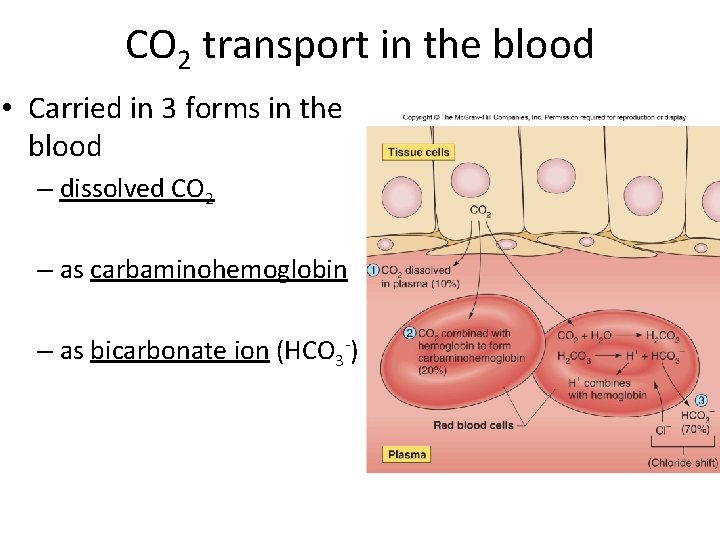
CO 2 transport in the blood • Carried in 3 forms in the blood – dissolved CO 2 – as carbaminohemoglobin – as bicarbonate ion (HCO 3 -)
Acid-base balance of blood • average p. H of blood is 7. 4 • fall in p. H below 7. 35 • rise in p. H above 7. 45
Malfunctioning respiratory system • chronic obstructive pulmonary disease (COPD) – constriction of airways due • Asthma – – to muscle contraction or inflammation reversible caused by genetic & environmental factors symptoms: coughing, wheezing, SOB, tight chest tx: inhalers with smooth muscle relaxers &/or antiinflammatories – lung disease with persistent poor airflow due to breakdown of lung tissue – non-reversible – caused primarily by smoking – symptoms: persistent cough, SOB, sputum production – tx: stop smoking, bronchodilators, O 2 therapy, lung transplant