
Respiratory System Anatomy Physiology II Tony Serino Ph
- Slides: 41
Respiratory System Anatomy & Physiology II Tony Serino, Ph. D. Biology Department Misericordia University
Respiration • External Respiration – The exchange of gas between the blood and external environment (usually includes ventilation) • Internal Respiration – The exchange of gas between the blood and the tissues • Cellular Respiration – Burning of fuel to produce energy within cells • Ventilation (Breathing) – Movement of air in and out of the lungs
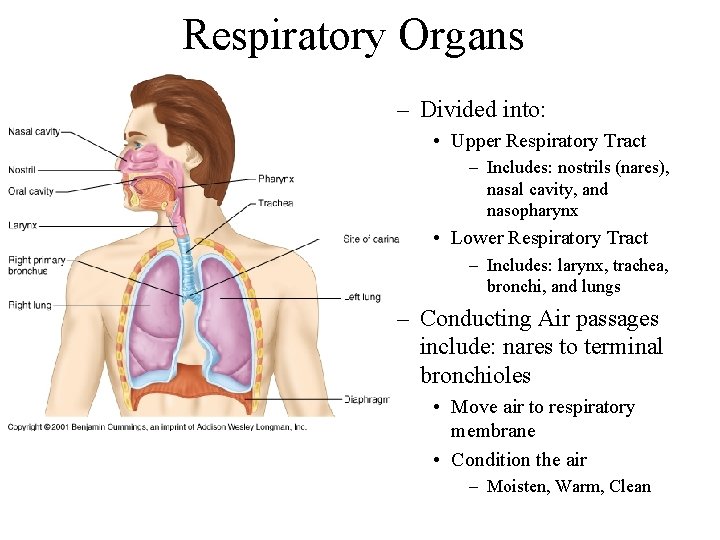
Respiratory Organs – Divided into: • Upper Respiratory Tract – Includes: nostrils (nares), nasal cavity, and nasopharynx • Lower Respiratory Tract – Includes: larynx, trachea, bronchi, and lungs – Conducting Air passages include: nares to terminal bronchioles • Move air to respiratory membrane • Condition the air – Moisten, Warm, Clean
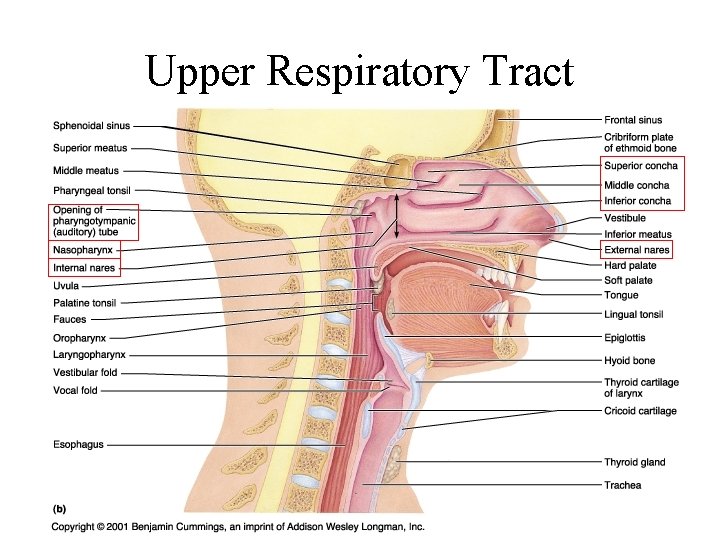
Upper Respiratory Tract
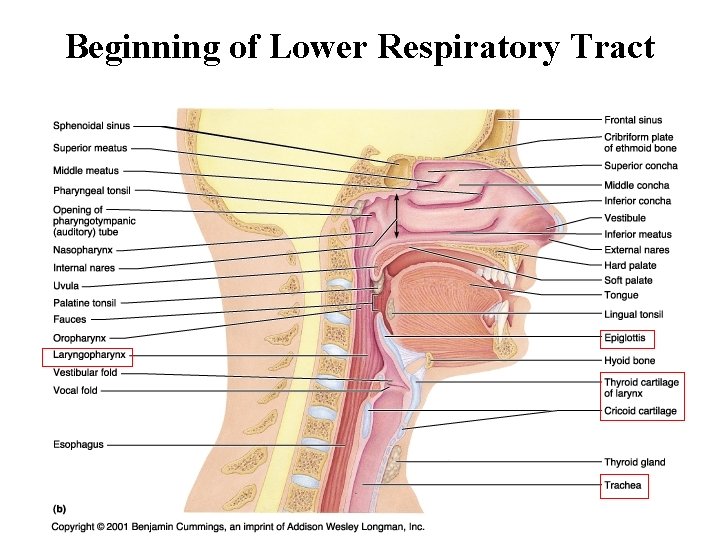
Beginning of Lower Respiratory Tract
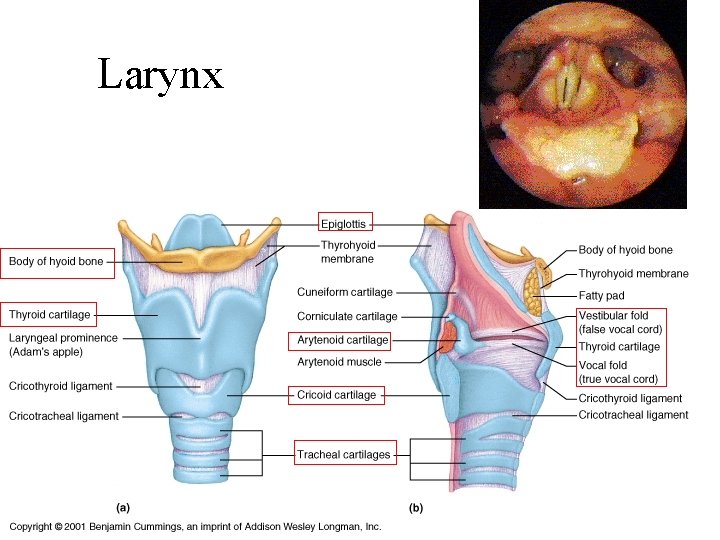
Larynx
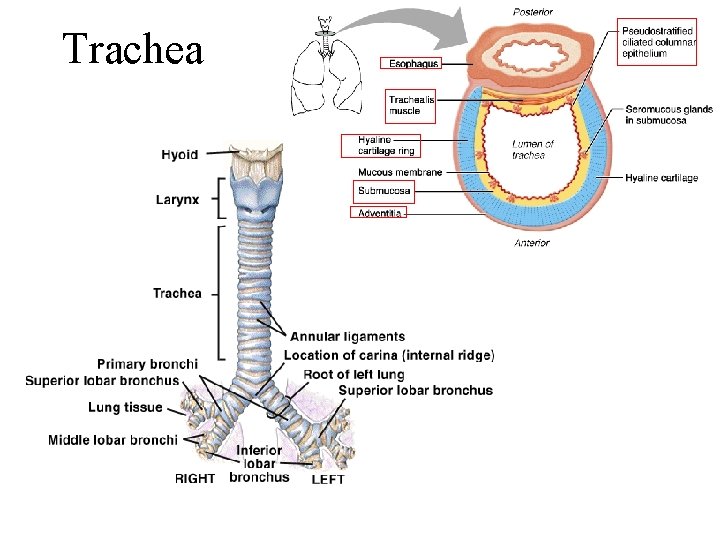
Trachea
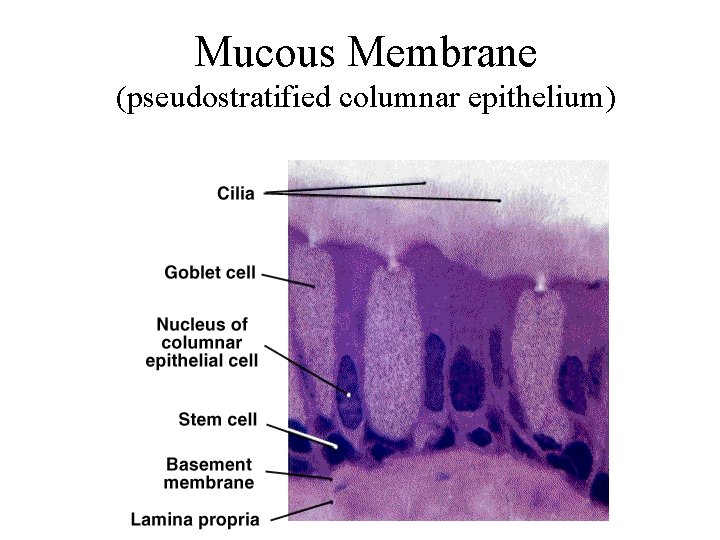
Mucous Membrane (pseudostratified columnar epithelium)
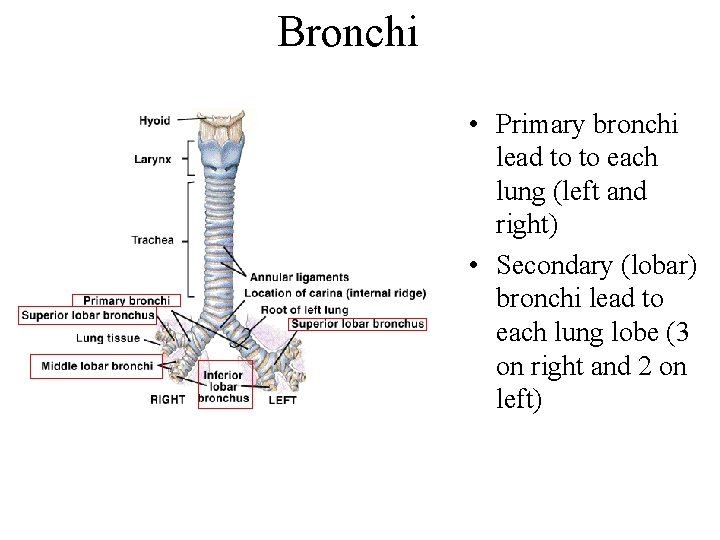
Bronchi • Primary bronchi lead to to each lung (left and right) • Secondary (lobar) bronchi lead to each lung lobe (3 on right and 2 on left)
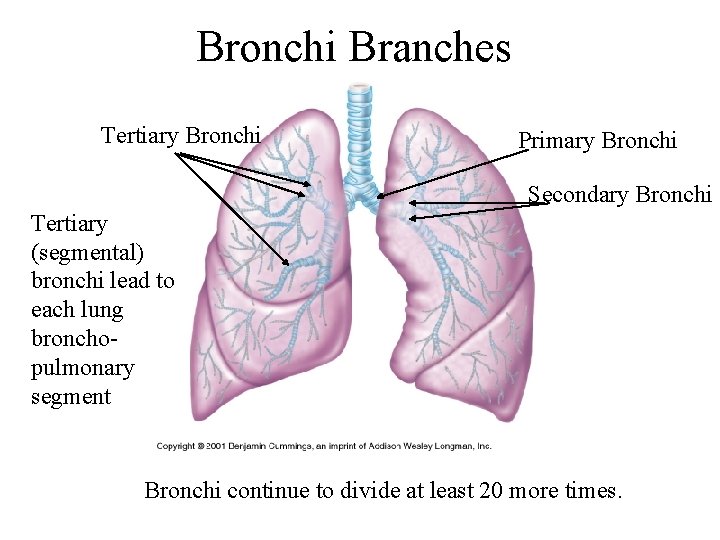
Bronchi Branches Tertiary Bronchi Primary Bronchi Secondary Bronchi Tertiary (segmental) bronchi lead to each lung bronchopulmonary segment Bronchi continue to divide at least 20 more times.
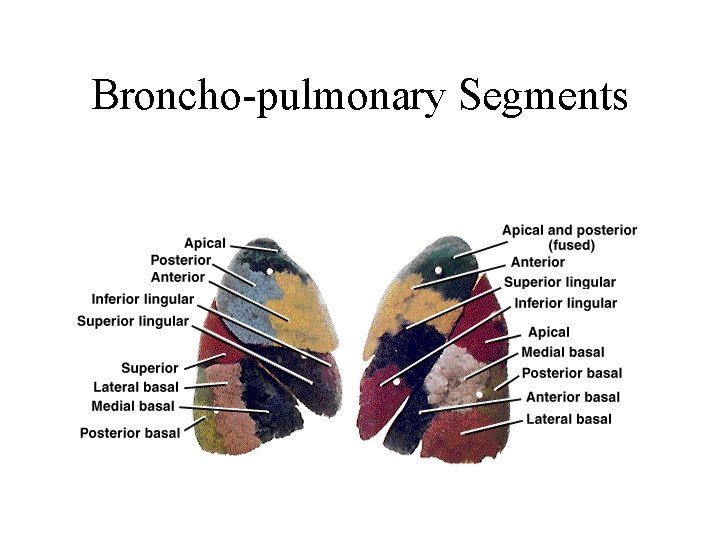
Broncho-pulmonary Segments
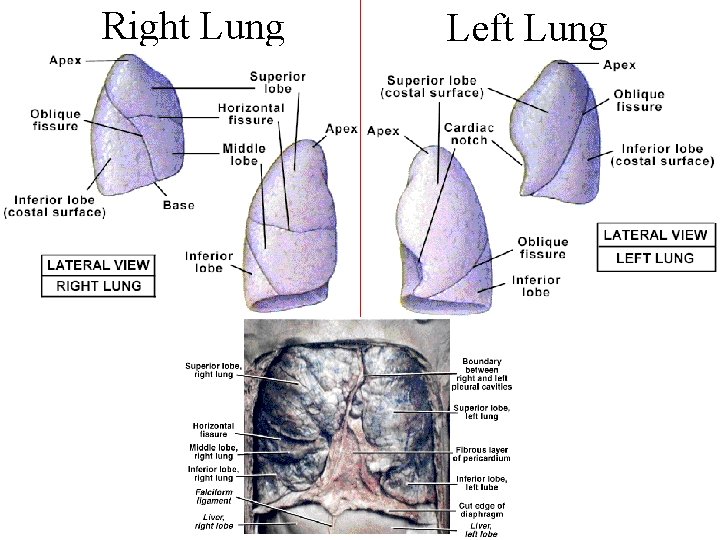
Right Lung Left Lung
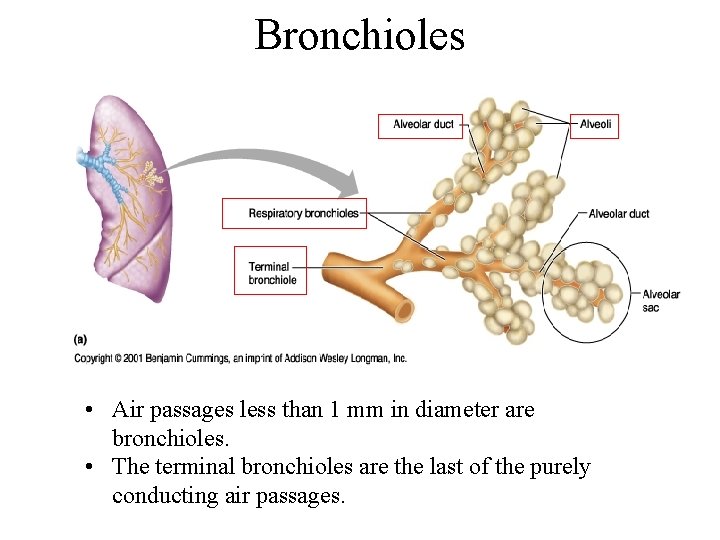
Bronchioles • Air passages less than 1 mm in diameter are bronchioles. • The terminal bronchioles are the last of the purely conducting air passages.
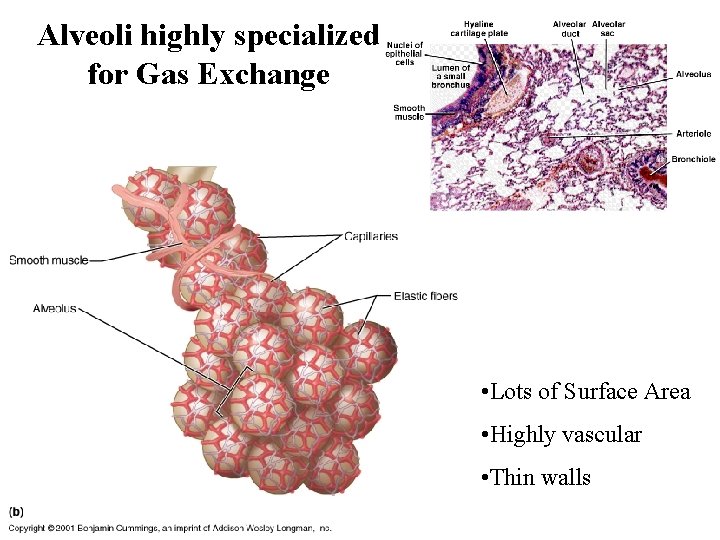
Alveoli highly specialized for Gas Exchange • Lots of Surface Area • Highly vascular • Thin walls
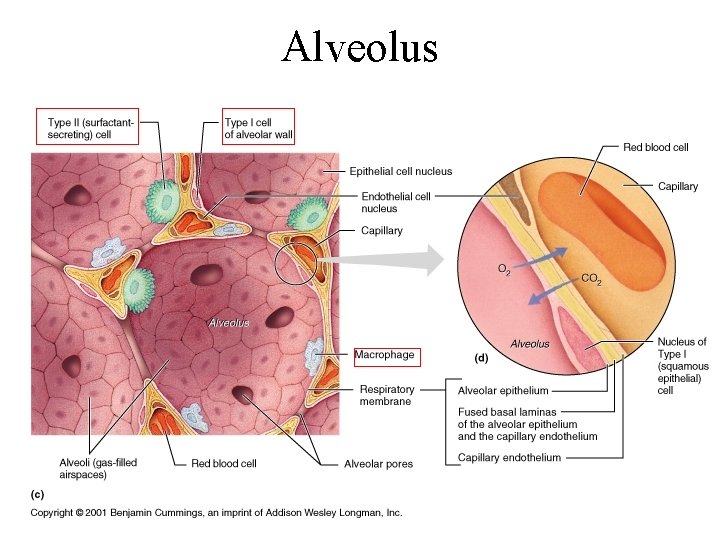
Alveolus
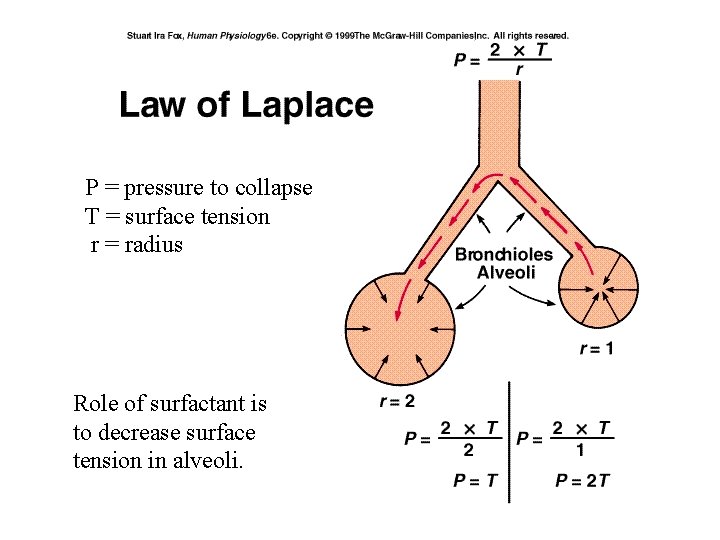
P = pressure to collapse T = surface tension r = radius Role of surfactant is to decrease surface tension in alveoli.
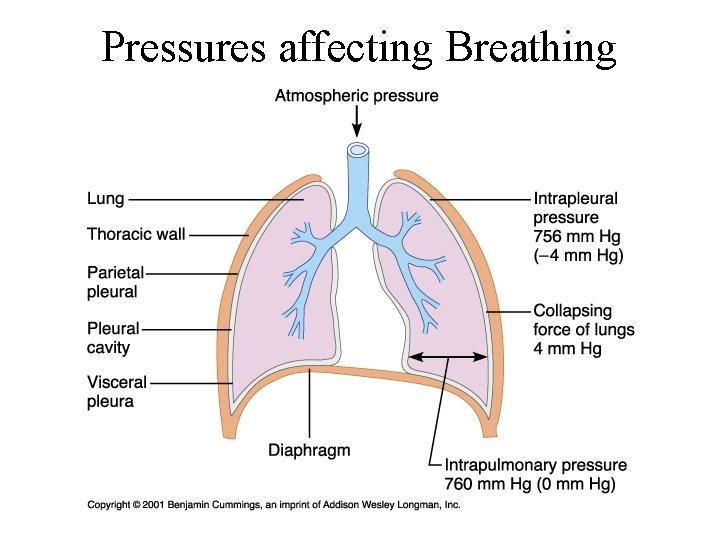
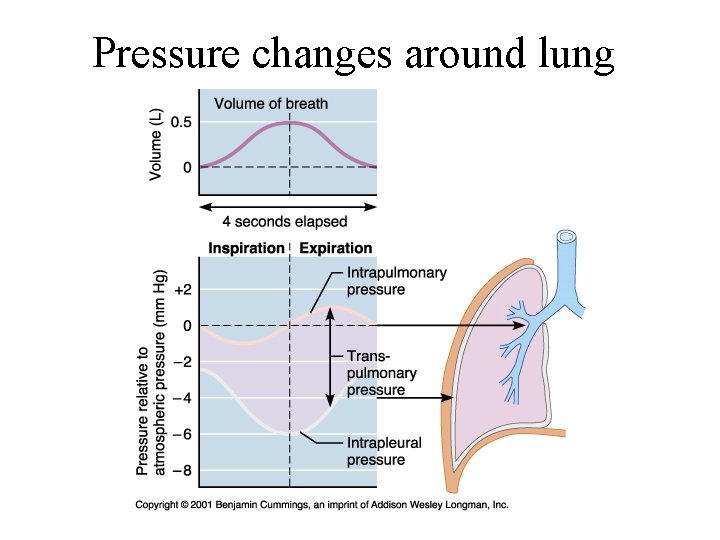
Pressures affecting Breathing
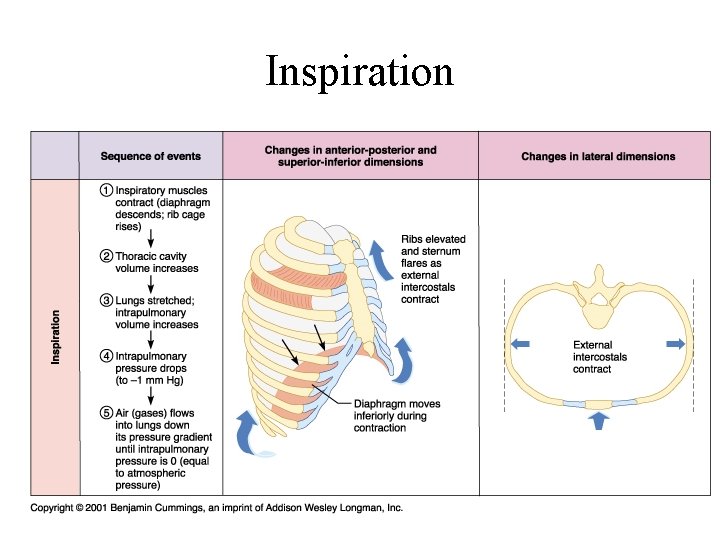
Inspiration
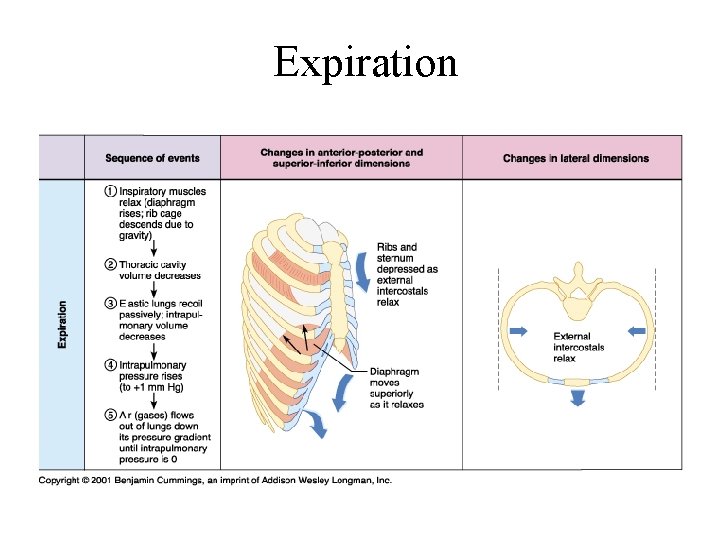
Expiration
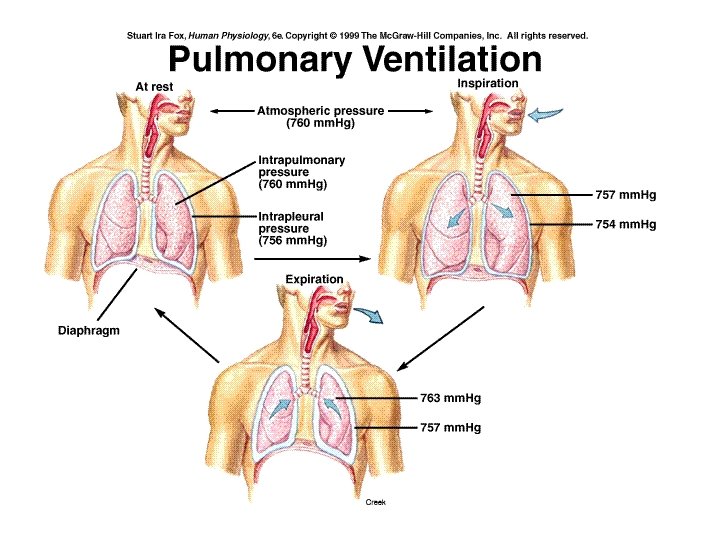
Pressure changes around lung
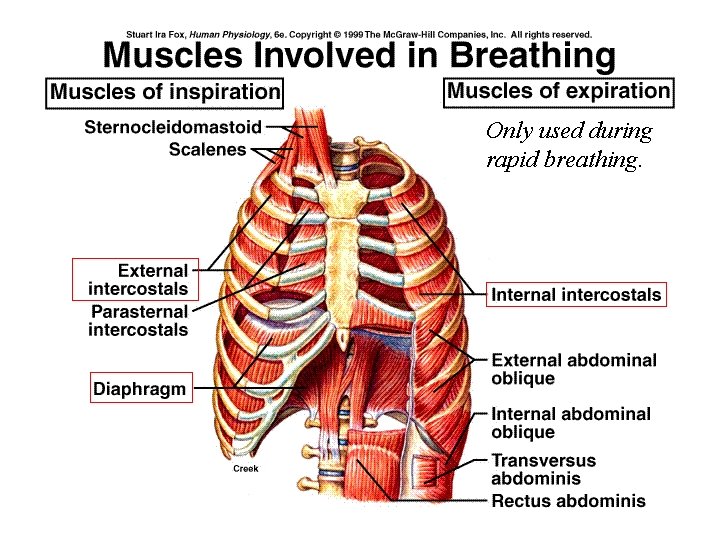
Only used during rapid breathing.
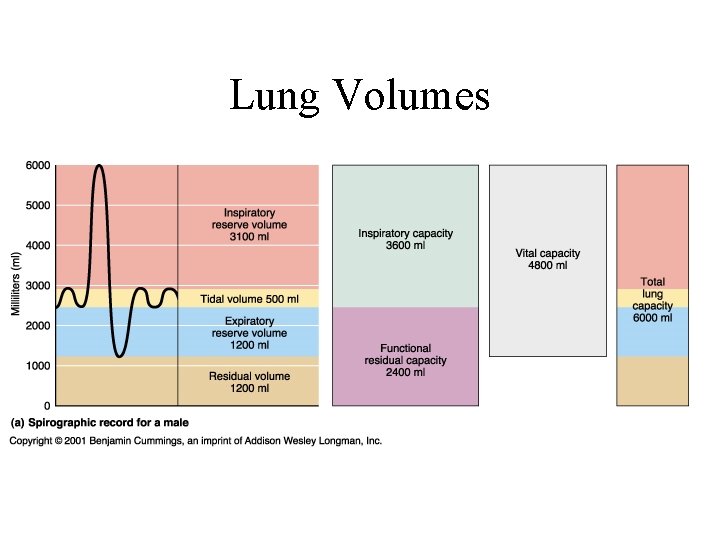
Lung Volumes
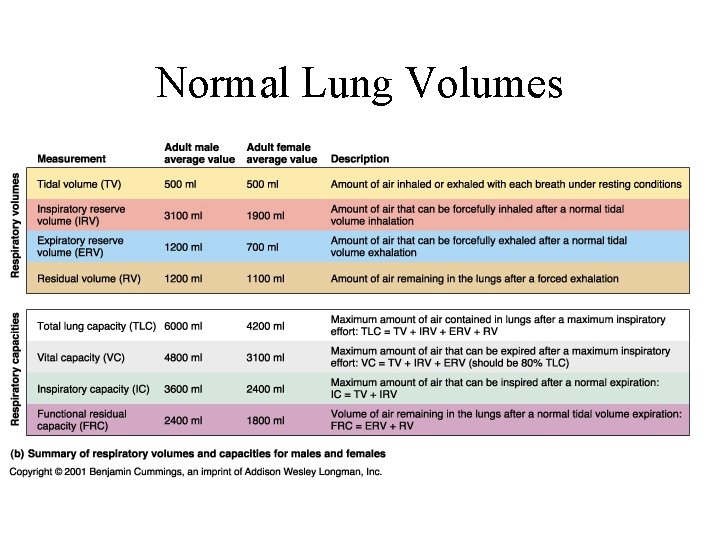
Normal Lung Volumes
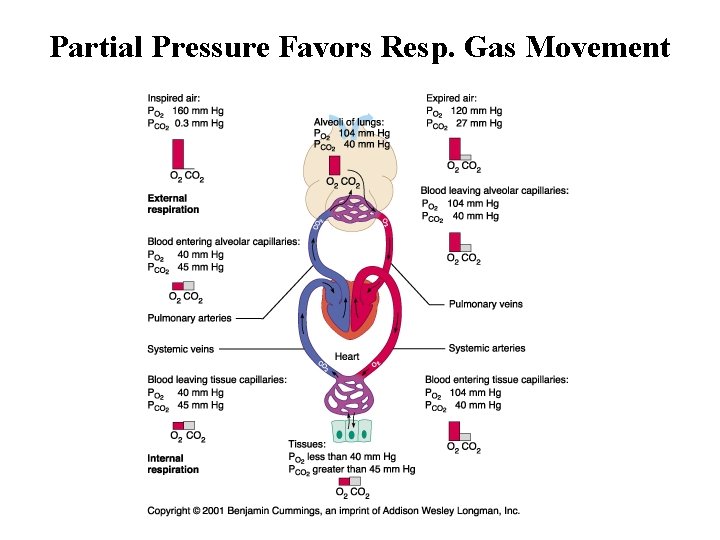
Partial Pressure Favors Resp. Gas Movement
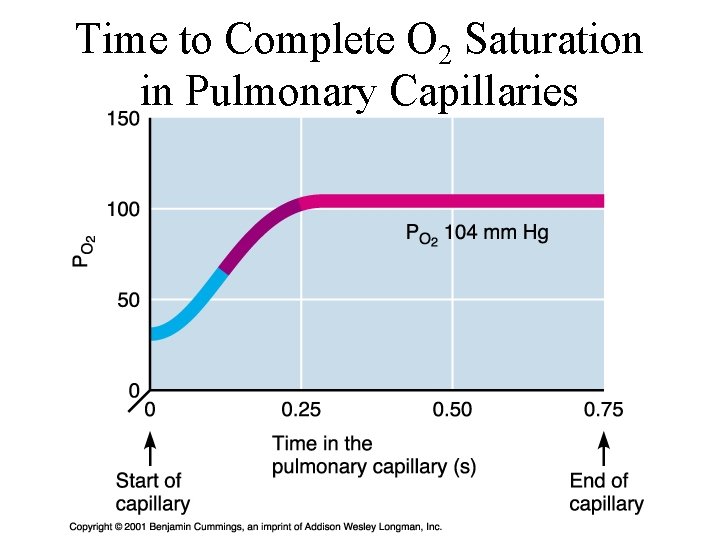
Time to Complete O 2 Saturation in Pulmonary Capillaries
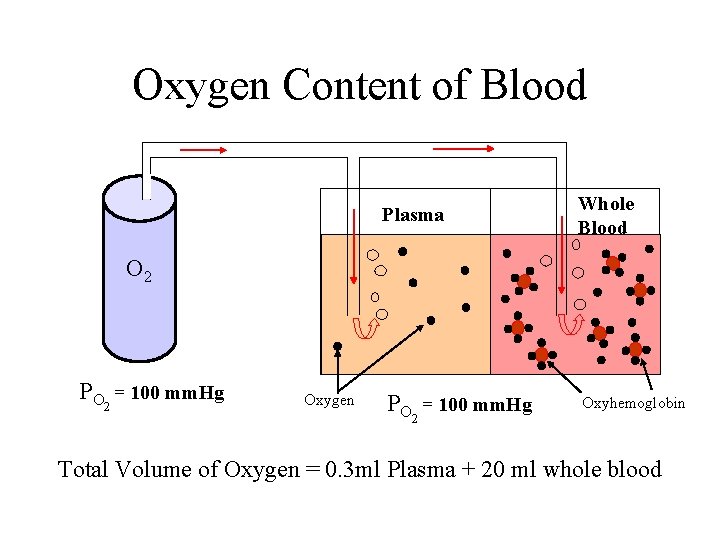
Oxygen Content of Blood Plasma Whole Blood PO = 100 mm. Hg Oxyhemoglobin O 2 PO = 100 mm. Hg 2 Oxygen 2 Total Volume of Oxygen = 0. 3 ml Plasma + 20 ml whole blood
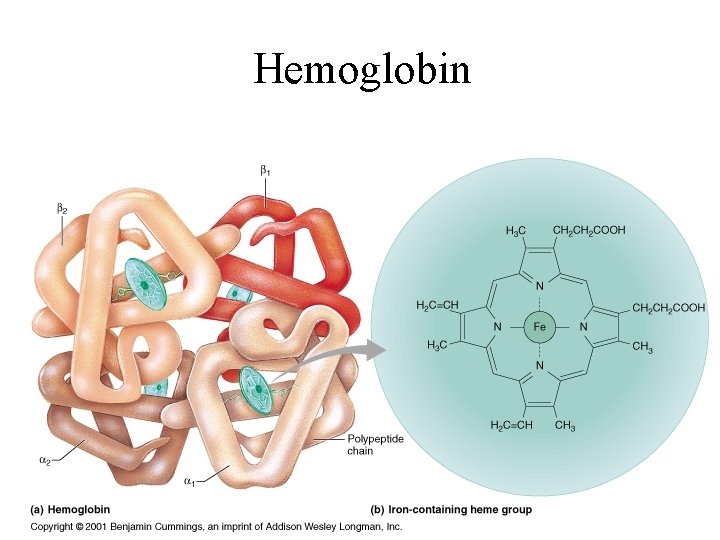
Hemoglobin
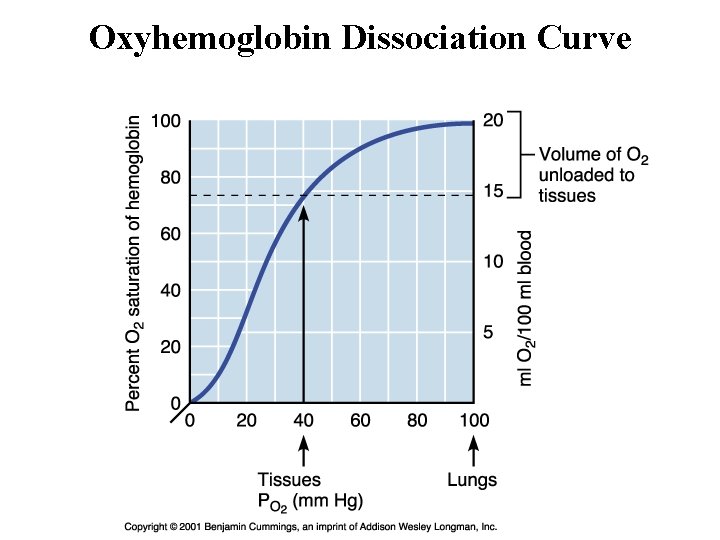
Oxyhemoglobin Dissociation Curve
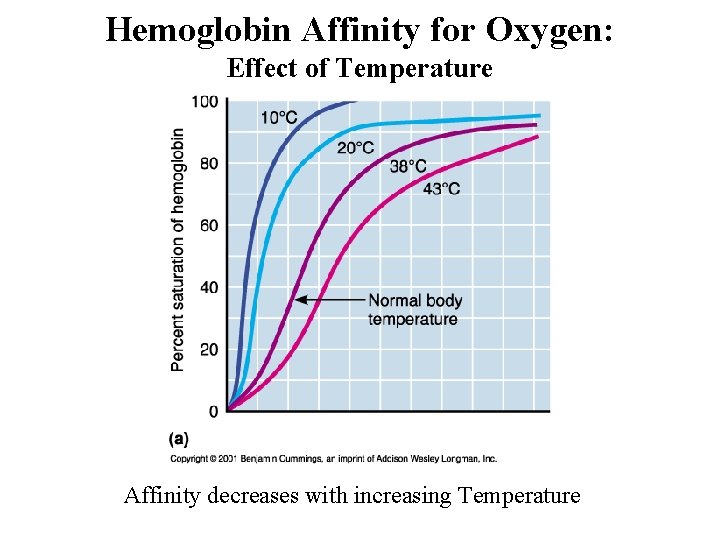
Hemoglobin Affinity for Oxygen: Effect of Temperature Affinity decreases with increasing Temperature
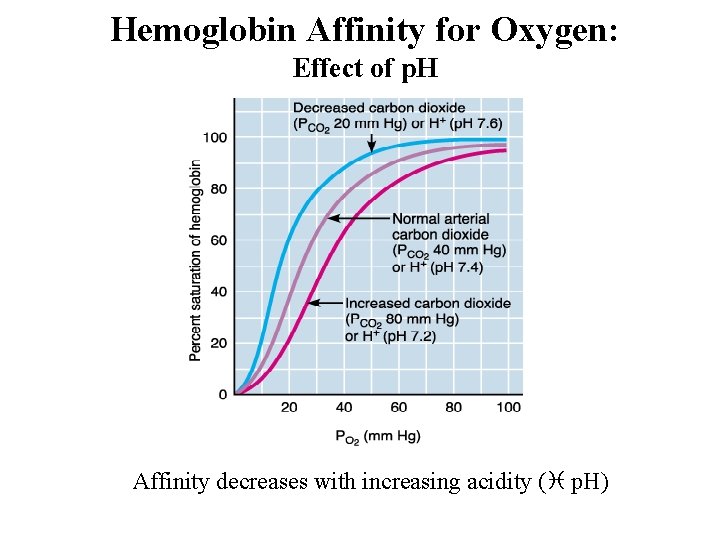
Hemoglobin Affinity for Oxygen: Effect of p. H Affinity decreases with increasing acidity (i p. H)
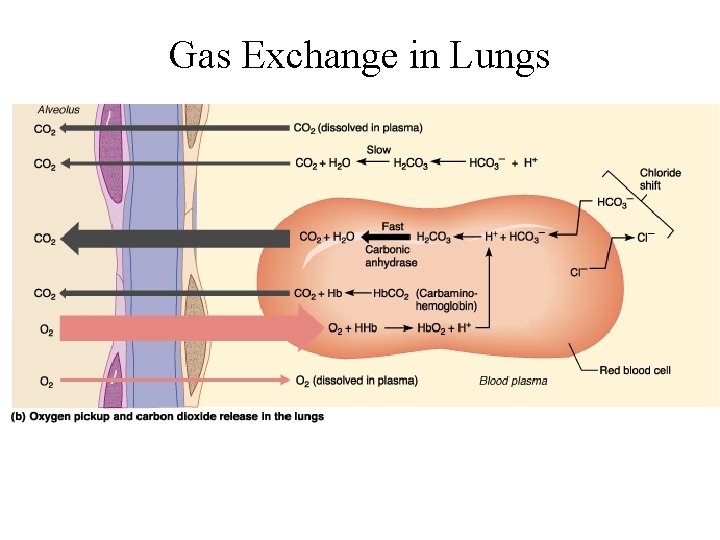
Gas Exchange in Lungs
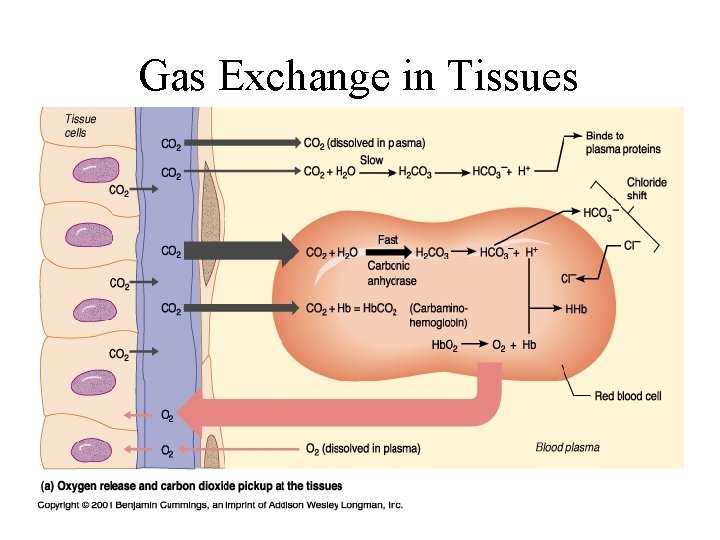
Gas Exchange in Tissues
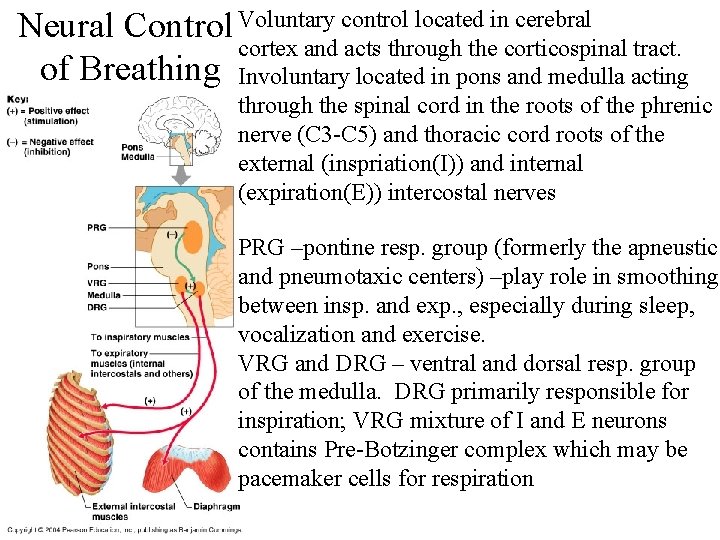
Neural Control Voluntary control located in cerebral cortex and acts through the corticospinal tract. of Breathing Involuntary located in pons and medulla acting through the spinal cord in the roots of the phrenic nerve (C 3 -C 5) and thoracic cord roots of the external (inspriation(I)) and internal (expiration(E)) intercostal nerves PRG –pontine resp. group (formerly the apneustic and pneumotaxic centers) –play role in smoothing between insp. and exp. , especially during sleep, vocalization and exercise. VRG and DRG – ventral and dorsal resp. group of the medulla. DRG primarily responsible for inspiration; VRG mixture of I and E neurons contains Pre-Botzinger complex which may be pacemaker cells for respiration
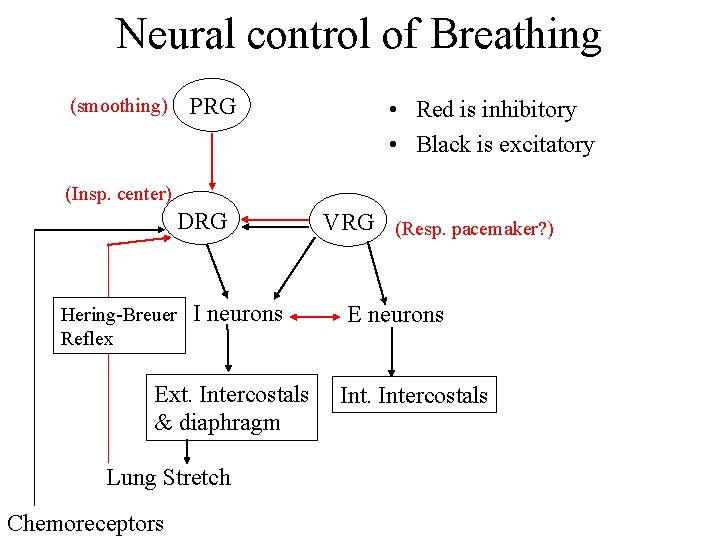
Neural control of Breathing PRG (smoothing) • Red is inhibitory • Black is excitatory (Insp. center) DRG Hering-Breuer Reflex I neurons Ext. Intercostals & diaphragm Lung Stretch Chemoreceptors VRG (Resp. pacemaker? ) E neurons Intercostals
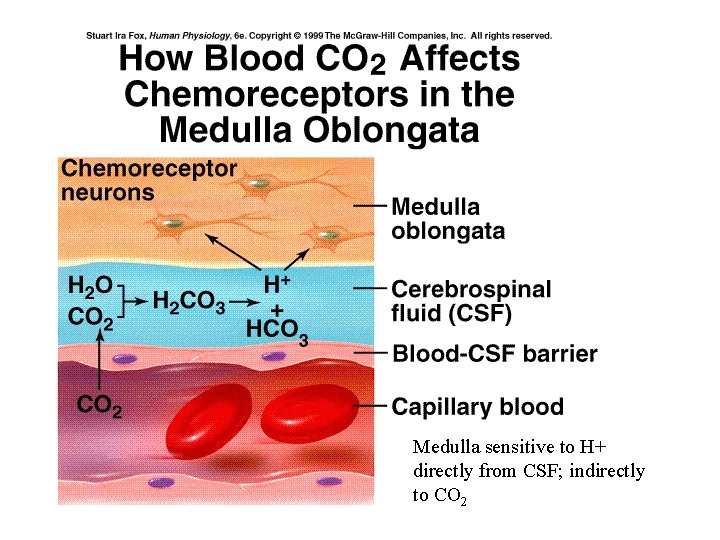
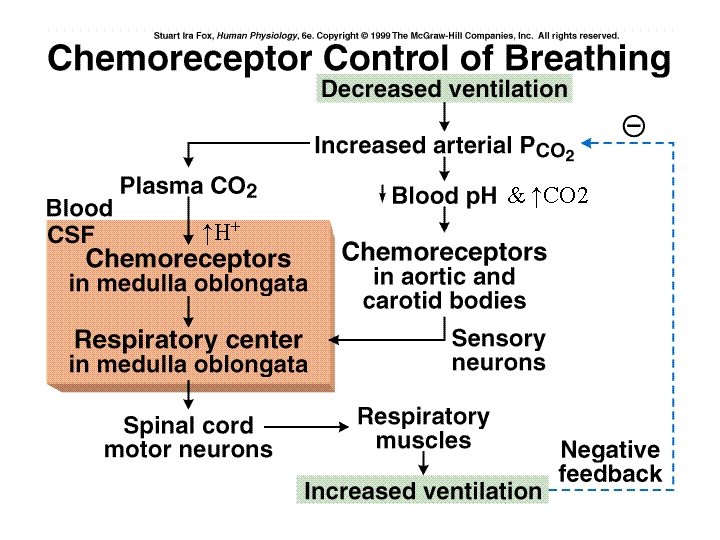
Medulla sensitive to H+ directly from CSF; indirectly to CO 2
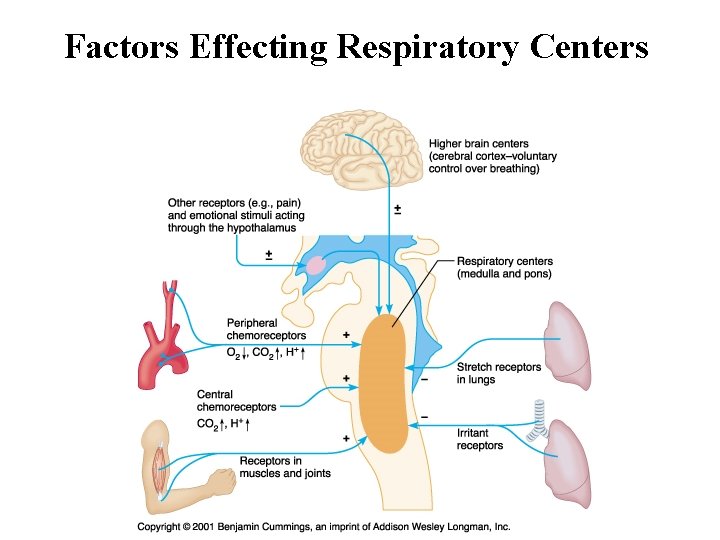
Factors Effecting Respiratory Centers
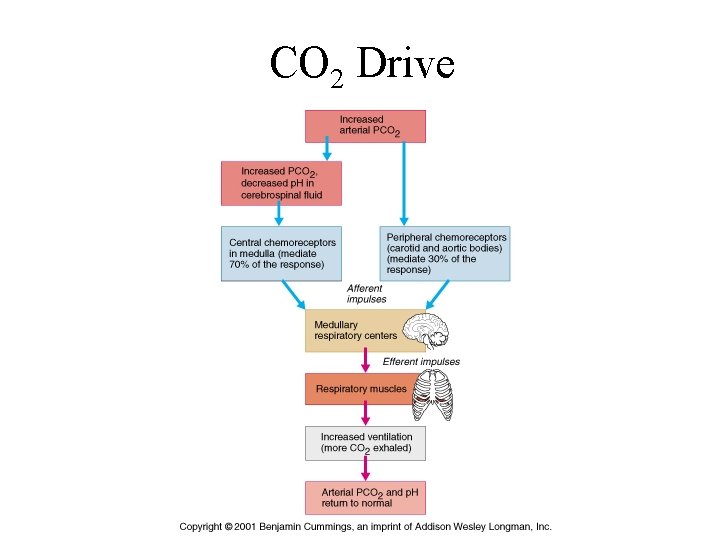
CO 2 Drive
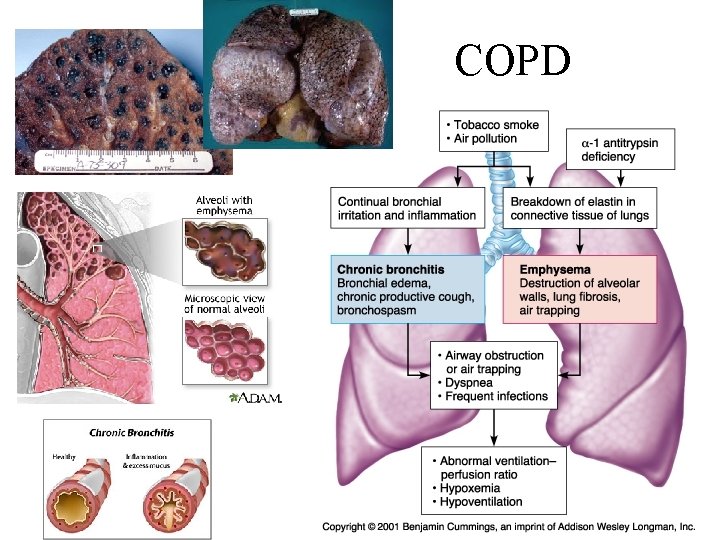
COPD