
Respiratory Physiology heart heart circuitry heart circuitry tissues



![Shift to the right % hemoglobin saturation 100 temperature p. H [H+] 2, 3](https://slidetodoc.com/presentation_image/6648d80166fa4b61ce0a4f2b87f9aeb2/image-80.jpg "Shift to the right % hemoglobin saturation 100 temperature p. H [H+] 2, 3")
![Shift to the left % hemoglobin saturation 100 temperature p. H [H+] 2, 3](https://slidetodoc.com/presentation_image/6648d80166fa4b61ce0a4f2b87f9aeb2/image-81.jpg "Shift to the left % hemoglobin saturation 100 temperature p. H [H+] 2, 3")
- Slides: 88
Respiratory Physiology
heart
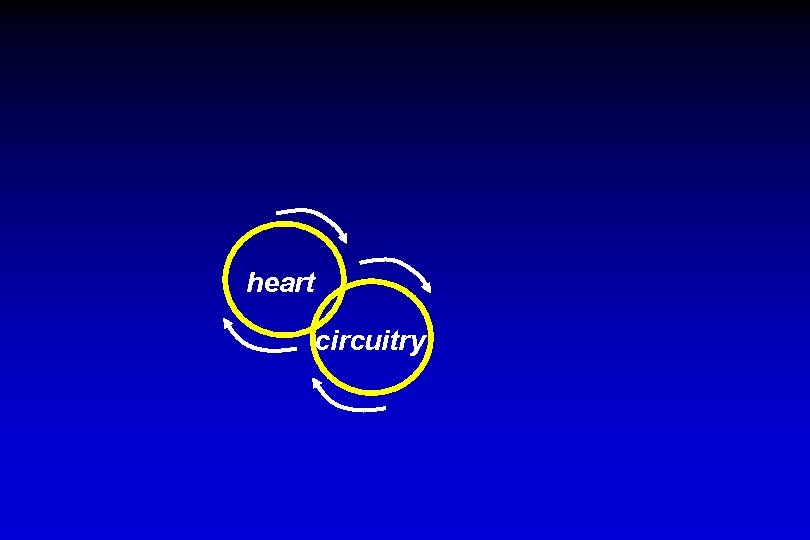
heart circuitry
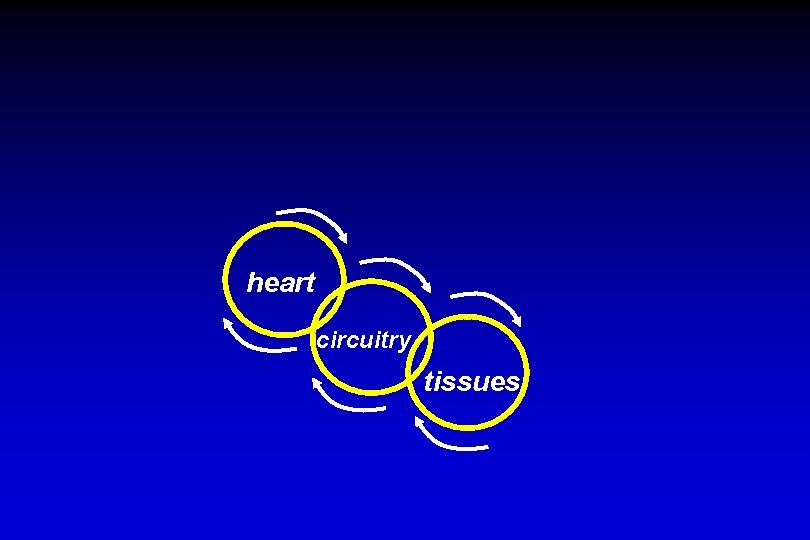
heart circuitry tissues
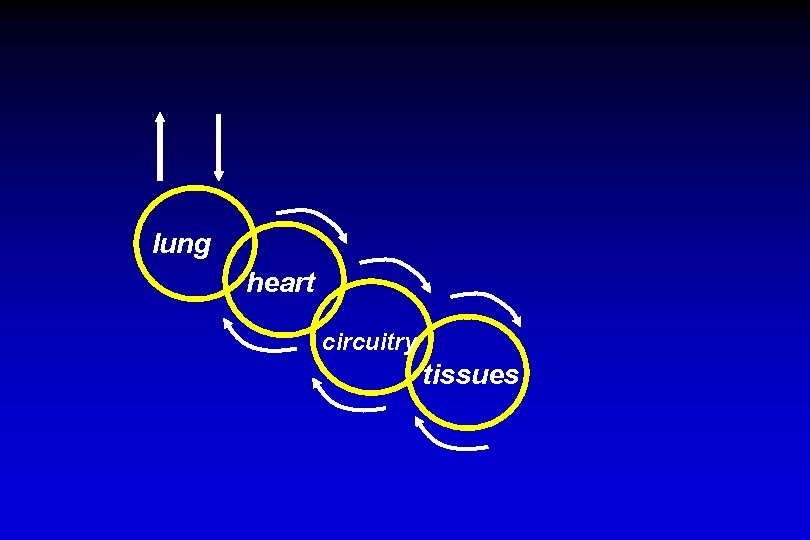
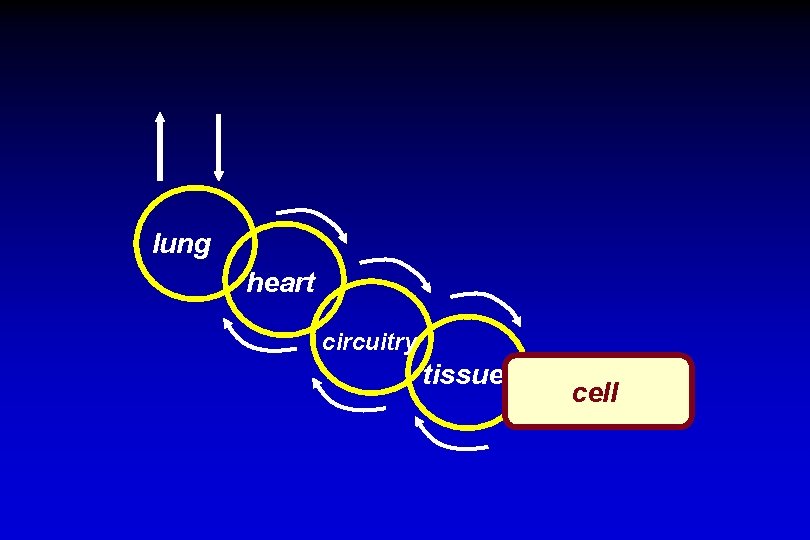
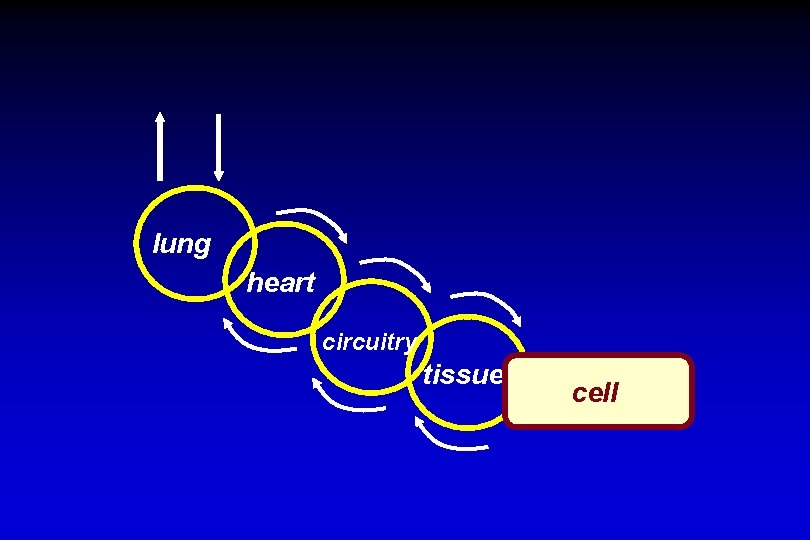
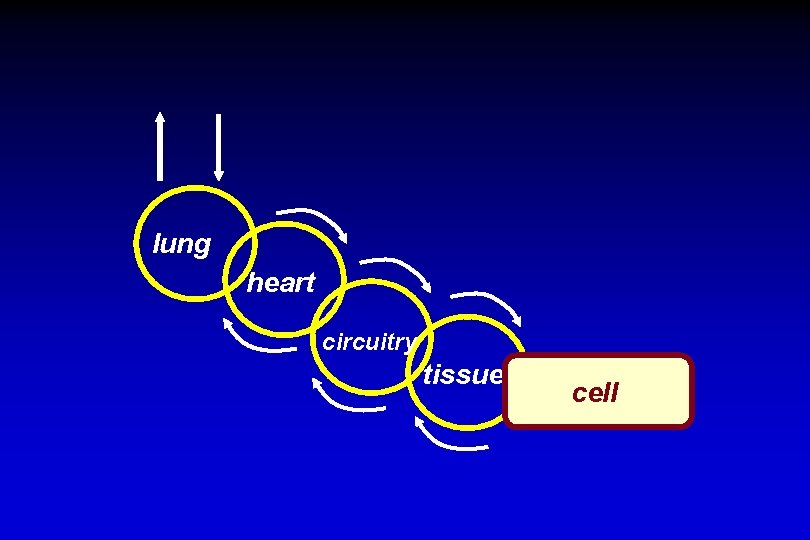
lung heart circuitry tissues
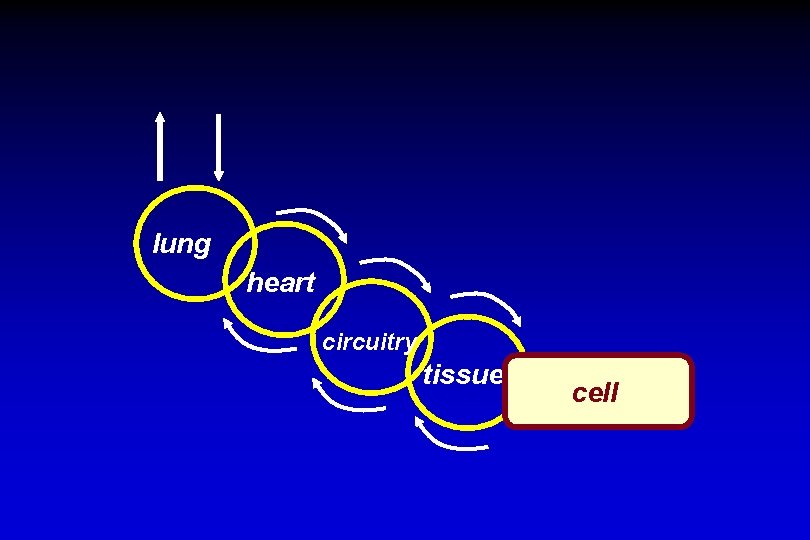
lung heart circuitry tissues cell
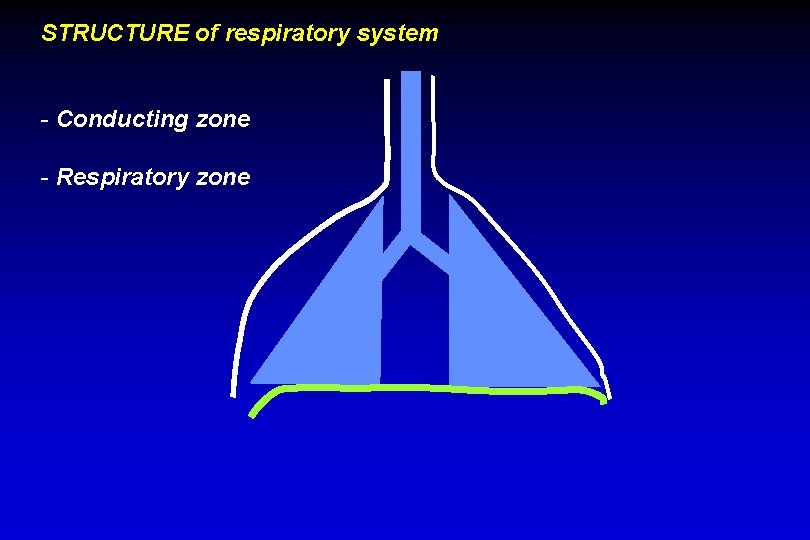
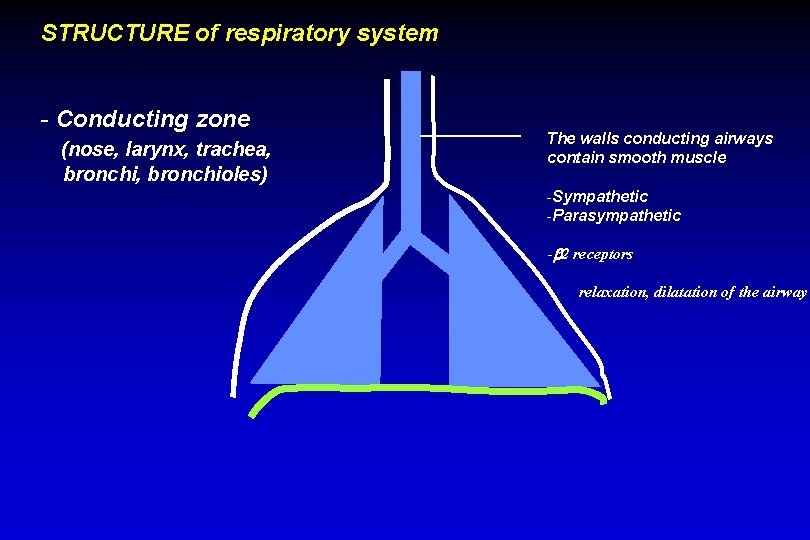
STRUCTURE of respiratory system - Conducting zone - Respiratory zone
STRUCTURE of respiratory system - Conducting zone (nose, larynx, trachea, bronchioles) The walls conducting airways contain smooth muscle -Sympathetic -Parasympathetic - 2 receptors relaxation, dilatation of the airway
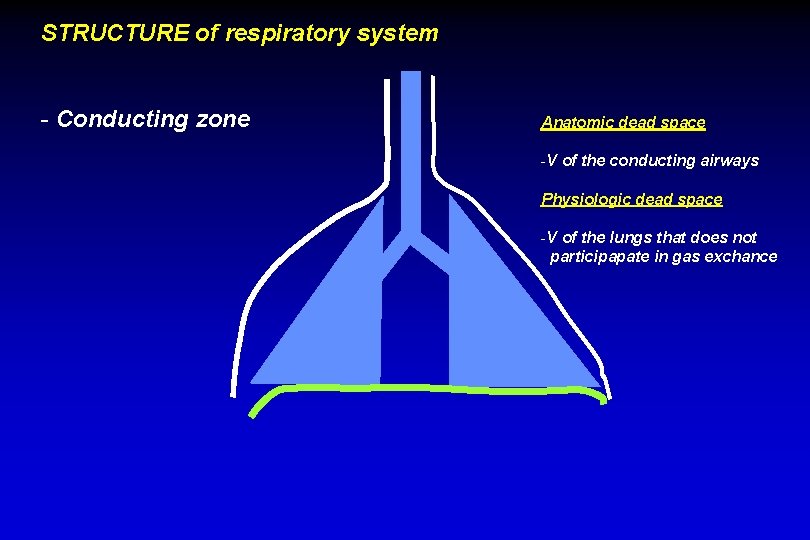
STRUCTURE of respiratory system - Conducting zone Anatomic dead space -V of the conducting airways Physiologic dead space -V of the lungs that does not participapate in gas exchance
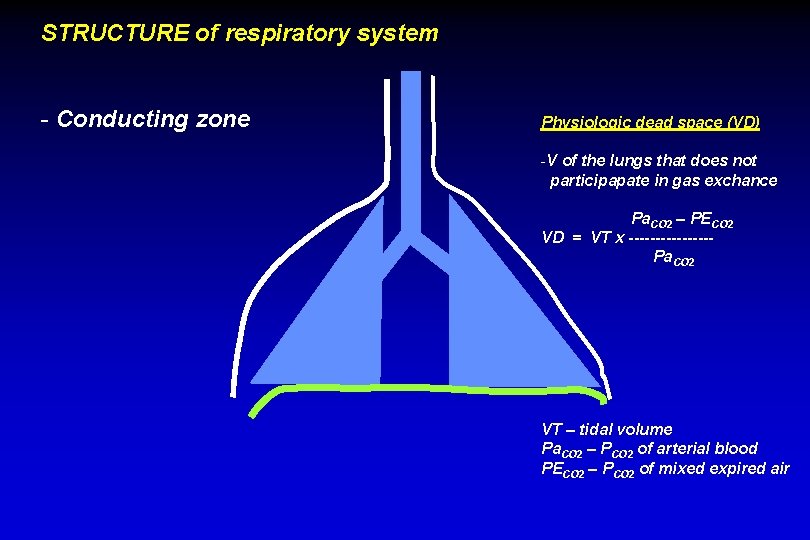
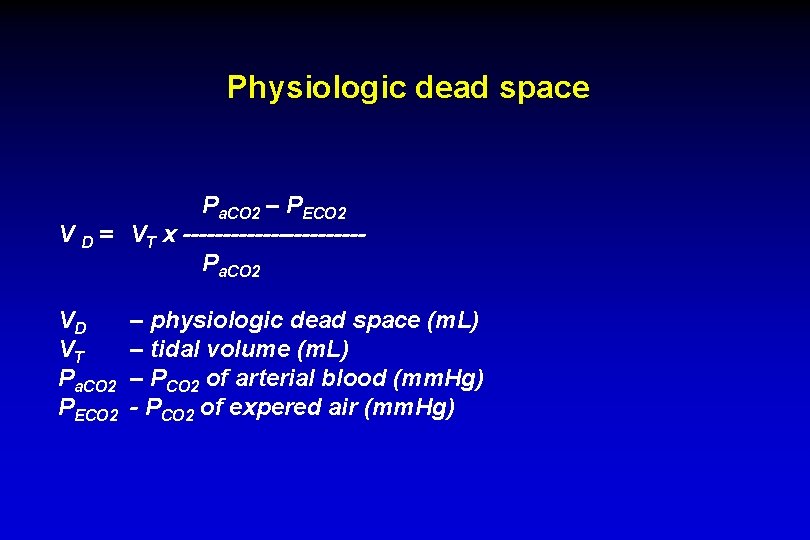
STRUCTURE of respiratory system - Conducting zone Physiologic dead space (VD) -V of the lungs that does not participapate in gas exchance Pa. CO 2 – PECO 2 VD = VT x --------Pa. CO 2 VT – tidal volume Pa. CO 2 – PCO 2 of arterial blood PECO 2 – PCO 2 of mixed expired air
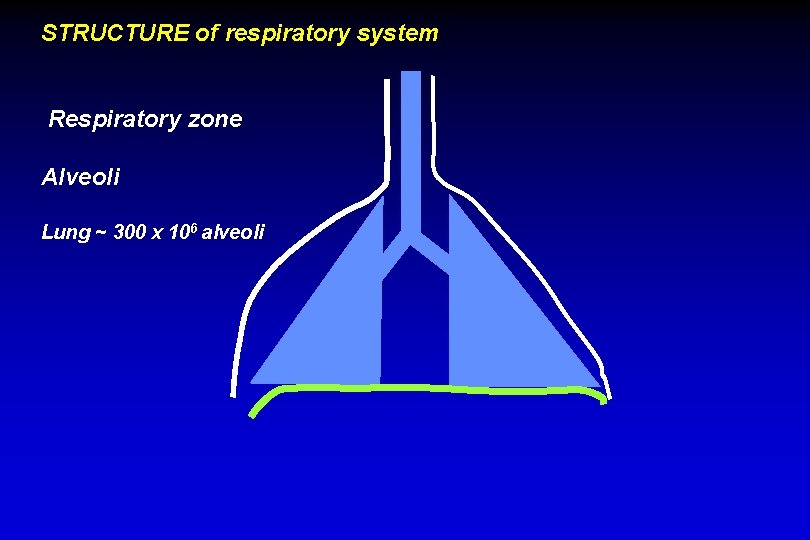
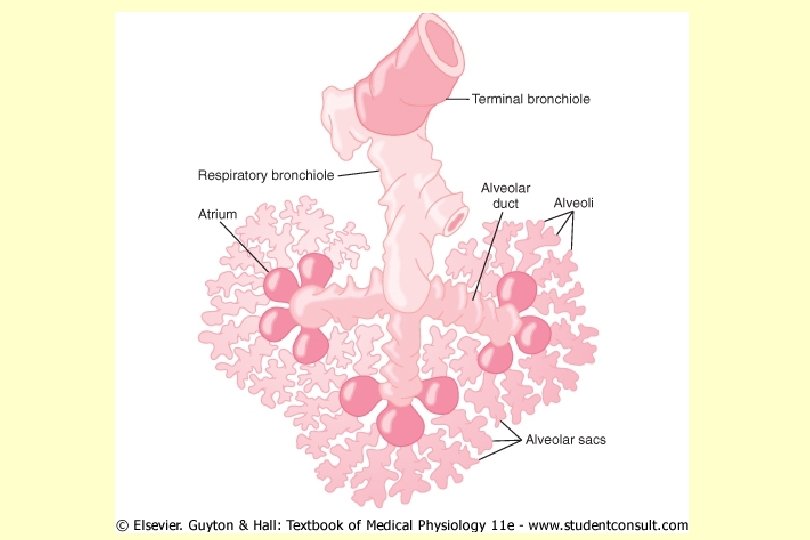
STRUCTURE of respiratory system Respiratory zone Alveoli Lung ~ 300 x 106 alveoli
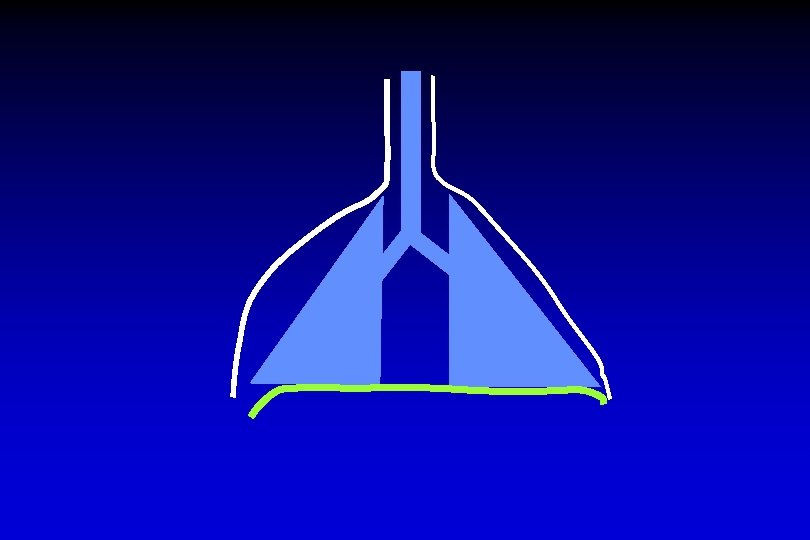
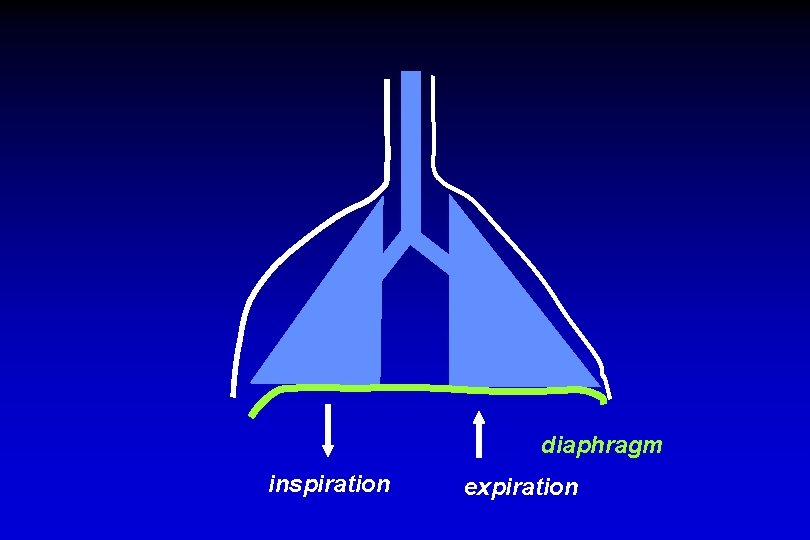
diaphragm inspiration expiration
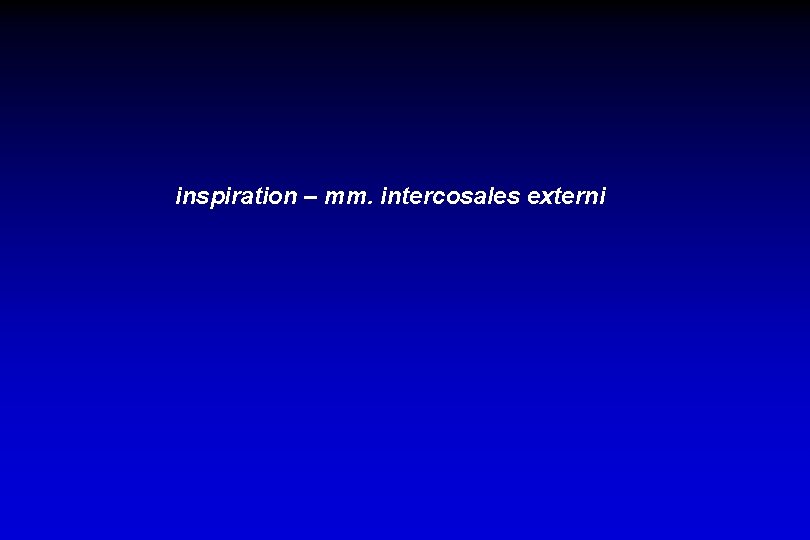
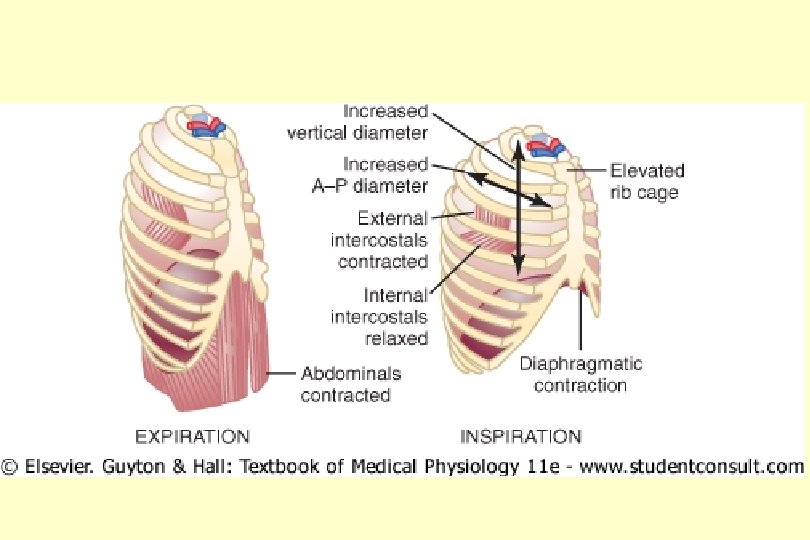
inspiration – mm. intercosales externi
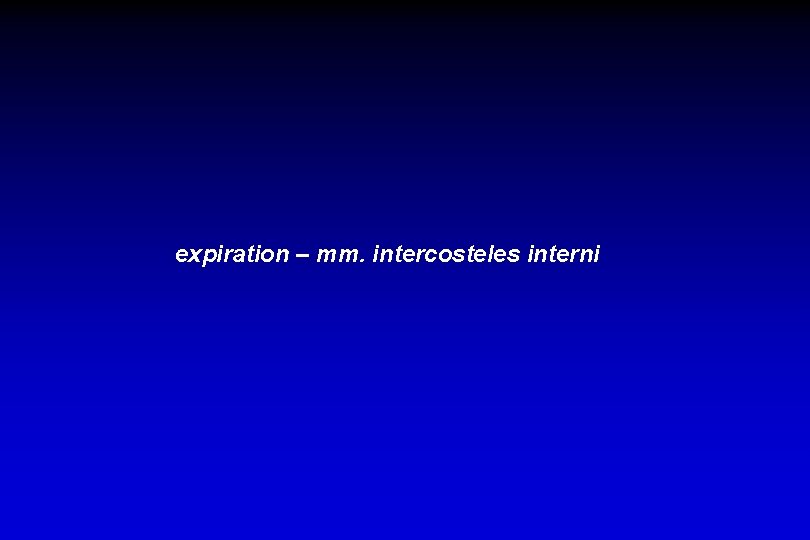
expiration – mm. intercosteles interni
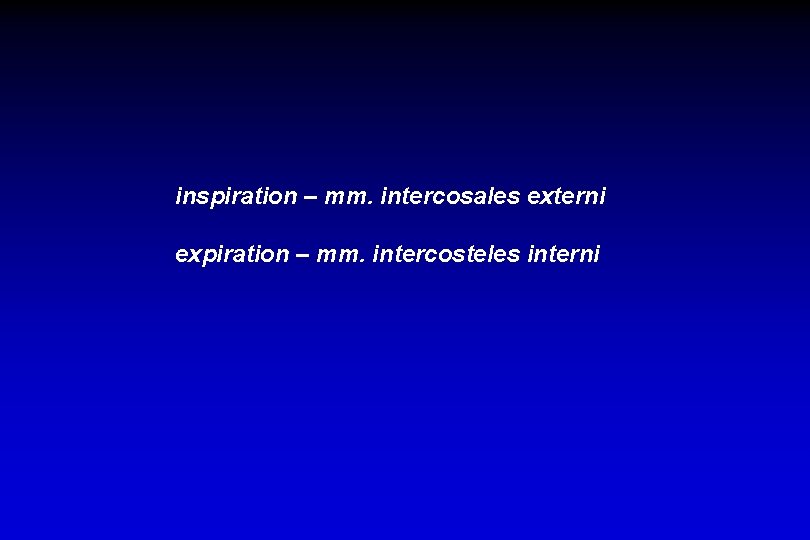
inspiration – mm. intercosales externi expiration – mm. intercosteles interni
inspiration – mm. intercosales externi expiration – mm. intercosteles interni
inspiration – mm. intercosales externi expiration – mm. intercosteles interni
inspiration – mm. intercosales externi expiration – mm. intercosteles interni
inspiration – mm. intercosales externi expiration – mm. intercosteles interni
inspiration – mm. intercosales externi expiration – mm. intercosteles interni
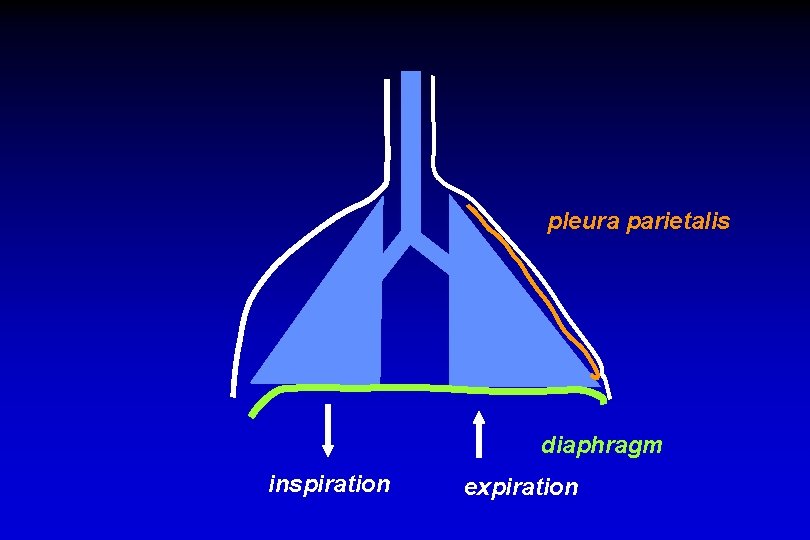
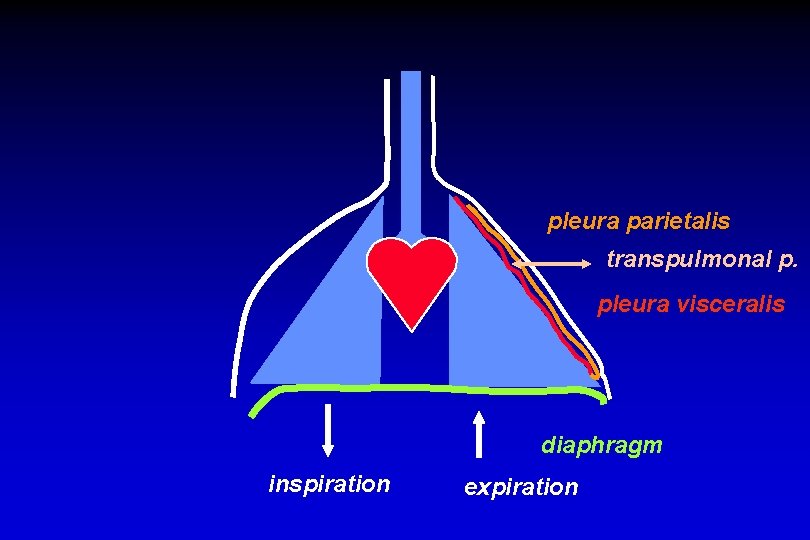
pleura parietalis diaphragm inspiration expiration
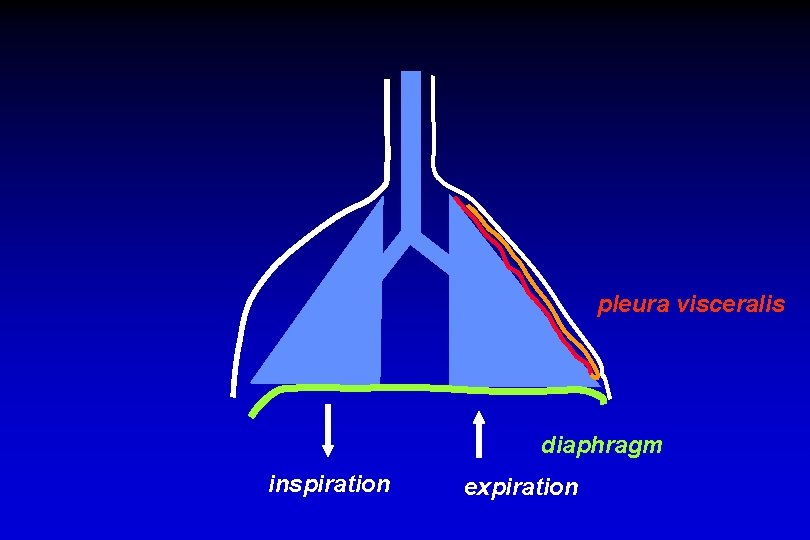
pleura visceralis diaphragm inspiration expiration
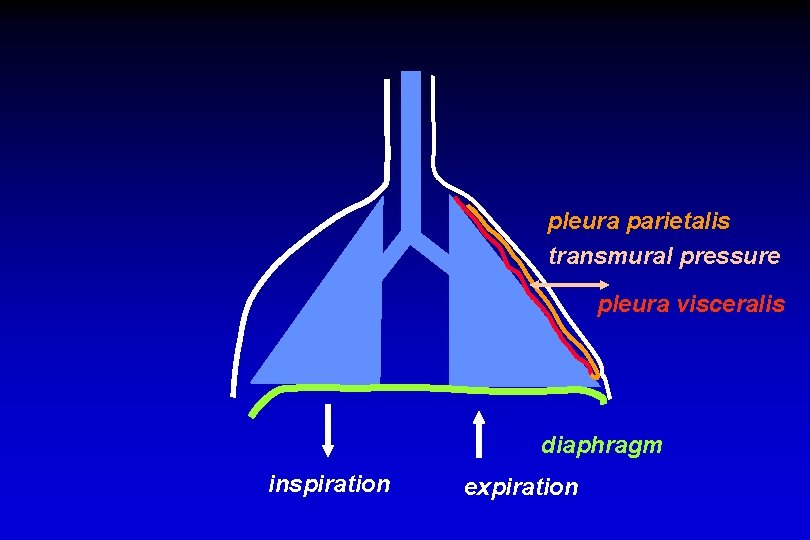
pleura parietalis transmural pressure pleura visceralis diaphragm inspiration expiration
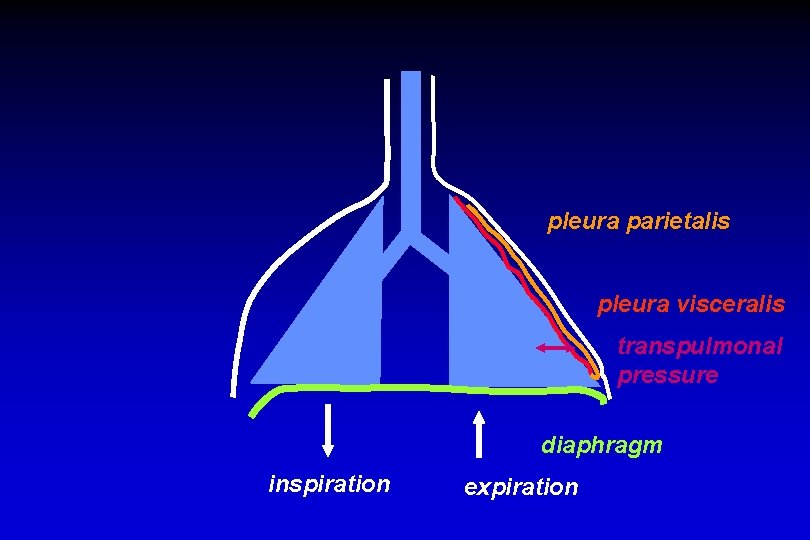
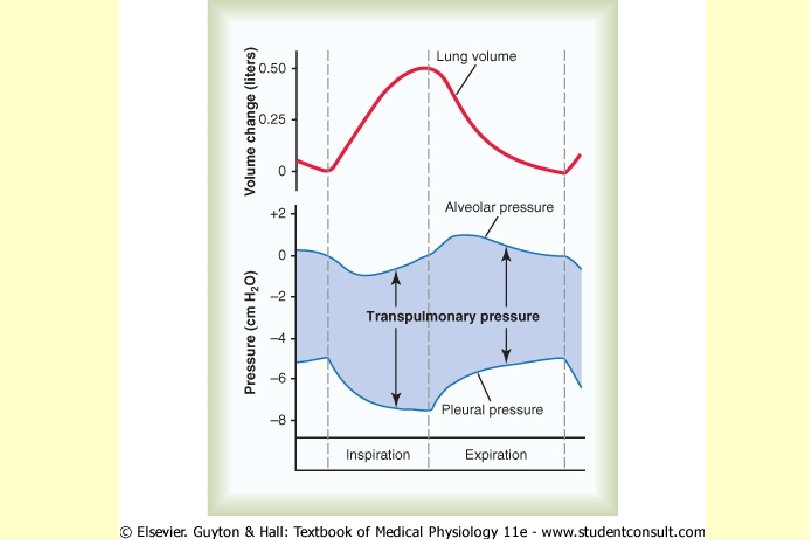
pleura parietalis pleura visceralis transpulmonal pressure diaphragm inspiration expiration
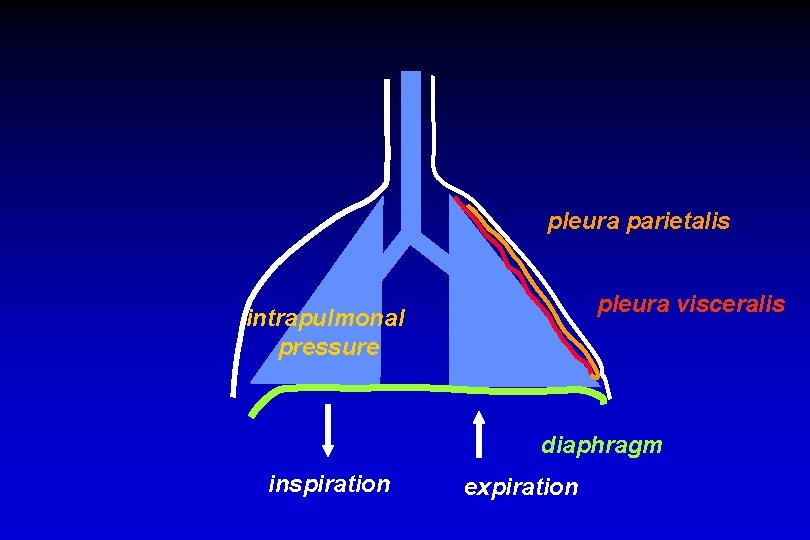
pleura parietalis pleura visceralis intrapulmonal pressure diaphragm inspiration expiration
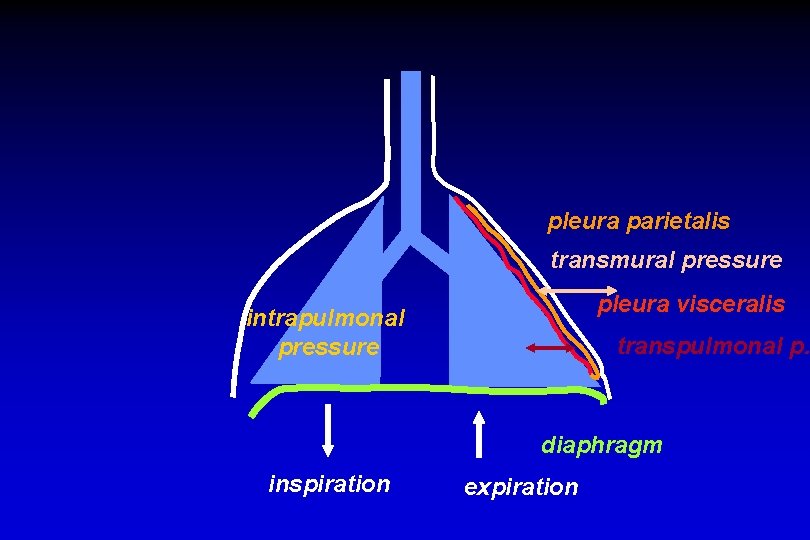
pleura parietalis transmural pressure pleura visceralis intrapulmonal pressure transpulmonal p. diaphragm inspiration expiration
pleura parietalis transpulmonal p. pleura visceralis diaphragm inspiration expiration
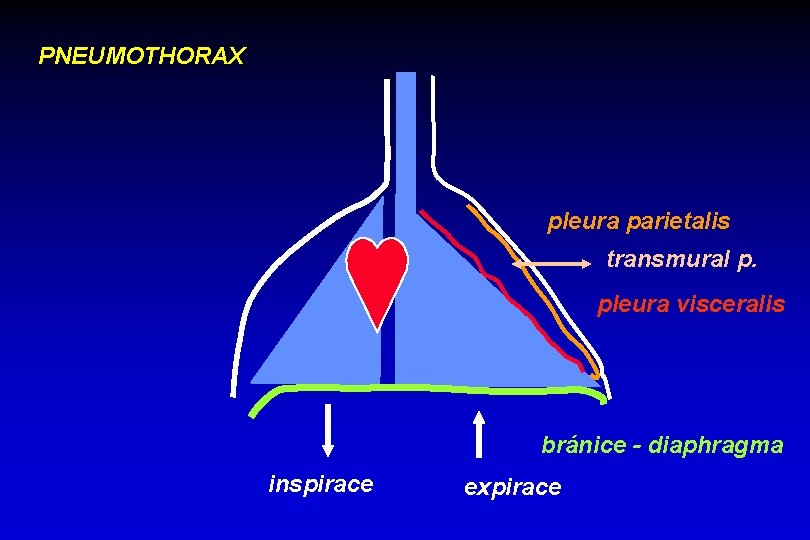
PNEUMOTHORAX pleura parietalis transmural p. pleura visceralis bránice - diaphragma inspirace expirace
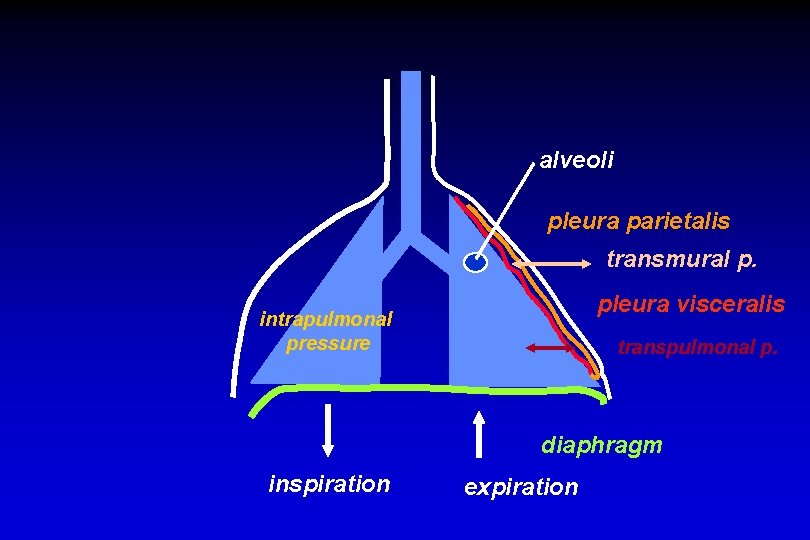
alveoli pleura parietalis transmural p. pleura visceralis intrapulmonal pressure transpulmonal p. diaphragm inspiration expiration
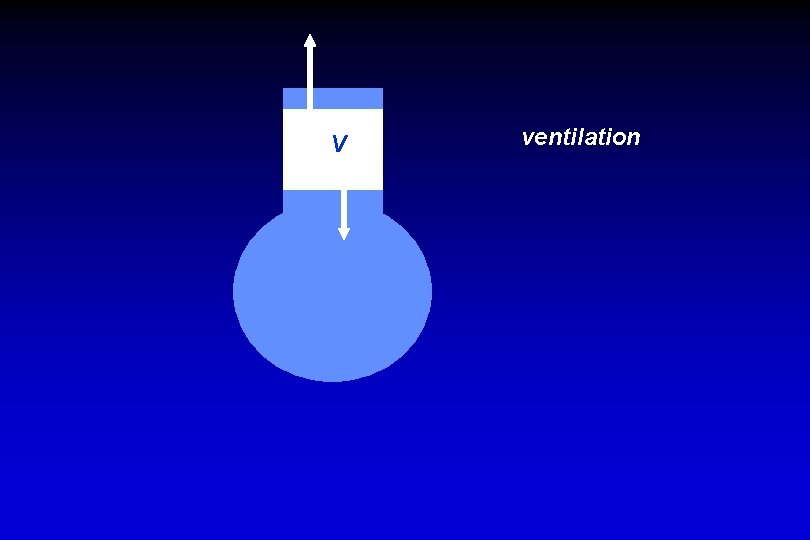
V ventilation
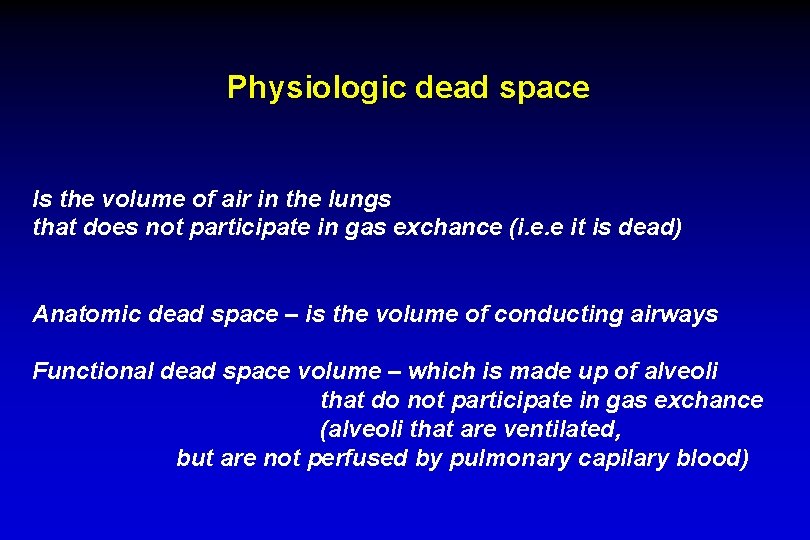
Physiologic dead space Is the volume of air in the lungs that does not participate in gas exchance (i. e. e it is dead) Anatomic dead space – is the volume of conducting airways Functional dead space volume – which is made up of alveoli that do not participate in gas exchance (alveoli that are ventilated, but are not perfused by pulmonary capilary blood)
Physiologic dead space Pa. CO 2 – PECO 2 V D = VT x -----------Pa. CO 2 VD VT Pa. CO 2 PECO 2 – physiologic dead space (m. L) – tidal volume (m. L) – PCO 2 of arterial blood (mm. Hg) - PCO 2 of expered air (mm. Hg)
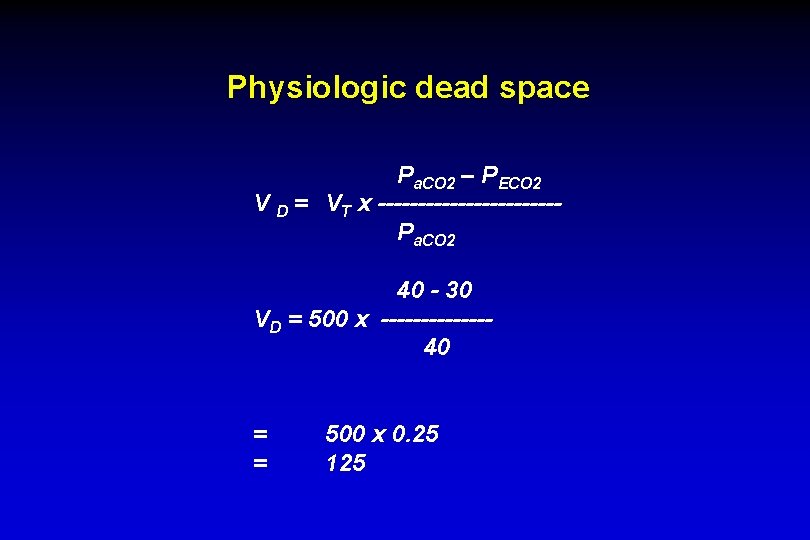
Physiologic dead space Pa. CO 2 – PECO 2 V D = VT x -----------Pa. CO 2 40 - 30 VD = 500 x -------40 = = 500 x 0. 25 125
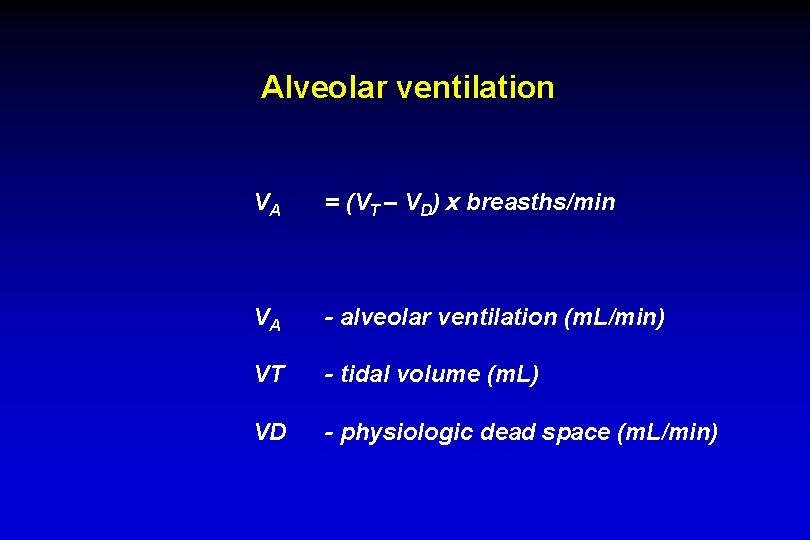
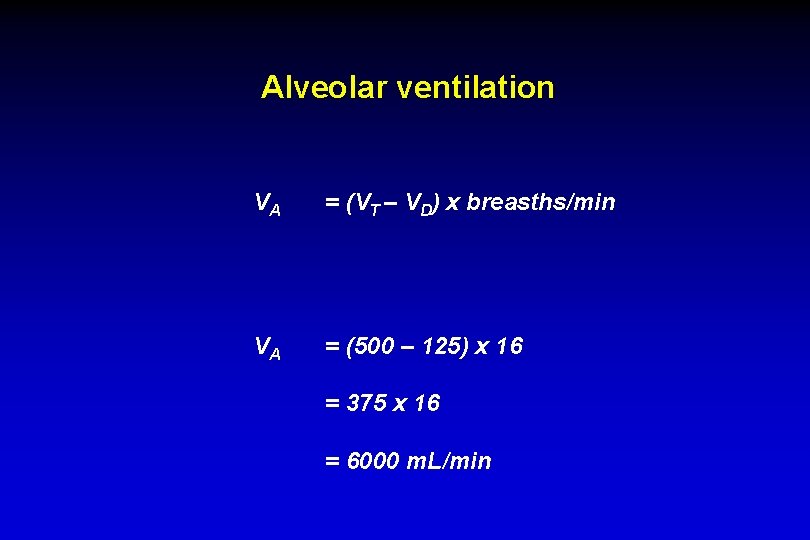
Alveolar ventilation VA = (VT – VD) x breasths/min VA - alveolar ventilation (m. L/min) VT - tidal volume (m. L) VD - physiologic dead space (m. L/min)
Alveolar ventilation VA = (VT – VD) x breasths/min VA = (500 – 125) x 16 = 375 x 16 = 6000 m. L/min
lung heart circuitry tissues cell
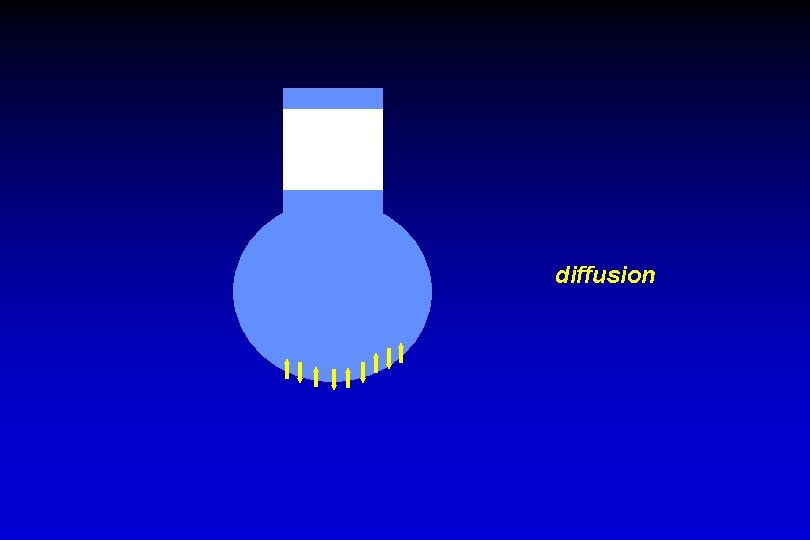
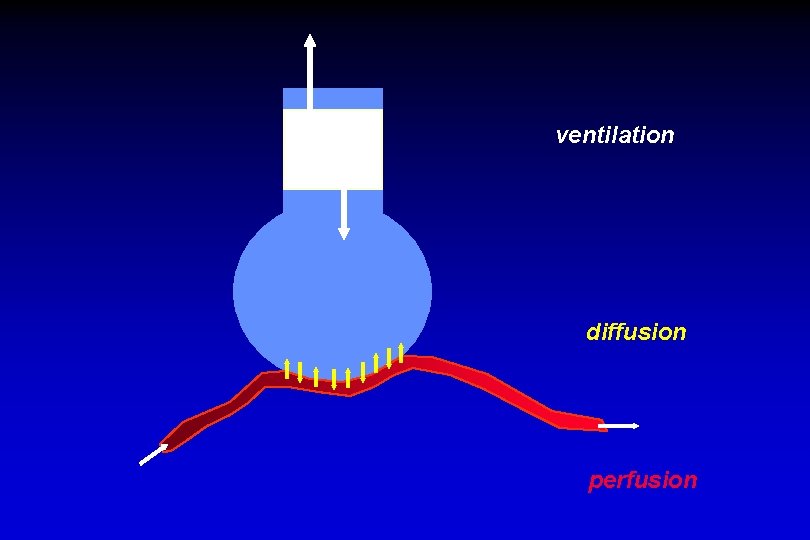
diffusion
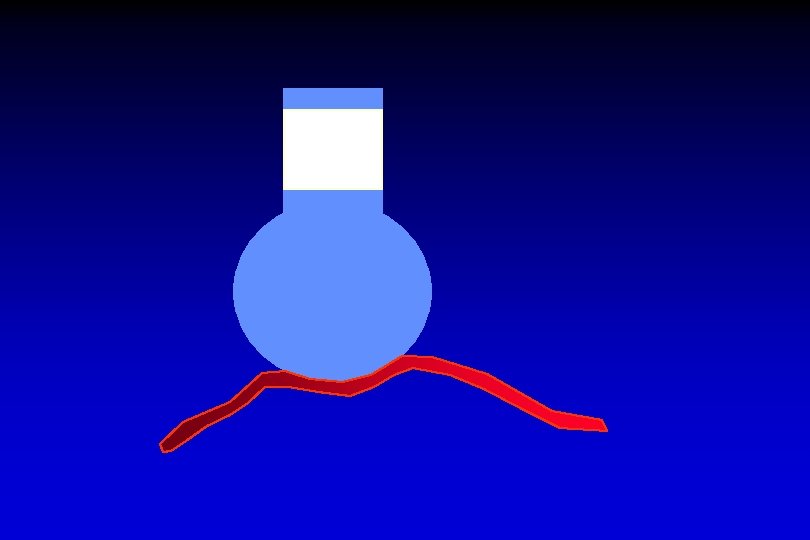
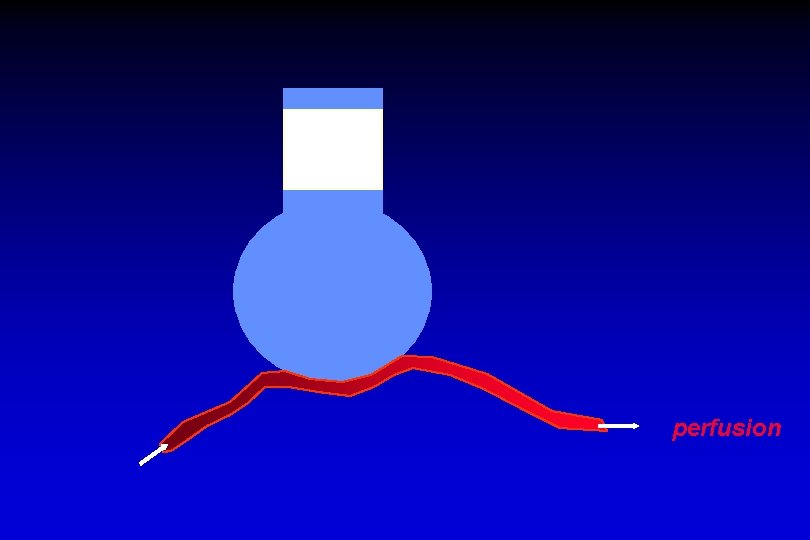
perfusion
ventilation diffusion perfusion
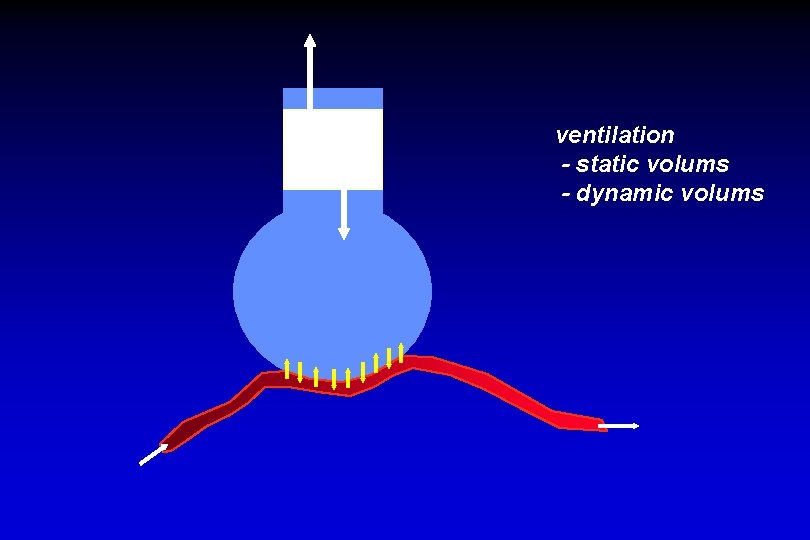
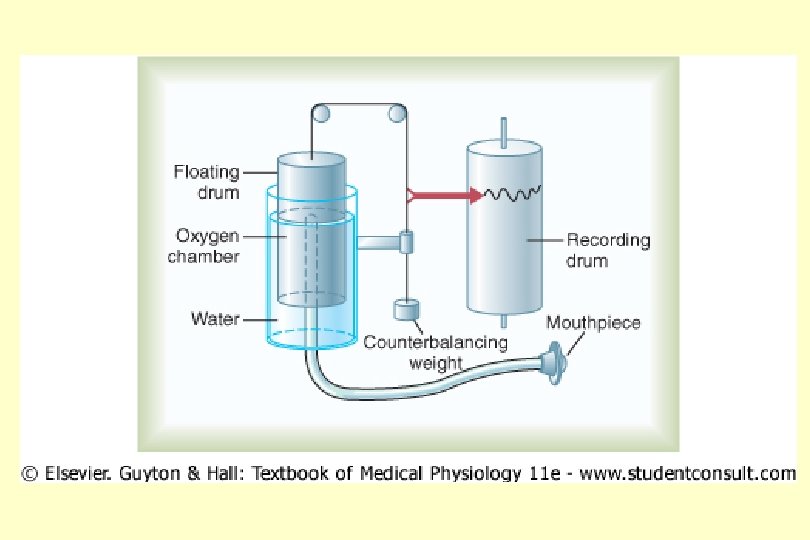
ventilation - static volums - dynamic volums
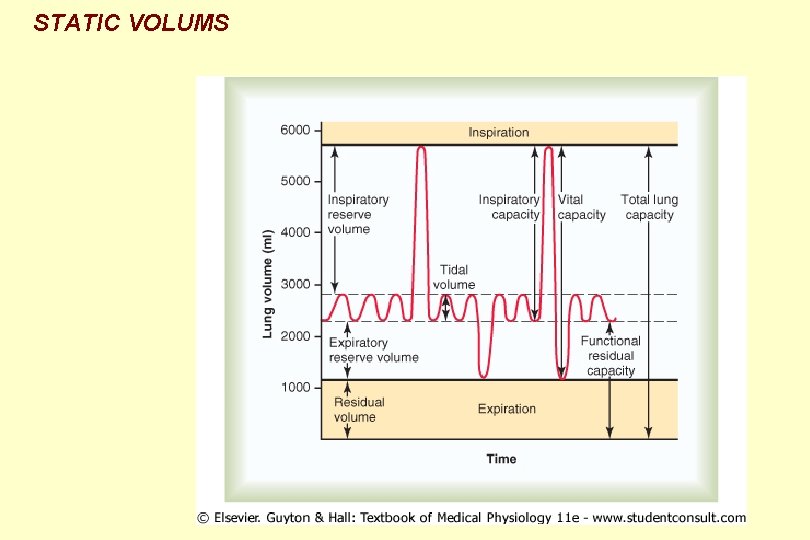
STATIC VOLUMS
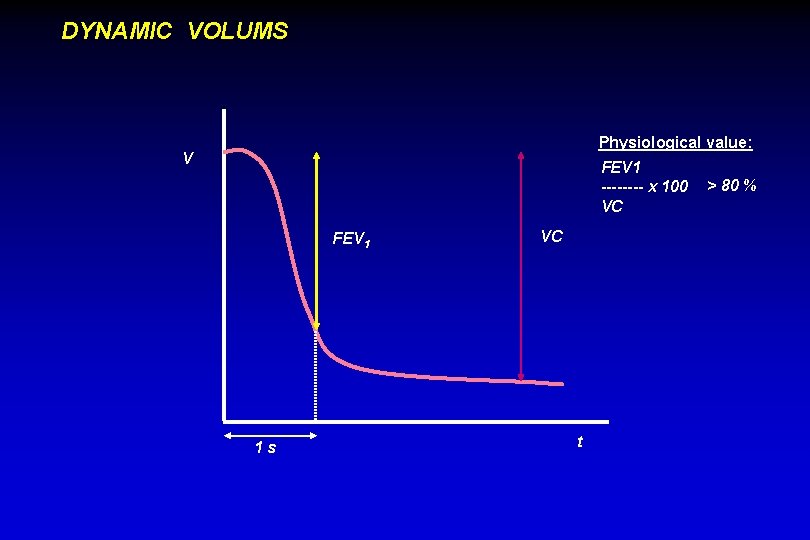
DYNAMIC VOLUMS Physiological value: V FEV 1 ---- x 100 VC FEV 1 1 s VC t > 80 %
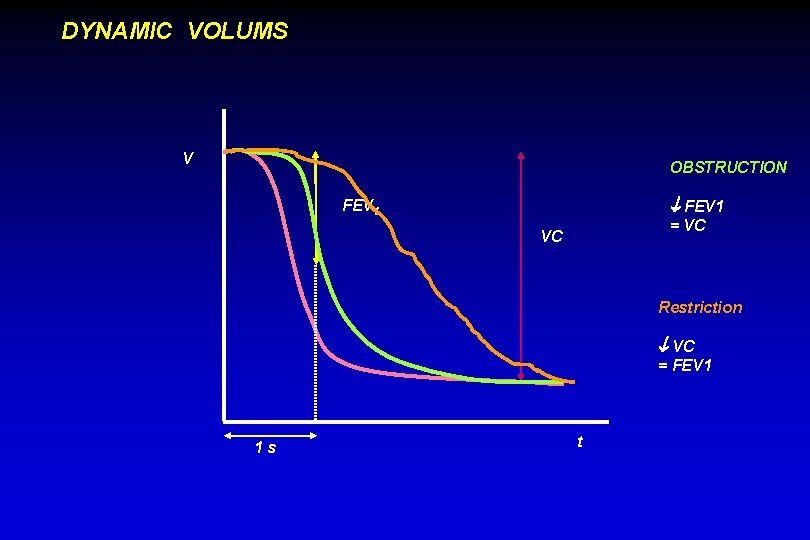
DYNAMIC VOLUMS V OBSTRUCTION FEV 1 = VC VC Restriction VC = FEV 1 1 s t
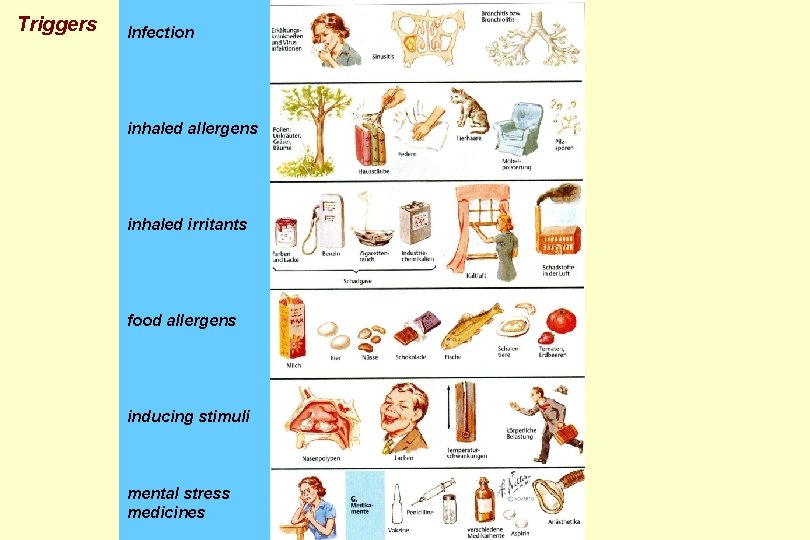
Triggers Infection inhaled allergens inhaled irritants food allergens inducing stimuli mental stress medicines
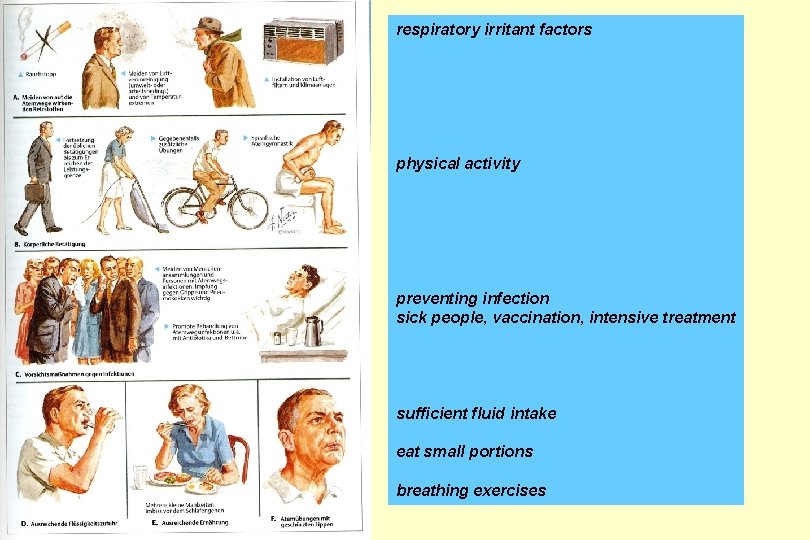
respiratory irritant factors physical activity preventing infection sick people, vaccination, intensive treatment sufficient fluid intake eat small portions breathing exercises
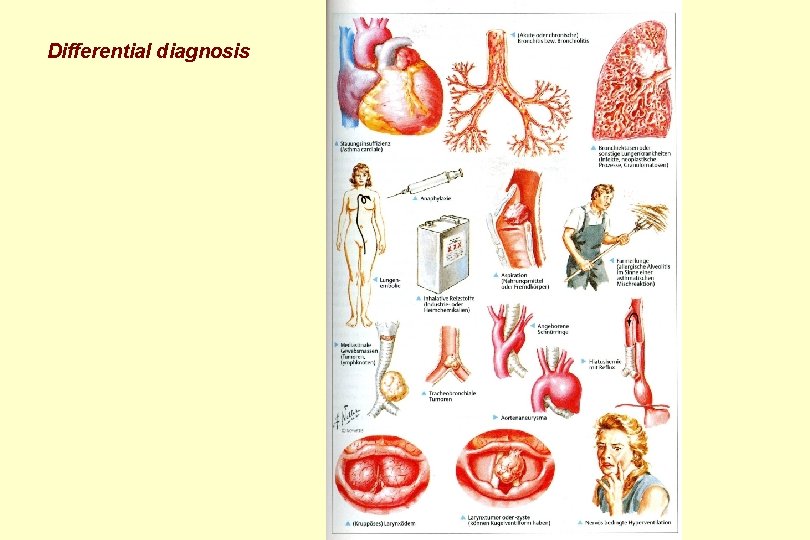
Differential diagnosis
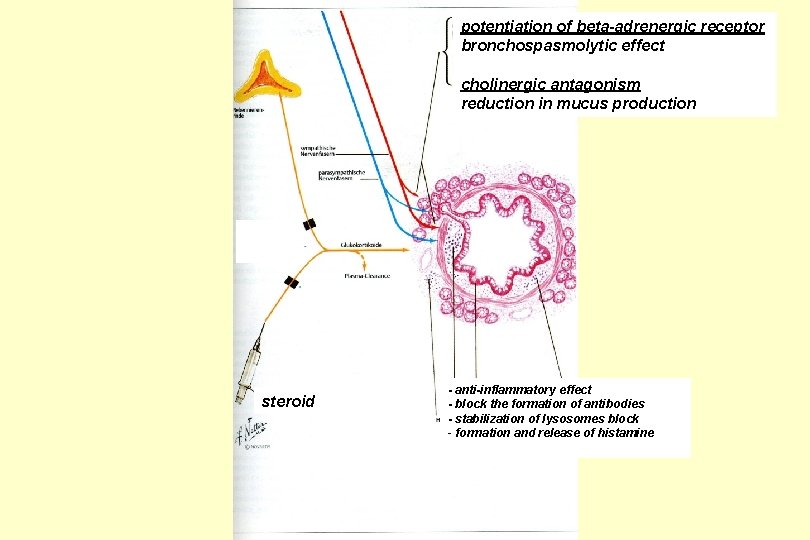
potentiation of beta-adrenergic receptor bronchospasmolytic effect cholinergic antagonism reduction in mucus production steroid - anti-inflammatory effect - block the formation of antibodies - stabilization of lysosomes block - formation and release of histamine
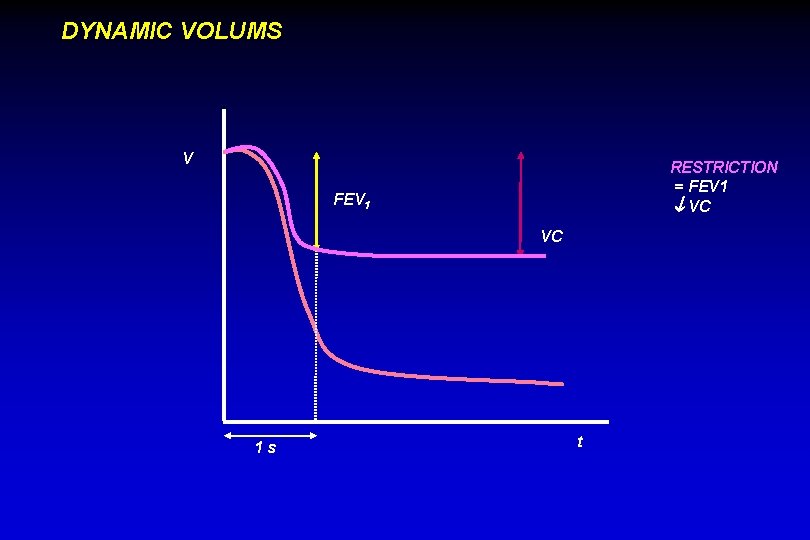
DYNAMIC VOLUMS V RESTRICTION = FEV 1 VC FEV 1 VC 1 s t
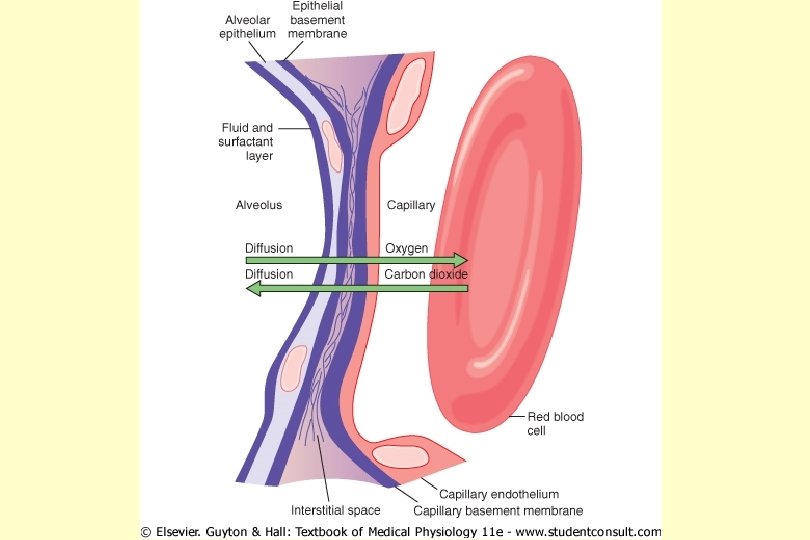
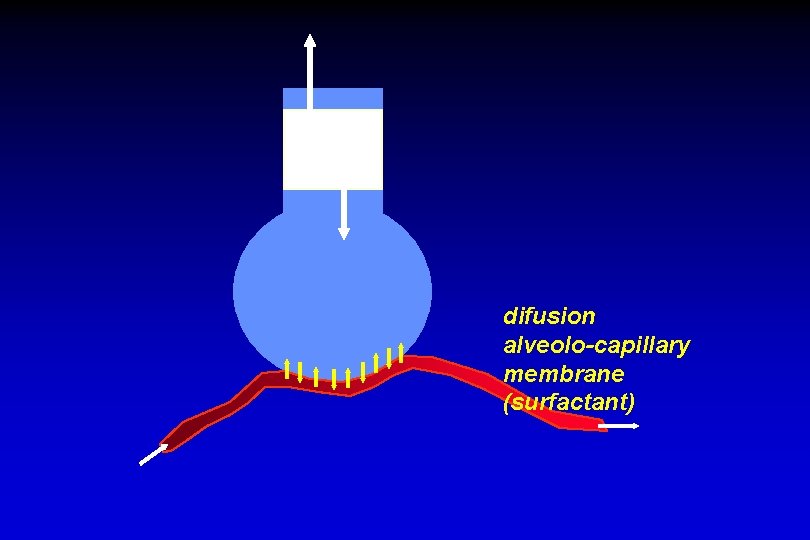
difusion alveolo-capillary membrane (surfactant)
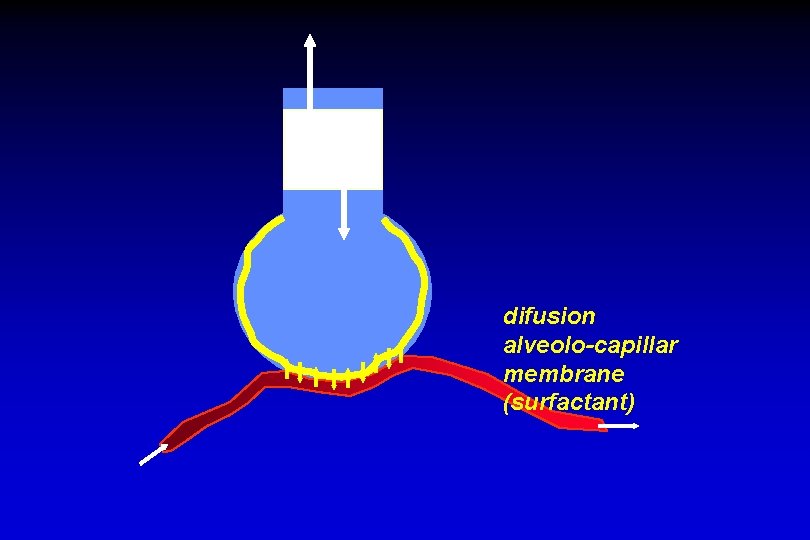
difusion alveolo-capillar membrane (surfactant)
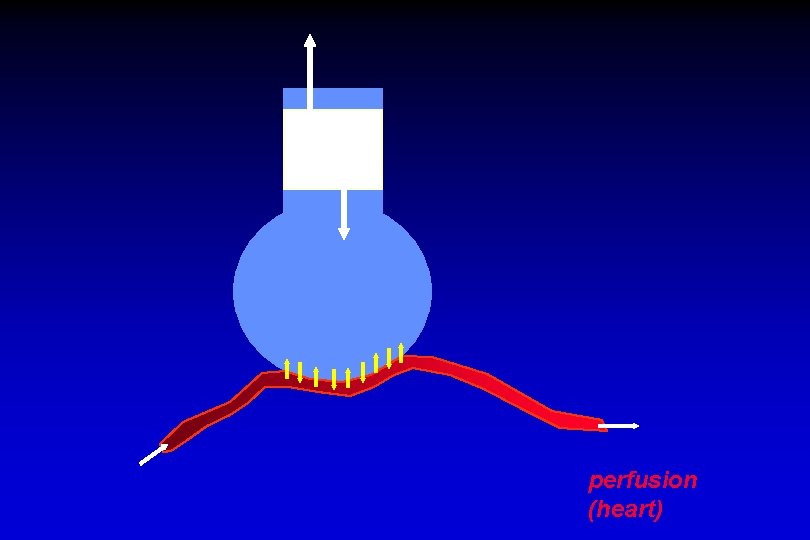
perfusion (heart)
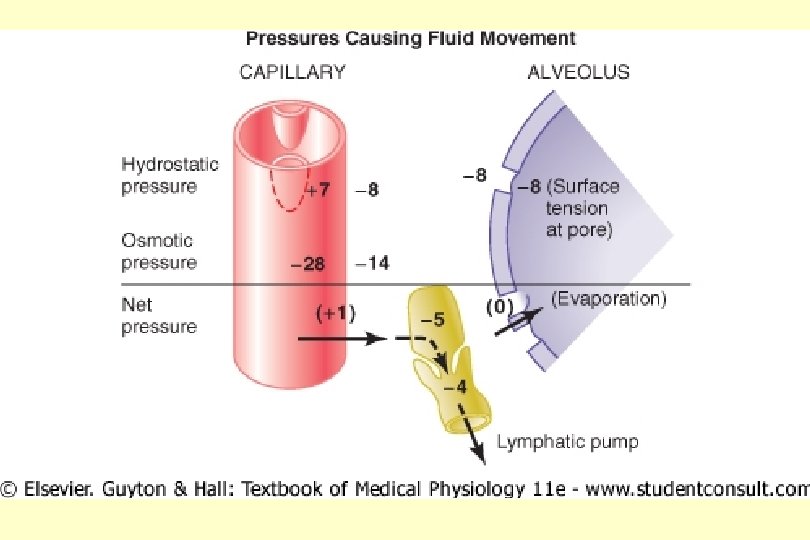
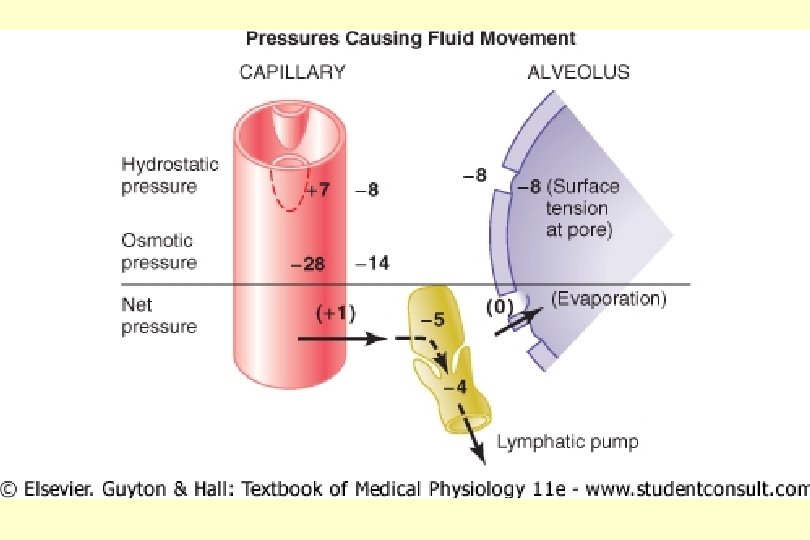
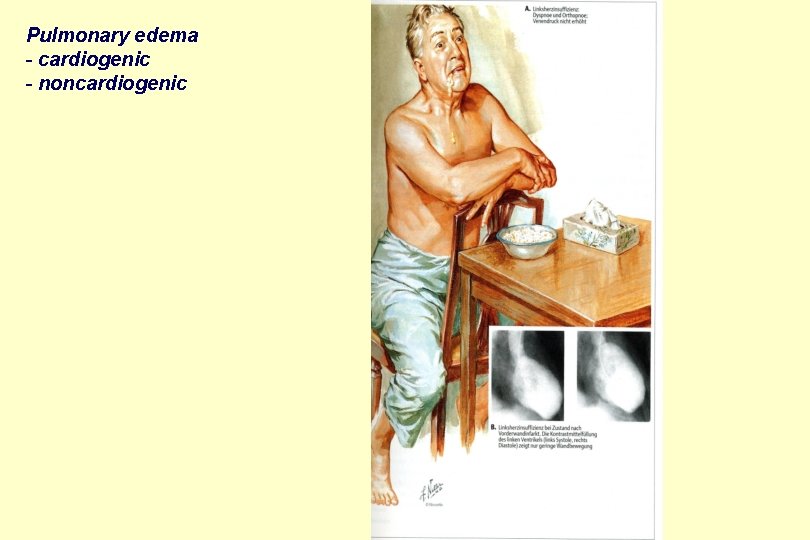
Pulmonary edema - cardiogenic - noncardiogenic
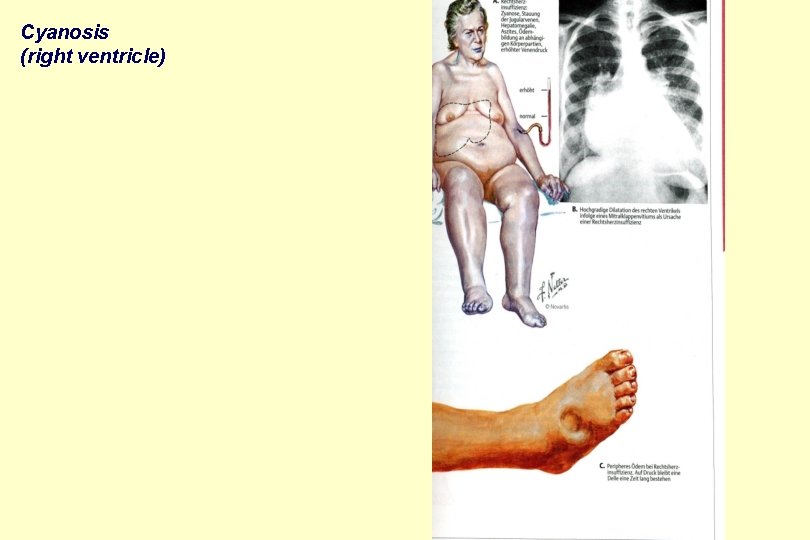
Cyanosis (right ventricle)
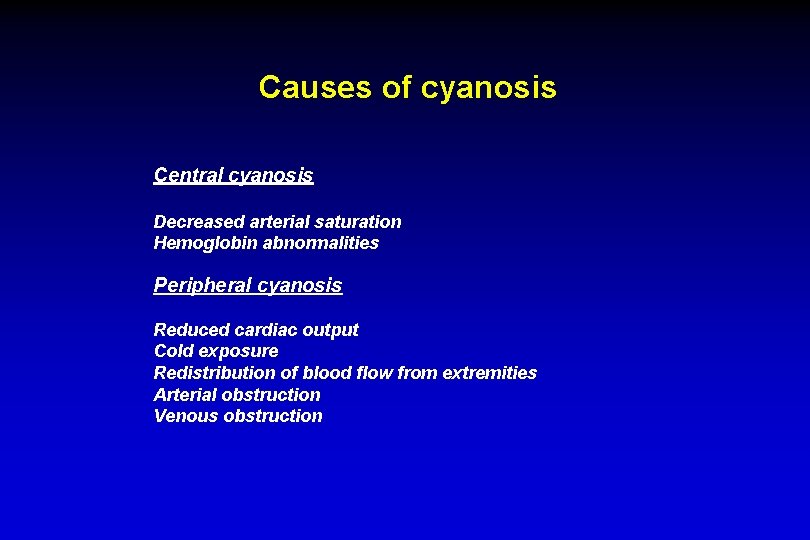
Causes of cyanosis Central cyanosis Decreased arterial saturation Hemoglobin abnormalities Peripheral cyanosis Reduced cardiac output Cold exposure Redistribution of blood flow from extremities Arterial obstruction Venous obstruction
lung heart circuitry tissues cell
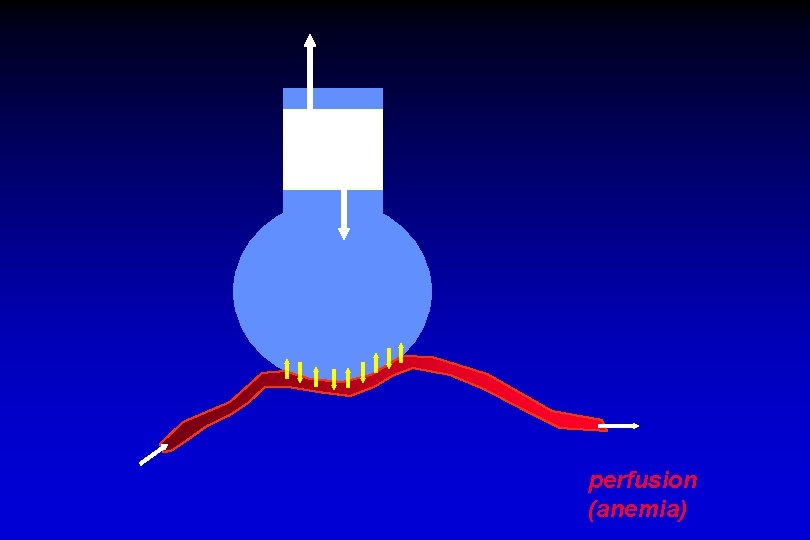
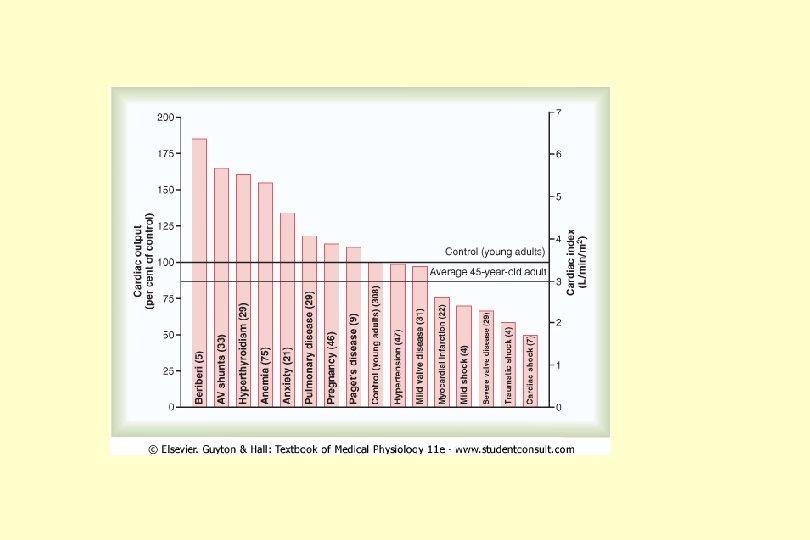
perfusion (anemia)
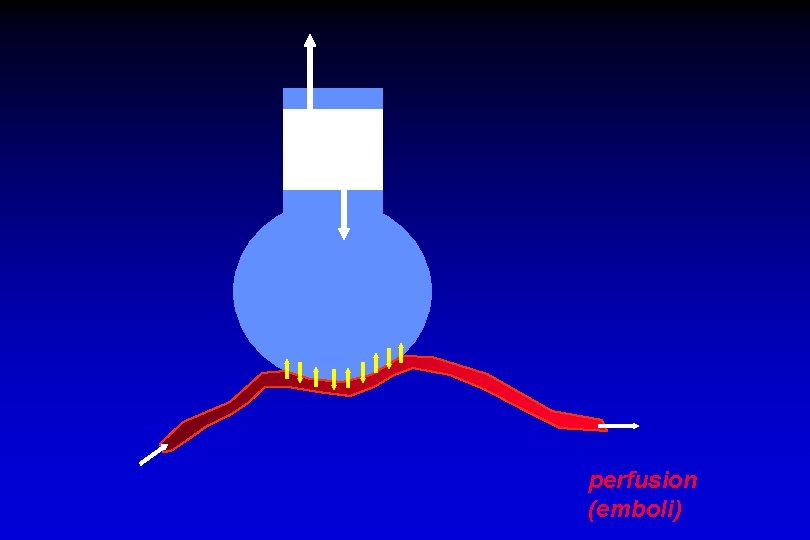
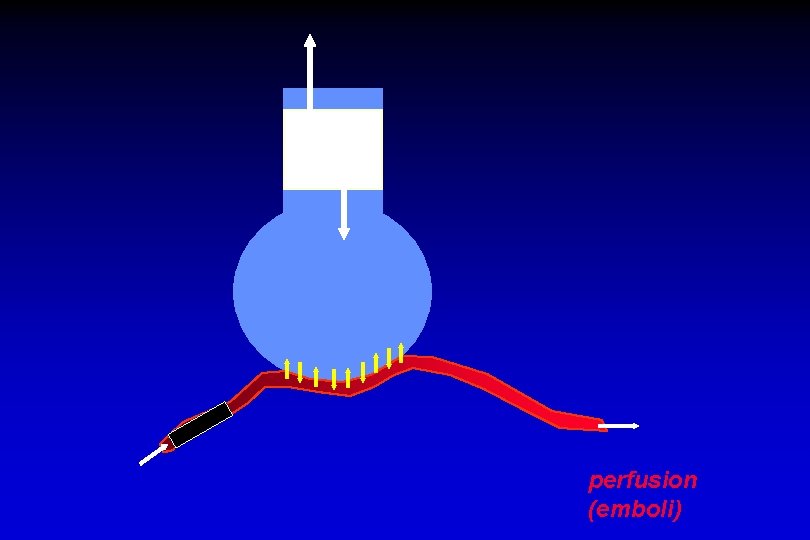
perfusion (emboli)
perfusion (emboli)
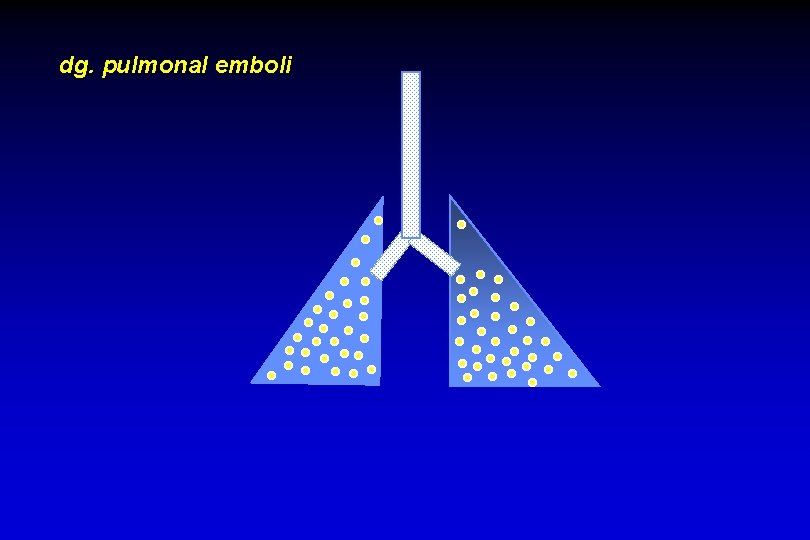
dg. pulmonal emboli
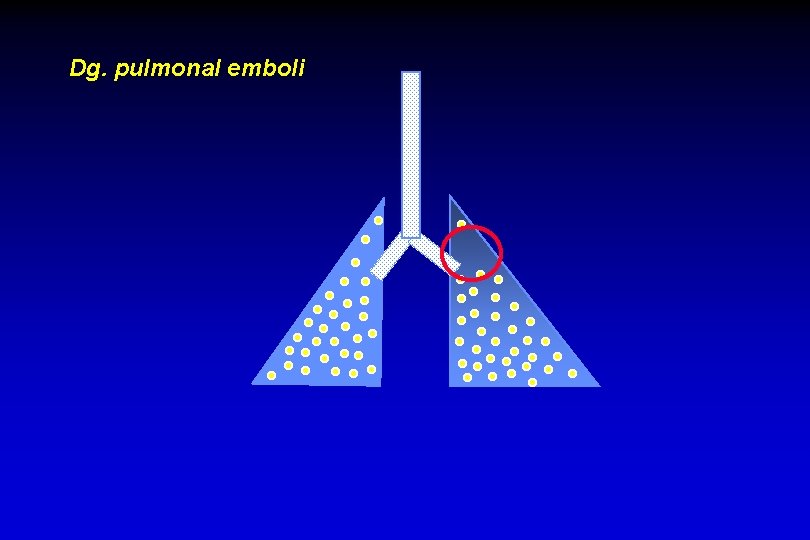
Dg. pulmonal emboli
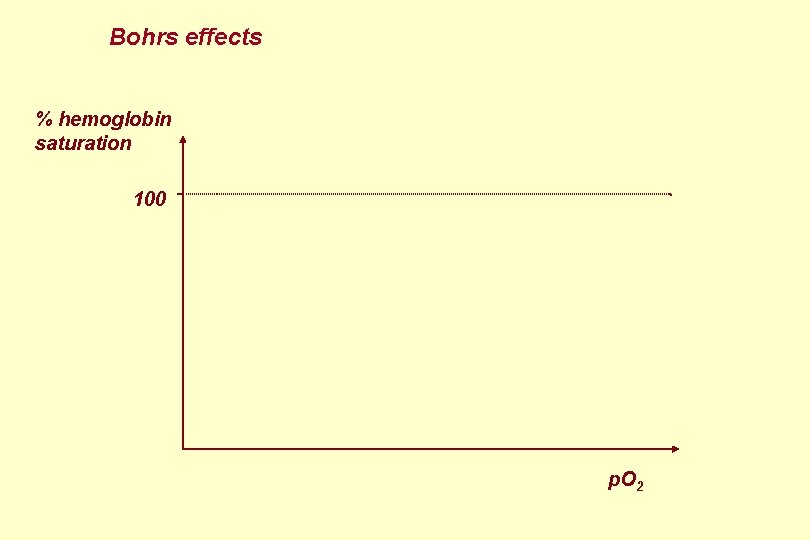
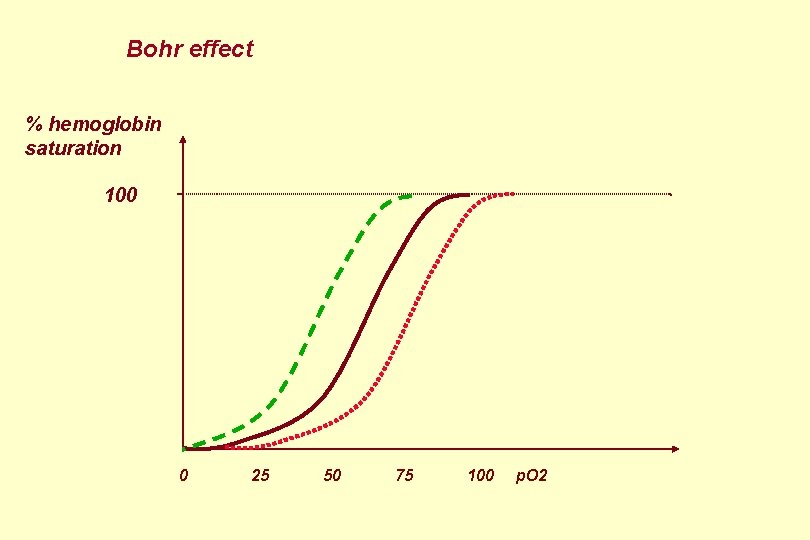
Bohrs effects % hemoglobin saturation 100 p. O 2
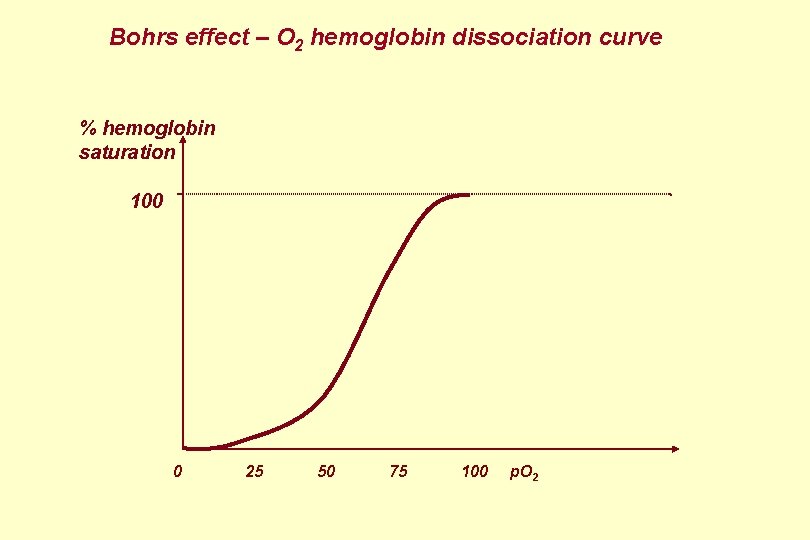
Bohrs effect – O 2 hemoglobin dissociation curve % hemoglobin saturation 100 0 25 50 75 100 p. O 2
Shift to the right % hemoglobin saturation 100 0 25 50 75 100 p. O 2
Shift to the right % hemoglobin saturation 100 temperature p. H [H+] 2, 3 - DPG 0 25 50 75 100 p. O 2 čas
Shift to the left % hemoglobin saturation 100 temperature p. H [H+] 2, 3 - DPG 0 25 50 75 100 p. O 2
Bohr effect % hemoglobin saturation 100 0 25 50 75 100 p. O 2
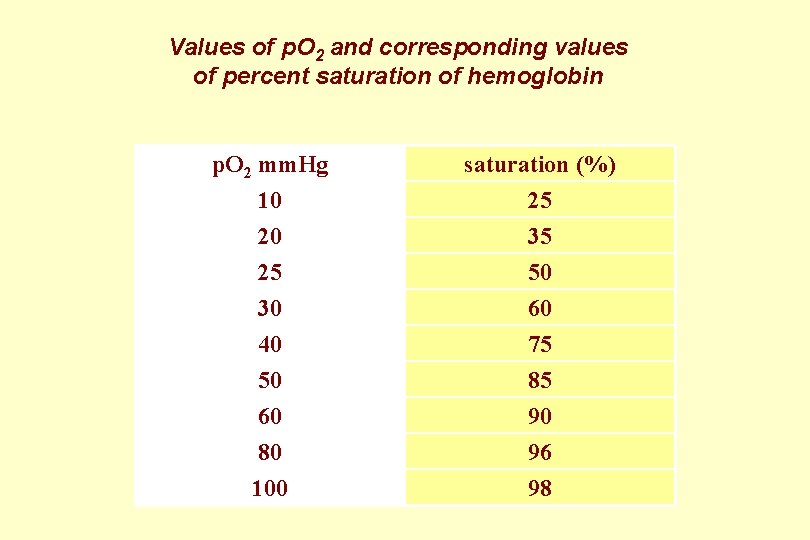
Values of p. O 2 and corresponding values of percent saturation of hemoglobin p. O 2 mm. Hg 10 20 25 saturation (%) 25 35 50 30 40 50 60 80 100 60 75 85 90 96 98
lung heart circuitry tissues cell