
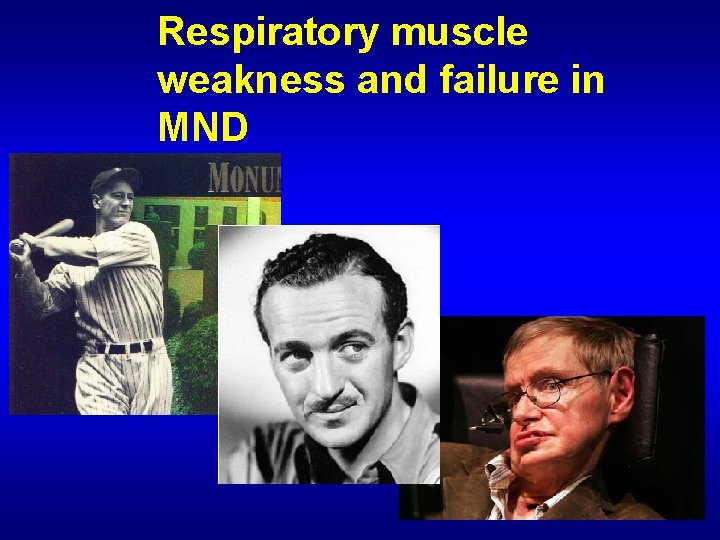
Respiratory muscle weakness and failure in MND What

- Slides: 31
Respiratory muscle weakness and failure in MND
What is MND Invariably fatal, so: management principles 1. Management is palliative from diagnosis 2. “Treatments” or clinical and therapeutic interventions (e. g. gastrostomy, respiratory support, secretion control, spasticity relief, communication aids etc) are for (i) symptom relief and (ii) to improved or maintained quality of life NOT SURVIVAL
Prognosis Av survival: 24 -36 months from symptom onset or ~18 months from diagnosis - 50% dead at 30 months from onset - 10 -20% live 5 yrs - 5 -10% live 10 yrs - V. occasional patients live 20 yrs Death almost always from respiratory failure
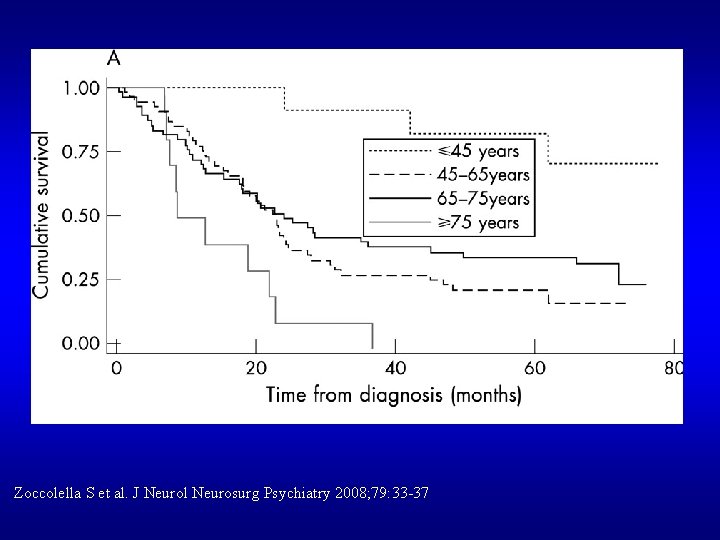
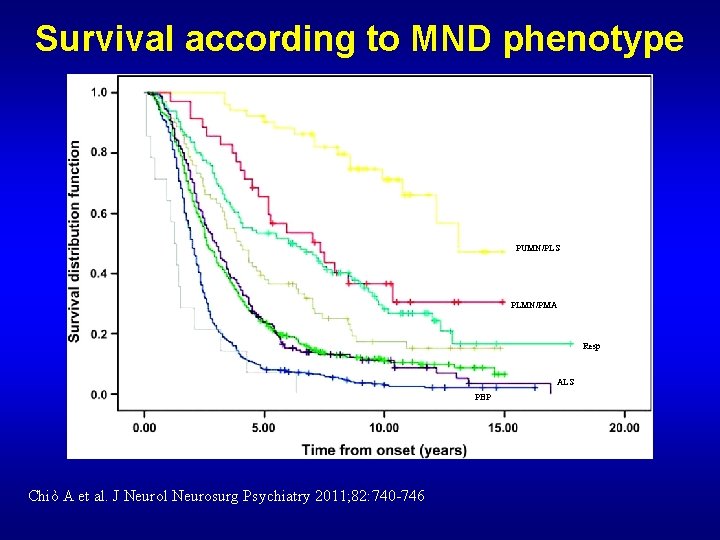
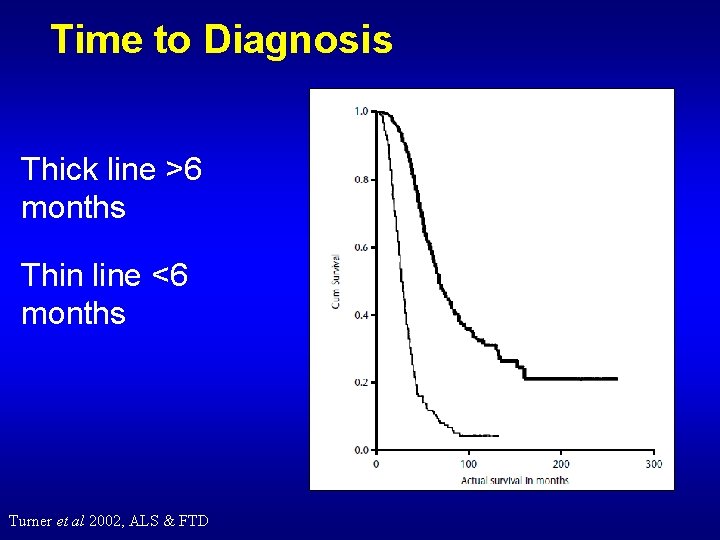
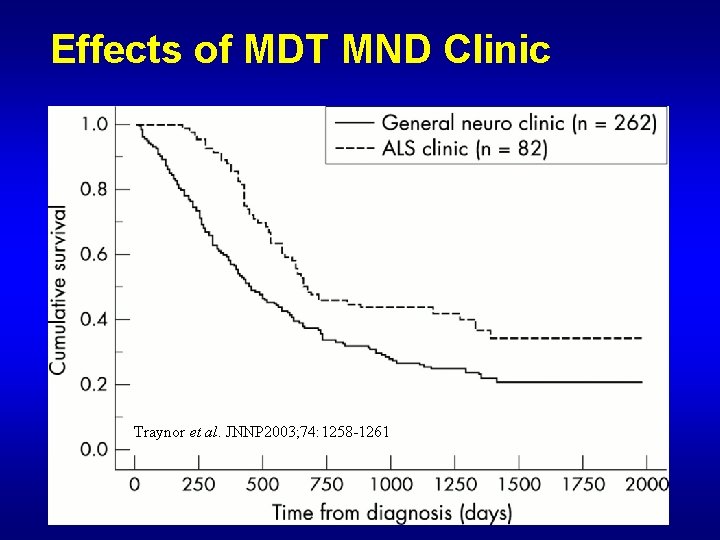
Dictators of Prognosis 1. Age 2. Disease phenotype – PBP etc 3. Diagnostic Delay 4. MND specialist clinics 5. Respiratory function
Zoccolella S et al. J Neurol Neurosurg Psychiatry 2008; 79: 33 -37
Survival according to MND phenotype PUMN/PLS PLMN/PMA Resp ALS PBP Chiò A et al. J Neurol Neurosurg Psychiatry 2011; 82: 740 -746
Time to Diagnosis Thick line >6 months Thin line <6 months Turner et al 2002, ALS & FTD
Effects of MDT MND Clinic Traynor et al. JNNP 2003; 74: 1258 -1261
Dictators of Prognosis Respiratory function: - dictates survival and quality of life
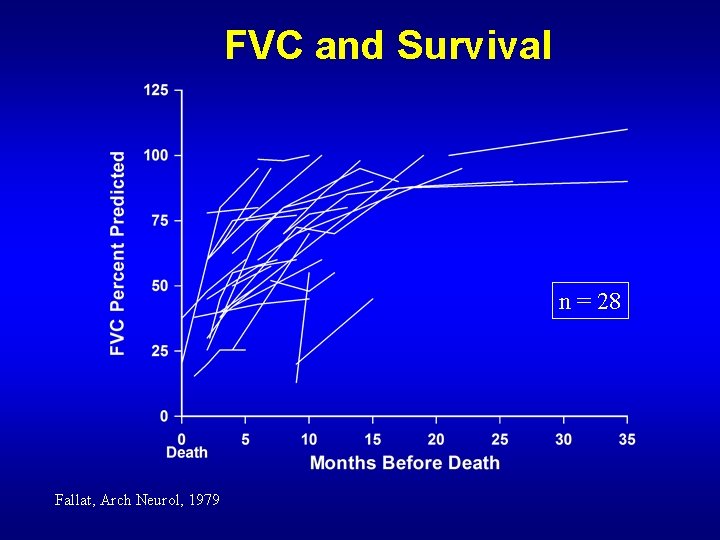
FVC and Survival n = 28 Fallat, Arch Neurol, 1979
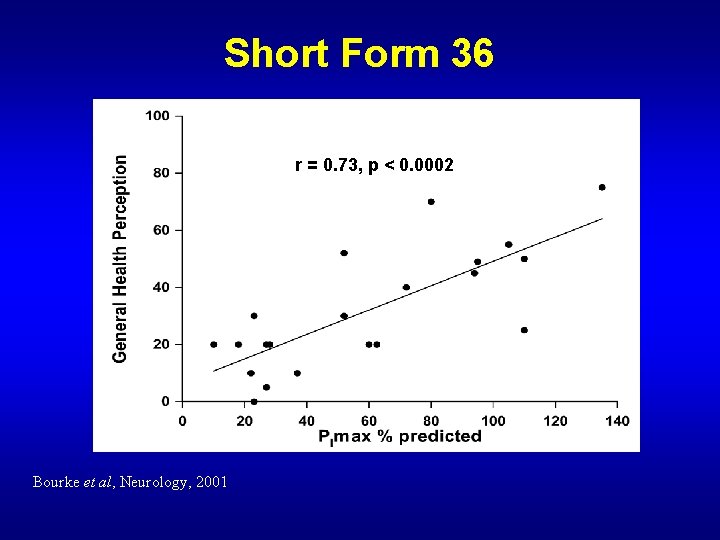
Short Form 36 r = 0. 73, p < 0. 0002 Bourke et al, Neurology, 2001
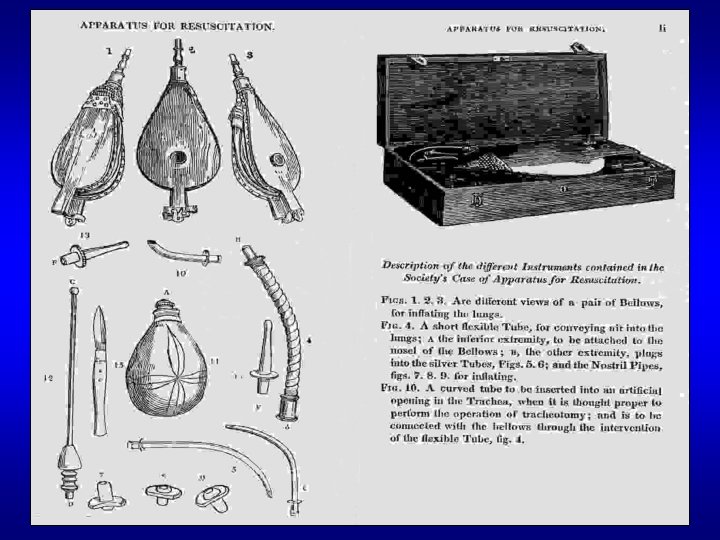
“Then he went and lay upon the child, putting his mouth upon the child’s mouth, his eyes upon the child’s eyes, and his hands upon the child’s hands; and as he stretched himself upon the child; the flesh of the child became warm” II Kings IV: 34
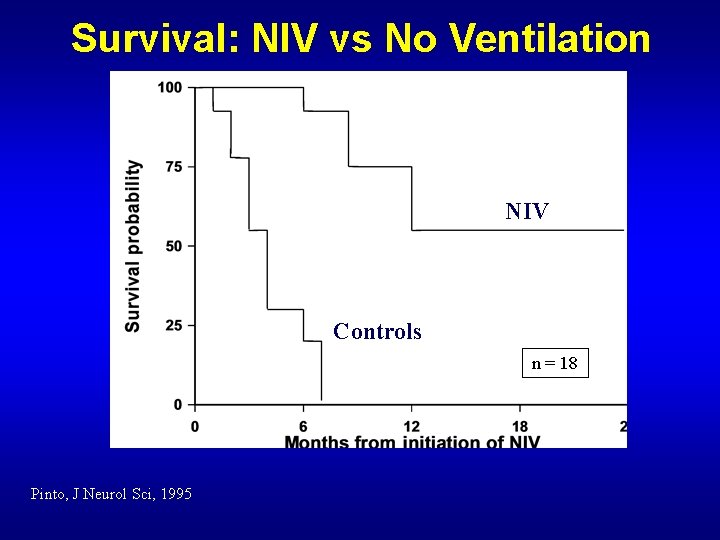
Survival: NIV vs No Ventilation NIV Controls n = 18 Pinto, J Neurol Sci, 1995
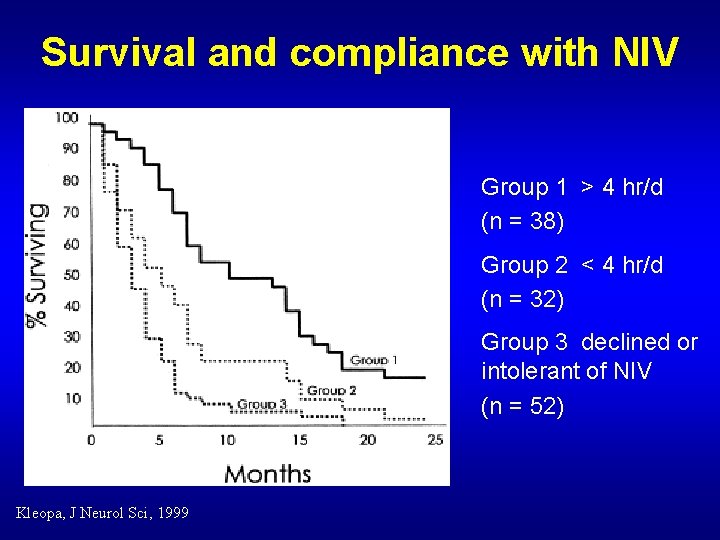
Survival and compliance with NIV Group 1 > 4 hr/d (n = 38) Group 2 < 4 hr/d (n = 32) Group 3 declined or intolerant of NIV (n = 52) Kleopa, J Neurol Sci, 1999
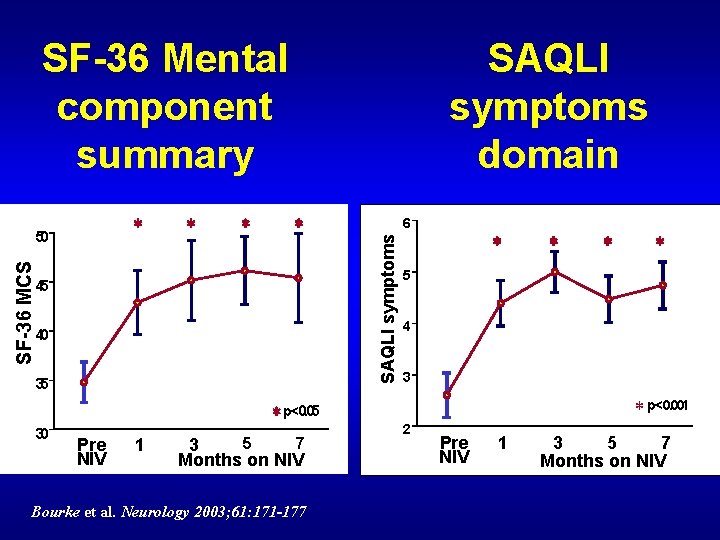
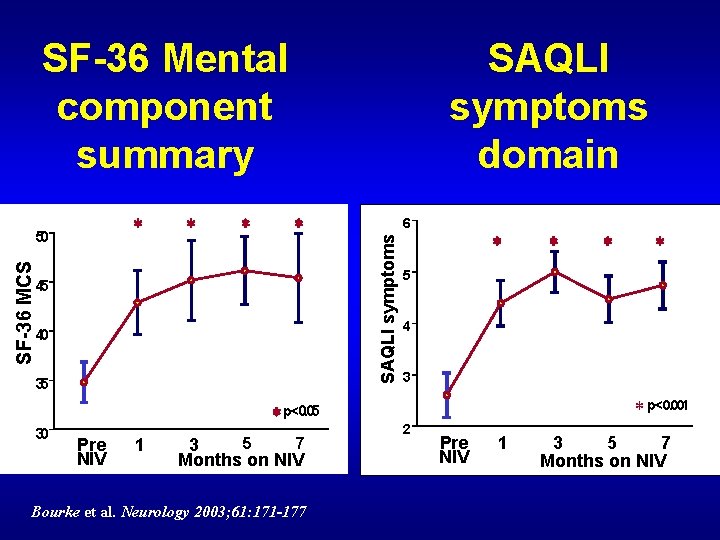
SF-36 Mental component summary SF-36 MCS * * * 45 40 35 * p<0. 05 30 Pre NIV 1 5 7 3 Months on NIV Bourke et al. Neurology 2003; 61: 171 -177 6 SAQLI symptoms * 50 SAQLI symptoms domain * * 5 4 3 * p<0. 001 2 Pre NIV 1 3 5 7 Months on NIV
Why ………… “Patients may not be offered or accept NIV due to a fear that prolonged survival in the face of increasing disability in a terminal disease may be burdensome and diminish, rather than improve quality of life ……. ” Are we extending life & palliating symptoms or prolonging death and suffering?
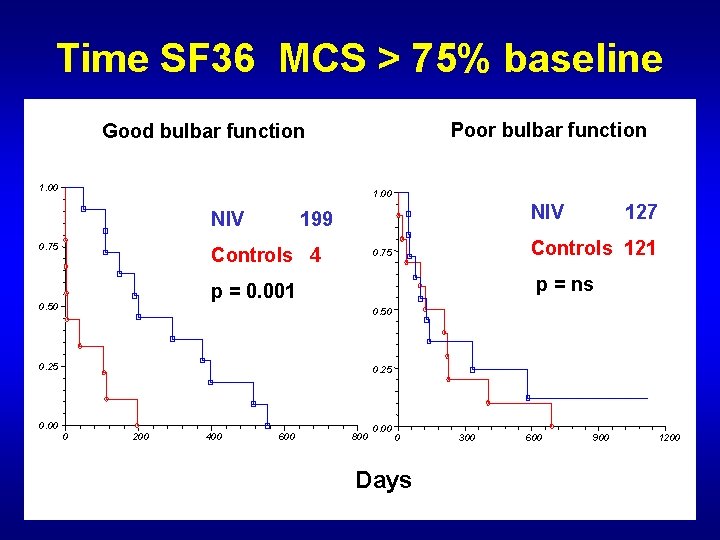
Time SF 36 MCS > 75% baseline Poor bulbar function Good bulbar function 1. 00 NIV 0. 75 NIV 199 Controls 4 p = ns 0. 50 0. 25 0. 00 Controls 121 0. 75 p = 0. 001 0. 50 127 0. 25 0 200 400 600 800 0 Days 300 600 900 1200
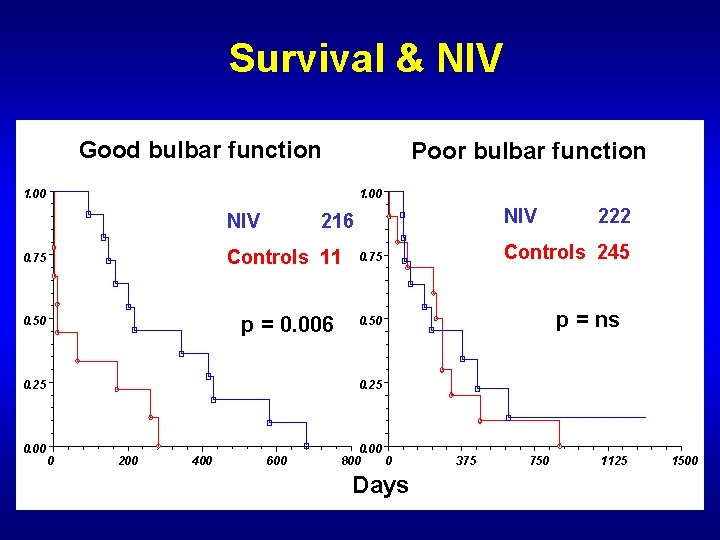
Survival & NIV Good bulbar function Poor bulbar function 1. 00 NIV 216 0. 75 Controls 11 0. 75 0. 50 p = 0. 006 0. 50 0. 25 0. 00 222 Controls 245 p = ns 0. 25 0 200 400 600 0. 00 800 0 Days 375 750 1125 1500
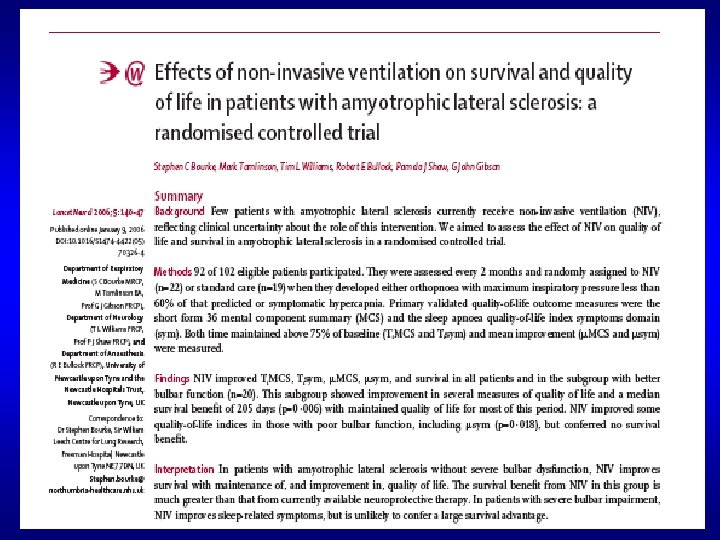
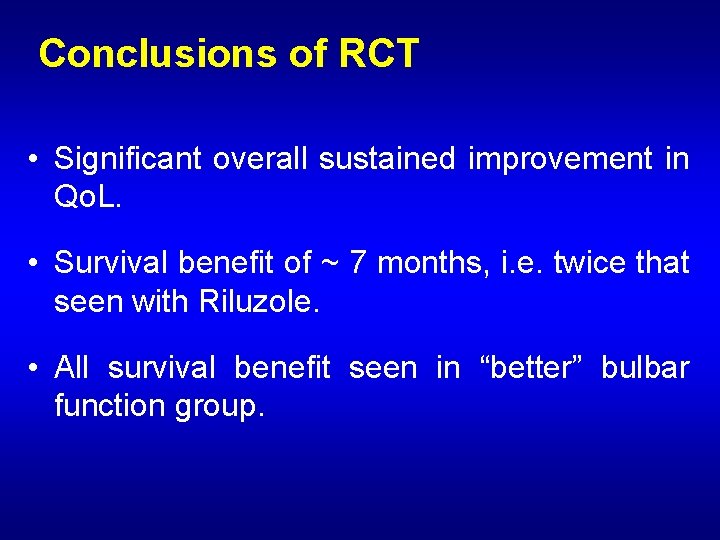
Conclusions of RCT • Significant overall sustained improvement in Qo. L. • Survival benefit of ~ 7 months, i. e. twice that seen with Riluzole. • All survival benefit seen in “better” bulbar function group.
SF-36 Mental component summary SF-36 MCS * * * 45 40 35 * p<0. 05 30 Pre NIV 1 5 7 3 Months on NIV Bourke et al. Neurology 2003; 61: 171 -177 6 SAQLI symptoms * 50 SAQLI symptoms domain * * 5 4 3 * p<0. 001 2 Pre NIV 1 3 5 7 Months on NIV
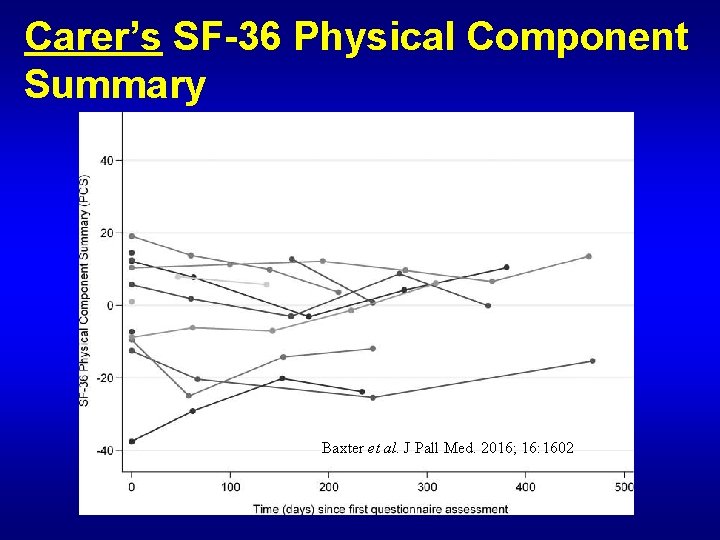
Carer’s SF-36 Physical Component Summary Baxter et al. J Pall Med. 2016; 16: 1602
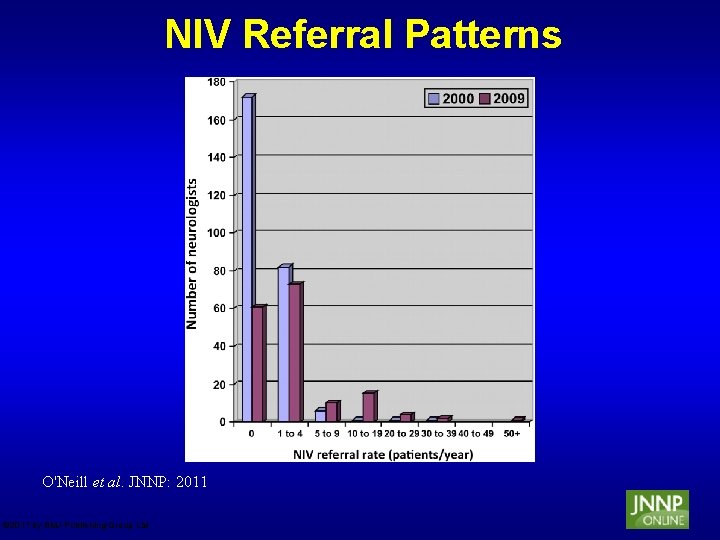
NIV Referral Patterns O'Neill et al. JNNP: 2011 © 2011 by BMJ Publishing Group Ltd
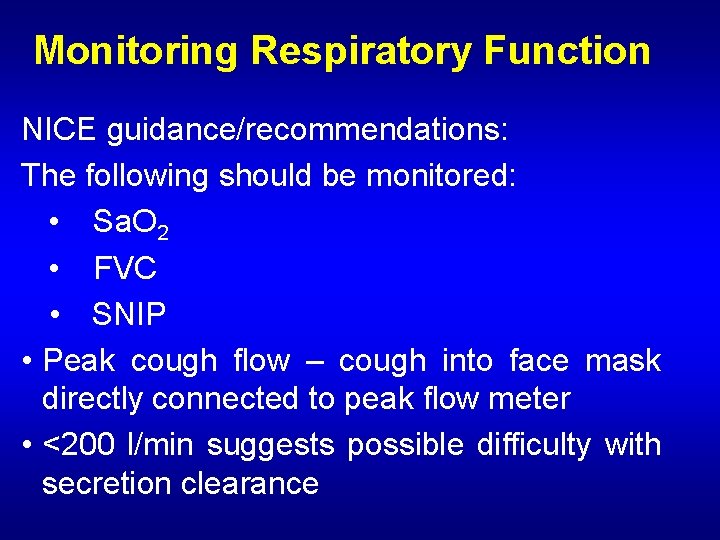
Monitoring Respiratory Function NICE guidance/recommendations: The following should be monitored: • Sa. O 2 • FVC • SNIP • Peak cough flow – cough into face mask directly connected to peak flow meter • <200 l/min suggests possible difficulty with secretion clearance
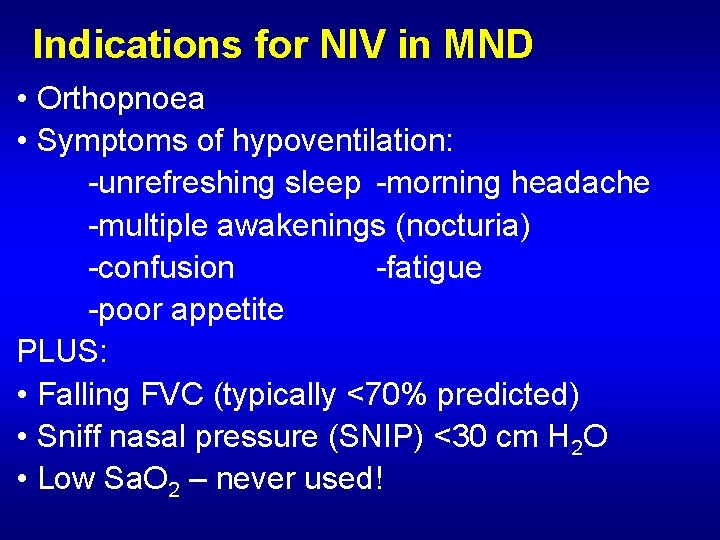
Indications for NIV in MND • Orthopnoea • Symptoms of hypoventilation: -unrefreshing sleep -morning headache -multiple awakenings (nocturia) -confusion -fatigue -poor appetite PLUS: • Falling FVC (typically <70% predicted) • Sniff nasal pressure (SNIP) <30 cm H 2 O • Low Sa. O 2 – never used!
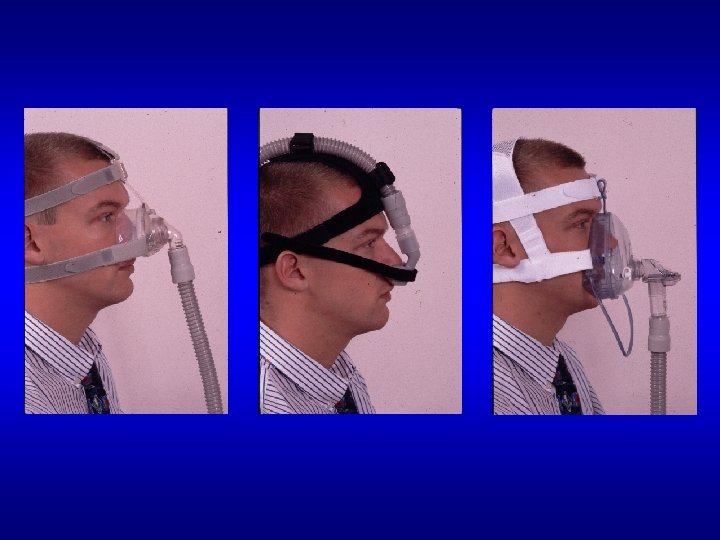
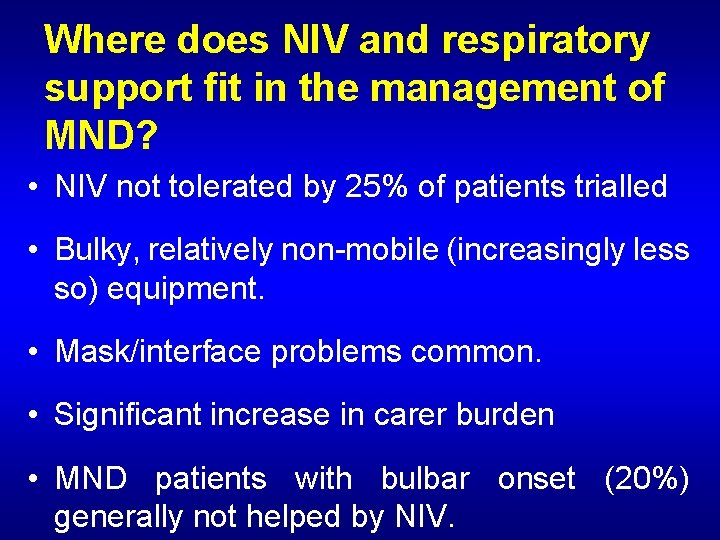
Where does NIV and respiratory support fit in the management of MND? • NIV not tolerated by 25% of patients trialled • Bulky, relatively non-mobile (increasingly less so) equipment. • Mask/interface problems common. • Significant increase in carer burden • MND patients with bulbar onset (20%) generally not helped by NIV.
Where does NIV and respiratory support fit in the management of MND? In the right setting NIV provides excellent palliation and prolongs useful and meaningful survival The evidence base for its use in MND exists and has NICE approval
Where does NIV and respiratory support fit in the management of MND? 1. NIV is for symptoms not survival or poor tests of respiratory function 2. NIV is not for all 3. Pros and cons discussed 4. Not for those with advanced physical disability at the end of their disease
Introducing NIV • Every attempt to do this electively • Increasing numbers of patients being considered for NIV - 30 -50% depending upon centre. • Increasing interest from patients in moving from elective NIV to elective invasive ventilation (IV). • Presently, 6 patients with longterm IV in region, none of whom truly commenced this intervention electively!