
Respiration Respiration is using food to release energy
- Slides: 45
Respiration
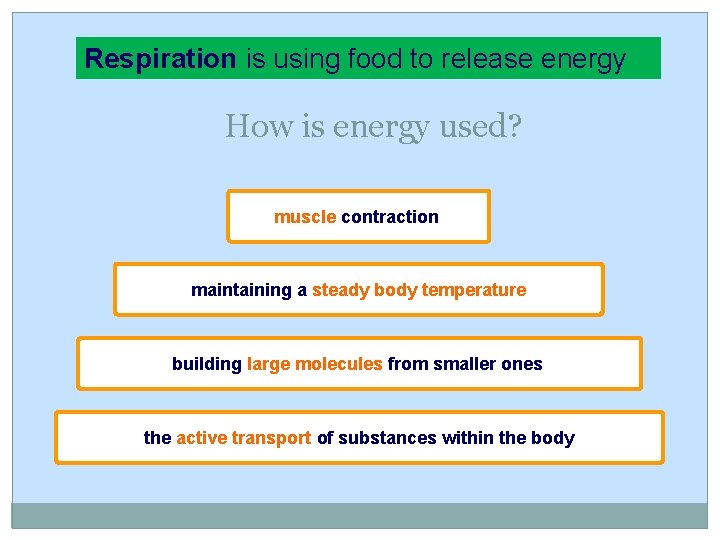
Respiration is using food to release energy How is energy used? muscle contraction maintaining a steady body temperature building large molecules from smaller ones the active transport of substances within the body
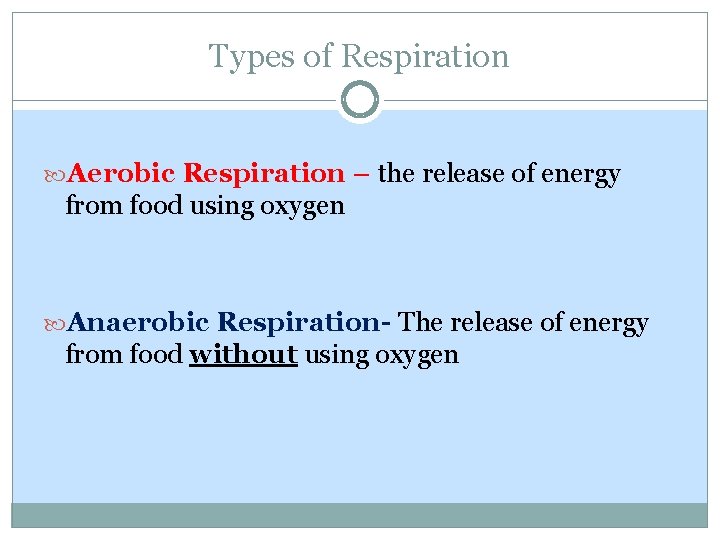
Types of Respiration Aerobic Respiration – the release of energy from food using oxygen Anaerobic Respiration- The release of energy from food without using oxygen
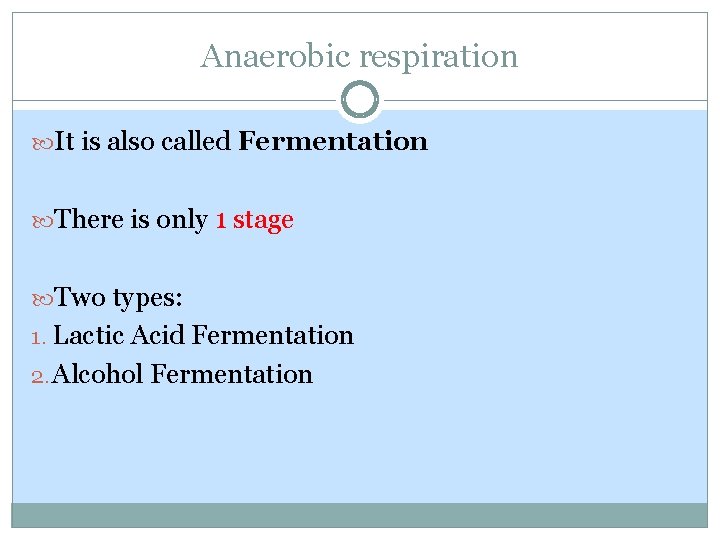
Anaerobic respiration It is also called Fermentation There is only 1 stage Two types: 1. Lactic Acid Fermentation 2. Alcohol Fermentation
Lactic Acid Fermentation Lactic acid is produced Happens in some bacteria and fungi Example bacteria anaerobically respire in milk and make lactic acid which sours the milk Happens in animal muscles when there is not enough oxygen example - during exercise. The lactic acid causes cramps!
Alcohol Fermentation alcohol and carbon dioxide are made Takes place in Bacteria and some fungi such as yeast Example - Yeast respires anaerobically in bread. . the alcohol evaporates but the carbon dioxide causes the dough to rise Happens in plants ( if there’s not enough oxygen)
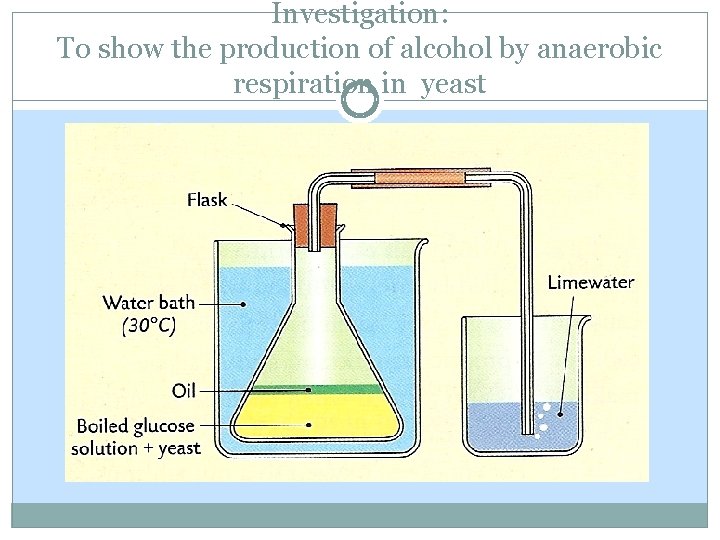
Investigation: To show the production of alcohol by anaerobic respiration in yeast
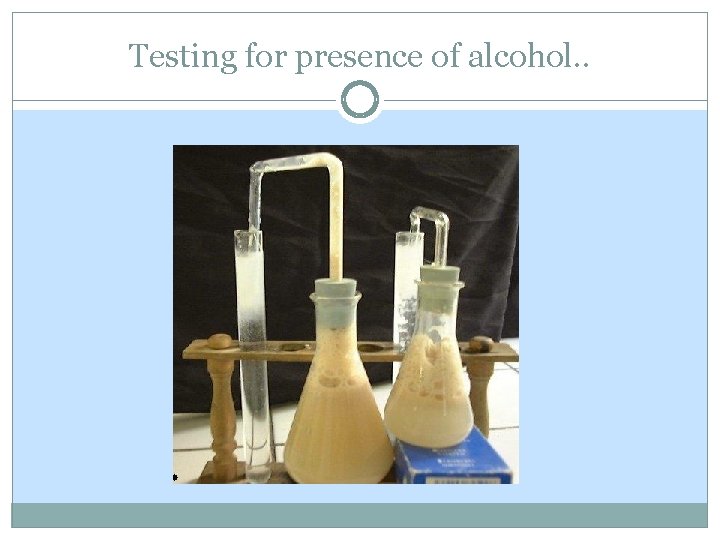
Testing for presence of alcohol. .
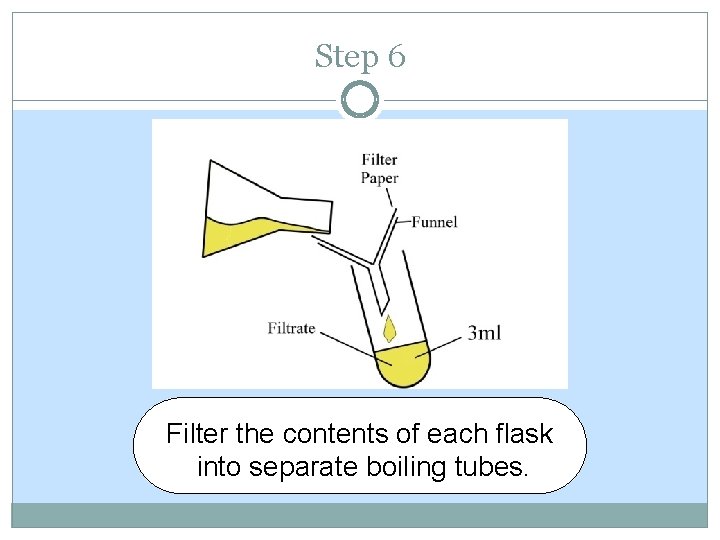
Step 6 Filter the contents of each flask into separate boiling tubes.
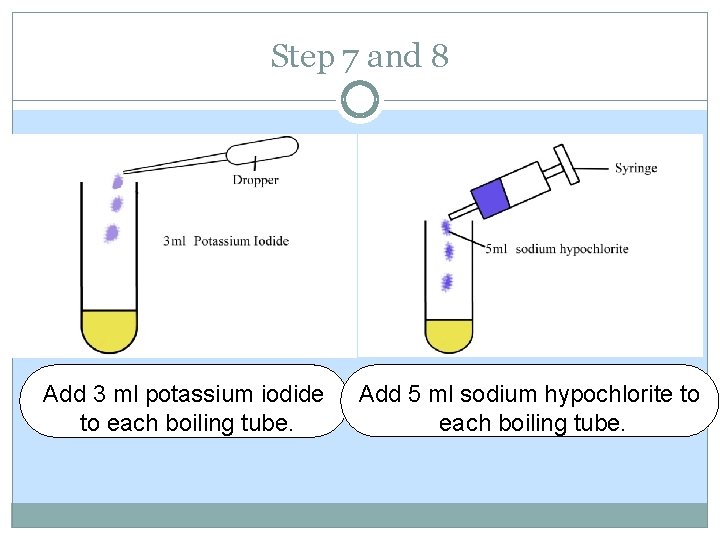
Step 7 and 8 Add 3 ml potassium iodide to each boiling tube. Add 5 ml sodium hypochlorite to each boiling tube.
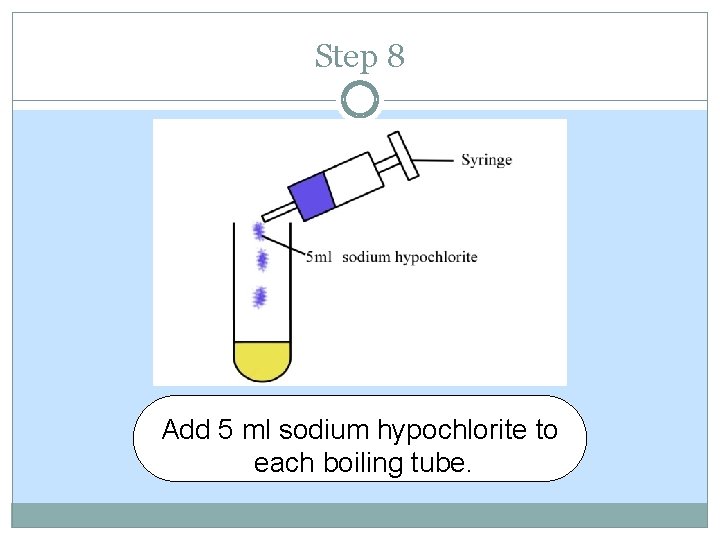
Step 8 Add 5 ml sodium hypochlorite to each boiling tube.
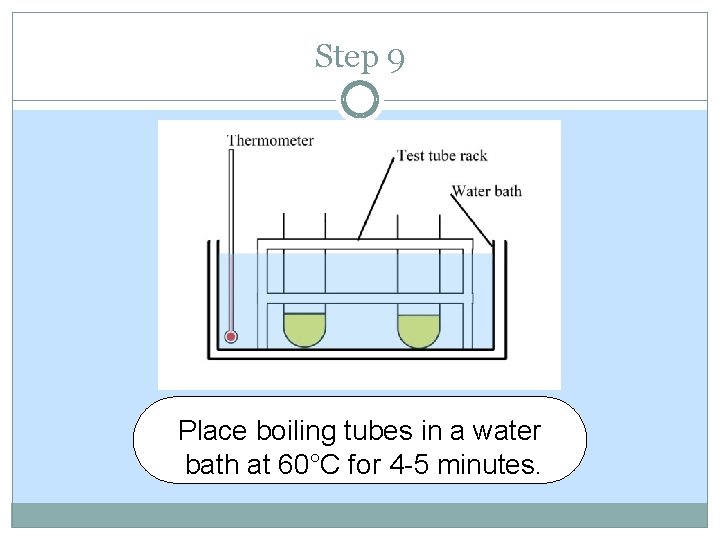
Step 9 Place boiling tubes in a water bath at 60°C for 4 -5 minutes.
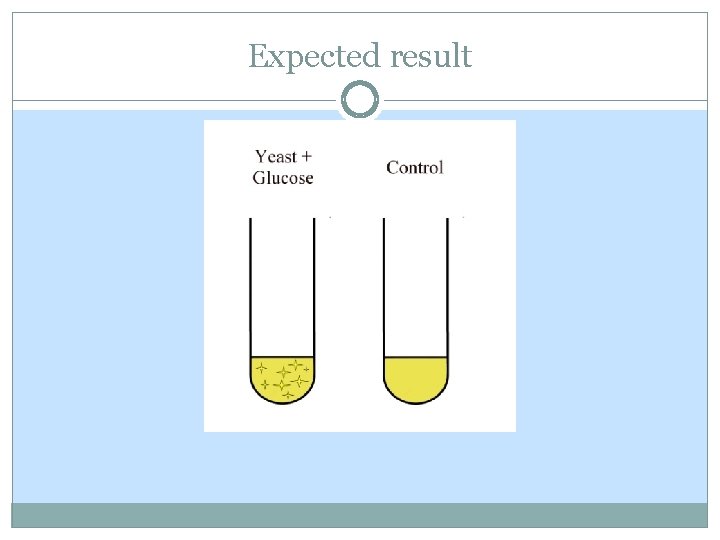
Expected result
Biotechnology is when living cells (or parts of them) are used to manufacture useful products. It is mostly microorganisms or enzymes that are used. Think of some examples
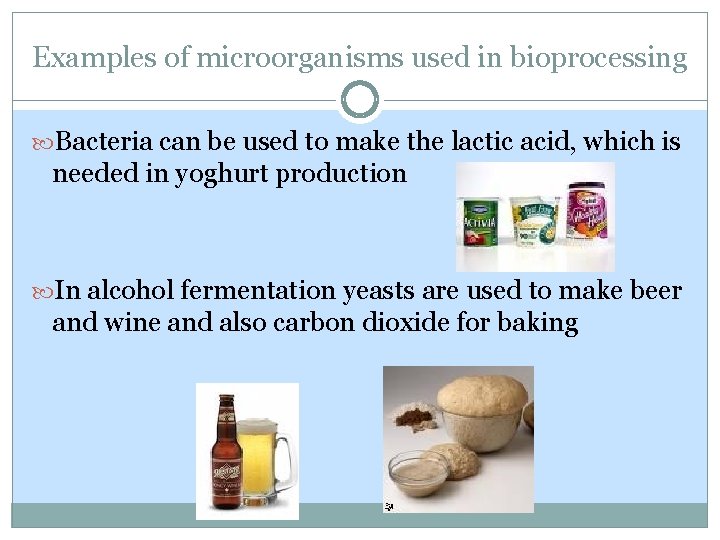
Examples of microorganisms used in bioprocessing Bacteria can be used to make the lactic acid, which is needed in yoghurt production In alcohol fermentation yeasts are used to make beer and wine and also carbon dioxide for baking
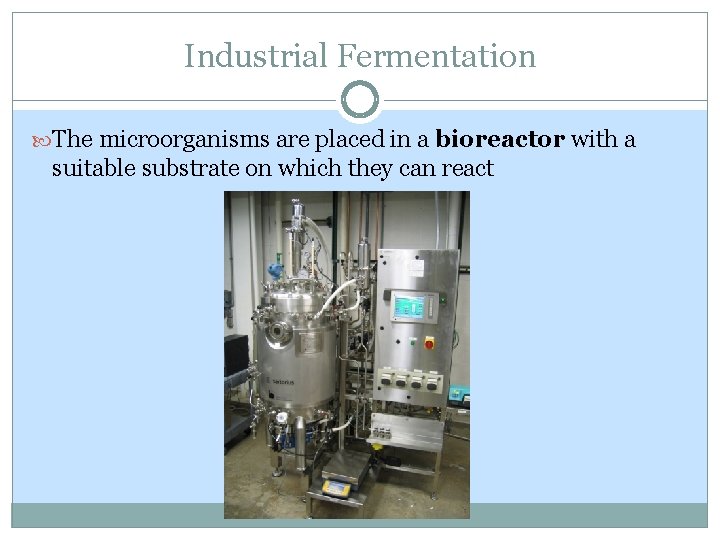
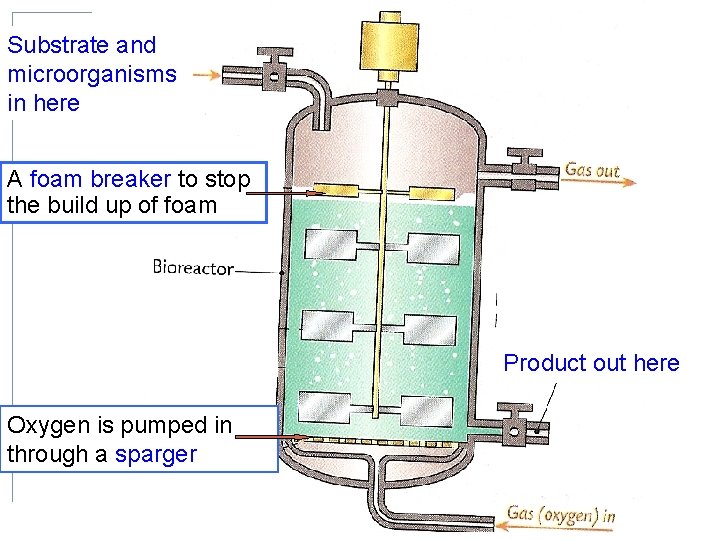
Industrial Fermentation The microorganisms are placed in a bioreactor with a suitable substrate on which they can react
Substrate and microorganisms in here A foam breaker to stop the build up of foam Product out here Oxygen is pumped in through a sparger
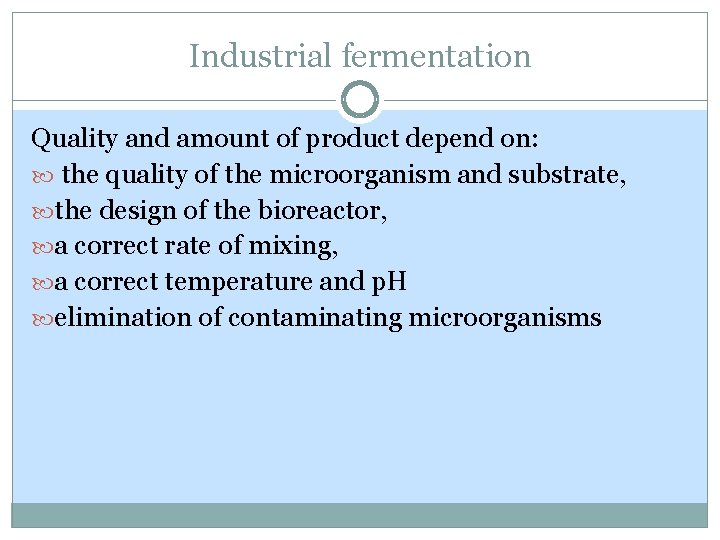
Industrial fermentation Quality and amount of product depend on: the quality of the microorganism and substrate, the design of the bioreactor, a correct rate of mixing, a correct temperature and p. H elimination of contaminating microorganisms
Learning Check What is biotechnology? What is a bioreactor? Why is a foam breaker needed? What is oxygen pumped in through? Name a few factors that affect quality and amount of product What types of microorganisms are used in bioprocessing?
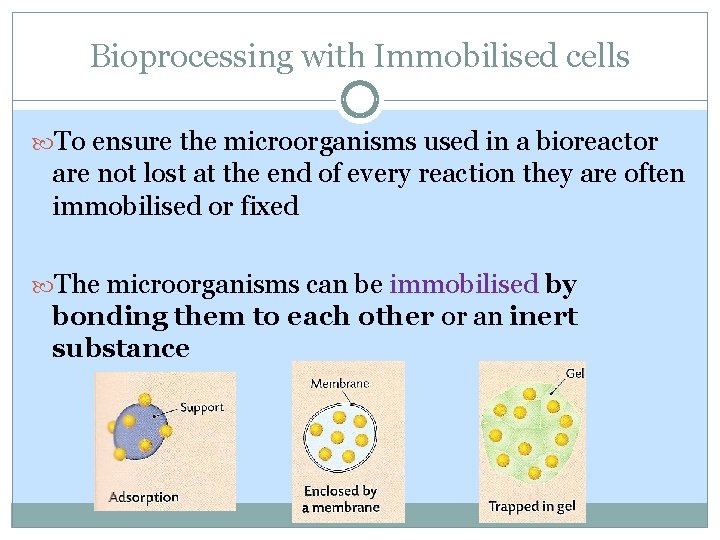
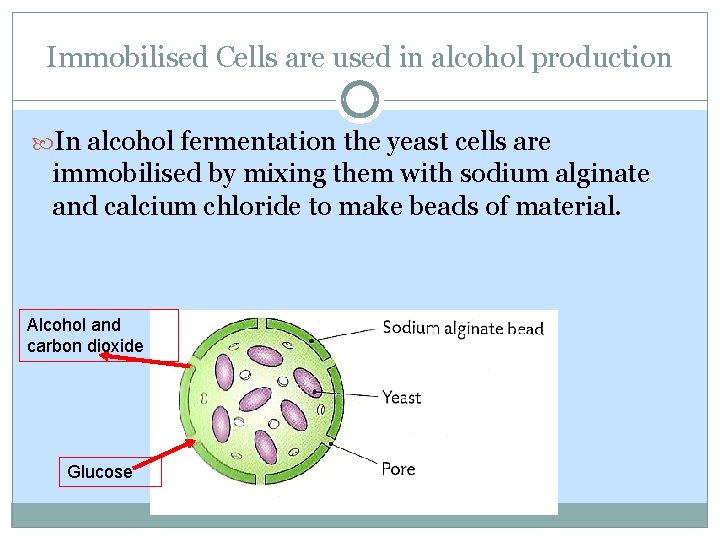
Bioprocessing with Immobilised cells To ensure the microorganisms used in a bioreactor are not lost at the end of every reaction they are often immobilised or fixed The microorganisms can be immobilised by bonding them to each other or an inert substance
Immobilised Cells are used in alcohol production In alcohol fermentation the yeast cells are immobilised by mixing them with sodium alginate and calcium chloride to make beads of material. Alcohol and carbon dioxide Glucose
Advantages of Immobilised Cells 1. It is a gentle procedure so does not damage cells. Immobilised cells: 2. can be reused 3. can be easily recovered. 4. reduce the need for filtration at the end of bioprocessing
Uses of Immobilised Cells Immobilised cells are becoming more popular than immobilised enzymes as it saves time isolating and purifying enzymes which is an expensive process!
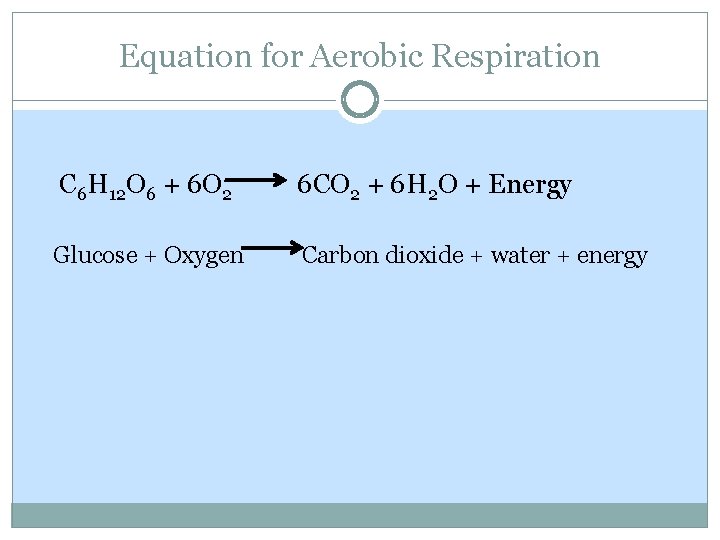
Equation for Aerobic Respiration C 6 H 12 O 6 + 6 O 2 6 CO 2 + 6 H 2 O + Energy Glucose + Oxygen Carbon dioxide + water + energy
Aerobic respiration Aerobic Respiration occurs in 2 stages Stage 1 Stage 2
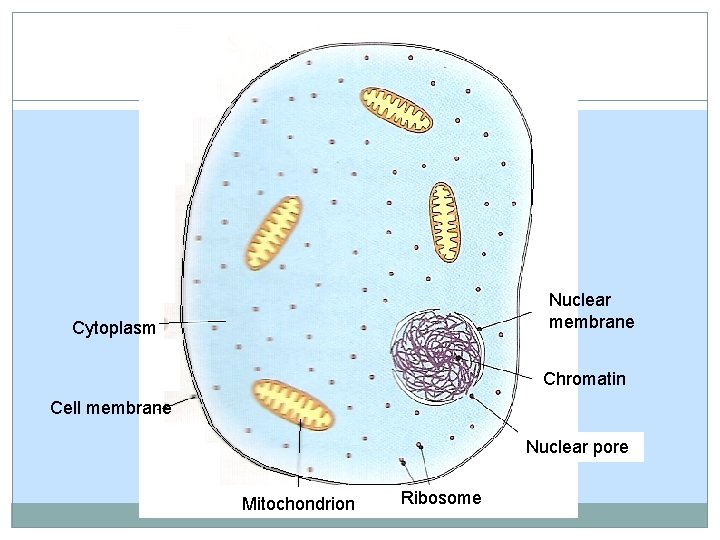
Nuclear membrane Cytoplasm Chromatin Cell membrane Nuclear pore Mitochondrion Ribosome
Stage 1 Takes place in the cytosol (the part of the cytoplasm without the organelles). Does not require oxygen Small amounts of energy released (This stage happens in both aerobic and an aerobic respiration)
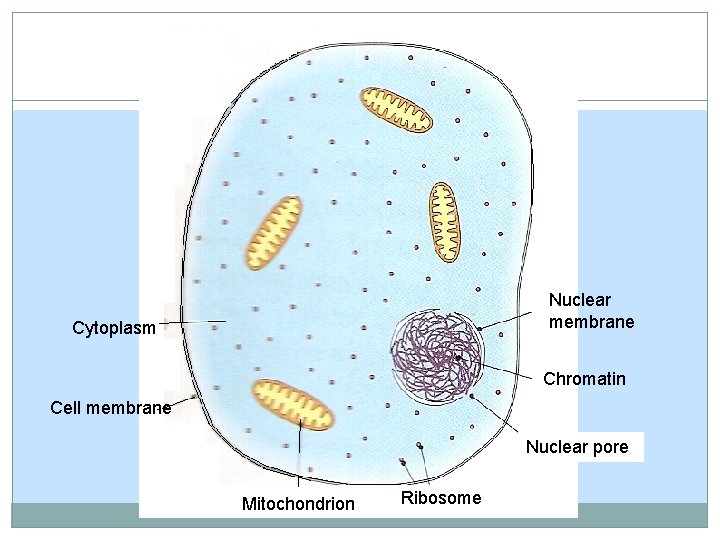
Nuclear membrane Cytoplasm Chromatin Cell membrane Nuclear pore Mitochondrion Ribosome
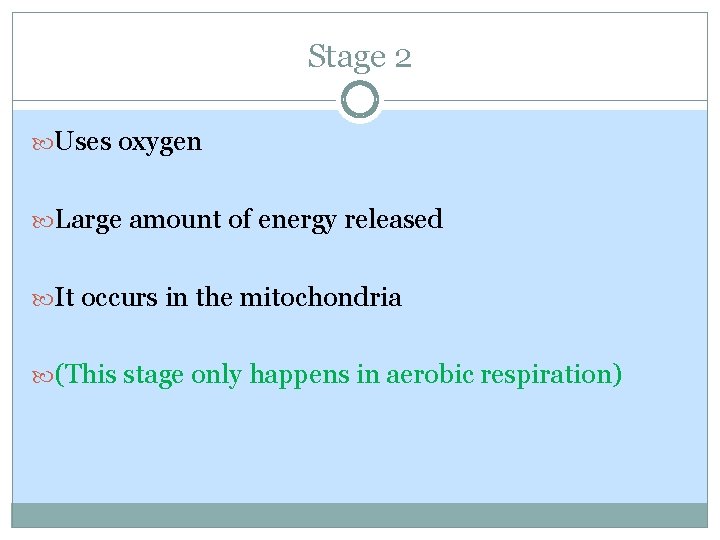
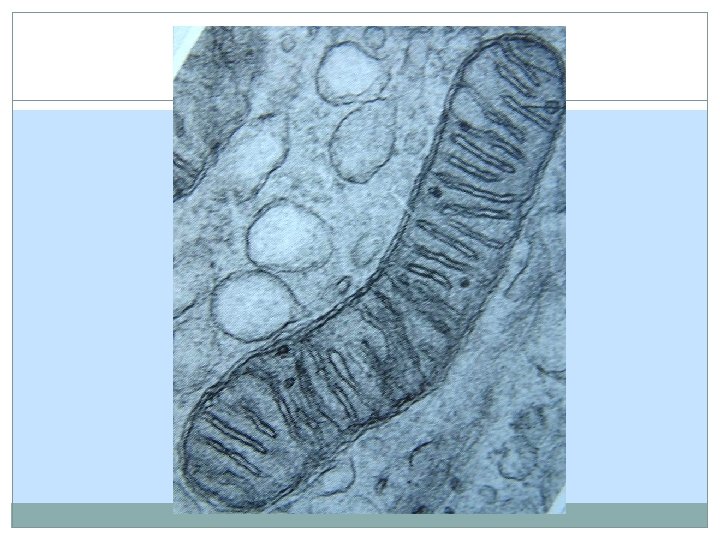
Stage 2 Uses oxygen Large amount of energy released It occurs in the mitochondria (This stage only happens in aerobic respiration)
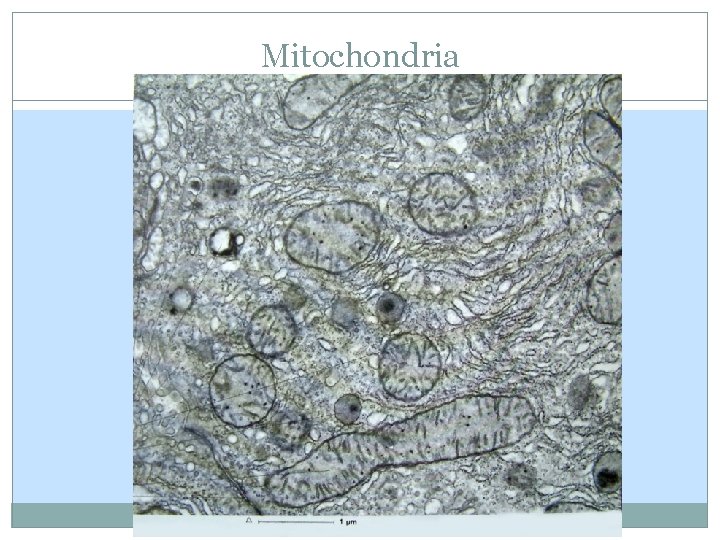
Mitochondria
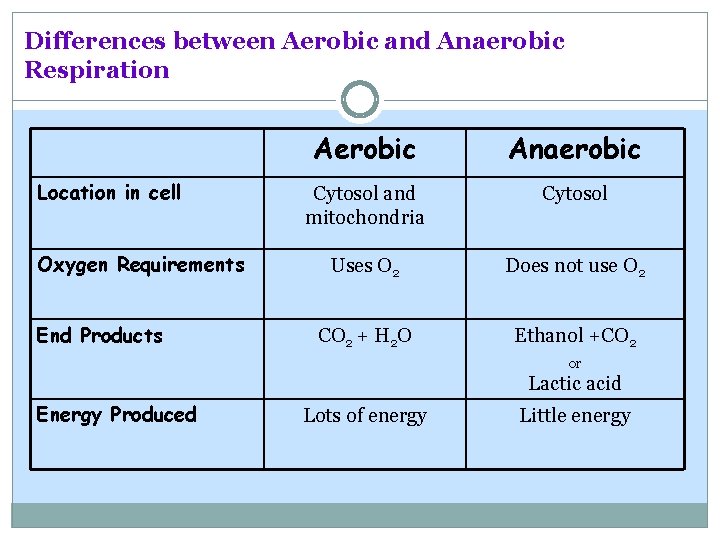
Differences between Aerobic and Anaerobic Respiration Location in cell Oxygen Requirements End Products Aerobic Anaerobic Cytosol and mitochondria Cytosol Uses O 2 Does not use O 2 CO 2 + H 2 O Ethanol +CO 2 or Lactic acid Energy Produced Lots of energy Little energy
Respiration extended study HL
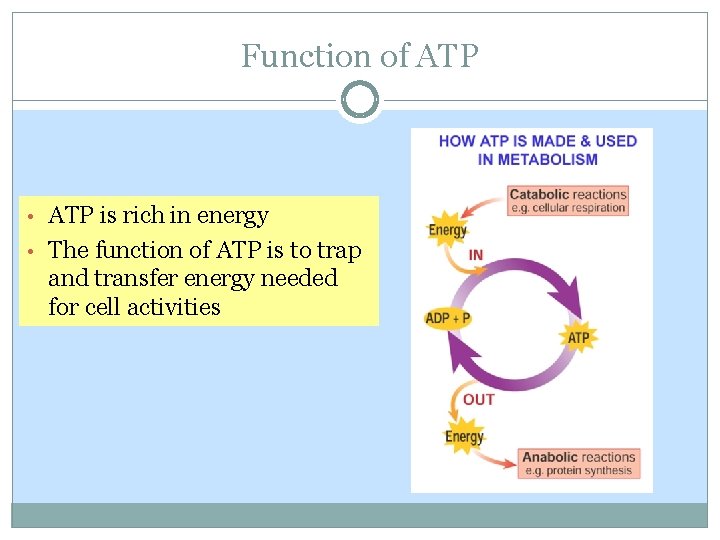
Energy carriers • There are special molecules in our cells, such as ATP that act as energy carriers
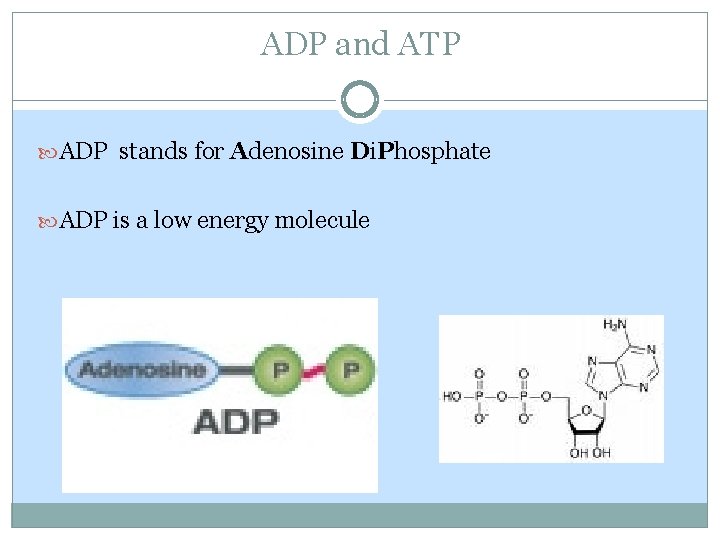
ADP and ATP ADP stands for Adenosine Di. Phosphate ADP is a low energy molecule
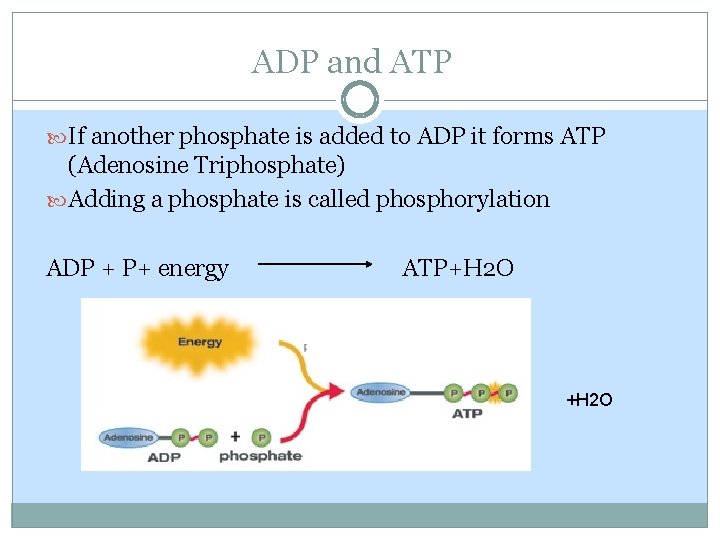
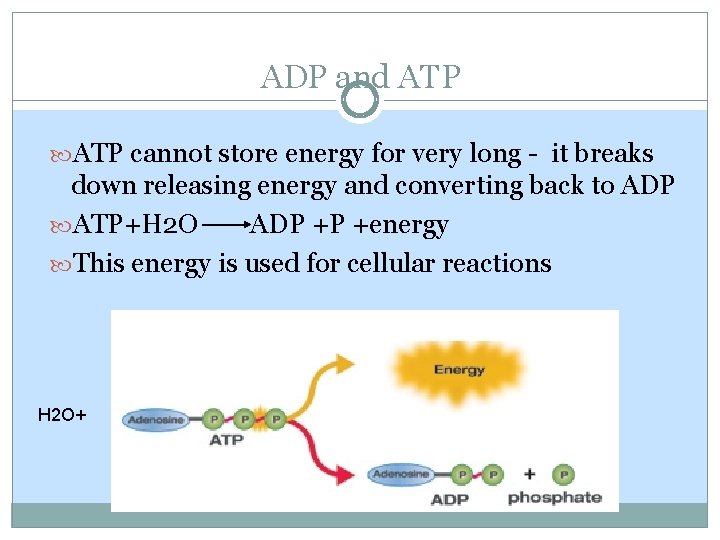
ADP and ATP If another phosphate is added to ADP it forms ATP (Adenosine Triphosphate) Adding a phosphate is called phosphorylation ADP + P+ energy ATP+H 2 O
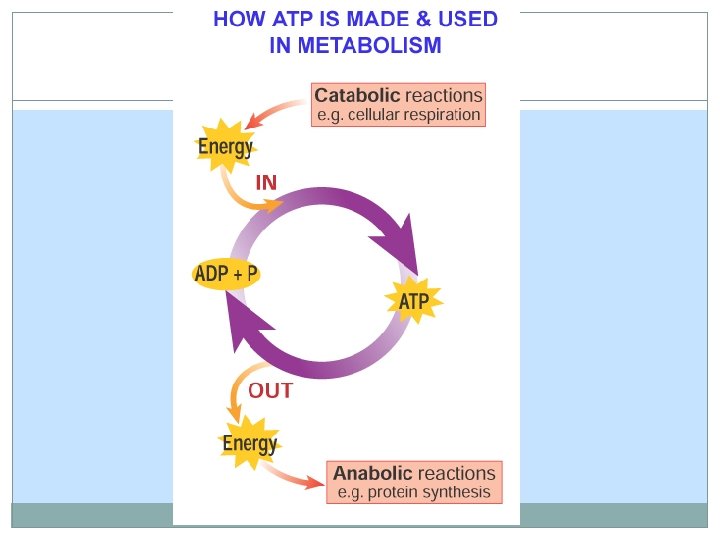
Function of ATP • ATP is rich in energy • The function of ATP is to trap and transfer energy needed for cell activities
ADP and ATP cannot store energy for very long - it breaks down releasing energy and converting back to ADP ATP+H 2 O ADP +P +energy This energy is used for cellular reactions H 2 O+
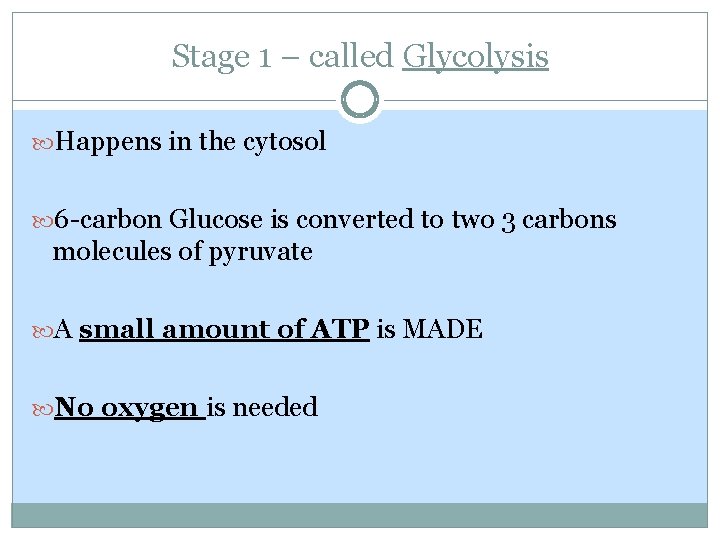
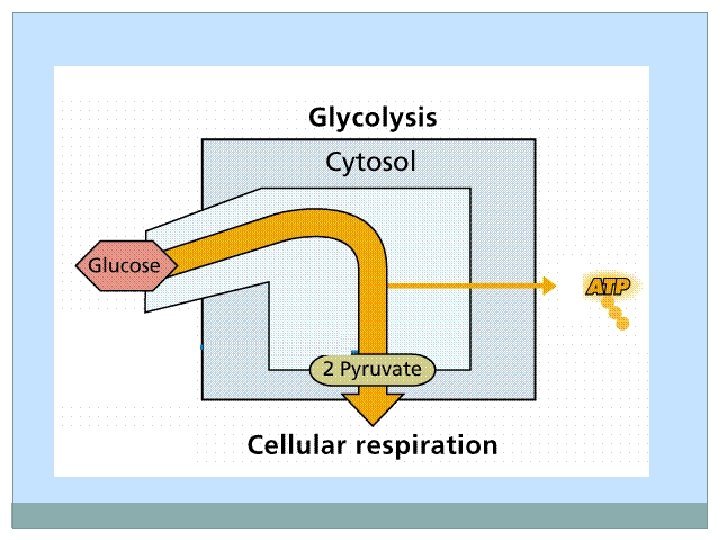
Stage 1 – called Glycolysis Happens in the cytosol 6 -carbon Glucose is converted to two 3 carbons molecules of pyruvate A small amount of ATP is MADE No oxygen is needed
What happens next…. In anaerobic respiration the pyruvate molecules will be converted to: Lactic acid Or Alcohol and carbon dioxide In aerobic respiration the pyruvate molecules go through to the second stage in respiration
Stage 2 – Krebs cycle Stage 2 only happens in aerobic respiration Each pyruvate enters a mitochondrion Each Pyruvate is broken down to a a carbon dioxide molecule and a 2 -carbon molecule called Acetyl coenzyme A (Acetyl Co. A for short)
Kreb’s Cycle The Acetyl Co. A enters a series of reactions called Kreb’s cycle As the acetyl Co. A is broken down carbon dioxide and electrons are released. These electrons are passed along to species which accept the electrons and then pass them along “substrate intermediates” We say that these electrons are passed along an electron transport chain. As this happens energy is released and is used to make lots of ATP.
Krebs cycle At the end of the cycle the electrons eventually are accepted by oxygen and this then combines with hydrogen to form water.