
Resource Mobilization US Presidents Emergency Plan For AIDS
Resource Mobilization US President's Emergency Plan For AIDS Relief (PEPFAR) Perspective Anthonia Aina - HTC/Gender Coordinator US Centers for Disease Control and Prevention (CDC) Nigeria Sept 17, 2013 Dakar Senegal
PEPFAR (working towards an AIDS-free generation) • A commitment of $15 billion for over five years (2003– 2008) to 15 low & medium income countries with high HIV/AIDS prevalence to fight the HIV pandemic • PEPFAR was re-authorized to $48 billion through 2013, including $39 billion for HIV and the global Fund, $4 billion for TB, and $5 billion for malaria
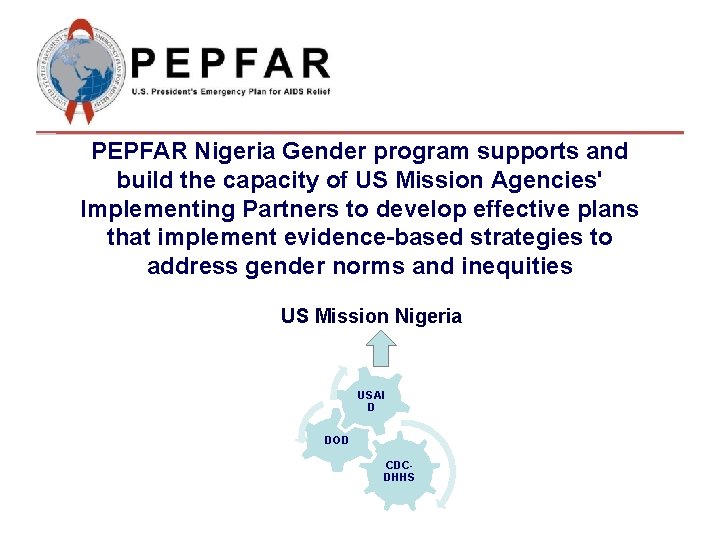
PEPFAR Nigeria Gender program supports and build the capacity of US Mission Agencies' Implementing Partners to develop effective plans that implement evidence-based strategies to address gender norms and inequities US Mission Nigeria USAI D DOD CDCDHHS
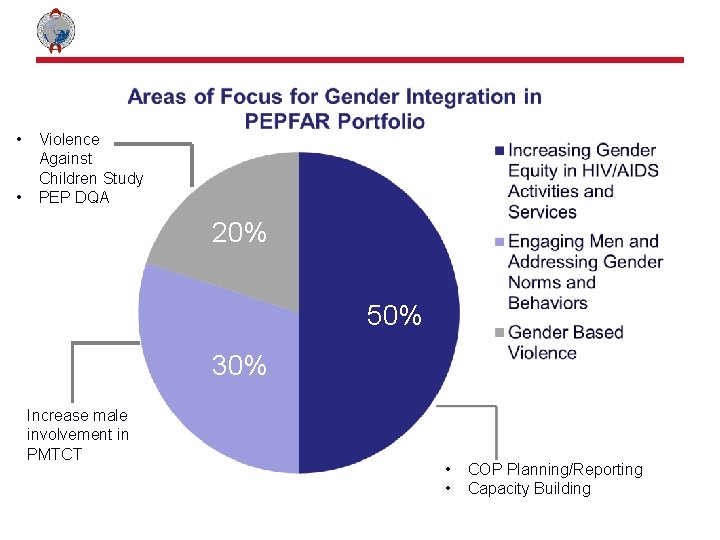
• • Violence Against Children Study PEP DQA 20% 50% 30% Increase male involvement in PMTCT • • COP Planning/Reporting Capacity Building
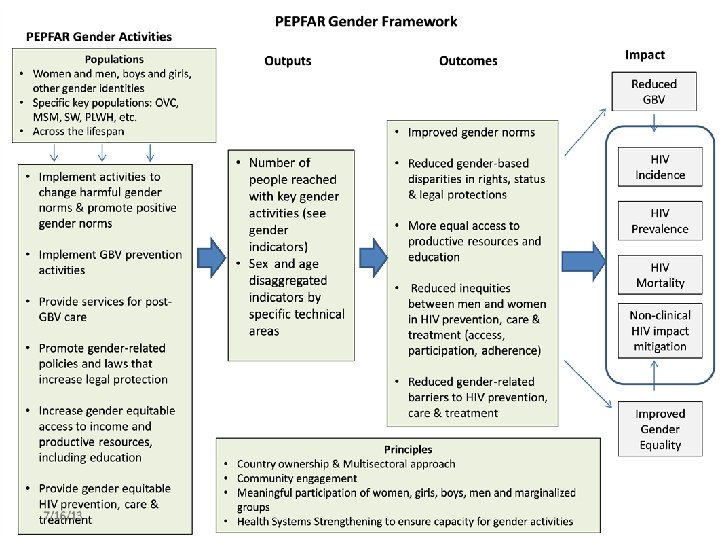

Resource mobilization • A process of identifying and obtaining resources to help achieve organizational goals and ensure sustainability • Types: Financial and non-financial supplies 1. Man – human, manpower, staff 2. Money – funds, capital, physical cash 3. Materials – equipments, machines, instruments, stationeries,

Purpose of Resource Mobilization • To creative efforts in using own local assets to gain support for organizational goal • To create multiple sources of funding to increase organizational independence and flexibility to implement programs • Reduce reliance on external (or foreign) funding.
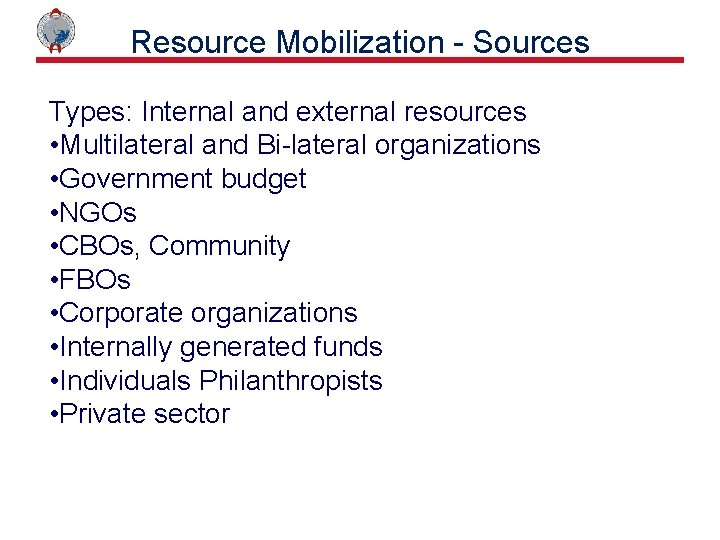
Resource Mobilization - Sources Types: Internal and external resources • Multilateral and Bi-lateral organizations • Government budget • NGOs • CBOs, Community • FBOs • Corporate organizations • Internally generated funds • Individuals Philanthropists • Private sector
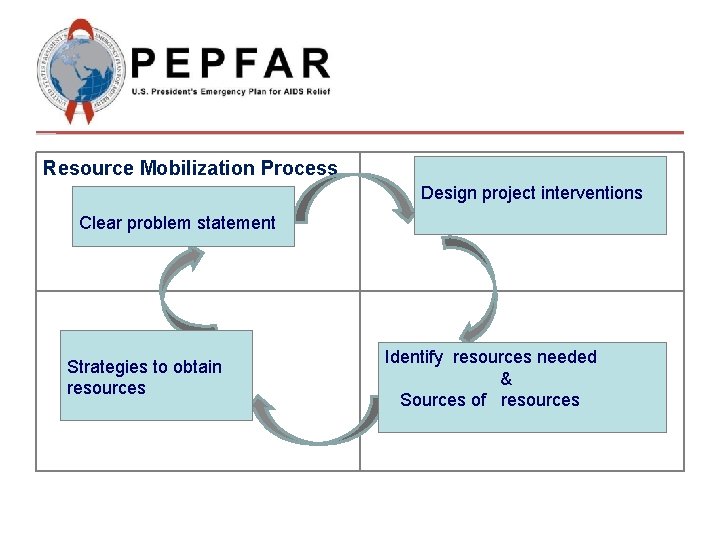
Resource Mobilization Process Design project interventions Clear problem statement Strategies to obtain resources Identify resources needed & Sources of resources

Resources Mobilization Strategies & Plan Strategies Plan • • • Problem Definition • Organizational Analysis (SWOT) • Stakeholder Analysis • Project Design • Resource Analysis • Resource Acquisition Strategy • Develop a Sustainability Strategy Integration Letters for support Grant proposal Collaboration Synergy Formation Partnership Alliance Creation Be Receptive, open Discussion forum Be prepared, organized Hopeful
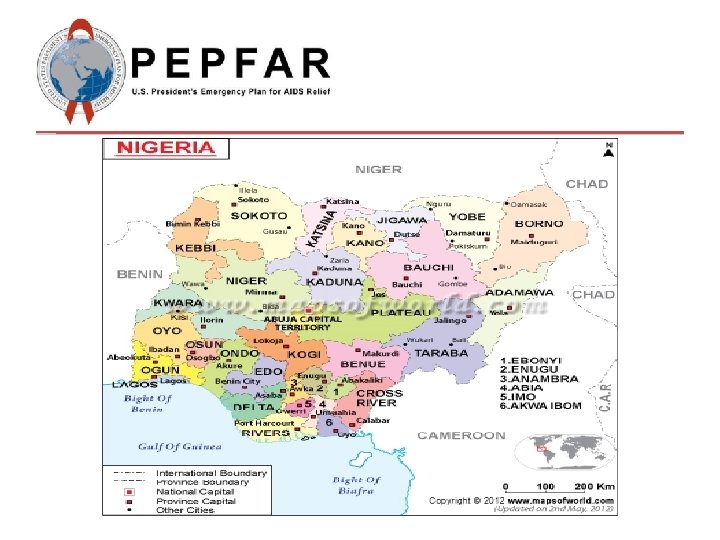
Integration • PEPFAR country teams and Implementing Partners (IP) develop country operational plans (COPs) and design programs that integrate gender throughout the HIV continuum of response • Over 500 IPs and subs provide comprehensive HIV services in all 36 states and the FCT with over 8, 000 sites in a country of 170 m people • Gender is integrated into each step of the program cycle by IPs
1 - ASSESSMENT Collect and analyze data to identify gender-based constraints and opportunities relevant to program objectives 5 - EVALUATION Measure impact of program on health and gender equity outcomes; adjust accordingly to enhance successful strategies. 4 - MONITORING Develop indicators that measure gender-specific outcomes; monitor implementation and effectiveness in addressing program objectives 2 - PLANNING Develop program objectives that strengthen synergy between gender issues and HIV goals; identify participants, clients, and key stakeholders 3 - DESIGN Identify key program strategies to address genderbased constraints and opportunities
Why is integrating gender into HIV programs important? • Understanding the unique needs of men and women, boys and girls, and other gender identities • To identify target populations and dedicate resources where they are most needed. • To identify gender-related barriers, such as norms etc • Responding to the unique needs of men and boys, women and girls, and other gender identities • To improve program outcomes and enhance sustainability
What Does It Mean To Integrate Gender into HIV prevention, Care & Treatment? Means responding to the unique needs (? ) of men and women, boys and girls, and other gender identities so they are equally able to: • access and utilize HIV prevention, care and treatment services initiate and practice healthy behaviors • improve their health outcomes • lives free from violence, stigma and discrimination
Increase Gender Equitable Access to income and productive resources including education • Providing economic opportunities; • To ensure that girls are given equal opportunity to attend school (e. g. support for tuition fees, uniforms & supplies) and/or vocational training (in marketable skills); • Working with govt to develop policies that increase women access to economic resources, including credit • Programs to provide alternative income generation activities for transgender, MSM, IDUs and sex workers.
Provide gender-equitable HIV prevention, care and treatment Strong PEPFAR-supported programs promote evidence based and innovative strategies; examples: • Programs that provide male-friendly HIV/AIDS and reproductive health services to encourage men‘s participation in health care • Design and implement targeted interventions to overcome barriers for MSM and transgender populations • Programs that integrate HIV/AIDS services into family planning and reproductive health clinics in order to facilitate women‘s access to services at a single location.
Meaningful participation of women, girls and marginalized groups • To effectively address their health needs, women, girls, and other populations need to participate in the design, management, monitoring and evaluation of HIV prevention, care and treatment • In order to become agents of their own health and overall empowerment, programs must move beyond viewing them only as end-users and beneficiaries and acknowledge and support their roles as principal actors and decision-makers.
Health system strengthening to ensure capacity building Multiple organizations can; • Promote pre-service training, in-service training, and mentoring on gender issues for relevant professions • Support development of civil society organizations through building advocacy, administrative and technical skills to deliver and monitor high quality health and social services. • Training of local law enforcement and members of the judiciary on laws that promote gender equality and protect the right of women and girls
Country Ownership & Multisectoral Approach • Promote linkages to programs outside the health sector, including the legal system, education, and food security, etc. • Increase efforts to raise-awareness among families, communities and government decision-makers about the range of determinants influencing the health of men and women, girls and boys • Address and respond to harmful practices, including child marriage, forced marriage, FGM, violence against LGBT populations, and “honor” crimes.
Community Engagement Community-based approach Recommendations: • Engage community leaders, role models, and gatekeepers, including religious/tribal leaders, • Work with local actors to identify cultural norms and practices that support HIV prevention, treatment and care, as well as gender equality. • Employ community members in the provision of information and services.
- Slides: 21