
Resilient Trauma Informed Community Trauma Informed Supervision Agenda
- Slides: 33
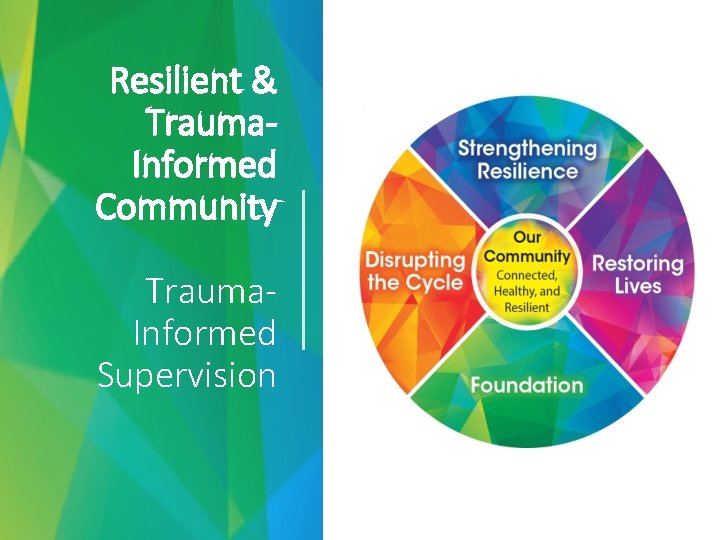
Resilient & Trauma. Informed Community Trauma. Informed Supervision
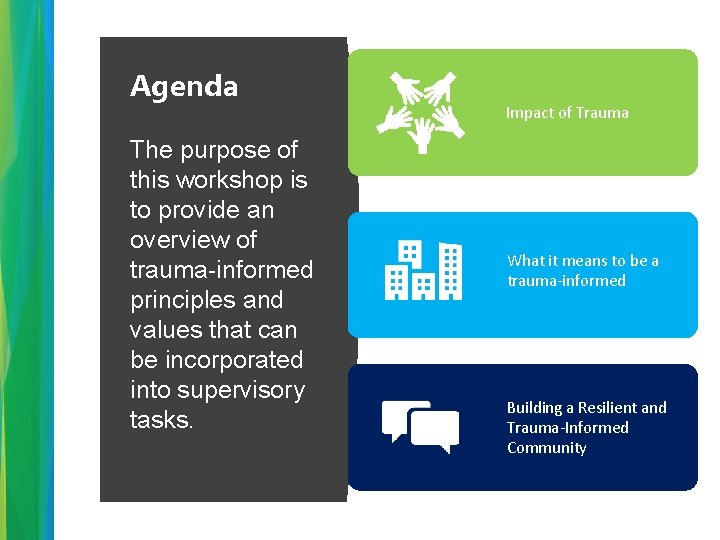
Agenda The purpose of this workshop is to provide an overview of trauma-informed principles and values that can be incorporated into supervisory tasks. Impact of Trauma What it means to be a trauma-informed Building a Resilient and Trauma-Informed Community
Who are we today? In the chat Name Role Share one thing you hope to learn during our time together?
Impact of Trauma
What Is Trauma? There are many ways to describe and categorize trauma. Ultimately, it is the emotional and physical response to experiencing an event (or witnessing an event) that is dangerous, frightening, or life-threatening.
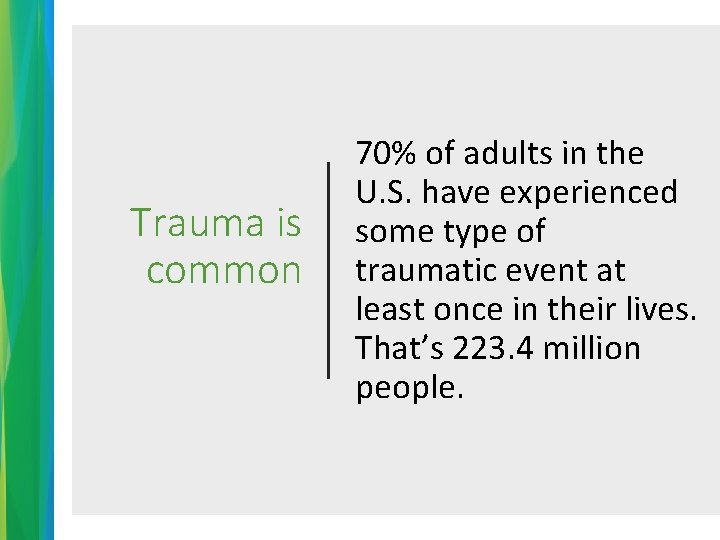
Trauma is common 70% of adults in the U. S. have experienced some type of traumatic event at least once in their lives. That’s 223. 4 million people.
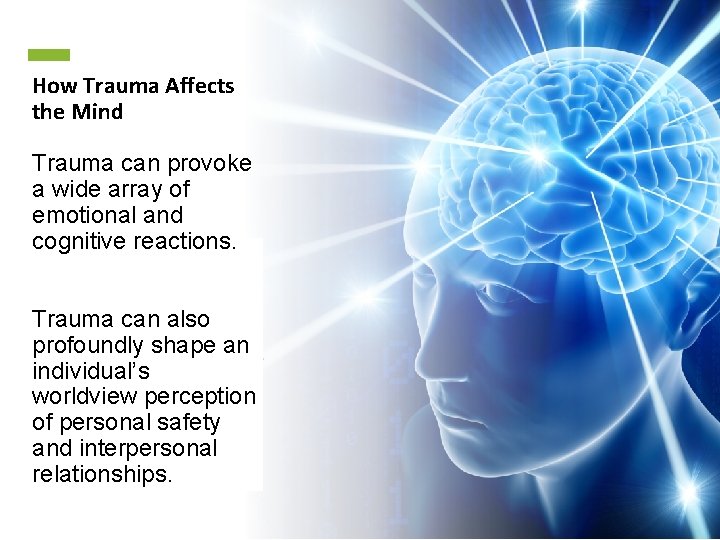
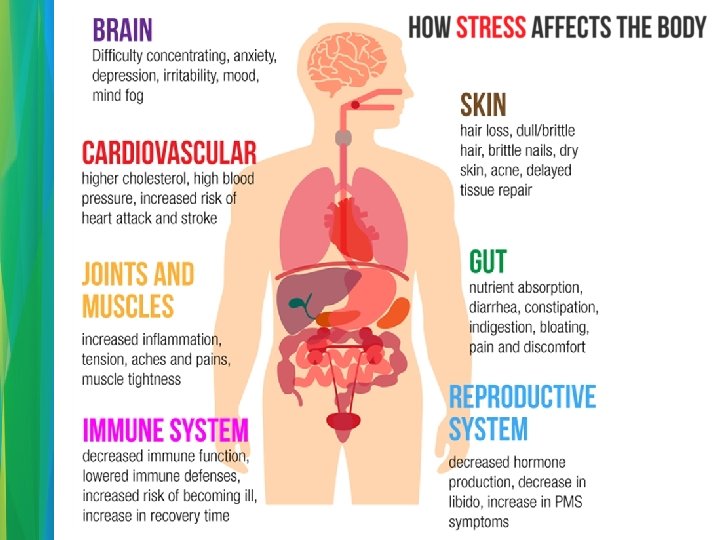
How Trauma Affects the Mind Trauma can provoke a wide array of emotional and cognitive reactions. Trauma can also profoundly shape an individual’s worldview perception of personal safety and interpersonal relationships.
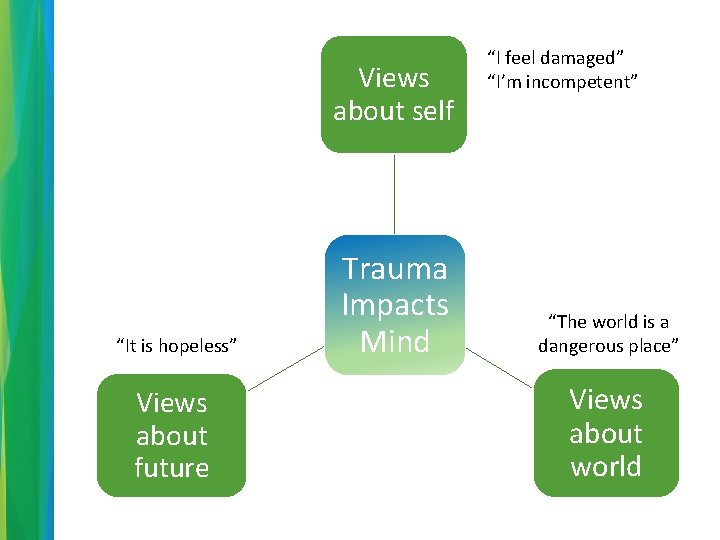
Views about self “It is hopeless” Views about future Trauma Impacts Mind “I feel damaged” “I’m incompetent” “The world is a dangerous place” Views about world
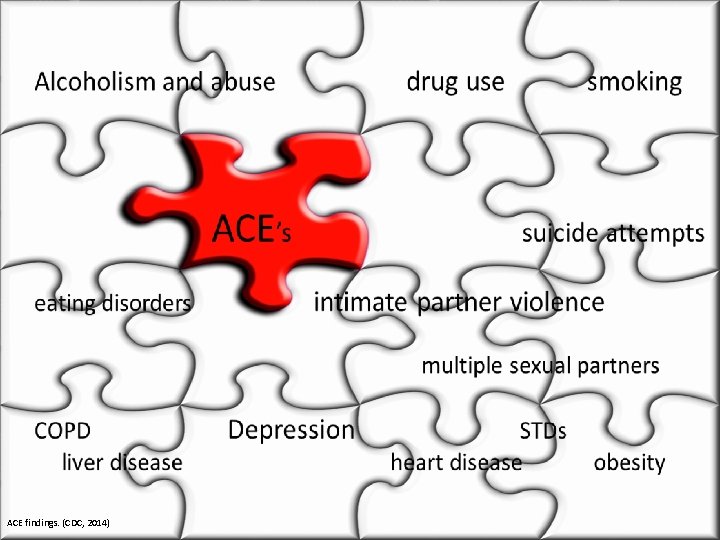
ACE findings. (CDC, 2014)
But ACEs are not the whole story… Resilience
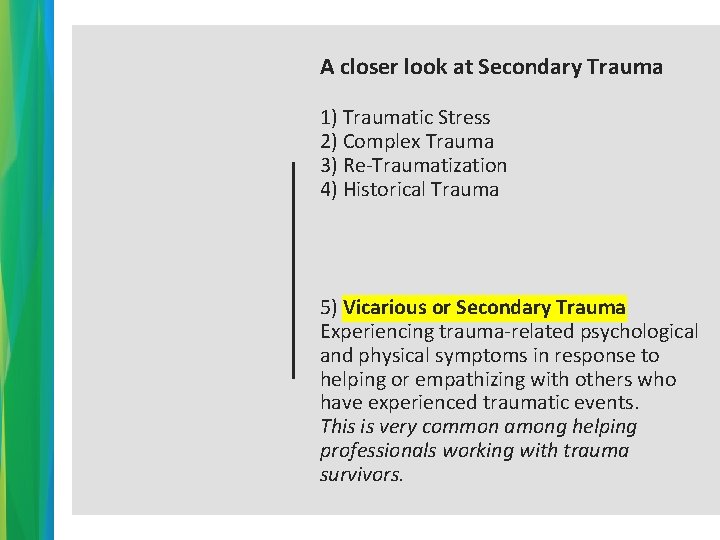
A closer look at Secondary Trauma 1) Traumatic Stress 2) Complex Trauma 3) Re-Traumatization 4) Historical Trauma 5) Vicarious or Secondary Trauma Experiencing trauma-related psychological and physical symptoms in response to helping or empathizing with others who have experienced traumatic events. This is very common among helping professionals working with trauma survivors.
Why might secondary trauma be common among people in helping professions?
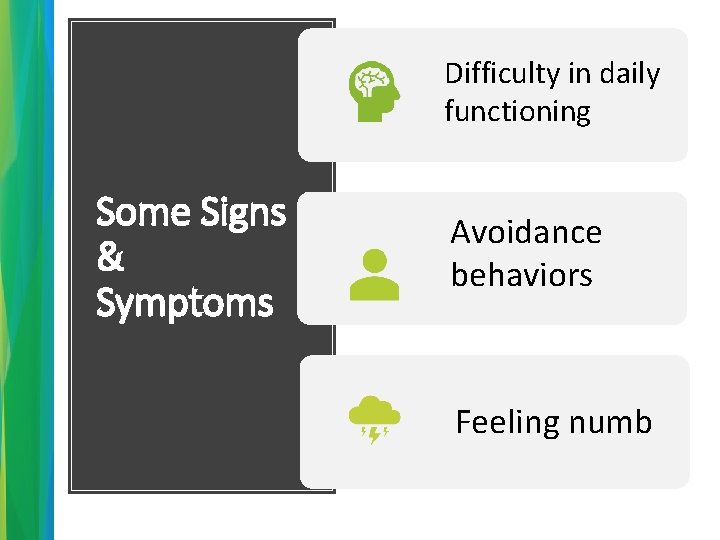
Difficulty in daily functioning Some Signs & Symptoms Avoidance behaviors Feeling numb
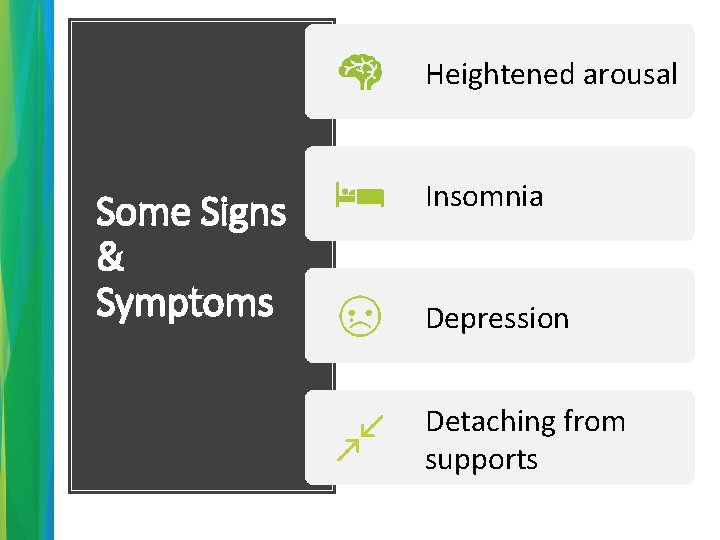
Heightened arousal Some Signs & Symptoms Insomnia Depression Detaching from supports
What is the impact of unaddressed secondary trauma on the organization?
“The expectation that we can be immersed in suffering and loss daily and not be touched by it is as realistic as expecting to be able to walk through water and not get wet. ” —Rachel Naomi Remen, MD
Why trauma-informed supervision
What are the qualities of a good staff person working under your supervision?
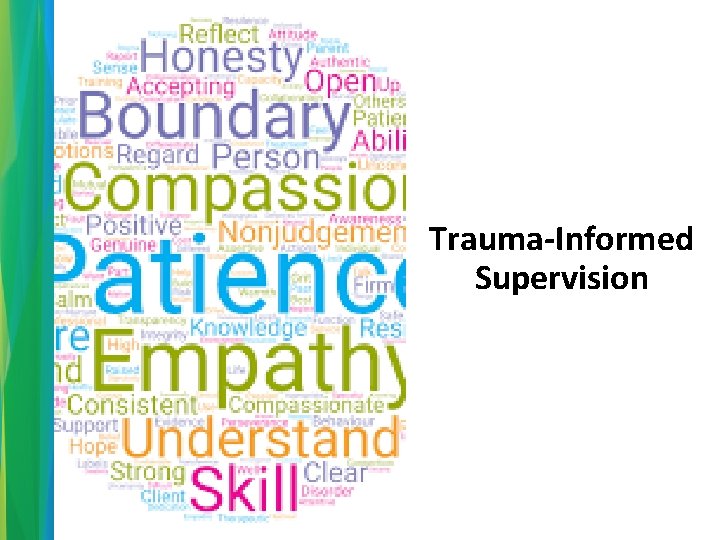
Trauma-Informed Supervision
Think of Trauma-Informed Supervision as a framework that shifts the way we think, understand respond to behaviors and experiences within the workplace.
Trauma-Informed Supervision starts with trauma-informed perspective shift AND utilizes a skillset of strategies built on new knowledge
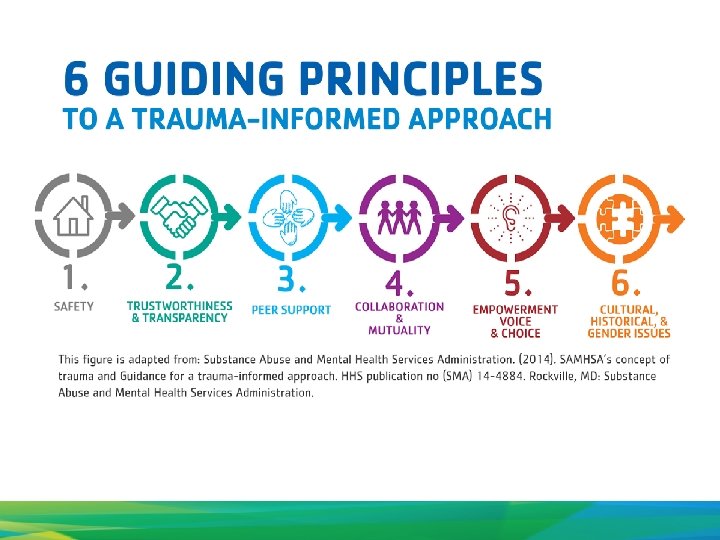
Review of TIC Principles
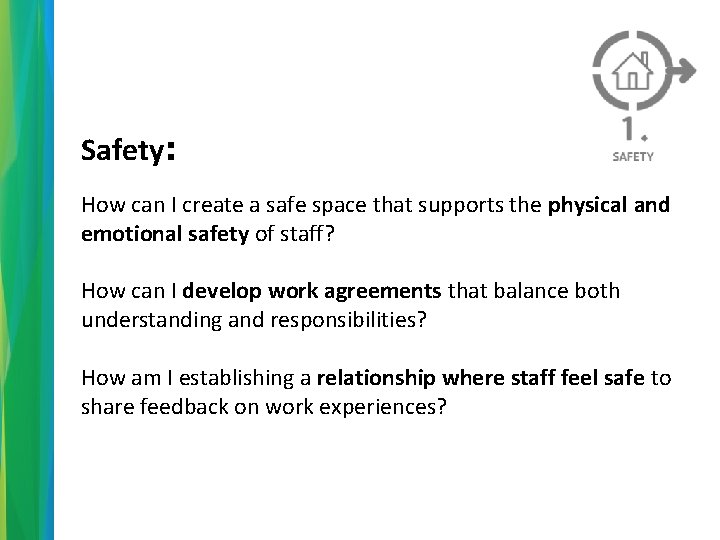
Safety: How can I create a safe space that supports the physical and emotional safety of staff? How can I develop work agreements that balance both understanding and responsibilities? How am I establishing a relationship where staff feel safe to share feedback on work experiences?
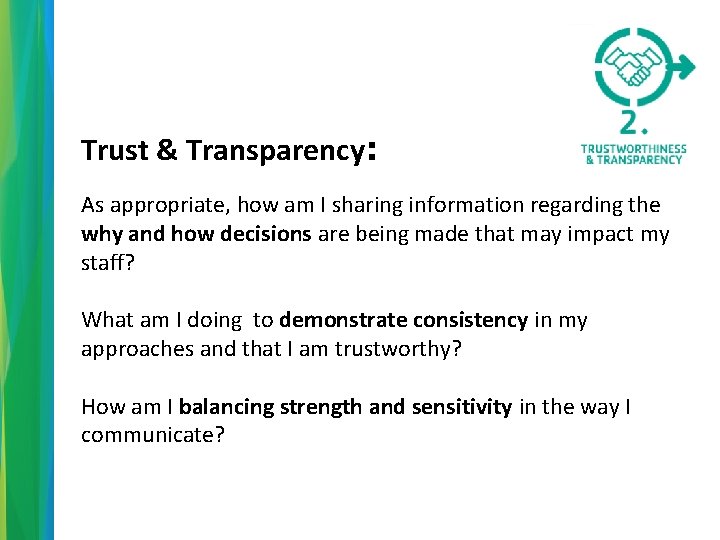
Trust & Transparency: As appropriate, how am I sharing information regarding the why and how decisions are being made that may impact my staff? What am I doing to demonstrate consistency in my approaches and that I am trustworthy? How am I balancing strength and sensitivity in the way I communicate?
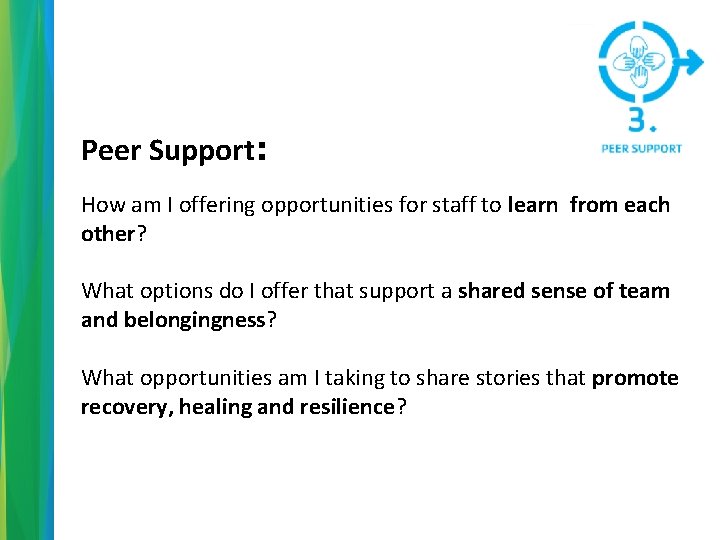
Peer Support: How am I offering opportunities for staff to learn from each other? What options do I offer that support a shared sense of team and belongingness? What opportunities am I taking to share stories that promote recovery, healing and resilience?
Collaboration & Mutuality: Where am I inviting others to share their input? What am I do to give opportunity to staff to develop collaborative goals and objectives with me? How do I work with staff in an engaged way instead of only telling them what to do?
Empowerment, Voice & Choice: What am I doing to recognize and validate the perspectives and strengths of others? How do I empower staff to take ownership for the responsibilities of their position? As appropriate, how am I encouraging staff voice in decisions and offering choices when possible?
Cultural, Historical & Gender Issues: How does my awareness of historical contexts and power dynamics influence my thoughts, actions and words? What am I doing to educate myself about the perspectives of staff who have different lived experiences than me? How am I demonstrating cultural humility and trustworthiness?
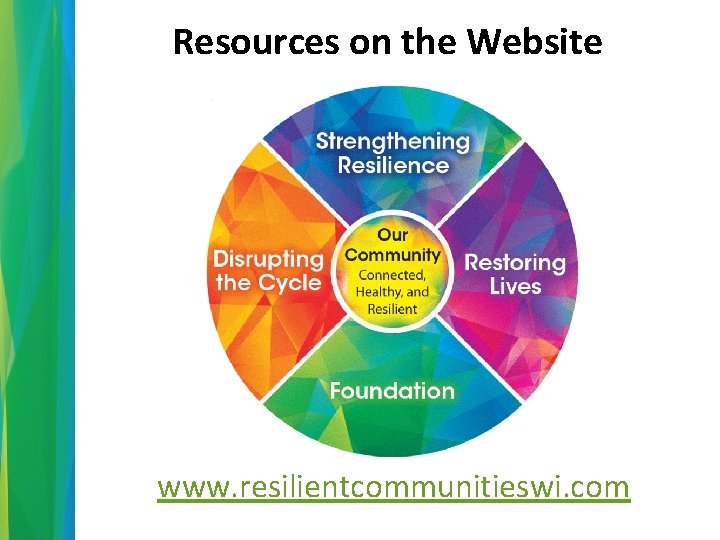
Resources on the Website www. resilientcommunitieswi. com