
Research Methods The Need for Psychological Science Anagram



- Slides: 104
Research Methods
The Need for Psychological Science
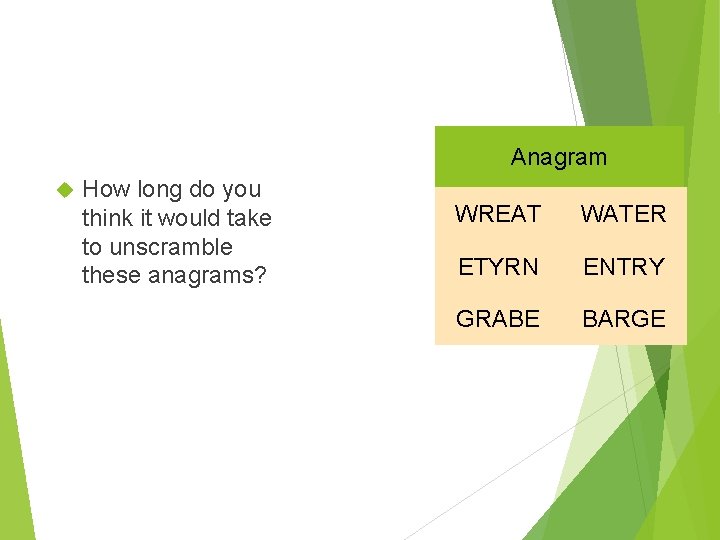
Anagram How long do you think it would take to unscramble these anagrams? WREAT WATER ETYRN ENTRY GRABE BARGE
Try this one! OCHSA
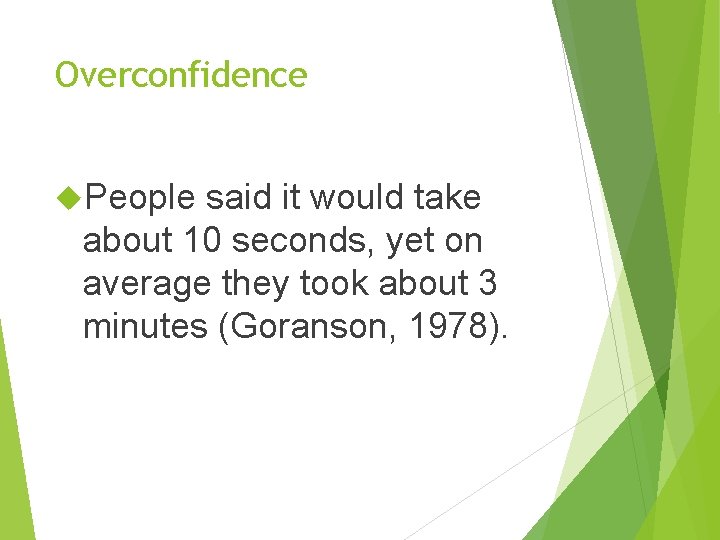
Overconfidence People said it would take about 10 seconds, yet on average they took about 3 minutes (Goranson, 1978).
Did We Know It All Along? Hindsight Bias Hindsight “I Bias knew it all along” “Out of sight, out of mind” “Absence makes the heart grow fonder”
Overconfidence Together with hindsight bias, can lead us to overestimate our intuition
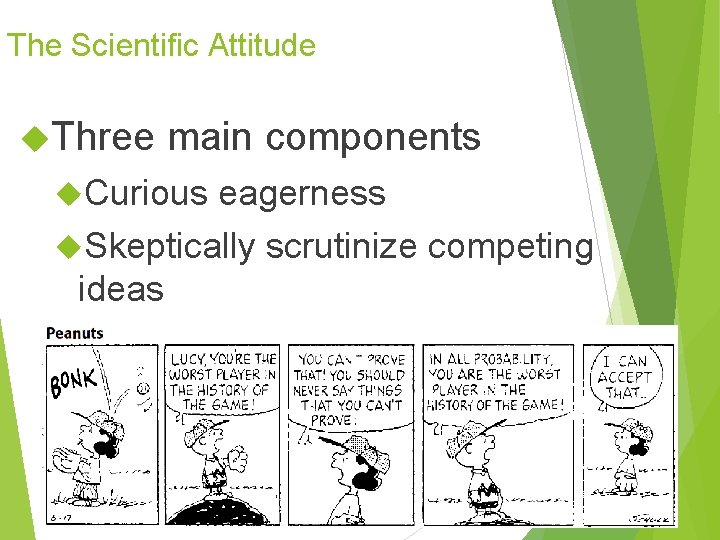
The Scientific Attitude Three main components Curious eagerness Skeptically scrutinize competing ideas Open-minded humility
Critical Thinking “Smart thinking” Four elements Examines assumptions Discerns hidden values Evaluates evidence Assesses conclusions
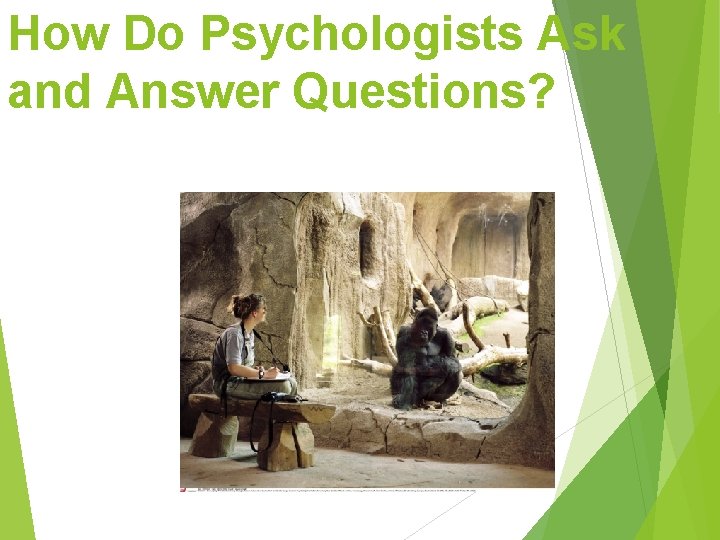
How Do Psychologists Ask and Answer Questions?
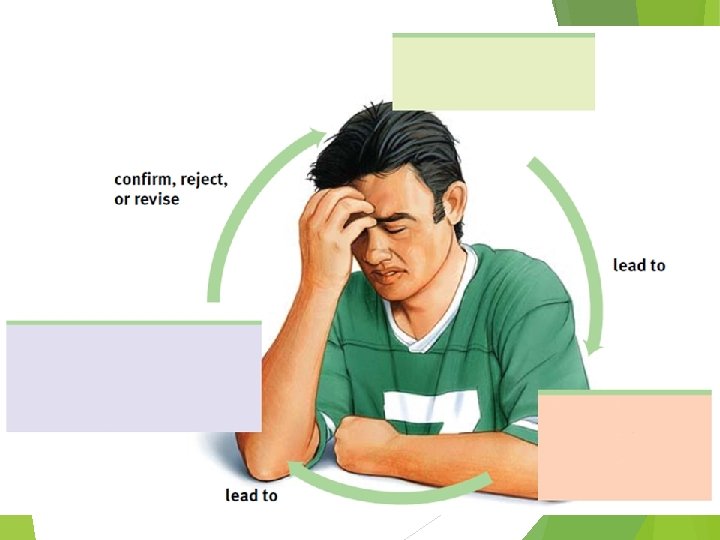
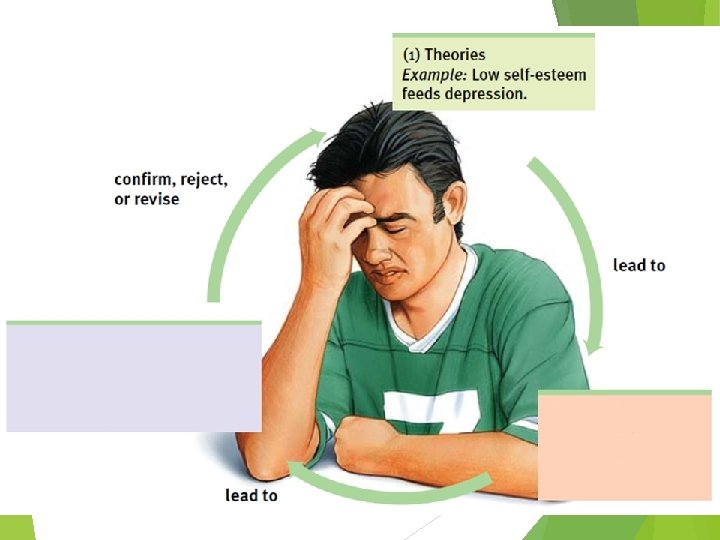
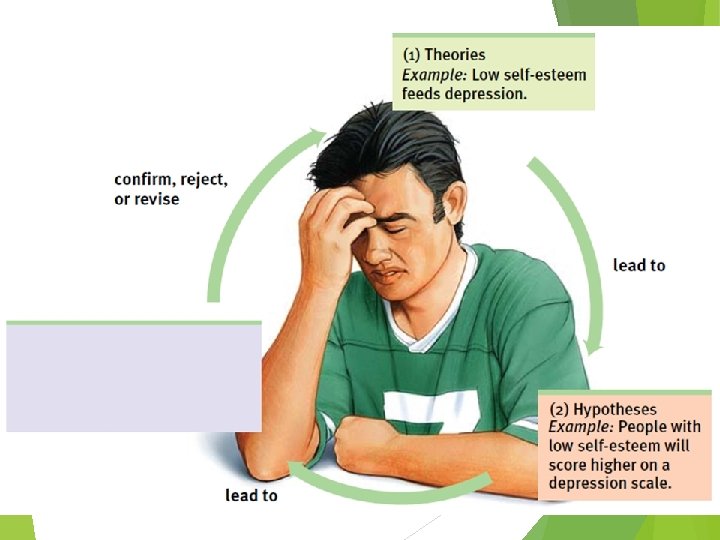
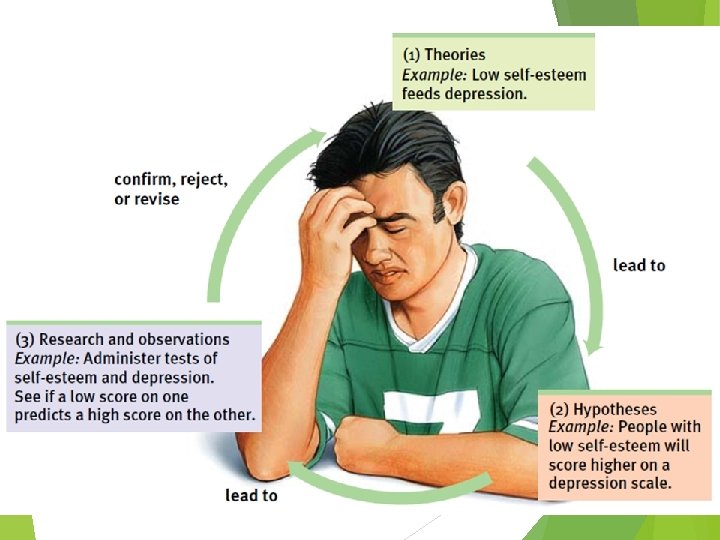
The Scientific Method Theory Well established principle arising from repeated observation and testing Hypothesis Specific, testable prediction Can be confirmed or refuted Operational Definition Replication (repeat)
The Scientific Method A good theory is useful if it: Effectively organizes a range of self-reports and observations Implies clear predictions that anyone can use to check theory
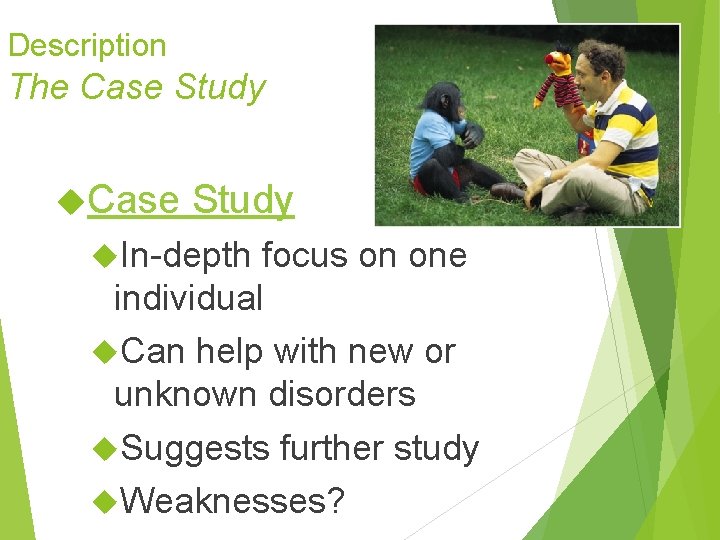
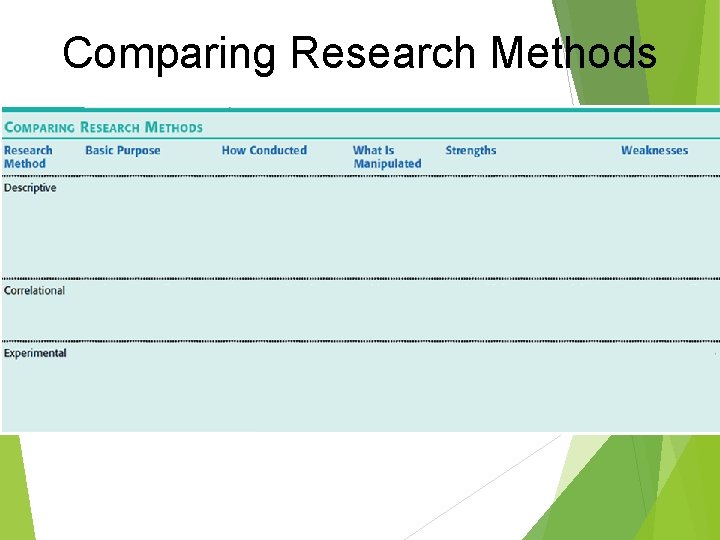
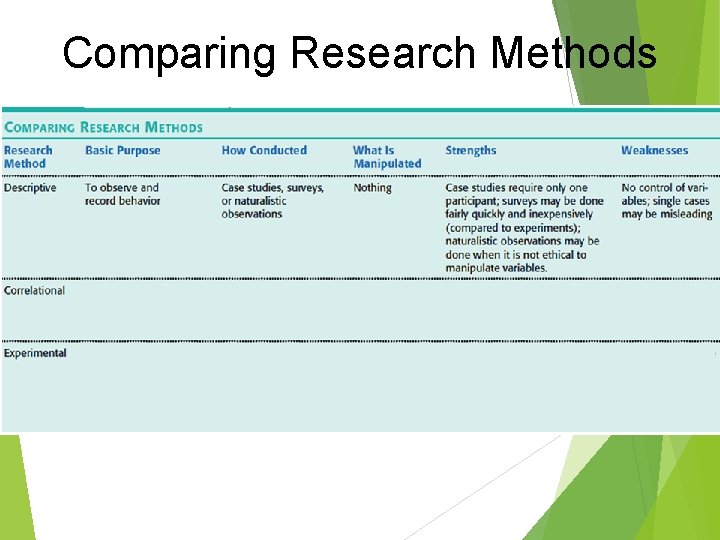
Description The Case Study In-depth focus on one individual Can help with new or unknown disorders Suggests further study Weaknesses?
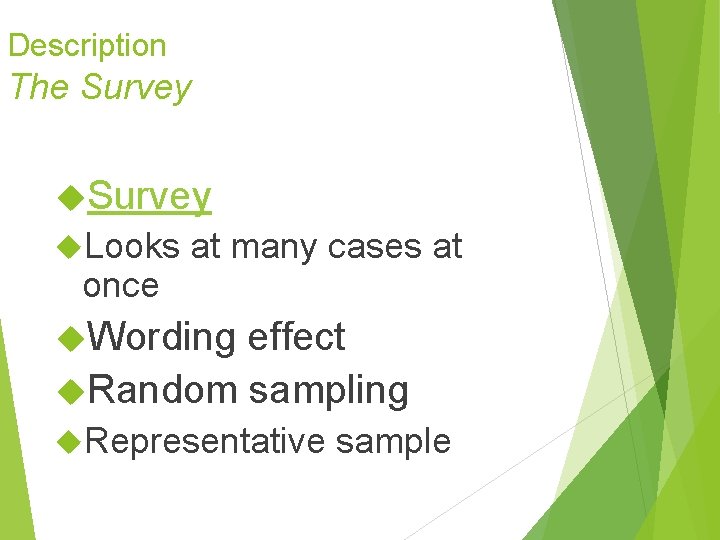
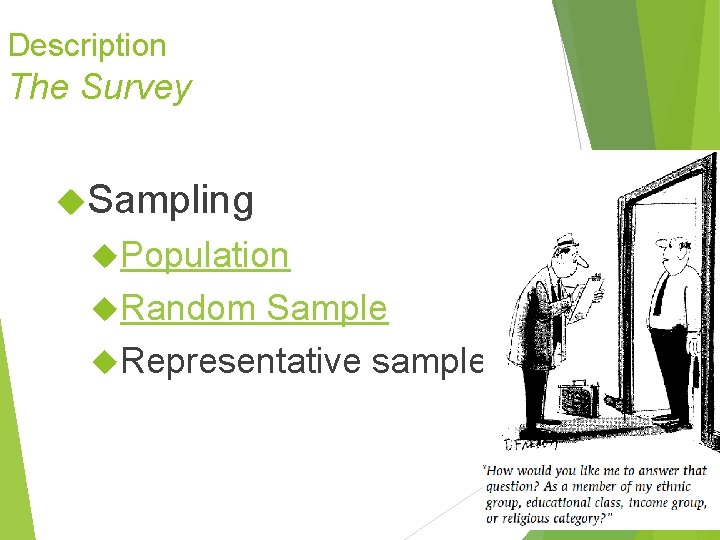
Description The Survey Looks once at many cases at Wording effect Random sampling Representative sample
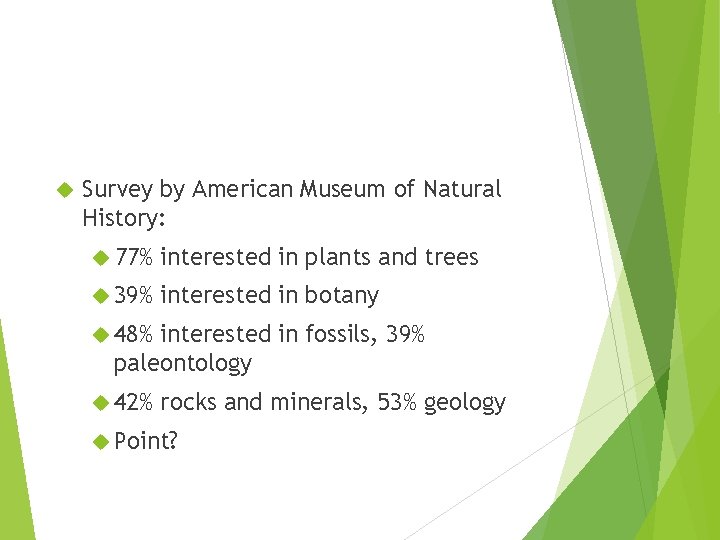
Survey by American Museum of Natural History: 77% interested in plants and trees 39% interested in botany 48% interested in fossils, 39% paleontology 42% rocks and minerals, 53% geology Point?
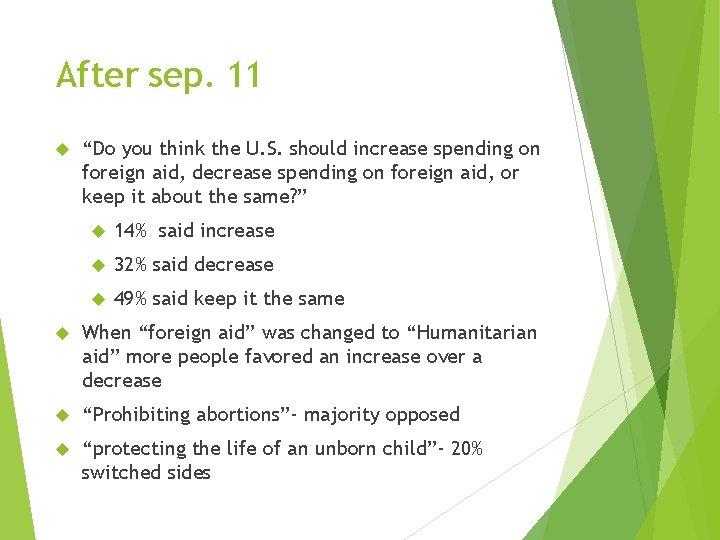
After sep. 11 “Do you think the U. S. should increase spending on foreign aid, decrease spending on foreign aid, or keep it about the same? ” 14% said increase 32% said decrease 49% said keep it the same When “foreign aid” was changed to “Humanitarian aid” more people favored an increase over a decrease “Prohibiting abortions”- majority opposed “protecting the life of an unborn child”- 20% switched sides
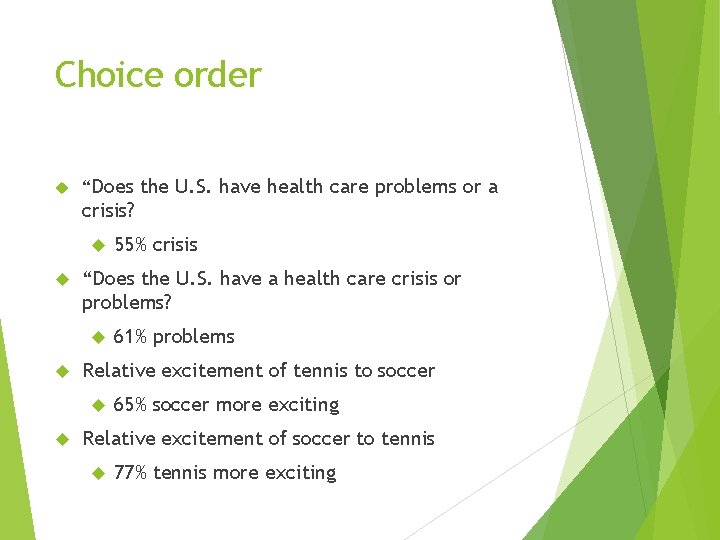
Choice order “Does the U. S. have health care problems or a crisis? “Does the U. S. have a health care crisis or problems? 61% problems Relative excitement of tennis to soccer 55% crisis 65% soccer more exciting Relative excitement of soccer to tennis 77% tennis more exciting
Description The Survey Sampling Population Random Sample Representative sample
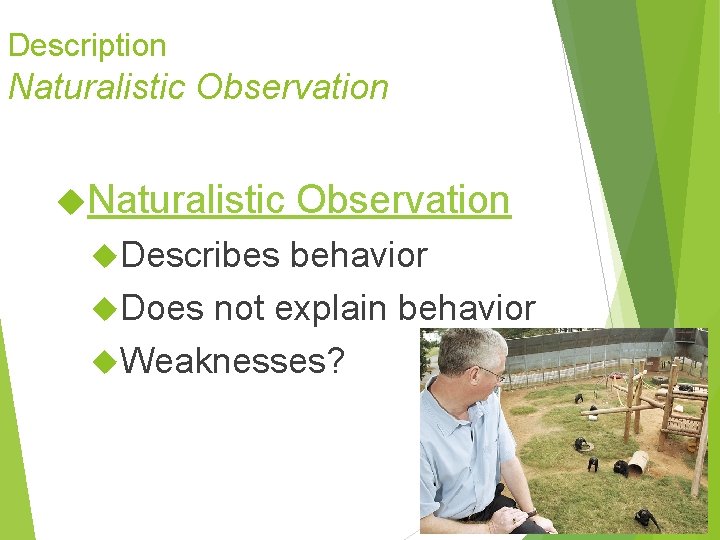
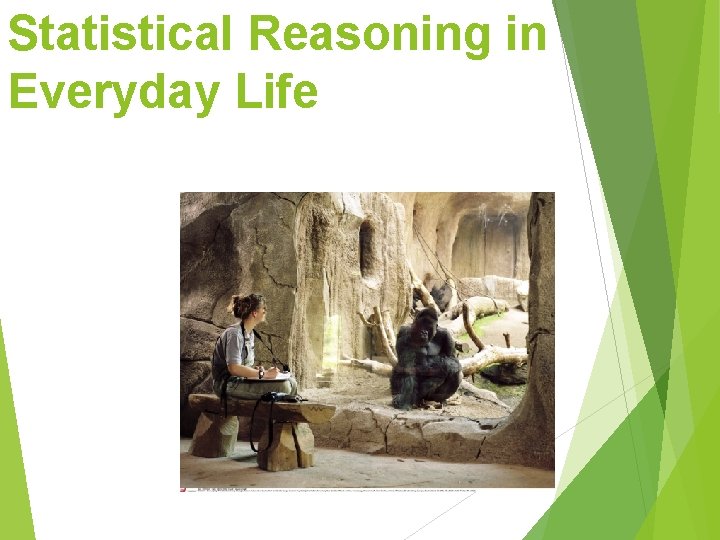
Description Naturalistic Observation Naturalistic Describes Observation behavior Does not explain behavior Weaknesses?
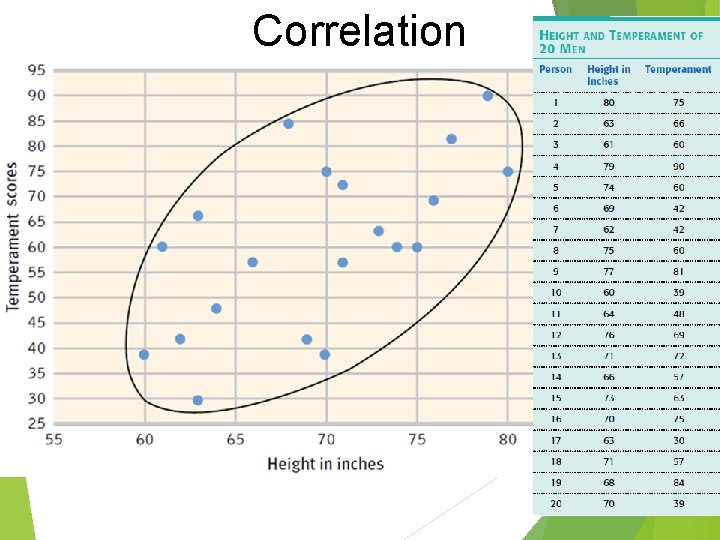
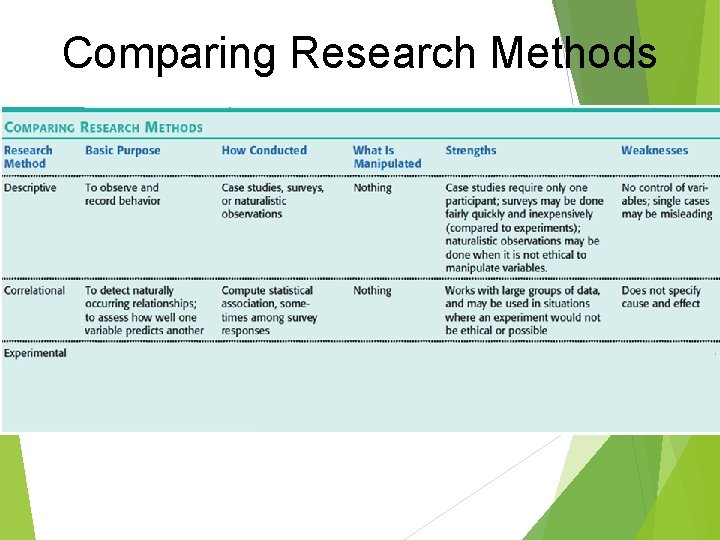
Correlation When you see A, you also see B A and B predict each other
Actual Correlations Between having tattoos and driving a motorcycle Between drinking hot drinks and urination As ice cream sales go up, so does crime Between high temperatures and teenage pregnancy Between watching a lot of violence on TV and actual violence Explain this! Those who ate Frosted Flakes had half the cancer rate as those who didn’t. Those who at oatmeal were 4 times more likely to have cancer than those who didn’t
Correlation does not mean causation!!
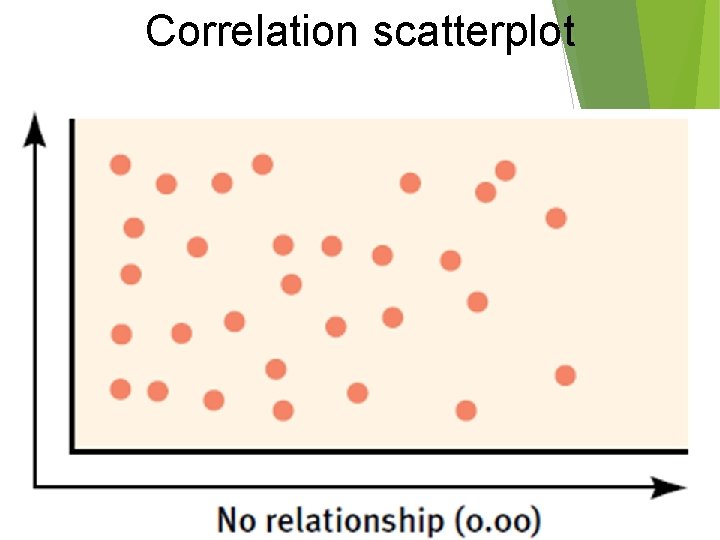
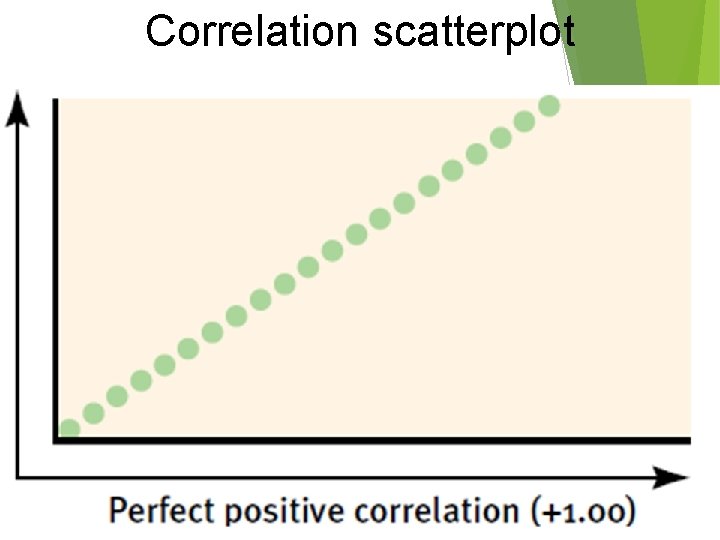
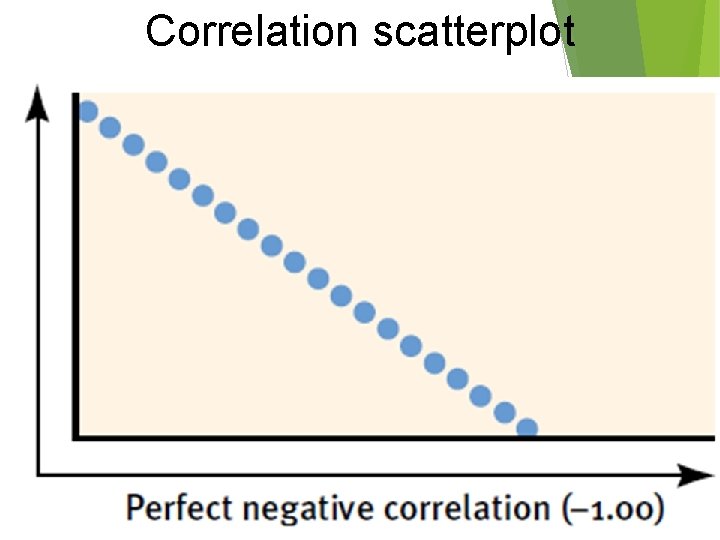
Correlation correlation coefficient Positive versus negative correlation Strength of the correlation R= 0 -1. 0 to +1. 0 means no correlation
Correlation
Correlation
Correlation
Correlation scatterplot
Correlation scatterplot
Correlation scatterplot
Correlation scatterplot
Correlation scatterplot
Correlation scatterplot
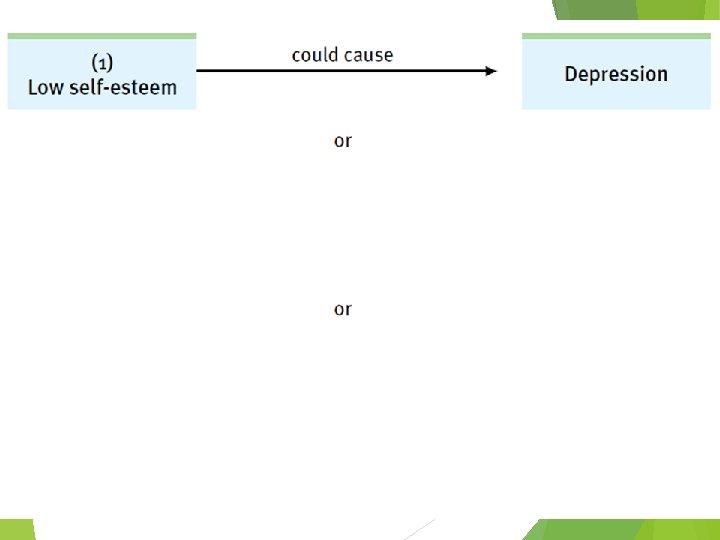
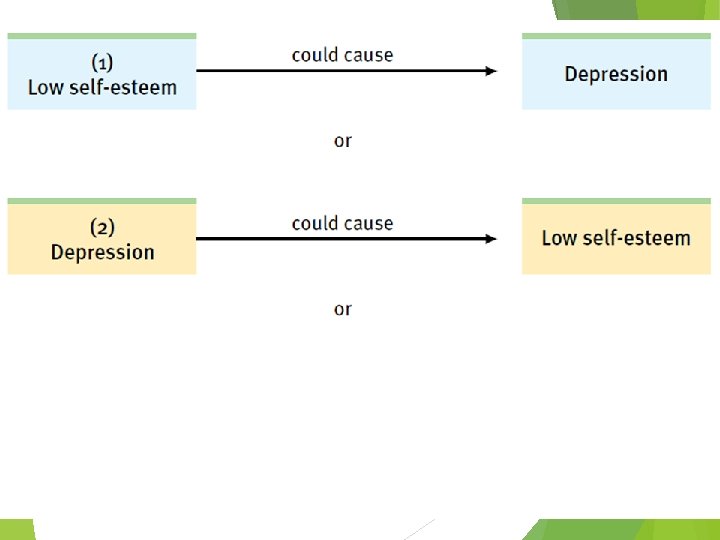
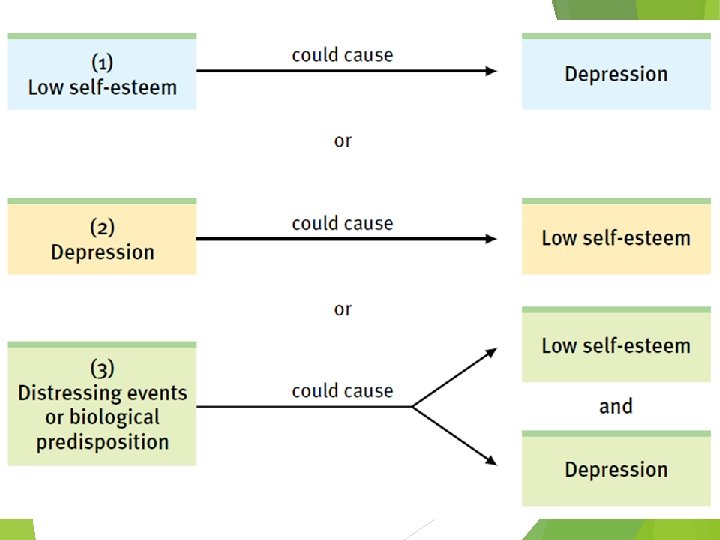
Correlation and Causation Correlation Does effect helps predict not imply cause and
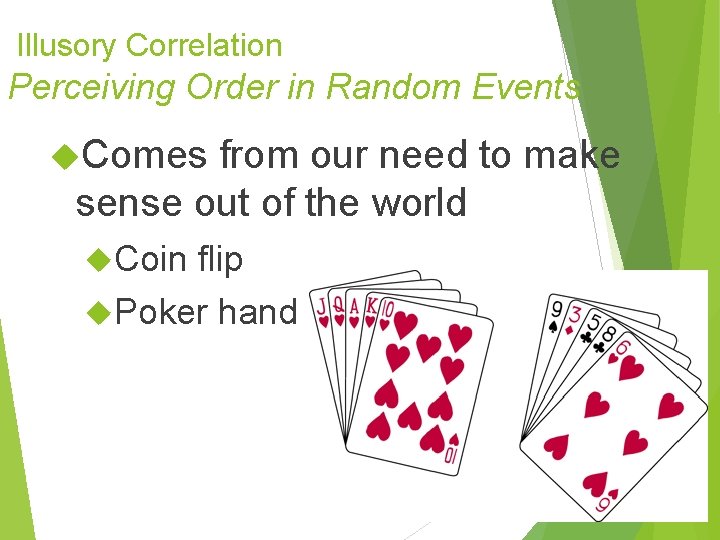
Correlation Illusory Correlations Illusory Correlation Perceived non-existent correlation A random coincidence
Illusory Correlation Perceiving Order in Random Events Comes from our need to make sense out of the world Coin flip Poker hand
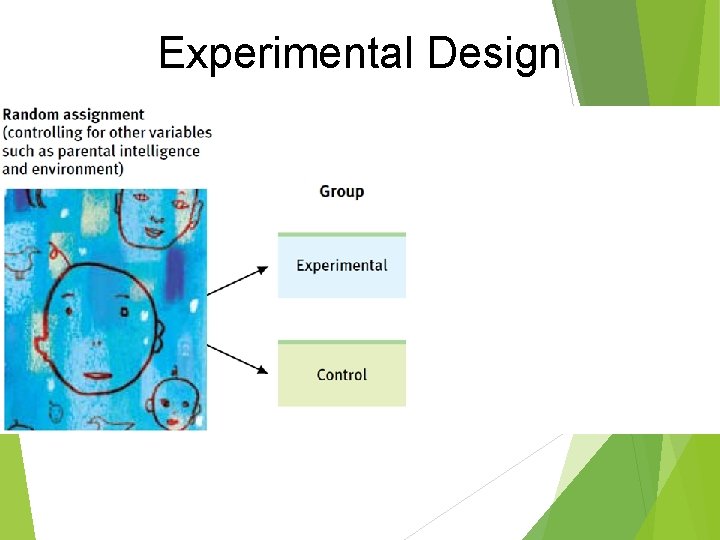
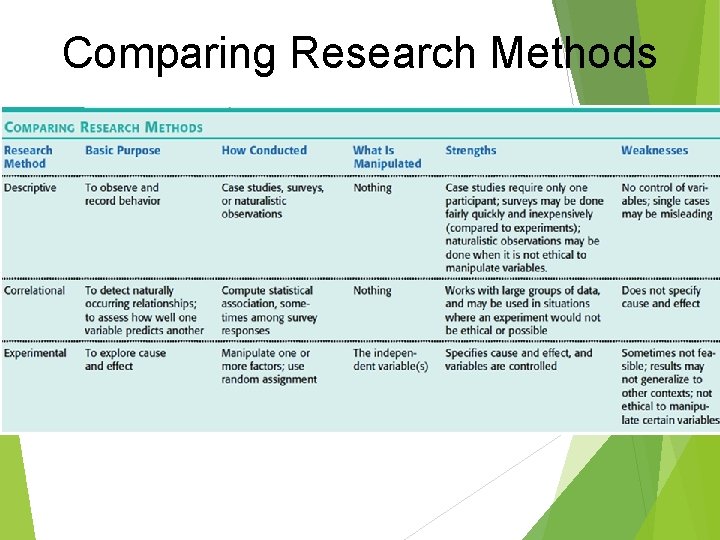
Experimentation Experiment Seeks to demonstrate cause and effect Control of factors Manipulation of the factor(s) of interest Hold constant (“controlling”) factors
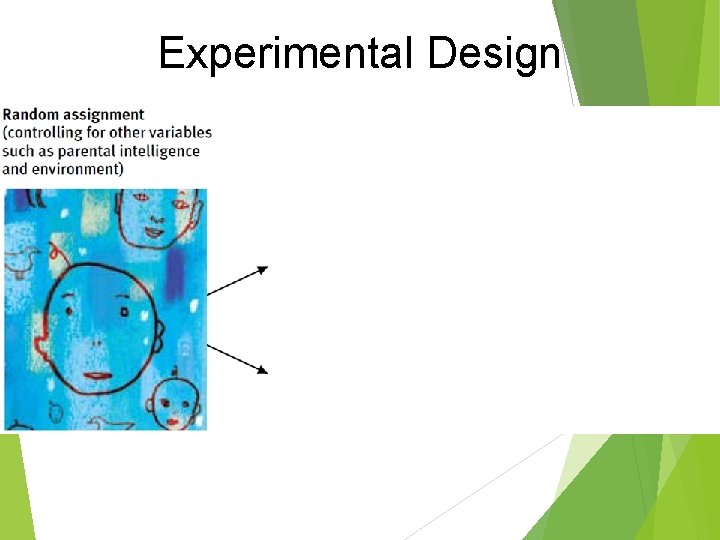
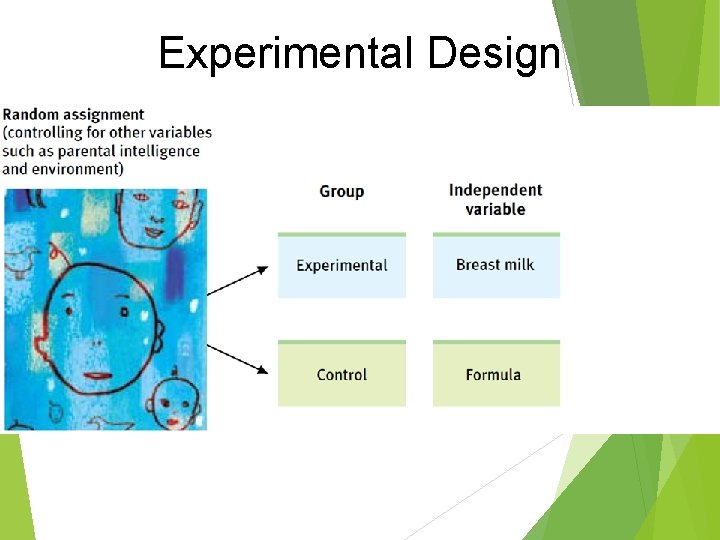
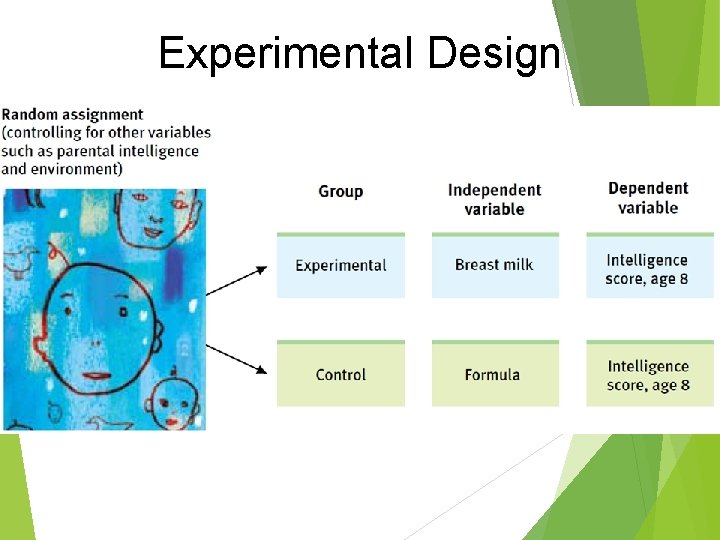
Experimentation Random Assignment Random assignment Eliminates alternative explanations Different from random sample
Experimentation Random Assignment Groups Experimental Group Receives the treatment (independent variable) Control Group Does not receive the treatment
Experimentation Random Assignment Blind (uninformed) Single-Blind Procedure Double-Blind Procedure Placebo Effect
Operational Definition a statement of the procedures (operations) used to define research variables. Provides clarity
Experimentation Independent and Dependent Variables Independent What is being manipulated Dependent What Variable is being measured Confounding (extraneous) variable Presence affects the variables being studied. Problem?
Experimental Design
Experimental Design
Experimental Design
Experimental Design
Comparing Research Methods
Comparing Research Methods
Comparing Research Methods
Comparing Research Methods
Statistical Reasoning in Everyday Life
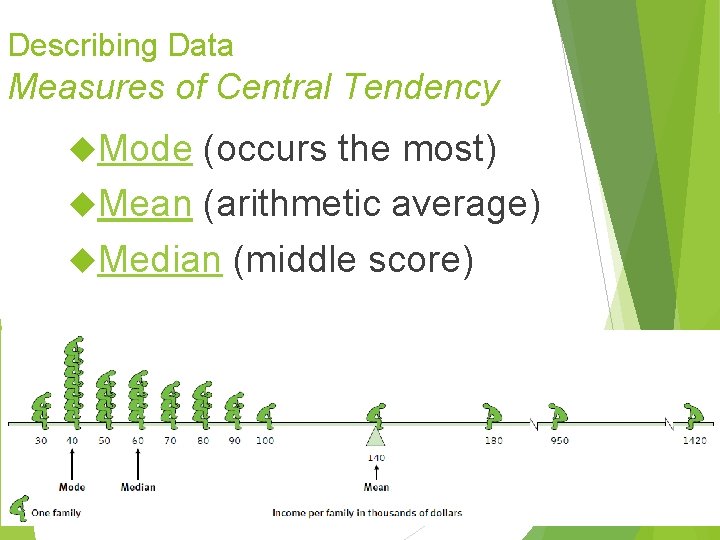
Describing Data Measures of Central Tendency Mode (occurs the most) Mean (arithmetic average) Median (middle score)
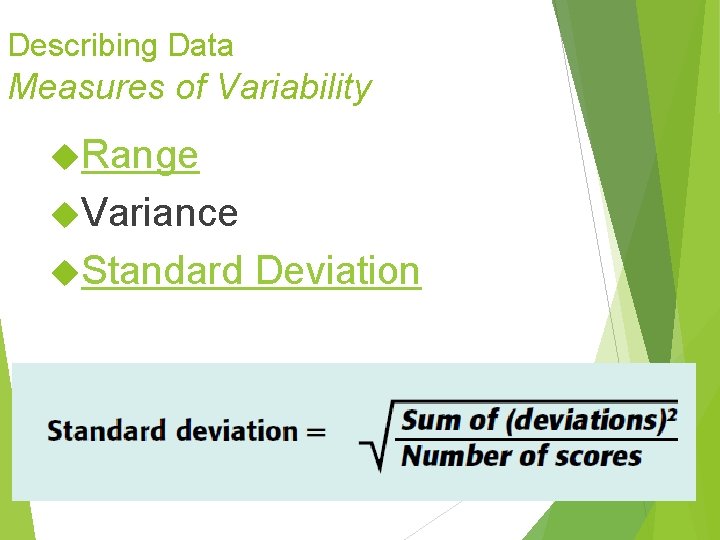
Describing Data Measures of Variability Range Variance Standard Deviation
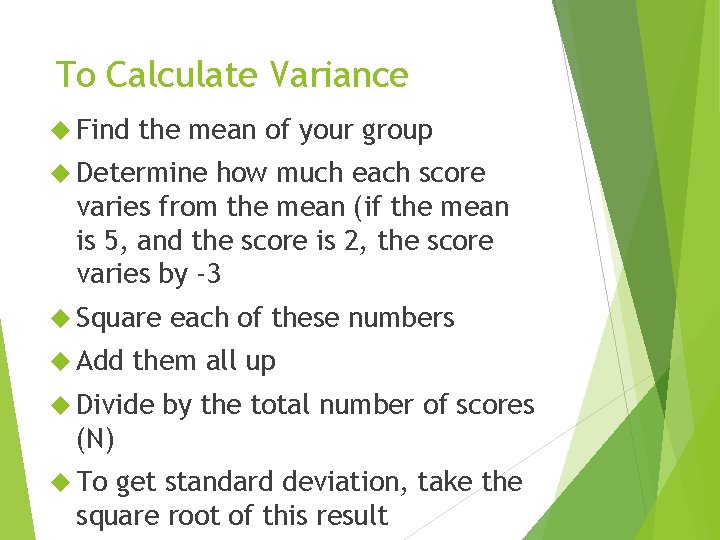
To Calculate Variance Find the mean of your group Determine how much each score varies from the mean (if the mean is 5, and the score is 2, the score varies by -3 Square Add each of these numbers them all up Divide by the total number of scores (N) To get standard deviation, take the square root of this result
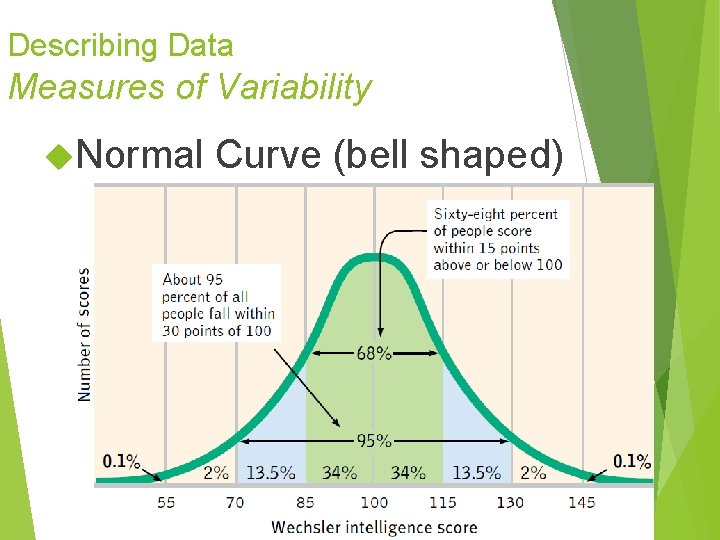
Describing Data Measures of Variability Normal Curve (bell shaped)
Making Inferences When Is an Observed Difference Reliable? Representative samples are better than biased samples Less-variable observations are more reliable than those that are more variable More cases are better than fewer
Making Inferences When Is a Difference Significant? Statistical The significance averages are reliable The differences between averages is relatively large
Inferential and Descriptive Statistics Inferential statistics are used to “infer” conclusions about a larger population Descriptive statistics “describe” a given population; summarize a set of research data obtained from a sample
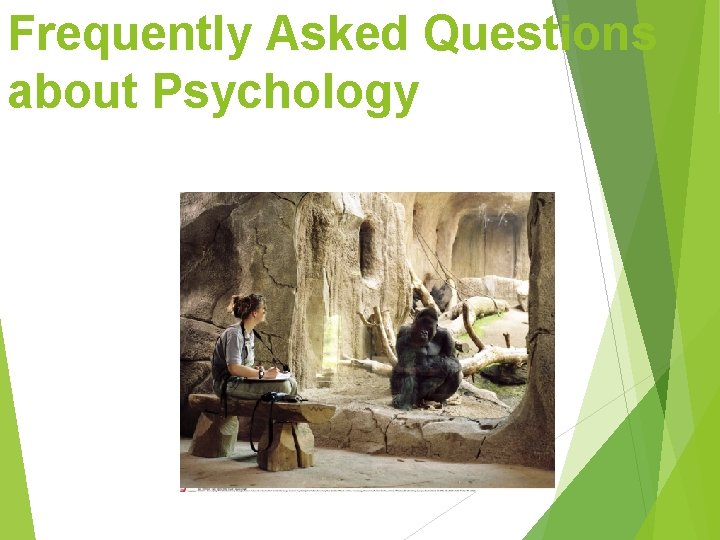
Frequently Asked Questions about Psychology
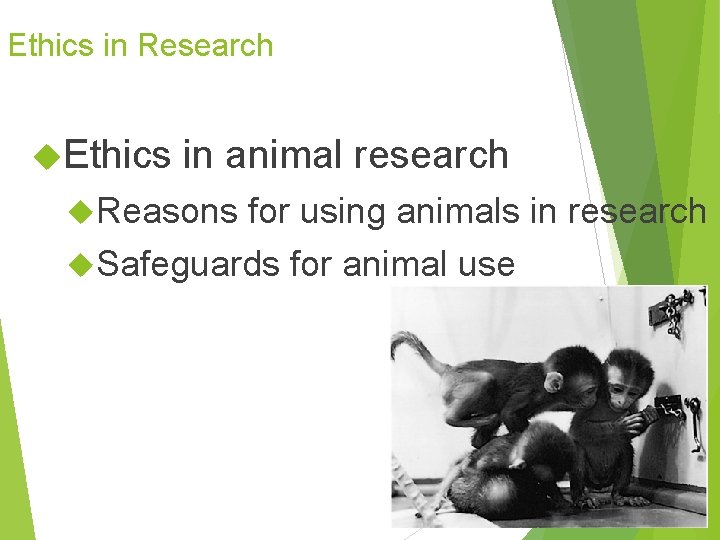
Ethics in Research Ethics in animal research Reasons for using animals in research Safeguards for animal use
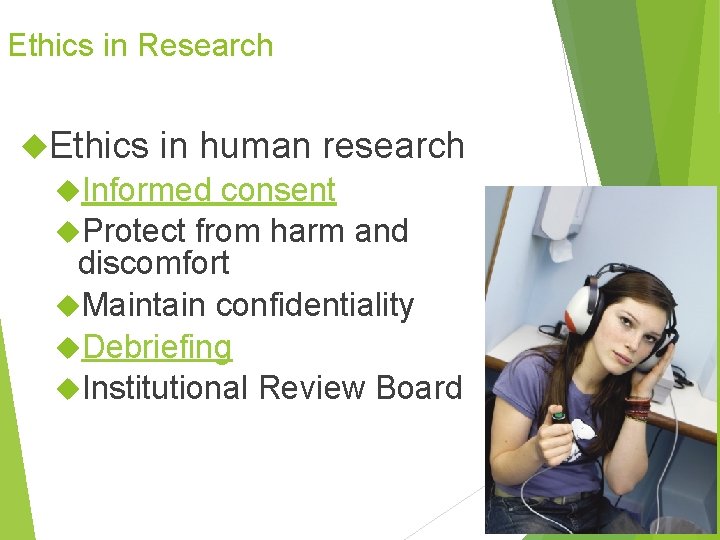
Ethics in Research Ethics in human research Informed consent Protect from harm and discomfort Maintain confidentiality Debriefing Institutional Review Board
The End
Definition Slides
Hindsight Bias = the tendency to believe, after learning an outcome, that one would have foreseen it. Also known as the “I knew it all along” phenomenon.
Critical Thinking = thinking that does not blindly accept arguments and conclusions. Rather, it examines assumptions, discerns hidden values, evaluates evidence, and assesses conclusions.
Theory = an explanation using an integrated set of principles that organizes observations and predicts behaviors or events.
Hypothesis = a testable prediction, often implied by a theory.
Operational Definition = a statement of the procedures (operations) used to define research variables. i. e. Human intelligence may be operationally defined as what an intelligence test measures.
Replication = repeating the essence of a research study, usually with different participants in different situations, to see whether the basic finding extends to other participants and circumstances.
Case Study = an observation technique in which one person is studied in depth in the hope of revealing universal principles.
Survey = a technique for ascertaining the self-reported attitudes or behaviors of a particular group, usually by questioning a representative, random sample of the group.
Population = all the cases in a group being studied, from which samples may be drawn. Note: Except for national studies, this does NOT refer to a country’s whole population.
Random Sample = a sample that fairly represents a population because each member has an equal chance of inclusion.
Naturalistic Observation = observing and recording behavior in naturally occurring situations without trying to manipulate and control the situation.
Correlation = a measure of the extent to which two factors vary together, and thus of how well either factor predicts the other.
Correlation Coefficient = a statistical index of the relationship between two things (from -1 to +1).
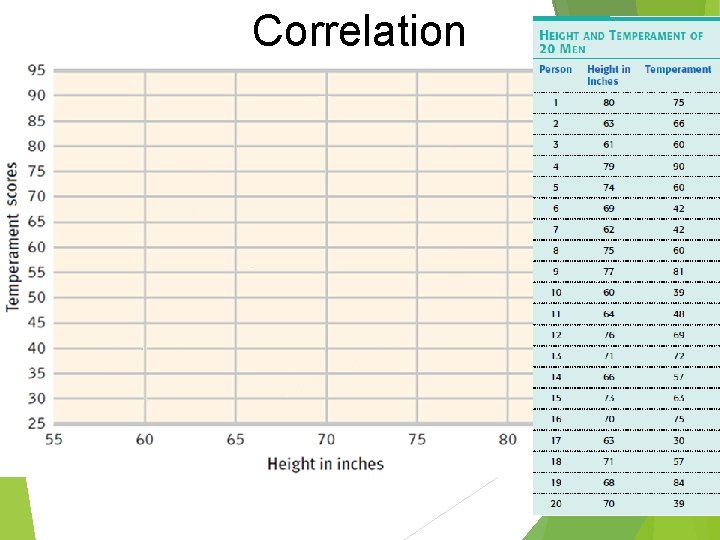
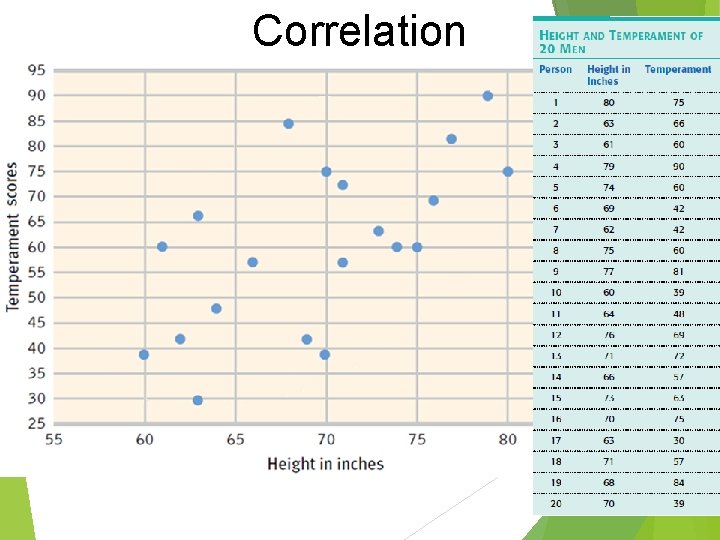
Scatterplot = a graphed cluster of dots, each of which represents the values of two variables. The slope of the points suggests the direction of the relationship between the two variables. The amount of scatter suggests the strength of the correlation (little scatter indicates high correlation).
Illusory Correlation = the perception of a relationship where none exists.
Experiment = a research method in which an investigator manipulates one or more factors (independent variables) to observe the effect on some behavior or mental process (the dependent variable). By random assignment of participants, the experimenter aims to control other relevant factors.
Random Assigment = assigning participants to experimental and control groups by chance, thus minimizing preexisting differences between those assigned to the different groups.
Double-Blind Procedure = an experimental procedure in which both the research participants and the research staff are ignorant (blind) about whether the research participants have received the treatment or the placebo. Commonly used in drugevaluation studies.
Placebo Effect = experimental results caused by expectation alone; any effect on behavior caused by the administration of an inert substance or condition, which the recipient assumes is an active agent.
Experimental Group = in an experiment, the group that is exposed to the treatment, that is, to one version of the independent variable.
Control Group = in an experiment, the group that is NOT exposed to the treatment; contrasts with the experimental group and serves as a comparison for evaluating the effect of treatment.
Independent Variable = the experimental factor that is manipulated; the variable whose effect is being studied.
Confounding Variable = a factor other than the independent variable that might produce an effect in an experiment.
Dependent Variable = the outcome factor; the variable that may change in response to manipulations of the independent variable.
Mode = the most frequently occurring score(s) in a distribution.
Mean = the arithmetic average of a distribution, obtained by adding the scores and then dividing by the number of scores.
Median = the middle score in a distribution, half the scores are above it and half are below it.
Range = the difference between the highest and lowest score in a distribution.
Standard Deviation = a computed measure of how much scores vary around the mean score.
Normal Curve = a symmetrical, bell-shaped curve that describes the distribution of many types of data; most scored fall near the mean (68 percent fall within one standard deviation of it) and fewer near the extremes.
Statistical Significance = a statistical statement of how likely it is that an obtained result occurred by chance.
Culture = the enduring behavior, ideas, attitudes, and traditions shared by a group of people and transmitted from one generation to the next.
Informed Consent = an ethical principle that research participants be told enough to enable them to choose whether they wish to participate.
Debriefing = the postexperimental explanation of a study, including its purpose and any deceptions, to its participants.