
Research Integrity in Africa Francis Kombe 4 th
Research Integrity in Africa Francis Kombe 4 th World Conference on Research Integrity Rio De Jeneiro-Brazil
Presentation outline • • • Introduction Research Integrity in context Towards enhancing Research Integrity Challenges and Opportunities Conclusion

Introduction Honesty in all aspects of research Accountability in the conduct of research Professional courtesy and fairness in working with others Transparency Responsibility Good stewardship of research on behalf of others DOING THE RIGHT THING
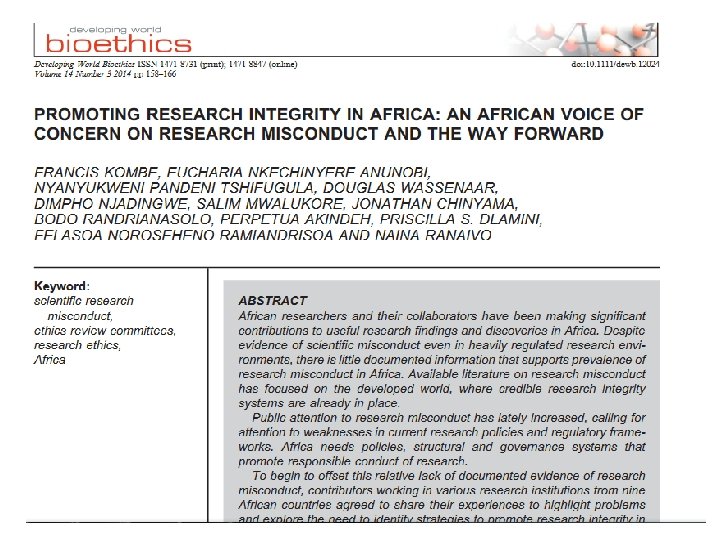
Introduction • RI in Africa is uncommon • Literature in RI in Africa does not exist • There is little evidence of research misconduct in Africa • Are there RI issues in Africa?
Research Integrity in Context
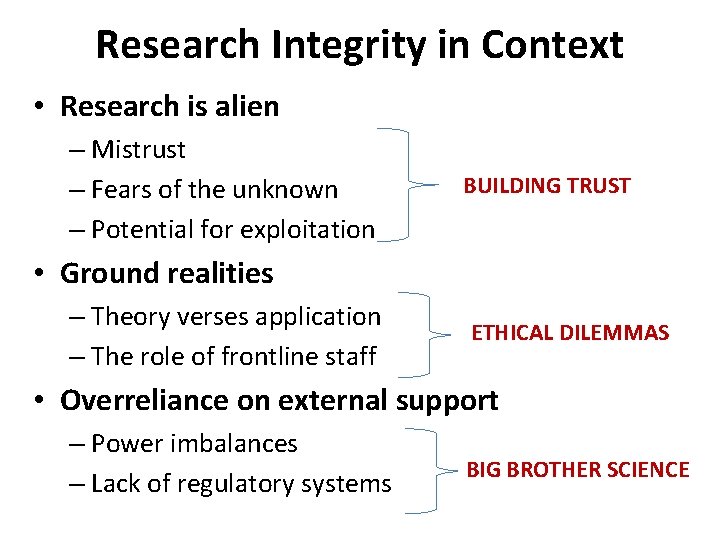
Research Integrity in Context • Research is alien – Mistrust – Fears of the unknown – Potential for exploitation BUILDING TRUST • Ground realities – Theory verses application – The role of frontline staff ETHICAL DILEMMAS • Overreliance on external support – Power imbalances – Lack of regulatory systems BIG BROTHER SCIENCE
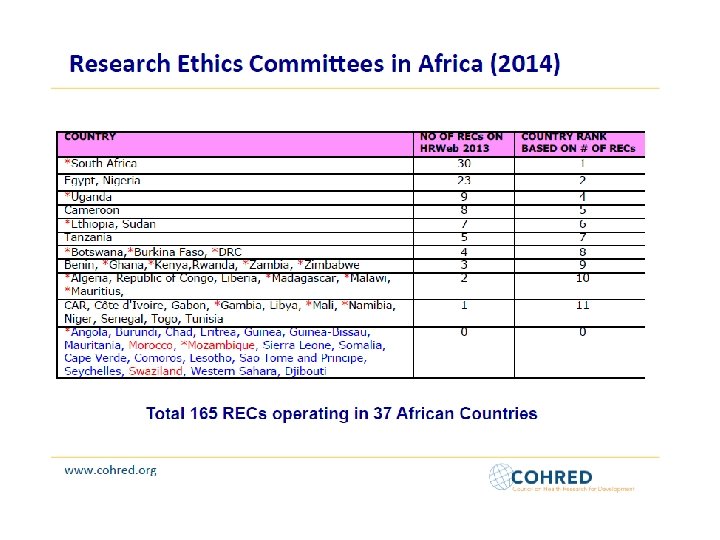
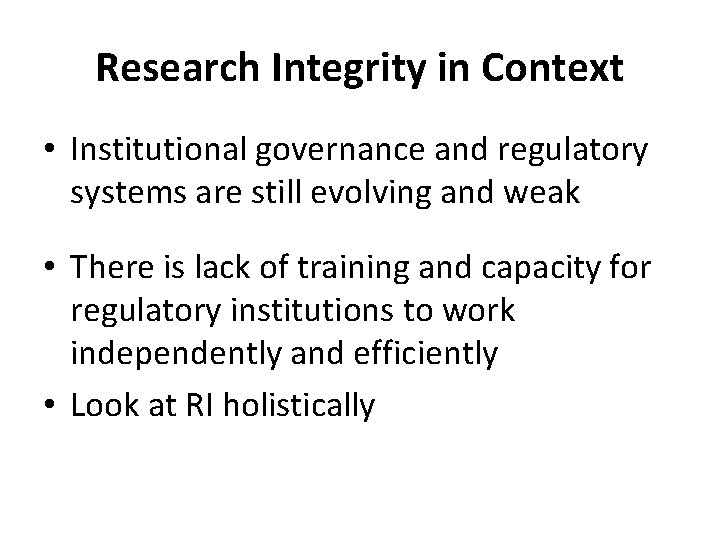
Research Integrity in Context • Institutional governance and regulatory systems are still evolving and weak • There is lack of training and capacity for regulatory institutions to work independently and efficiently • Look at RI holistically
Towards enhancing Research Integrity
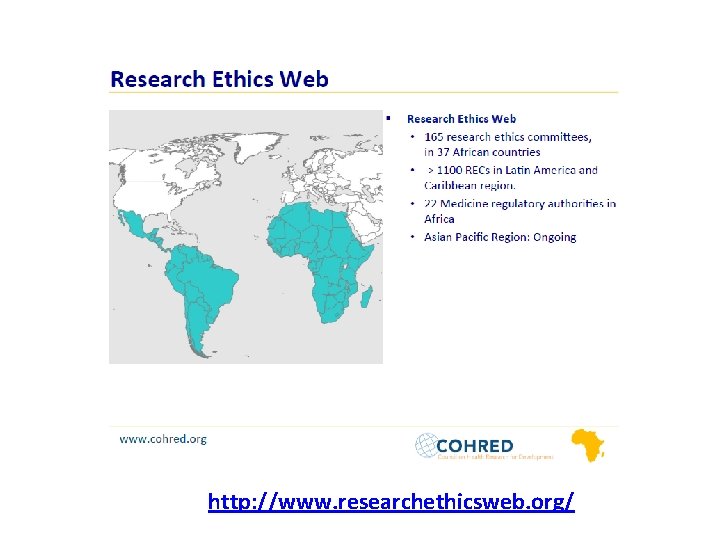
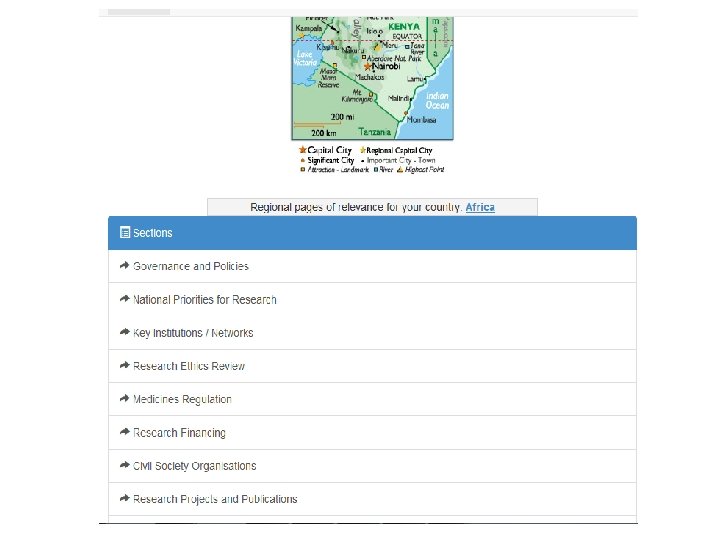
http: //www. researchethicsweb. org/
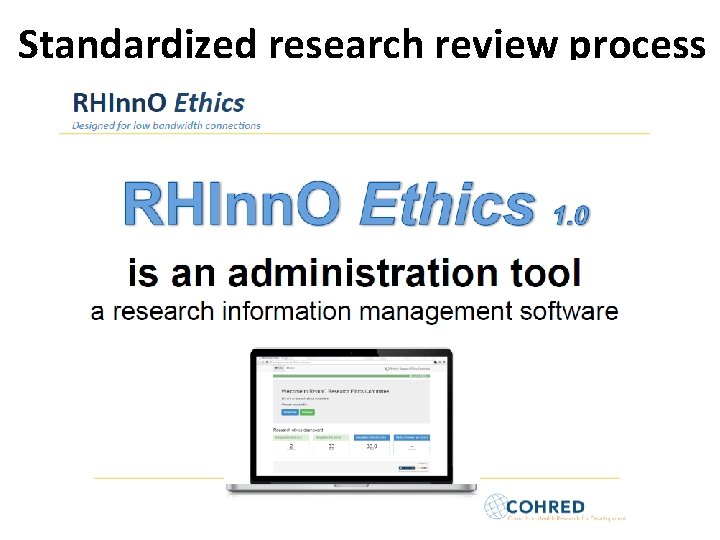
Standardized research review process
Enhancing Research Integrity Standard approach to review • Aim: Provide ERC, governments, researchers and regulatory institutions with a web-based platform that can be used to monitor, evaluate and communicate. • Includes facilities to train REC members and RO • Provides a platform for interaction among REC within a country and regionally – Users: 3739 Countries: 8 (South Africa, Tanzania, Mozambique, Nigeria, Kenya, Swaziland, Malawi and Senegal) – 23 institutions – Submissions so far: 2508 RHInn. O Ethics Video: https: //www. youtube. com/watch? v=n. ZK 1 Ky. WQKIo
What challenges exist?
What challenges exist? • Overreliance in external funding • No input from Africa • Lack of political good will by national governments – Research not part of national agenda – Corruption/power/Politicking/ insecurity

What can be done?
What can be done? 1. Developing enabling environment – Invest in development of governance and regulatory policies and structures at local and national levels to review, monitor and deal with undesirable research practices fairly and transparently – Invest in technological and financial resources to empower local scientists, students and communities in RCR
What can be done? 2. Capacity building – Strong mentorship programmes – Training in ethics and RCR using pedagogies that develops moral intuition – Support supervision – North to South technology transfer to strengthen local capacity in addressing research integrity issues-Development of competent regulatory mechanisms
What can be done? 3. Establish and engage in equitable transnational partnerships – Respect local regulatory and governance systems – Foster transparency, accountability and responsible conduct of research 4. Build local/regional networks that foster RCR in Africa – Develop harmonized approaches that bind researchers working anywhere on the continent
Conclusion • Lack of regulatory systems in Africa • Slow and uneven progress in setting up policies • Extensive dialogue with key stakeholders =Promote Mutual Trust, Understanding, partnership and address misconceptions
Acknowledgement Prof. Carel IJsselmuiden Boitumelo Mokgatla-Moipolai Rafael Sahb Gabriel Caires Prof Douglas Wassenaar SARETI students 2011 SARET PROGRAMME Sabine Kleinert OC, 4 th WCRI KEMRI-Wellcome Trust Research Programme
- Slides: 22