
Research Ethics Week 3 Tearoom Trade Case A


- Slides: 9
Research Ethics Week 3
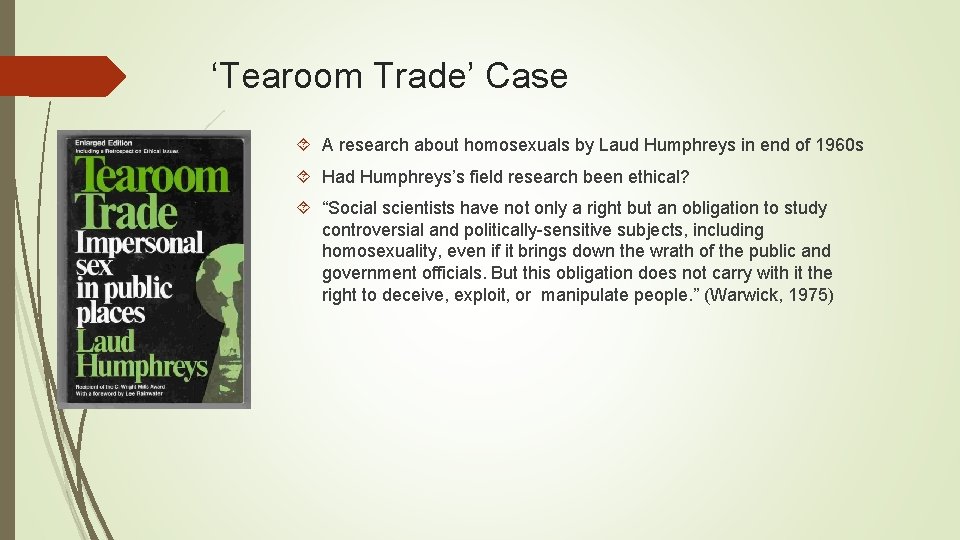
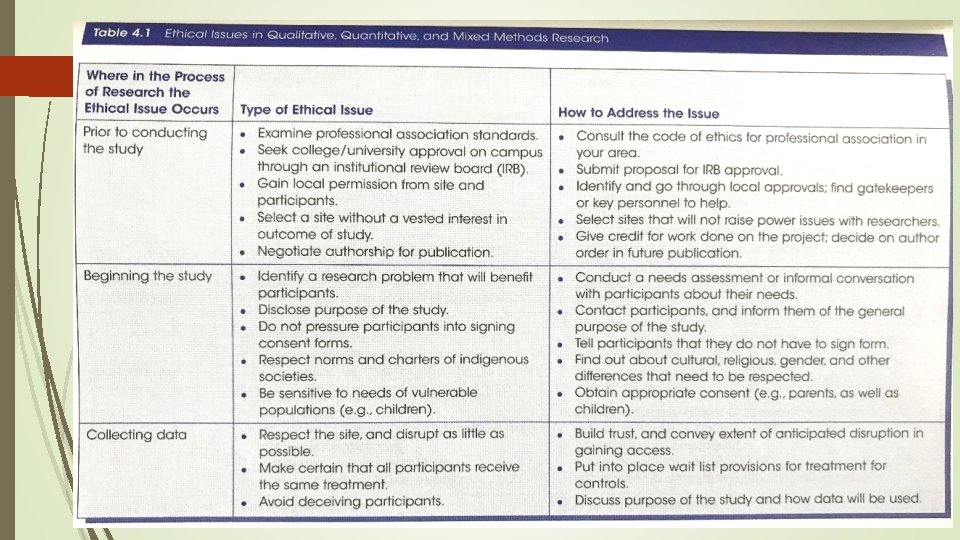
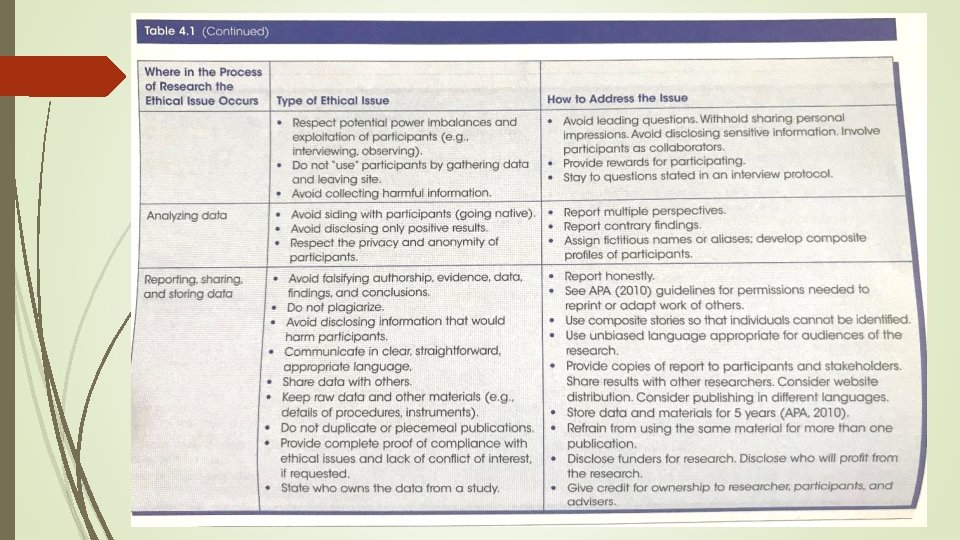
‘Tearoom Trade’ Case A research about homosexuals by Laud Humphreys in end of 1960 s Had Humphreys’s field research been ethical? “Social scientists have not only a right but an obligation to study controversial and politically-sensitive subjects, including homosexuality, even if it brings down the wrath of the public and government officials. But this obligation does not carry with it the right to deceive, exploit, or manipulate people. ” (Warwick, 1975)
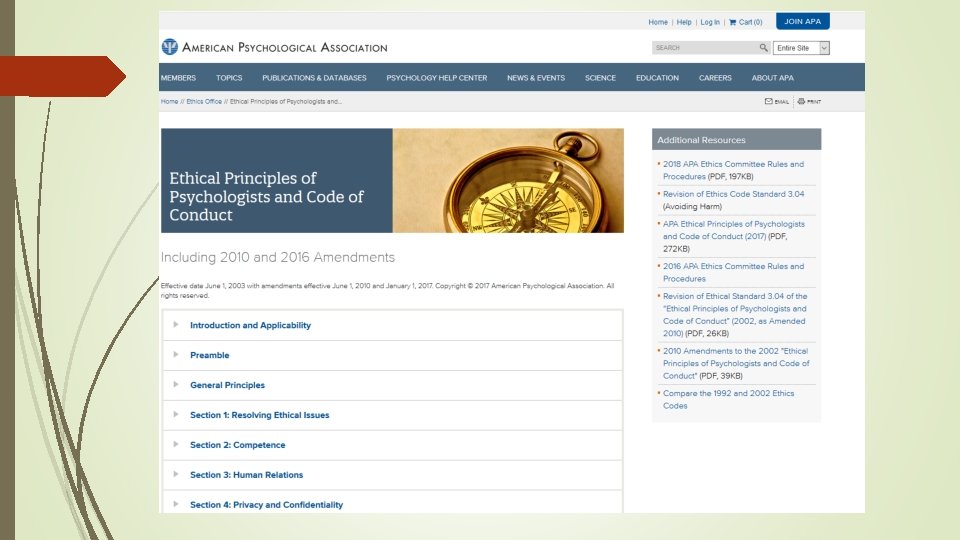
Ethics are the standards of conduct of a given profession or group. Experiments on human beings for ‘scientific’ purposes in Nazi Germany and Japan Gasoline injections, castration, amputations, irradiation Ethical standards were developed in late 1970 s to stipulate role of humans in scientific research National Research Act of 1974 (USA) U. S. Department of Health and Human Services’ Office of Human Research Protections Institutional Review Boards (IRBs) in universities, research organizations, etc.
1979 Belmont Report Identifies three principles essential for human research: Respect for persons: Research should be voluntary, and researchers have the responsibility to provide potential subjects with adequate information so that the subjects can make an informed decision on whether or not they want to participate (informed consent) Beneficence: researchers have an obligation to secure the well-being (physical, psychological, economic, legal) of research participants Justice: moral requirements for research; that is, are the procedures fair, are the individuals or groups treated fairly—in effect, is the research and how the subjects are treated just?
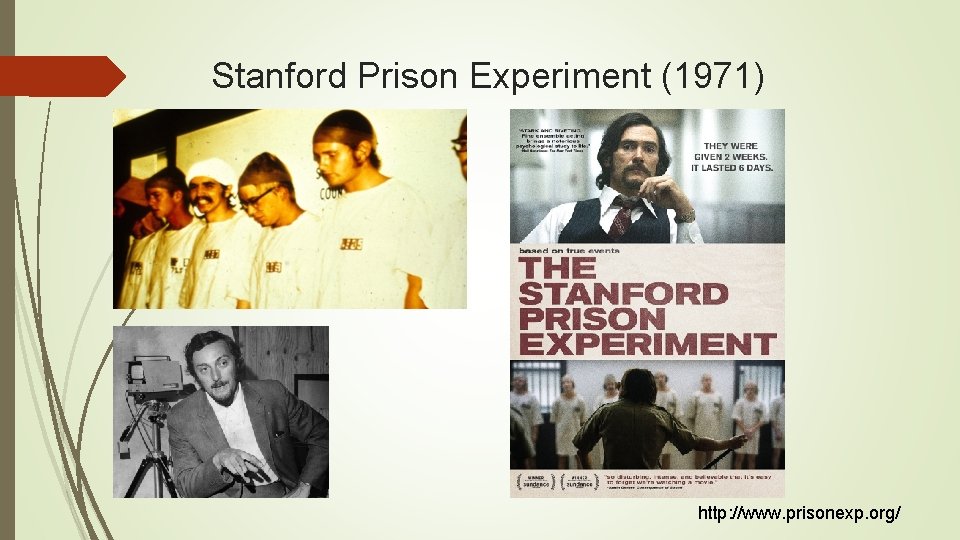
Stanford Prison Experiment (1971) http: //www. prisonexp. org/
Home assignment Pick one of the four ethical case scenarios provided by The Ethicist found in the Week 3 slides folder on the L: drive. Answer the questions related to that scenario.