
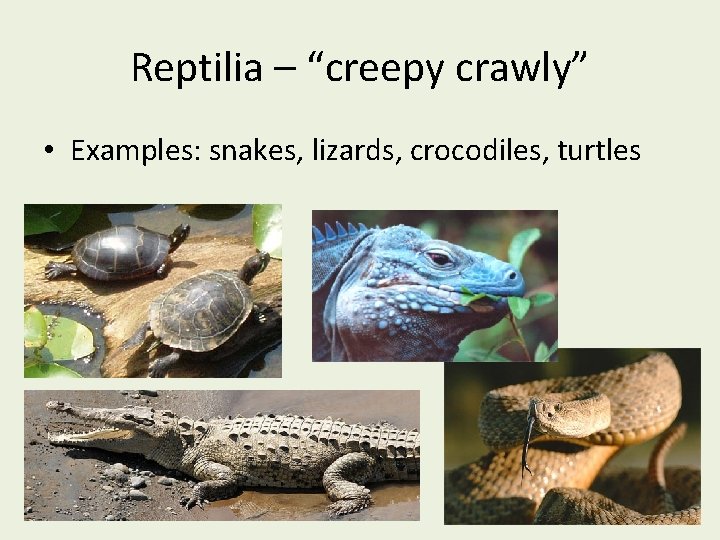
Reptilia creepy crawly Examples snakes lizards crocodiles turtles
- Slides: 32
Reptilia – “creepy crawly” • Examples: snakes, lizards, crocodiles, turtles
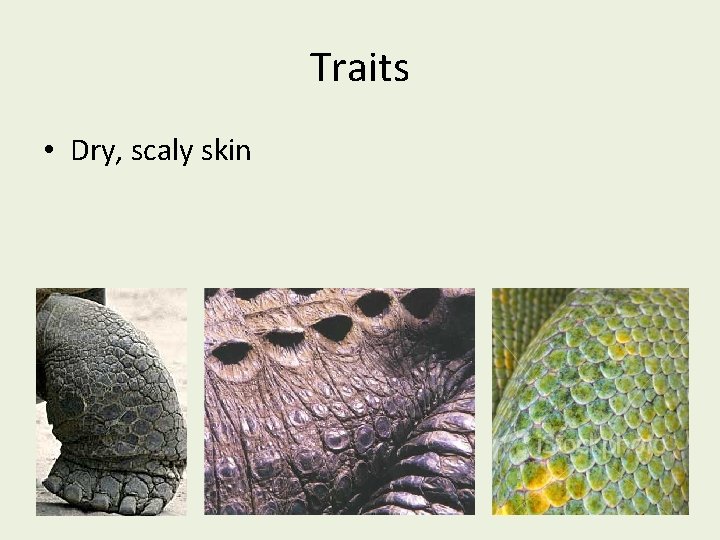
Traits • Dry, scaly skin
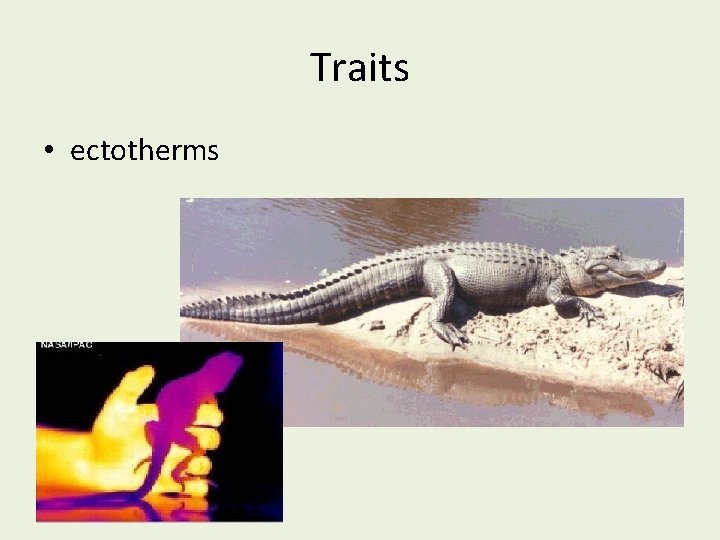
Traits • ectotherms
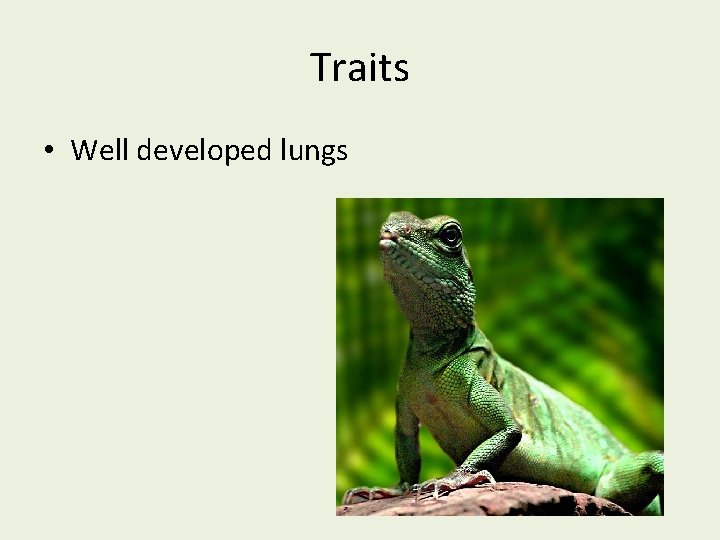
Traits • Well developed lungs
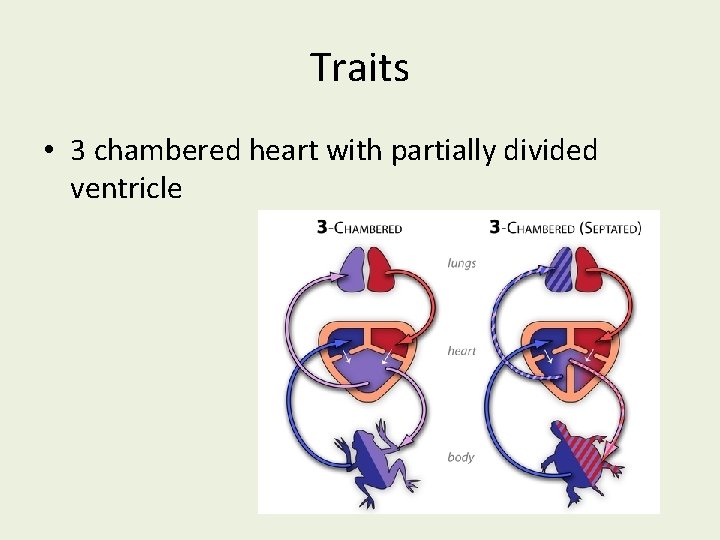
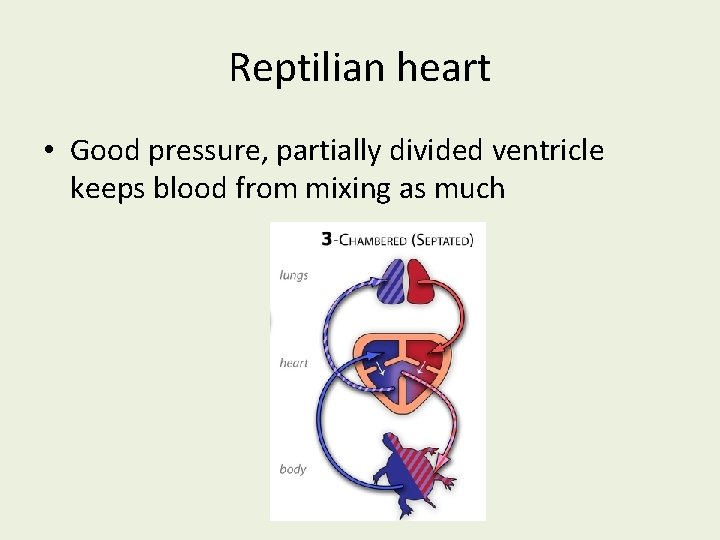
Traits • 3 chambered heart with partially divided ventricle
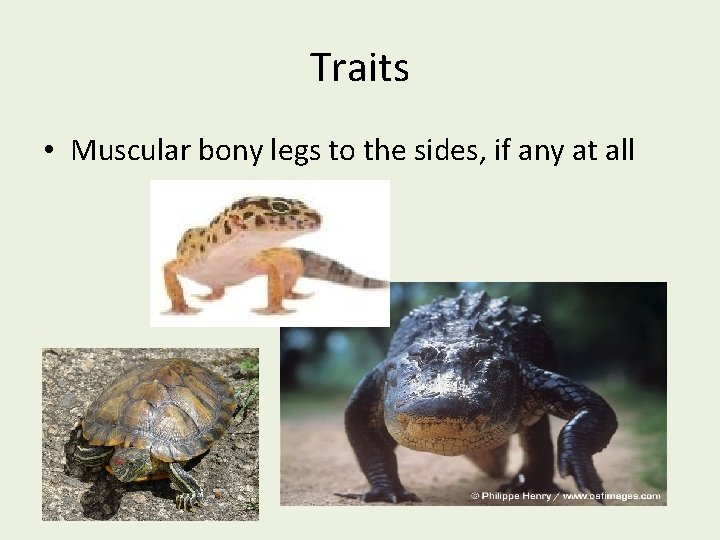
Traits • Muscular bony legs to the sides, if any at all
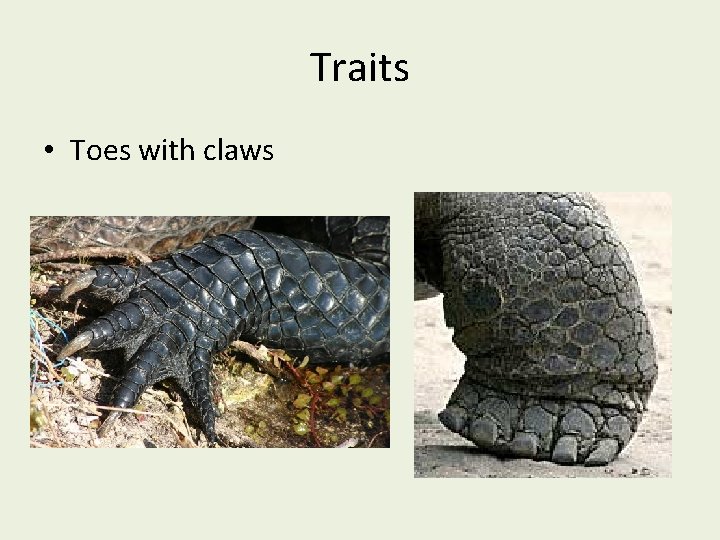
Traits • Toes with claws
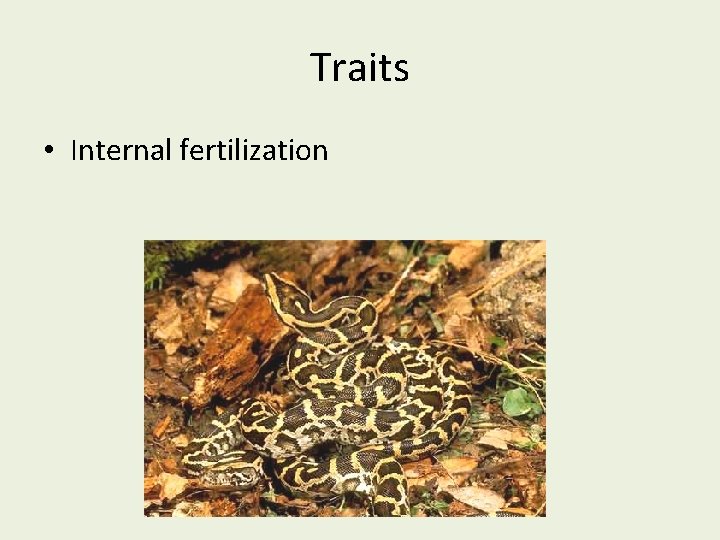
Traits • Internal fertilization
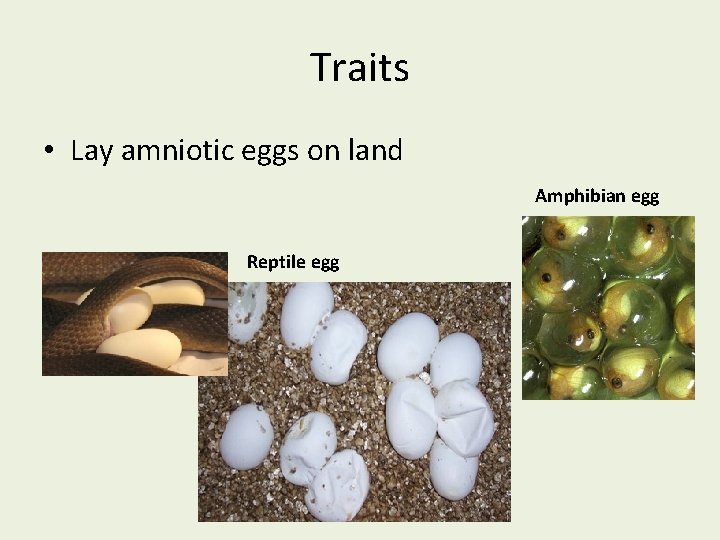
Traits • Lay amniotic eggs on land Amphibian egg Reptile egg
Reptilian heart • Good pressure, partially divided ventricle keeps blood from mixing as much
Reptilian adaptations for land life • To avoid dehydration – waterproof skin, colon absorbs water from feces, low respiration rate loses less water • Reproduction – internal fertilization, amniotic egg
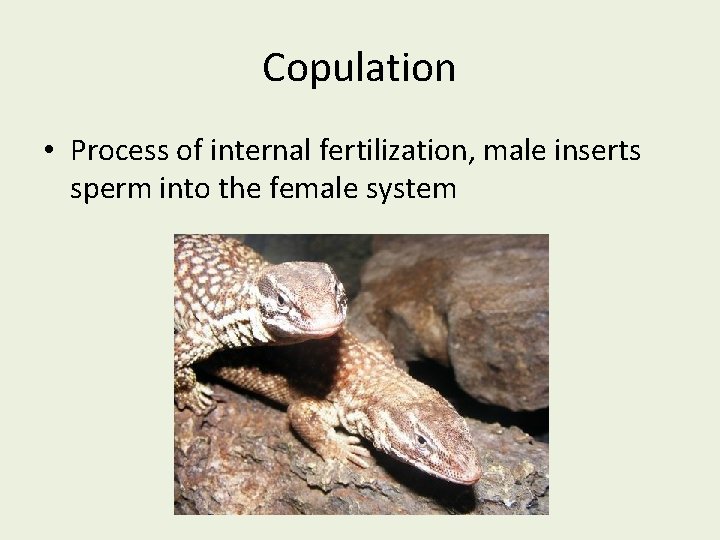
Copulation • Process of internal fertilization, male inserts sperm into the female system
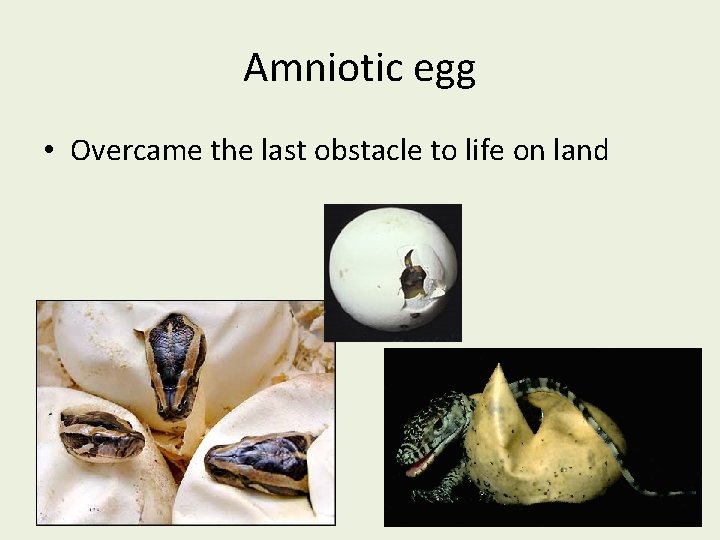
Amniotic egg • Overcame the last obstacle to life on land
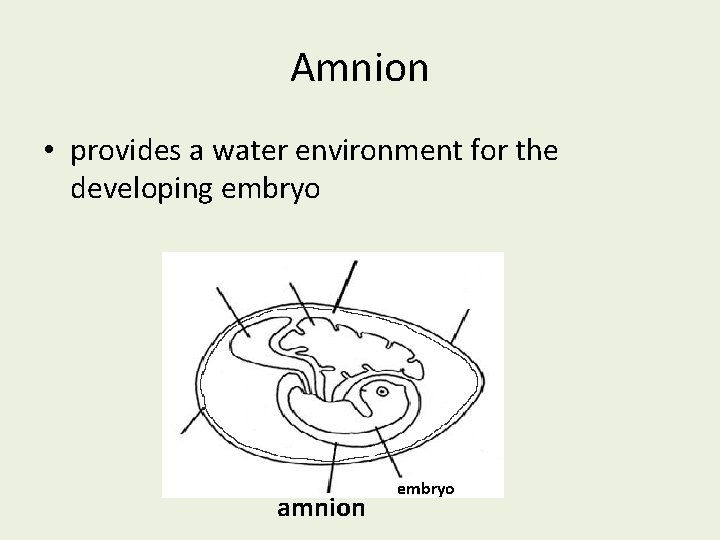
Amnion • provides a water environment for the developing embryo amnion embryo
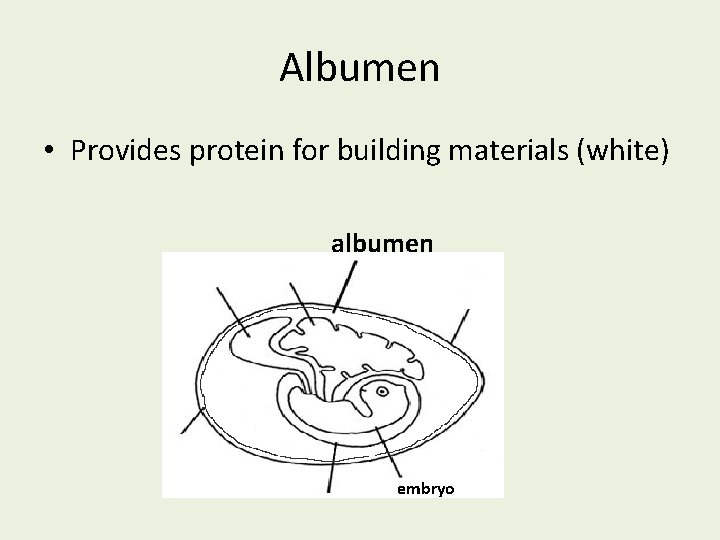
Albumen • Provides protein for building materials (white) albumen embryo
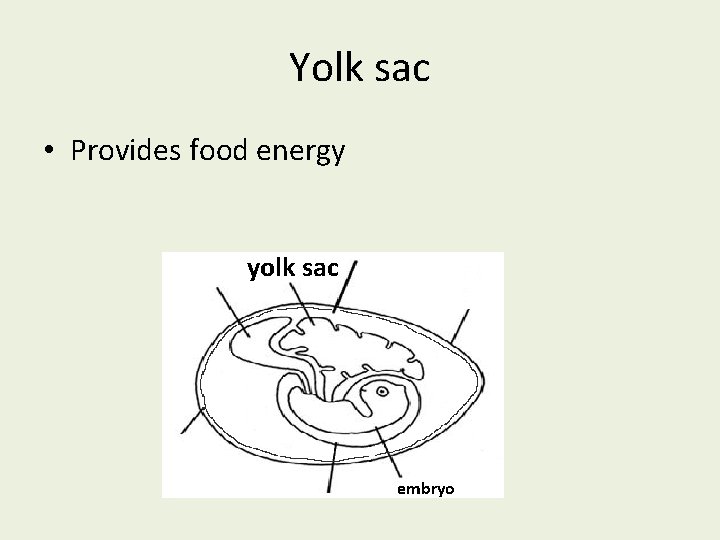
Yolk sac • Provides food energy yolk sac embryo
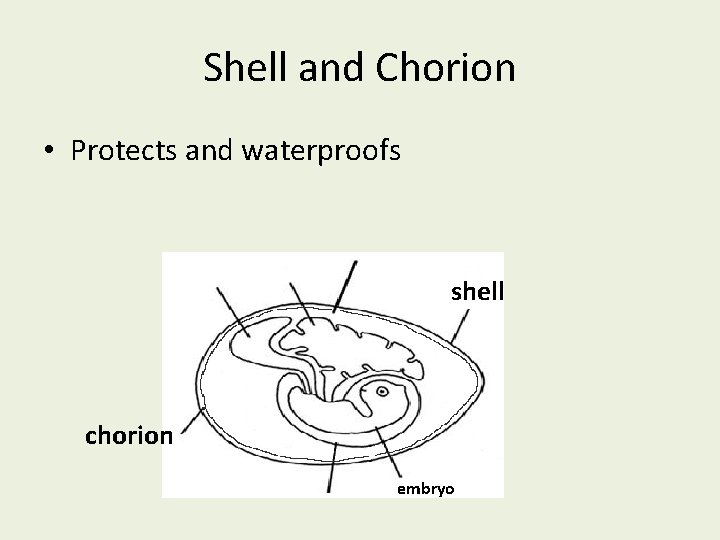
Shell and Chorion • Protects and waterproofs shell chorion embryo
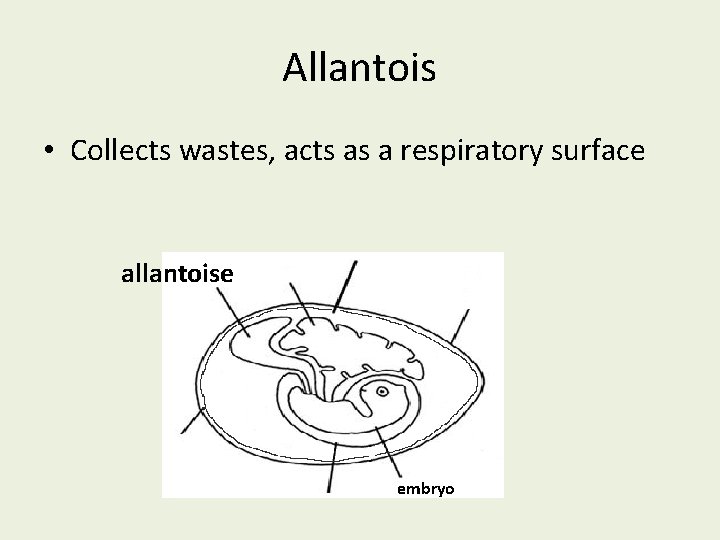
Allantois • Collects wastes, acts as a respiratory surface allantoise embryo
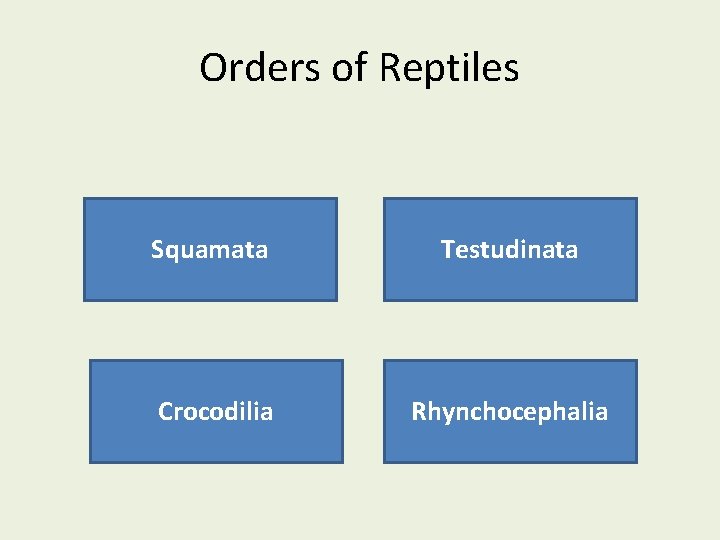
Orders of Reptiles Squamata Testudinata Crocodilia Rhynchocephalia
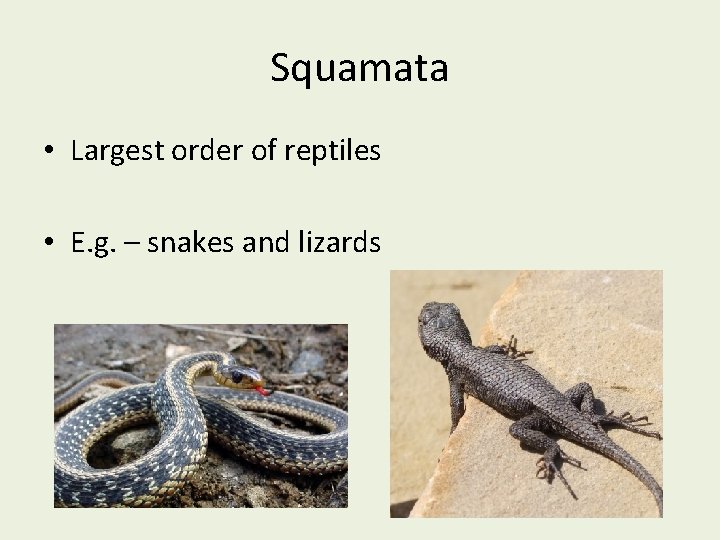
Squamata • Largest order of reptiles • E. g. – snakes and lizards
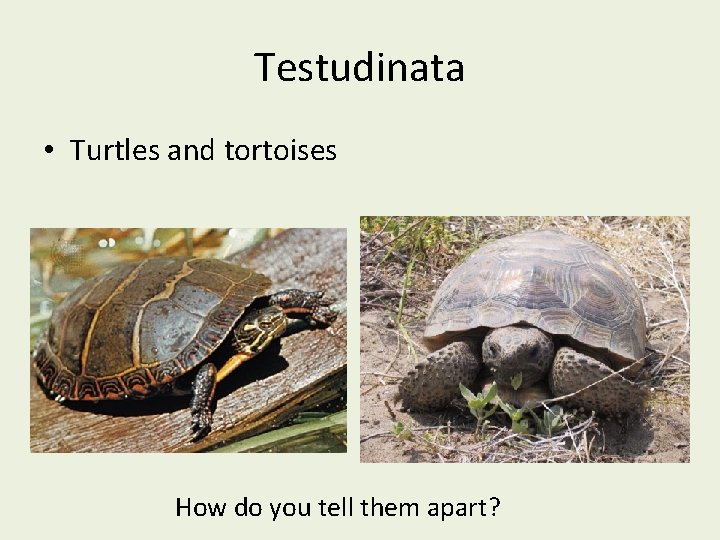
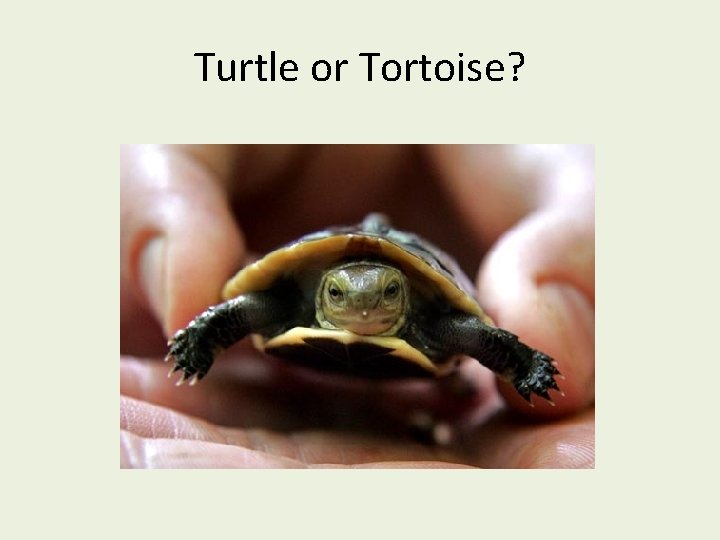
Testudinata • Turtles and tortoises How do you tell them apart?
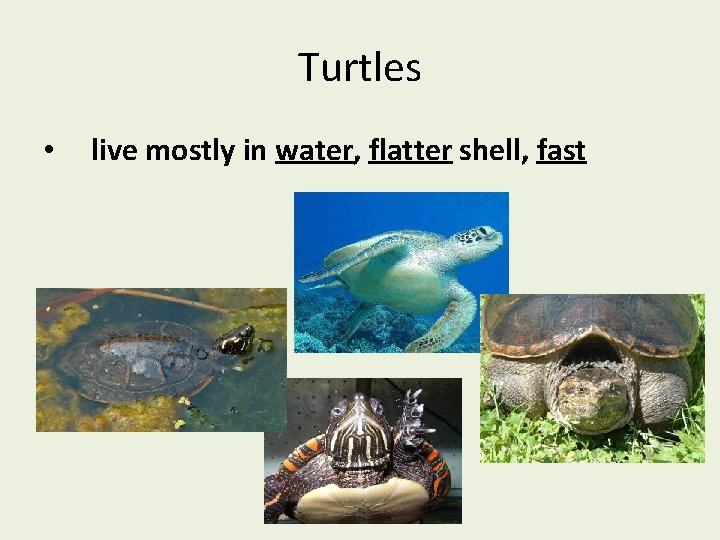
Turtles • live mostly in water, flatter shell, fast
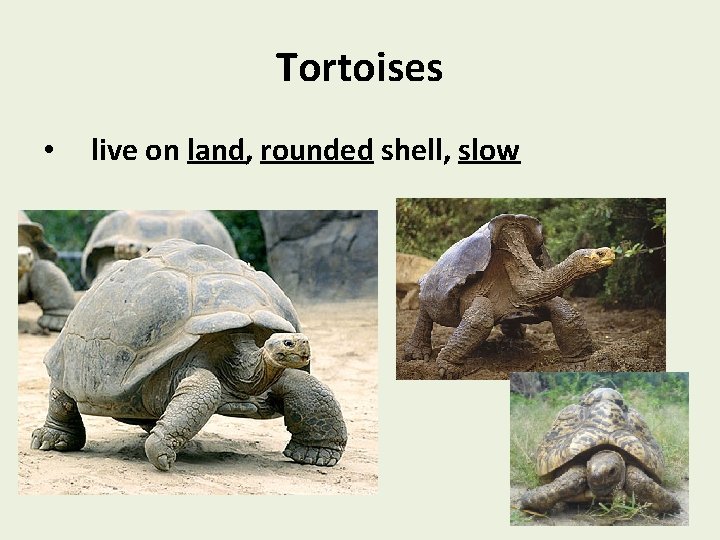
Tortoises • live on land, rounded shell, slow
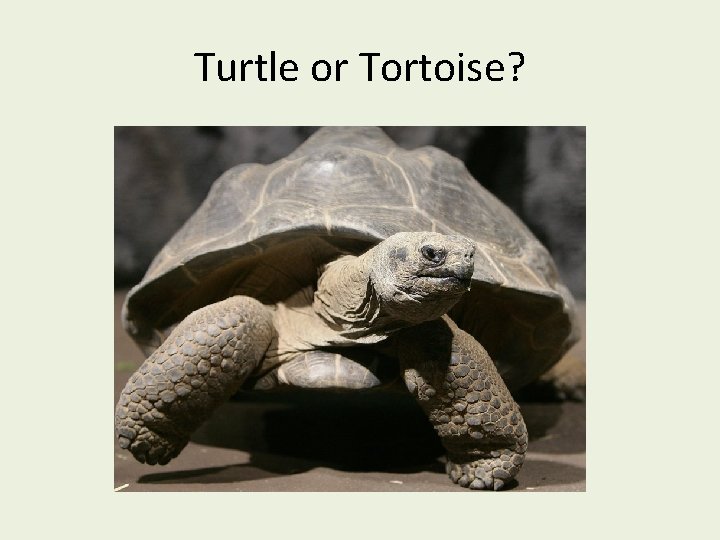
Turtle or Tortoise?
Turtle or Tortoise?
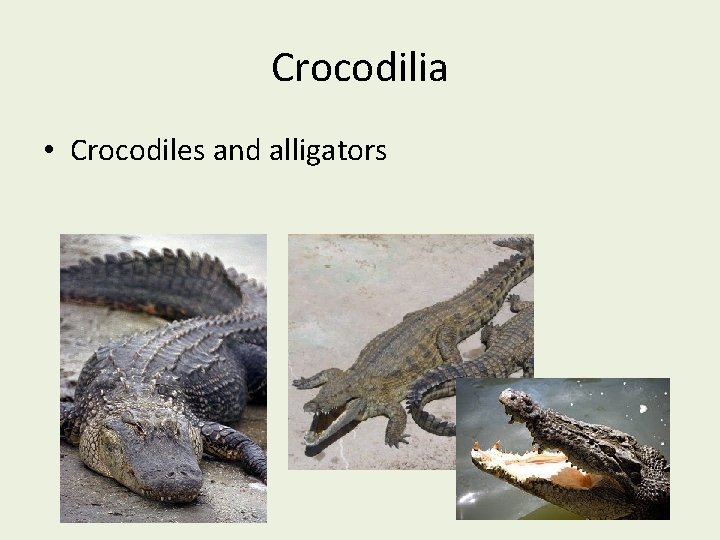
Crocodilia • Crocodiles and alligators
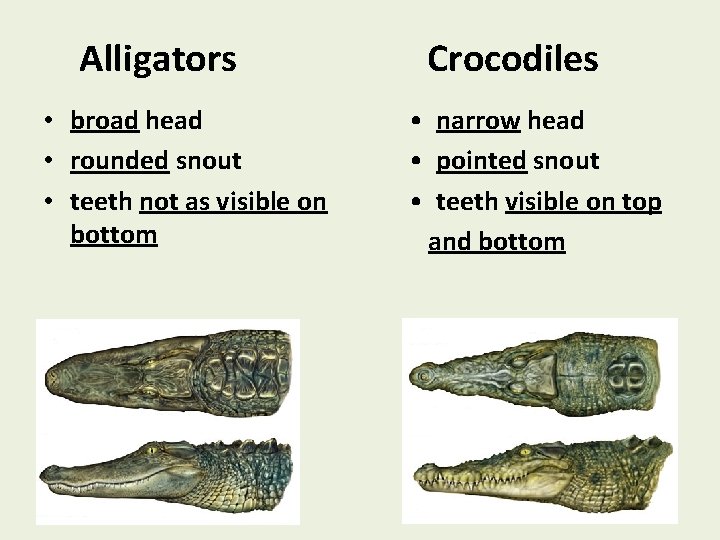
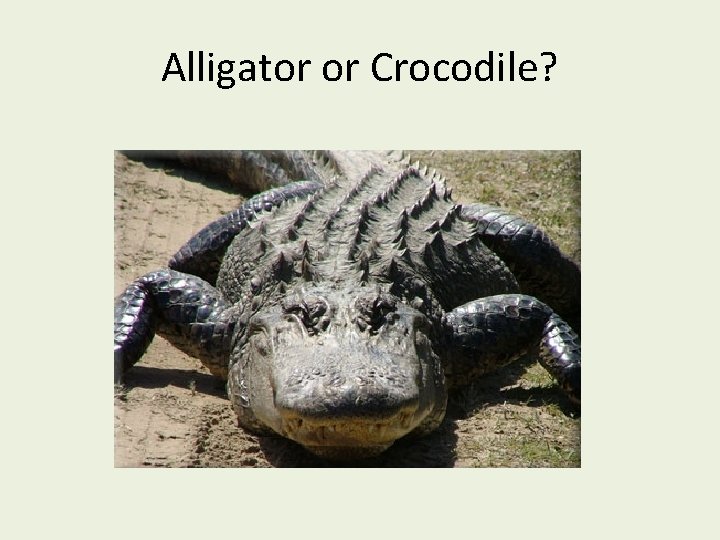
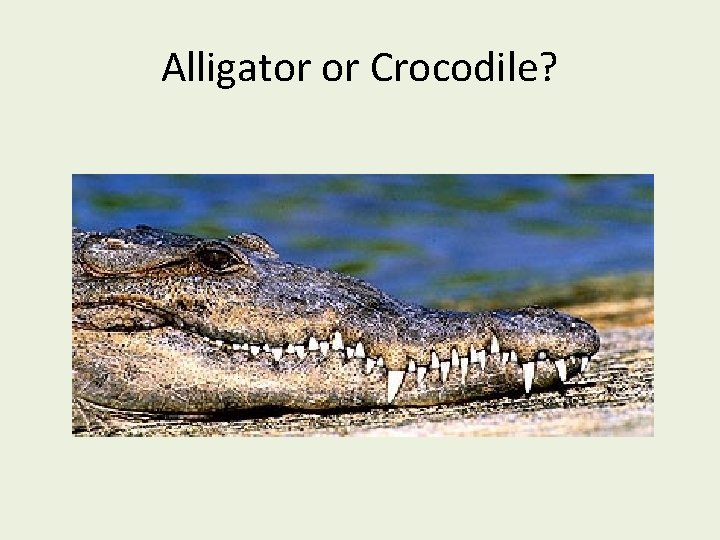
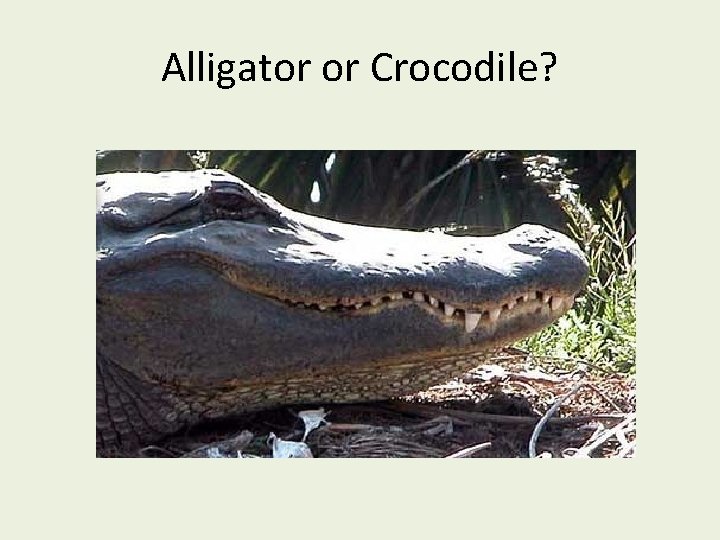
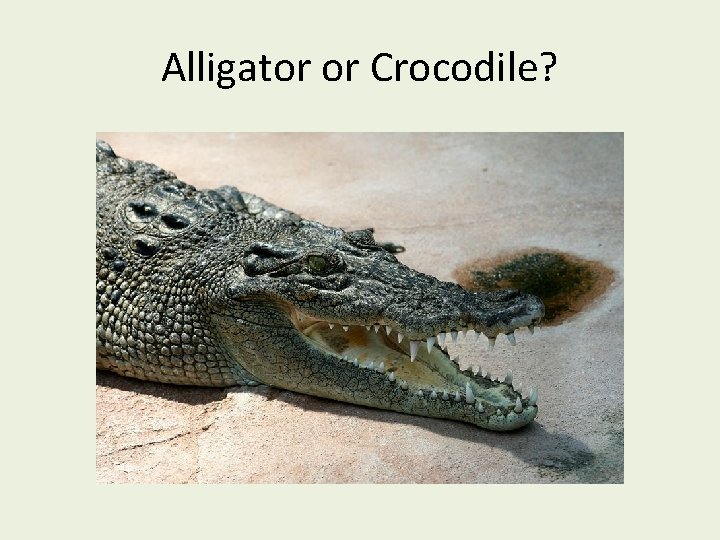
Alligators • broad head • rounded snout • teeth not as visible on bottom Crocodiles • narrow head • pointed snout • teeth visible on top and bottom
Alligator or Crocodile?
Alligator or Crocodile?
Alligator or Crocodile?
Alligator or Crocodile?
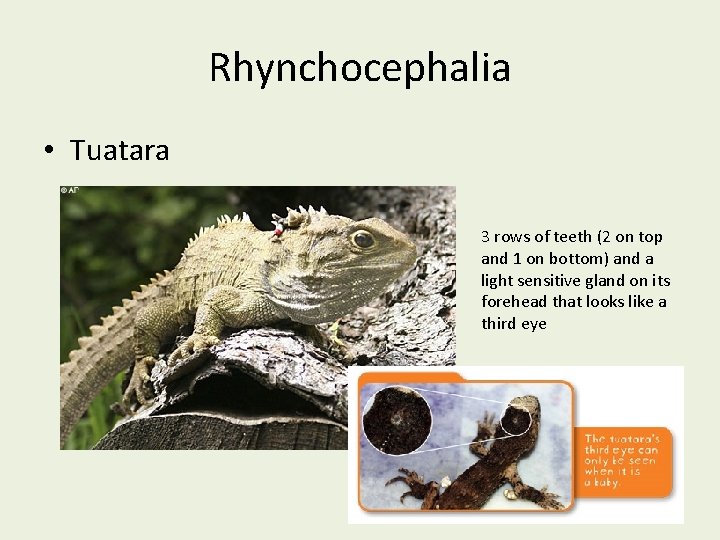
Rhynchocephalia • Tuatara 3 rows of teeth (2 on top and 1 on bottom) and a light sensitive gland on its forehead that looks like a third eye