
Reproduction Human Life Cycle Meiosis againeggs and sperm
- Slides: 30
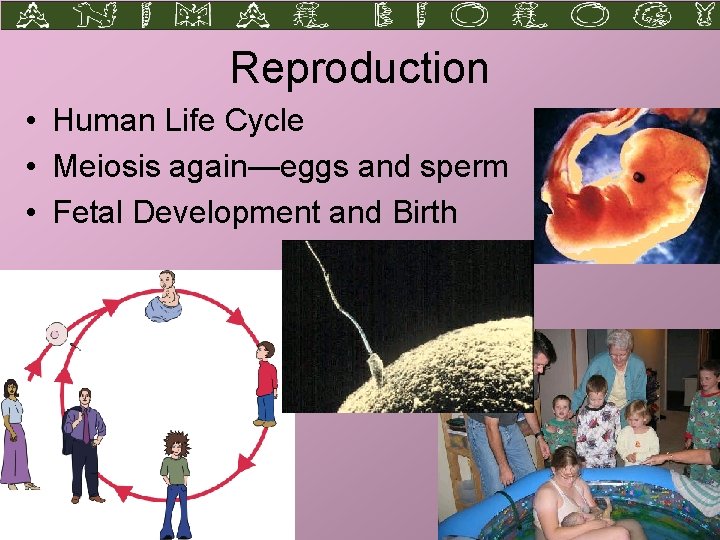
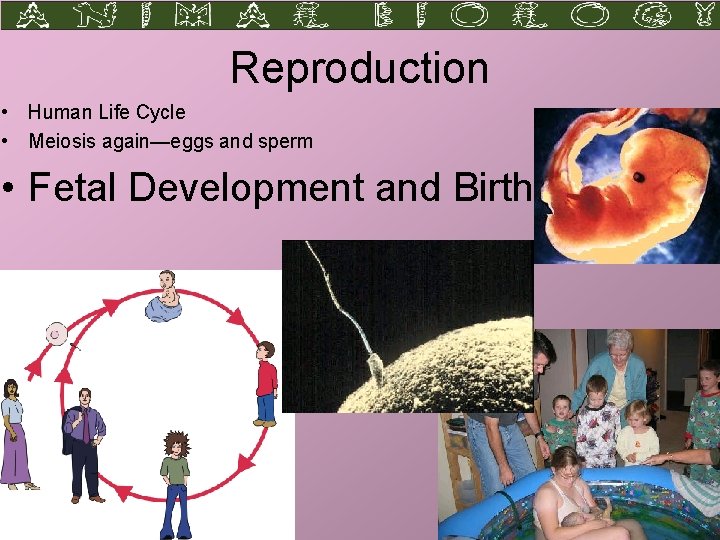
Reproduction • Human Life Cycle • Meiosis again—eggs and sperm • Fetal Development and Birth Larry M. Frolich, Ph. D. Biology Department, Yavapai College
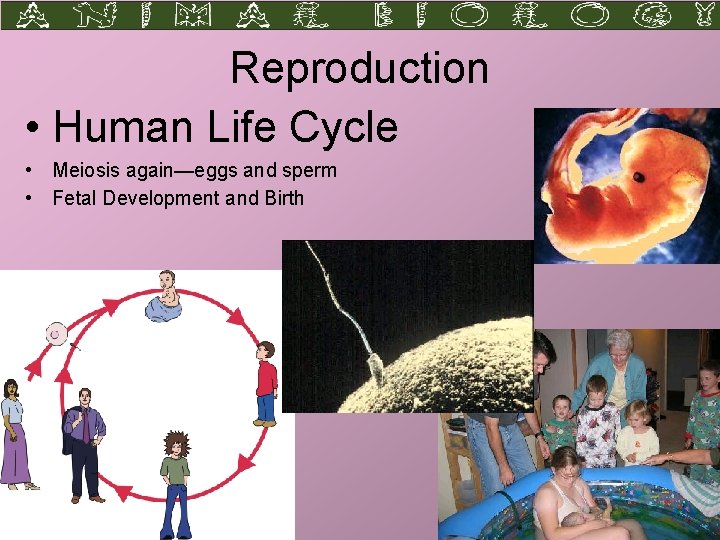
Reproduction • Human Life Cycle • Meiosis again—eggs and sperm • Fetal Development and Birth Larry M. Frolich, Ph. D. Biology Department, Yavapai College
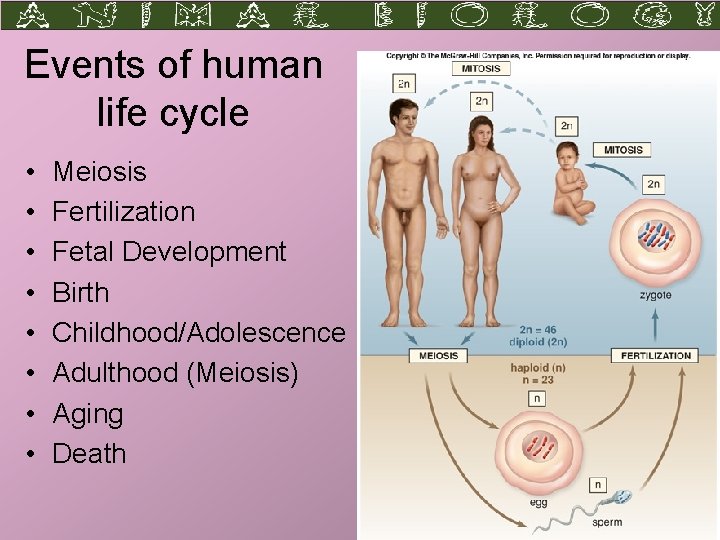
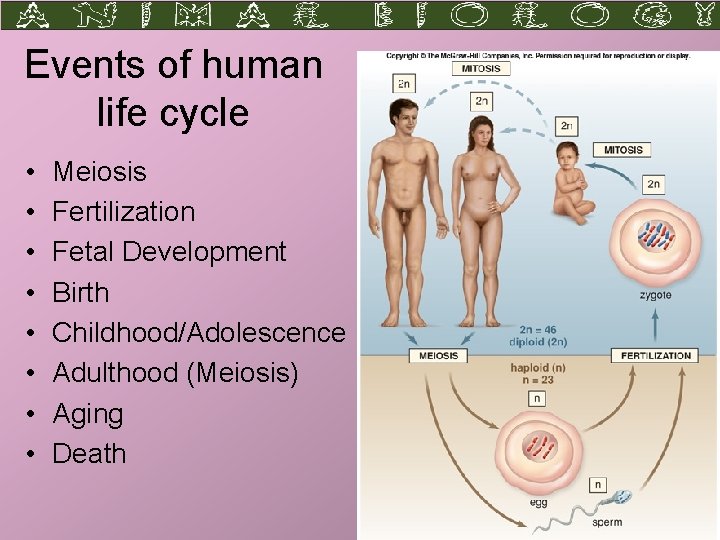
Events of human life cycle • • Meiosis Fertilization Fetal Development Birth Childhood/Adolescence Adulthood (Meiosis) Aging Death Larry M. Frolich, Ph. D. Biology Department, Yavapai College
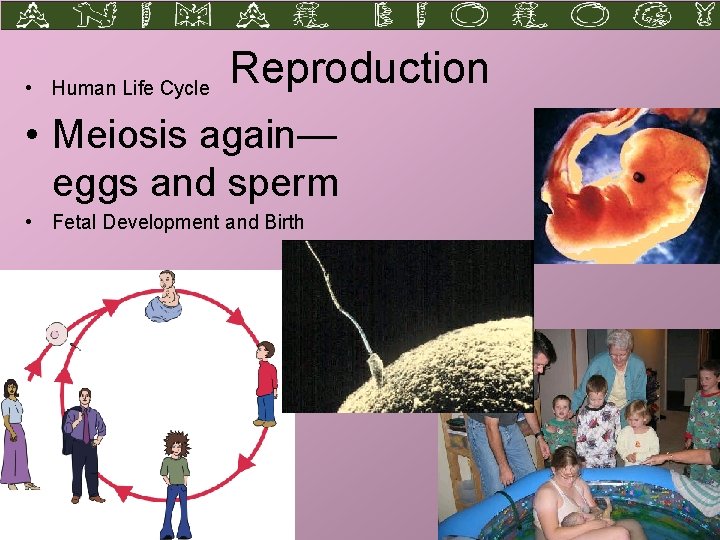
• Human Life Cycle Reproduction • Meiosis again— eggs and sperm • Fetal Development and Birth Larry M. Frolich, Ph. D. Biology Department, Yavapai College
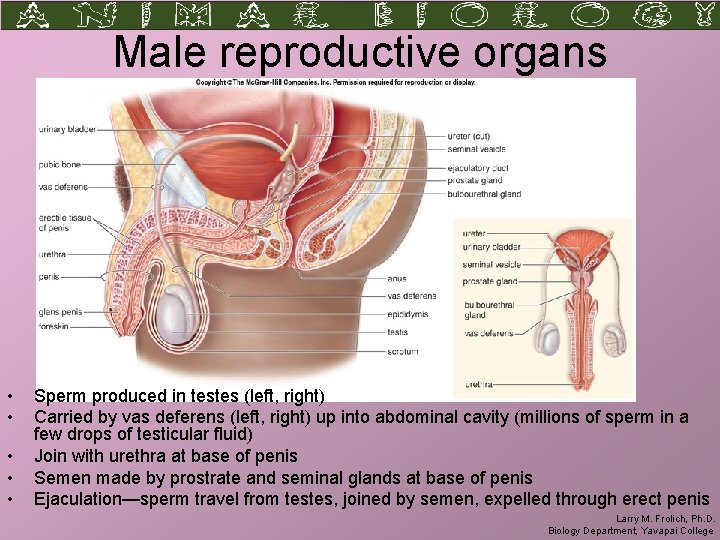
Male reproductive organs • • • Sperm produced in testes (left, right) Carried by vas deferens (left, right) up into abdominal cavity (millions of sperm in a few drops of testicular fluid) Join with urethra at base of penis Semen made by prostrate and seminal glands at base of penis Ejaculation—sperm travel from testes, joined by semen, expelled through erect penis Larry M. Frolich, Ph. D. Biology Department, Yavapai College
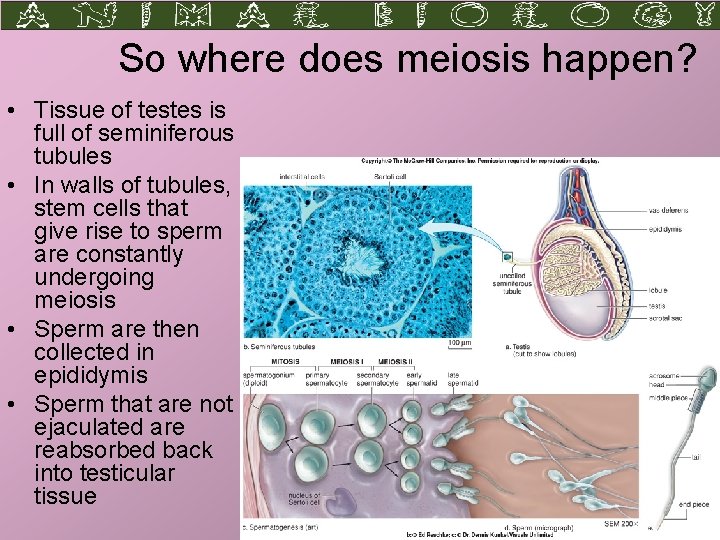
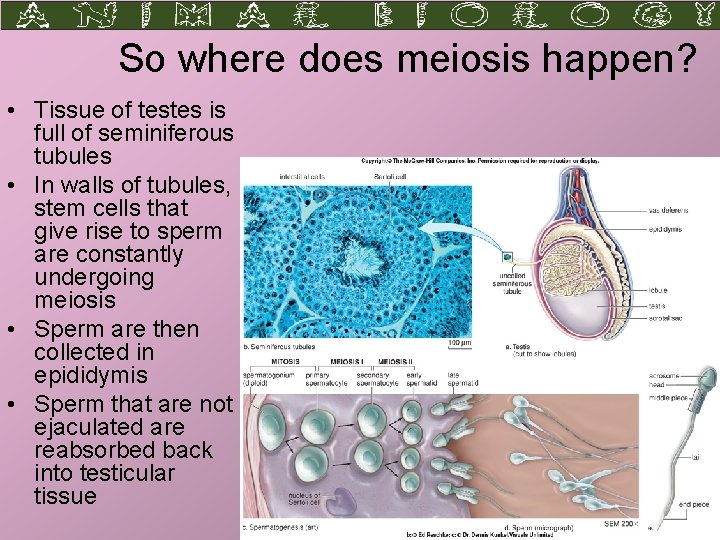
So where does meiosis happen? • Tissue of testes is full of seminiferous tubules • In walls of tubules, stem cells that give rise to sperm are constantly undergoing meiosis • Sperm are then collected in epididymis • Sperm that are not ejaculated are reabsorbed back into testicular tissue Larry M. Frolich, Ph. D. Biology Department, Yavapai College
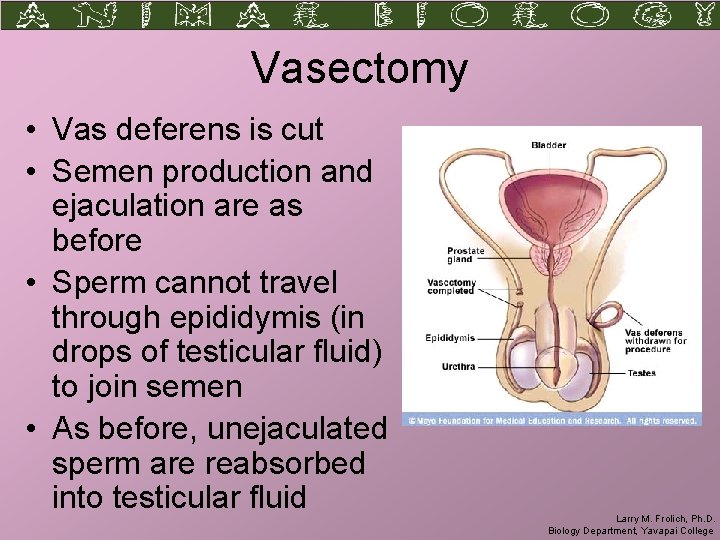
Vasectomy • Vas deferens is cut • Semen production and ejaculation are as before • Sperm cannot travel through epididymis (in drops of testicular fluid) to join semen • As before, unejaculated sperm are reabsorbed into testicular fluid Larry M. Frolich, Ph. D. Biology Department, Yavapai College
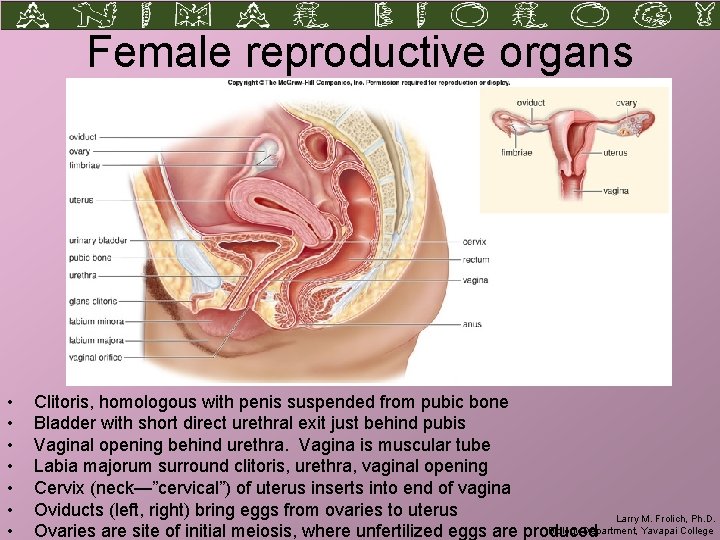
Female reproductive organs • • Clitoris, homologous with penis suspended from pubic bone Bladder with short direct urethral exit just behind pubis Vaginal opening behind urethra. Vagina is muscular tube Labia majorum surround clitoris, urethra, vaginal opening Cervix (neck—”cervical”) of uterus inserts into end of vagina Oviducts (left, right) bring eggs from ovaries to uterus Larry M. Frolich, Ph. D. Biology Department, Yavapai College Ovaries are site of initial meiosis, where unfertilized eggs are produced
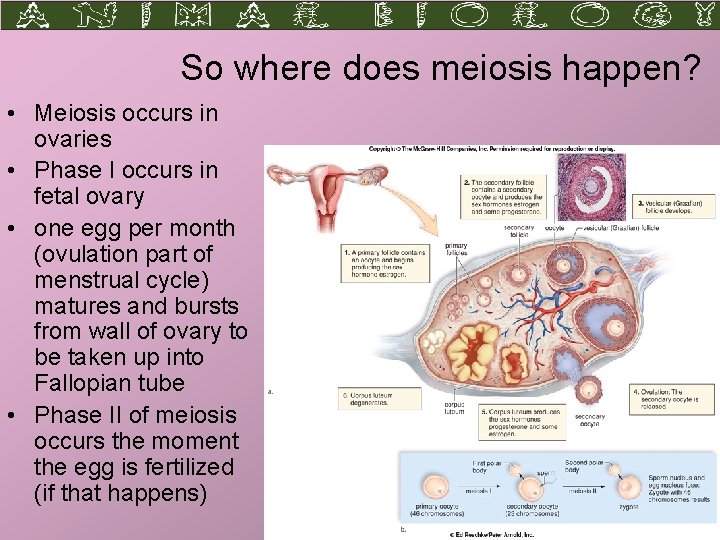
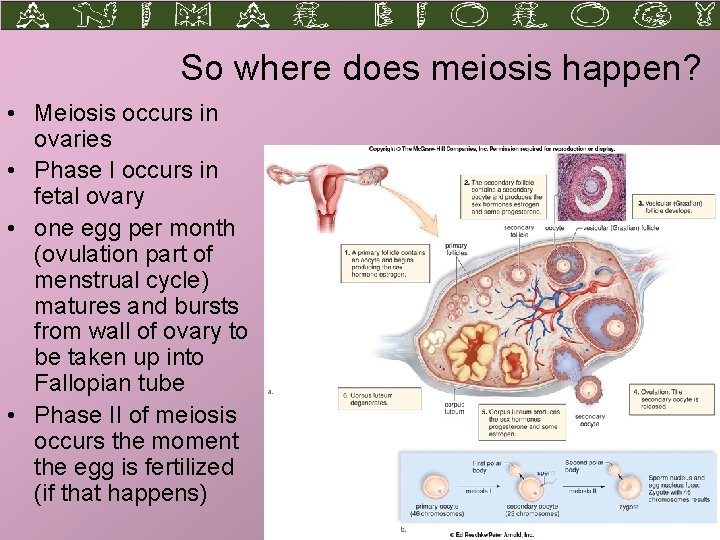
So where does meiosis happen? • Meiosis occurs in ovaries • Phase I occurs in fetal ovary • one egg per month (ovulation part of menstrual cycle) matures and bursts from wall of ovary to be taken up into Fallopian tube • Phase II of meiosis occurs the moment the egg is fertilized (if that happens) Larry M. Frolich, Ph. D. Biology Department, Yavapai College
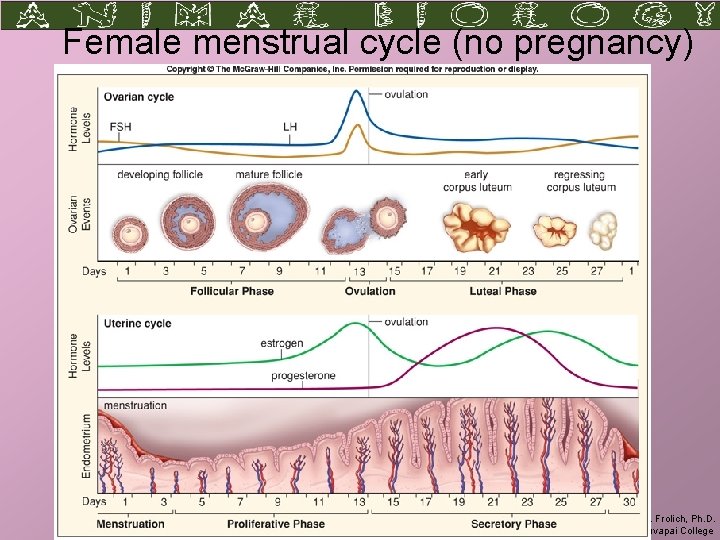
Female menstrual cycle (no pregnancy) Larry M. Frolich, Ph. D. Biology Department, Yavapai College
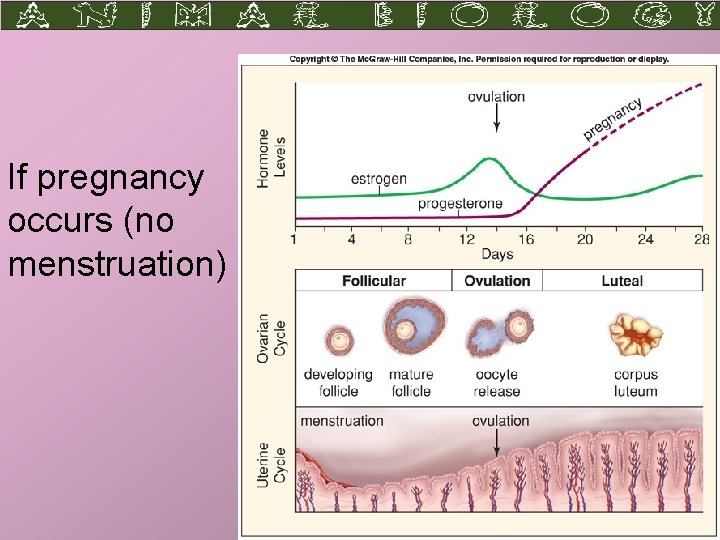
If pregnancy occurs (no menstruation) Larry M. Frolich, Ph. D. Biology Department, Yavapai College
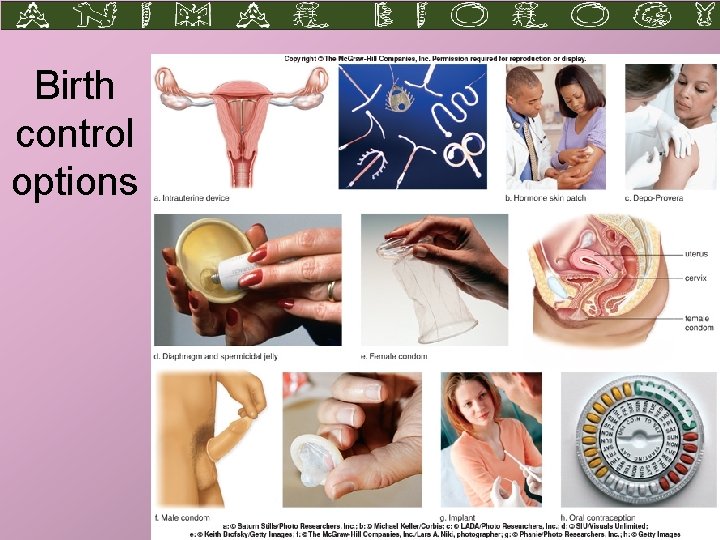
Birth control options Larry M. Frolich, Ph. D. Biology Department, Yavapai College
Sexually transmitted diseases (STDs): • Viral diseases: cannot be treated with antibiotics but there a few antivirals – – HIV Genital warts Genital Herpes Hepatitis • Bacterial diseases: can be treated with antibiotics – Chlamydia – Gonorrhea – Syphillis Larry M. Frolich, Ph. D. Biology Department, Yavapai College
STD’s: Hepatitis • An infection of the liver by one of 6 viruses (Hep A, B, C, D, E, G • Hep B: most commonly sexually transmitted hepatitis • Transmitted through sexual contact and by contaminated blood • Hepatitis B can lead to liver failure • Vaccine available for both Hep A and B Larry M. Frolich, Ph. D. Biology Department, Yavapai College
Other common infections of the reproductive tract • Bacterial vaginosis (BV): – Accounts for ~ 50% of vaginitis in American women – Caused by a disruption of the normal flora in the vagina leading to an overgrowth of certain bacteria • Trichomoniasis – Caused by a protozoan – Can cause a frothy discharge, with a foul smell and itching – Common cause of vaginitis • Candidiasis – An overgrowth of normal yeast (fungus called Candida) in the vagina – Characterized by tissue that is red, inflammed and itchy; sometimes a white, curdy discharge as well – Birth control hormones and use of antibiotics make women more prone to this overgrowth Larry M. Frolich, Ph. D. Biology Department, Yavapai College
Health focus: Preventing transmission of STDs? • Abstinence • Develop long-term monogamous relationships • Be aware if your partner is an intravenous drug user because prevalence of STDs are higher in that group • Practice safer sex – Always use a latex condom during intercourse – Limit or do not use alcohol and drugs that can impair your judgment or change your behavior Larry M. Frolich, Ph. D. Biology Department, Yavapai College
Reproduction • Human Life Cycle • Meiosis again—eggs and sperm • Fetal Development and Birth Larry M. Frolich, Ph. D. Biology Department, Yavapai College
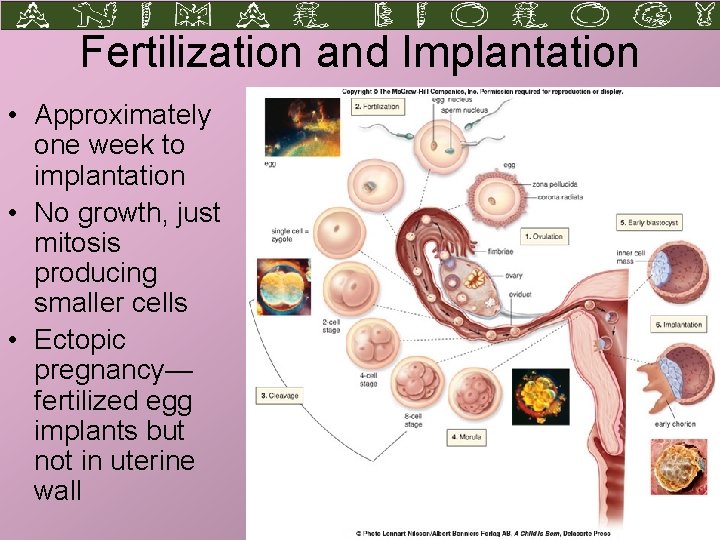
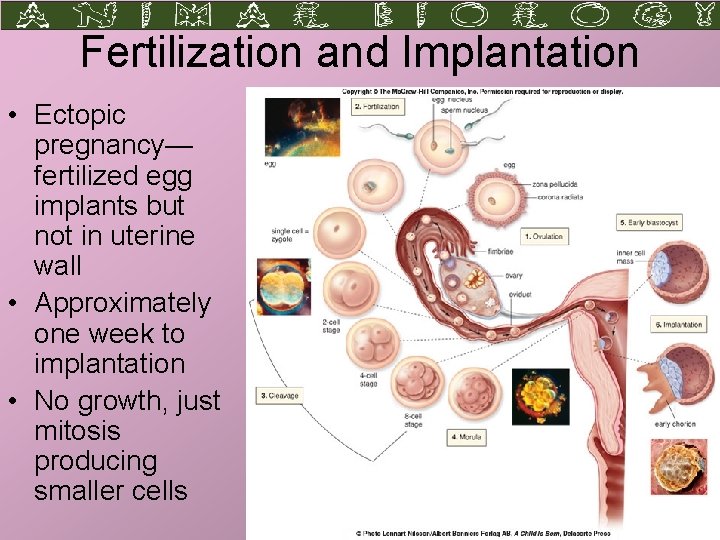
Fertilization and Implantation • Approximately one week to implantation • No growth, just mitosis producing smaller cells • Ectopic pregnancy— fertilized egg implants but not in uterine wall Larry M. Frolich, Ph. D. Biology Department, Yavapai College
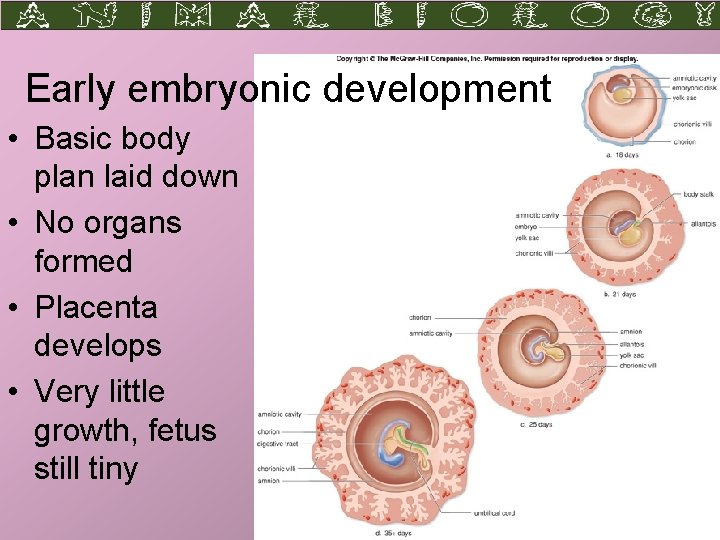
Early embryonic development • Basic body plan laid down • No organs formed • Placenta develops • Very little growth, fetus still tiny Larry M. Frolich, Ph. D. Biology Department, Yavapai College
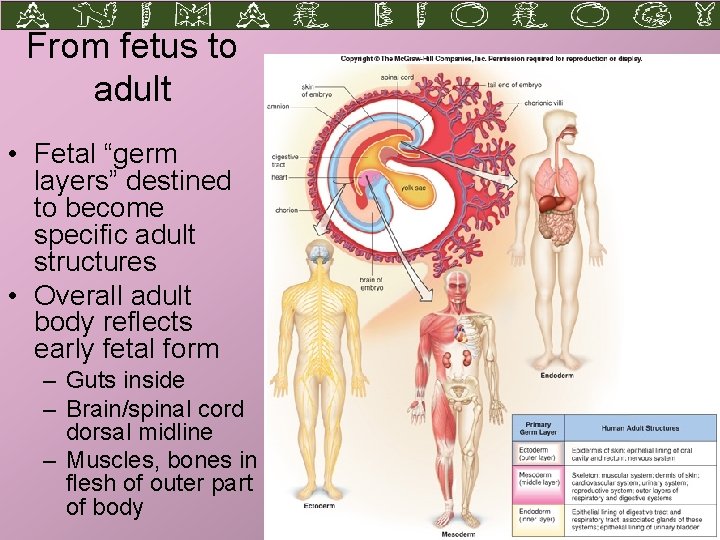
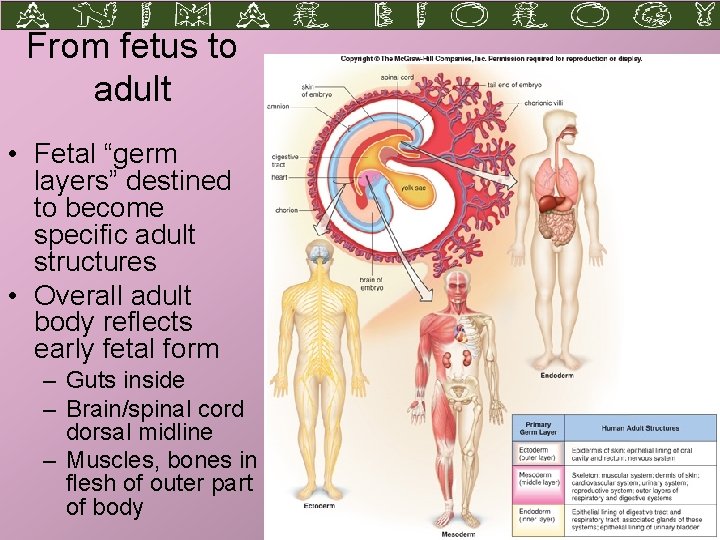
From fetus to adult • Fetal “germ layers” destined to become specific adult structures • Overall adult body reflects early fetal form – Guts inside – Brain/spinal cord dorsal midline – Muscles, bones in flesh of outer part of body Larry M. Frolich, Ph. D. Biology Department, Yavapai College
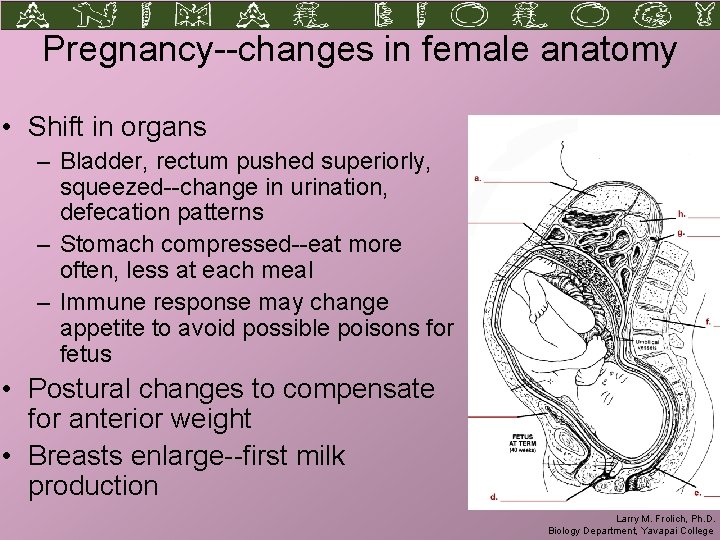
Pregnancy--changes in female anatomy • Shift in organs – Bladder, rectum pushed superiorly, squeezed--change in urination, defecation patterns – Stomach compressed--eat more often, less at each meal – Immune response may change appetite to avoid possible poisons for fetus • Postural changes to compensate for anterior weight • Breasts enlarge--first milk production Larry M. Frolich, Ph. D. Biology Department, Yavapai College
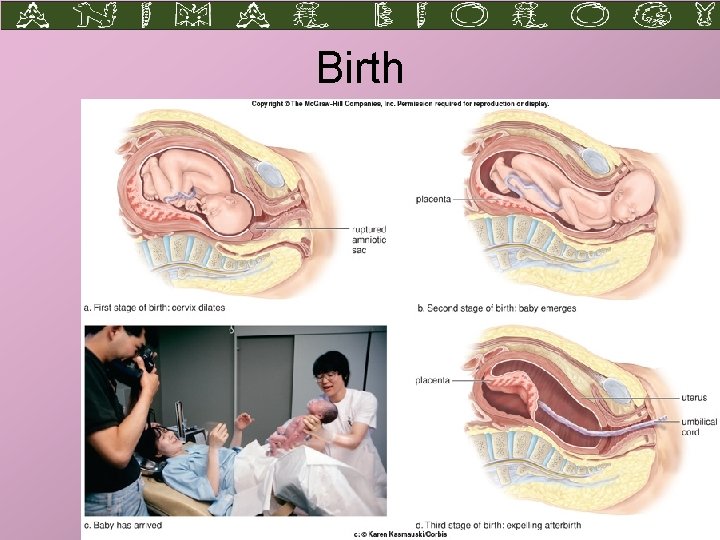
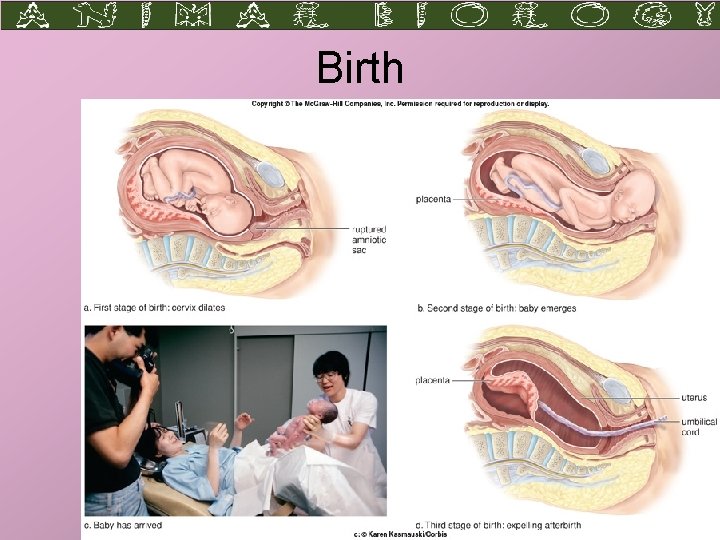
Birth Larry M. Frolich, Ph. D. Biology Department, Yavapai College
Birthing, cultures, children • Many different approaches to birthing process • Many different approaches and attitudes to child-raising • Result is human populations and their evolution (next topic) Larry M. Frolich, Ph. D. Biology Department, Yavapai College
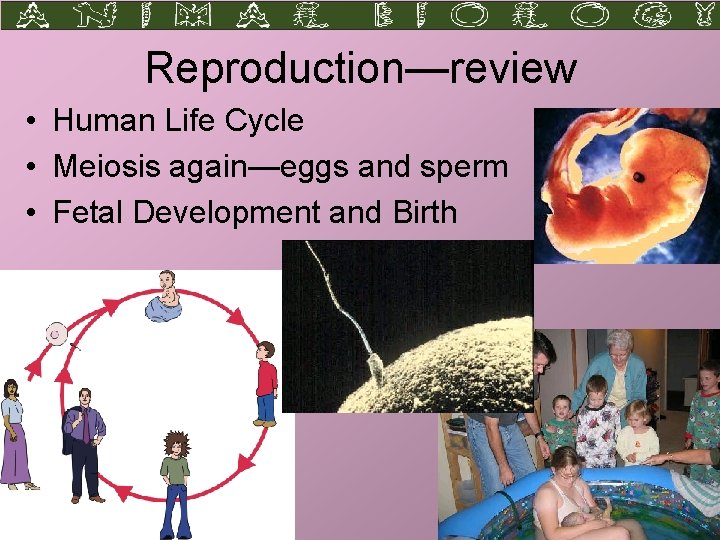
Reproduction—review • Human Life Cycle • Meiosis again—eggs and sperm • Fetal Development and Birth Larry M. Frolich, Ph. D. Biology Department, Yavapai College
Events of human life cycle • • Meiosis Fertilization Fetal Development Birth Childhood/Adolescence Adulthood (Meiosis) Aging Death Larry M. Frolich, Ph. D. Biology Department, Yavapai College
So where does meiosis happen? • Tissue of testes is full of seminiferous tubules • In walls of tubules, stem cells that give rise to sperm are constantly undergoing meiosis • Sperm are then collected in epididymis • Sperm that are not ejaculated are reabsorbed back into testicular tissue Larry M. Frolich, Ph. D. Biology Department, Yavapai College
So where does meiosis happen? • Meiosis occurs in ovaries • Phase I occurs in fetal ovary • one egg per month (ovulation part of menstrual cycle) matures and bursts from wall of ovary to be taken up into Fallopian tube • Phase II of meiosis occurs the moment the egg is fertilized (if that happens) Larry M. Frolich, Ph. D. Biology Department, Yavapai College
Fertilization and Implantation • Ectopic pregnancy— fertilized egg implants but not in uterine wall • Approximately one week to implantation • No growth, just mitosis producing smaller cells Larry M. Frolich, Ph. D. Biology Department, Yavapai College
From fetus to adult • Fetal “germ layers” destined to become specific adult structures • Overall adult body reflects early fetal form – Guts inside – Brain/spinal cord dorsal midline – Muscles, bones in flesh of outer part of body Larry M. Frolich, Ph. D. Biology Department, Yavapai College
Birth Larry M. Frolich, Ph. D. Biology Department, Yavapai College