
Representation and Textual Analysis LO To understand key
- Slides: 43
Representation and Textual Analysis LO: To understand key concepts and terminology associated with textual analysis
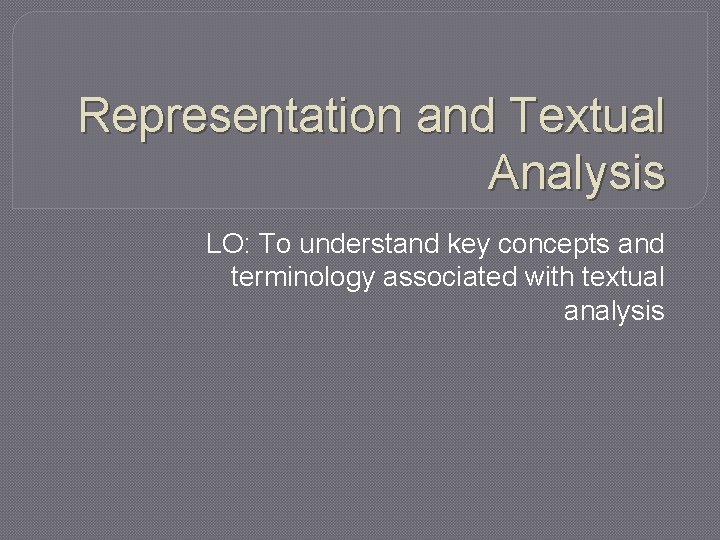
Teacher
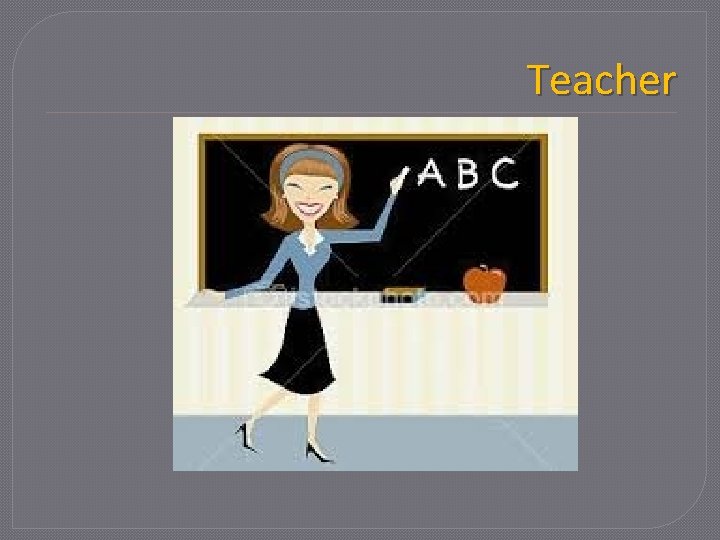
Teacher…?
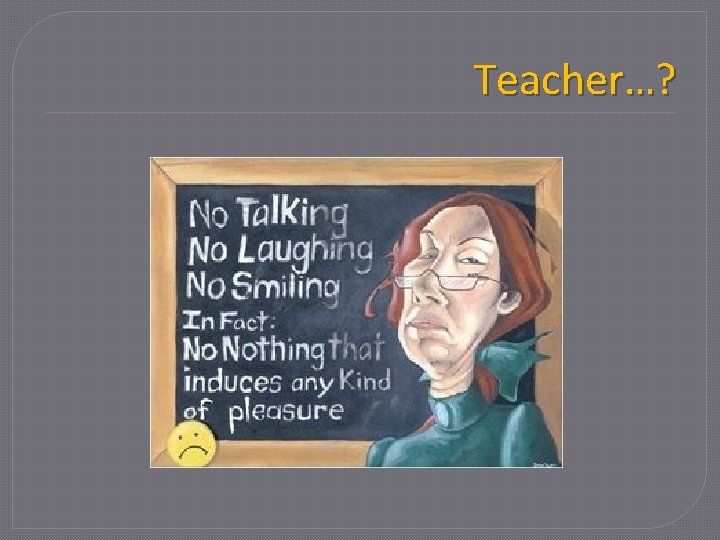
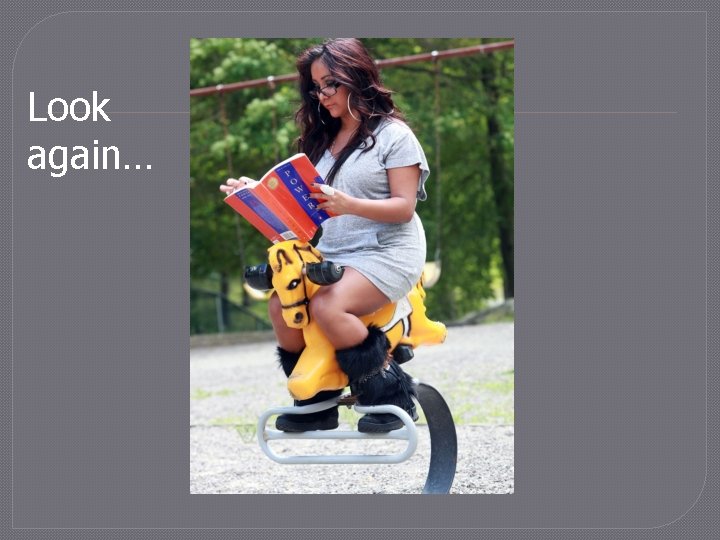
What do you see?
Look again…
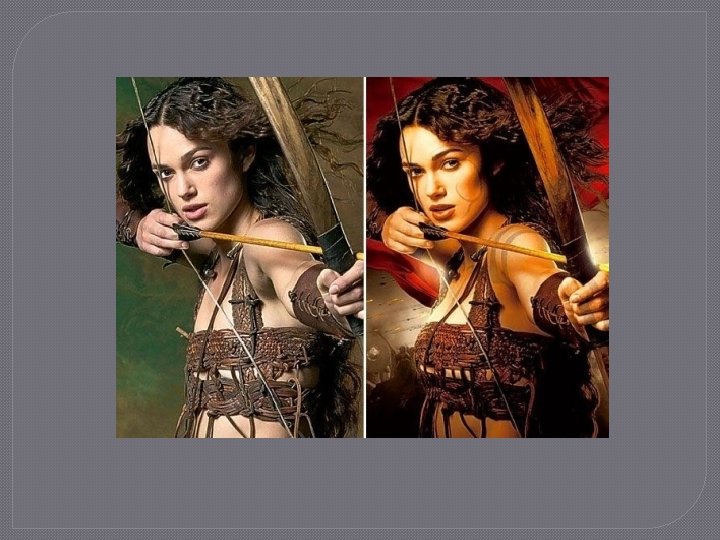
Representation… �These are not the actual thing or person – they are a representation of the thing. �Representation means to re-present (i. e. show again) �Remember: Individuals and groups of people are represented in the media as being a certain way. This is a construct of reality and NOT reality itself.
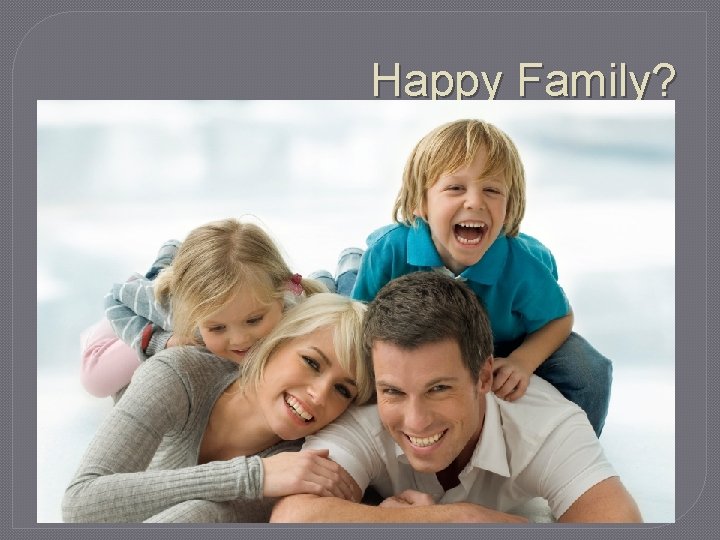
Happy Family?
Happy Family? This is not a picture of a happy family – it is a representation of a happy family. The picture is posed, professionally taken and the people in it may not even be related. Everything in the image is to show us the media’s idea of the perfect family: happy faces, a strong and caring father and a loving mother.
What is Representation? Representation is: Ø The constructed and mediated presentation of people, things, ideas and places etc… and Ø The process by which the media present the ‘real world’ Ø People and places are re-presented in ways which may or may not be accurate
What is Representation? In other words, everything in the media is a representation. When analysing representations we need to ask ourselves the following questions: Ø WHO or WHAT is being represented? Ø HOW is the representation created (positive/negative/stereotypes)? Ø WHO has created the representation? Ø WHY is the representation created in that way? Ø WHAT is the effect of the representation (is it fair)?
Re-presenting The media re-presents people, ideas and events. What we see in the media is in someway a ‘second hand’ version. The media has constructed the representation and put it through a process called mediation.
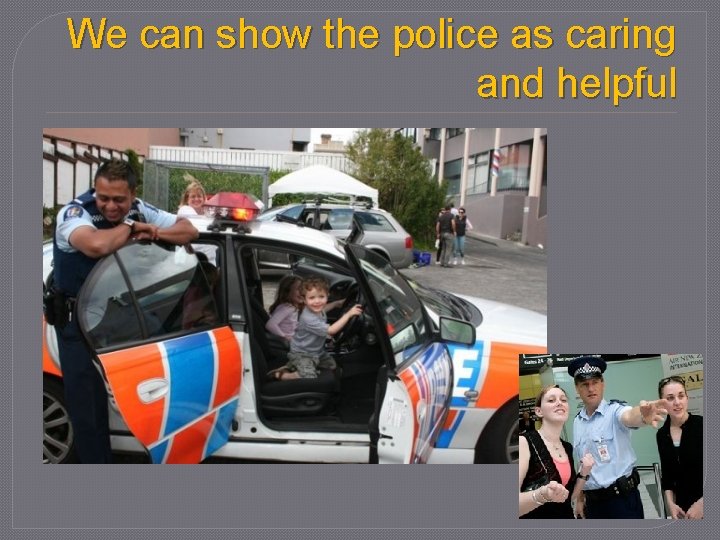
How we are represented �I could represent this class as diligent and hard working. �Or I could represent you as off-task and disengaged. It’s all about HOW I choose to show you, and what I leave OUT. It’s also about WHO is doing the re-presenting
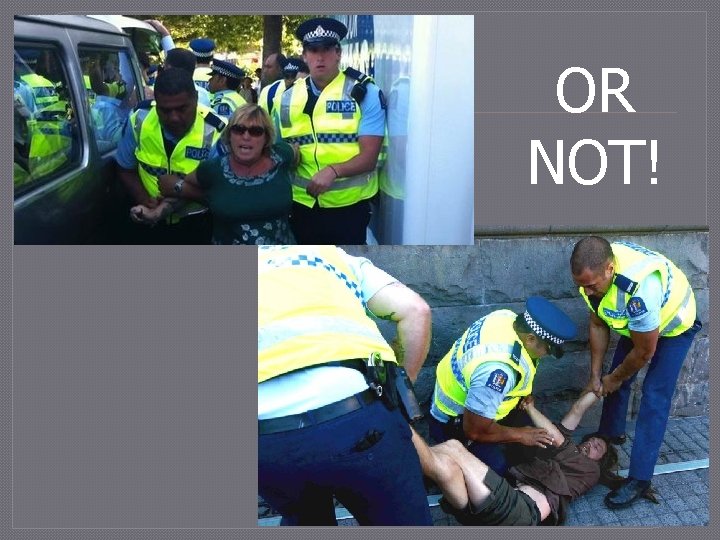
We can show the police as caring and helpful
OR NOT!
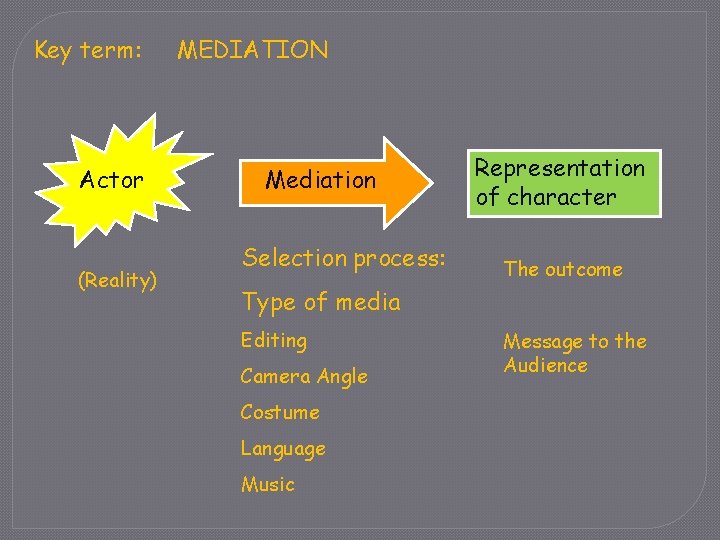
MEDIATION �The media selects (mediates) the way it shows people to serve its own purposes. �A media producer (the person who made the media product – advert, film, TV show) will deliberately represent a person or group according to what they want others to believe.
Key term: Mediation refers how a representation is put together and what message it gives the audience
Key term: Actor (Reality) MEDIATION Mediation Selection process: Representation of character The outcome Type of media Editing Camera Angle Costume Language Music Message to the Audience
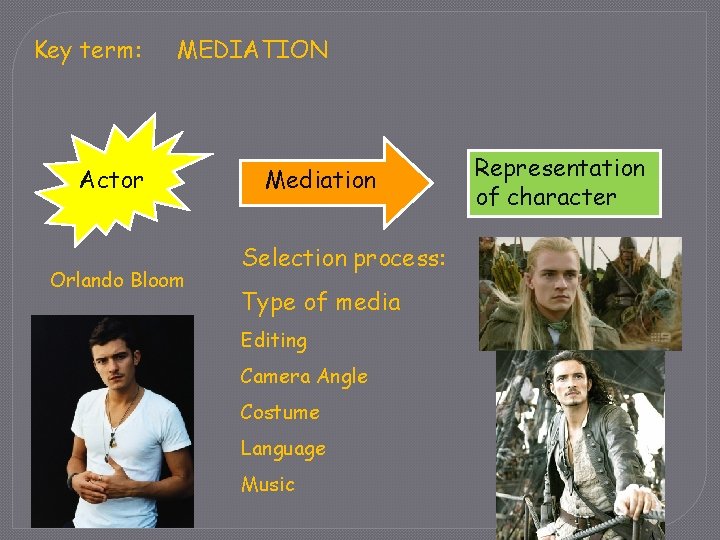
Key term: MEDIATION Actor Orlando Bloom Mediation Selection process: Type of media Editing Camera Angle Costume Language Music Representation of character
Versions of reality: Every report of an event is a representation of the event, NOT reality. What you hear and see in the media is controlled by the person who is informing you – IT IS ONE PERSON’S REPRESENTATION AND THEREFORE WILL PRESENT THEIR OPINIONS, BELIEFS AND BIASES.
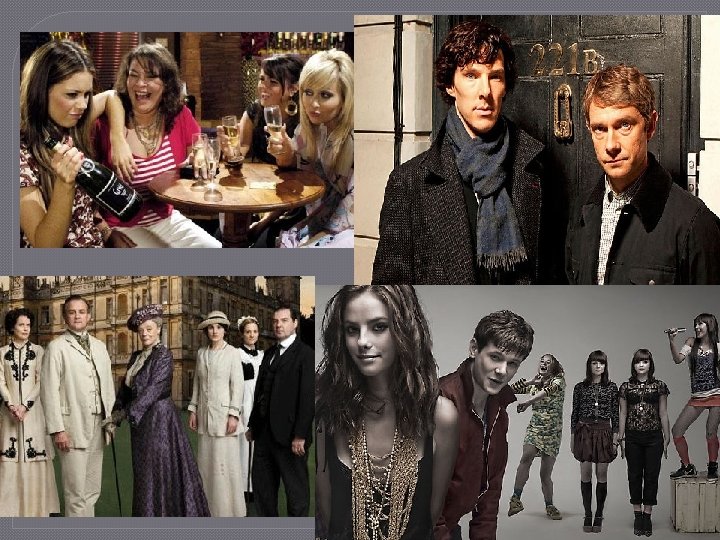
Representation ALL media texts are constructed in this way. A British drama show will be shot and edited before being broadcast. Every aspect of that show is carefully chosen in order that it creates the right impression on the audience.
Identification Dramas need to generate an idea of identification within its audience. The characters, places and events must be such that an audience can relate them to their own lives and experiences of the world
How is Representation Effected? Representations can be effected by: Ø Genre: for example, does the horror genre represent women in a certain way? Ø Target audience: do action films portray men in a certain way? Ø Institution: will films produced by major Hollywood studios offer different representations to independent studios? Ø Dominant Ideology: would a film subvert what we see as ‘normal’?
Stereotypes � A stereotype is a socially constructed group that a person is put into according to their supposed attributes. � Stereotypes are ‘socially constructed’ and exist as ‘myths’ and are neither ‘true’ nor ‘false’ but simply a reflection of dominant ideologies. � Stereotypes can be reinforced, challenged or even constructed by the media through representation.
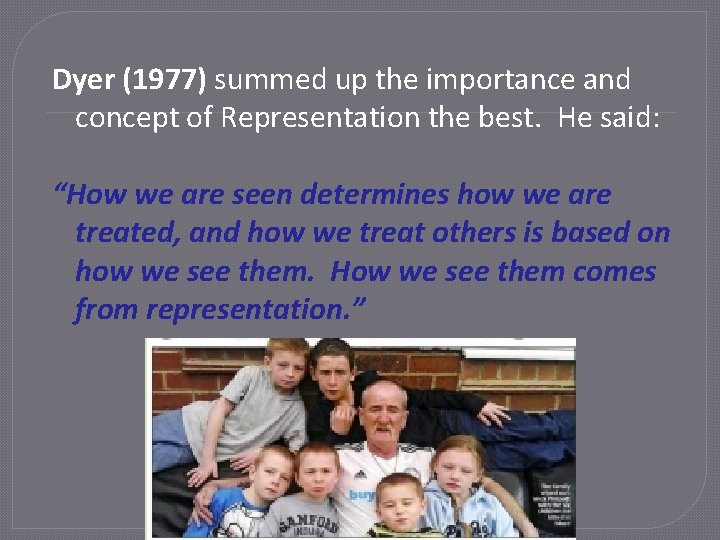
Dyer (1977) summed up the importance and concept of Representation the best. He said: “How we are seen determines how we are treated, and how we treat others is based on how we see them. How we see them comes from representation. ”
� Dyer (1977) details that if we are to be told that we are going to see a film about an alcoholic then we will know that it will be a tale either of sordid decline or of inspiring redemption. � This is a particularly interesting potential use of stereotypes, in which the character is constructed, at the level of costume, performance, etc. , as a stereotype but is deliberately given a narrative function that is not implicit in the stereotype, thus throwing into question the assumptions signalled by the stereotypical iconography.
�Tessa Perkins (1979) says stereotyping is not a simple process. She identified that some of the many ways that stereotypes are assumed to operate aren’t true.
Tessa Perkins 1. Stereotypes are not always negative, e. g: – Italians are very family orientated – Asians are good at maths – Gay men are stylish (These are still over-simplified and take no account of individuality)
Tessa Perkins 2. Stereotypes are not always about minority groups or the less powerful Upper class twit of the year Upper class = usually the most powerful social class Male/Female stereotypes = stereotyping half the population
Tessa Perkins 3. Stereotypes can be held about one’s own group � e. g. teenagers/football supporters etc
Tessa Perkins 4. They are not rigid – they change over time � e. g. : the poor uneducated working class stereotype • Harry Enfield – The Working Class (1930/40 s) • Royale Family (1990/2000 s)
Tessa Perkins 5. They are not always false This seems obvious, but stereotypes by their nature are based on some kind of reality and common experience. This is why people share these perceptions.
Definition 'Representations change over time depending on society’s view of a social group, and are influenced by cultural and legislative changes and, arguably, by media texts. Social groups that are now represented in a progressively more positive way include working women, homosexuals, ethnic minorities, the disabled and the homeless. Some stereotypes persist in their inaccuracy and are often used for comedy – the way we perceive the French and the way they perceive us – les rosbeefs - might be an example of this. '
TV Drama and Stereotypes � TV Dramas rely on stereotypes to quickly establish characters. � This is due to the fact that obviously viewers need to feel that they have an understanding of the type of character presented. � From this point onwards these stereotypes can be played upon either through reinforcing or subverting the associated stereotypical expectations.
�In this manner, TV Dramas often rely heavily on 'regressive stereotyping'. � I. e. using regressive- backward, old fashioned, outdated- stereotypes. �E. g. a woman's place is in the kitchen �See article �http: //adaring. com/stereotypes-stupid/
Stereotypes are reinforced a number of ways: Ø Repetition and reinforcement (age, race, gender, looks, sexuality, behaviour) Ø Self-fulfilling prophecy (people live up/down to their stereotypes – The Only Way is Essex) Ø Attitudes and Judgements Ø Subcultures
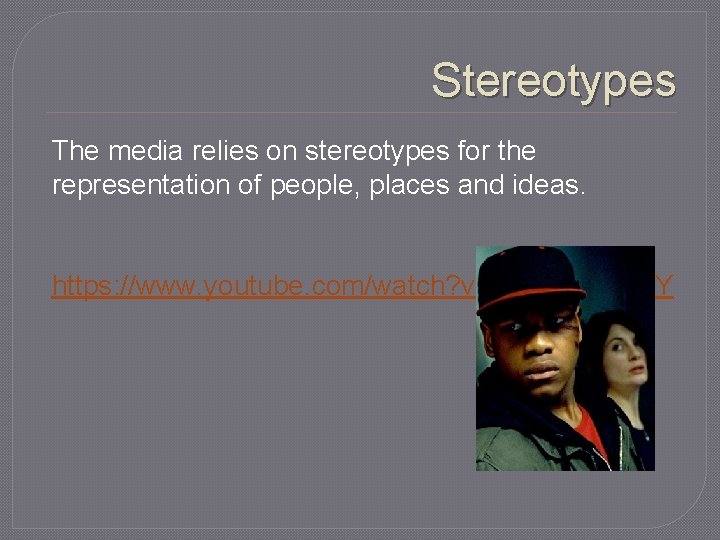
Stereotypes The media relies on stereotypes for the representation of people, places and ideas. https: //www. youtube. com/watch? v=AC 20_Y 27 vv. Y
Dominant Ideology An ideology is a set of values, beliefs and ideas held by a specific group of people or culture. Different groups in society have different ideologies. At any one time, the majority of people will have similar values, beliefs and ideas. This is the dominant ideology.
�The dominant ideology is often thought of as common sense. �However, they are often based on assumptions that aren't necessarily true. � The Media creates and nurtures these ideas creating “social myths. ”
British Society In contemporary British society the people with the most power are… Who do you think?
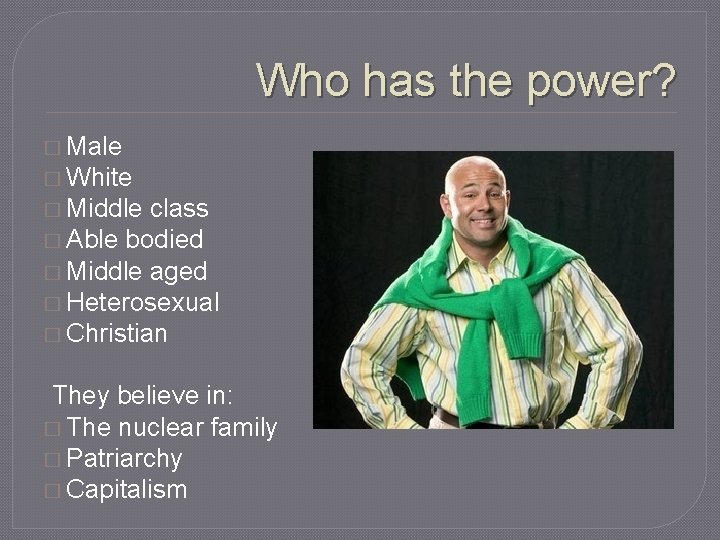
Who has the power? � Male � White � Middle class � Able bodied � Middle aged � Heterosexual � Christian They believe in: � The nuclear family � Patriarchy � Capitalism
Important Points to Consider! • What kind of world/image is being created by the text? • Is it positive or negative? • How will audiences interpret this? This will depend on how the person sees the particular person or celebrity, what their relationship is to a certain event or issue It will also depend on the persons age, gender, ethnicity and situation • •