
Replacement Theory Content Failure Mechanism Replacement Models Selecting
- Slides: 11
Replacement Theory
Content • • Failure Mechanism Replacement Models Selecting Best Equipment Recruitment and Promotion
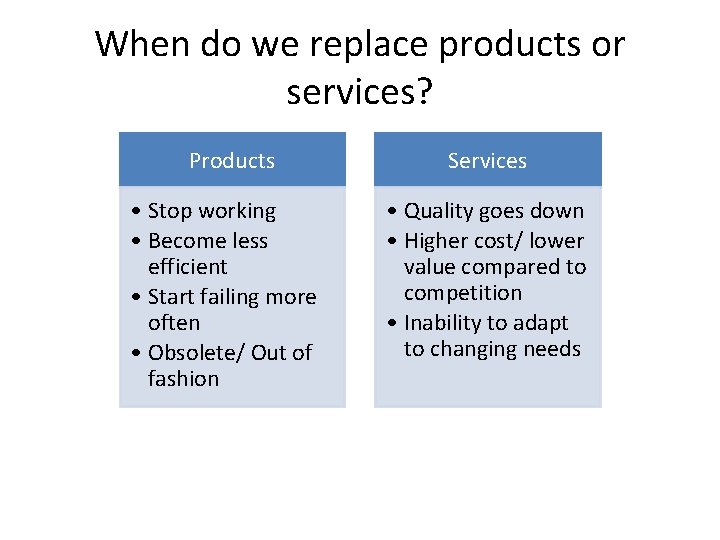
When do we replace products or services? Products • Stop working • Become less efficient • Start failing more often • Obsolete/ Out of fashion Services • Quality goes down • Higher cost/ lower value compared to competition • Inability to adapt to changing needs
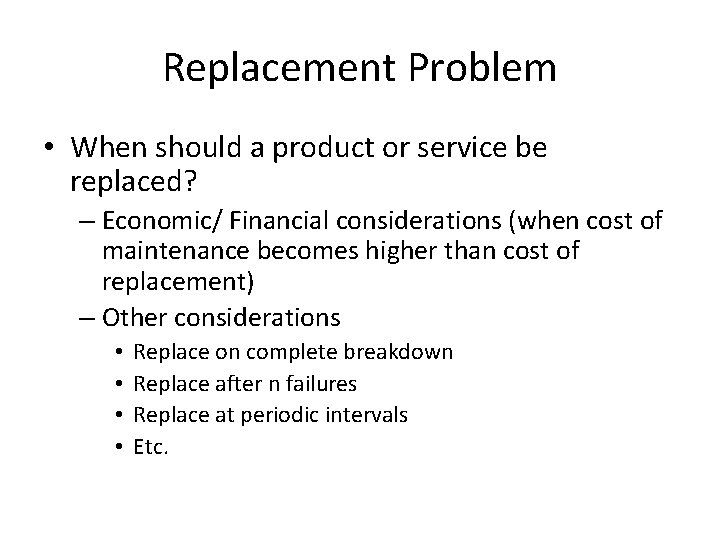
Replacement Problem • When should a product or service be replaced? – Economic/ Financial considerations (when cost of maintenance becomes higher than cost of replacement) – Other considerations • • Replace on complete breakdown Replace after n failures Replace at periodic intervals Etc.
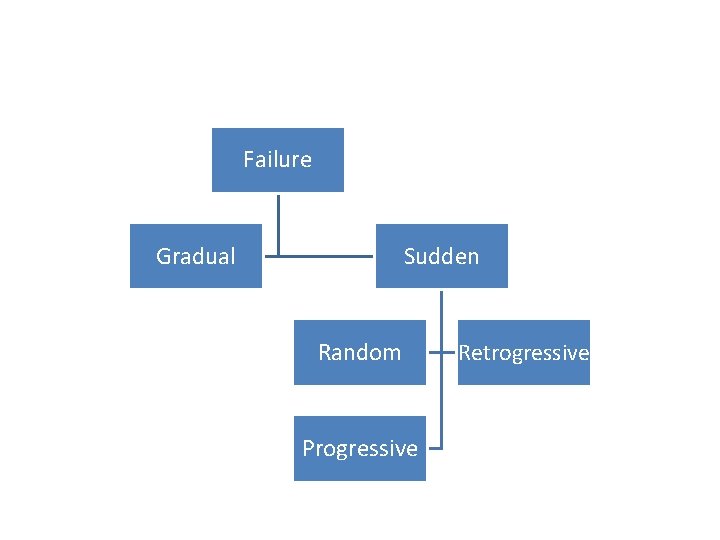
Failure Gradual Sudden Random Progressive Retrogressive
A thought experiment • When a product or service deteriorates gradually, how to decide when to replace? • How to mitigate the risk of sudden failure? (Your car engine stalls) • How to handle a scenario where people rather than products are involved? (When one of your best people’s performance goes down, what to do? ) • What to do if a product goes out of fashion/ obsolete compared to other new products? (When to replace your Sony Walkman? )
General approach to solve replacement problems • Analyze the failure or performance reduction pattern over time • Assess probability • Assess costs of replacement – Actual cost – Cost of replacement (labour etc. ) – Cost of disruption (opportunity loss, lost production, lost orders, learning curve)
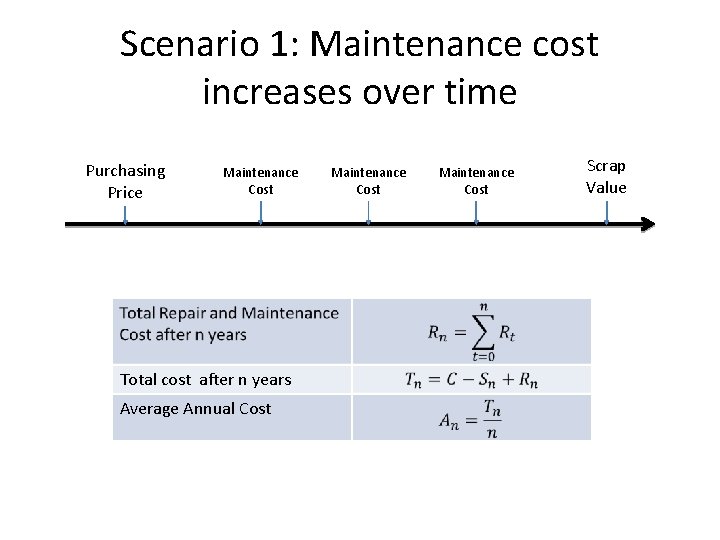
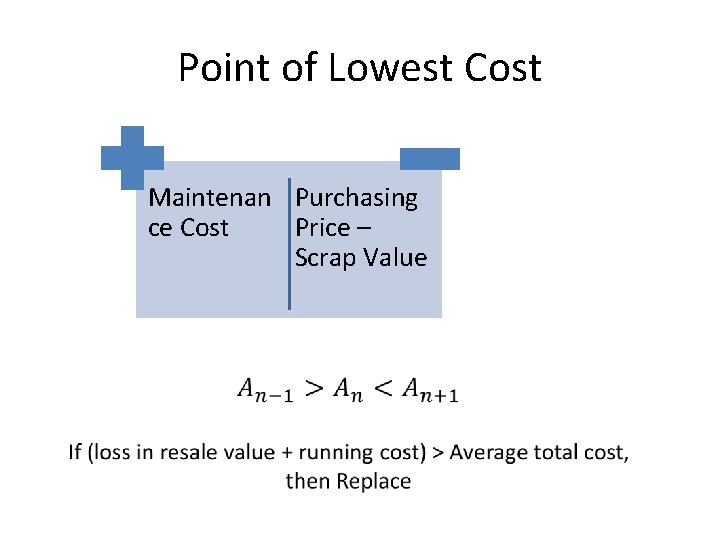
Scenario 1: Maintenance cost increases over time Purchasing Price Maintenance Cost Total cost after n years Average Annual Cost Maintenance Cost Scrap Value
Point of Lowest Cost Maintenan Purchasing ce Cost Price – Scrap Value
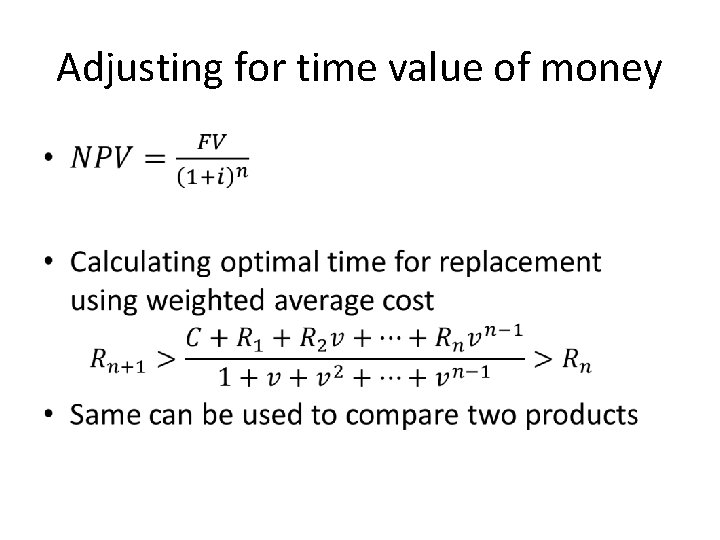
Adjusting for time value of money •
Sudden Failure Scenario • We have to look at probabilities of failure and cost of failure • Individual replacement – Replace on failure – Attrition of employees also falls under this scenario • Group replacement – When one individual in a set of products fails, replace the entire group