
Renewable Energy from Palm Oil Biomass in Malaysia
Renewable Energy from Palm Oil Biomass in Malaysia World Renewable Energy Congress-Australia 2013 15 July 2013 Mohd Shaharin Umar*, Philip Jennings, Tania Urmee Murdoch University, Western Australia
An Overview • • objectives of the research methodology resource availability policy system barriers solutions in the Fi. T future strategies
Objectives of the research • To evaluate the sustainability of the oil palm biomass renewable energy downstream value chain components • To design future strategies for a sustainable industry 3
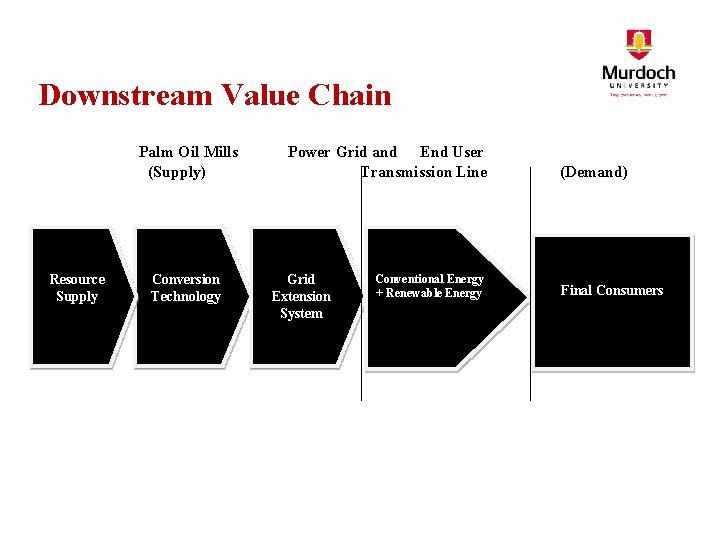
Downstream Value Chain Palm Oil Mills (Supply) Resource Supply Conversion Technology Power Grid and End User Transmission Line Grid Extension System Conventional Energy + Renewable Energy (Demand) Final Consumers
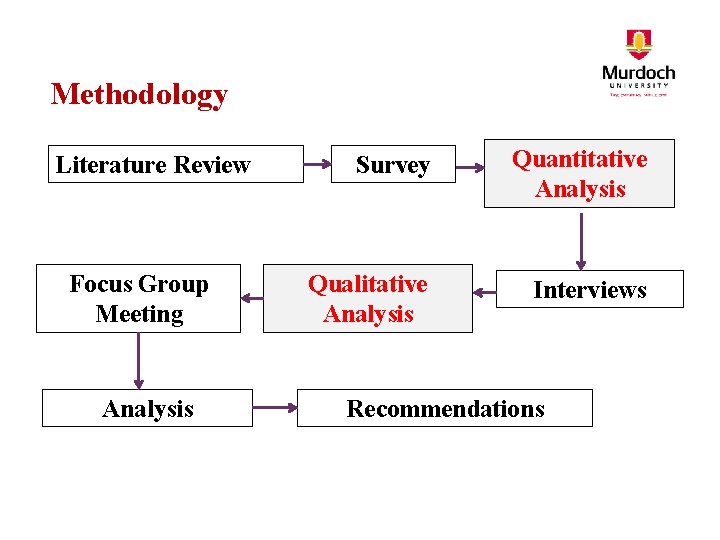
Methodology Literature Review Focus Group Meeting Analysis Survey Quantitative Analysis Qualitative Analysis Interviews Recommendations
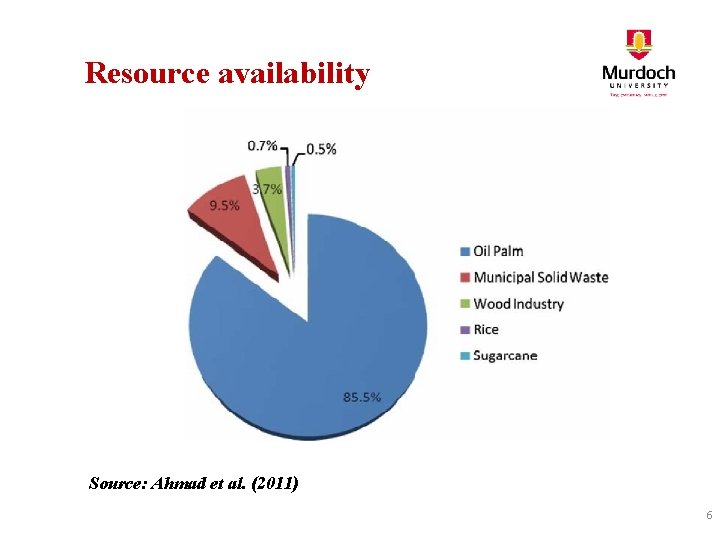
Resource availability Source: Ahmad et al. (2011) 6
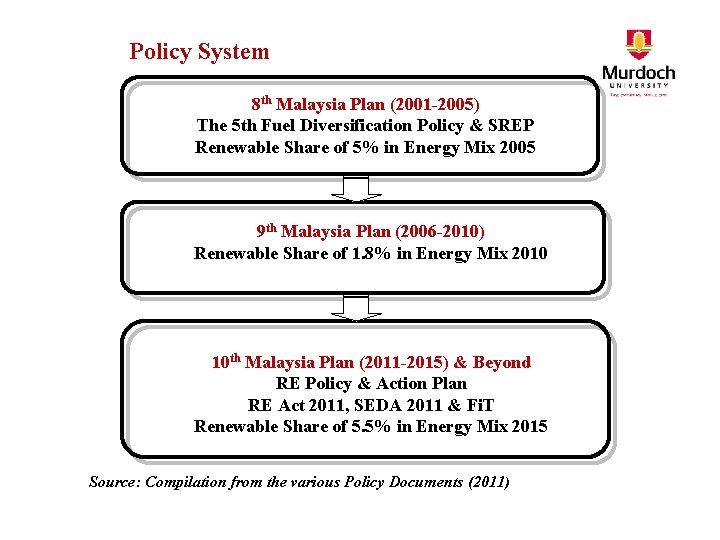
Policy System 8 th Malaysia Plan (2001 -2005) The 5 th Fuel Diversification Policy & SREP Renewable Share of 5% in Energy Mix 2005 9 th Malaysia Plan (2006 -2010) Renewable Share of 1. 8% in Energy Mix 2010 10 th Malaysia Plan (2011 -2015) & Beyond RE Policy & Action Plan RE Act 2011, SEDA 2011 & Fi. T Renewable Share of 5. 5% in Energy Mix 2015 Source: Compilation from the various Policy Documents (2011)
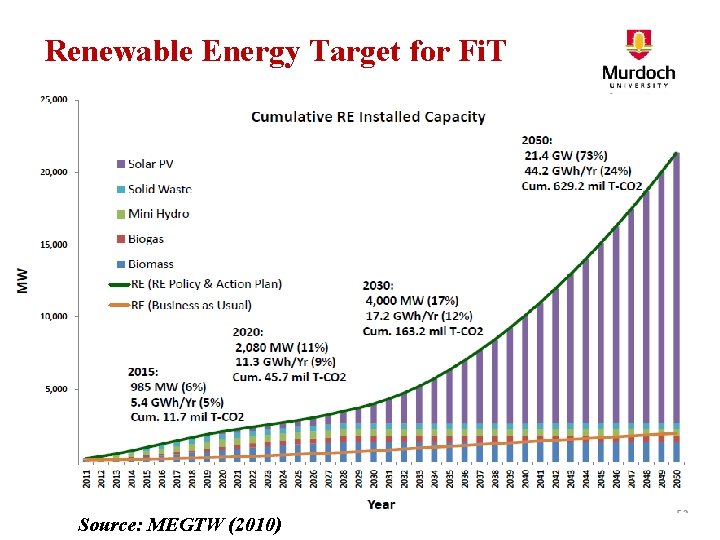
Renewable Energy Target for Fi. T Source: MEGTW (2010)
Barriers • Policy - Economic & Social • Industry - Decision making, economic factors and operational complexity
Solutions in the Fi. T • Eliminate economic barriers - fixed price, purchase obligation, technology bonuses, long contract, RE fund • Institutionalise the industry – establishment of SEDA BUT • Absence of definite solution to improve downstream components due to non-intervention approach by the regulators to facilitate small producers
Solutions in the Fi. T (continued…. ) • The Fi. T system is not optimal due to lack of sustainable options • Need a holistic market reform strategy
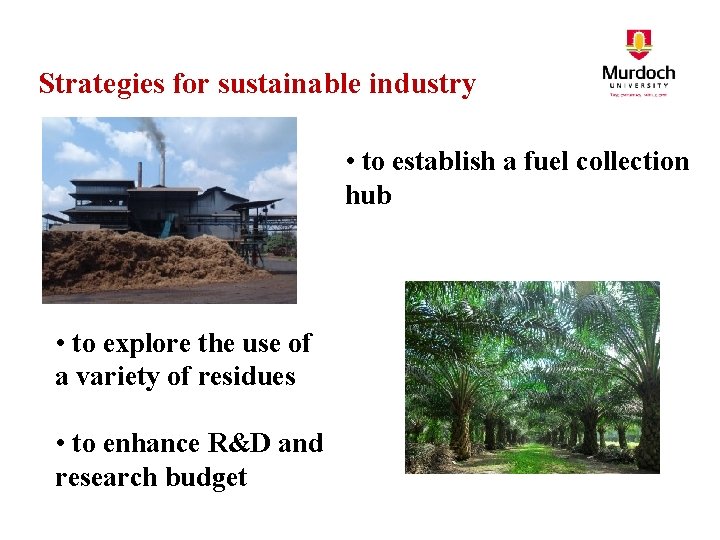
Strategies for sustainable industry • to establish a fuel collection hub • to explore the use of a variety of residues • to enhance R&D and research budget
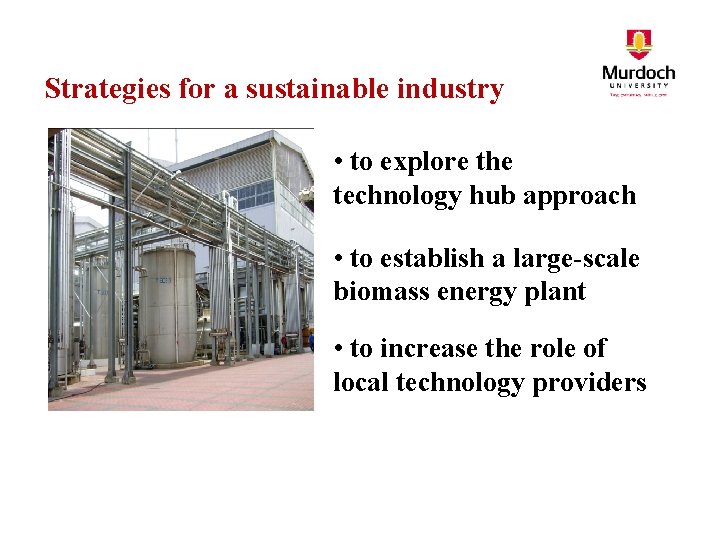
Strategies for a sustainable industry • to explore the technology hub approach • to establish a large-scale biomass energy plant • to increase the role of local technology providers
Strategies for sustainable industry • to explore utilitymarket entities cost-sharing model • to improve the interconnection scheme • to promote a decentralised system
Conclusions • Massive conversion of oil palm wastes into clean energy would help in turning Malaysia into a low carbon economy • Future modification of the Fi. T system by including sustainability strategies is essential, particularly in supporting the downstream components

Thank you…
Palm oil environmental impacts • no long-term plantation expansion plan • industry strategy is to replant low value crops with other export crops eg: rubber, cocoa • sustainable forest management eg: international commitment during Conference of the Parties (COP) 15 in Copenhagen 2009 to keep 50% of its land as forested areas
- Slides: 17