
Renewable Energy and Economic Redevelopment at the former
Renewable Energy and Economic Redevelopment at the former Brunswick Naval Air Station NREL is a national laboratory of the U. S. Department of Energy, Office of Energy Efficiency and Renewable Energy, operated by the Alliance for Sustainable Energy, LLC.
Renewable Energy and Economic Redevelopment at Brunswick Landing Presentation for E 2 Tech Midcoast Regional Redevelopment Authority Community Forum Nov. 3 2011 Scott Huffman Senior Engineer Integrated Applications Office National Renewable Energy Laboratory NREL is a national laboratory of the U. S. Department of Energy, Office of Energy Efficiency and Renewable Energy, operated by the Alliance for Sustainable Energy, LLC.
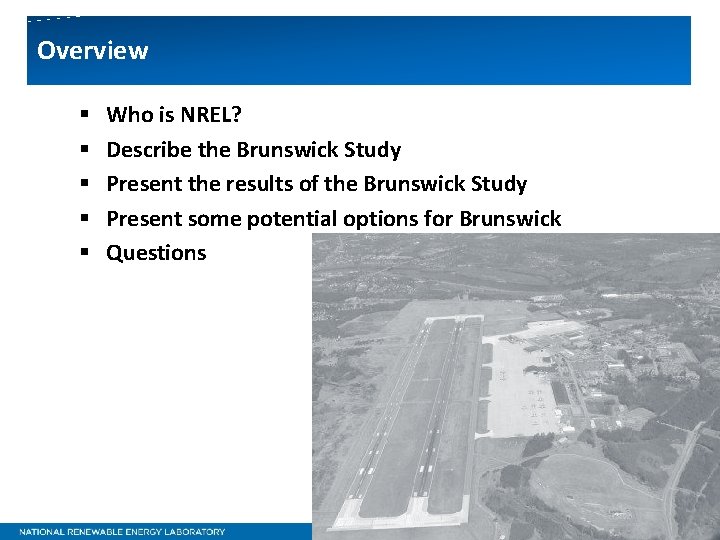
Overview § § § Who is NREL? Describe the Brunswick Study Present the results of the Brunswick Study Present some potential options for Brunswick Questions 3
4
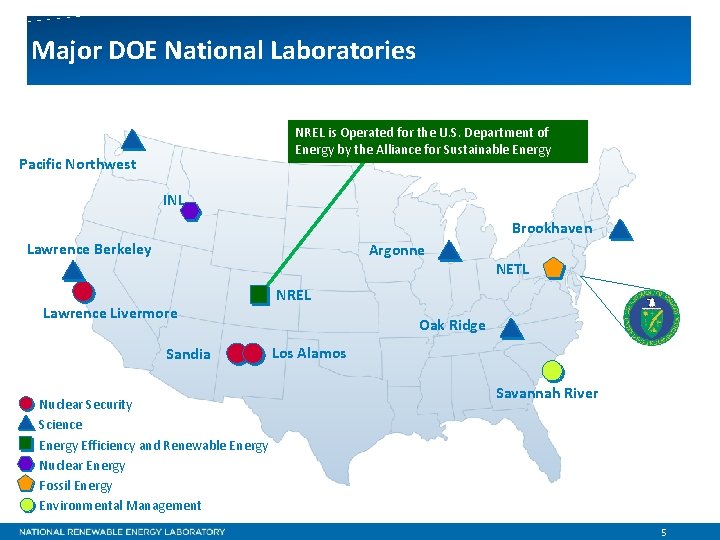
Major DOE National Laboratories NREL is Operated for the U. S. Department of Energy by the Alliance for Sustainable Energy Pacific Northwest INL Brookhaven Lawrence Berkeley Argonne NETL Lawrence Livermore Sandia Nuclear Security Science Energy Efficiency and Renewable Energy Nuclear Energy Fossil Energy Environmental Management NREL Oak Ridge Los Alamos Savannah River 5
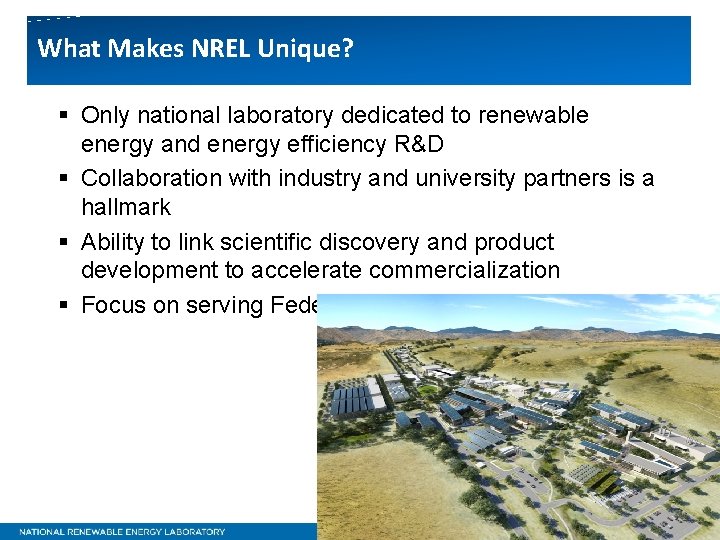
What Makes NREL Unique? § Only national laboratory dedicated to renewable energy and energy efficiency R&D § Collaboration with industry and university partners is a hallmark § Ability to link scientific discovery and product development to accelerate commercialization § Focus on serving Federal agencies 6
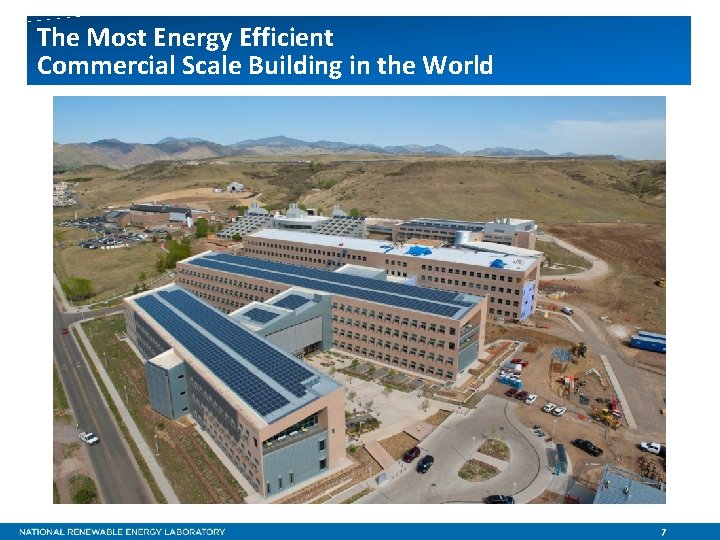
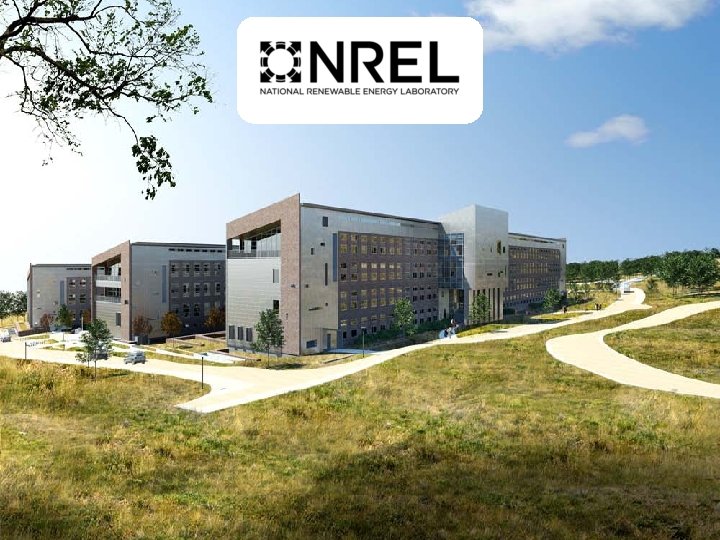
The Most Energy Efficient Commercial Scale Building in the World 7
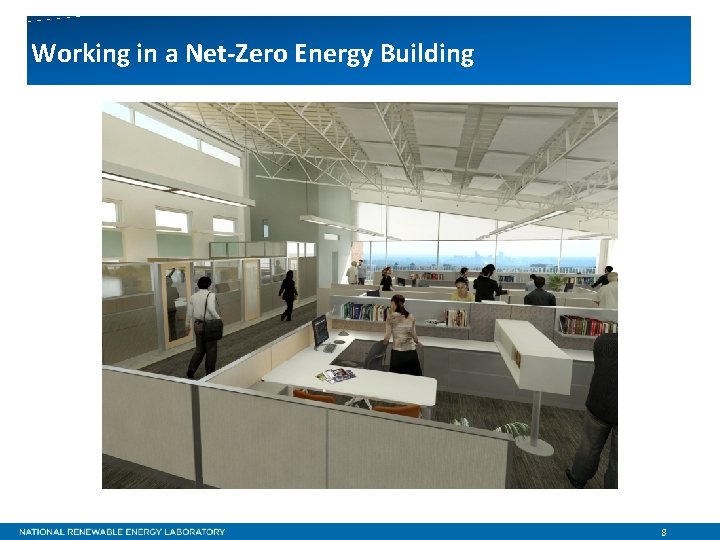
Working in a Net-Zero Energy Building 8
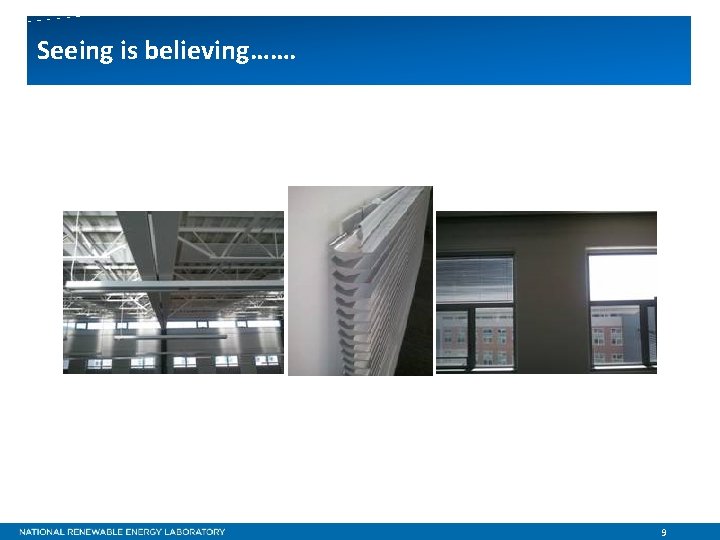
Seeing is believing……. 9
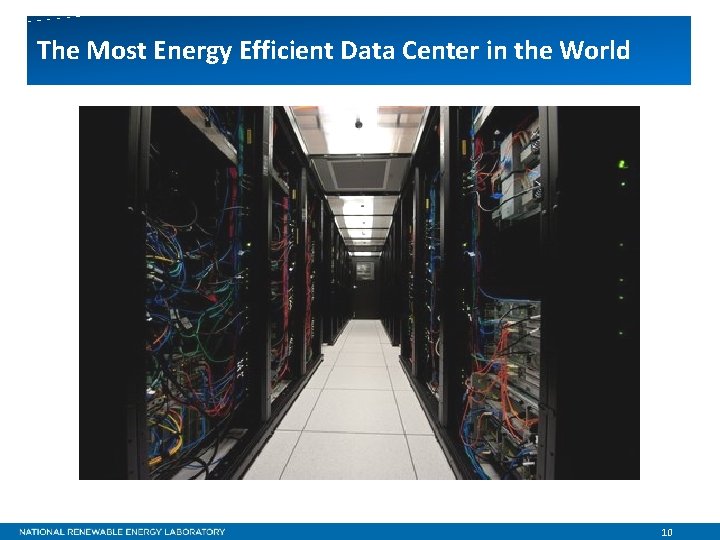
The Most Energy Efficient Data Center in the World 10
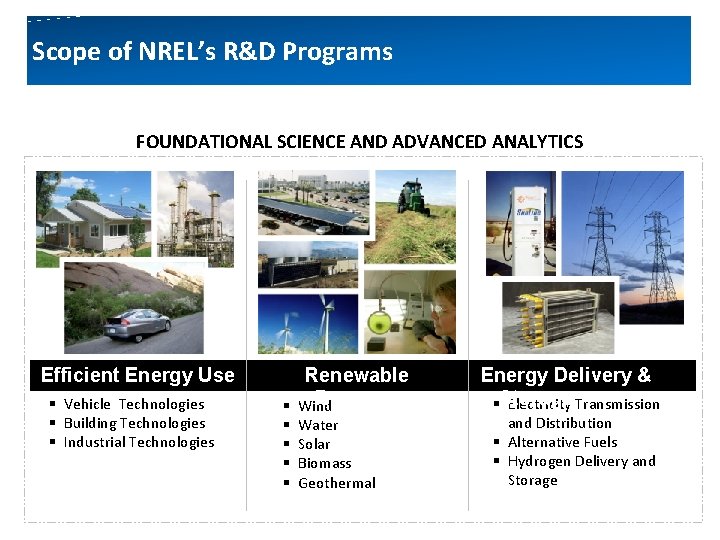
Scope of NREL’s R&D Programs FOUNDATIONAL SCIENCE AND ADVANCED ANALYTICS Efficient Energy Use § Vehicle Technologies § Building Technologies § Industrial Technologies Renewable Resources § Wind § § Water Solar Biomass Geothermal Energy Delivery & §Storage Electricity Transmission and Distribution § Alternative Fuels § Hydrogen Delivery and Storage 11
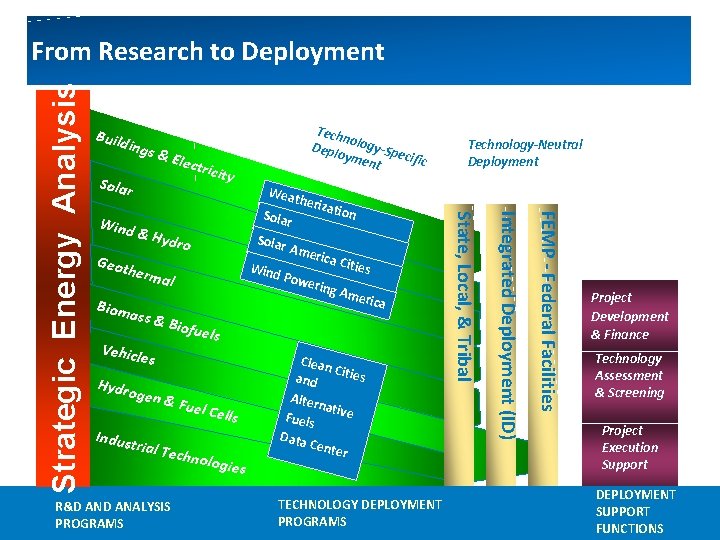
Build ings & Ele ctric Solar ity Solar Geot herm Wind al Vehicl es theri zatio n Deca Ame thlon Powe rica C ities ring A meri ca Biofu Hydro els gen & Indust Fuel C rial Te ells R&D ANALYSIS PROGRAMS chnolo gies Clean Cities and Alter nativ e Fuels Data Cente r TECHNOLOGY DEPLOYMENT PROGRAMS FEMP - Federal Facilities Solar & Hyd ro Biom ass & Wea Technology-Neutral Deployment Integrated Deployment (ID) Wind Tech n Depl ology-Sp ecific oyme nt State, Local, & Tribal Strategic Energy Analysis From Research to Deployment Project Development & Finance Technology Assessment & Screening Project Execution Support DEPLOYMENT SUPPORT FUNCTIONS 12
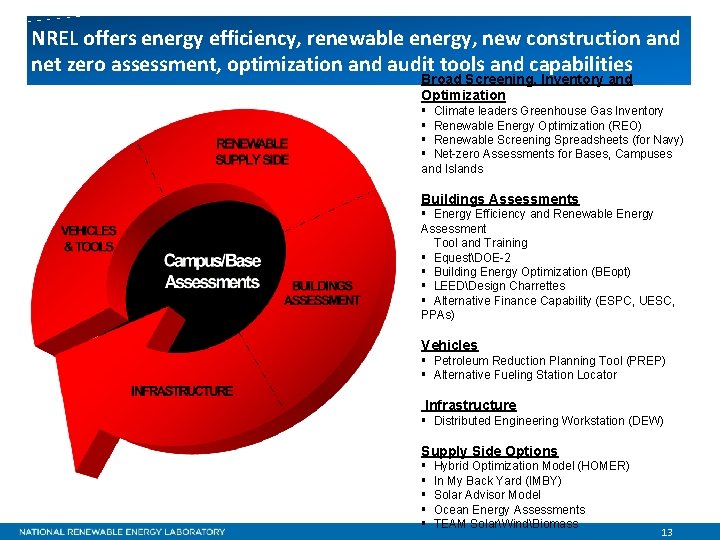
NREL offers energy efficiency, renewable energy, new construction and net zero assessment, optimization and audit tools and capabilities Broad Screening, Inventory and Optimization § Climate leaders Greenhouse Gas Inventory § Renewable Energy Optimization (REO) § Renewable Screening Spreadsheets (for Navy) § Net-zero Assessments for Bases, Campuses and Islands Buildings Assessments § Energy Efficiency and Renewable Energy Assessment Tool and Training § EquestDOE-2 § Building Energy Optimization (BEopt) § LEEDDesign Charrettes § Alternative Finance Capability (ESPC, UESC, PPAs) Vehicles § Petroleum Reduction Planning Tool (PREP) § Alternative Fueling Station Locator Infrastructure § Distributed Engineering Workstation (DEW) Supply Side Options § § § Hybrid Optimization Model (HOMER) In My Back Yard (IMBY) Solar Advisor Model Ocean Energy Assessments TEAM SolarWindBiomass 13
Brunswick Renewable Energy Study § EPA Funded the Study to Determine Renewable Energy Options for Economic Redevelopment of BNAS § Open to all options – Blank Sheet § Balance the Limited Budget with the Level of Detail § First: Estimate the energy consumption of the future development. (no one knows the future) § Next: NREL Looked at 9 different Renewable Energy Technologies § NREL Looked at other potential “Systemic” options 14
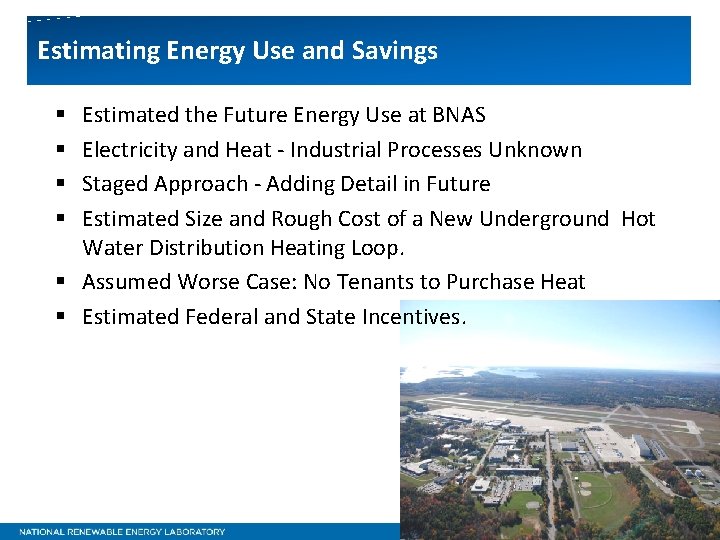
Estimating Energy Use and Savings Estimated the Future Energy Use at BNAS Electricity and Heat - Industrial Processes Unknown Staged Approach - Adding Detail in Future Estimated Size and Rough Cost of a New Underground Hot Water Distribution Heating Loop. § Assumed Worse Case: No Tenants to Purchase Heat § Estimated Federal and State Incentives. § § 15
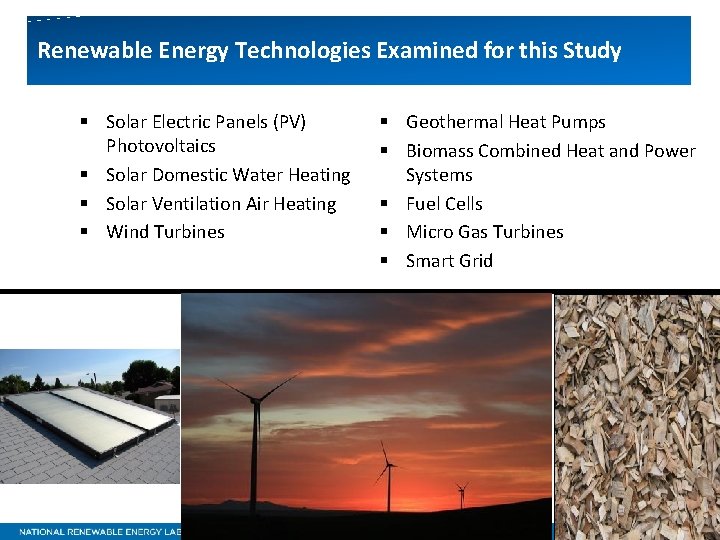
Renewable Energy Technologies Examined for this Study § Solar Electric Panels (PV) Photovoltaics § Solar Domestic Water Heating § Solar Ventilation Air Heating § Wind Turbines § Geothermal Heat Pumps § Biomass Combined Heat and Power Systems § Fuel Cells § Micro Gas Turbines § Smart Grid 16
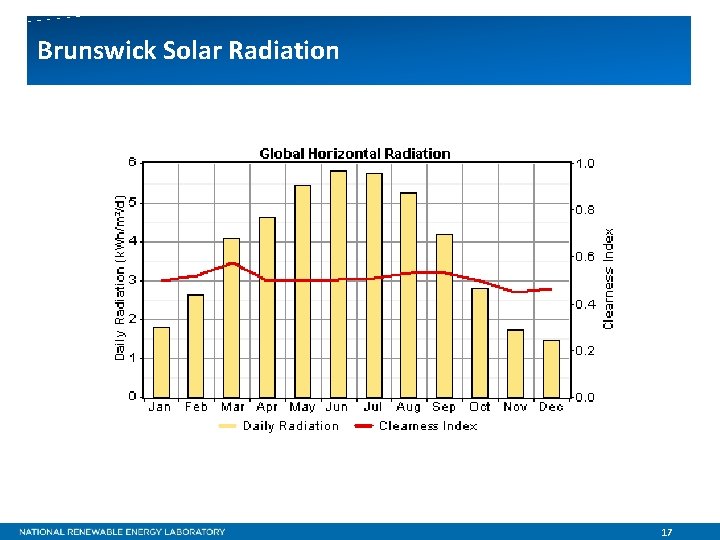
Brunswick Solar Radiation 17
Solar Electric Photovoltaic Results: § Calculations made using two different NREL Softwares: REO Software (Renewable Energy Optimization) and HOMER Software (Hybrid Optimization Model for Electric Renewables) using Solar Data specific to BNAS § Payback in 16 years @ installed cost of $4. 50/Watt for a 100 KW array size. 18
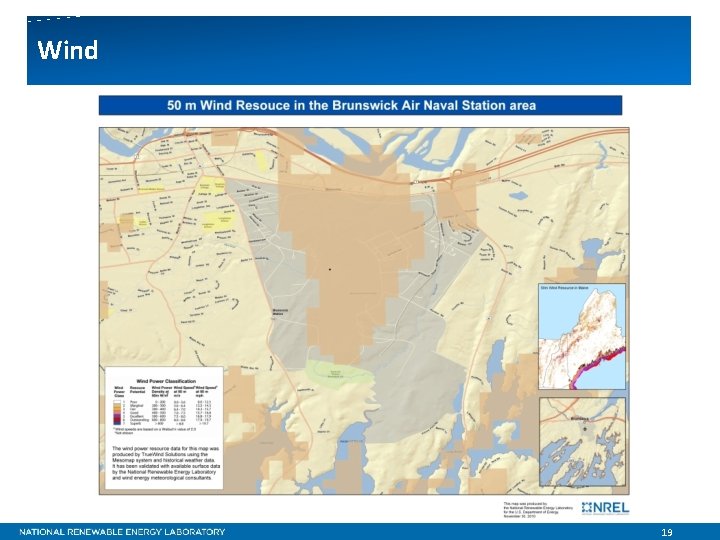
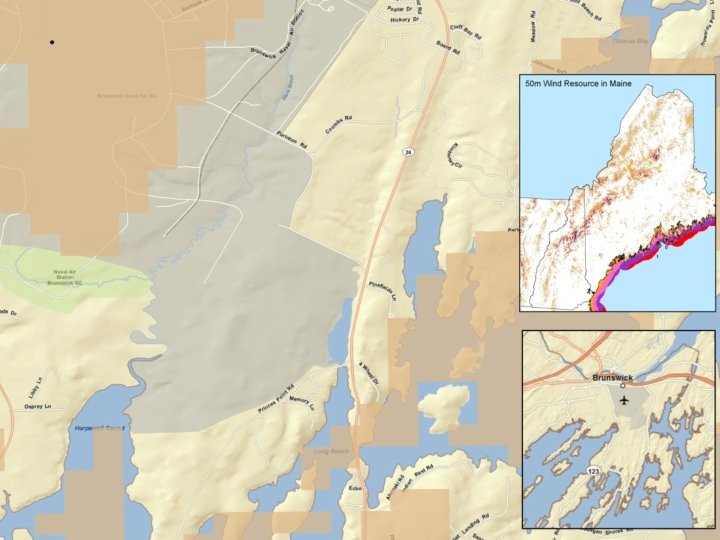
Wind 19
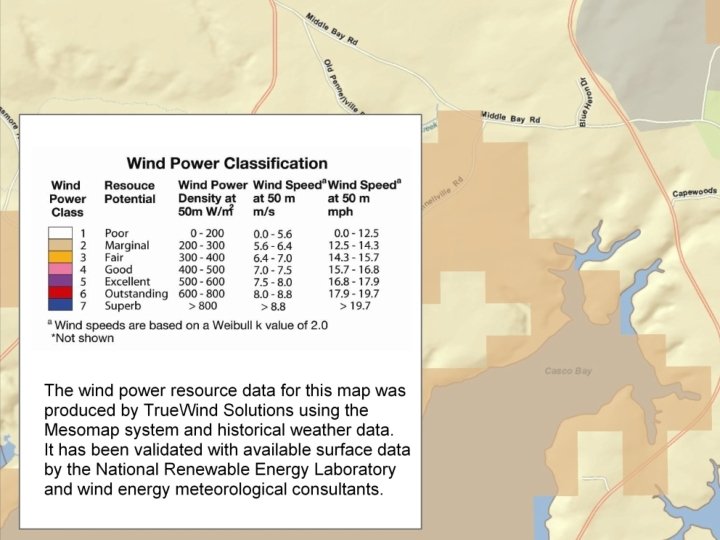
Wind 20
21
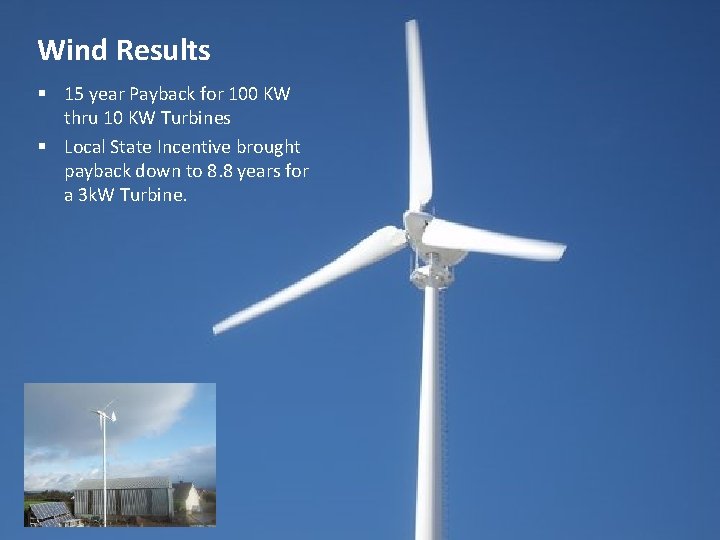
Wind Results § 15 year Payback for 100 KW thru 10 KW Turbines § Local State Incentive brought payback down to 8. 8 years for a 3 k. W Turbine. 22
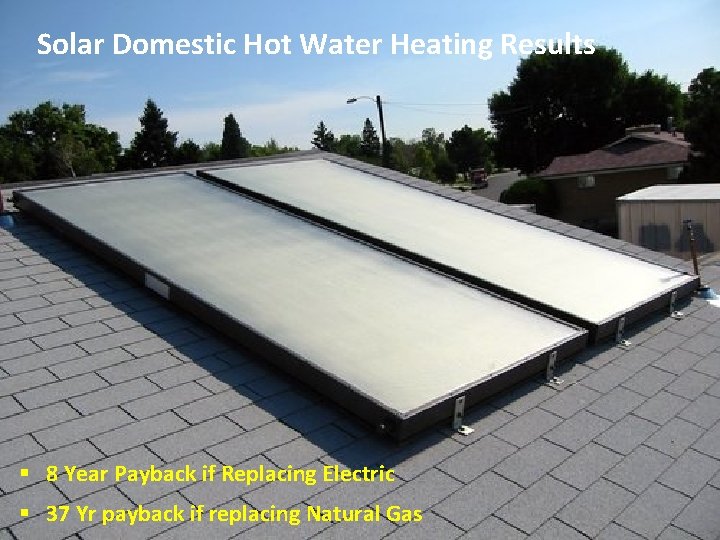
Solar Domestic Hot Water Heating Results § 8 Year Payback if Replacing Electric § 37 Yr payback if replacing Natural Gas 23
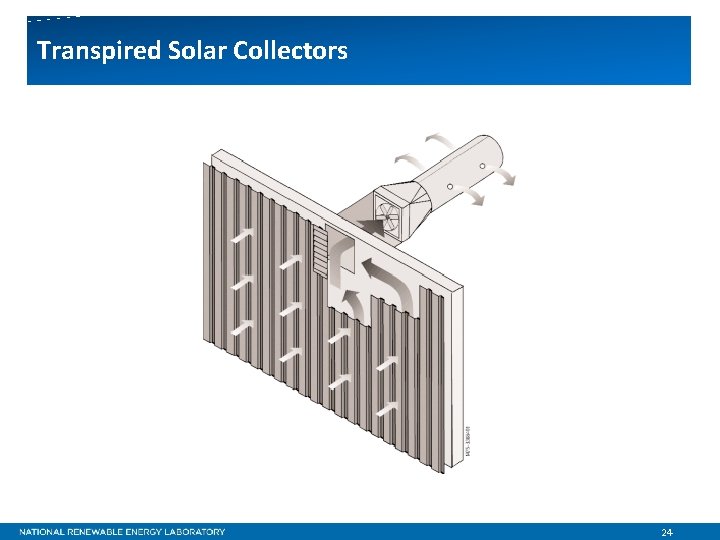
Transpired Solar Collectors 24
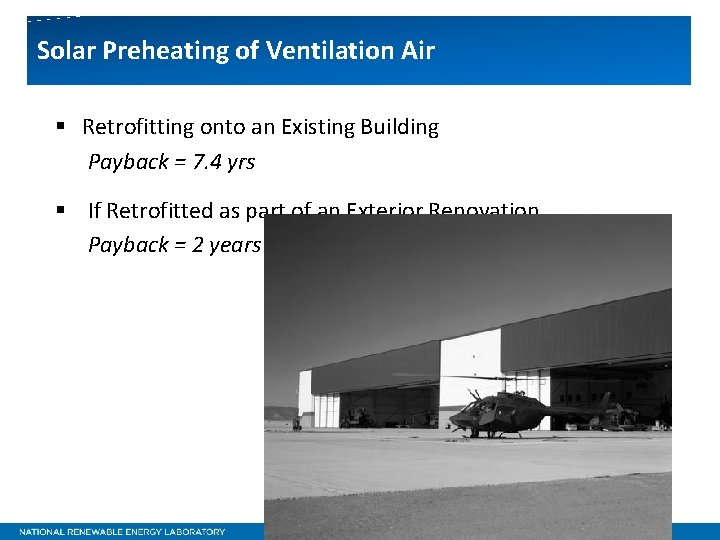
Solar Preheating of Ventilation Air § Retrofitting onto an Existing Building Payback = 7. 4 yrs § If Retrofitted as part of an Exterior Renovation Payback = 2 years 25
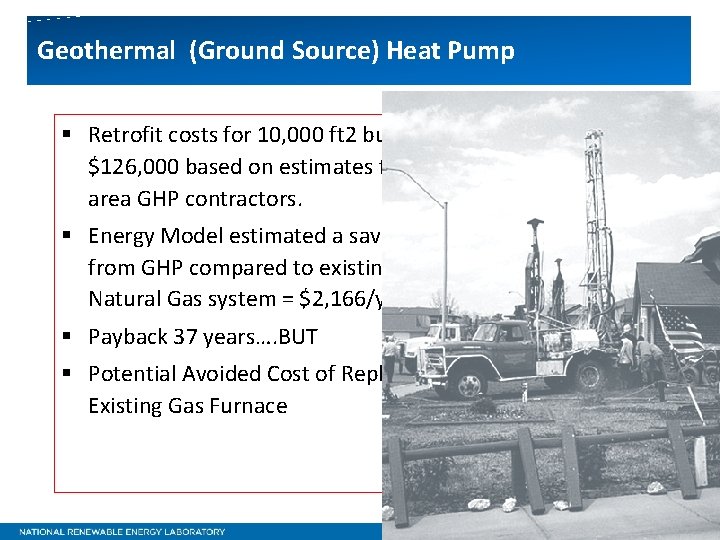
Geothermal (Ground Source) Heat Pump § Retrofit costs for 10, 000 ft 2 building $126, 000 based on estimates from area GHP contractors. § Energy Model estimated a savings from GHP compared to existing Natural Gas system = $2, 166/yr § Payback 37 years…. BUT § Potential Avoided Cost of Replacing Existing Gas Furnace 26
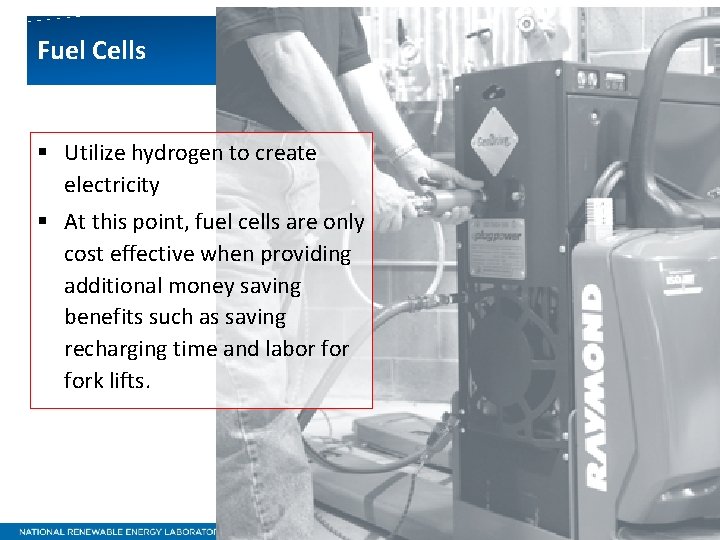
Fuel Cells § Utilize hydrogen to create electricity § At this point, fuel cells are only cost effective when providing additional money saving benefits such as saving recharging time and labor fork lifts. 27
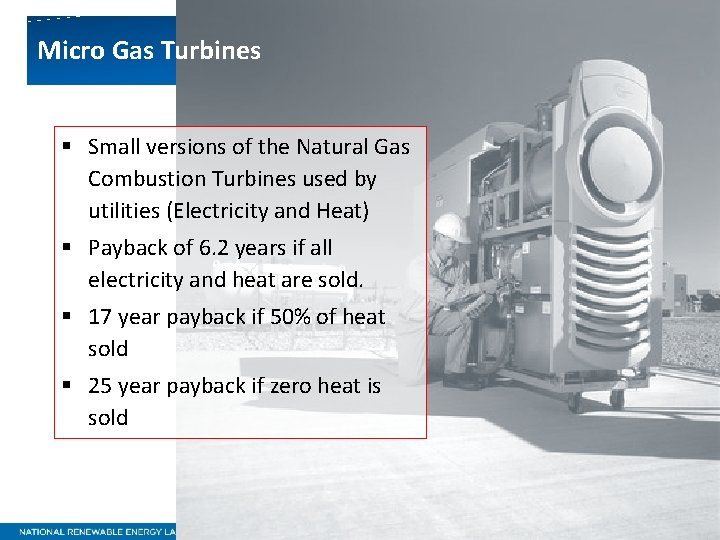
Micro Gas Turbines § Small versions of the Natural Gas Combustion Turbines used by utilities (Electricity and Heat) § Payback of 6. 2 years if all electricity and heat are sold. § 17 year payback if 50% of heat sold § 25 year payback if zero heat is sold 28
Combined Heat and Power (CHP) (Cogeneration)
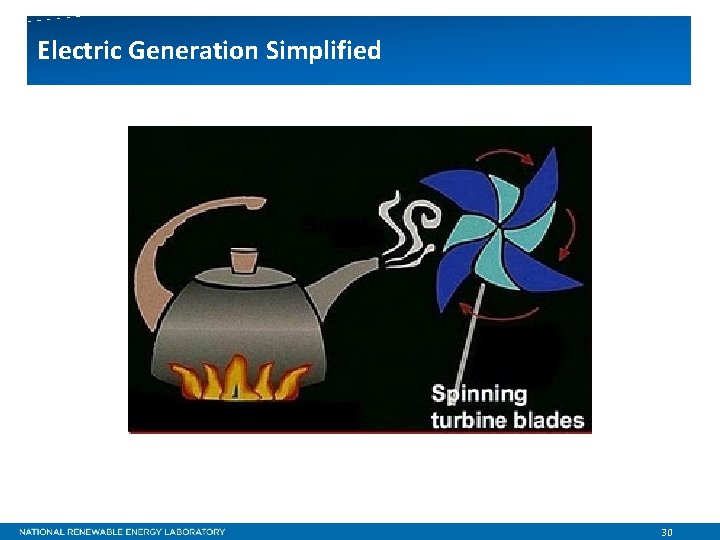
Electric Generation Simplified 30
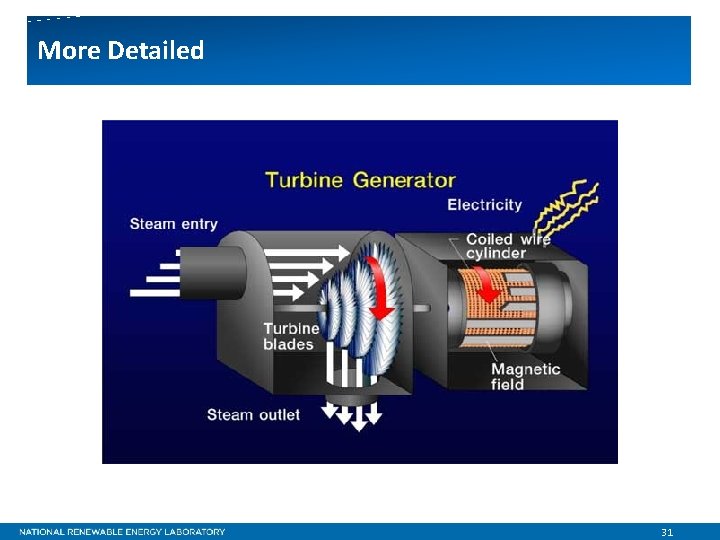
More Detailed 31
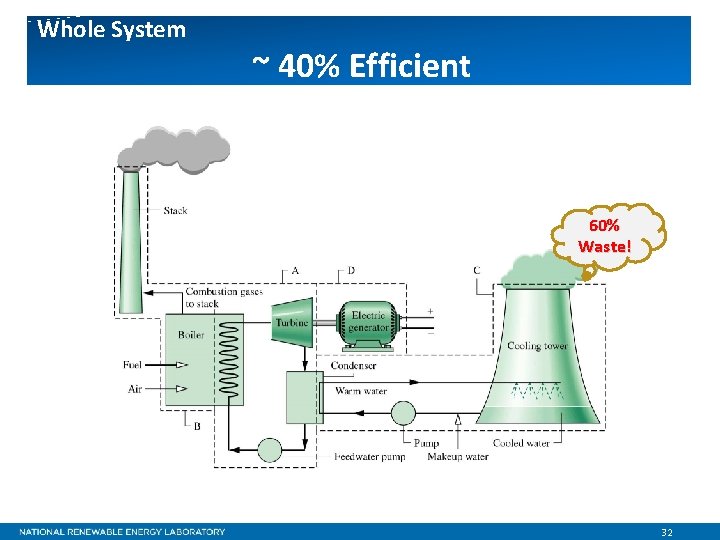
Whole System ~ 40% Efficient 60% Waste! 32
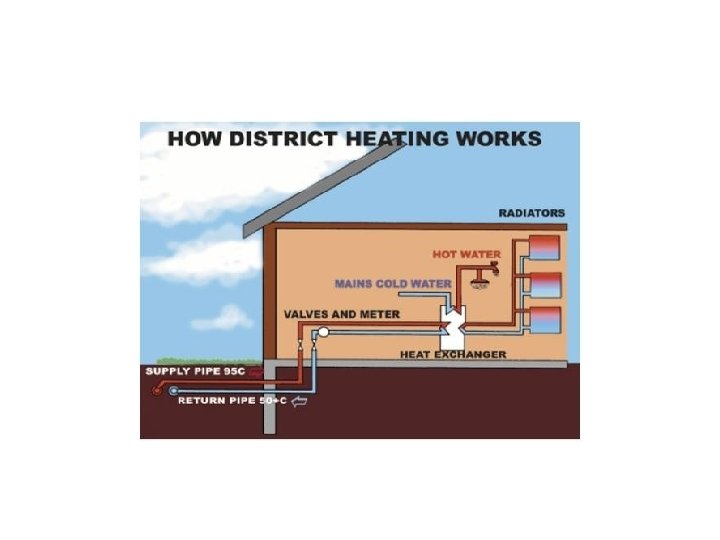
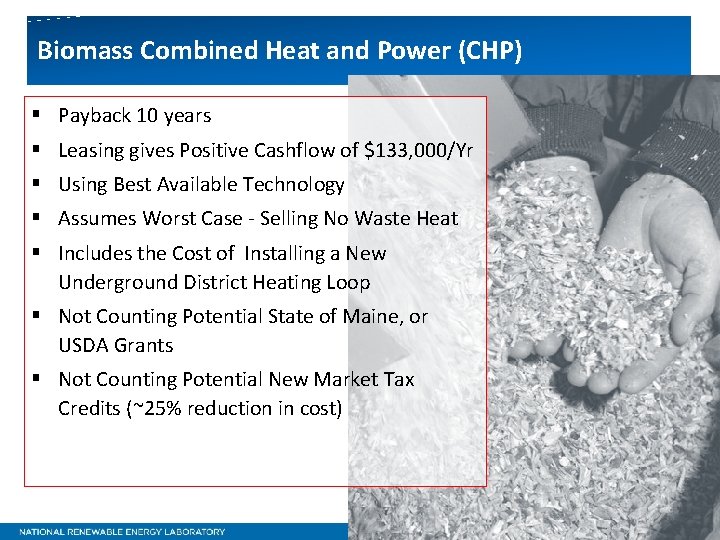
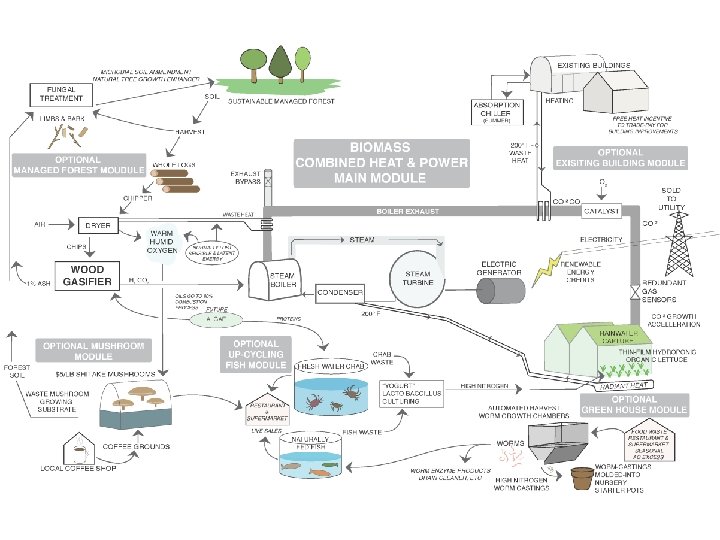
Biomass Combined Heat and Power (CHP) § Payback 10 years § Leasing gives Positive Cashflow of $133, 000/Yr § Using Best Available Technology § Assumes Worst Case - Selling No Waste Heat § Includes the Cost of Installing a New Underground District Heating Loop § Not Counting Potential State of Maine, or USDA Grants § Not Counting Potential New Market Tax Credits (~25% reduction in cost) 34
Additional Benefits § Use “Free Heat” to Attract Tenants. § Trade “Free Heat” to Tenants in Exchange for Building Upgrades. (Cascading Local Effect) § Create New Industries in Brunswick. 35
“Systemic” Benefits § Getting 2 Bangs per Buck § Grandma: “It’s just common sense not to let things go to waste” (Depression Era Frugality) § Cradle to Cradle Design § The “Waste” from One Process or Company Becomes the “Food” for Another § Investing with an Eye to the Future 36
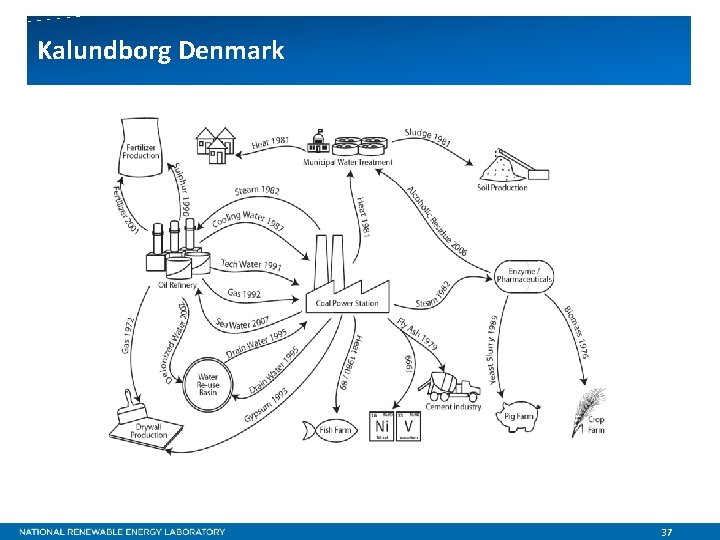
Kalundborg Denmark 37
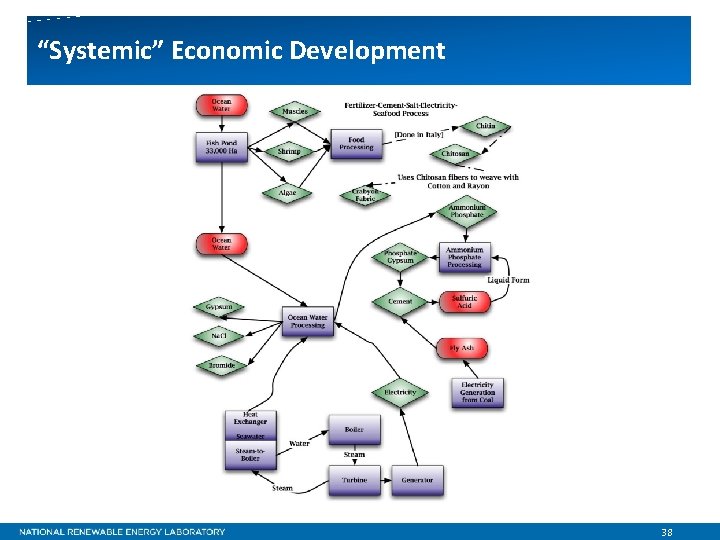
“Systemic” Economic Development 38
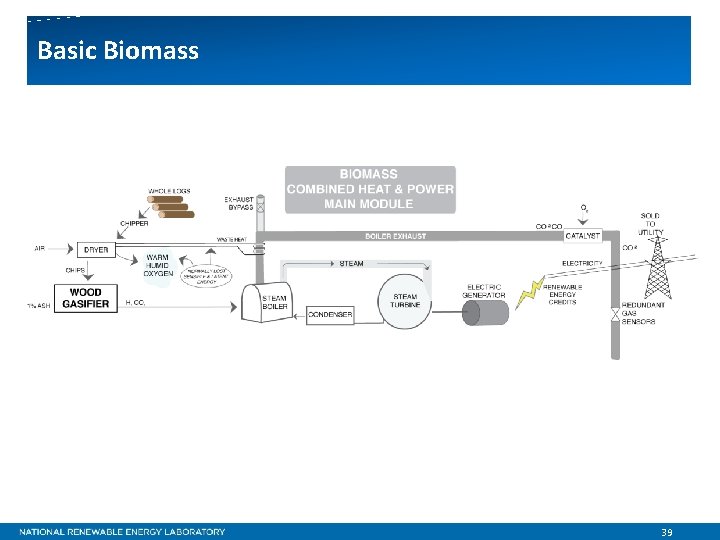
Basic Biomass 39
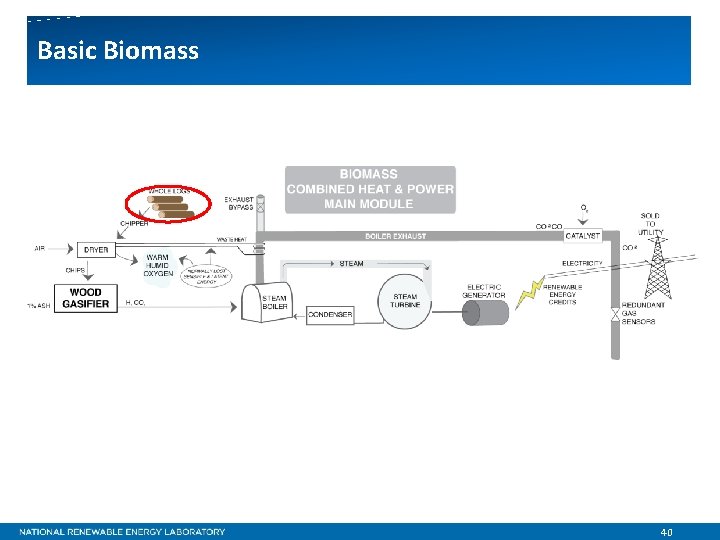
Basic Biomass 40
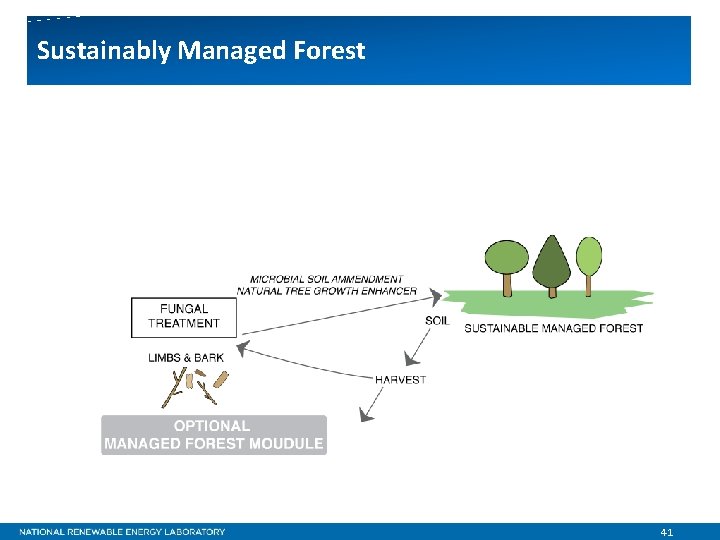
Sustainably Managed Forest 41
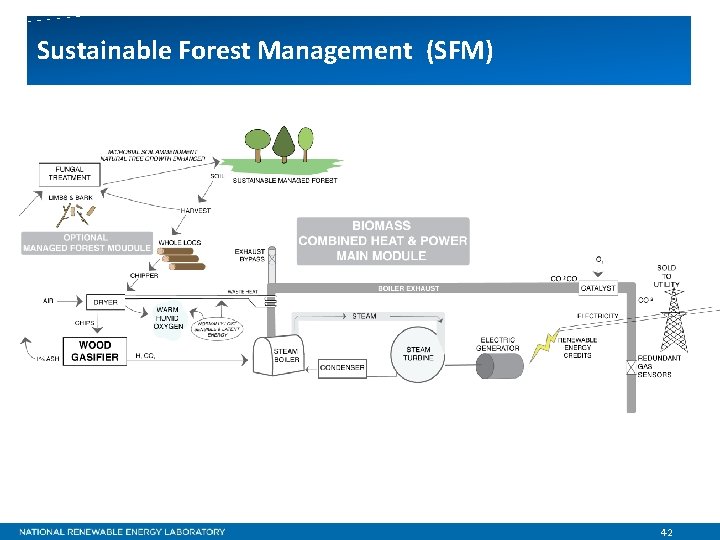
Sustainable Forest Management (SFM) 42
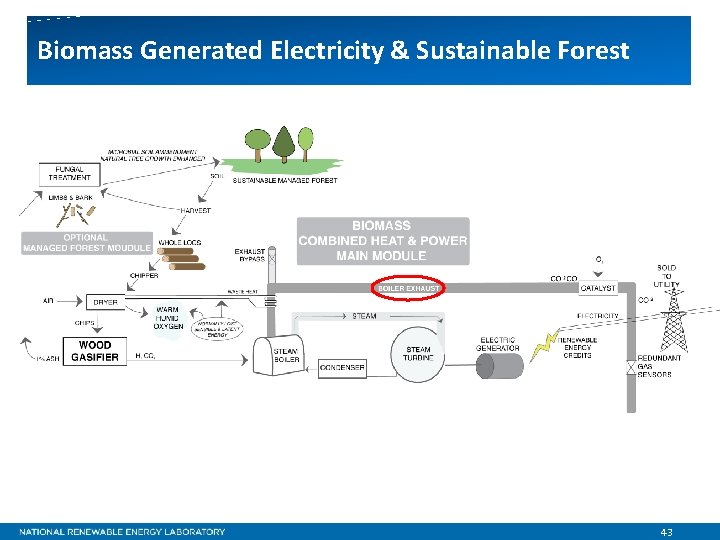
Biomass Generated Electricity & Sustainable Forest 43
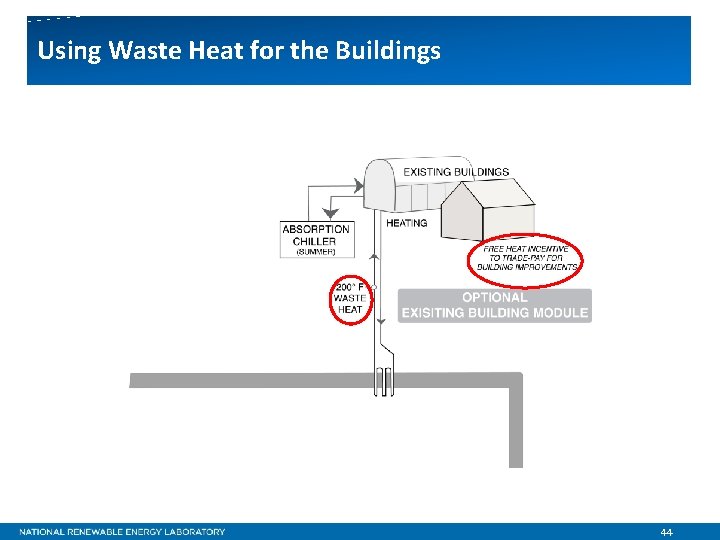
Using Waste Heat for the Buildings 44
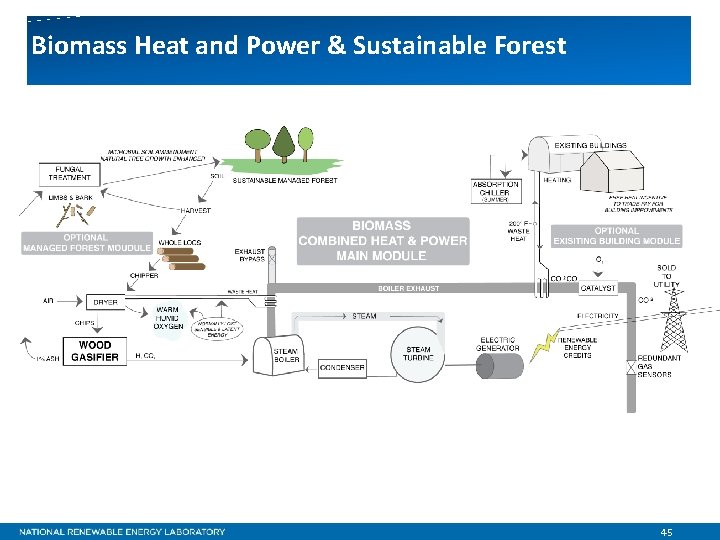
Biomass Heat and Power & Sustainable Forest 45
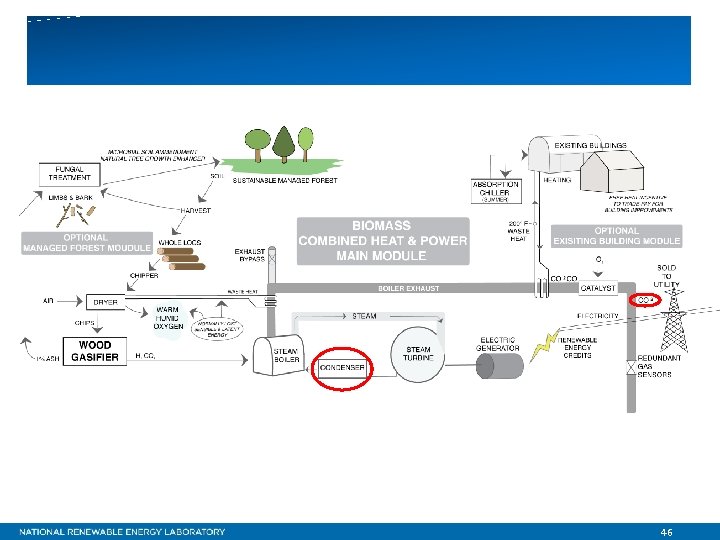
46
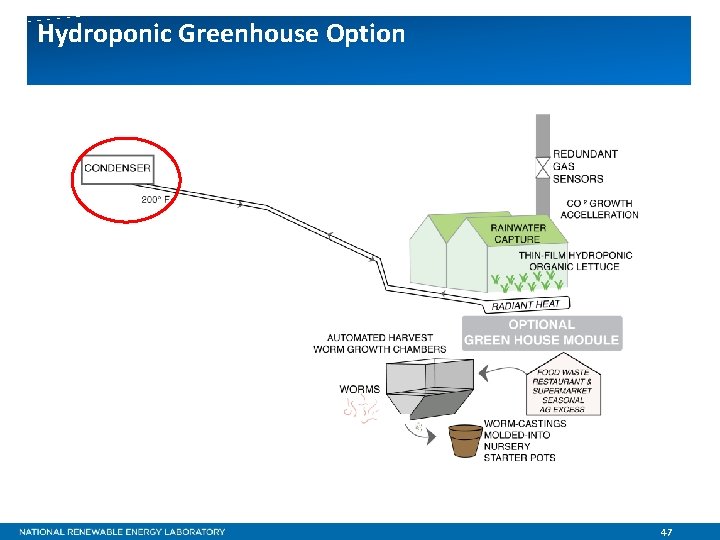
Hydroponic Greenhouse Option 47
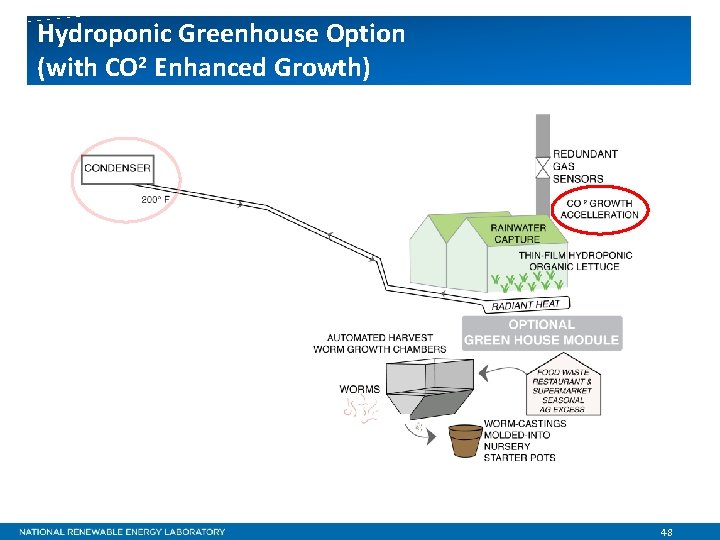
Hydroponic Greenhouse Option (with CO 2 Enhanced Growth) 48
Fresh LOCAL Food in the WINTER? ? ? 49
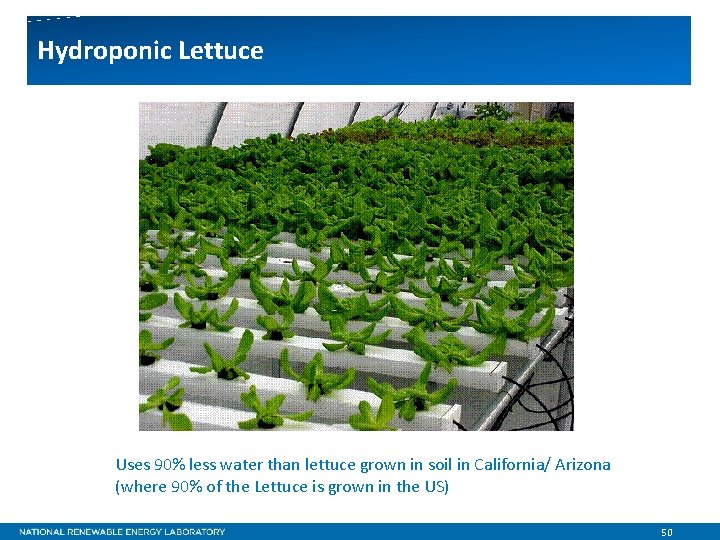
Hydroponic Lettuce Uses 90% less water than lettuce grown in soil in California/ Arizona (where 90% of the Lettuce is grown in the US) 50
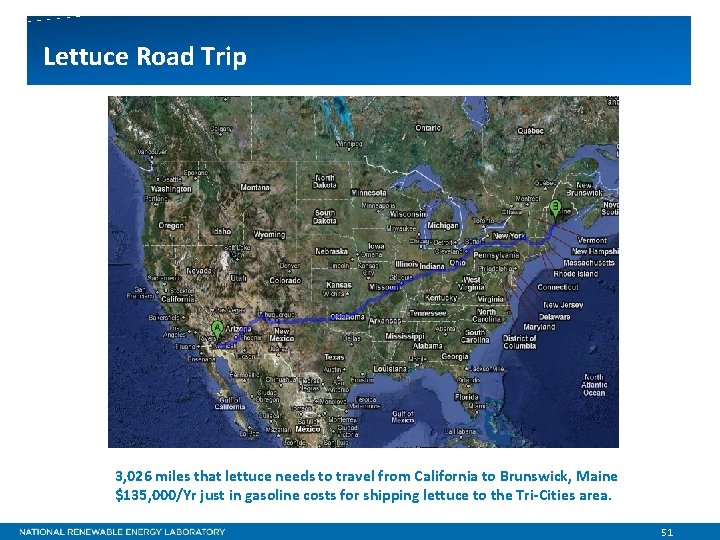
Lettuce Road Trip 3, 026 miles that lettuce needs to travel from California to Brunswick, Maine $135, 000/Yr just in gasoline costs for shipping lettuce to the Tri-Cities area. 51
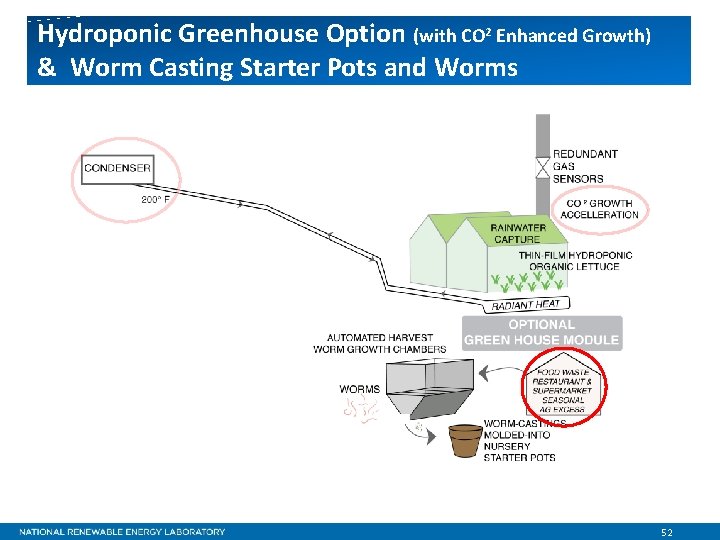
Hydroponic Greenhouse Option (with CO 2 Enhanced Growth) & Worm Casting Starter Pots and Worms 52
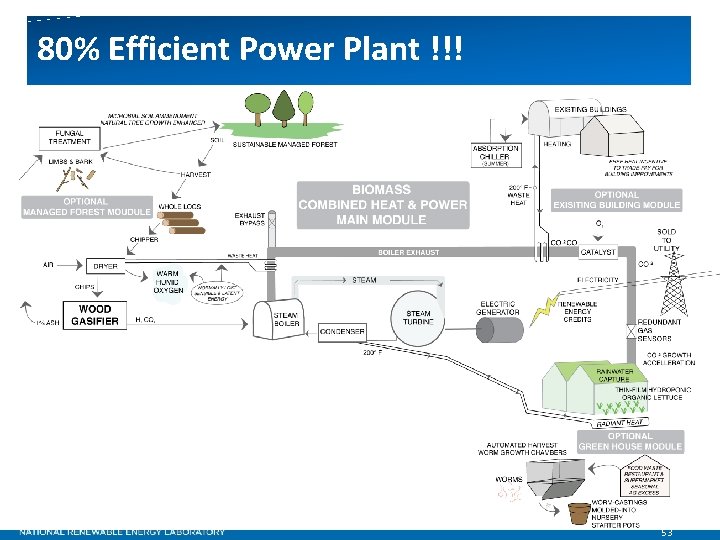
80% Efficient Power Plant !!! 53
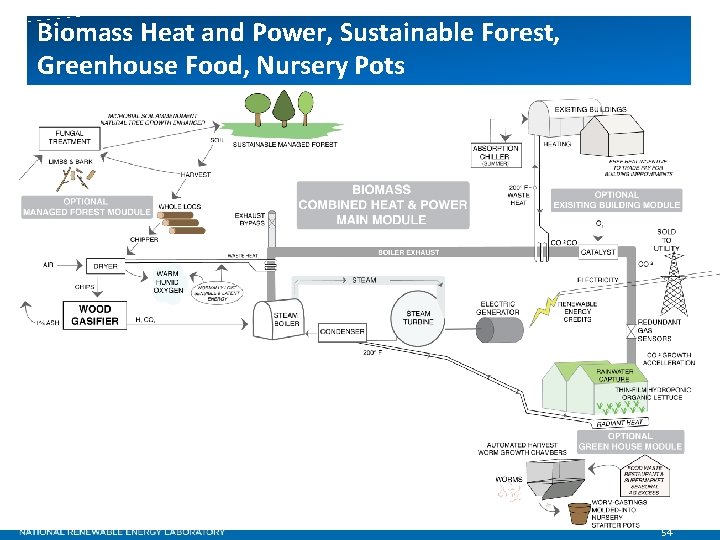
Biomass Heat and Power, Sustainable Forest, Greenhouse Food, Nursery Pots 54
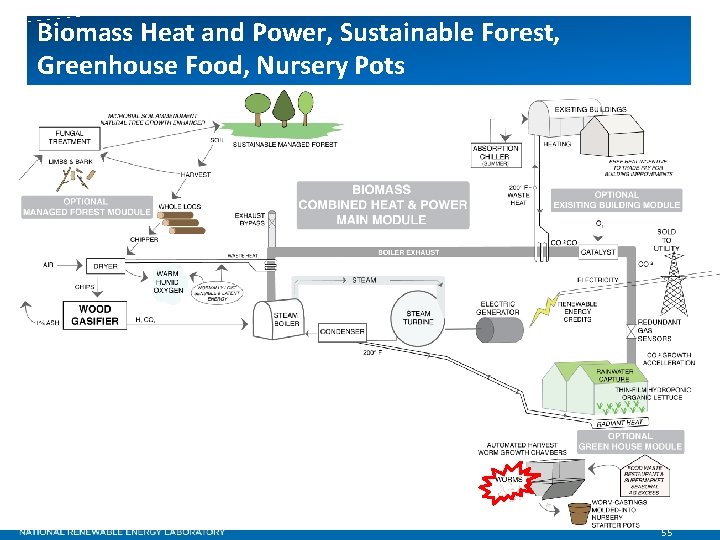
Biomass Heat and Power, Sustainable Forest, Greenhouse Food, Nursery Pots 55
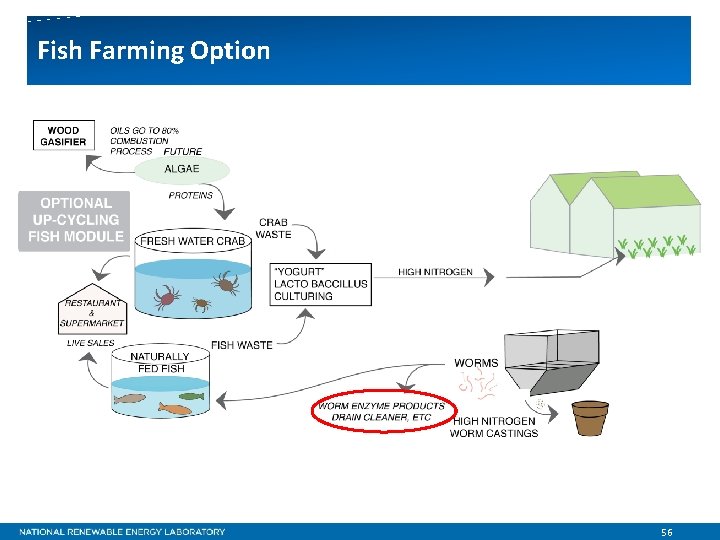
Fish Farming Option 56
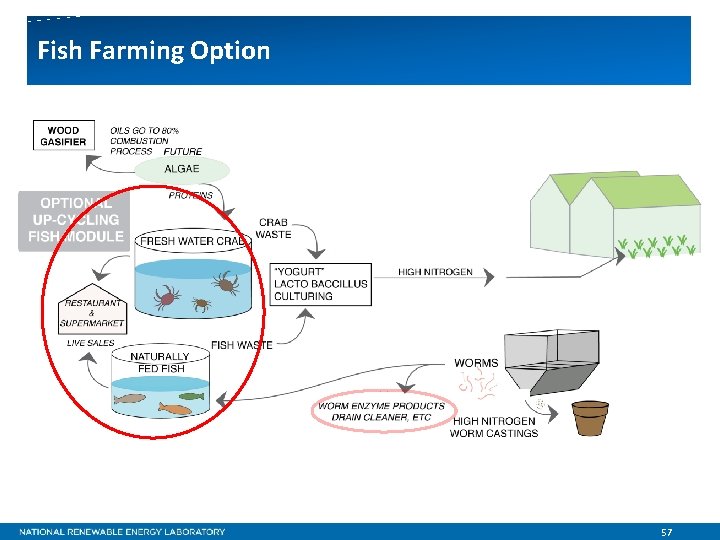
Fish Farming Option 57
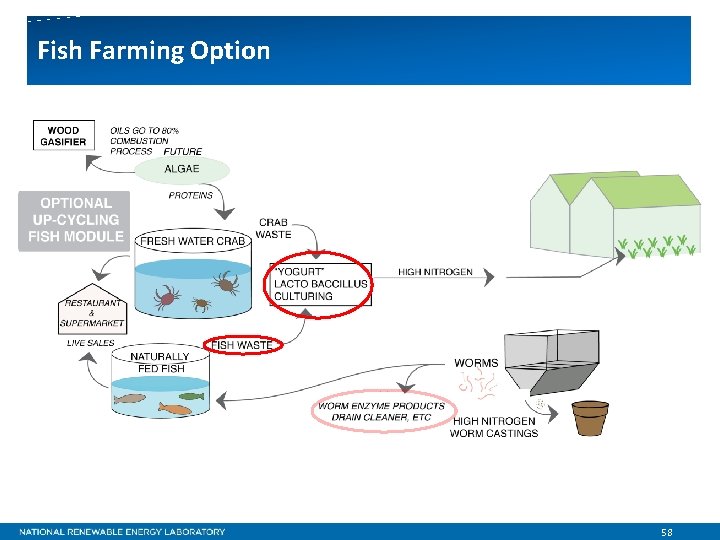
Fish Farming Option 58
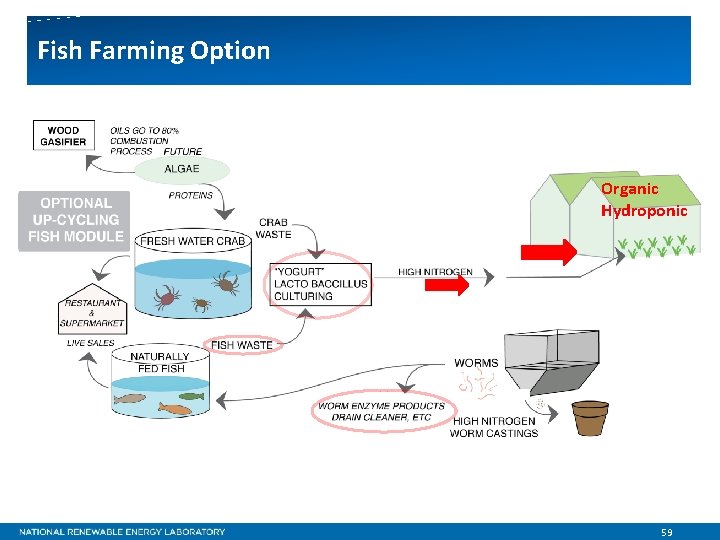
Fish Farming Option Organic Hydroponic 59
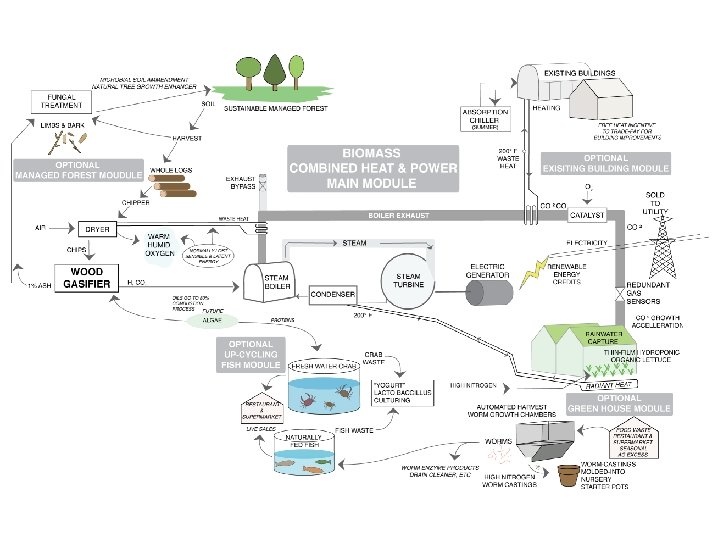
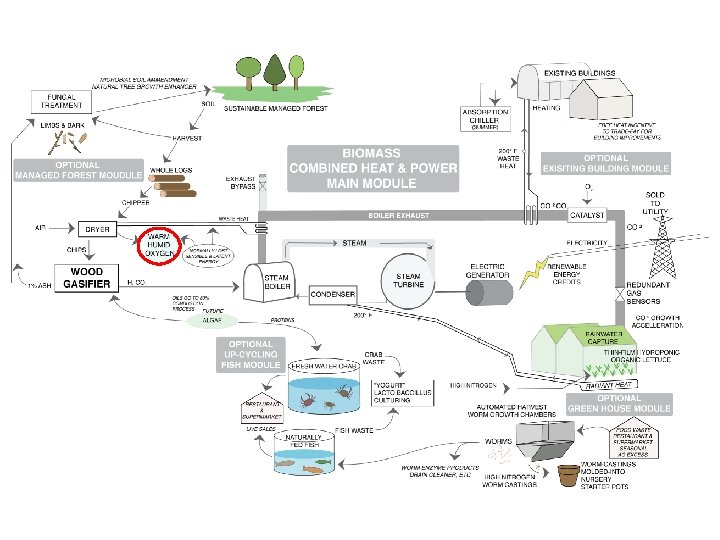
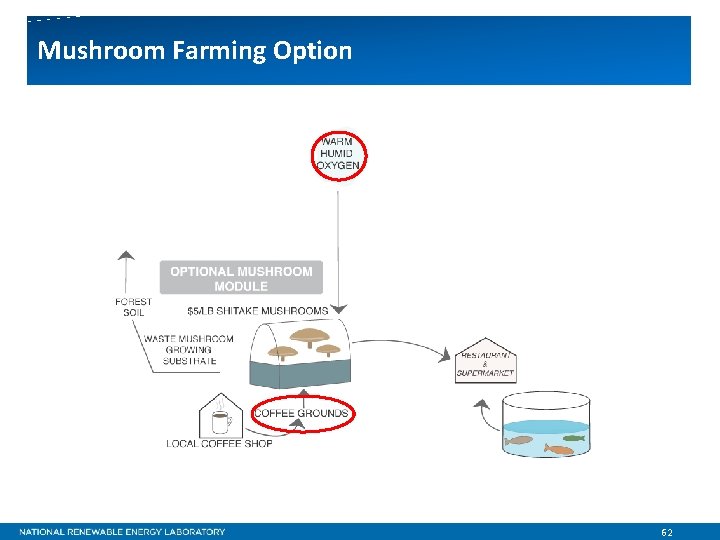
Mushroom Farming Option 62
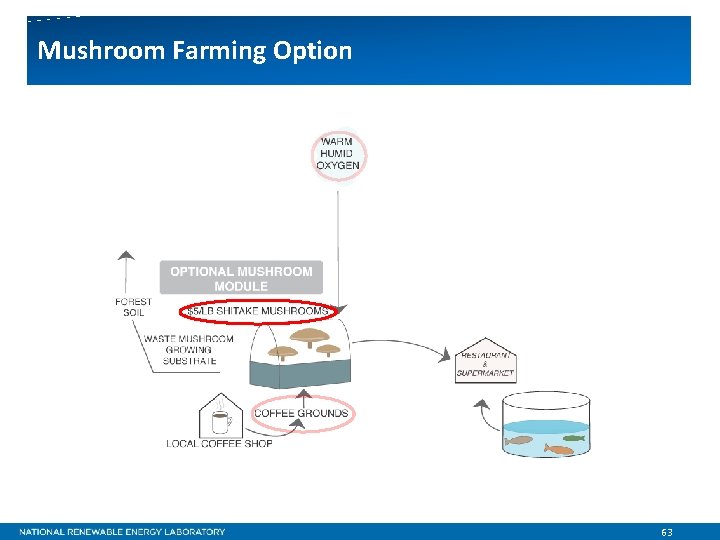
Mushroom Farming Option 63
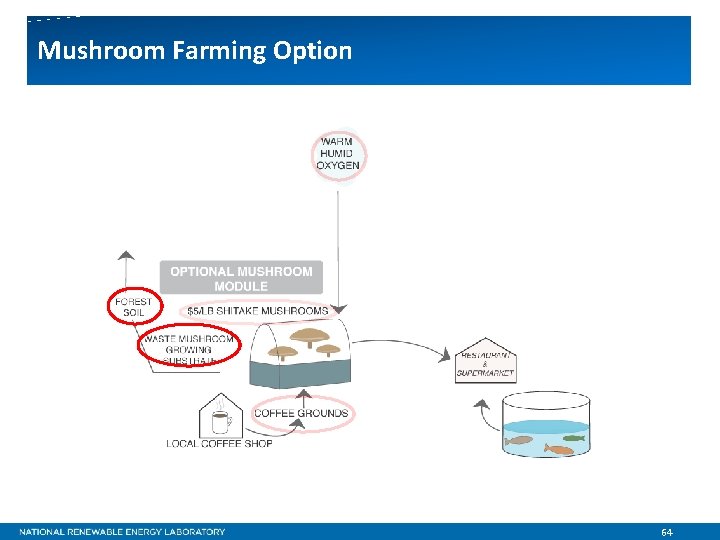
Mushroom Farming Option 64
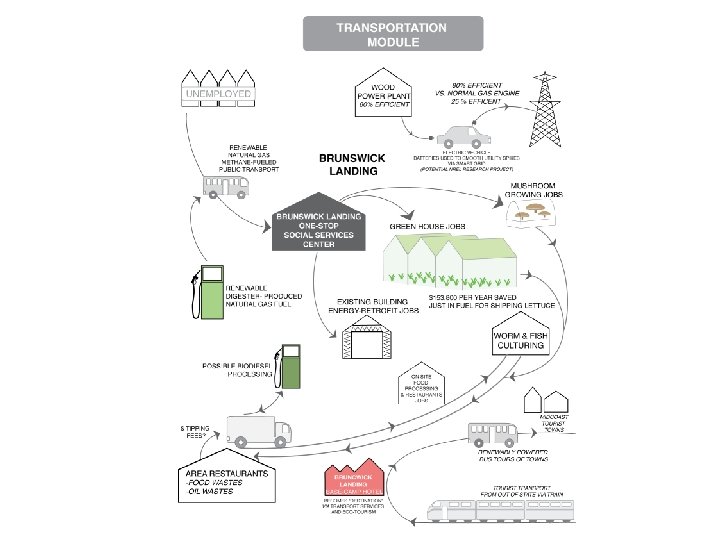
What else can we look at “Systemically”? Transportation 66
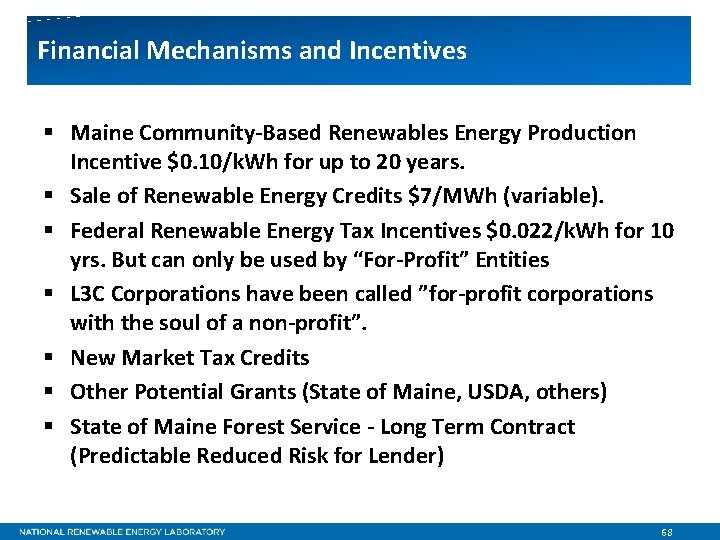
Financial Mechanisms and Incentives § Maine Community-Based Renewables Energy Production Incentive $0. 10/k. Wh for up to 20 years. § Sale of Renewable Energy Credits $7/MWh (variable). § Federal Renewable Energy Tax Incentives $0. 022/k. Wh for 10 yrs. But can only be used by “For-Profit” Entities § L 3 C Corporations have been called ”for-profit corporations with the soul of a non-profit”. § New Market Tax Credits § Other Potential Grants (State of Maine, USDA, others) § State of Maine Forest Service - Long Term Contract (Predictable Reduced Risk for Lender) 68
L 3 C Corporations Different Vehicles: Sports Car vs. a Dump Truck A For-Profit Corp with a Social Mission (Social Enterprise) LLC Corp. (only with Low Profit) = L 3 C Everything that Counts in Life Can’t be Measured Cities are starting to create Public/Private Partnerships (PPP’s) to enhance “Quality of Life” § Social Mission allows Foundation Money to be “invested” with a low return (Low Profit) § § § 69
Other Options for L 3 C Corporations § New Technology Incubators § Can be used to separate higher risk into different investment sections of a corporation to attract venture capital firms. § Allows new companies to ride through the “funding valley of death” until they receive venture capital. § Can be used to create Community Investment Corporations that Individuals can invest in. 70
Questions? Scott Huffman Scott. Huffman@NREL. gov http: //www. nrel. gov/docs/fy 12 osti/50710. pdf 71
To Download or View the Report http: //www. nrel. gov/docs/fy 12 osti/50710. pdf 72
- Slides: 72