
Renal Replacement Therapy What the NonNephrologist Should Know





- Slides: 98
Renal Replacement Therapy – What the Non-Nephrologist Should Know Bernard G. Jaar, MD, MPH, FASN, FNKF Johns Hopkins Medical Institutions Nephrology Center of Maryland
Why is this topic relevant to you?
Kidney Disease is a Public Health Problem Trends in Kidney Disease Burden …
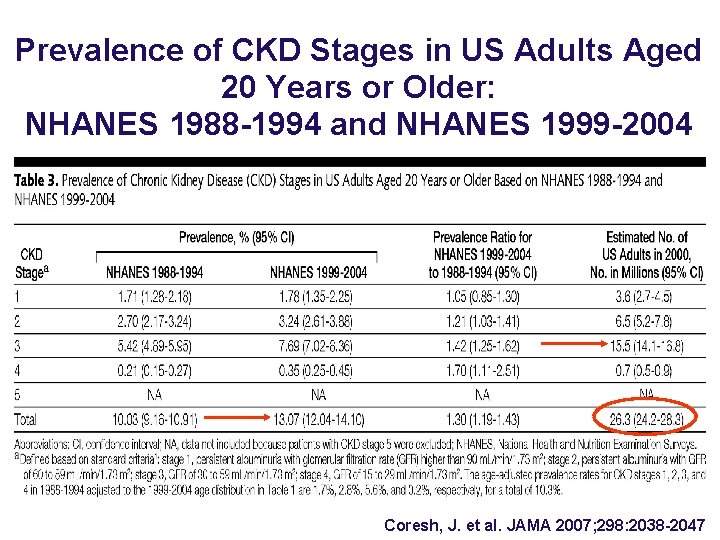
Prevalence of CKD Stages in US Adults Aged 20 Years or Older: NHANES 1988 -1994 and NHANES 1999 -2004 Coresh, J. et al. JAMA 2007; 298: 2038 -2047
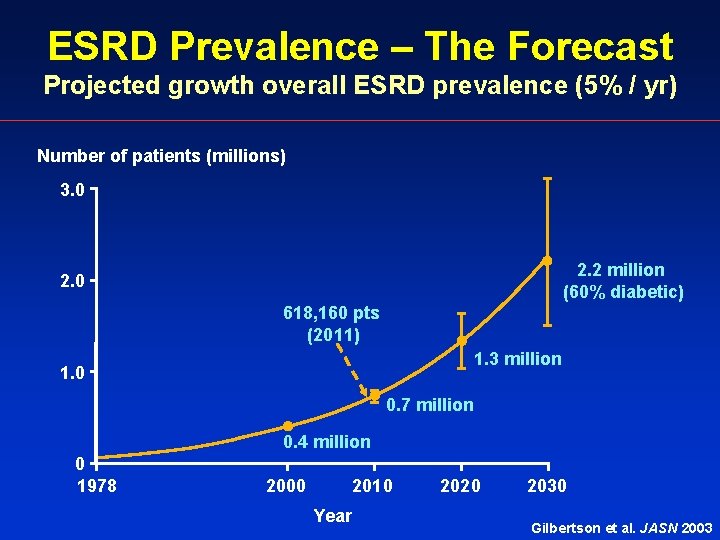
ESRD Prevalence – The Forecast Projected growth overall ESRD prevalence (5% / yr) Number of patients (millions) 3. 0 2. 2 million (60% diabetic) 2. 0 618, 160 pts (2011) 1. 3 million 1. 0 0. 7 million 0. 4 million 0 1978 2000 2010 Year 2020 2030 Gilbertson et al. JASN 2003
Objectives • Describe treatment options for renal replacement therapy • Understand the general principles of dialysis modalities & compare their outcomes • Importance of residual renal function • Describe kidney transplantation process
Case Presentation (I) • 39 y/o AA man • PMHx: none • Routine physical exam: – BP 142 / 100 – LE edema – 4+ proteinuria (dipstick)
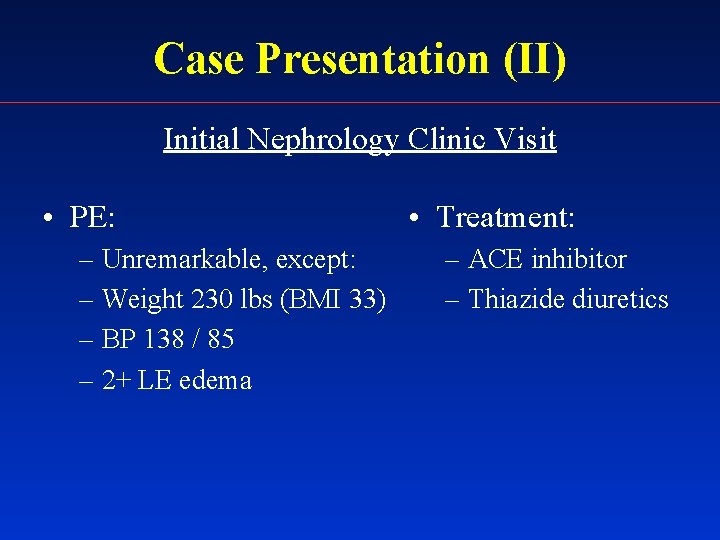
Case Presentation (II) Initial Nephrology Clinic Visit • PE: – Unremarkable, except: – Weight 230 lbs (BMI 33) – BP 138 / 85 – 2+ LE edema • Treatment: – ACE inhibitor – Thiazide diuretics
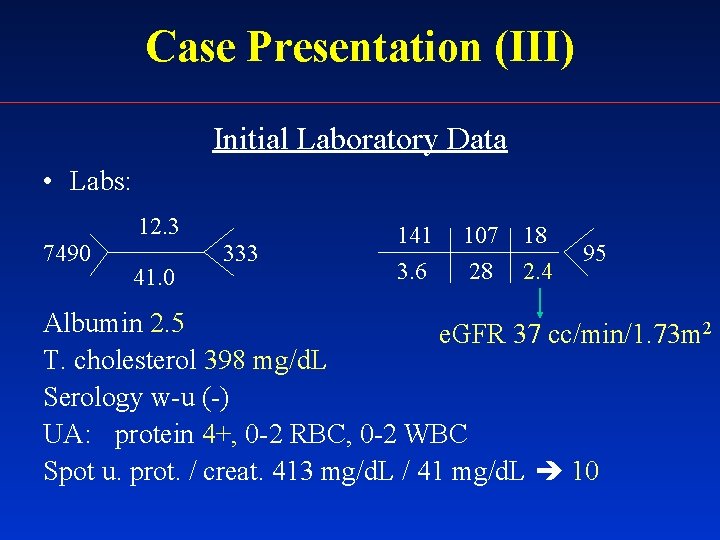
Case Presentation (III) Initial Laboratory Data • Labs: 12. 3 7490 41. 0 333 141 107 18 3. 6 28 2. 4 95 Albumin 2. 5 e. GFR 37 cc/min/1. 73 m 2 T. cholesterol 398 mg/d. L Serology w-u (-) UA: protein 4+, 0 -2 RBC, 0 -2 WBC Spot u. prot. / creat. 413 mg/d. L / 41 mg/d. L 10
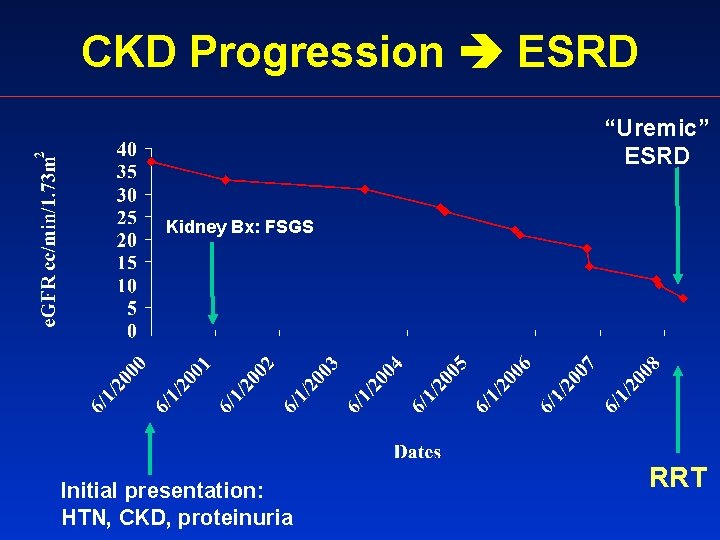
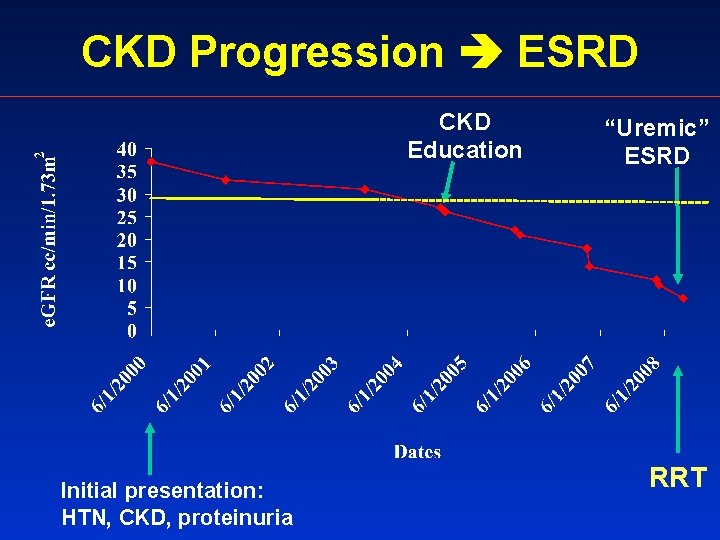
CKD Progression ESRD “Uremic” ESRD Kidney Bx: FSGS Initial presentation: HTN, CKD, proteinuria RRT
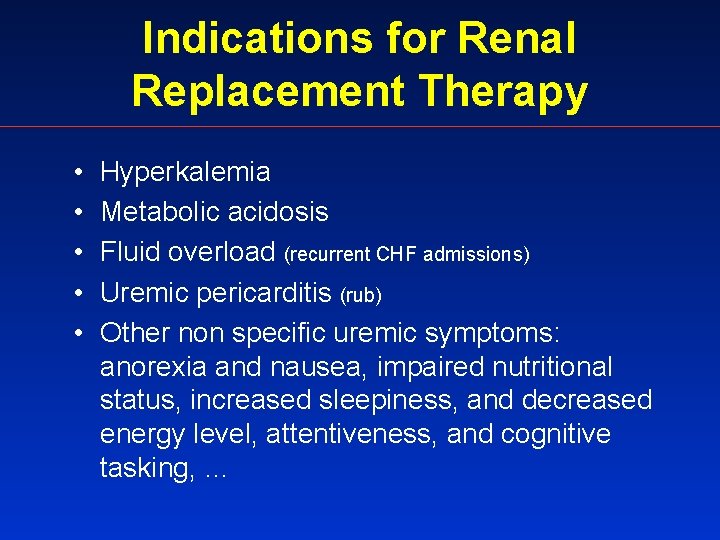
Indications for Renal Replacement Therapy • • • Hyperkalemia Metabolic acidosis Fluid overload (recurrent CHF admissions) Uremic pericarditis (rub) Other non specific uremic symptoms: anorexia and nausea, impaired nutritional status, increased sleepiness, and decreased energy level, attentiveness, and cognitive tasking, …
What are the Treatment Options for Renal Replacement Therapy for our Patient?
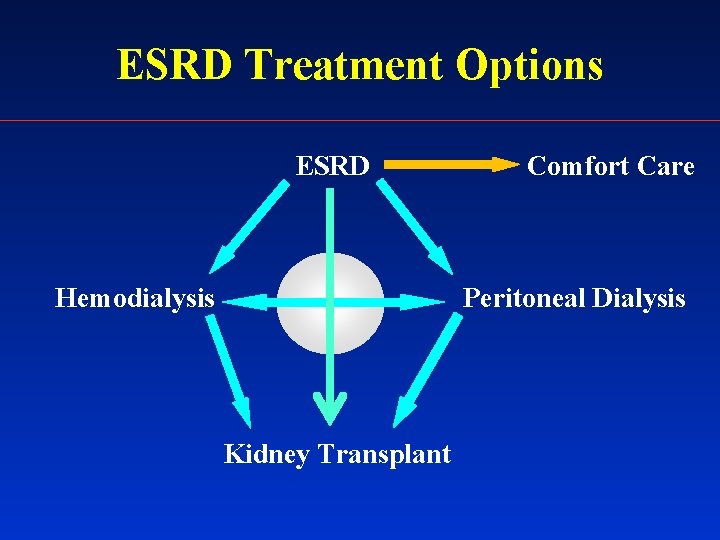
ESRD Treatment Options ESRD Comfort Care Peritoneal Dialysis Hemodialysis Kidney Transplant
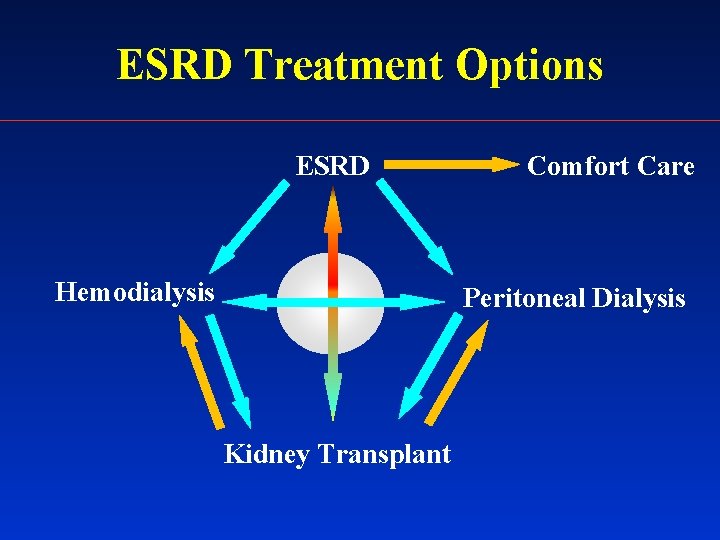
ESRD Treatment Options ESRD Hemodialysis Comfort Care Peritoneal Dialysis Kidney Transplant
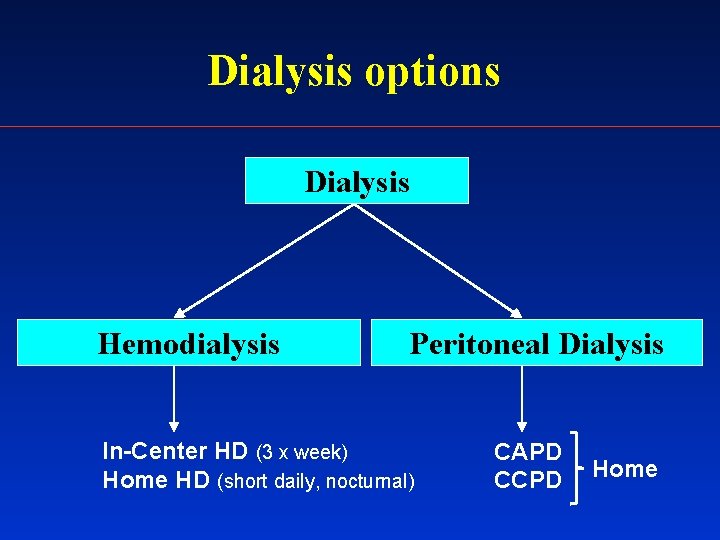
Dialysis options Dialysis Hemodialysis Peritoneal Dialysis In-Center HD (3 x week) Home HD (short daily, nocturnal) CAPD CCPD Home
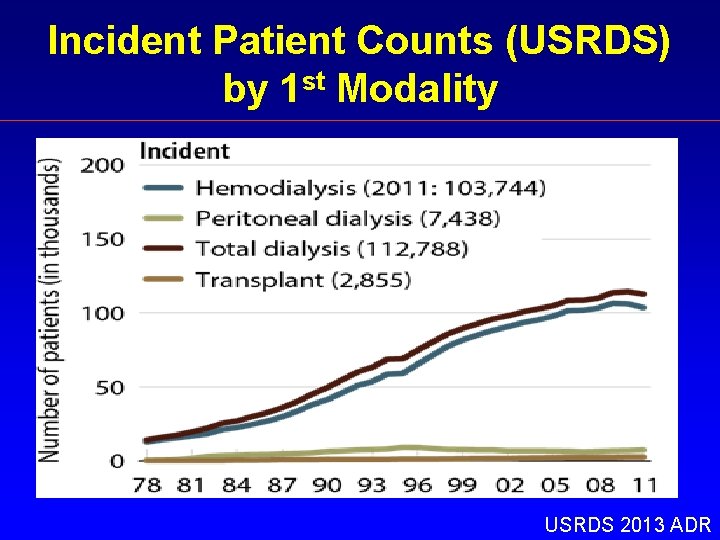
Incident Patient Counts (USRDS) by 1 st Modality USRDS 2013 ADR
CKD Education
CKD Progression ESRD CKD Education Initial presentation: HTN, CKD, proteinuria “Uremic” ESRD RRT
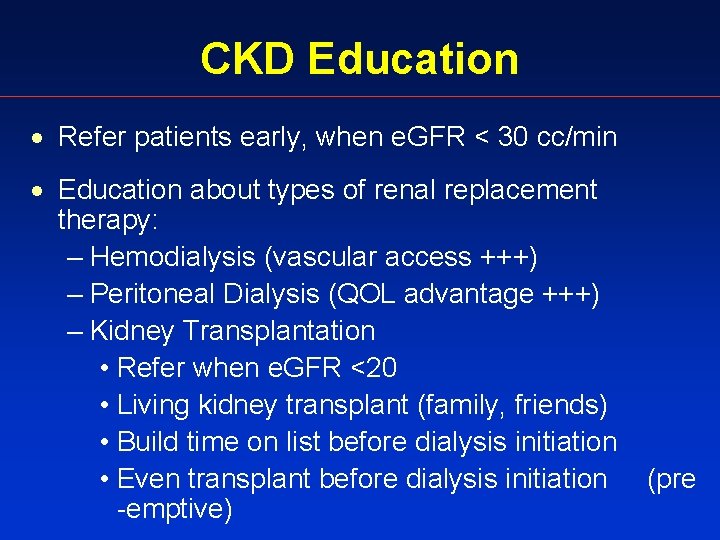
CKD Education · Refer patients early, when e. GFR < 30 cc/min · Education about types of renal replacement therapy: – Hemodialysis (vascular access +++) – Peritoneal Dialysis (QOL advantage +++) – Kidney Transplantation • Refer when e. GFR <20 • Living kidney transplant (family, friends) • Build time on list before dialysis initiation • Even transplant before dialysis initiation (pre -emptive)
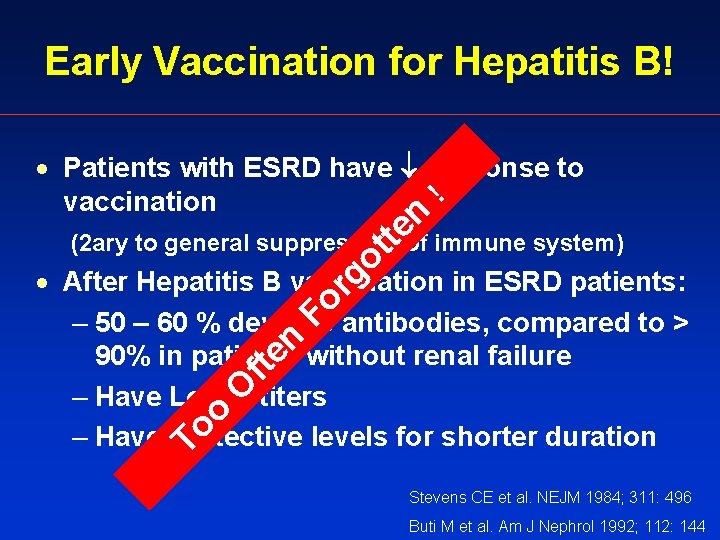
Early Vaccination for Hepatitis B! ot te n ! · Patients with ESRD have response to vaccination (2 ary to general suppression of immune system) To o O fte n Fo rg · After Hepatitis B vaccination in ESRD patients: – 50 – 60 % develop antibodies, compared to > 90% in patients without renal failure – Have Lower titers – Have protective levels for shorter duration Stevens CE et al. NEJM 1984; 311: 496 Buti M et al. Am J Nephrol 1992; 112: 144
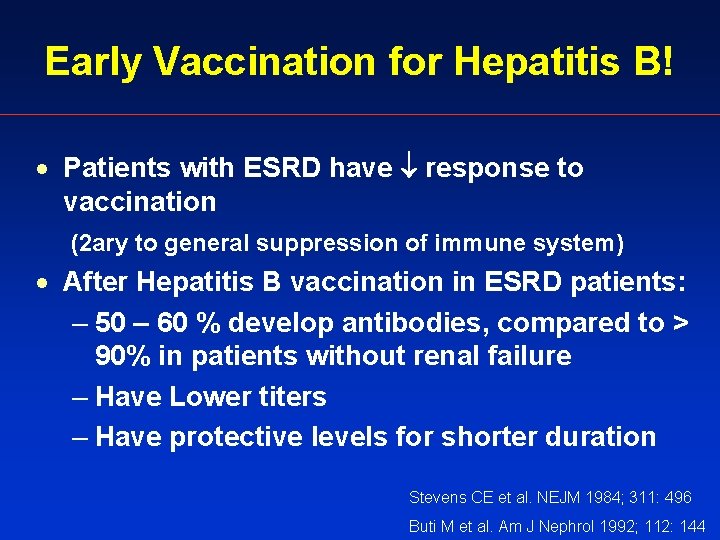
Early Vaccination for Hepatitis B! · Patients with ESRD have response to vaccination (2 ary to general suppression of immune system) · After Hepatitis B vaccination in ESRD patients: – 50 – 60 % develop antibodies, compared to > 90% in patients without renal failure – Have Lower titers – Have protective levels for shorter duration Stevens CE et al. NEJM 1984; 311: 496 Buti M et al. Am J Nephrol 1992; 112: 144
Hemodialysis (HD)
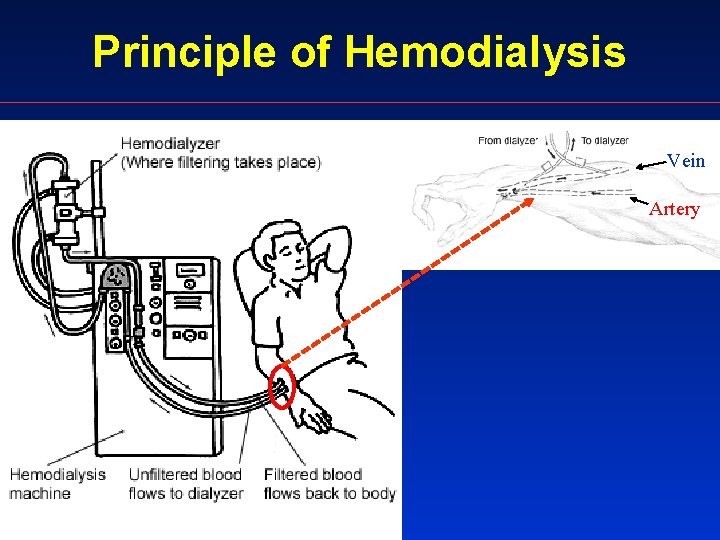
Principle of Hemodialysis Vein Artery
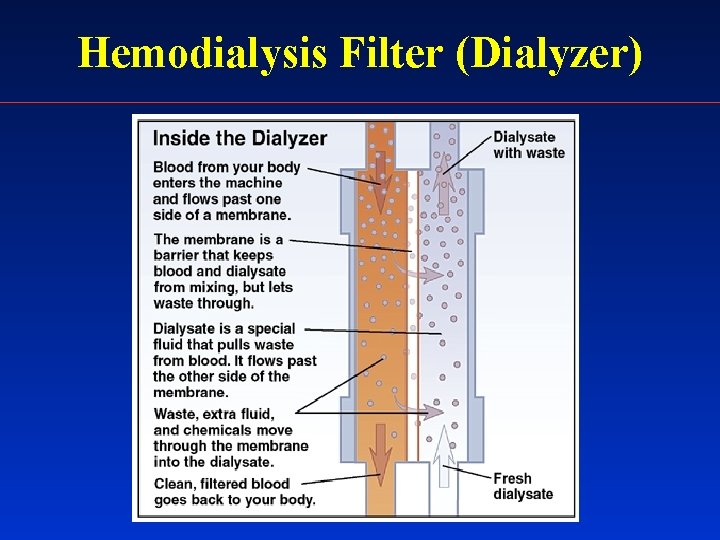
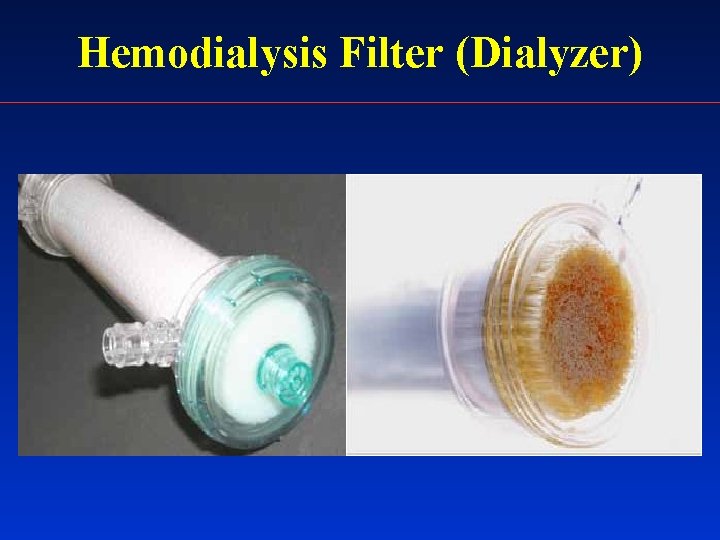
Hemodialysis Filter (Dialyzer)
Hemodialysis Filter (Dialyzer)
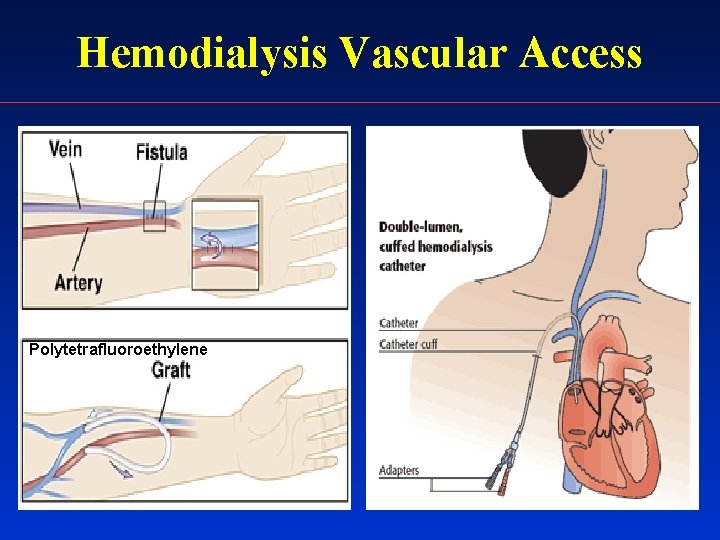
Hemodialysis Vascular Access Polytetrafluoroethylene
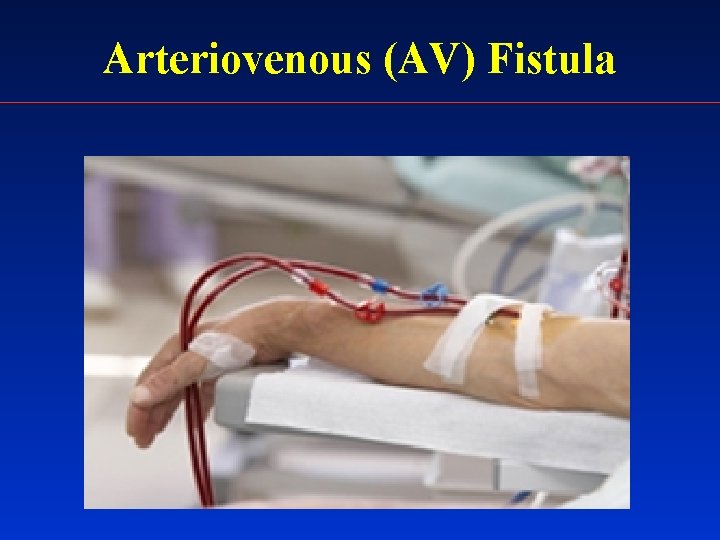
Arteriovenous (AV) Fistula
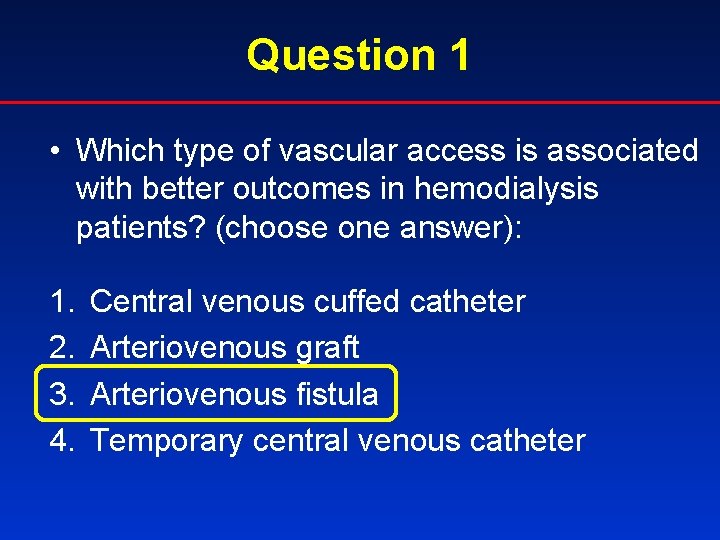
Question 1 • Which type of vascular access is associated with better outcomes in hemodialysis patients? (choose one answer): 1. 2. 3. 4. Central venous cuffed catheter Arteriovenous graft Arteriovenous fistula Temporary central venous catheter
Which Vascular Access and When Should It Be Placed?
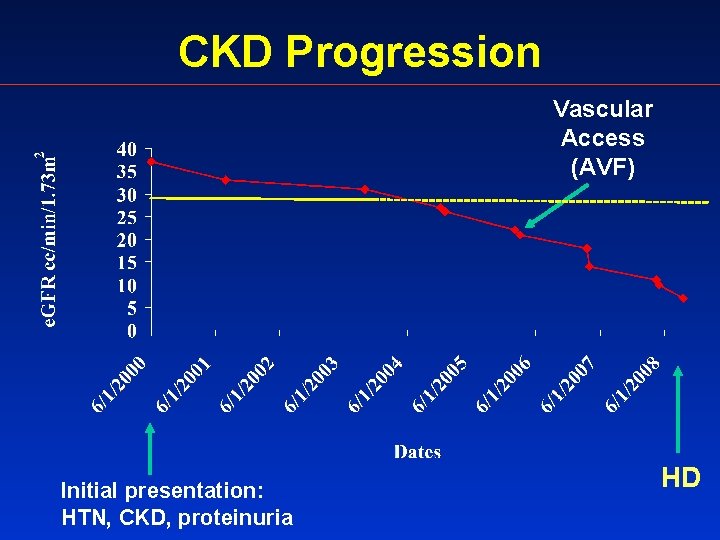
CKD Progression Vascular Access (AVF) Initial presentation: HTN, CKD, proteinuria HD
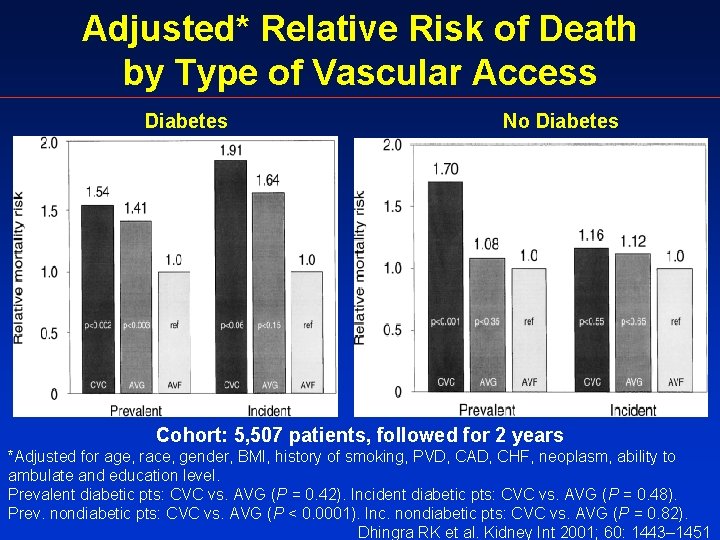
Adjusted* Relative Risk of Death by Type of Vascular Access Diabetes No Diabetes Cohort: 5, 507 patients, followed for 2 years *Adjusted for age, race, gender, BMI, history of smoking, PVD, CAD, CHF, neoplasm, ability to ambulate and education level. Prevalent diabetic pts: CVC vs. AVG (P = 0. 42). Incident diabetic pts: CVC vs. AVG (P = 0. 48). Prev. nondiabetic pts: CVC vs. AVG (P < 0. 0001). Inc. nondiabetic pts: CVC vs. AVG (P = 0. 82). Dhingra RK et al. Kidney Int 2001; 60: 1443– 1451
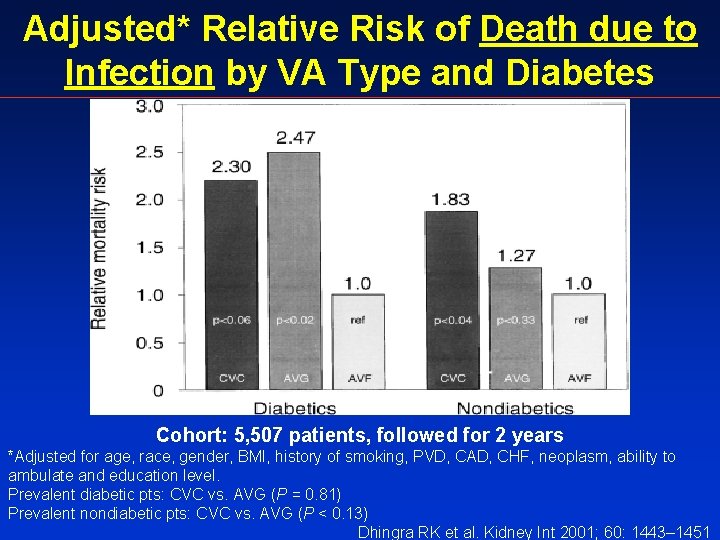
Adjusted* Relative Risk of Death due to Infection by VA Type and Diabetes Status Cohort: 5, 507 patients, followed for 2 years *Adjusted for age, race, gender, BMI, history of smoking, PVD, CAD, CHF, neoplasm, ability to ambulate and education level. Prevalent diabetic pts: CVC vs. AVG (P = 0. 81) Prevalent nondiabetic pts: CVC vs. AVG (P < 0. 13) Dhingra RK et al. Kidney Int 2001; 60: 1443– 1451
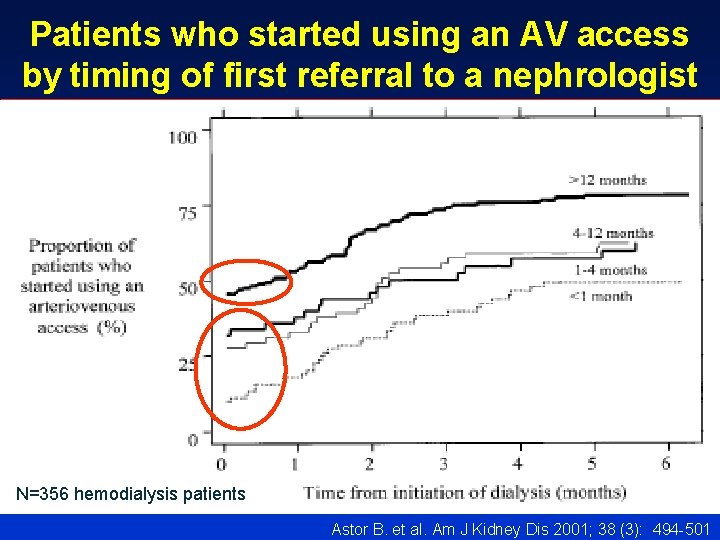
Patients who started using an AV access by timing of first referral to a nephrologist N=356 hemodialysis patients Astor B. et al. Am J Kidney Dis 2001; 38 (3): 494 -501
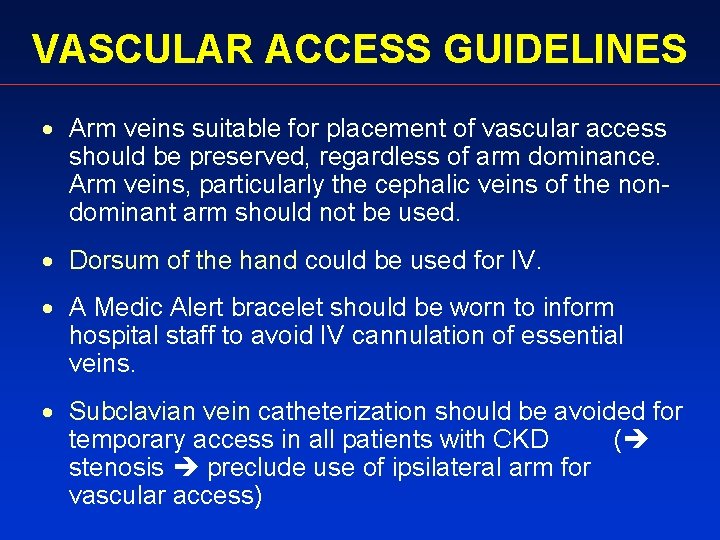
VASCULAR ACCESS GUIDELINES · Arm veins suitable for placement of vascular access should be preserved, regardless of arm dominance. Arm veins, particularly the cephalic veins of the nondominant arm should not be used. · Dorsum of the hand could be used for IV. · A Medic Alert bracelet should be worn to inform hospital staff to avoid IV cannulation of essential veins. · Subclavian vein catheterization should be avoided for temporary access in all patients with CKD ( stenosis preclude use of ipsilateral arm for vascular access)
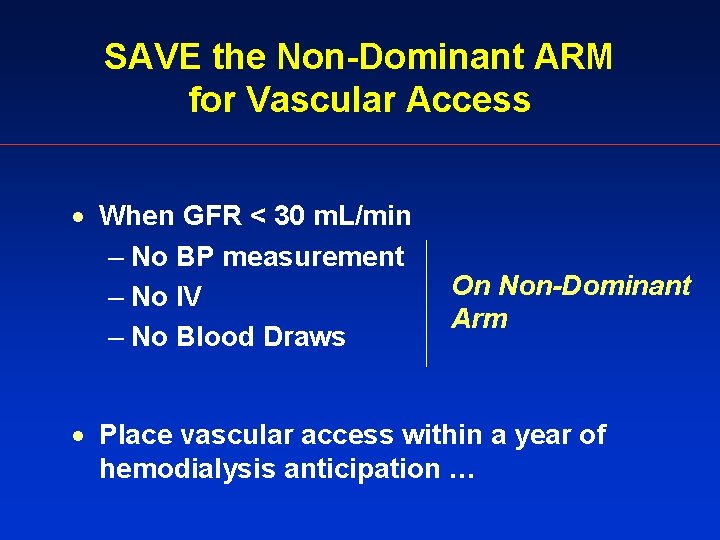
SAVE the Non-Dominant ARM for Vascular Access · When GFR < 30 m. L/min – No BP measurement – No IV – No Blood Draws On Non-Dominant Arm · Place vascular access within a year of hemodialysis anticipation …
Peritoneal Dialysis (PD)
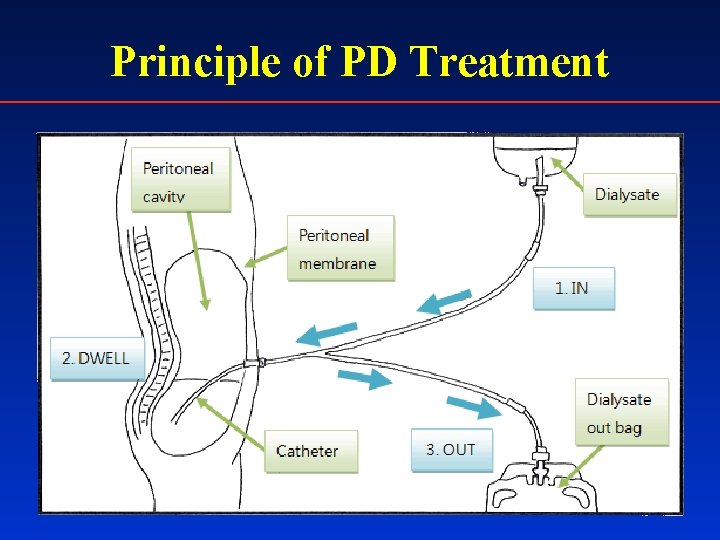
Principle of PD Treatment
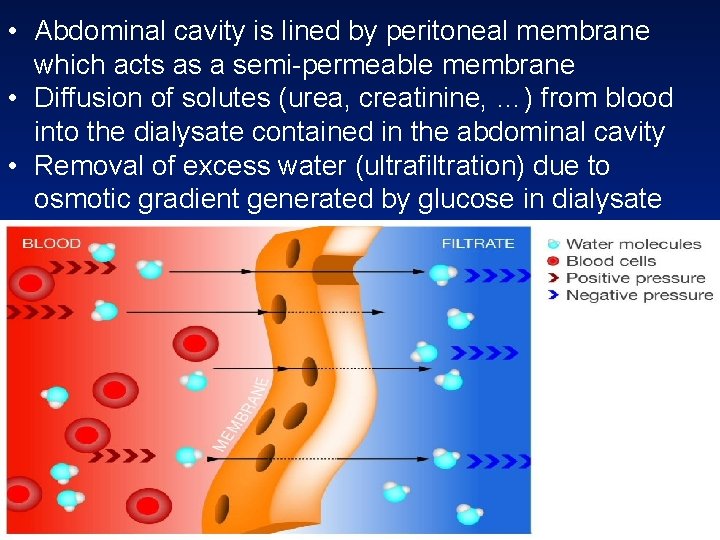
• Abdominal cavity is lined by peritoneal membrane which acts as a semi-permeable membrane • Diffusion of solutes (urea, creatinine, …) from blood into the dialysate contained in the abdominal cavity • Removal of excess water (ultrafiltration) due to osmotic gradient generated by glucose in dialysate
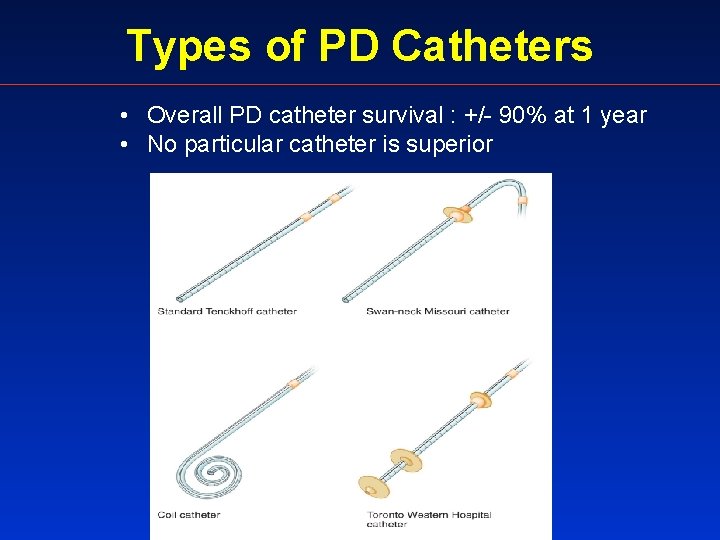
Types of PD Catheters • Overall PD catheter survival : +/- 90% at 1 year • No particular catheter is superior
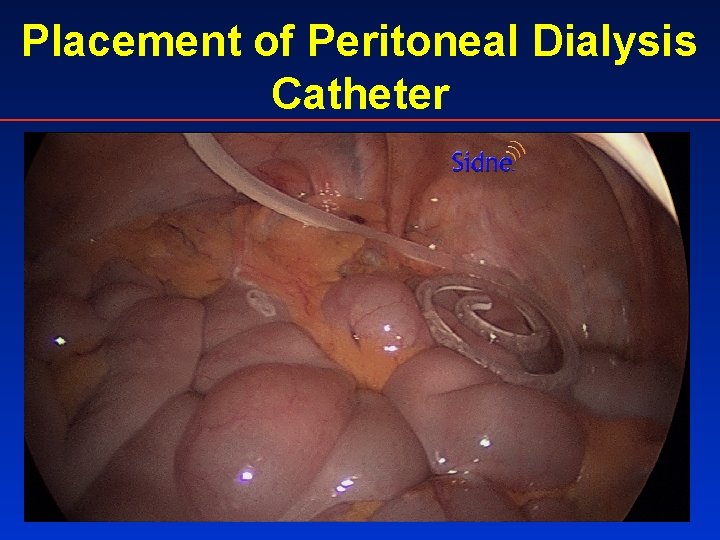
Placement of Peritoneal Dialysis Catheter
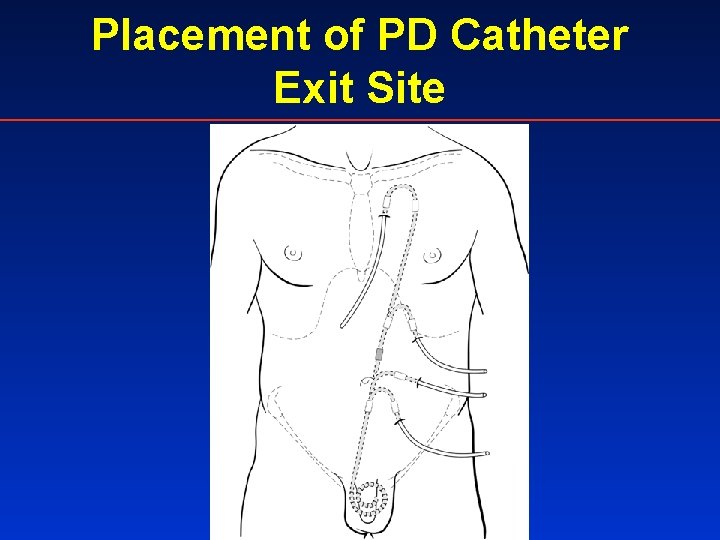
Placement of PD Catheter Exit Site
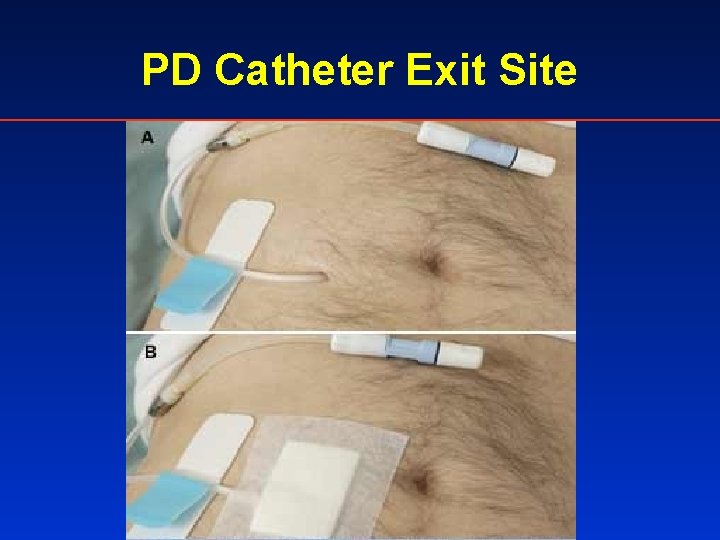
PD Catheter Exit Site
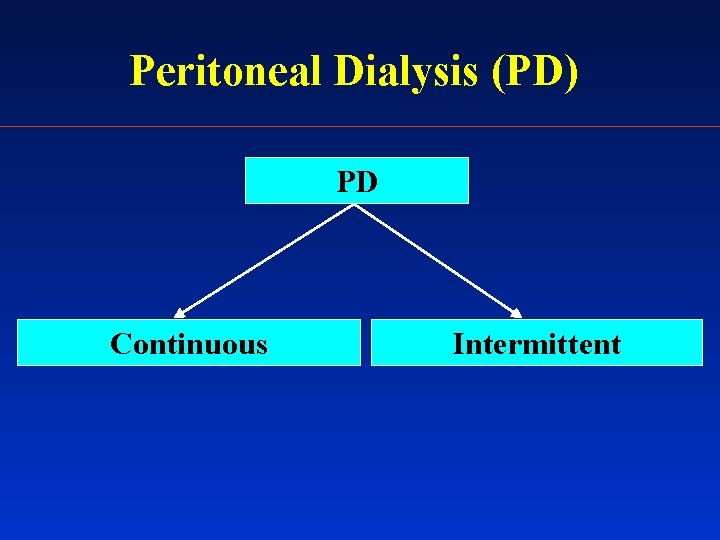
Peritoneal Dialysis (PD) PD Continuous Intermittent
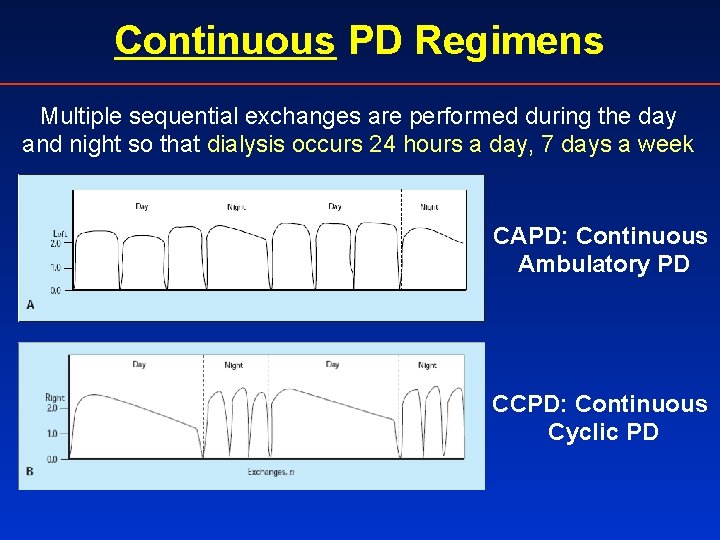
Continuous PD Regimens Multiple sequential exchanges are performed during the day and night so that dialysis occurs 24 hours a day, 7 days a week CAPD: Continuous Ambulatory PD CCPD: Continuous Cyclic PD
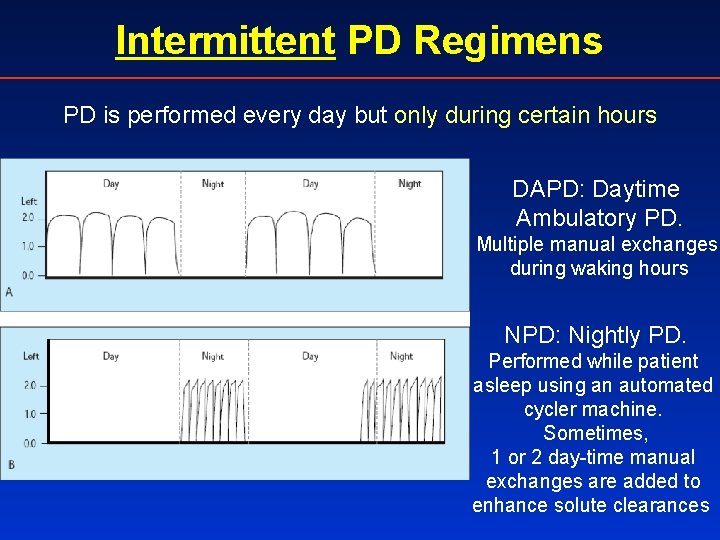
Intermittent PD Regimens PD is performed every day but only during certain hours DAPD: Daytime Ambulatory PD. Multiple manual exchanges during waking hours NPD: Nightly PD. Performed while patient asleep using an automated cycler machine. Sometimes, 1 or 2 day-time manual exchanges are added to enhance solute clearances
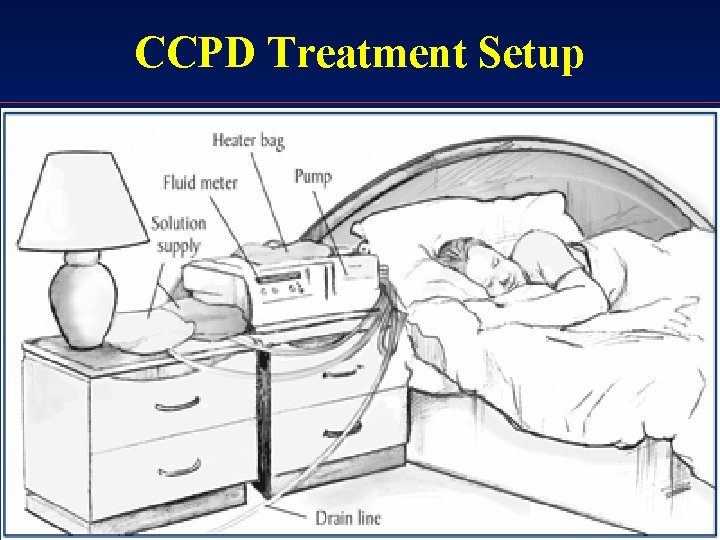
CCPD Treatment Setup
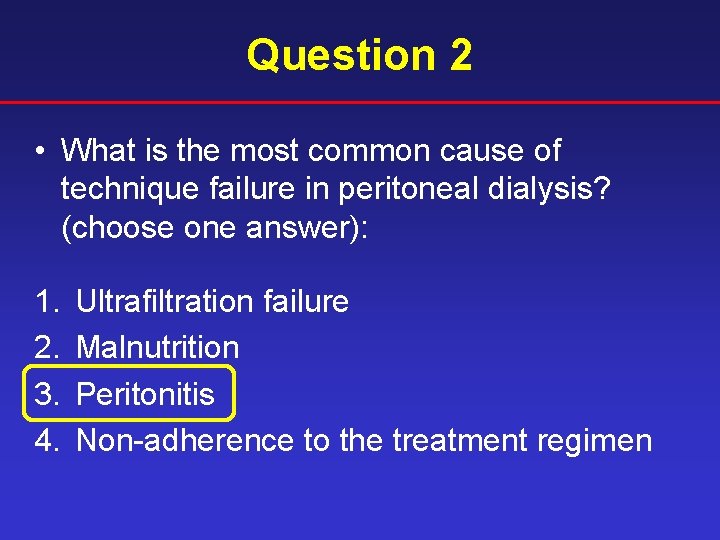
Question 2 • What is the most common cause of technique failure in peritoneal dialysis? (choose one answer): 1. 2. 3. 4. Ultrafiltration failure Malnutrition Peritonitis Non-adherence to the treatment regimen
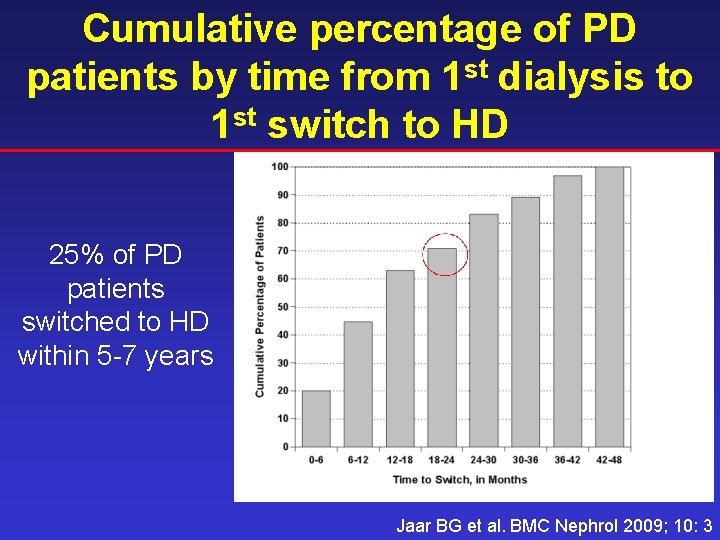
Cumulative percentage of PD patients by time from 1 st dialysis to 1 st switch to HD 25% of PD patients switched to HD within 5 -7 years Jaar BG et al. BMC Nephrol 2009; 10: 3
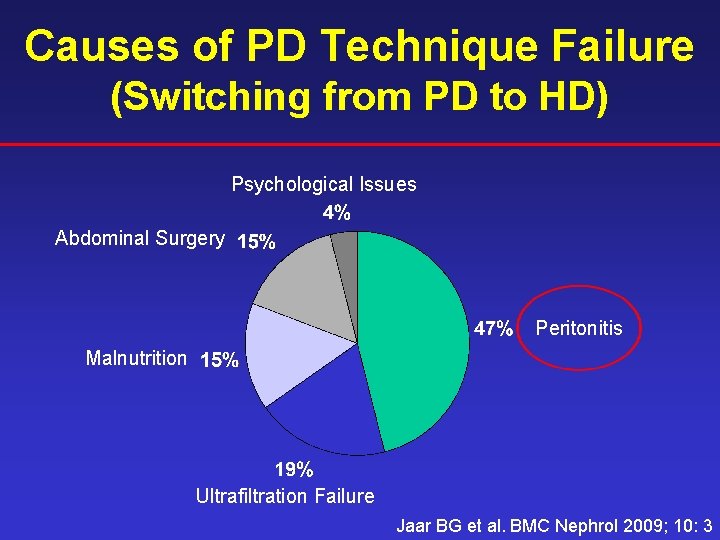
Causes of PD Technique Failure (Switching from PD to HD) Psychological Issues Abdominal Surgery Peritonitis Malnutrition Ultrafiltration Failure Jaar BG et al. BMC Nephrol 2009; 10: 3
Which Dialysis Modality Provides the Best Outcomes?
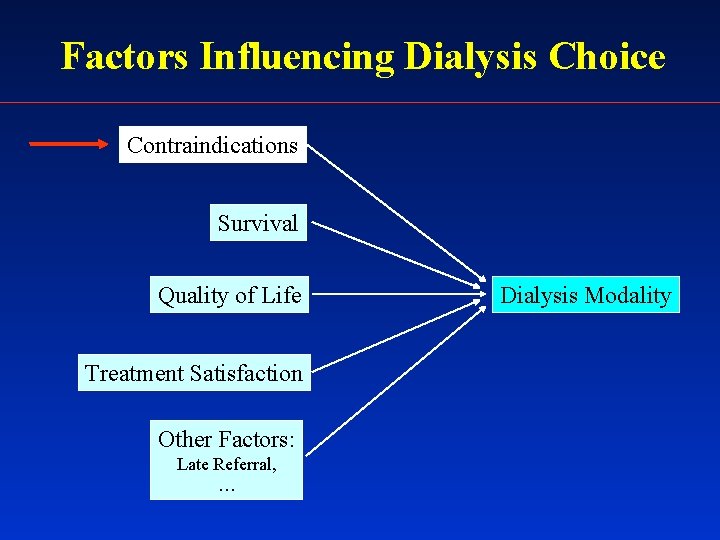
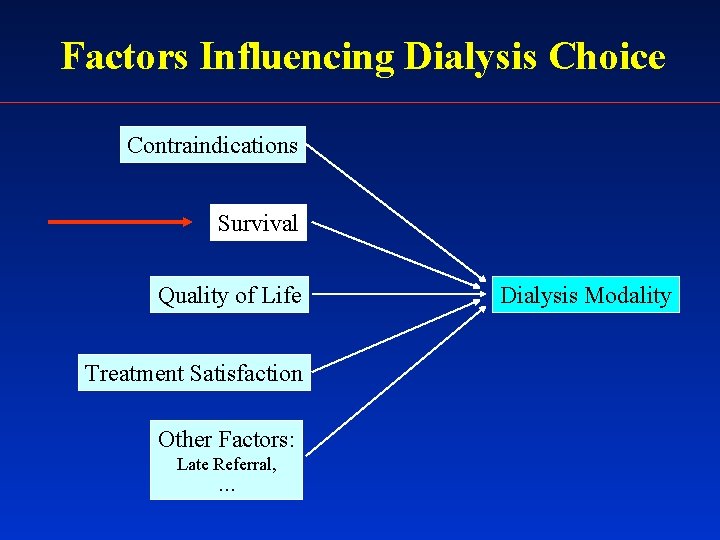
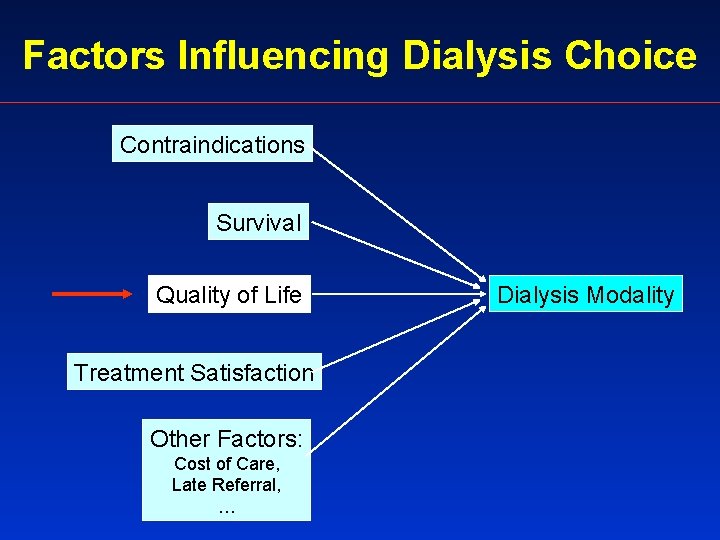
Factors Influencing Dialysis Choice Contraindications Survival Quality of Life Treatment Satisfaction Other Factors: Late Referral, … Dialysis Modality
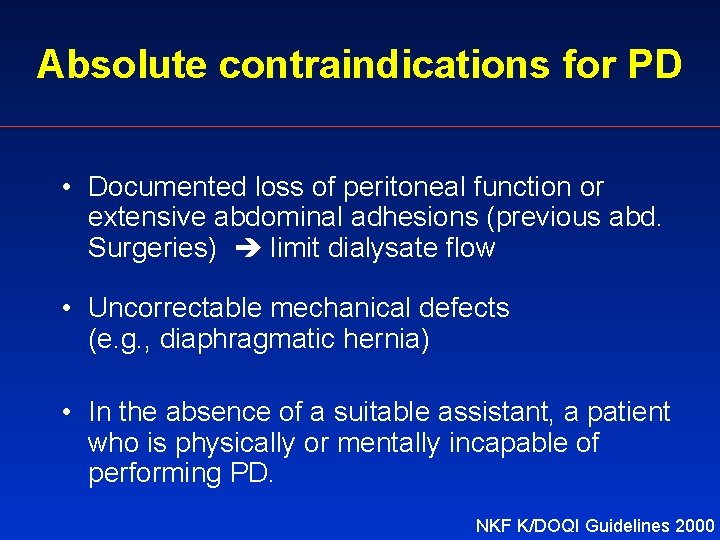
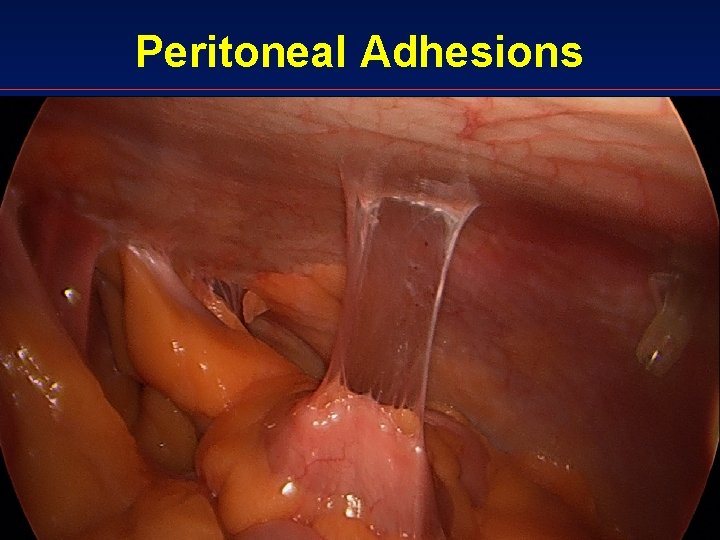
Absolute contraindications for PD • Documented loss of peritoneal function or extensive abdominal adhesions (previous abd. Surgeries) limit dialysate flow • Uncorrectable mechanical defects (e. g. , diaphragmatic hernia) • In the absence of a suitable assistant, a patient who is physically or mentally incapable of performing PD. NKF K/DOQI Guidelines 2000
Peritoneal Adhesions
Factors Influencing Dialysis Choice Contraindications Survival Quality of Life Treatment Satisfaction Other Factors: Late Referral, … Dialysis Modality
Best Study Design to Compare Dialysis Modalities • Prospective, randomized, clinical trial • Significant barriers to performing this type of study 1 • We are left with the analysis of observational data from well-conducted prospective studies 1 Korevaar JC et al. KI 2003; 64(6): 2222 -2228
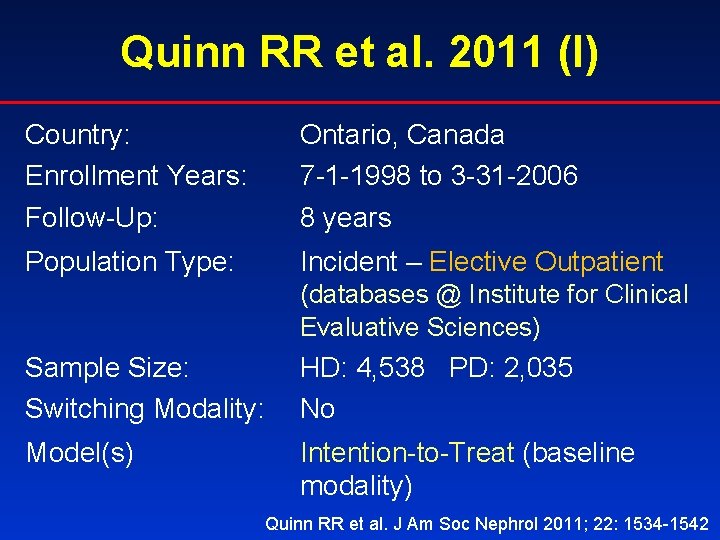
Quinn RR et al. 2011 (I) Country: Enrollment Years: Follow-Up: Ontario, Canada 7 -1 -1998 to 3 -31 -2006 8 years Population Type: Incident – Elective Outpatient (databases @ Institute for Clinical Evaluative Sciences) Sample Size: Switching Modality: HD: 4, 538 PD: 2, 035 No Model(s) Intention-to-Treat (baseline modality) Quinn RR et al. J Am Soc Nephrol 2011; 22: 1534 -1542
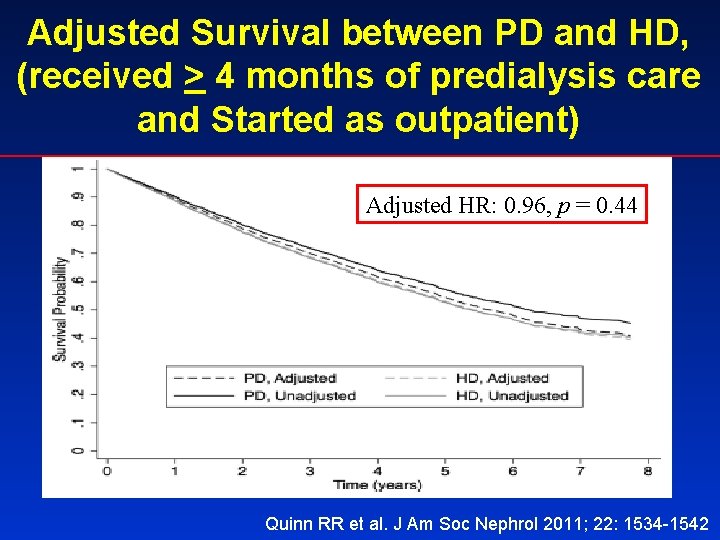
Adjusted Survival between PD and HD, (received > 4 months of predialysis care and Started as outpatient) Adjusted HR: 0. 96, p = 0. 44 Quinn RR et al. J Am Soc Nephrol 2011; 22: 1534 -1542
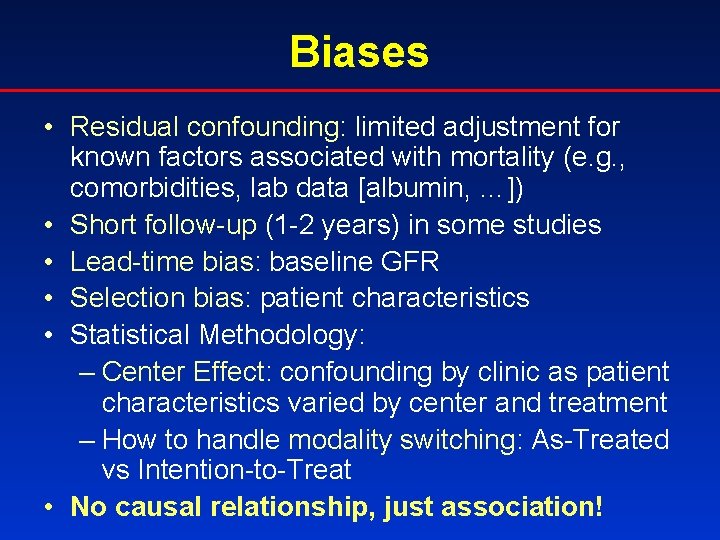
Biases • Residual confounding: limited adjustment for known factors associated with mortality (e. g. , comorbidities, lab data [albumin, …]) • Short follow-up (1 -2 years) in some studies • Lead-time bias: baseline GFR • Selection bias: patient characteristics • Statistical Methodology: – Center Effect: confounding by clinic as patient characteristics varied by center and treatment – How to handle modality switching: As-Treated vs Intention-to-Treat • No causal relationship, just association!
Other Issues: PD vs HD Beyond Survival • In considering choice of dialysis technique, other issues must be considered …
Factors Influencing Dialysis Choice Contraindications Survival Quality of Life Treatment Satisfaction Other Factors: Cost of Care, Late Referral, … Dialysis Modality
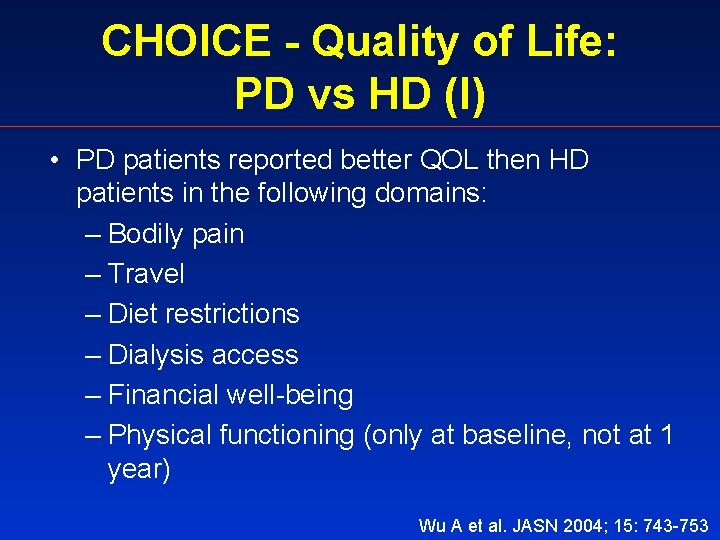
CHOICE - Quality of Life: PD vs HD (I) • PD patients reported better QOL then HD patients in the following domains: – Bodily pain – Travel – Diet restrictions – Dialysis access – Financial well-being – Physical functioning (only at baseline, not at 1 year) Wu A et al. JASN 2004; 15: 743 -753
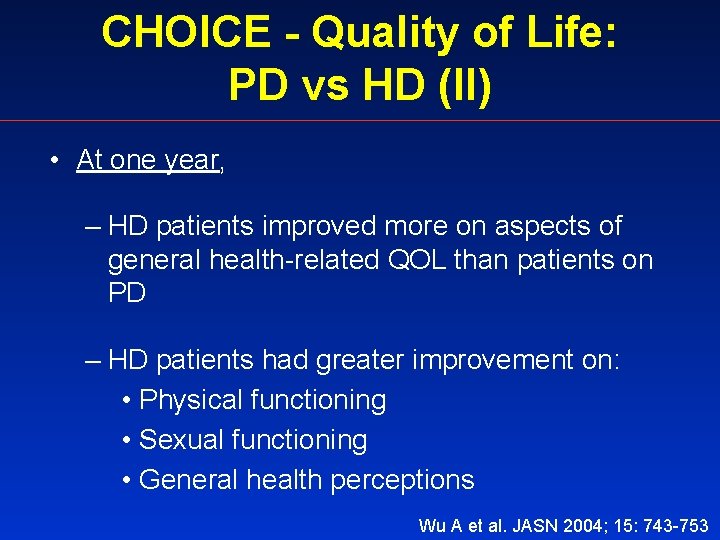
CHOICE - Quality of Life: PD vs HD (II) • At one year, – HD patients improved more on aspects of general health-related QOL than patients on PD – HD patients had greater improvement on: • Physical functioning • Sexual functioning • General health perceptions Wu A et al. JASN 2004; 15: 743 -753
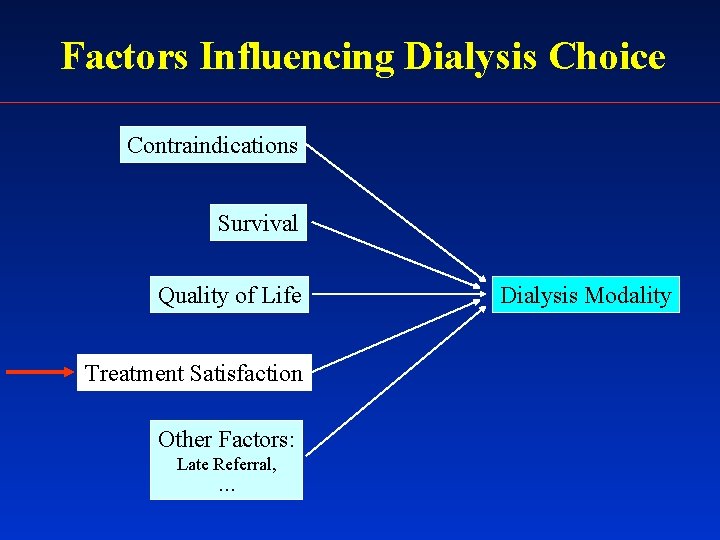
Factors Influencing Dialysis Choice Contraindications Survival Quality of Life Treatment Satisfaction Other Factors: Late Referral, … Dialysis Modality
CHOICE - Treatment Satisfaction: PD vs HD • PD patients were significantly more likely to give excellent ratings of dialysis care overall compared to HD patients (85% vs 56%). • Also PD patients were more likely to give excellent ratings for specific aspects of care: – information on choosing a dialysis modality – information on fluid removal – staff and nephrologist availability – coordination with other physicians – caring of nurses or staff –… Rubin HR et al. JAMA 2004; 291: 697 -703
Implications • Each modality has distinct advantages or disadvantages • Physicians should be as explicit as possible in describing specific tradeoffs and attempt to elicit individual preferences at start of dialysis • Although there is no conclusive evidence that the choice of PD or HD provide a specific survival advantage: – Better selection of PD patients (PD underutilized) – PD patients should be monitored closely after the 2 nd or 3 rd year of dialysis – Consider a “timely” transfer to HD (if or when PD problems arise)
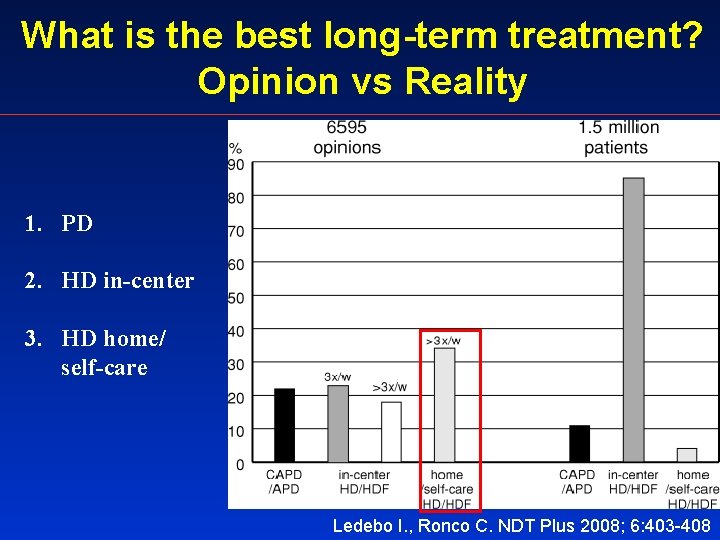
What is the best long-term treatment? 1. PD 2. HD in-center 3. HD home/ self-care Ask the nephrology providers which dialysis modality they would select if they had ESRD?
What is the best long-term treatment? Opinion vs Reality 1. PD 2. HD in-center 3. HD home/ self-care Ledebo I. , Ronco C. NDT Plus 2008; 6: 403 -408
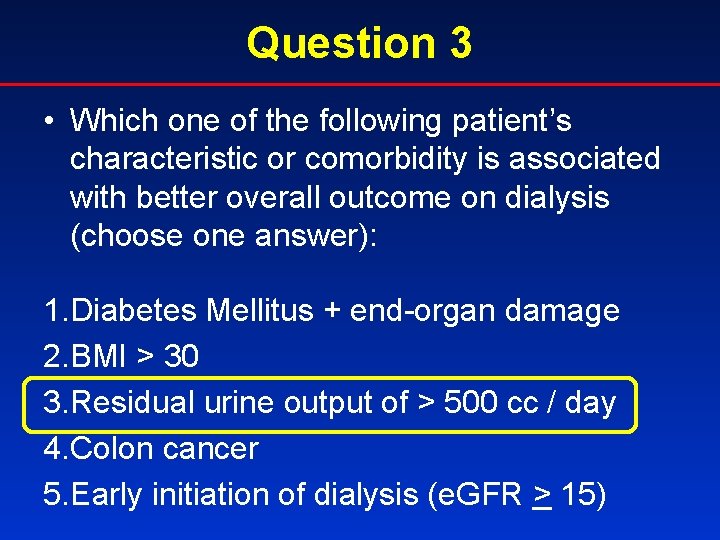
Question 3 • Which one of the following patient’s characteristic or comorbidity is associated with better overall outcome on dialysis (choose one answer): 1. Diabetes Mellitus + end-organ damage 2. BMI > 30 3. Residual urine output of > 500 cc / day 4. Colon cancer 5. Early initiation of dialysis (e. GFR > 15)
Is Timing of Dialysis Initiation Important in ESRD Patients? (Controversial)
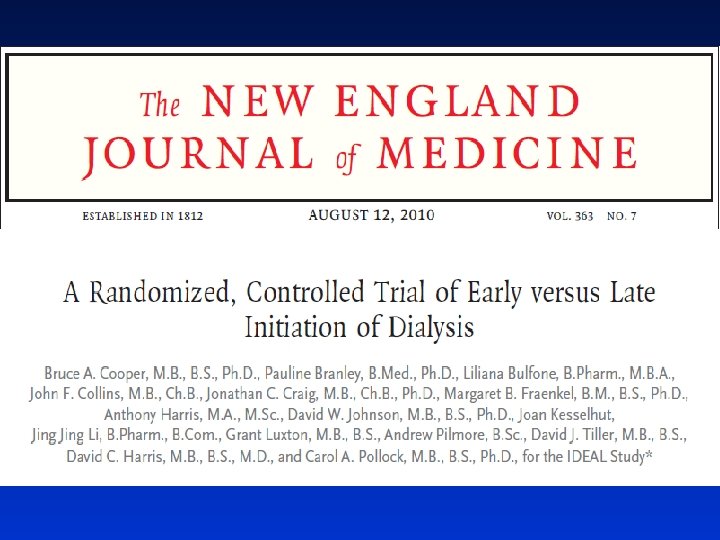
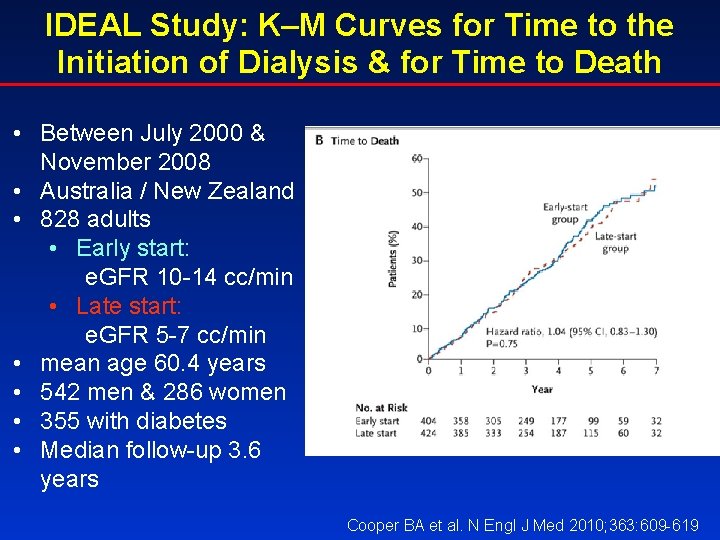
IDEAL Study: K–M Curves for Time to the Initiation of Dialysis & for Time to Death • Between July 2000 & November 2008 • Australia / New Zealand • 828 adults • Early start: e. GFR 10 -14 cc/min • Late start: e. GFR 5 -7 cc/min • mean age 60. 4 years • 542 men & 286 women • 355 with diabetes • Median follow-up 3. 6 years Cooper BA et al. N Engl J Med 2010; 363: 609 -619
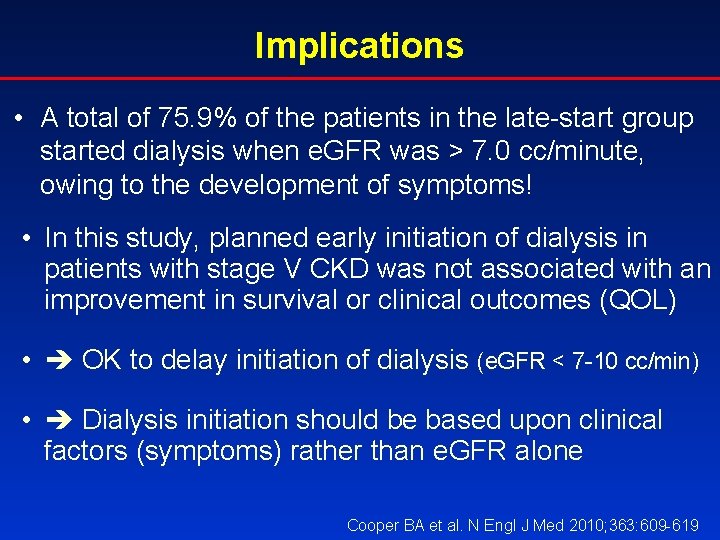
Implications • A total of 75. 9% of the patients in the late-start group started dialysis when e. GFR was > 7. 0 cc/minute, owing to the development of symptoms! • In this study, planned early initiation of dialysis in patients with stage V CKD was not associated with an improvement in survival or clinical outcomes (QOL) • OK to delay initiation of dialysis (e. GFR < 7 -10 cc/min) • Dialysis initiation should be based upon clinical factors (symptoms) rather than e. GFR alone Cooper BA et al. N Engl J Med 2010; 363: 609 -619
Why is Residual Renal Function Important in Dialysis Patients?
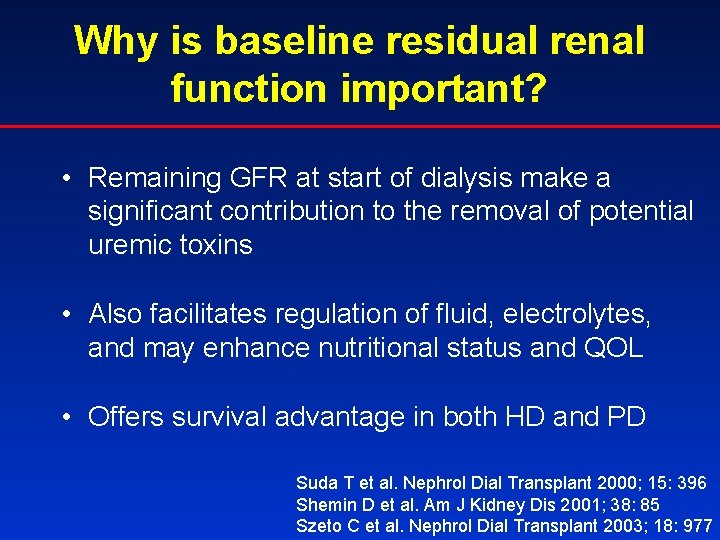
Why is baseline residual renal function important? • Remaining GFR at start of dialysis make a significant contribution to the removal of potential uremic toxins • Also facilitates regulation of fluid, electrolytes, and may enhance nutritional status and QOL • Offers survival advantage in both HD and PD Suda T et al. Nephrol Dial Transplant 2000; 15: 396 Shemin D et al. Am J Kidney Dis 2001; 38: 85 Szeto C et al. Nephrol Dial Transplant 2003; 18: 977
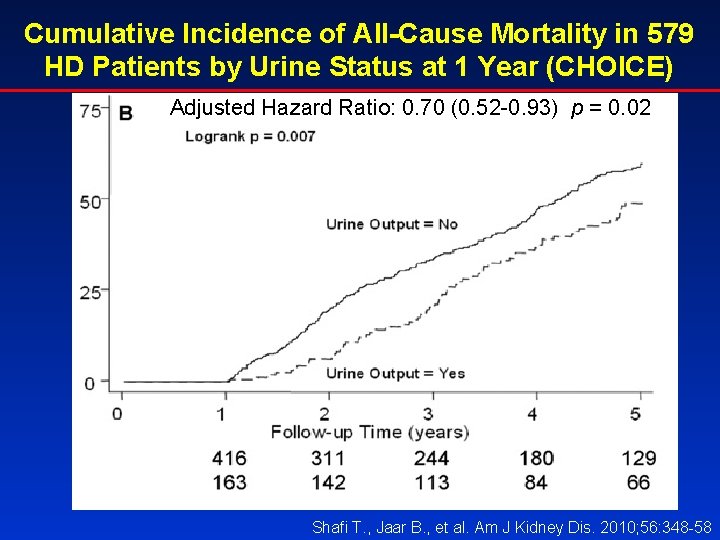
Cumulative Incidence of All-Cause Mortality in 579 HD Patients by Urine Status at 1 Year (CHOICE) Adjusted Hazard Ratio: 0. 70 (0. 52 -0. 93) p = 0. 02 Shafi T. , Jaar B. , et al. Am J Kidney Dis. 2010; 56: 348 -58
Implications • Try to preserve residual renal function in dialysis patients! • Less dietary restriction • Better quality of life • Better survival • Try to avoid nephrotoxins if your dialysis patient still makes urine!
Kidney Transplantation
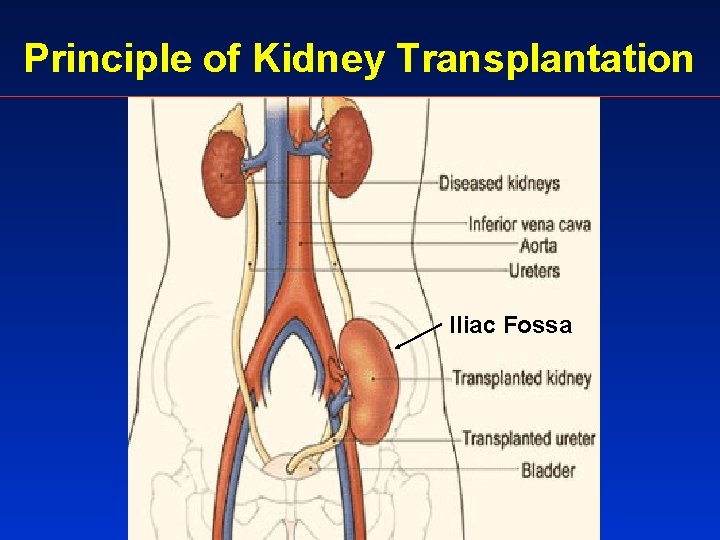
Principle of Kidney Transplantation Iliac Fossa
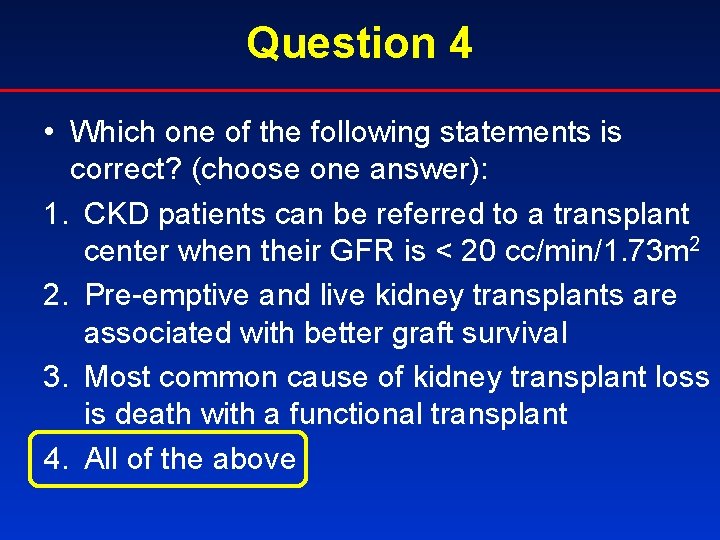
Question 4 • Which one of the following statements is correct? (choose one answer): 1. CKD patients can be referred to a transplant center when their GFR is < 20 cc/min/1. 73 m 2 2. Pre-emptive and live kidney transplants are associated with better graft survival 3. Most common cause of kidney transplant loss is death with a functional transplant 4. All of the above
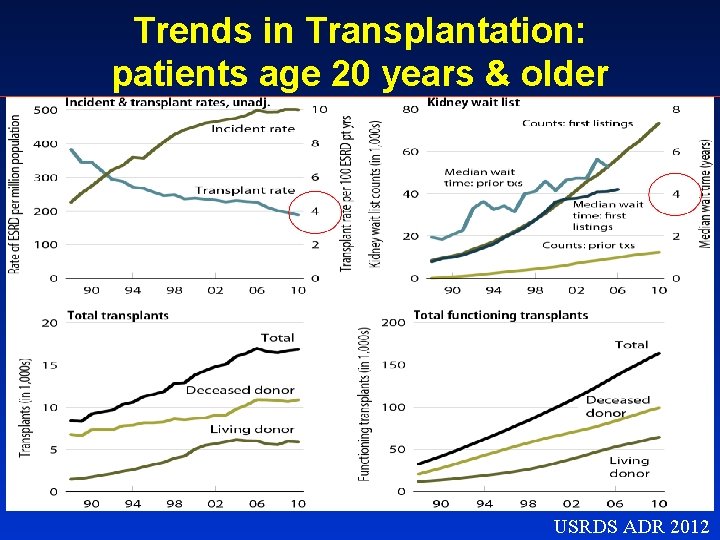
Trends in Transplantation: patients age 20 years & older USRDS ADR 2012
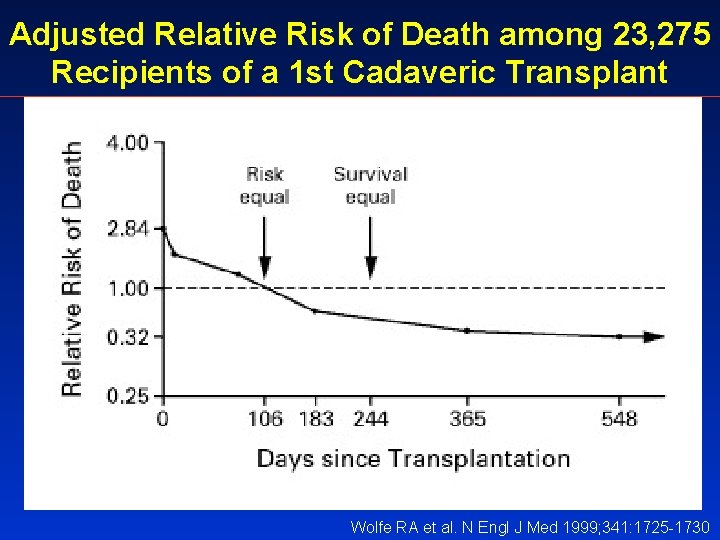
Adjusted Relative Risk of Death among 23, 275 Recipients of a 1 st Cadaveric Transplant Wolfe RA et al. N Engl J Med 1999; 341: 1725 -1730
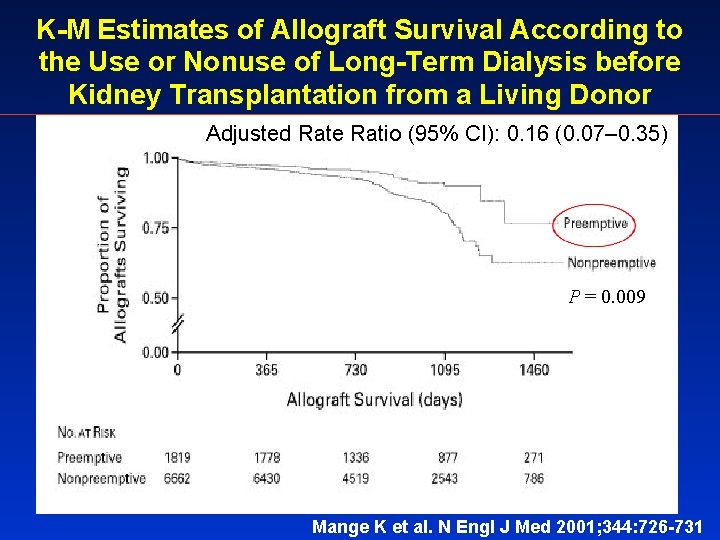
K-M Estimates of Allograft Survival According to the Use or Nonuse of Long-Term Dialysis before Kidney Transplantation from a Living Donor Adjusted Rate Ratio (95% CI): 0. 16 (0. 07– 0. 35) P = 0. 009 Mange K et al. N Engl J Med 2001; 344: 726 -731
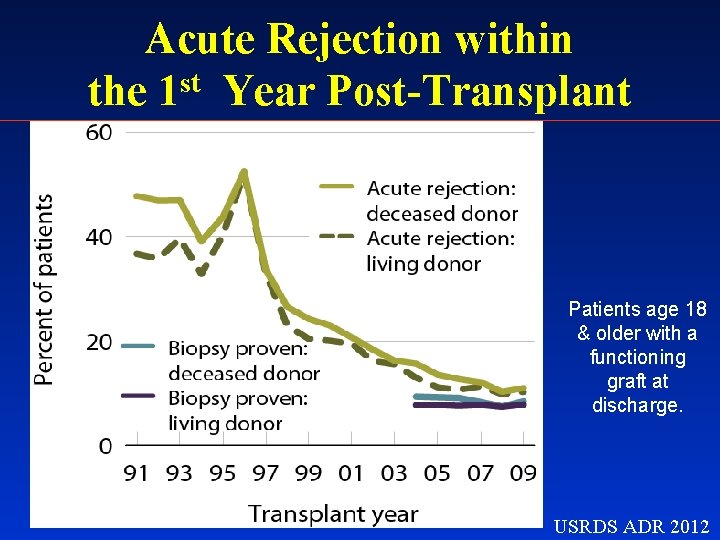
Acute Rejection within the 1 st Year Post-Transplant Patients age 18 & older with a functioning graft at discharge. USRDS ADR 2012
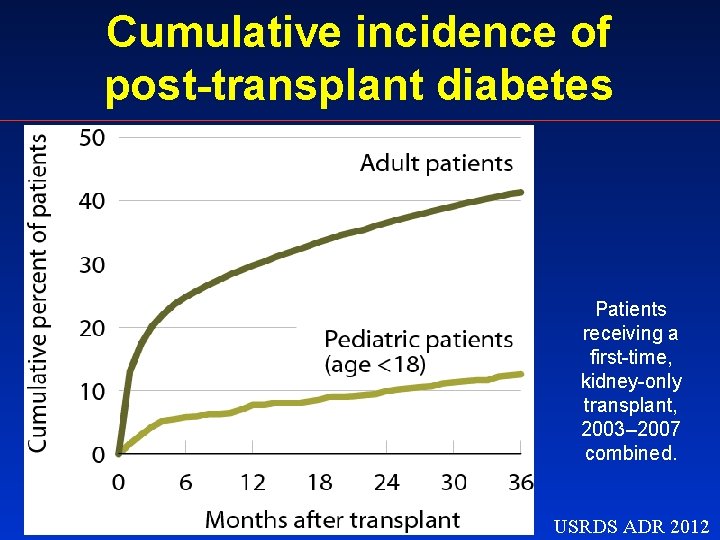
Cumulative incidence of post-transplant diabetes Patients receiving a first-time, kidney-only transplant, 2003– 2007 combined. USRDS ADR 2012
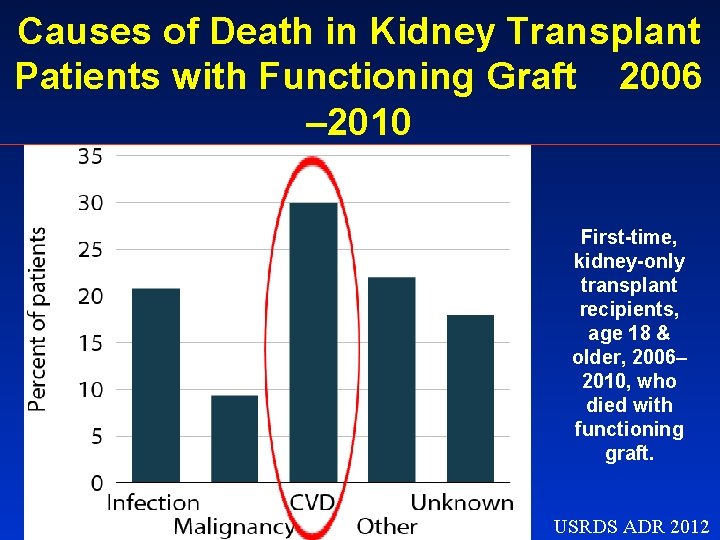
Causes of Death in Kidney Transplant Patients with Functioning Graft 2006 – 2010 First-time, kidney-only transplant recipients, age 18 & older, 2006– 2010, who died with functioning graft. USRDS ADR 2012
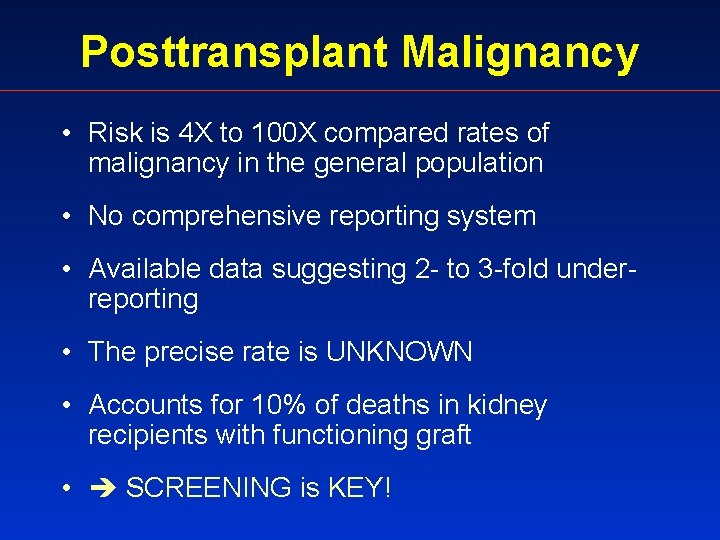
Posttransplant Malignancy • Risk is 4 X to 100 X compared rates of malignancy in the general population • No comprehensive reporting system • Available data suggesting 2 - to 3 -fold underreporting • The precise rate is UNKNOWN • Accounts for 10% of deaths in kidney recipients with functioning graft • SCREENING is KEY!
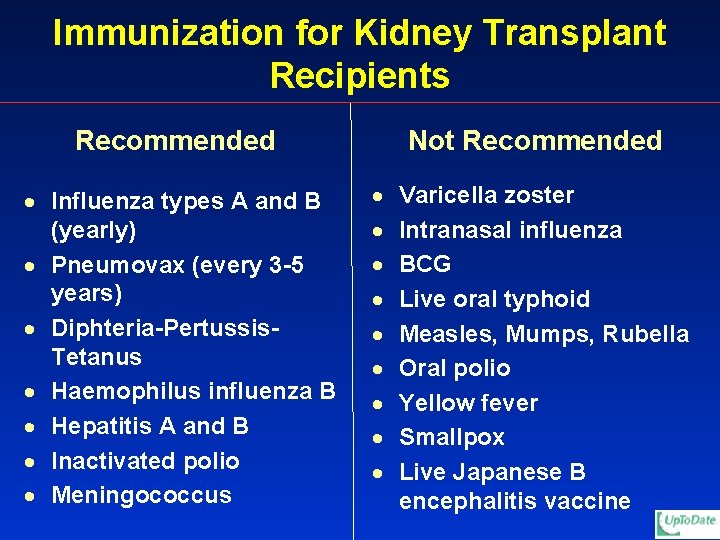
Immunization for Kidney Transplant Recipients Recommended · Influenza types A and B (yearly) · Pneumovax (every 3 -5 years) · Diphteria-Pertussis. Tetanus · Haemophilus influenza B · Hepatitis A and B · Inactivated polio · Meningococcus Not Recommended · · · · · Varicella zoster Intranasal influenza BCG Live oral typhoid Measles, Mumps, Rubella Oral polio Yellow fever Smallpox Live Japanese B encephalitis vaccine
Key Concepts (I) • Kidney transplantation is the most costeffective modality of renal replacement • Transplanted patients have a longer life and better quality of life • Early transplantation (before [pre-emptive] or within 1 year of dialysis initiation) yields the best results • Living donor kidney outcomes are superior to deceased donor kidney outcomes
Key Concepts (2) • Early transplantation is more likely to occur in patients that are referred early to nephrologists • Refer for transplant evaluation when e. GFR < 20 cc/min/1. 73 m 2 • Success of transplantation results from a delicate balance between the suppression of the immune system to prevent rejection and the long-term side-effects of immunosuppression
Key Concepts (3) • The most common cause of transplant loss is death with a functional transplant due to – Heart disease +++ – Infections – Malignancies • Immunosuppressants are essential to prevent immunological loss of the transplant but side effects can also lead to transplant loss
What are the Costs of the Different Renal Replacement Therapy Modalities?
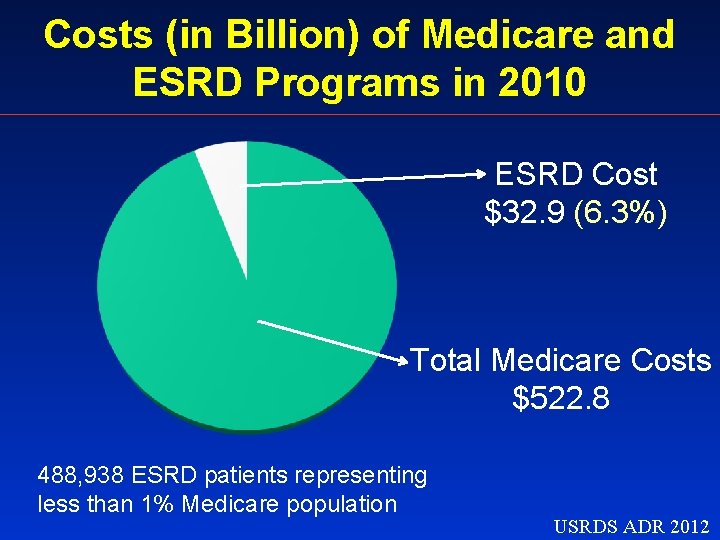
Costs (in Billion) of Medicare and ESRD Programs in 2010 ESRD Cost $32. 9 (6. 3%) Total Medicare Costs $522. 8 488, 938 ESRD patients representing less than 1% Medicare population USRDS ADR 2012
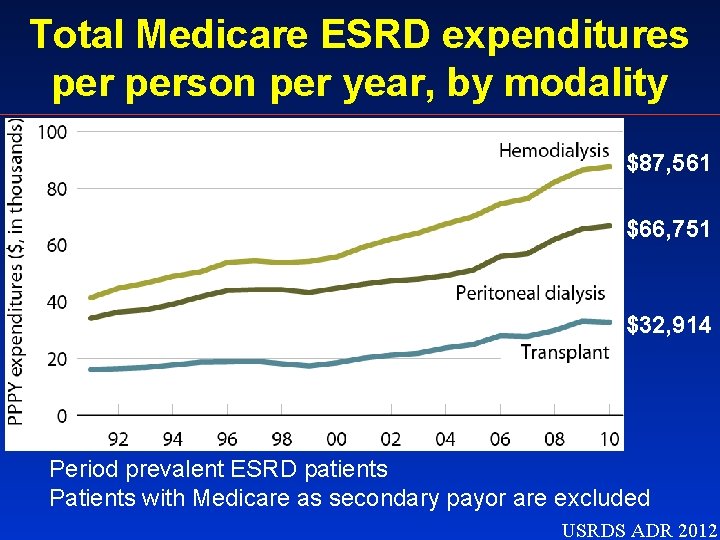
Total Medicare ESRD expenditures person per year, by modality $87, 561 $66, 751 $32, 914 Period prevalent ESRD patients Patients with Medicare as secondary payor are excluded USRDS ADR 2012
What About No Renal Replacement Therapy Option?
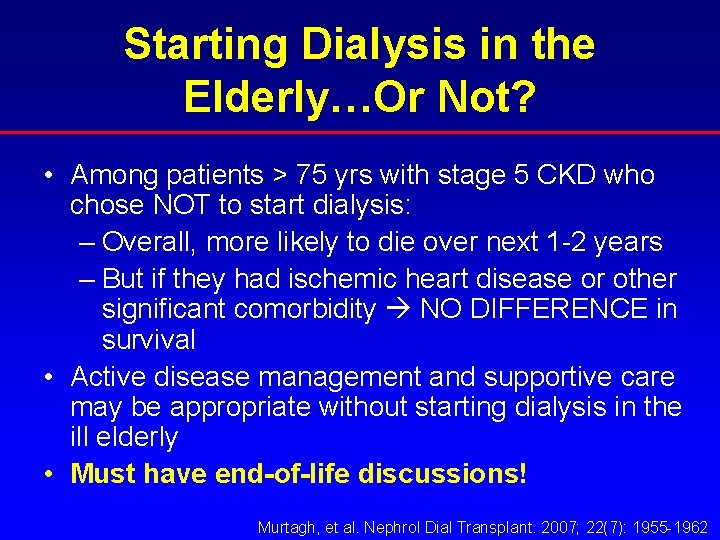
Starting Dialysis in the Elderly…Or Not? • Among patients > 75 yrs with stage 5 CKD who chose NOT to start dialysis: – Overall, more likely to die over next 1 -2 years – But if they had ischemic heart disease or other significant comorbidity NO DIFFERENCE in survival • Active disease management and supportive care may be appropriate without starting dialysis in the ill elderly • Must have end-of-life discussions! Murtagh, et al. Nephrol Dial Transplant. 2007; 22(7): 1955 -1962
The Future …
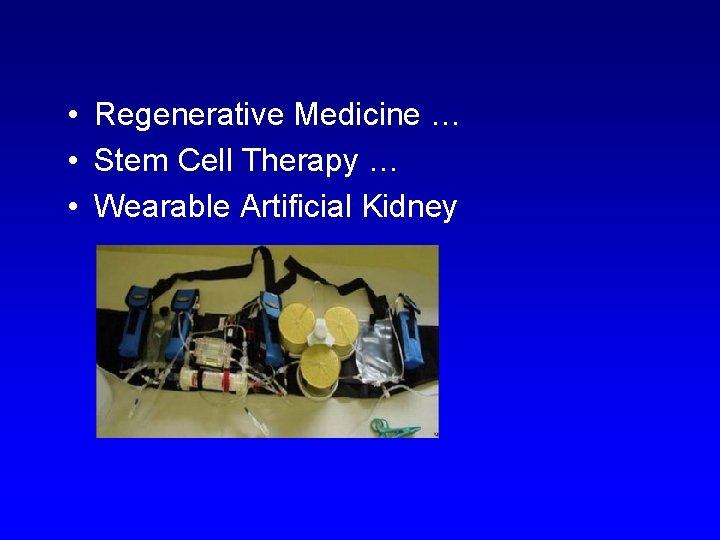
• Regenerative Medicine … • Stem Cell Therapy … • Wearable Artificial Kidney
Thank You ! QUESTIONS?