
Remember At fixed pressure and temperature the equilibrium
Remember ● ● ● At fixed pressure and temperature the equilibrium state has the lowest possible Gibbs free energy G=U+PV-TS Phase transitions occur because of the competition between internal energy and entropy. Usually, low (high) temperatures favour states with low (high) internal energy and low (high) entropy. First order phase transitions are associated with discontinuities in S (latent heat) and V.
Two state equilibrium ● ● ● Its ``all’’ or ``nothing’’ The crudest possible model for denaturation of proteins and DNA See hand-written notes.
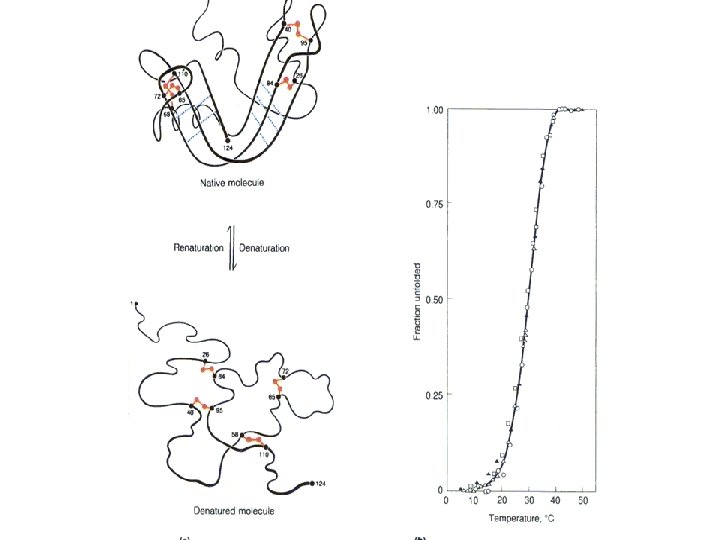

Phase transitions in biopolymers ● ● Denaturation (unfolding) of proteins Unzipping (melting, duplex disassociation) DNA Also called ``helix-coil’’ transitions. These transitions can be induced by changes in temperature, pressure, p. H, ion concentration, and solvent.
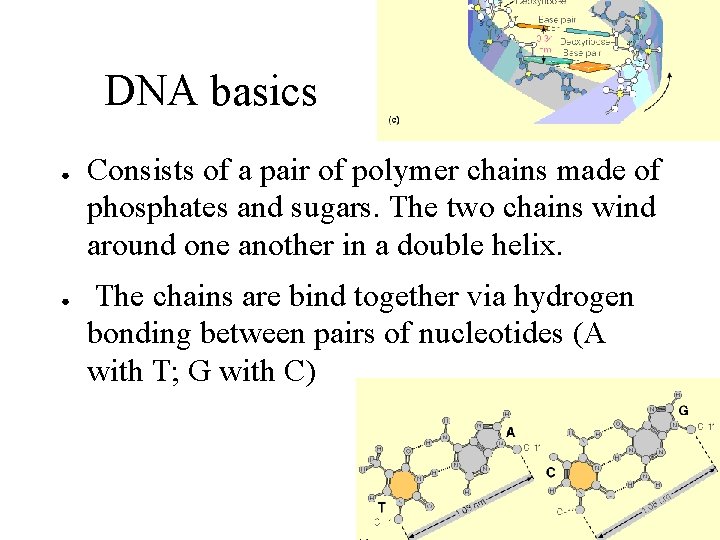
DNA basics ● ● Consists of a pair of polymer chains made of phosphates and sugars. The two chains wind around one another in a double helix. The chains are bind together via hydrogen bonding between pairs of nucleotides (A with T; G with C)

Melting DNA ● ● ● The two strands unbind (unzip) as the temperature is increased above the ``melting’’ temperature, Tm Tm depends on the exact base pair sequence. The two strands rebind when the temperature is decreased below Tm This process is crucial to the PCR technique which is the basis of the biotechnology revolution. A similar process is involved in the replication of DNA within cells.
Polymerase chain reaction (PCR) ● ● ● is a molecular biology technique for using enzymes to replicate DNA. it allows a small amount of the DNA molecule to be amplified many times. With more DNA available, analysis is made much easier. PCR is used in detection of hereditary diseases, identification of genetic fingerprints, diagnosis of infectious diseases, cloning of genes, paternity testing, and DNA computing.
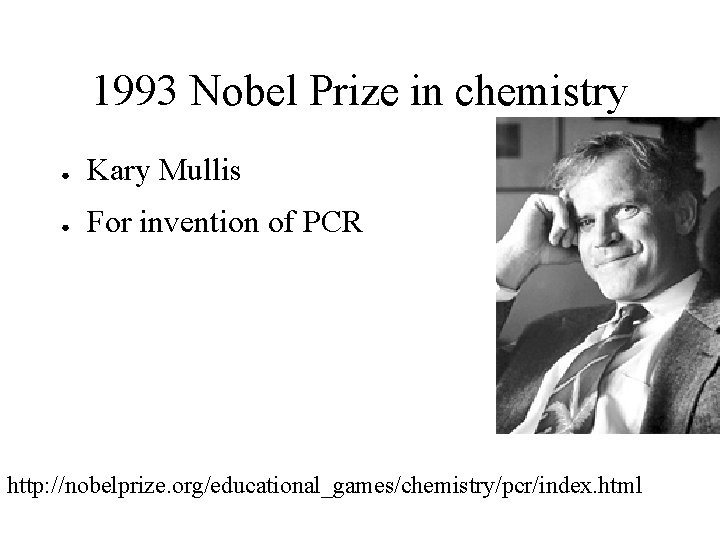
1993 Nobel Prize in chemistry ● Kary Mullis ● For invention of PCR http: //nobelprize. org/educational_games/chemistry/pcr/index. html

Heat capacity versus temperature Chalikian, et al. (1999) Proc. Natl. Acad. Sci. USA 96, 7853
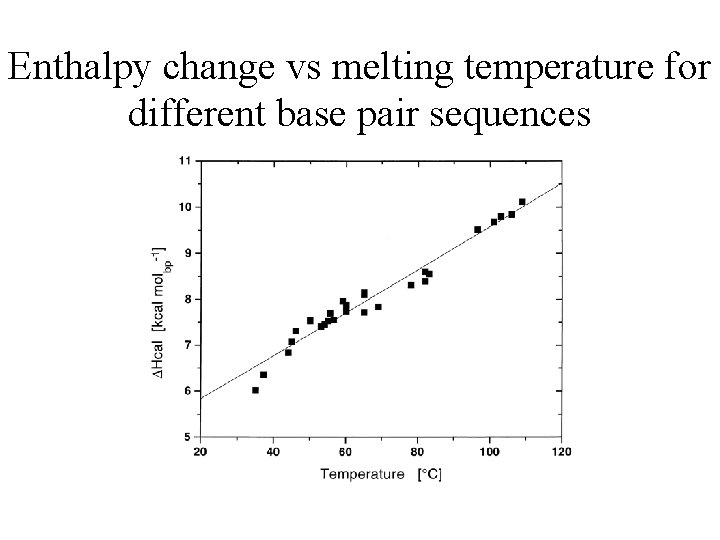
Enthalpy change vs melting temperature for different base pair sequences
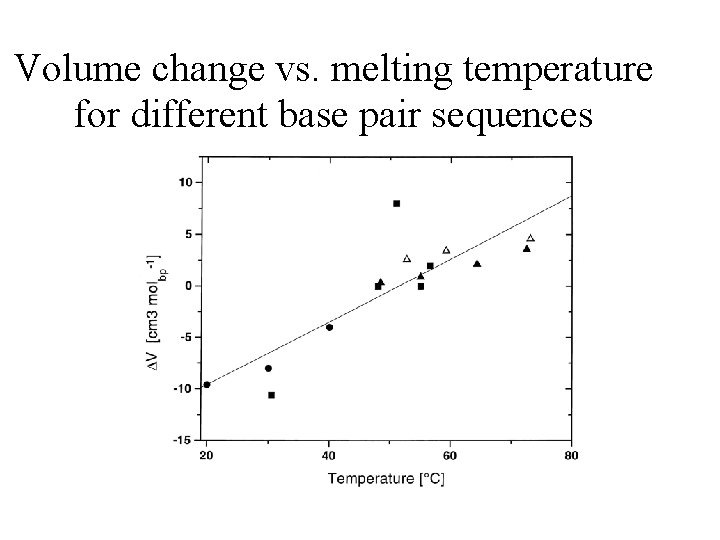
Volume change vs. melting temperature for different base pair sequences
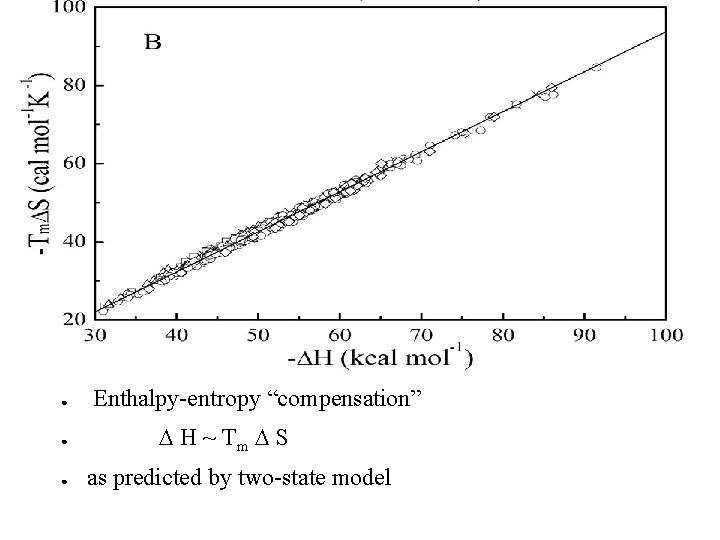
● ● ● Enthalpy-entropy “compensation” H ~ Tm S as predicted by two-state model
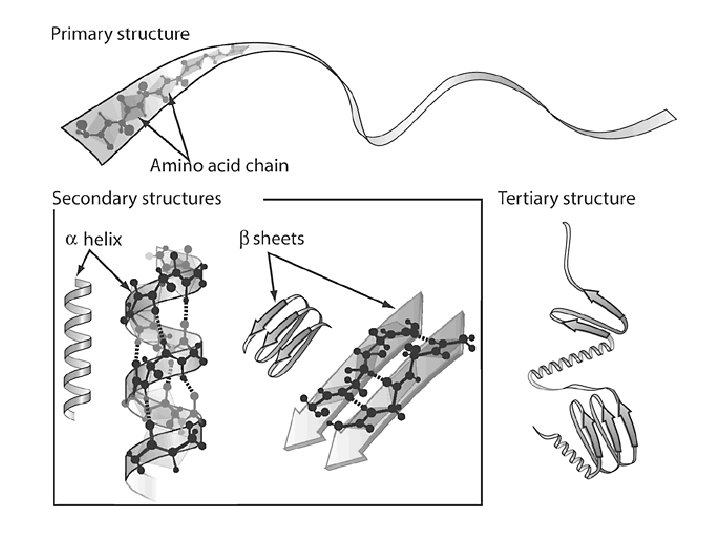
Protein folding basics ● ● ● Proteins are polymers which consist of linear chains of amino acids Each protein has a unique amino acid sequence which determines the unique conformation (quarternary structure) required for the protein to function. Understanding how and why proteins fold is one of the greatest and most important challenges in science today.
Protein primer (non-examinable) ● 1. Proteins are biopolymers (called polypeptides) of L-amino acids. ● 2. Amino acids in proteins are joined to each other via peptide bonds. ● ● ● 3. Only L-amino acids are used to make proteins (rare exceptions of proteins in bacterial cell wall, which contain some D-amino acids) 4. Process of combining amino acids to make proteins is called translation. 5. Translation relies on the genetic code, in which three nucleotides in m. RNA specify one amino acid in protein. 6. The order or sequence of amino acids distinguishes different proteins from each other. The sequence uniqely determines the 3 -dimensional shape of the protein. Alterations to the sequence changes the 3 D shape. 7. The difference between a polypeptide and a protein is that the term polypeptide refers simply to a chain of amino acids. The term protein refers to the chain of amino acids after it folds properly and is (in some cases) modified. Proteins may consist of more than one polypeptide chain. 8. Proteins are the "workhorses" of the cell. They do many things - catalyze reactions, provide structural integrity, transport molecules, provide movement, bind molecules.

Protein mis-folding (prions)
Who cares?
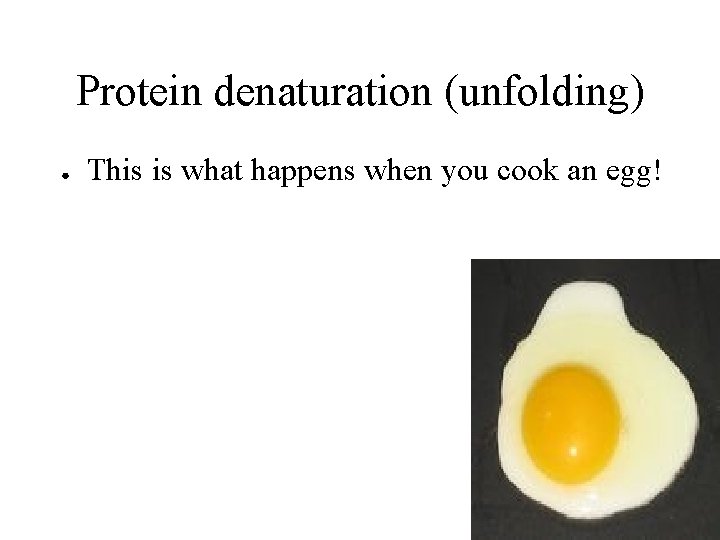
Protein denaturation (unfolding) ● This is what happens when you cook an egg!
Three states of a protein ● ● ● 1. Unfolded. Structure of chain is completely flexible All amino acid side chains are fully exposed to the solvent 2. Molten globule Non-polar amino acids tend to be clustered in centre of protein to reduce contact with the solvent 3. Folded Single well –defined conformation of peptide that maximises hydrogen-bonding and van der Waals interactions within the molecule.
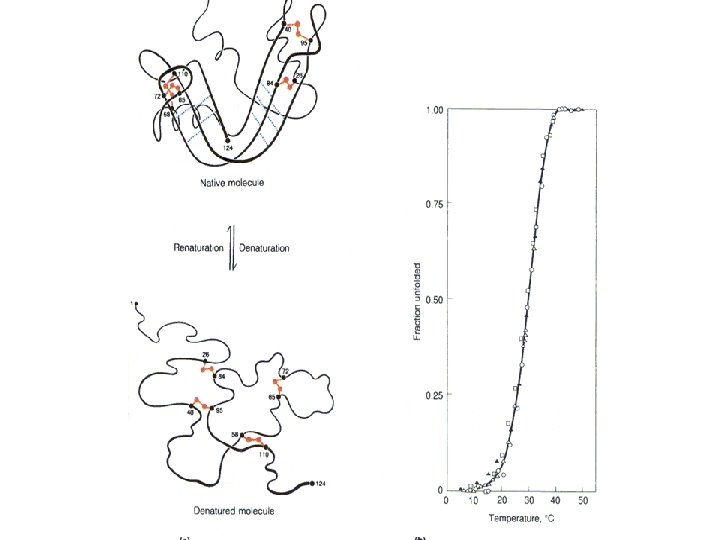

Protein ``phase diagram’’

Summary
- Slides: 22