
Remaking Occupational Education Stackable Credentials A Modular Approach
Remaking Occupational Education Stackable Credentials: A Modular Approach to Competency Building Prepared by K. Trzaska Dean of Instruction, Gogebic Community College
Defining Credentials “Credentials” is an umbrella term that includes degrees, diplomas, certificates, badges, professional/ industry certifications, apprenticeships and licenses. Credentials vary in the awarding organization, the standards on which the award is based, and the rigor and type of assessment and validation processes used to attest to the skills, knowledge, and abilities people possess.
U. S. Department of Labor Definition of Stackable Credentials “Part of a sequence of credentials that can be accumulated over time to build up an individual’s qualifications and help them to move along a career pathway or up a career ladder to different and potentially higherpaying jobs. ” “Scalable academic pathway structures that aim to align through flexibility and broad accessibility with stakeholder needs. ” - My take on a definition
#1 #4 Core #3 #2
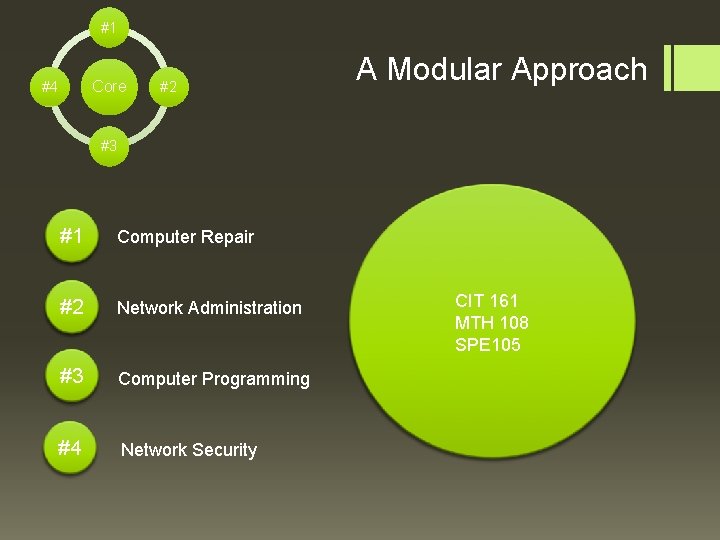
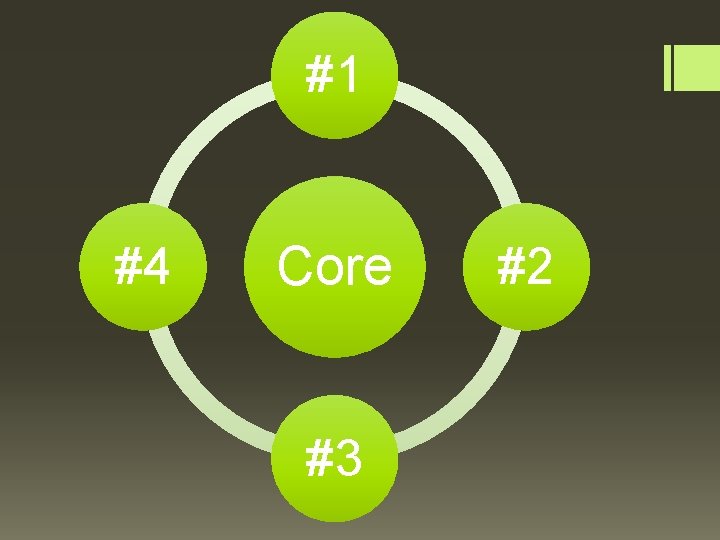
#1 Core #4 #2 A Modular Approach #3 #1 Computer Repair #2 Network Administration #3 Computer Programming #4 Network Security CIT 161 MTH 108 SPE 105
Components to Consider 1. With stackable credentialing, credits count toward certificates and degrees. • For example, in theory, a student could walk away from GCC with four certificates and one AAS degree (over, say, 3 years; multiple pathways would exist) 2. Flexible access • For example, students may start with #1, be gainfully employed, return for #3 to gain a promotion, etc. • Consider virtual content options (welding, automotive) 3. Alignment between local/regional workforce & GCC becomes more prominent and achievable. 1. Redefining GCC faculty member role, engagement in a new brand of curriculum delivery and access.
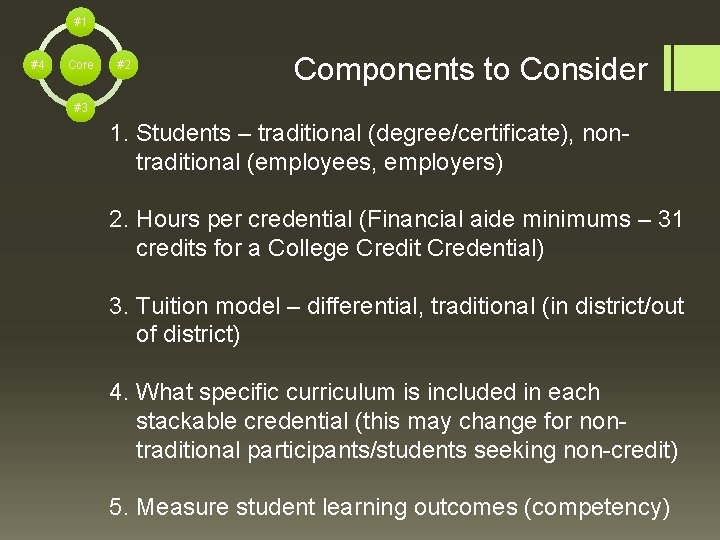
#1 #4 Core #2 Components to Consider #3 1. Students – traditional (degree/certificate), nontraditional (employees, employers) 2. Hours per credential (Financial aide minimums – 31 credits for a College Credit Credential) 3. Tuition model – differential, traditional (in district/out of district) 4. What specific curriculum is included in each stackable credential (this may change for nontraditional participants/students seeking non-credit) 5. Measure student learning outcomes (competency)
Admirable Resources § Remaking College: The Changing Ecology of High Education (Kirst & Stevens) § Higher Education in the Digital Age (Bowen)

Questions?
- Slides: 9