
RELIGION AS A FOUNDATION OF THE AMERICAN REVOLUTION




- Slides: 37
RELIGION AS A FOUNDATION OF THE AMERICAN REVOLUTION
Religion played a major role in the revolution by offering a moral sanction for opposition to the British; ministers carried the message to all parts of the colonies that resistance to tyranny was a righteous cause.
th 18 By the middle of the century, the colonies were experiencing a great religious revival, now called the “Great Awakening. ” Church attendance boomed with over 80% of the population regularly attending weekly services.
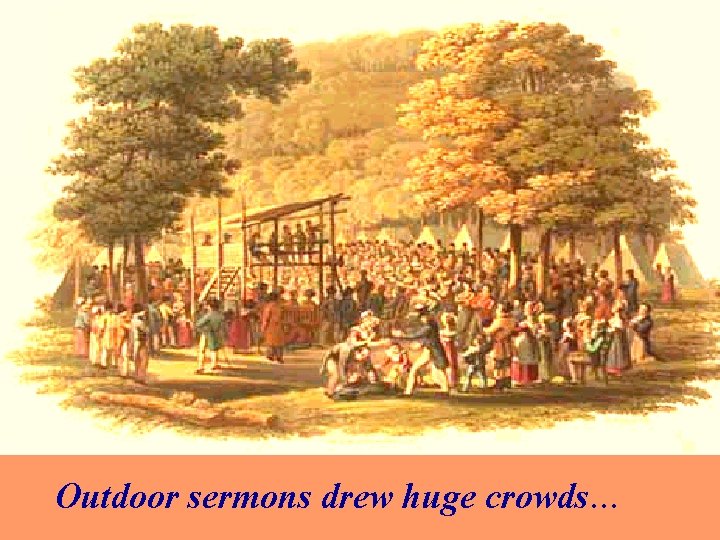
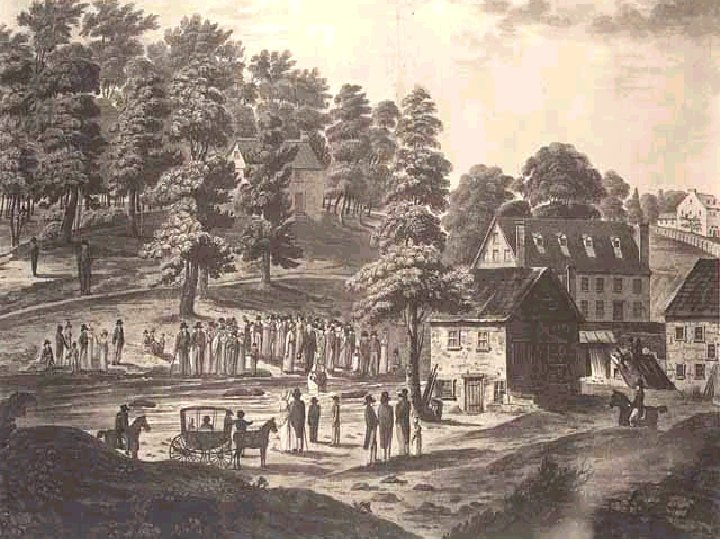
Outdoor sermons drew huge crowds…
A vital part of the “Great Awakening” was the growth of evangelical movements- the belief that individuals needed to feel a “re-birth” in their faith. Evangelical groups like the Baptists, Methodists, and Presbyterians became the fastest-growing denominations.
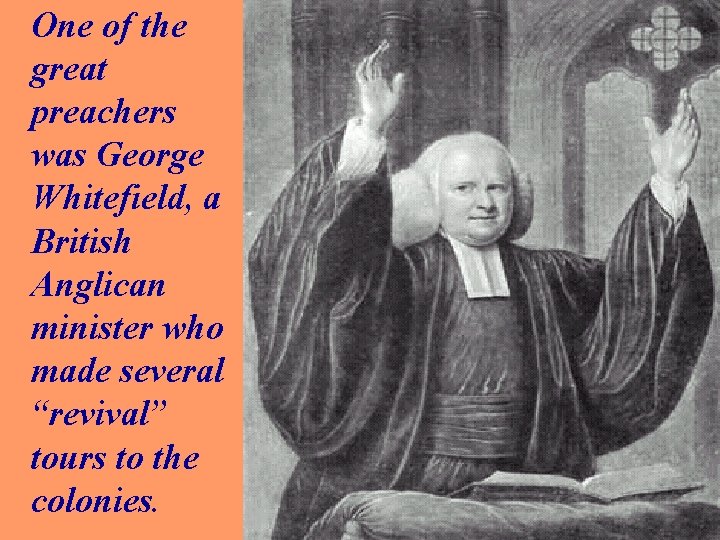
One of the great preachers was George Whitefield, a British Anglican minister who made several “revival” tours to the colonies.
Whitefield used this portable pulpit for open-air preaching because the crowds were too large to fit into local church buildings. New England revivals were soon carried into the southern colonies.
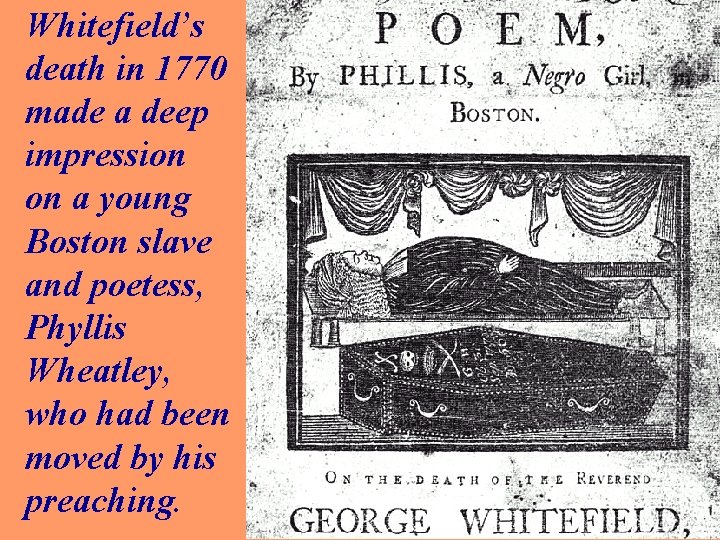
Whitefield’s death in 1770 made a deep impression on a young Boston slave and poetess, Phyllis Wheatley, who had been moved by his preaching.
Other evangelical preachers, such as Methodist John Wesley and Congregationalist Jonathan Edwards published volumes of sermons alongside the writings of numerous hymns, such as those by Isaac Watts.
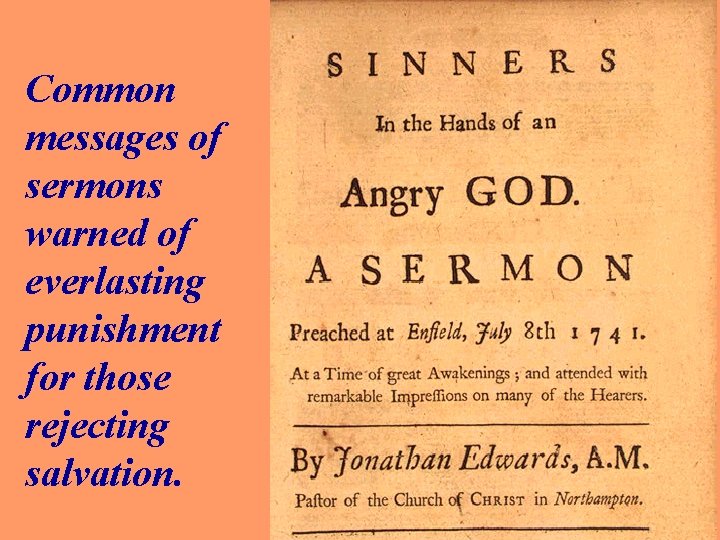
Common messages of sermons warned of everlasting punishment for those rejecting salvation.
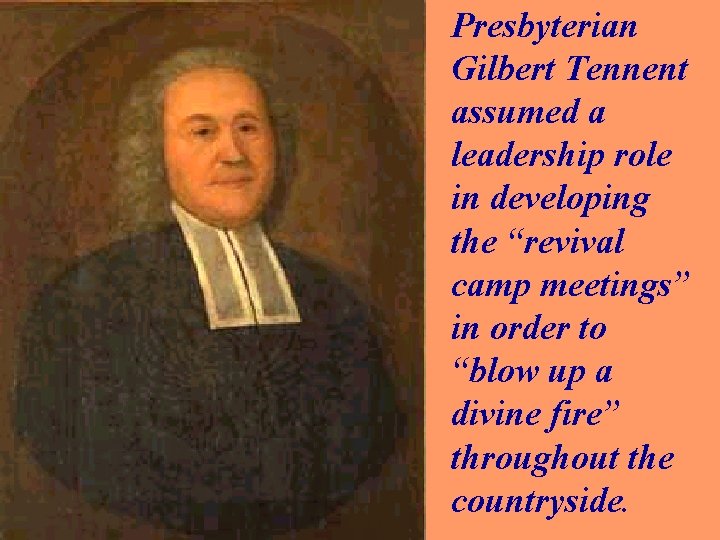
Presbyterian Gilbert Tennent assumed a leadership role in developing the “revival camp meetings” in order to “blow up a divine fire” throughout the countryside.
Baptists grew in strength in the south and west, differing from other Protestant groups by offering baptism by immersion only to those undergoing a conversion experience.
Out of the growing idea that individuals could relate directly to the Supreme Being came the idea that individuals were also capable of determining their own futures and making their own decisions, without the authority of a king.
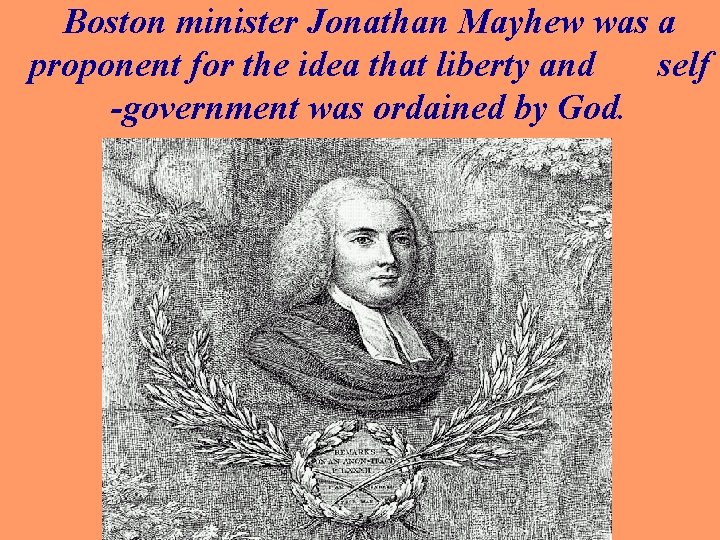
Boston minister Jonathan Mayhew was a proponent for the idea that liberty and self -government was ordained by God.
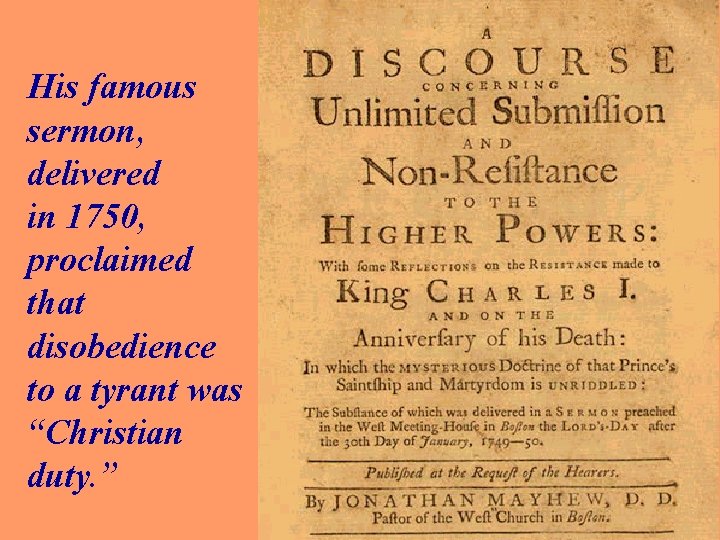
His famous sermon, delivered in 1750, proclaimed that disobedience to a tyrant was “Christian duty. ”
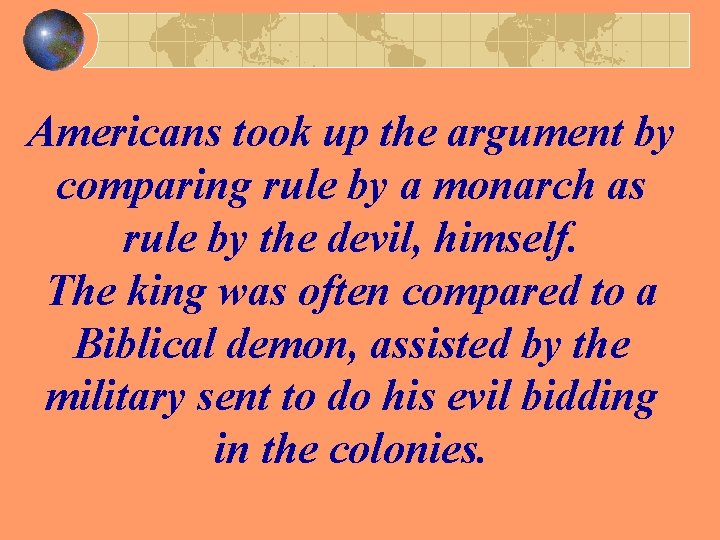
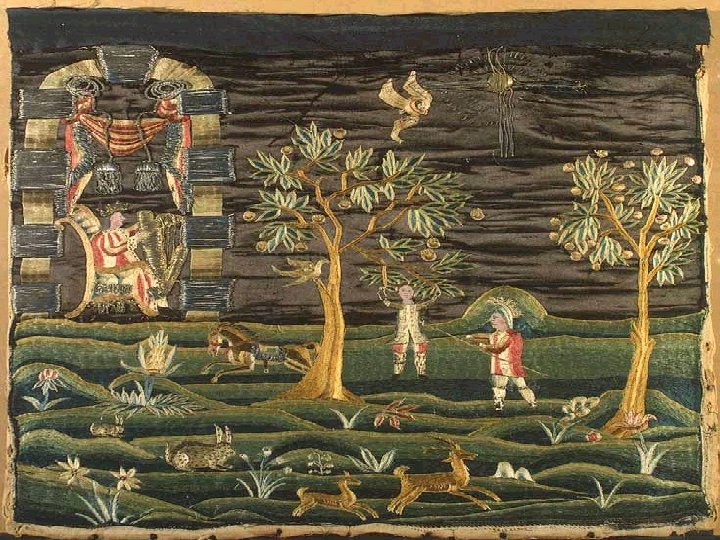
Americans took up the argument by comparing rule by a monarch as rule by the devil, himself. The king was often compared to a Biblical demon, assisted by the military sent to do his evil bidding in the colonies.
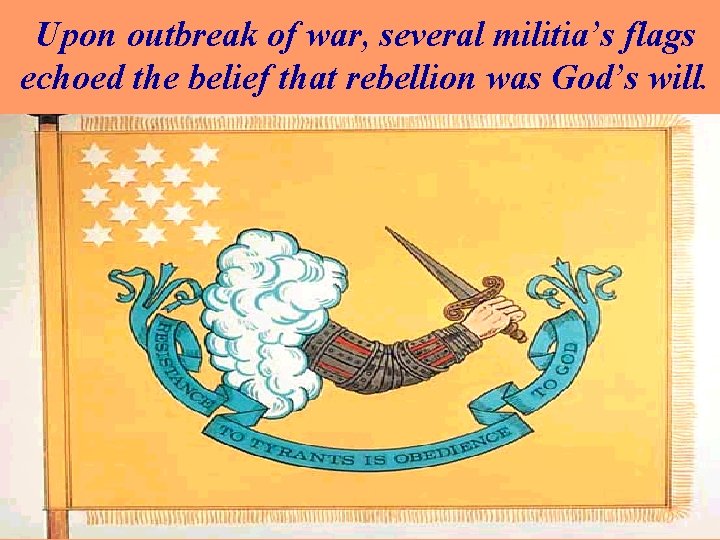
Upon outbreak of war, several militia’s flags echoed the belief that rebellion was God’s will.
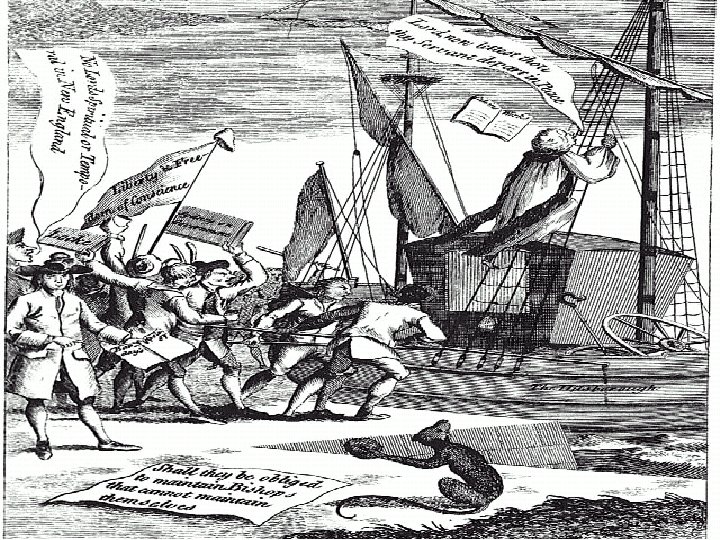
Newspapers rallied around the religious nature of the revolution… Upon announcement that the king would appoint new British Anglican bishops to American churches, editorials and cartoons reflected public resistance.
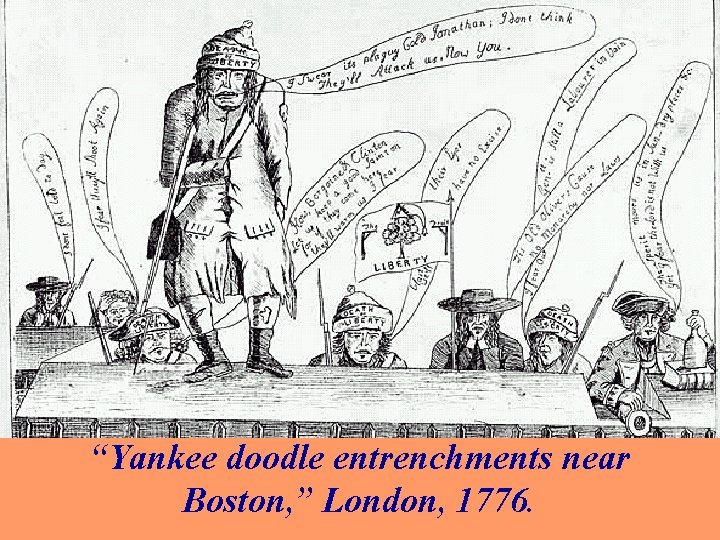
Likewise, British newspapers saw the American revolution as nothing but a rag-tag bunch of farmers, encouraged by radical ministers from America’s dissenting religious groups.
“Yankee doodle entrenchments near Boston, ” London, 1776.
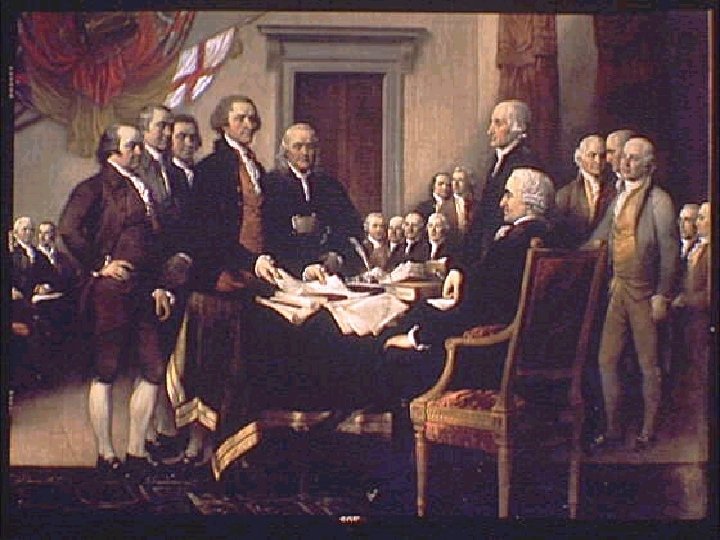
The governing body during the war, the Continental Congress, representing the confederation of colonies actively supported religious activity…
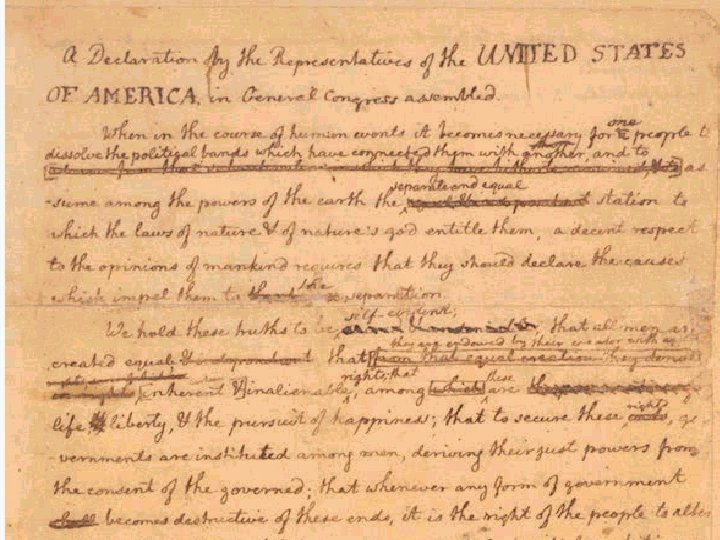
Primary author of the Declaration of Independence, Thomas Jefferson, made reference to God as the source of man’s liberties; “that all men are created equal. . endowed by their Creator with certain inalienable rights. ”
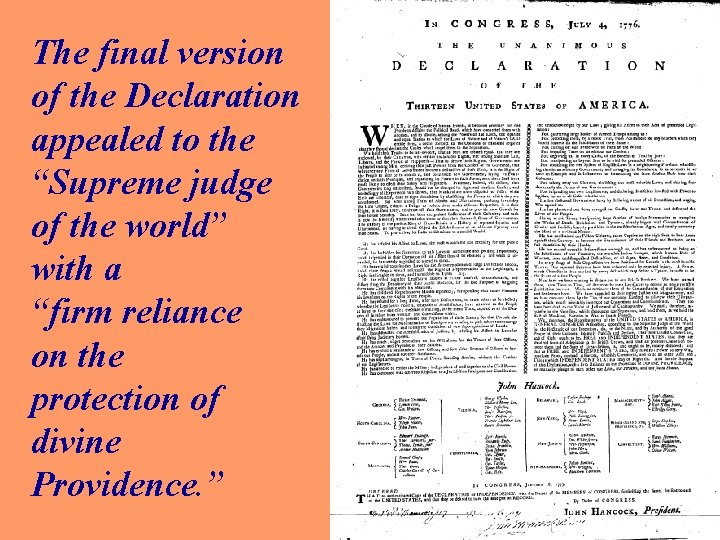
The final version of the Declaration appealed to the “Supreme judge of the world” with a “firm reliance on the protection of divine Providence. ”
The Continental Congress, the legislative body governing the loose union of colonies between 1774 and 1789, contained several deeply religious men who made a point of encouraging religion in the new nation.
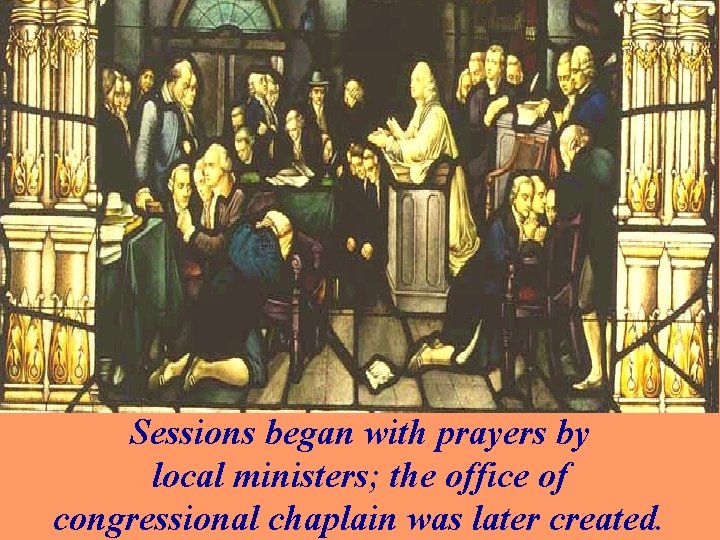
Sessions began with prayers by local ministers; the office of congressional chaplain was later created.
A resolution in 1782 authorized military chaplains to be appointed and paid at the salary of a major in the continental army.
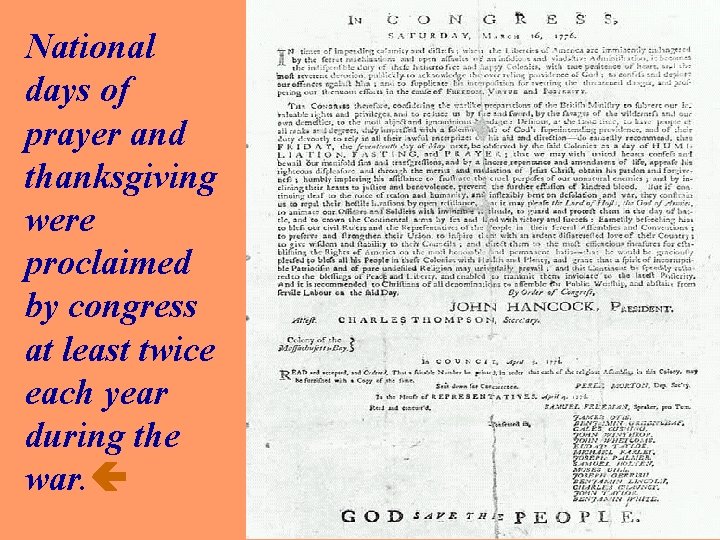
National days of prayer and thanksgiving were proclaimed by congress at least twice each year during the war.
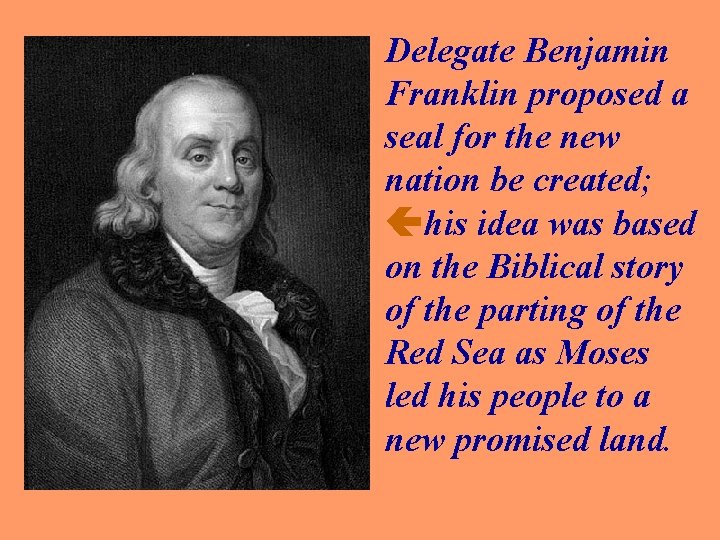
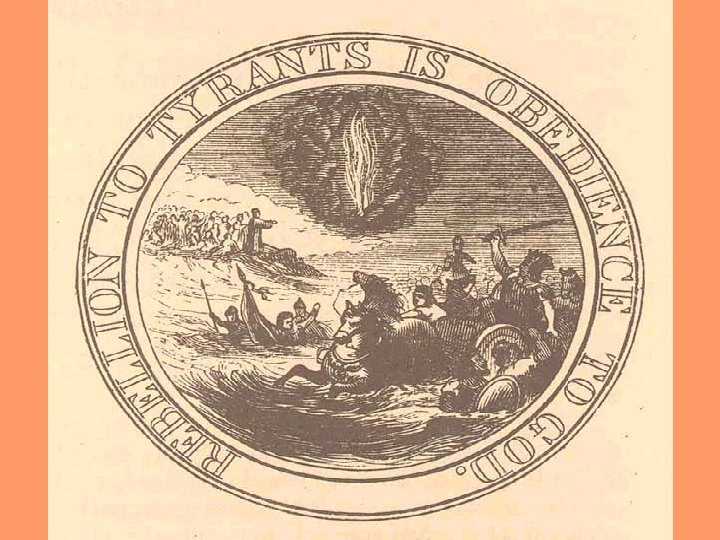
Delegate Benjamin Franklin proposed a seal for the new nation be created; his idea was based on the Biblical story of the parting of the Red Sea as Moses led his people to a new promised land.
Concerned about the moral behavior of troops, congress issued the Articles of War in 1775 which encouraged church attendance by officers, prescribed punishment for troops for acting immorally, and required weekly sermons aboard all naval vessels.
The first national government was convinced that the “public prosperity” of society depended on the growth of religion. Nothing less than a “spirit of universal reformation among our citizens” would “make us a holy, happy people. ”