
Reliable Resources and APA Citation Todays Goals I
Reliable Resources and APA Citation
Today’s Goals: �I can identify the difference between primary and secondary resources. �I can identify the difference between databases and the Internet. �I can find and evaluate resources to determine if they are reliable. �I can create a research paper utilizing APA format with citation. �I can locate, access, and utilize Grove City High School’s online databases.
Types of Resources �Primary Sources �Secondary Sources
Primary Sources �Primary sources: �Original documents that have not be altered in any way. �Primary sources can be: � Conference papers, dissertations, interviews, laboratory notebooks, patents, a study reported in a journal article, a survey reported in a journal article, and technical reports. � Example: Article in scholarly journal reporting research and methodology. Source: The Evolution of Scientific Information (from Encyclopedia of Library and Information Science, vol. 26). http: //library. albany. edu/usered/dr/prisci. html

Secondary Sources �Secondary Sources: �Sources that contain commentary on or a discussion about a primary source. �Secondary Sources can be: � Review articles, magazine articles, and books � Example: Articles analyzing and commenting on the results of original research; books doing the same Source: The Evolution of Scientific Information (from Encyclopedia of Library and Information Science, vol. 26). http: //library. albany. edu/usered/dr/prisci. html
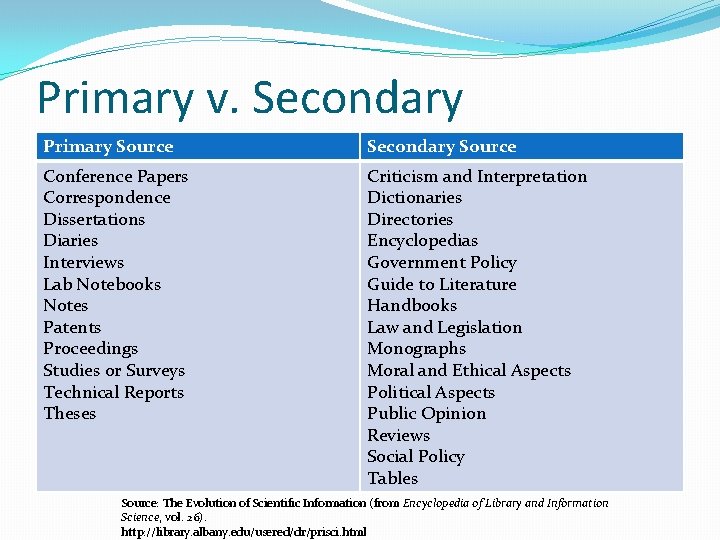
Primary v. Secondary Primary Source Secondary Source Conference Papers Correspondence Dissertations Diaries Interviews Lab Notebooks Notes Patents Proceedings Studies or Surveys Technical Reports Theses Criticism and Interpretation Dictionaries Directories Encyclopedias Government Policy Guide to Literature Handbooks Law and Legislation Monographs Moral and Ethical Aspects Political Aspects Public Opinion Reviews Social Policy Tables Source: The Evolution of Scientific Information (from Encyclopedia of Library and Information Science, vol. 26). http: //library. albany. edu/usered/dr/prisci. html

Databases v. Internet �Do you know the difference between databases and the Internet?
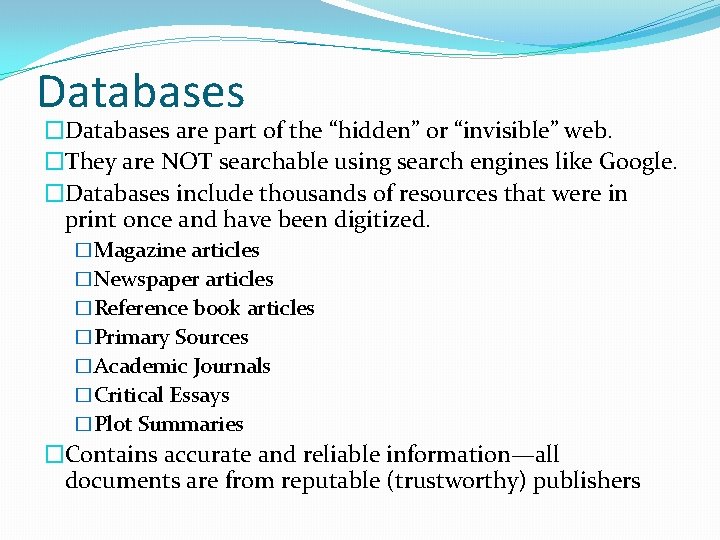
Databases �Databases are part of the “hidden” or “invisible” web. �They are NOT searchable using search engines like Google. �Databases include thousands of resources that were in print once and have been digitized. �Magazine articles �Newspaper articles �Reference book articles �Primary Sources �Academic Journals �Critical Essays �Plot Summaries �Contains accurate and reliable information—all documents are from reputable (trustworthy) publishers

The Internet �Includes websites for entertainment, shopping, opinions, and research �Does NOT have “quality control” (anyone anywhere can create a webpage and put anything on it. ). �Can contain outdated information. �Does NOT provide free access to everything (may be able to find scholarly articles, but only access them if paid for) �Can be searched using search engines (Google, Yahoo, Bing) �Does NOT have everything. (Books and other items may still be under copyright, preventing their appearance online)
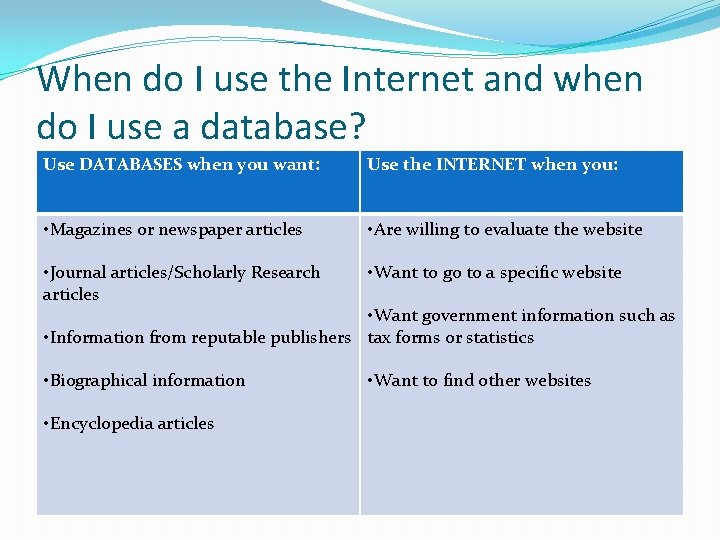
When do I use the Internet and when do I use a database? Use DATABASES when you want: Use the INTERNET when you: • Magazines or newspaper articles • Are willing to evaluate the website • Journal articles/Scholarly Research articles • Want to go to a specific website • Biographical information • Want to find other websites • Want government information such as • Information from reputable publishers tax forms or statistics • Encyclopedia articles

Reliable Resources �How do you know if a source is reliable? �Before you decide if a website is reliable, there a number questions you should ask yourself. �The C. A. R. S. Checklist will help you decide if the source you are using is reliable. �C. A. R. S. stands for: � Credibility � Accuracy � Reasonableness � Support

Credibility �A source that is created by a person or organization who knows the subject and who cares about its quality �Ask yourself: �Who wrote/created the webpage? �What are the creator/author’s credentials? �What is the domain extension of the document? (. com, . gov, . org, . edu, etc. )
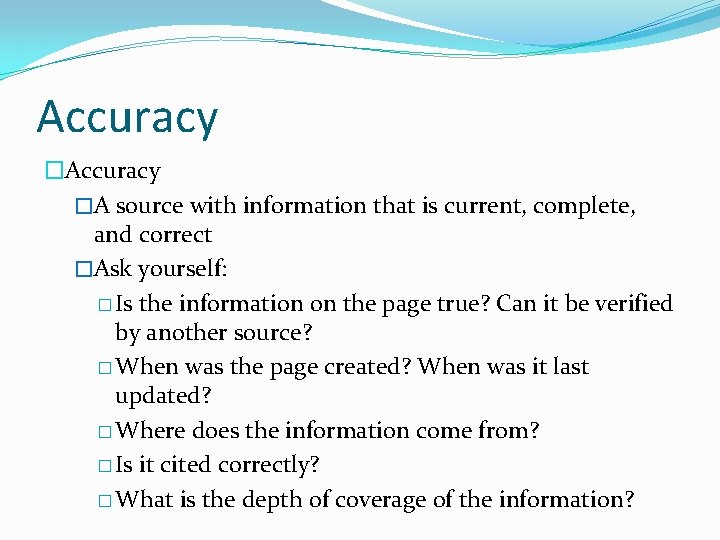
Accuracy �A source with information that is current, complete, and correct �Ask yourself: � Is the information on the page true? Can it be verified by another source? � When was the page created? When was it last updated? � Where does the information come from? � Is it cited correctly? � What is the depth of coverage of the information?
Reasonableness �A source that is truthful and unbiased �Ask yourself: �Is the document objective or is the information biased in some way? �Why did the creator/author create the webpage? �Is the purpose to entertain, inform, present research, advertise, sway opinion, or sell something?
Support �A source with verifiable sources of information �Ask yourself: �Can you contact the webpage(s) creator/author? �Does the site have links to relevant external websites and do the links work? �Are the sources listed? Can they be checked?

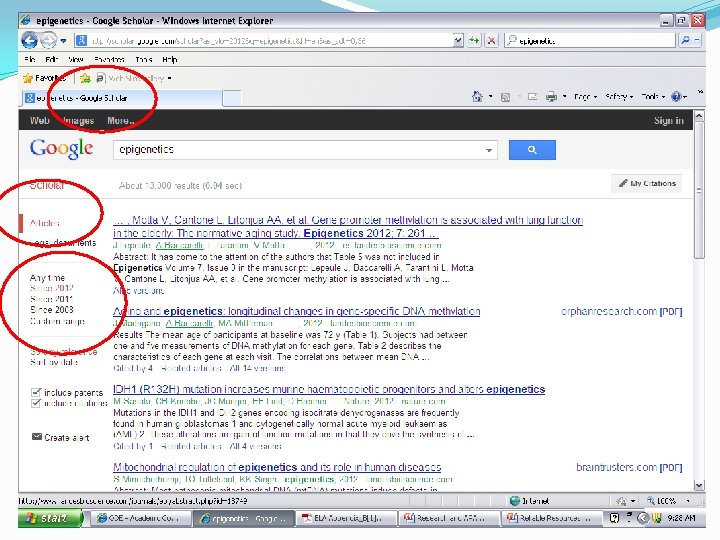
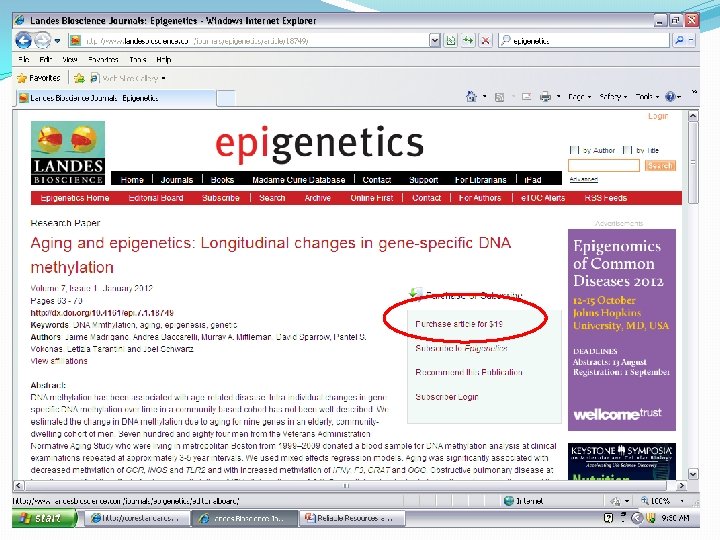
APA Paper Format �General guidelines �In-text citation

APA Citation Sheet
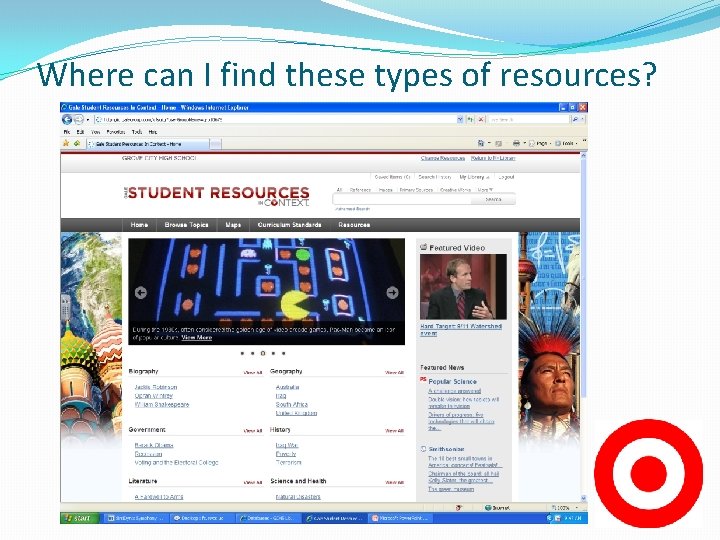
Where can I find these types of resources?

How do I get there? � 1. At school: look on your desktop and there is a shortcut. � 2. The library website: https: //sites. google. com/a/gchs. gapps. swcs. us/gchslibrary
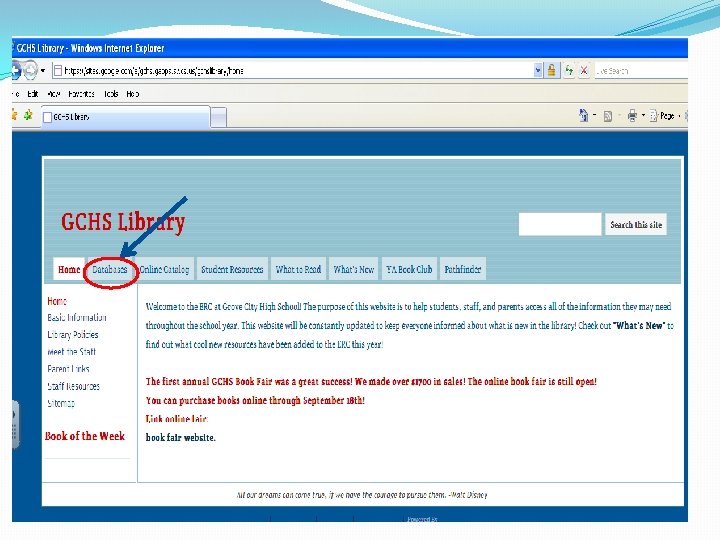
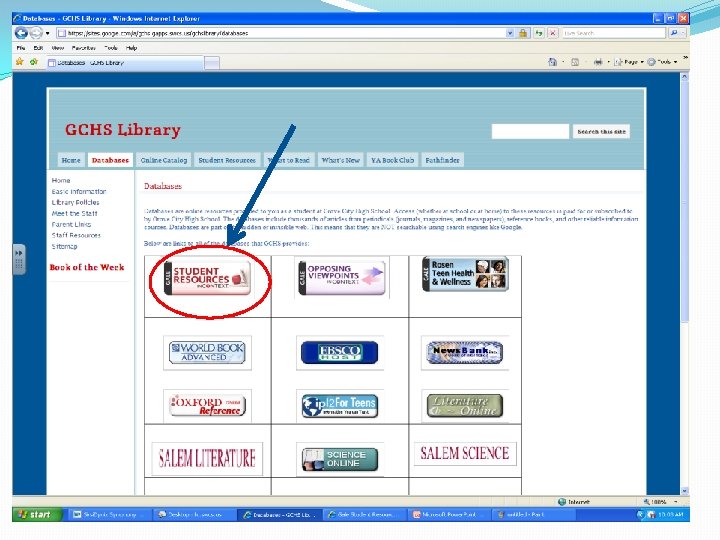
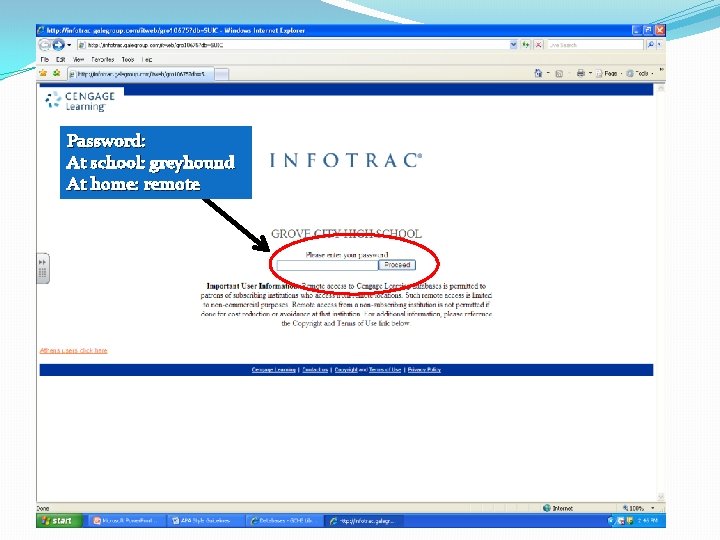
Password: At school: greyhound At home: remote
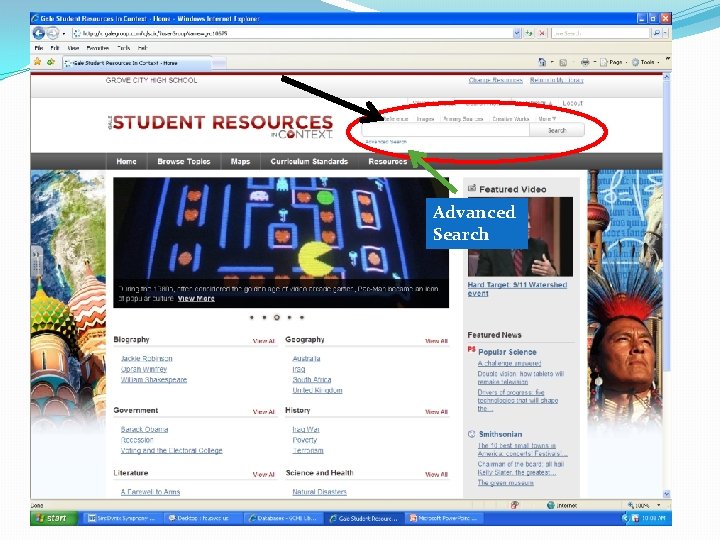
Advanced Search

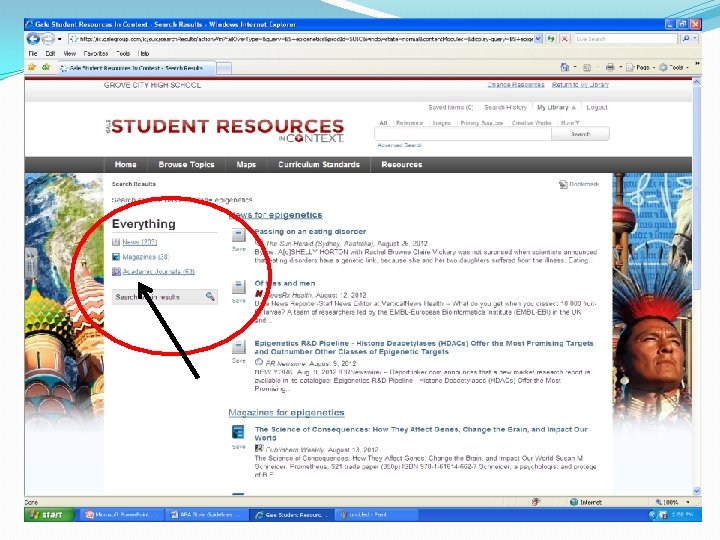
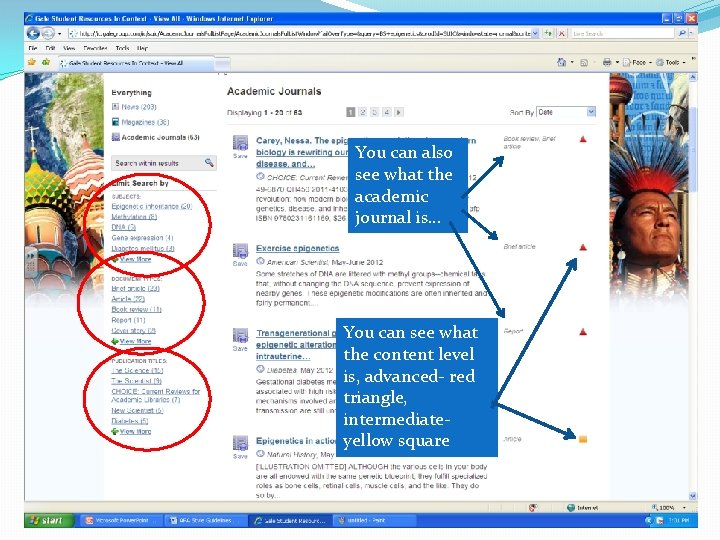
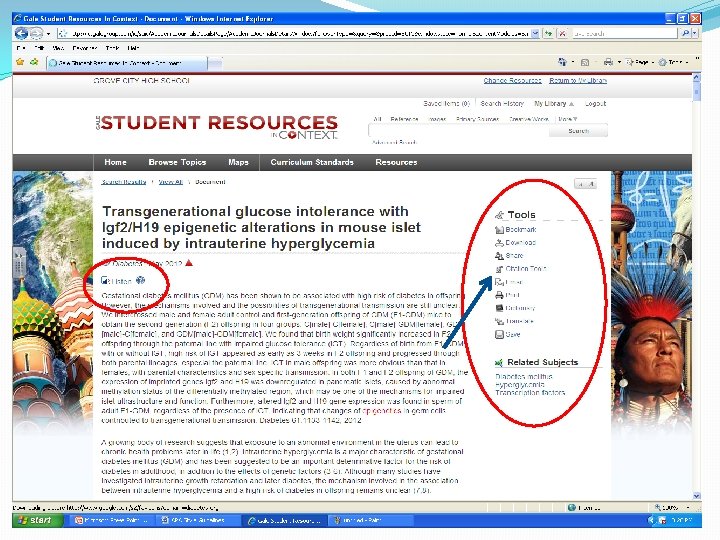
You can also see what the academic journal is… You can see what the content level is, advanced- red triangle, intermediateyellow square

Advanced Search
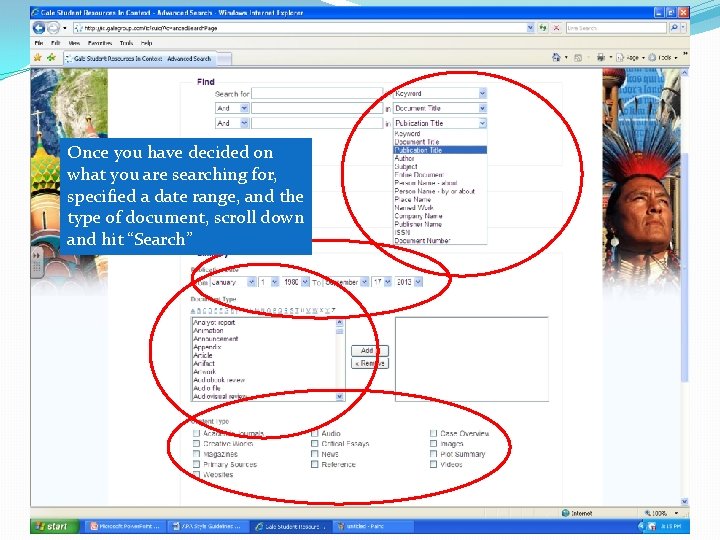
Once you have decided on what you are searching for, specified a date range, and the type of document, scroll down and hit “Search”
Let’s Review!
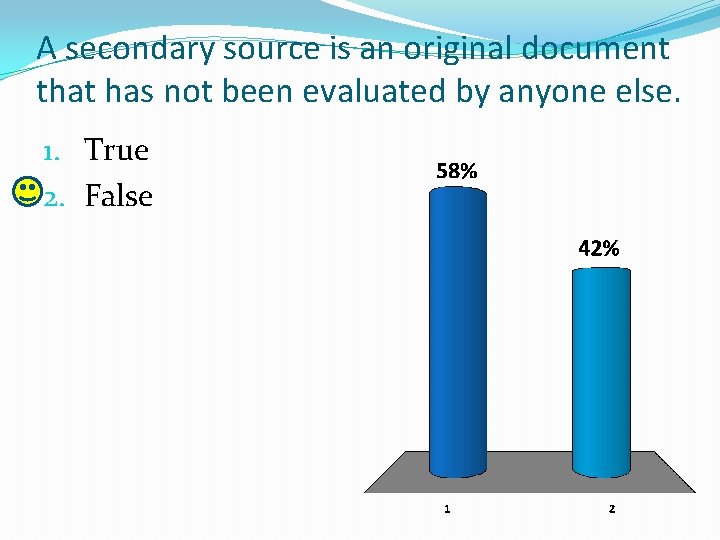
A secondary source is an original document that has not been evaluated by anyone else. 1. True 2. False

An example of a secondary source is: 1. 2. 3. 4. 5. Encyclopedia Lab Notebooks Reviews A and C B and C
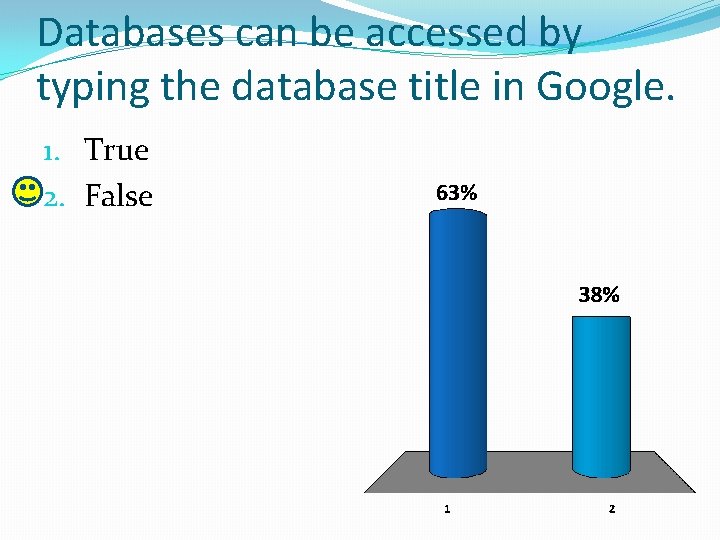
Databases can be accessed by typing the database title in Google. 1. True 2. False
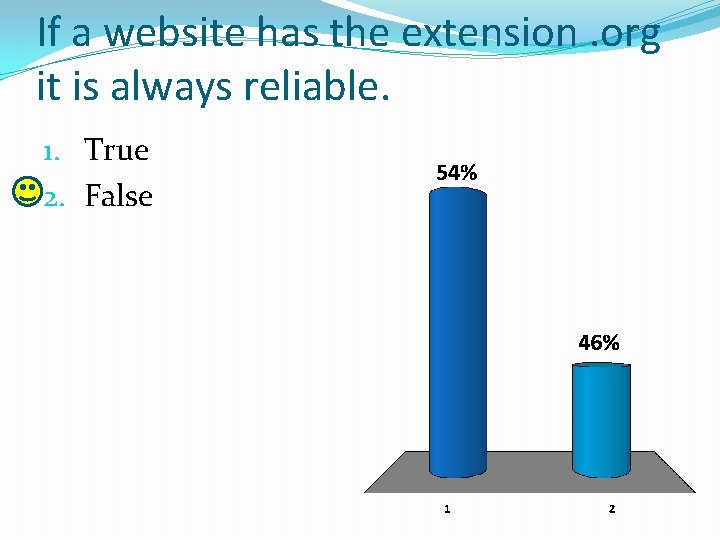
If a website has the extension. org it is always reliable. 1. True 2. False

The C. A. R. S. checklist for evaluating websites stands for: Credibility, Accuracy, Reasonableness, Support 2. Complete, Accuracy, Reliability, Support 3. Credibility, Access, Reasonableness, Support 4. Credibility, Access, Reliability, Support 1.
- Slides: 41