
Rehabilitation of Common Musculoskeletal Disorders 1 2 Classification
Rehabilitation of Common Musculoskeletal Disorders 新光醫院 復健科 謝霖芬 醫師 1
2

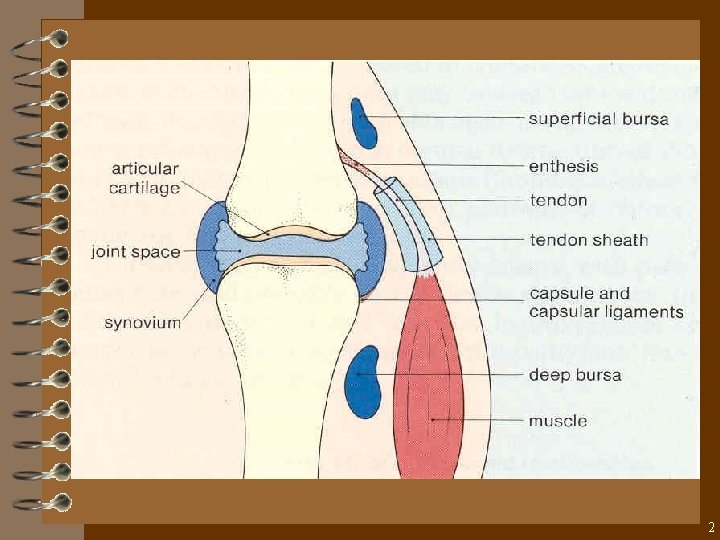
Classification of Common Musculoskeletal Disorders 4 Soft tissue lesion – Muscle: strain, myofacial pain sydrome – Tendon: tendinitis, tear – Ligament: sprain, rupture – Bursa: bursitis – Cartilage: degeneration, herniation, injury 4 Bone and joint lesion – Arthritis – Fracture and/or dislocation 3

Muscle strain 4 Damage to the musle fibers 4 Due to overstretch or too much contraction 4 Classification: 1 st, 2 nd, and 3 rd degree 4

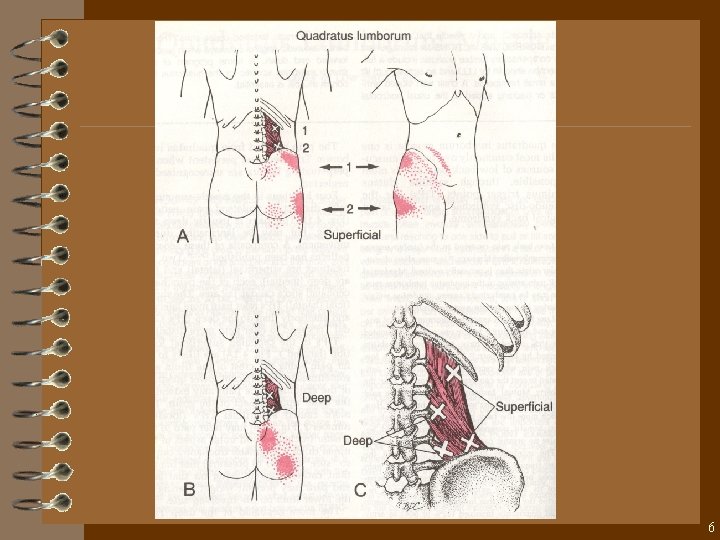
Myofacial pain syndrome 4 Local and referred pain patterns 4 Muscle stiffness and shortening 4 Taut bands in muscle 4 Presence of trigger points 4 Local twitch response or jump sign 4 Autonomic dysfunction 5
6
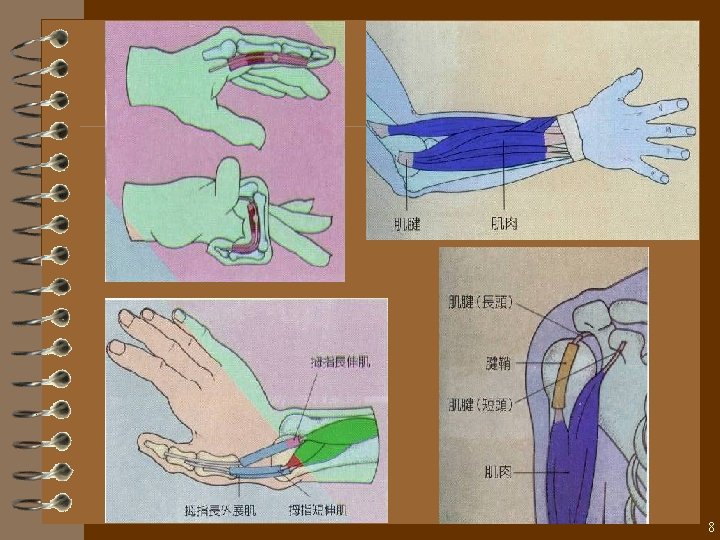
Tendinitis or tendosynovitis 4 Local pain & tenderness 4 Resisted isometric contraction induces pain 4 Tendon stretch induces pain 4 May have local swelling or crepitus 4 May have tendon shortening or adherence (triggering) 7
8
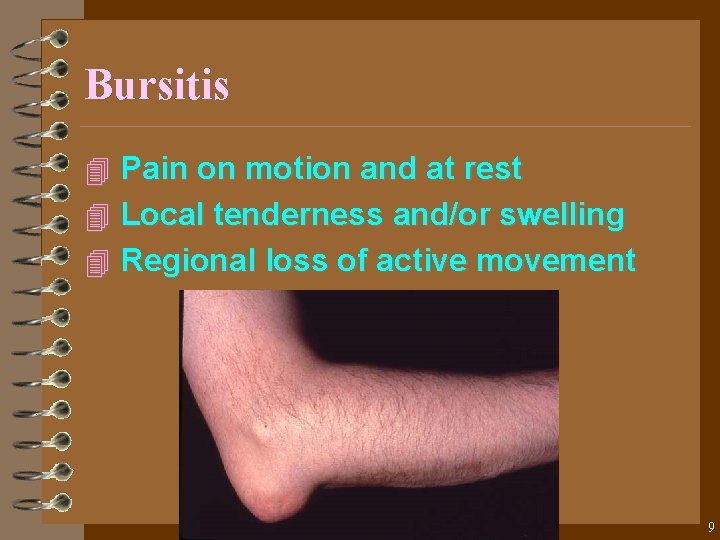
Bursitis 4 Pain on motion and at rest 4 Local tenderness and/or swelling 4 Regional loss of active movement 9
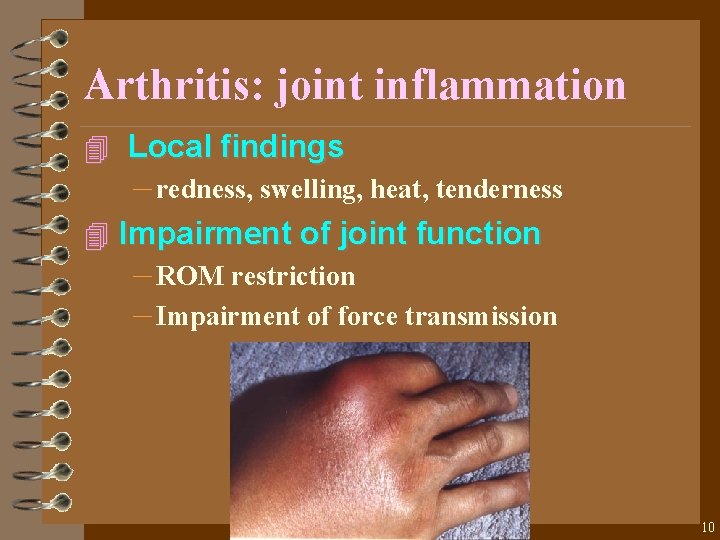
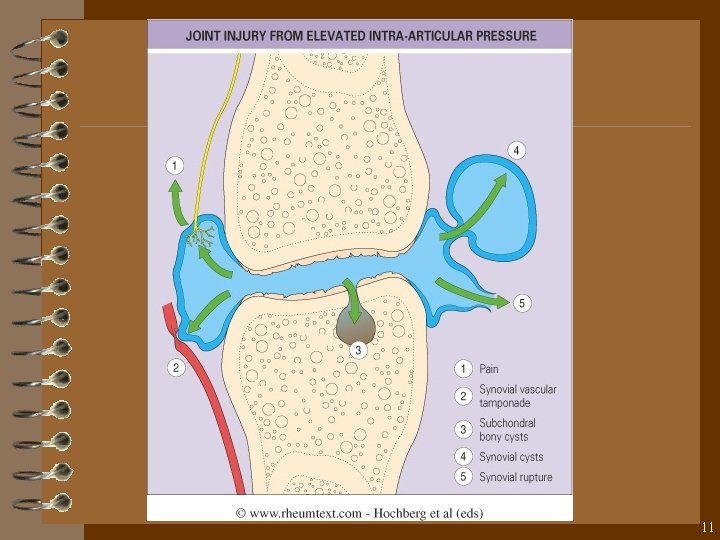
Arthritis: joint inflammation 4 Local findings – redness, swelling, heat, tenderness 4 Impairment of joint function – ROM restriction – Impairment of force transmission 10
11
Major Problems of Musculoskeletal Disorders 4 Pain 4 Contracture 4 Muscle weakness, atrophy 4 Instability 4 Functional impairment 12

Definition of Pain (IASP) 4 “An unpleasant sensory and emotional experience associated with actual or potential tissue damage, or described in terms of such damage. ” – Acute pain vs chronic pain – Individual variations – Psychological factors 13
14
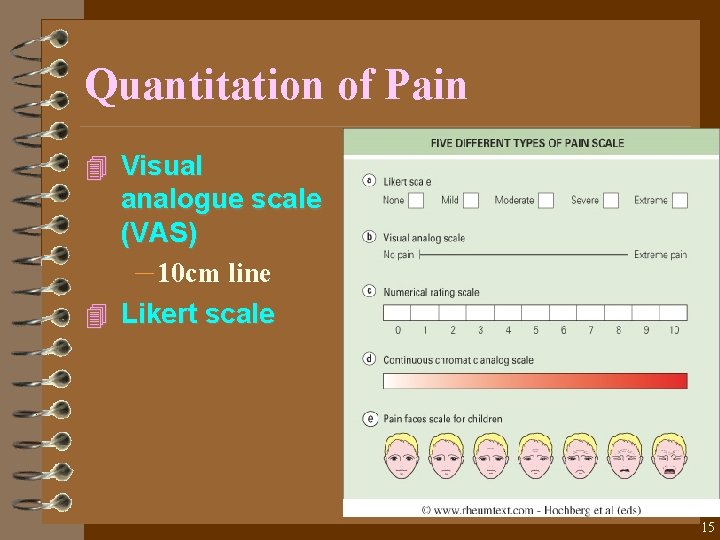
Quantitation of Pain 4 Visual analogue scale (VAS) – 10 cm line 4 Likert scale 15
Pain Generator 4 Bone 4 Joint 4 Muscle 4 Tendon 4 Ligament 4 Nerve 4 Vessel 16
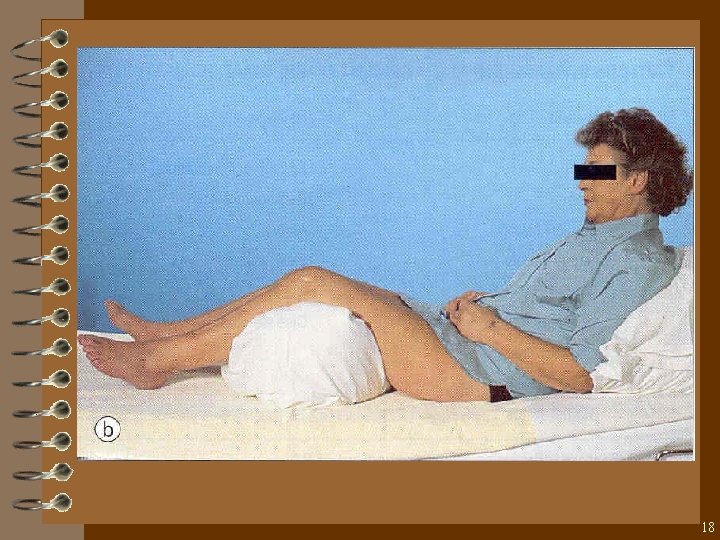
Contracture 4 Arthrogenic: arthritis, capsular fibrosis 4 Myogenic: trauma, inflammation, degeneration 4 Other soft tissue: tendinitis, ligamentous tear 4 Mixed u Most common cause: lack of joint mobilization throught full alowable range 17
18
Muscle weakness or atrophy 4 Disuse 4 Pain inhibition 4 Muscle or tendon lesions 4 Neuropathy 4 Side effect of drugs 19
Instability 4 Bone and cartilage damage 4 Muscle atrophy 4 Relative lengthening of tendon, ligament 20
Evaluation of Musculoskeletal Disorders 4 History taking 4 Physical examination 4 Special examinations 21
History Taking 4 Location 4 Disease duration 4 Cause 4 Course 4 Severity 4 Factors relieving or worsening the symptom 4 Other sensory complaints 22
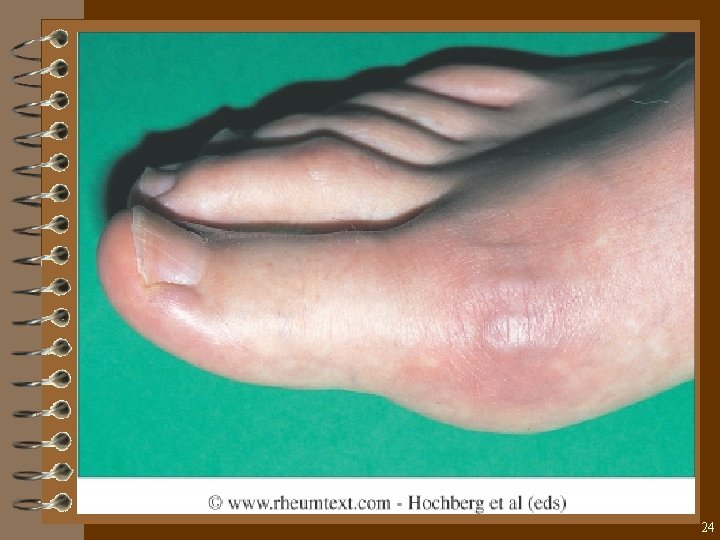
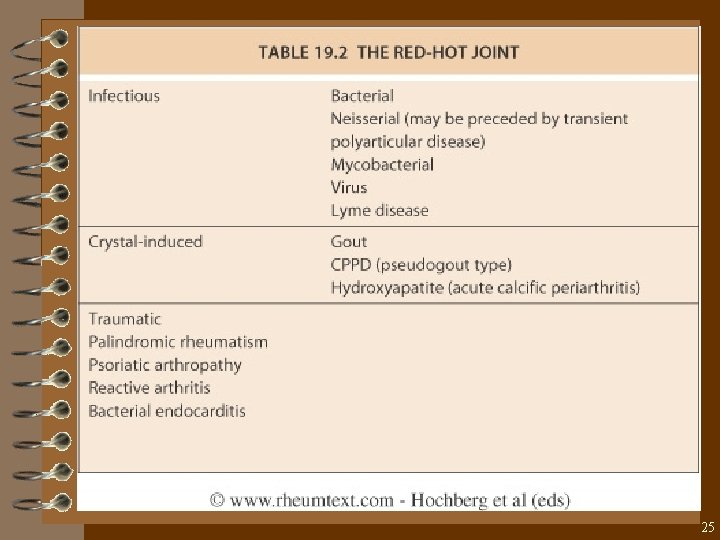
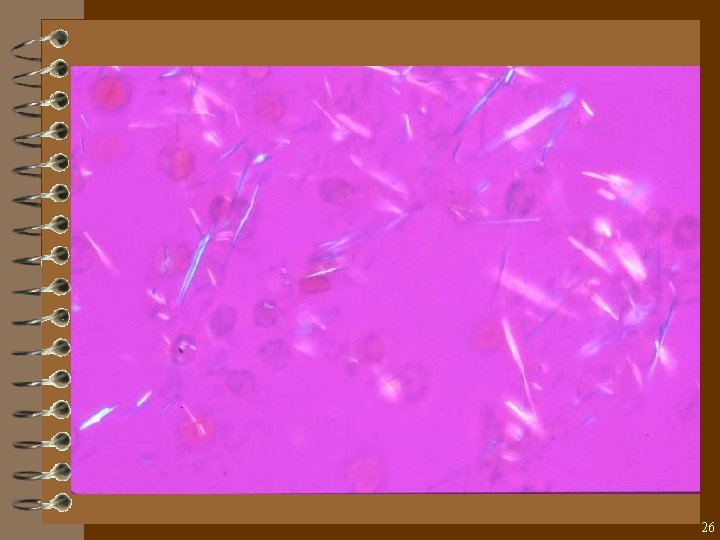
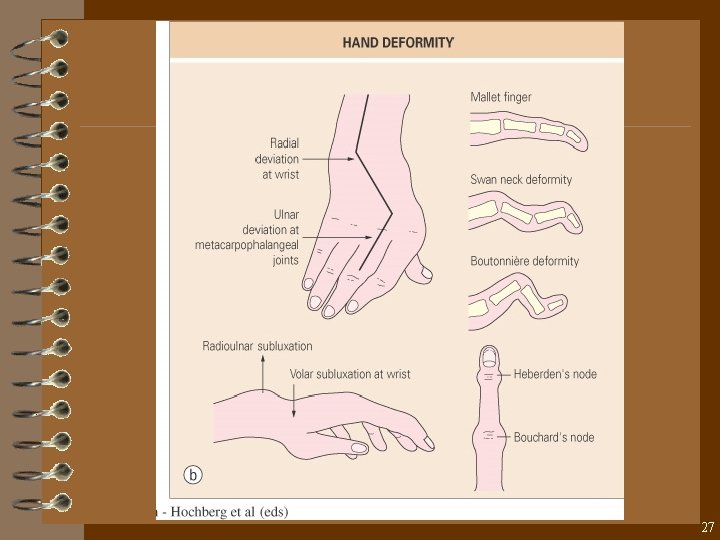
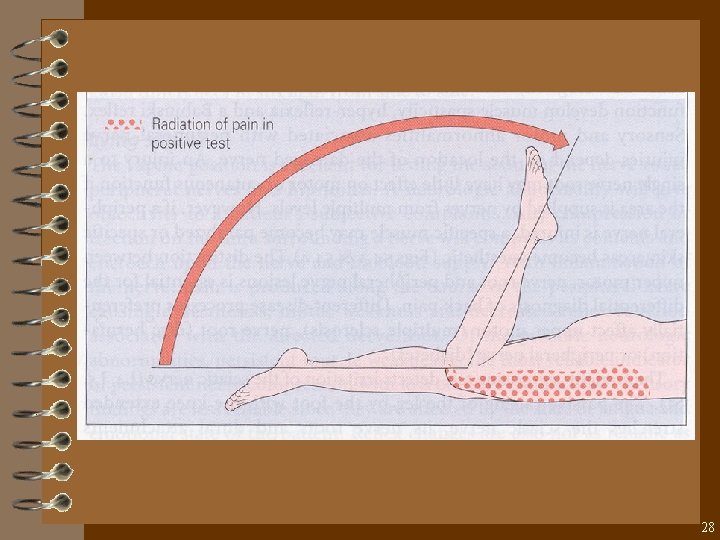
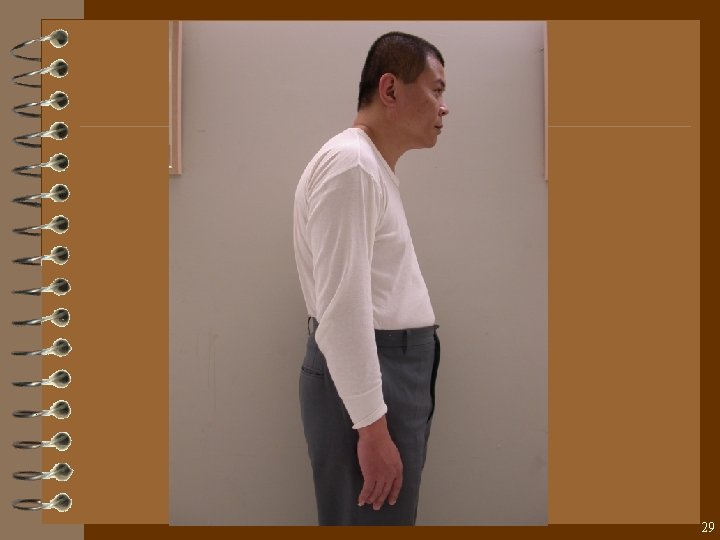
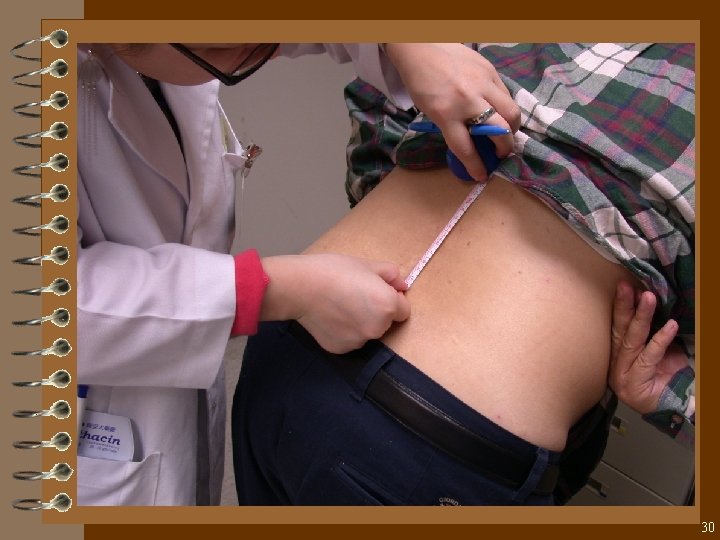
Physical Examination 4 Inspection: redness, swelling, atrophy, 4 4 ecchymosis, discoloration, deformity, physical defect Palpation: tenderness, local heat or coldness, swelling, atrophy, mass, local defect Neurological examination: sensory, motor, DTRs Check ROM, joint stability, soft tissue flexibility Special tests: 23
24
25
26
27
28
29
30
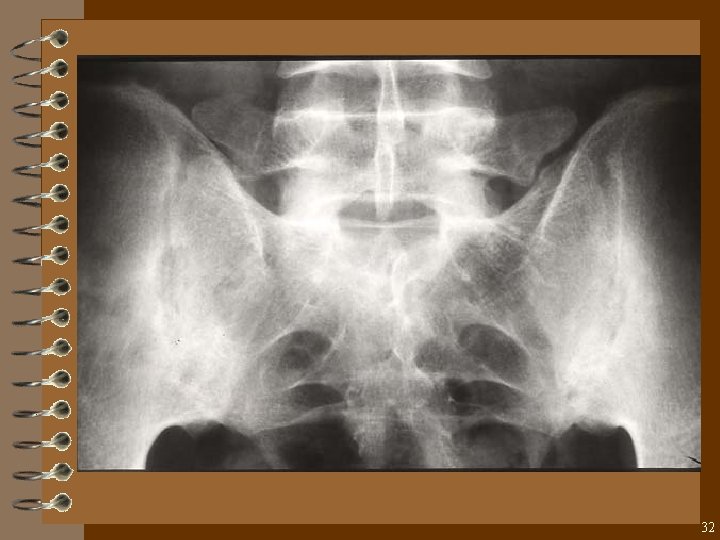
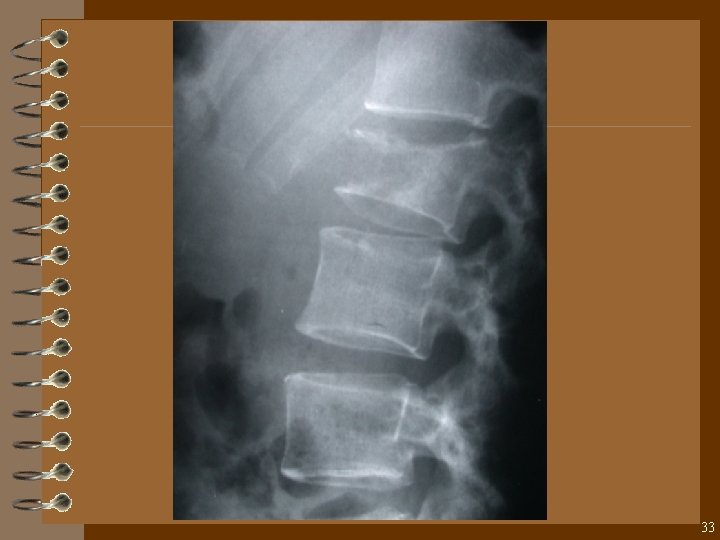
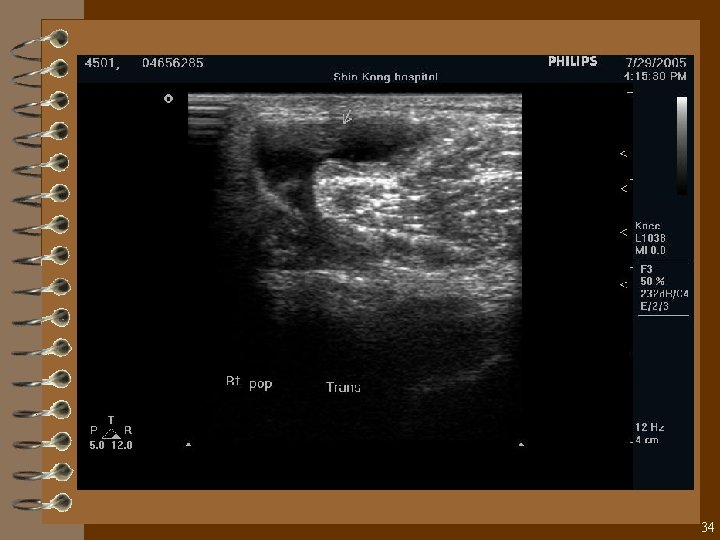
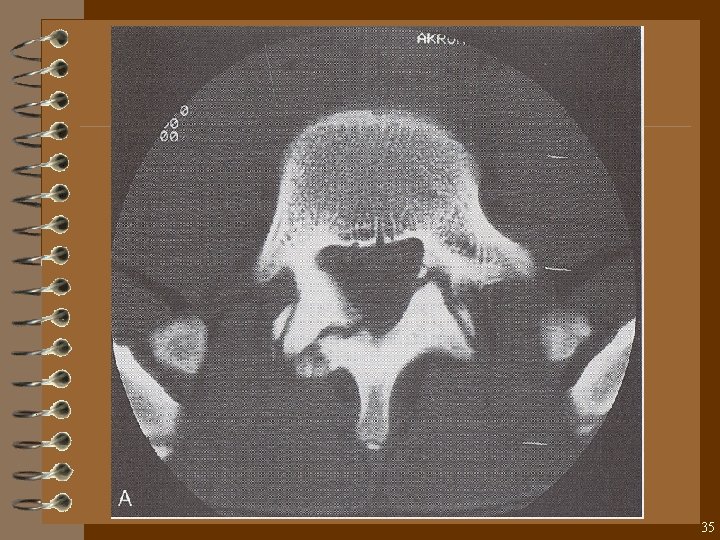
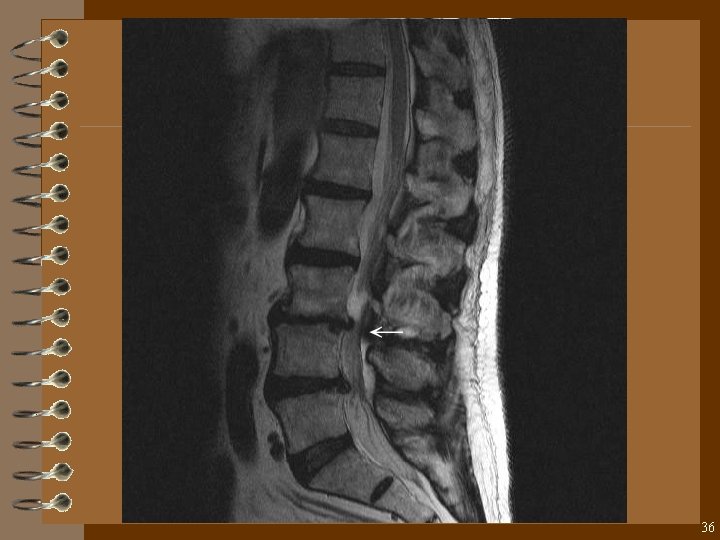
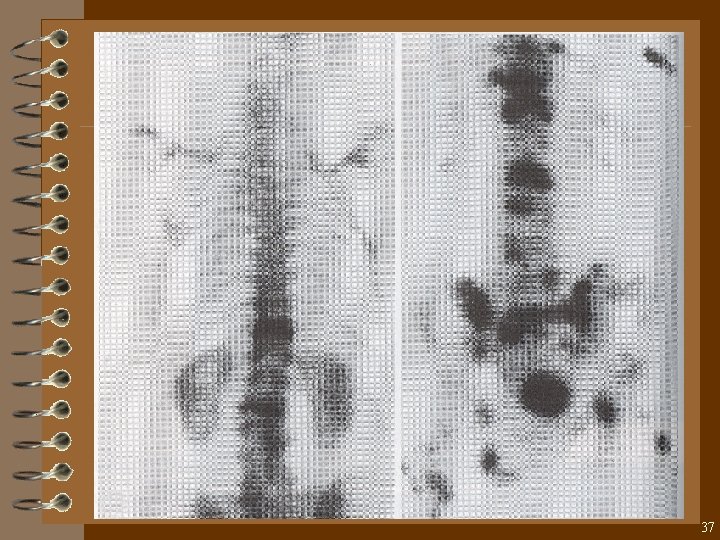
Special Examinations 4 Conventional radiography 4 Ultrasound 4 Computed tomography 4 Magnetic resonance imaging 4 Bone scan 4 Arthrography 4 Arthroscopy 4 EMG & NCS 4 Motion analysis (gait laboratory) 31
32
33
34
35
36
37
Goals of Rehabilitation 4 Symptom relief 4 Mobility and strength 4 Sense of self-worth 4 Maximal functional ability 4 Maximal independence 38
Therapeutic Exercise 4 Mobility exercise 4 Strengthening exercise 4 Aerobic exercise 4 Recreational exercise 39
Mobility Exercise 4 Range of motion – active-assistive – passive 4 Stretching – ballistic – PNF (proprioceptive neuromuscular facilitation) – static 4 Joint mobilization 40
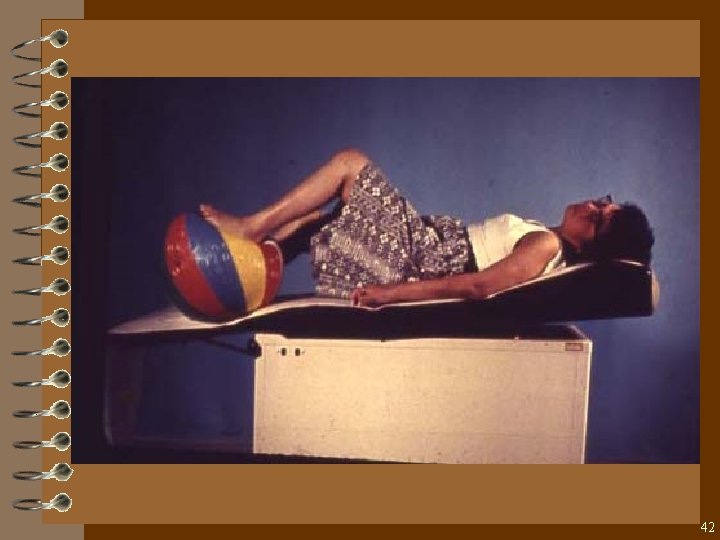
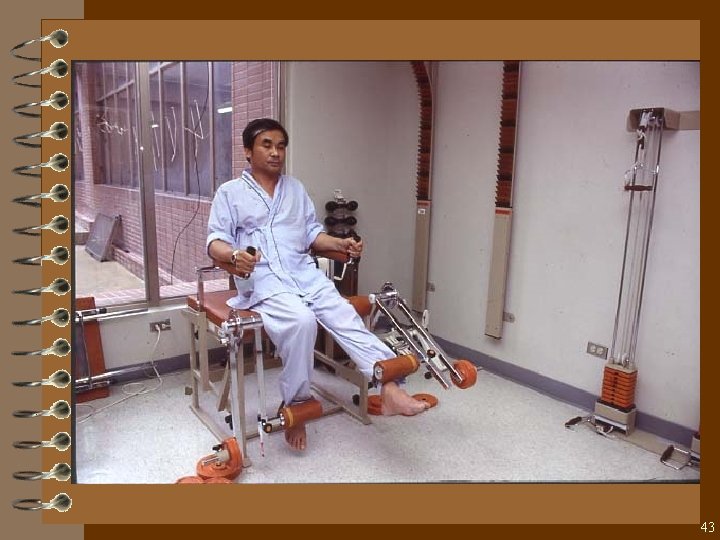
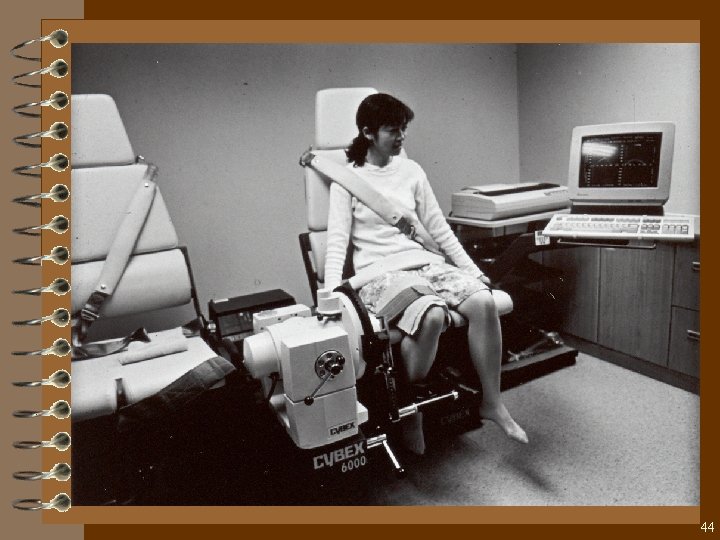
Strengthening Exercise 4 Isometric - same length 4 Isotonic - same load 4 Isokinetic -same speed 41
42
43
44
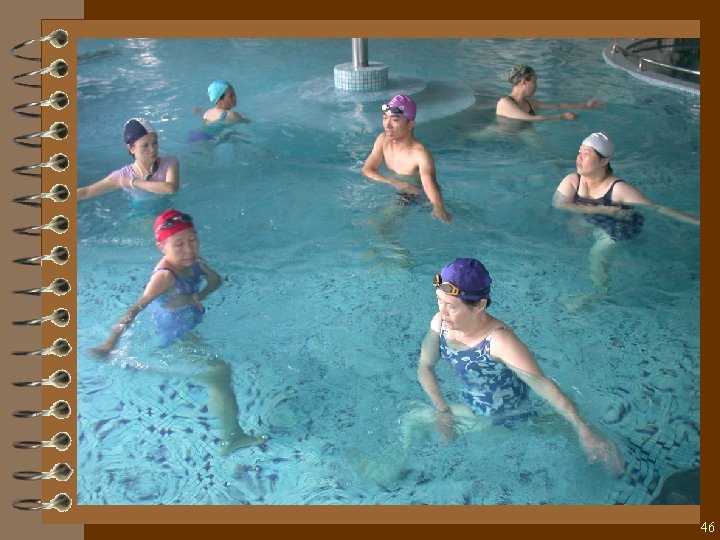
Aerobic Exercise 4 Mode: swimming, bicycle, walking 4 Frequency: 3 -5 times/week 4 Duration: 20 -60 min 4 Intensity: – 55 -90% maximal HR – 40 -85% HR reserve. – 40 -85% VO 2 reserve – 12 -16 RPE (rate of perceived exertion) 45
46

47
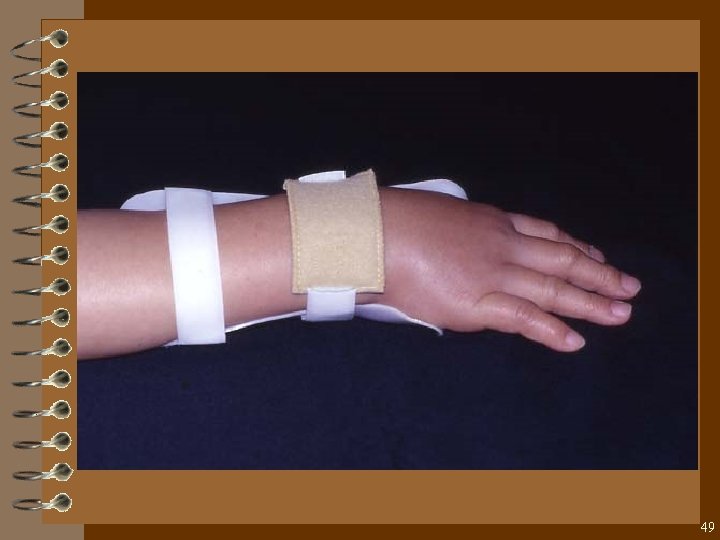
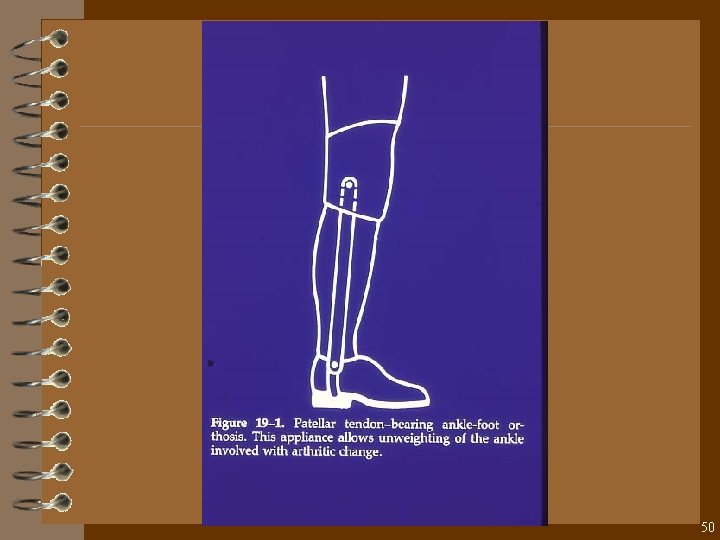
Purposes of Orthoses (splints) 4 Unweigh joints 4 Stabilize joints 4 Decrease joint motion 4 Improve joint function 48
49
50
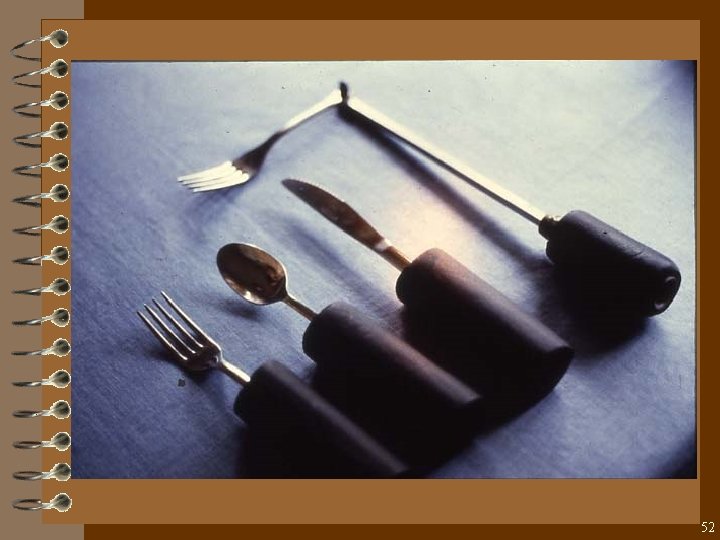
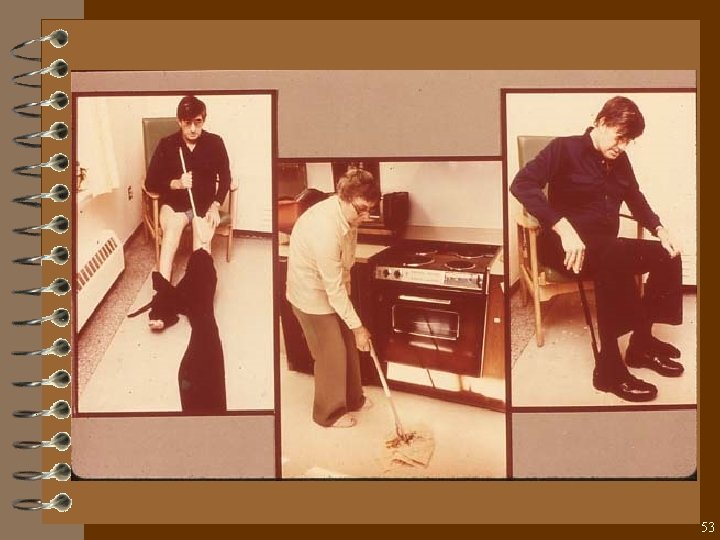
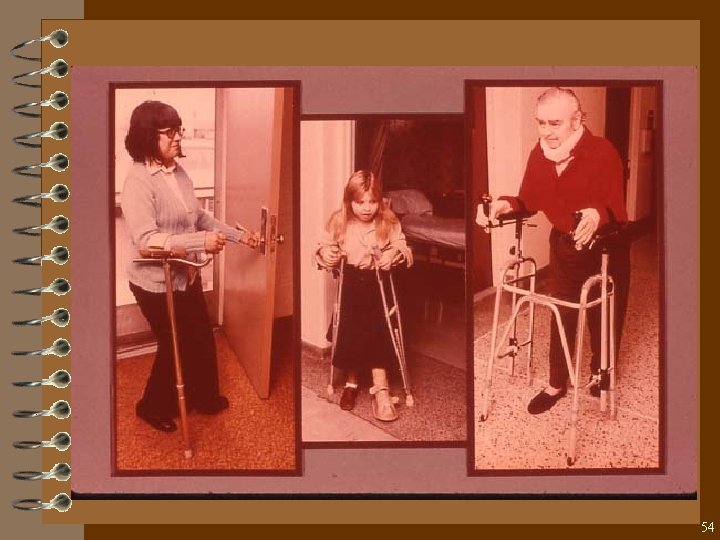
Basic function of assistive devices 4 Compensate for lost function 4 Alleviate joint stress 4 Decrease energy demands 4 Increase safety 51
52
53
54
Treatment and Rehabilitation of Common Musculoskeletal Disorders 4 Acute stage 4 Subacute stage 4 Chronic stage 55
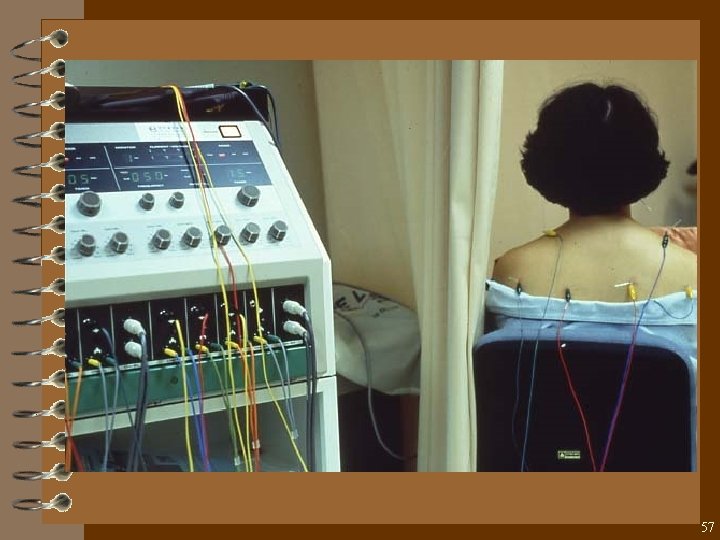
Acute Stage 4 4 4 4 PRICE Physical agents: TENS, low power laser Medications: NSAIDs, analgesics Local steroid injection (c or s xylocain) Local xylocain injection Acupuncture` Manipulation Therapeutic exercise: – ROM exercise – Isometric exercise 56
57
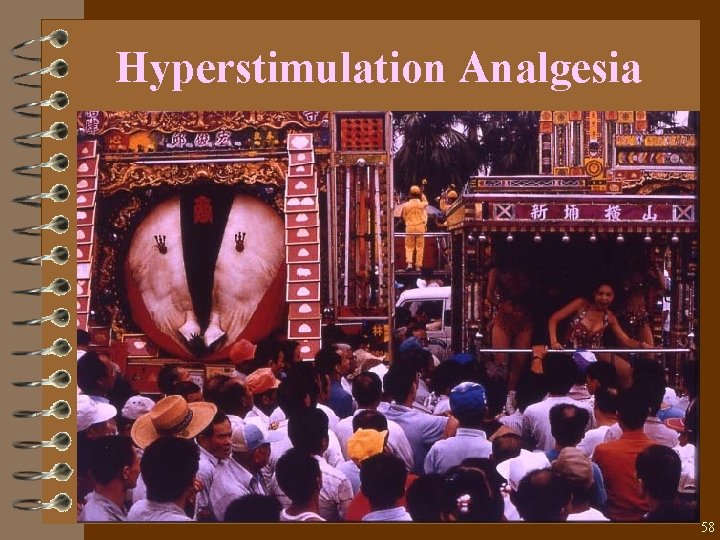
Hyperstimulation Analgesia 58
Subacute Stage 4 Heat or cold therapy 4 Hydrotherapy(contrast bath) 4 Local massage 4 ROM exercise 4 Strengthening exercise – isometric, isotonic, isokinetic 4 Other physical agents 59
Chronic Stage 4 Heat therapy 4 Hydrotherapy (Spa therapy) 4 Stretch exercise 4 Strengthening exercise 4 Aerobic exercise 4 Mobilization and manipulation 4 Other physical agents (USD, SWD, TENS) 60

61
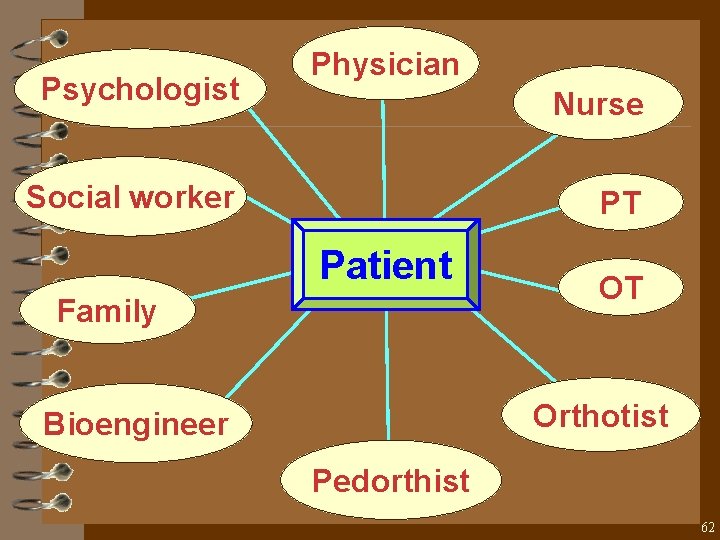
Psychologist Physician Nurse Social worker PT Patient Family OT Orthotist Bioengineer Pedorthist 62
- Slides: 62